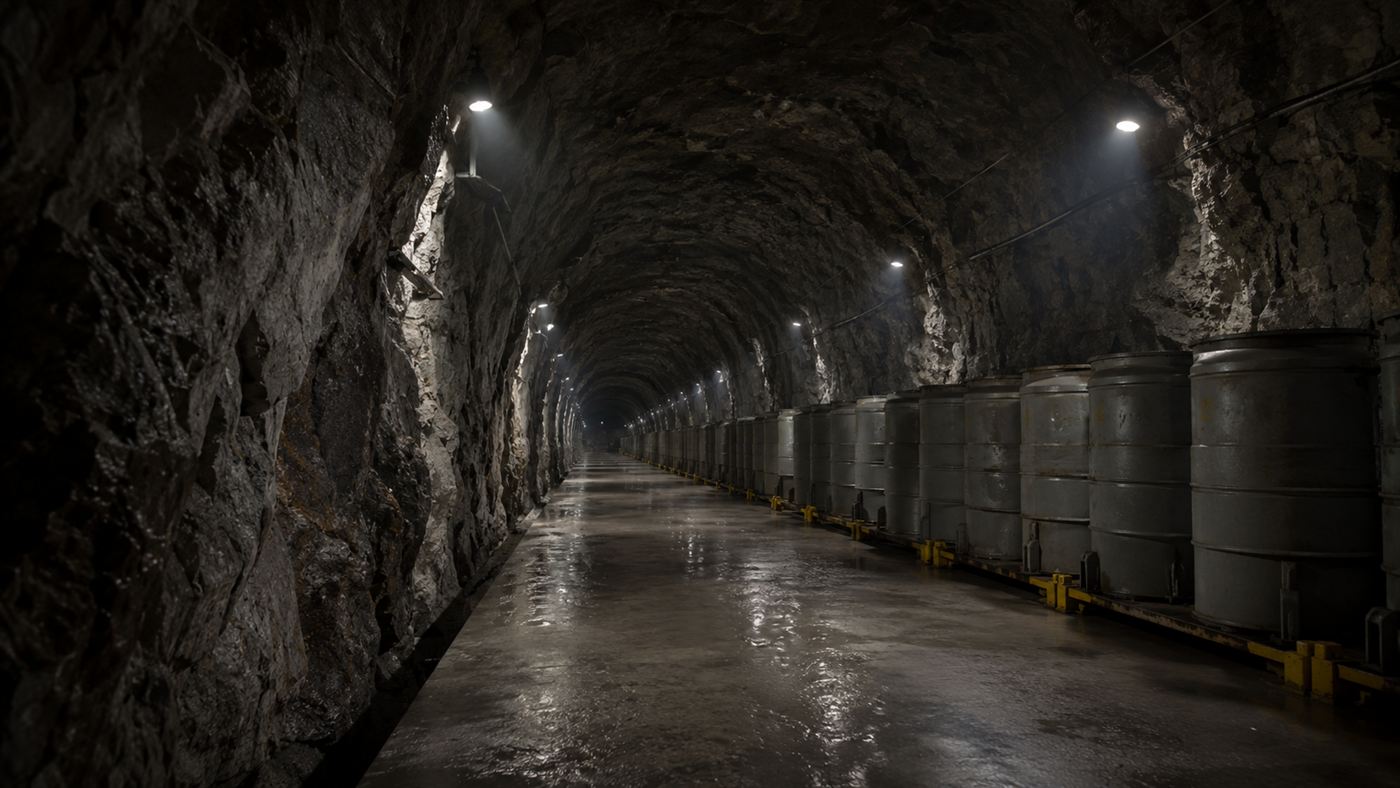
The most infamous nuclear plant in America, Three Mile Island, is being switched back on to feed the AI boom, decades after its 1979 meltdown
For almost half a century the name Three Mile Island has been shorthand for nuclear disaster, the Pennsylvania plant where a reactor melted down in 1979 and frightened a country away from atomic power. Now it is coming back to life, and the reason is one nobody could have predicted in 1979: the bottomless electricity appetite of artificial intelligence.
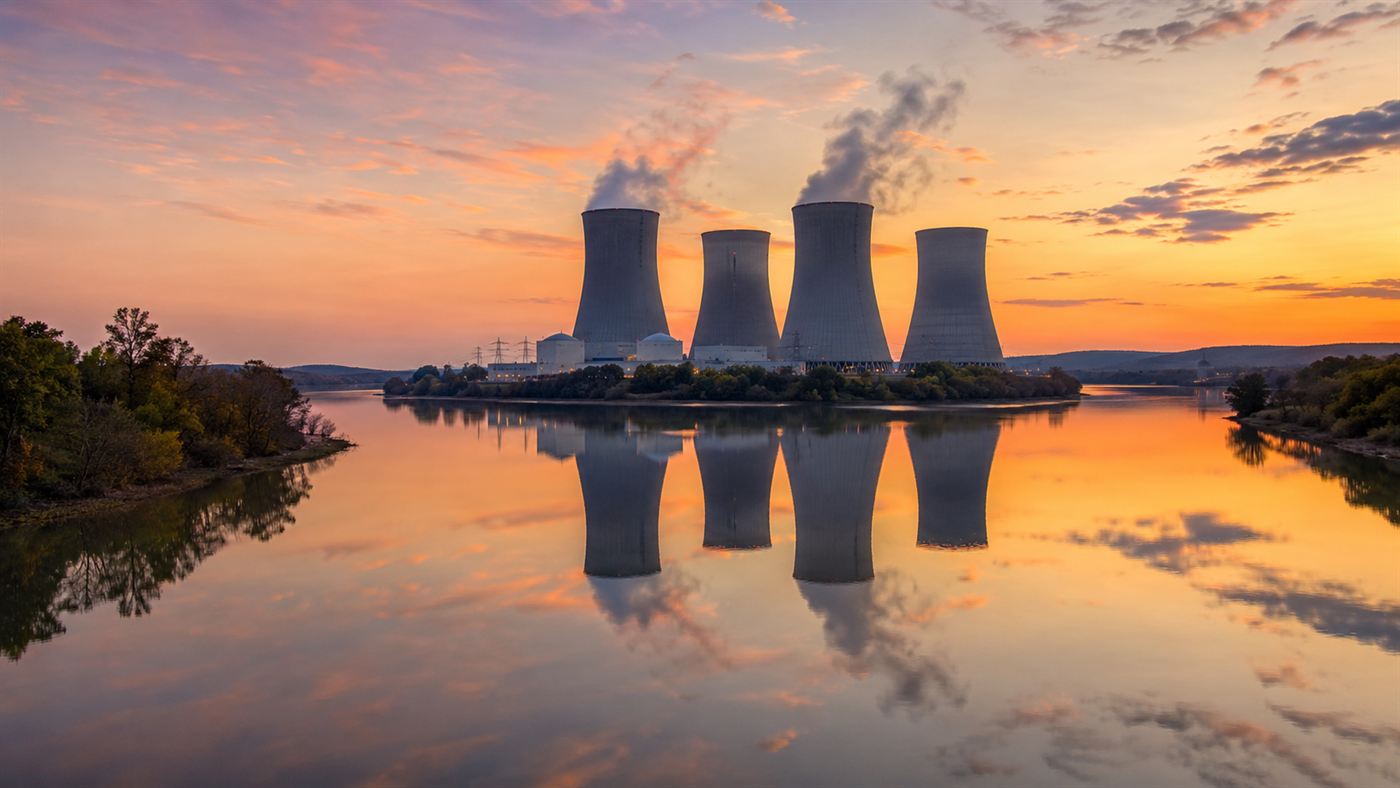
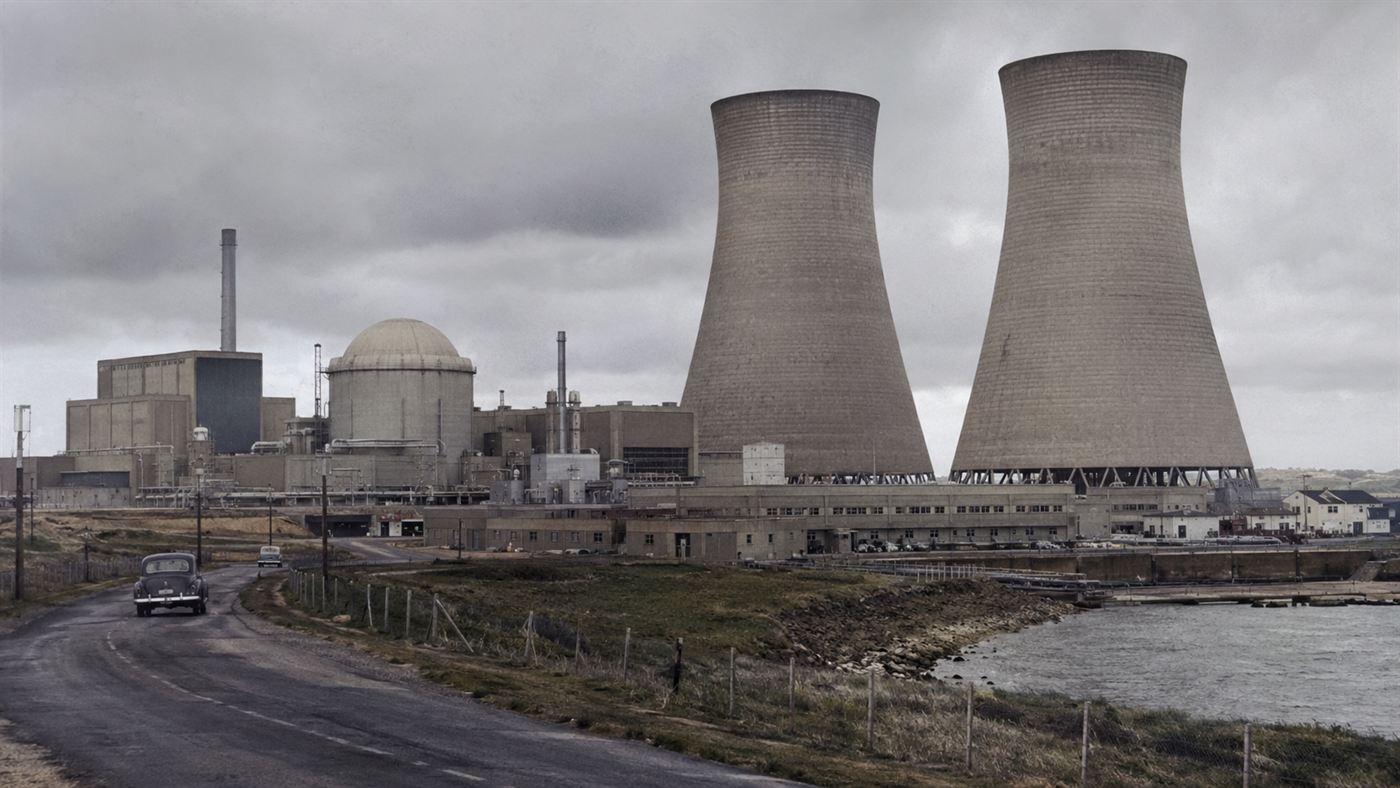
The cooling towers of Three Mile Island, a name long synonymous with nuclear fear. Illustration: Watts & Wild.
In September 2024 the energy company Constellation announced a deal that would have seemed absurd a few years ago. It will restart a reactor at Three Mile Island and sell every watt it makes to Microsoft, on a twenty-year contract, to run the data centres behind its push into artificial intelligence. As Constellation announced, the plant is being relaunched under a new name, the Crane Clean Energy Center, but everyone knows what it really is.
The first thing to clear up is the part that makes people flinch. The reactor coming back is not the one that melted down. That was Unit 2, which has sat shut and slowly decommissioned since the accident. The plant being revived is Unit 1, the quieter reactor next door, which ran without drama for decades and was only switched off in 2019 because cheap natural gas had made it unprofitable.
Why Three Mile Island is worth reopening now
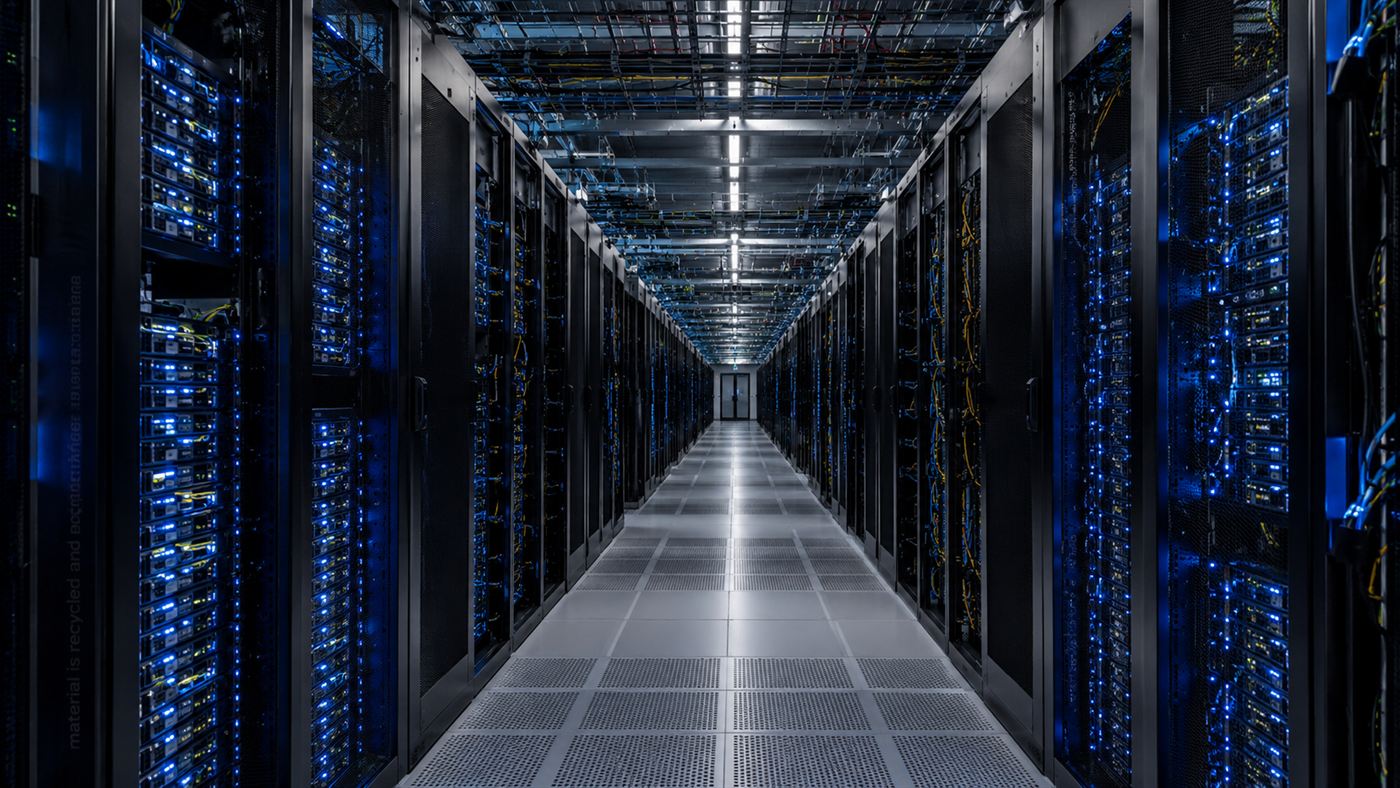
What changed is demand. Training and running modern AI models swallows staggering amounts of power, and the companies building it are desperate for electricity that is both enormous in scale and available every hour of every day. A nuclear reactor is almost perfectly suited to that, producing around the clock and, crucially, without burning fossil fuels. As CNBC reported when the deal was announced, the restarted unit will add about 835 megawatts to the grid, all of it earmarked for Microsoft.
For a tech giant trying to look green while its energy use explodes, a carbon-free reactor is an attractive answer. For Constellation, a customer willing to sign a twenty-year contract makes the gamble of reviving a shut-down plant worth taking. The federal government has backed it too, approving a loan of around a billion dollars to help cover the cost of bringing the reactor back.
The shadow of 1979
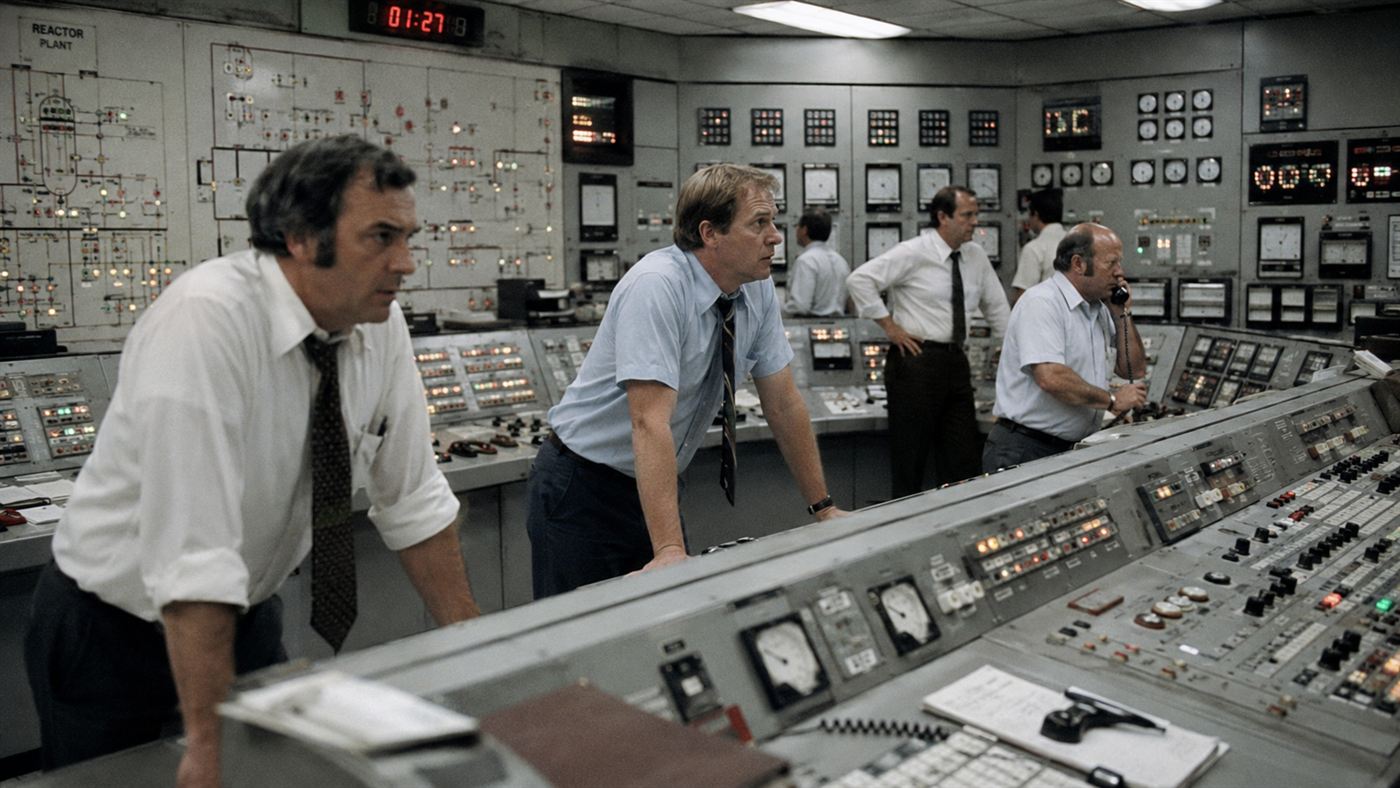
None of this can escape the date that made the place famous. In the early hours of 28 March 1979, a mix of equipment failures and confused responses caused part of Unit 2's core to overheat and melt. It is still officially the most serious accident in the history of American commercial nuclear power.
In the end the damaged reactor released only a small amount of radiation into the surrounding area, and studies have not found clear health effects in the population. But the fear was enormous and lasting. Three Mile Island, arriving just days after the release of a nuclear-disaster film, helped freeze new reactor construction in the United States for a generation. That a site so loaded with dread is now being sold as the clean future is the heart of the story.
Is the reactor restarting the one that melted down?
No, and it matters. The meltdown was at Unit 2, which is not coming back and is being taken apart. The revival is Unit 1, a physically separate reactor on the same island that has its own safety record and ran for decades after 1979 without incident. Reopening it is unprecedented in the United States, but it is a question of refurbishing a working design, not of restarting the wreck of the accident.
The honest catch
The clean, tidy headline, "AI saves nuclear power," deserves a few asterisks. The electricity does not flow down a private wire from the reactor to a Microsoft building; it goes into the shared regional grid, with the deal balancing the books on paper, which is normal but worth understanding. The promise that AI's hunger will power a nuclear renaissance is real but unproven, and the same hunger is also driving up demand for gas and straining grids in ways that are not remotely clean. Restart costs and timelines for a project like this can slip. And reasonable people can ask whether running reactors flat out to feed data centres is the best use of carbon-free power in a warming world. What is genuinely remarkable, and not in dispute, is the symbolism: the plant that once stood for everything people feared about nuclear energy is being reborn as a poster child for it.
The most feared nuclear plant in America is being switched back on to run chatbots and AI models. Is reviving Three Mile Island for the AI age a smart use of clean power, or a strange place to stake the nuclear comeback? Tell us what you think in the comments.
Related reading: The other nuclear dream, the lasers that briefly made fusion give back more energy than they took. See also how Michigan's Palisades plant became the first US reactor ever raised from the dead, and how Japan's Onagawa plant survived the very tsunami that destroyed Fukushima. See also how Hanford made the Nagasaki plutonium and became America's biggest cleanup, and how the fear this accident unleashed doomed the Shoreham nuclear plant, a finished reactor sold for a dollar and never run. See also the Church Rock spill of the same year, a bigger radioactive release that America forgot, and Shippingport, the first US reactor and the first to be completely torn down.
See also: SL-1, the only fatal reactor accident in US history, caused by one control rod pulled too far.