Three men waded into the flooded basement under Chernobyl's burning reactor, and the legend that they died doing it is wrong
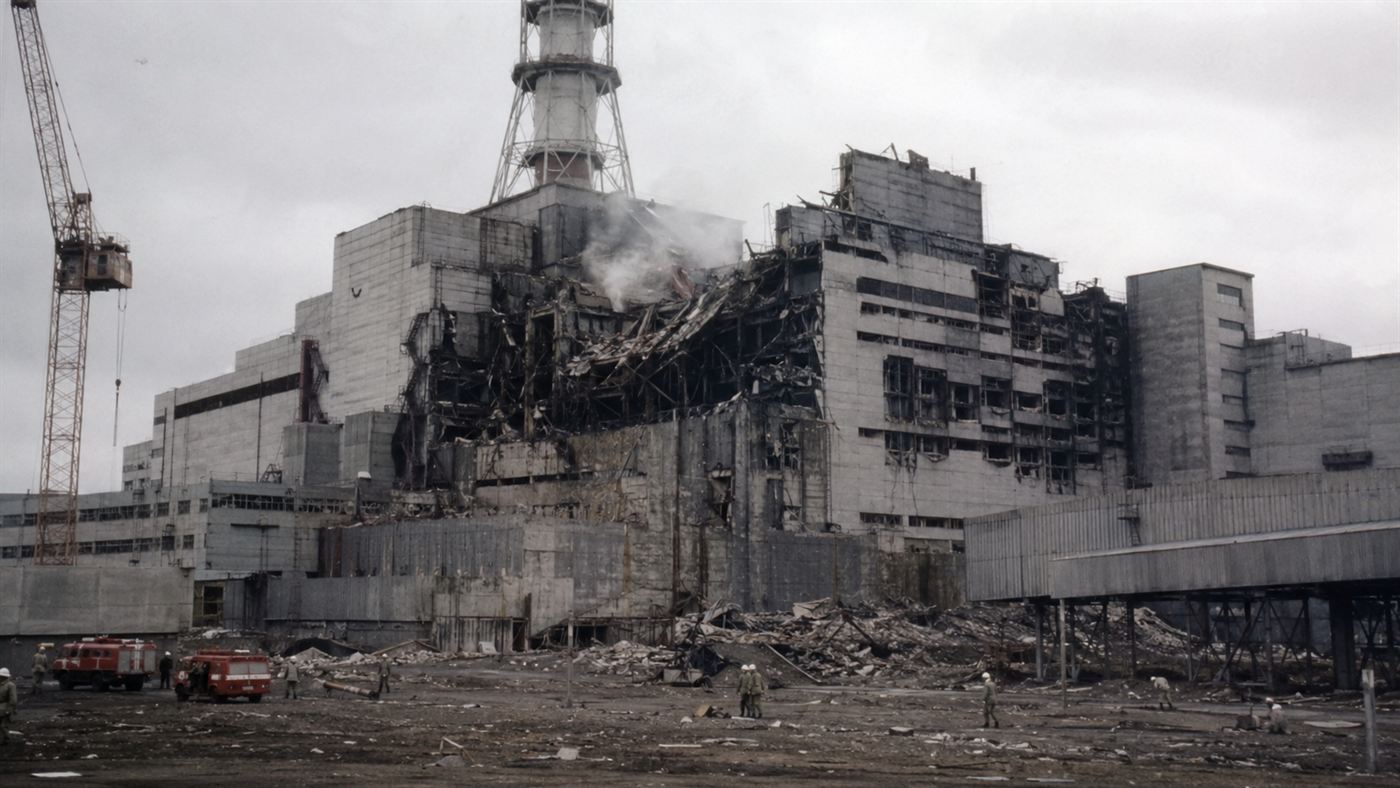
Days after the worst nuclear accident in history, three engineers pulled on wetsuits and walked into a flooded basement directly beneath the smouldering Chernobyl reactor to open a set of valves. The story everyone tells is that the Chernobyl divers died of radiation within weeks. The truth is stranger: they walked out, and they lived.
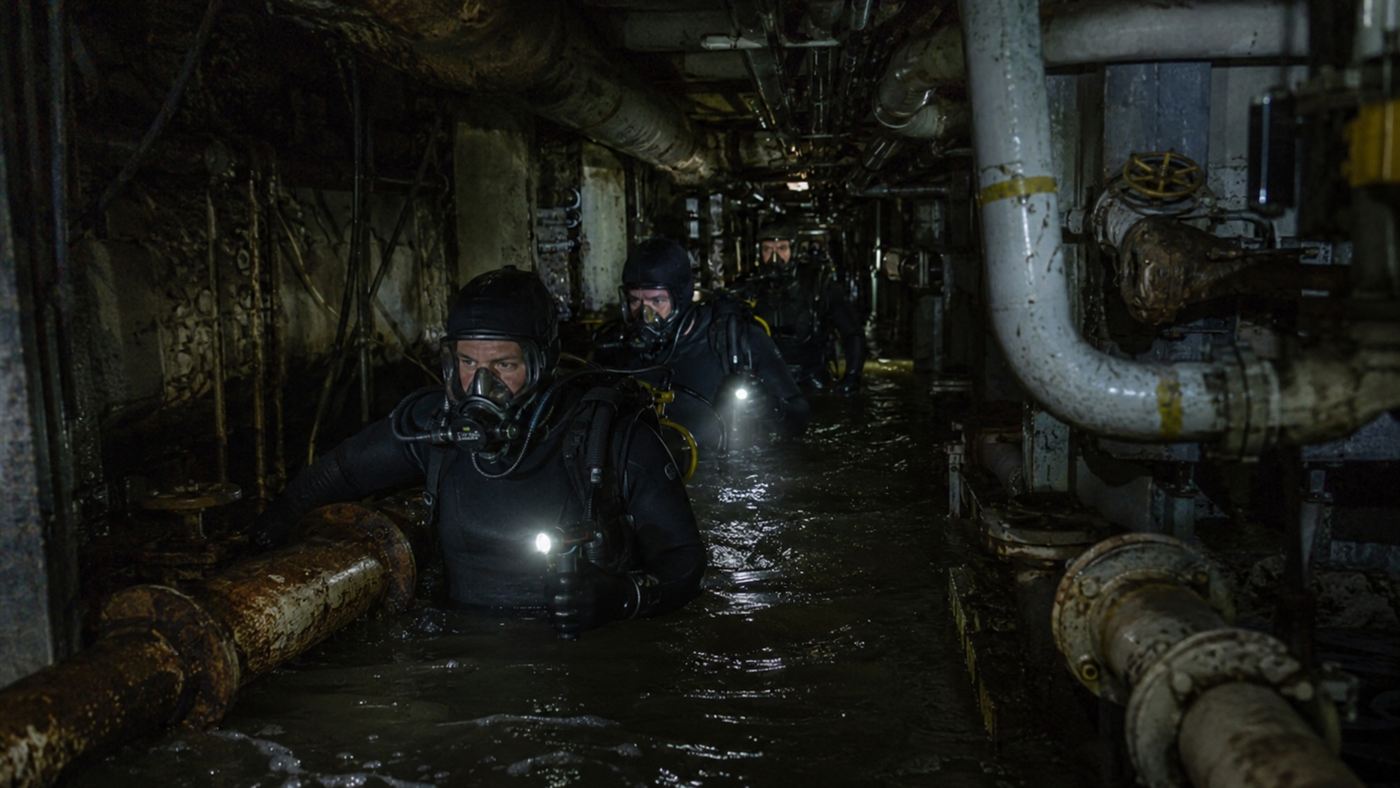
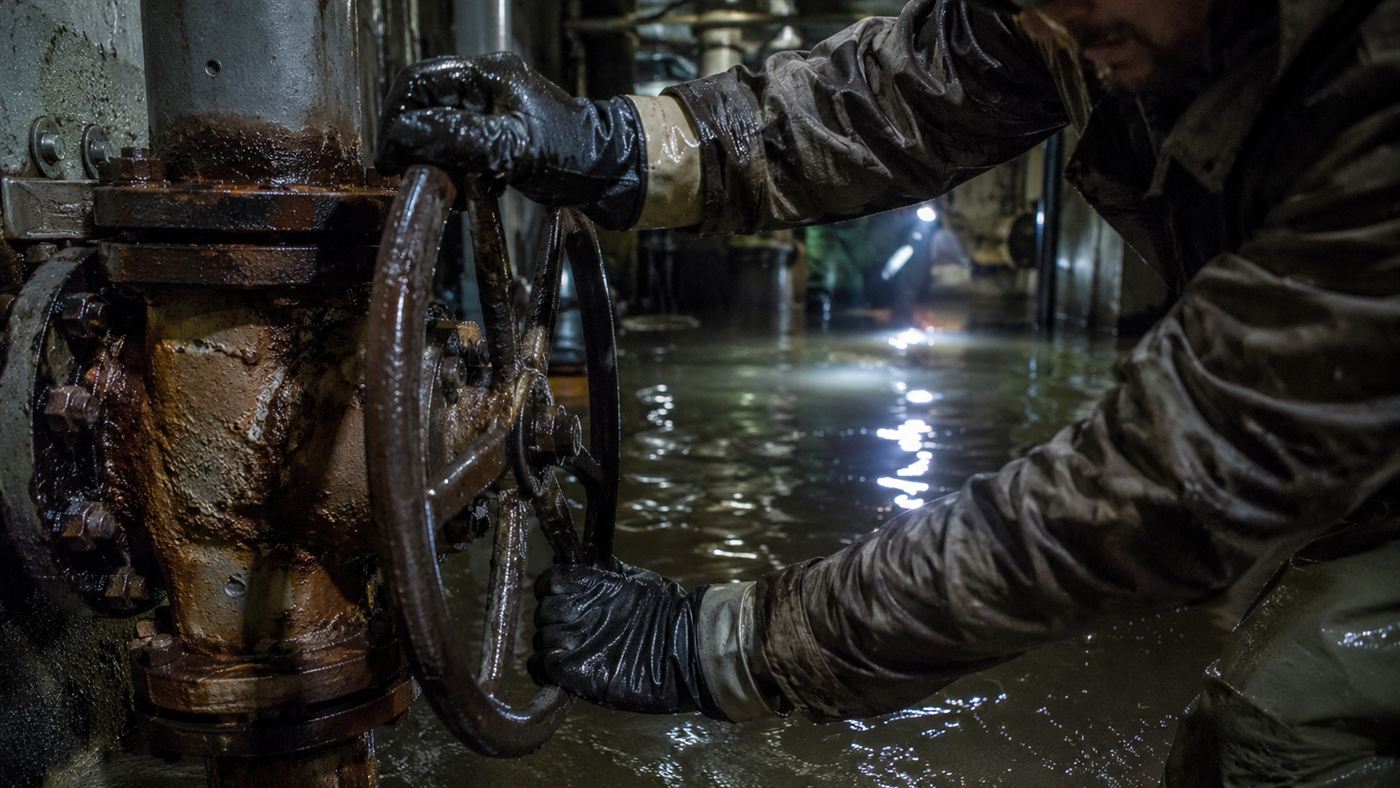
Three engineers waded into the flooded rooms below the reactor to reach the valves. Illustration: Watts & Wild.
On 4 May 1986, just over a week after reactor number four exploded, the situation underneath it was quietly turning into a second nightmare. Water from the firefighting and the cooling systems had pooled in the bubbler pool, a large reservoir in the basement, and the molten remains of the core were burning their way downward toward it. The fear among the engineers was simple and enormous.
If that white-hot mass of fuel reached the water, it could flash millions of litres into steam all at once. Such a blast might fling radioactive debris far and wide and wreck the neighbouring reactors. As The Vintage News has recounted, someone had to go down into the dark, contaminated water and open the gate valves that would let the pool drain away. That job fell to three men.
Who the Chernobyl divers really were
They were not anonymous heroes plucked from a crowd. Alexei Ananenko was a mechanical engineer who actually knew where the valves were. Valeri Bespalov was a senior engineer, and Boris Baranov was the shift supervisor who went along to hold the lamp and help them find their way. Between them they had the knowledge and the nerve to do something most people would have refused.
They knew the radiation in those rooms was lethal in large enough doses, and they went anyway, picking through a maze of pipes to find two specific valves in the gloom. When the valves turned and the water began to gurgle away, the most dangerous scenario of the whole disaster quietly drained off with it.
The legend that grew in the dark
Over the years the story hardened into a perfect tragedy. The men, it was said, swam through chest-deep radioactive water in total darkness, lost their torch, found the valves by touch, and staggered out already dying, only to perish in agony days later and be buried in lead-lined coffins. It is a gripping tale. Most of it is not true.
The reality was grim but less cinematic. As History Defined sets out, firefighters had already pumped much of the water out, so it was only knee-deep when the three waded in. They wore wetsuits, they had light, and although the job was genuinely dangerous, it was not the blind suicide mission of legend. The drama got embellished with every retelling until the facts could barely keep up.
How the Chernobyl divers actually ended up
Here is the part that still surprises people. None of the three died of radiation sickness. As Sky HISTORY has documented, all three men survived the mission by many years, and two of them, Ananenko and Bespalov, were still alive and still working in the nuclear industry decades later. Boris Baranov lived until 2005, when he died of a heart attack, not of anything he absorbed in that basement.
In 2018 the Ukrainian state finally gave Ananenko and the others formal recognition for what they did. The men themselves always shrugged off the heroics, pointing out that they were the people who happened to know the building and so were the obvious ones to send. It is a very different ending from the doomed martyrs of the myth.
Why did they need to drain the water under the reactor?
Because of what physicists call a steam explosion. A pool of water sitting under a melting reactor core is a loaded weapon: if the core drops into it, the water turns to steam in an instant and detonates like a bomb. Draining the roughly 20 million litres of water out of the basement took that weapon off the table, which is exactly why the mission mattered even though it lacked the body count the legend gave it.
The honest catch
Two things deserve a cooler look. First, the common claim that a second explosion would have "made half of Europe uninhabitable" or gone off with a force of megatons is an exaggeration that crept into many retellings. A steam blast would have been a serious setback, spreading more contamination and possibly damaging the other reactors, but it was not going to flatten a continent. Second, the men were not quite the spontaneous volunteers of the story; they were assigned the task because they were the right specialists, and they were promised that their families would be looked after. None of that lessens their courage. It just means the real Chernobyl divers were braver in a quieter, more human way than the myth allows.
Three engineers walked under a melting reactor to turn two valves, and history rewarded them with a death they never actually suffered. Does it make the Chernobyl divers more or less heroic to learn they survived and lived ordinary lives afterward? Tell us what you think in the comments.
Related reading: Forty years on, the land around the reactor has become one of Europe's strangest wildlife havens.