A secret city in the Washington desert made the plutonium that destroyed Nagasaki, and today Hanford is the most contaminated place in America, home to the country's largest and most expensive cleanup
In 1943 the US government fenced off a stretch of Washington desert, moved thousands of people out, and built a secret factory for a substance most of its workers had never heard of. What they made helped end a world war. What it left behind is a mess that will outlast us all.
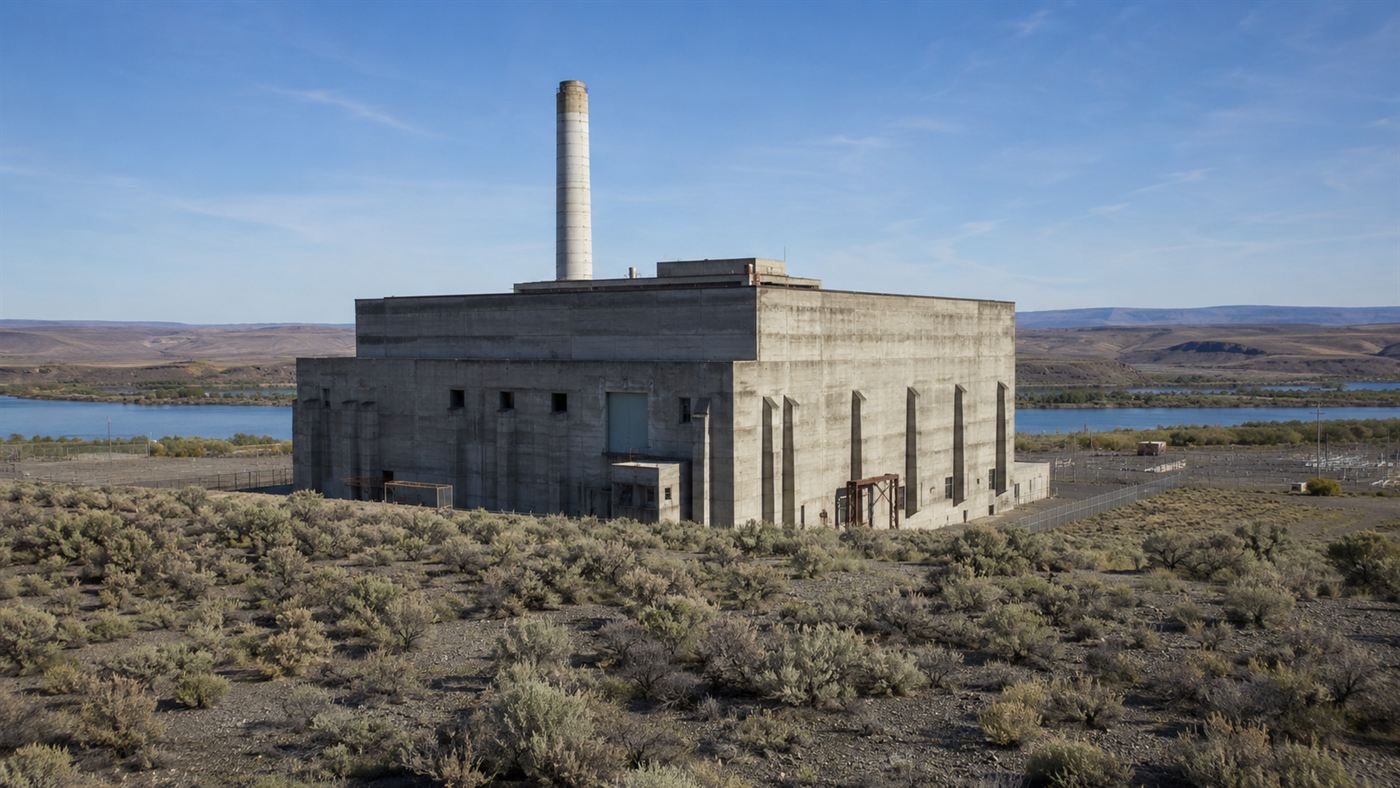
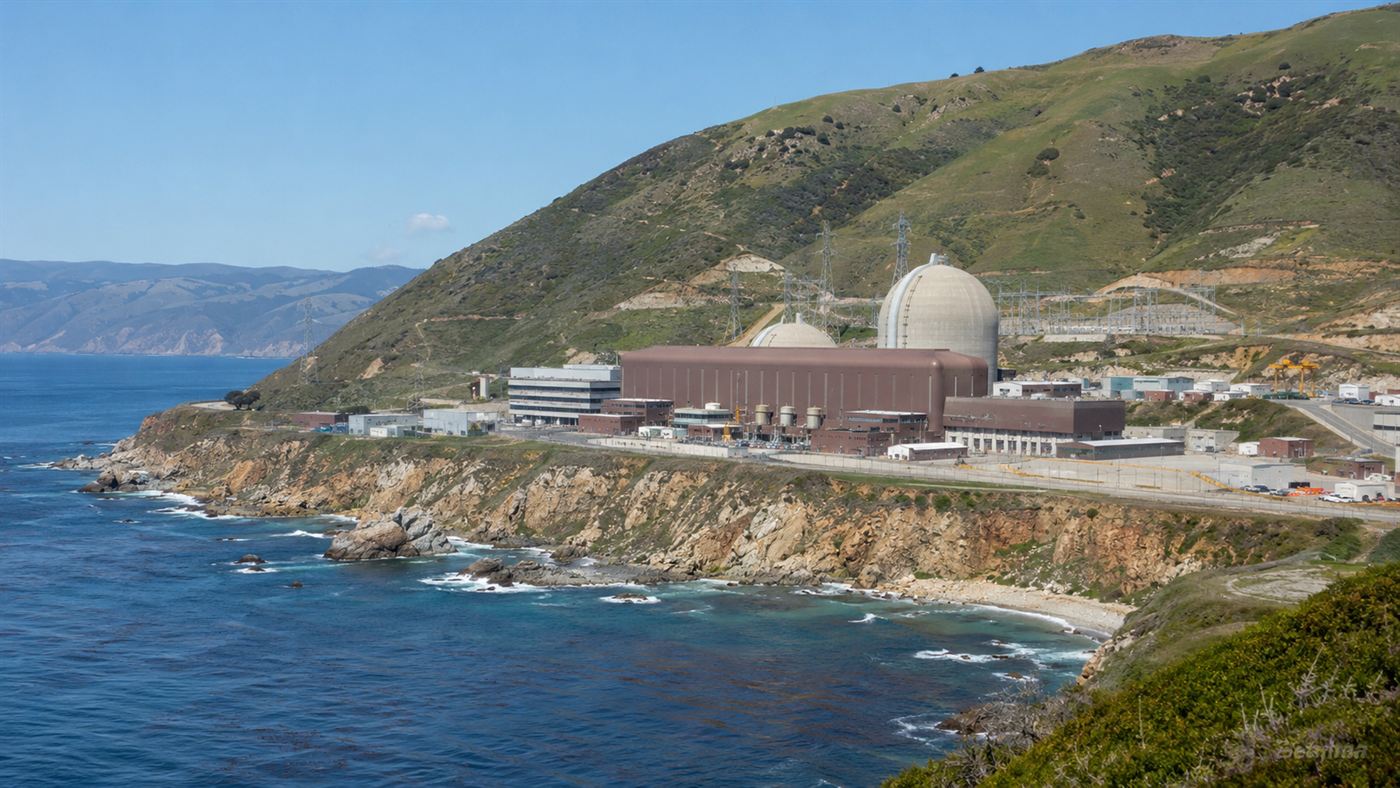
Hanford's B Reactor still stands in the Washington desert, the first plutonium reactor ever built. Illustration: Watts & Wild.
Drive through the sagebrush of south-central Washington and you would never guess what happened here. This dry bend of the Columbia River was, for a few furious years in the 1940s, one of the most important and secret places on Earth. On a patch of ground the size of a small county, the United States built the machinery to make plutonium, the heart of the atomic bomb, and almost no one who worked there knew it.
The place is Hanford, and its story runs from wartime triumph to environmental nightmare. As the Department of Energy documents, its B Reactor was the first full-scale plutonium production reactor in the world, and the plutonium made along this river ended up inside the bomb dropped on Nagasaki. Eighty years later the reactors are quiet, but what they produced is still here, and getting rid of it may be the hardest cleanup humanity has ever attempted.
The short version: Hanford is a former nuclear site on the Columbia River in Washington that made plutonium for the Manhattan Project and the Cold War. Its B Reactor was the first of its kind, and its plutonium armed the Nagasaki bomb. Production left 56 million gallons of radioactive waste, and cleaning it up is the largest, priciest environmental project in US history.
What was made at the Hanford Site?
The answer is plutonium, and the scale is hard to overstate. Chosen in 1943 for its isolation, its water from the Columbia River, and its power from the Grand Coulee Dam, Hanford was one of the three secret cities of the Manhattan Project. Tens of thousands of workers threw up reactors and processing plants in a couple of years, most of them told only that they were helping the war effort, not that they were building bomb material.
The B Reactor went critical in 1944, the first machine ever built to make plutonium in quantity. The plutonium it and its siblings produced was used in the very first nuclear detonation, the Trinity test, and then in the Fat Man bomb that leveled much of Nagasaki in August 1945. It was one of the most consequential factories ever built, and for years its existence was a state secret.
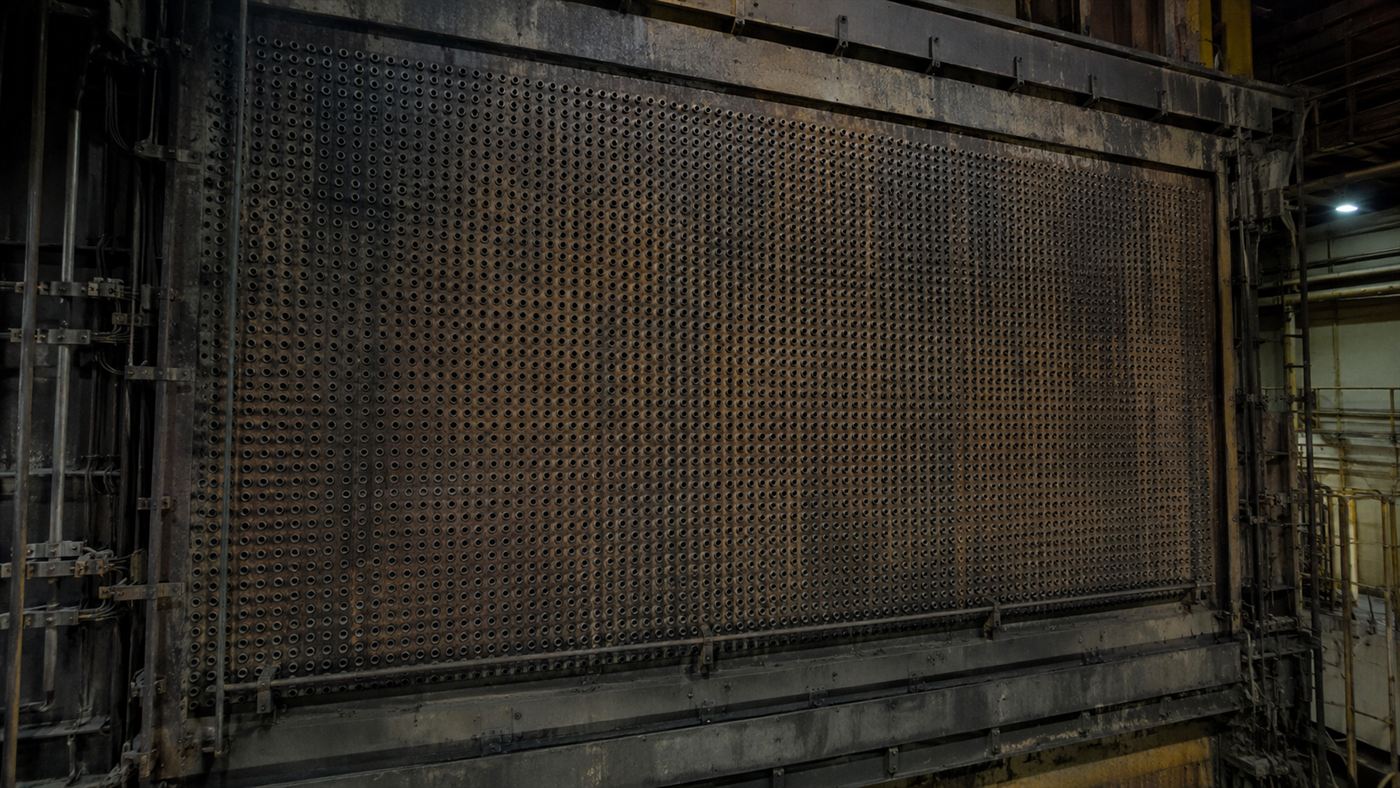
An arsenal built on one river
When the war ended, Hanford did not. The Cold War arms race turned the site into a plutonium factory on an industrial scale, and it eventually grew to nine reactors and five giant processing complexes strung along the river. The plutonium made here went into the majority of the more than 60,000 nuclear weapons the United States built, making this quiet desert one of the pillars of American power.
That output came at a cost that was kept quiet for decades. Making plutonium generates enormous amounts of dangerous waste, and in the rush of war and then the Cold War, a lot of it was handled carelessly. The Manhattan Project and its Cold War successors treated the surrounding land and water as an acceptable sacrifice, and the bill for that choice was left for later generations to pay.
Why is Hanford so contaminated?
The core problem sits in the ground. Over the decades, plutonium production left roughly 56 million gallons of radioactive and chemical waste, stored in 177 giant underground tanks. Many of those tanks are old, single-walled, and past their design life, and dozens have leaked, sending contamination creeping through the soil toward the Columbia River.
It was not only the tanks. In the early years, operators deliberately and accidentally released radioactive material into the air and the river, including a 1949 experiment that sent a plume downwind over inhabited land. People who lived nearby, later known as downwinders, have linked the exposure to elevated cancer rates. The same Columbia River that powered and cooled the reactors carried some of their contamination downstream, which is why the cleanup is judged so urgent.
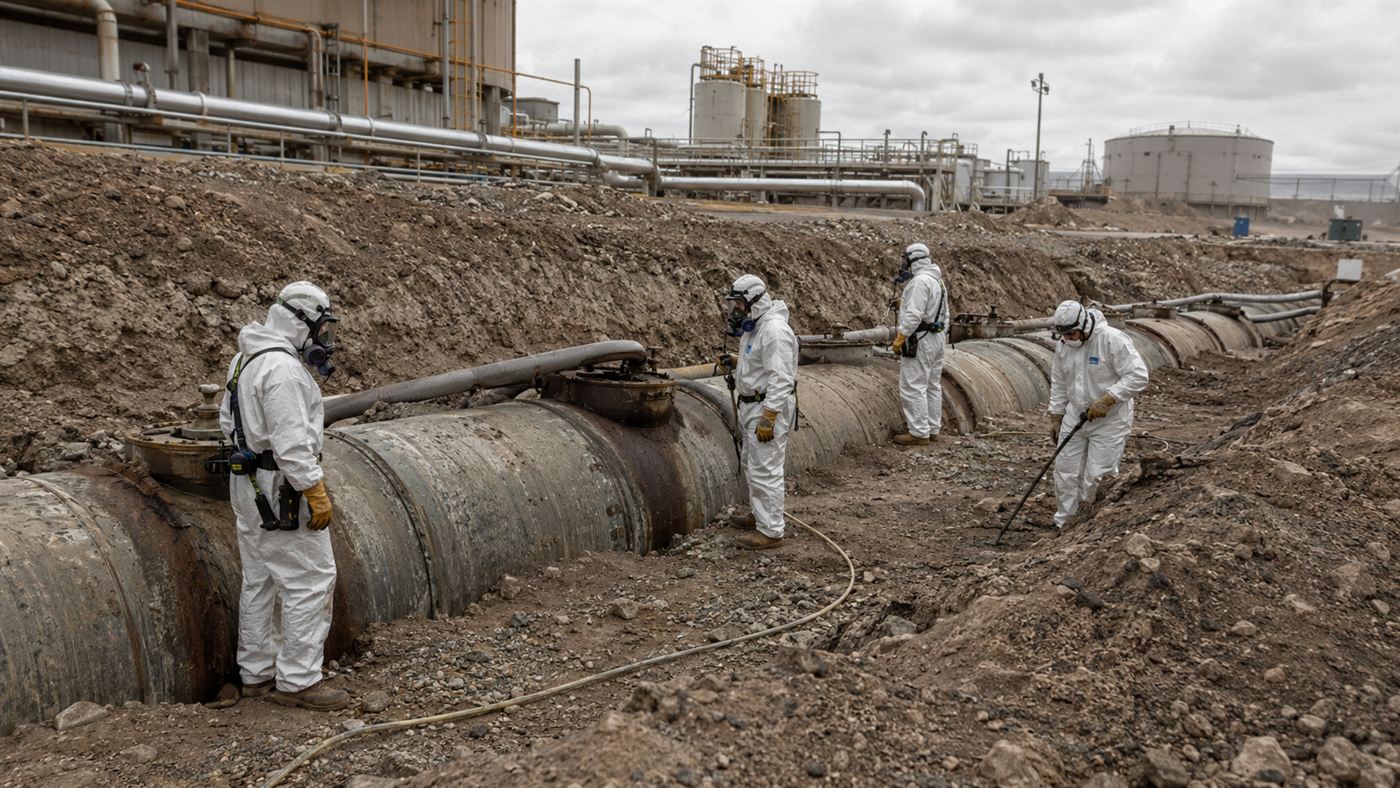
The most expensive cleanup on Earth
Since a 1989 agreement between the federal government, the Environmental Protection Agency, and Washington State, Hanford has been the site of the largest environmental cleanup in the country. The work is staggering in every dimension: entombing old reactors in concrete, tearing down contaminated buildings, treating polluted groundwater, and figuring out what to do with all that tank waste.
The centerpiece is a plant meant to turn the liquid waste into solid glass logs, a process called vitrification, so it can be stored safely for the very long term. It has been one of the most troubled construction projects in American history, years late and tens of billions over budget, and the full job is now expected to run for decades more and cost well over 600 billion dollars. This is what it looks like to clean up after the atomic age.
The honest catch
It is tempting to tell this as a simple morality tale, but the tradeoffs are real and uncomfortable. The plutonium from this desert genuinely helped end the deadliest war in history, and for better or worse it underpinned the nuclear deterrent of the Cold War. The people who built and ran Hanford were not villains; most were patriots doing urgent work under wartime secrecy, often unaware of the risks to themselves.
At the same time, the harm is not evenly shared. The land was taken from the Wanapum people and farm families who lived along the river, and the downwinders bore health risks they never agreed to, with recognition and compensation slow to come. And no one should imagine the site will ever be pristine again; realistically, parts of Hanford will be managed and monitored effectively forever. It is a monument to what human ingenuity can build in a hurry, and to how long the consequences can last.
The same desert that helped win a war became the hardest cleanup the country has ever faced, and it is nowhere near finished. When a place does something historic and terrible at once, how should we remember it, as a monument, a warning, or both? Tell us what you think in the comments.
Related reading: how a hydrogen bomb test went catastrophically wrong, and how the US built a nuclear-powered city under the ice and then walked away from its waste.