In 1979 a broken dam sent 94 million gallons of radioactive waste into a river on Navajo land, the biggest such spill in US history, and the country barely noticed
A few months after Three Mile Island frightened the nation, a far larger release of radioactivity happened in the New Mexico desert. It poured into a river that families and their animals depended on, and yet it made almost no headlines. The difference was not the size of the disaster. It was who it happened to.
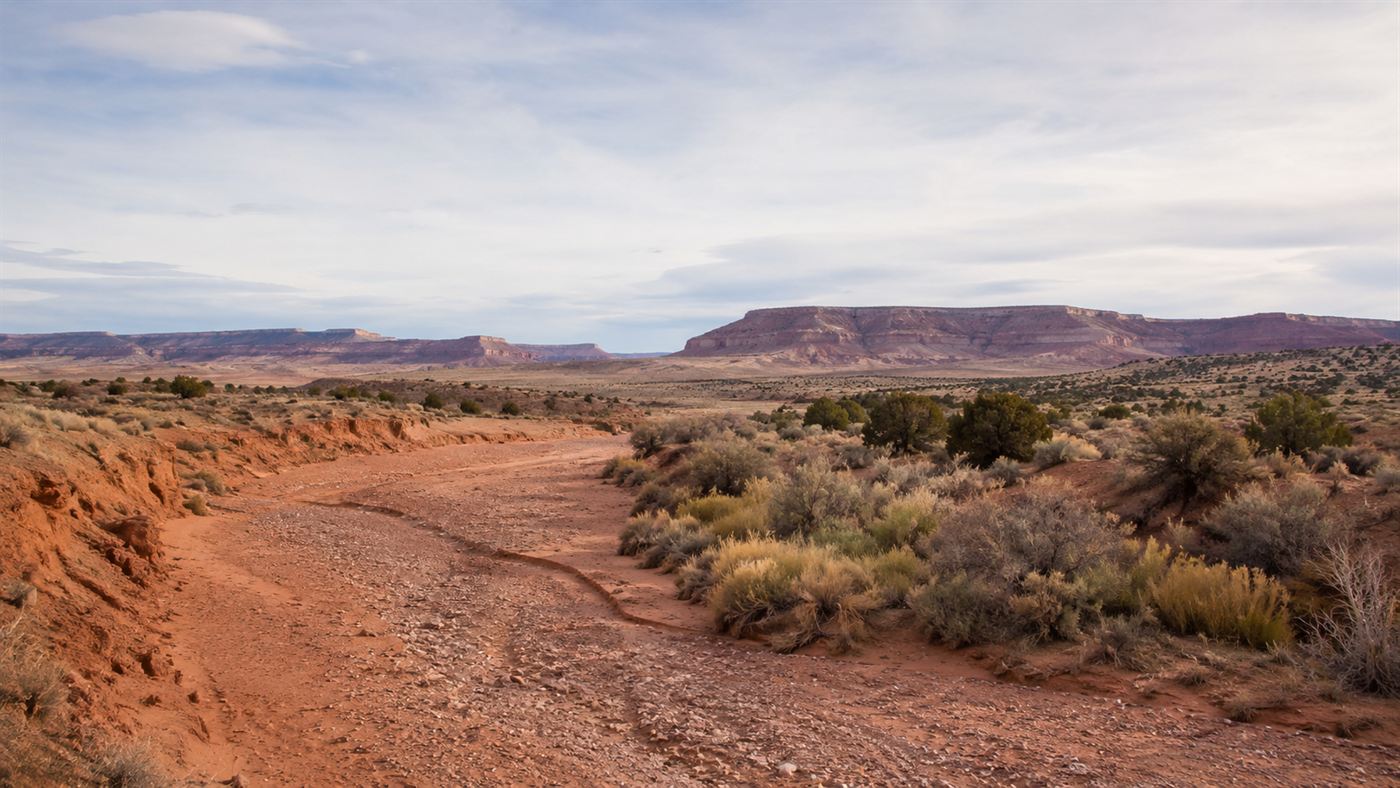
The Puerco River carried the radioactive flood for dozens of miles across Navajo land. Illustration: Watts & Wild.
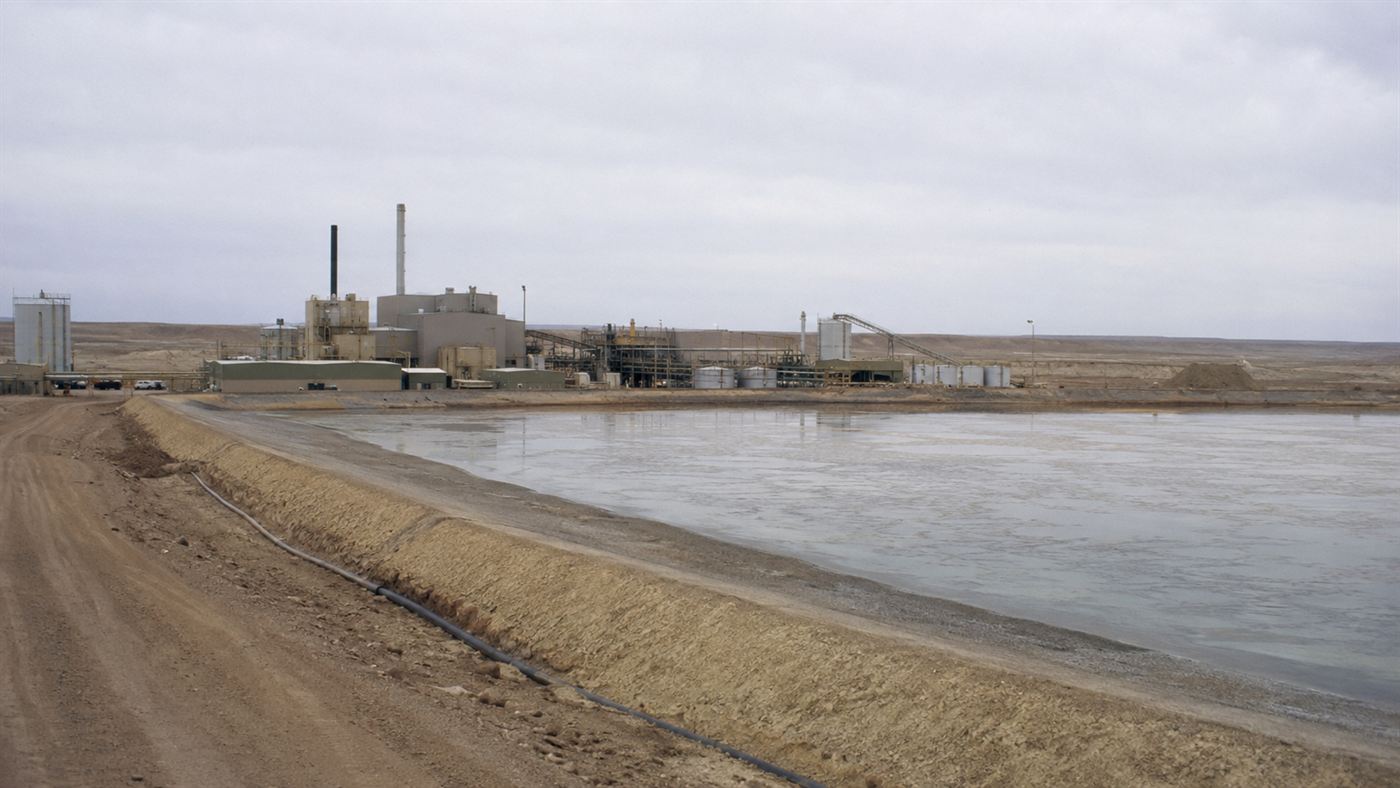
Just before dawn on 16 July 1979, an earthen dam at a uranium mill near the tiny community of Church Rock, New Mexico, cracked open. Behind it sat a pond of tailings, the acidic, radioactive sludge left over from processing uranium ore, and through the breach it rushed out into the dry bed of the Puerco River.
By the time the flow slowed, roughly 94 million gallons of contaminated water and more than a thousand tons of solid radioactive waste had surged downstream, spreading dozens of miles across the Navajo Nation and into Arizona. It remains the largest accidental release of radioactive material in the history of the United States.
The short version is jarring. Months earlier, the accident at Three Mile Island had gripped the country and reshaped the nuclear debate. The bigger release at Church Rock, on Native land, slipped past the nation almost unseen.
The dam that everyone knew was cracking
The failure was not a bolt from the blue. The tailings pond had been built on ground that could not really bear it, and cracks had appeared in the dam well before it gave way. Concerns had been raised, and the warning signs were there for anyone willing to act on them, but the pond kept operating all the same.
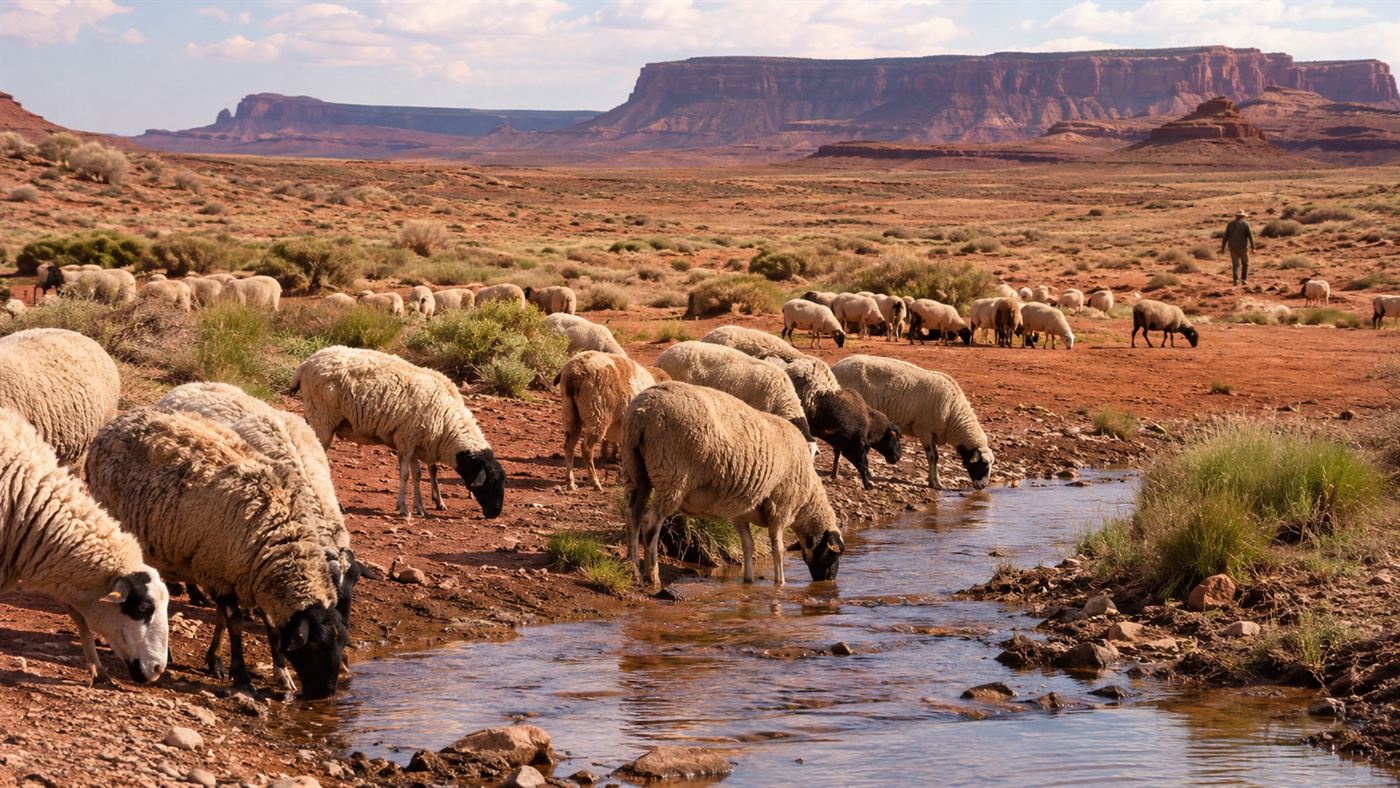
When the wall finally breached, the timing made it worse. The Puerco River is usually dry, so people and livestock relied on it heavily when water did move through, and children were known to play in it. Into that lifeline poured a flood laced with acid, heavy metals and radioactivity, and residents downstream had little warning of what was coming.
Was Church Rock worse than Three Mile Island?
By one clear measure, yes. In terms of the sheer quantity of radioactivity let loose into the environment, the Church Rock spill released more than the famous reactor accident at Three Mile Island that had unfolded in Pennsylvania that March. One was a near-meltdown mostly contained inside a building; the other emptied a radioactive lake into an open river.
Comparing the human harm is harder, because the two events exposed people in very different ways, and the science of long-term low-level exposure is genuinely difficult. But the raw fact stands: the larger release is the one that most Americans have never heard of, while Three Mile Island became a household name.
Why the Church Rock spill was forgotten
The uncomfortable answer is that it happened to the wrong people to make news. The Navajo Nation is poor, rural and far from the big cities and television crews, and the disaster there did not fit neatly into the national anxiety about nuclear power plants near suburbs. To many, the Church Rock spill became a stark example of what is now called environmental racism.
The official response reflected that neglect. The state declined to pursue the kind of emergency declaration that might have unlocked major federal help, cleanup was limited, and residents struggled for years to be heard, tested and compensated. A disaster of the same size in a wealthier, whiter town would almost certainly have drawn a very different reaction.
A wound that never fully healed
The spill did not arrive in a vacuum. The Navajo people had already lived through decades of uranium mining that left a bitter legacy, from miners dying of lung disease to homes unknowingly built with radioactive rock. The flood on the Puerco River was one more blow to communities already carrying the hidden costs of the atomic age.
Decades later, traces of the contamination still linger in the soil and sediment, and hundreds of abandoned uranium mines remain scattered across the reservation, many still awaiting cleanup. For the people who live there, Church Rock is not a closed chapter of history but part of a burden they never asked to carry and cannot simply walk away from.
The honest catch
It is worth being careful with the comparison that makes this story famous. Saying Church Rock was bigger than Three Mile Island is true for the amount of radioactivity released, but it is not a tidy scoreboard of human suffering, since the exposures and the science behind them differ in important ways. The point is not to rank two disasters against each other.
The point is the gap in memory. Two serious radioactive accidents happened in the same country in the same year, and only one entered the national story. The Church Rock spill shows how much our sense of which catastrophes matter depends on where they land and on whom, and how easily a very large disaster can vanish from view when it falls on people the country would rather not look at.
The single largest radioactive spill in American history happened in plain sight, and most of the country has still never heard its name. Does it change how you think about famous disasters to learn that a bigger one was quietly ignored? Tell us what you think in the comments.
Related reading: the reactor accident that scared a nation the same year. See also the plutonium site that poisoned a river in secret, and Love Canal, where one mother forced America to face its buried poison. See also the Kingston coal ash flood that poisoned the men who cleaned it up.