One man pulled a control rod too far, and America's only fatal reactor accident followed
On a freezing January night in 1961, three young men were doing routine maintenance on a small experimental reactor in the Idaho desert. In a single instant, something went catastrophically wrong, and all three were dead. SL-1 remains the only nuclear reactor accident in United States history to kill anyone, and it came down to one rod and a few inches of movement.
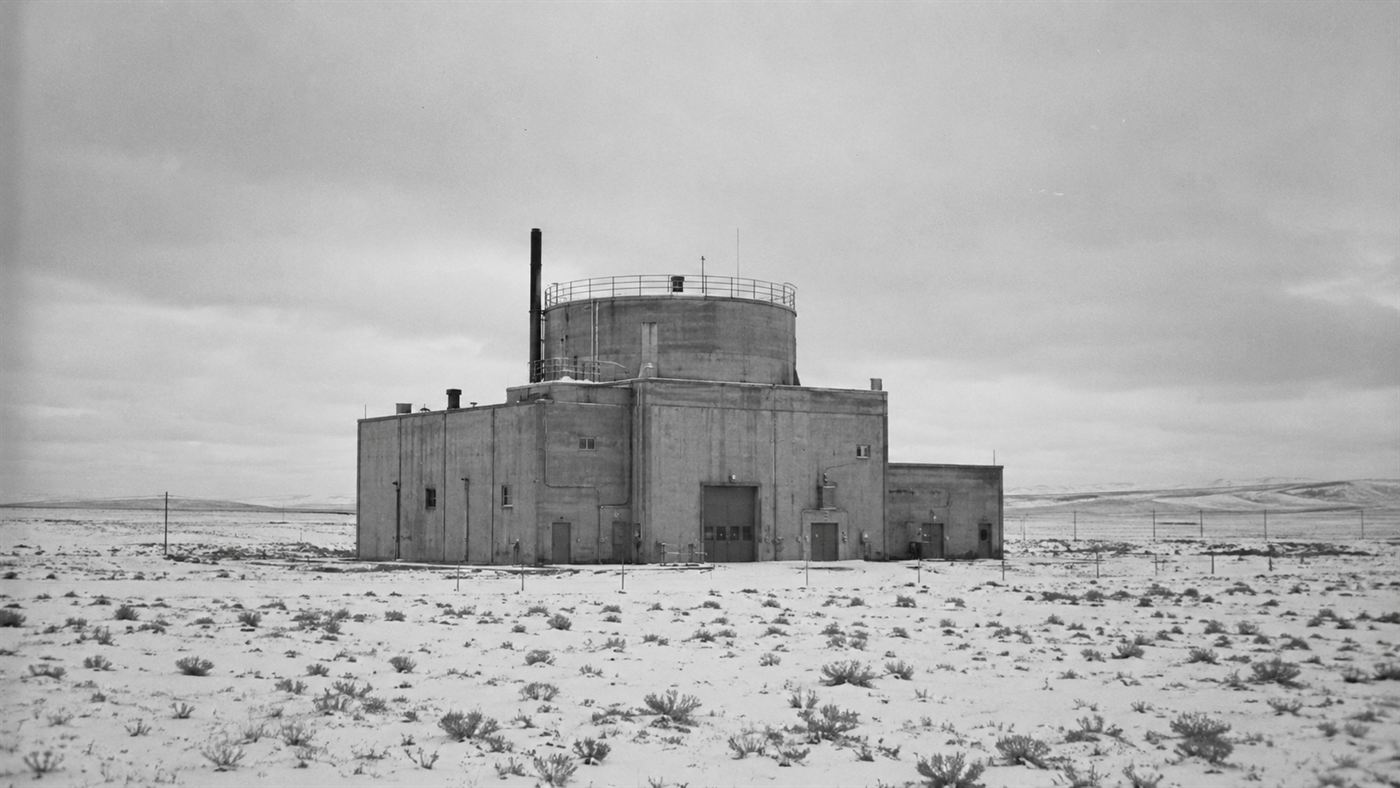
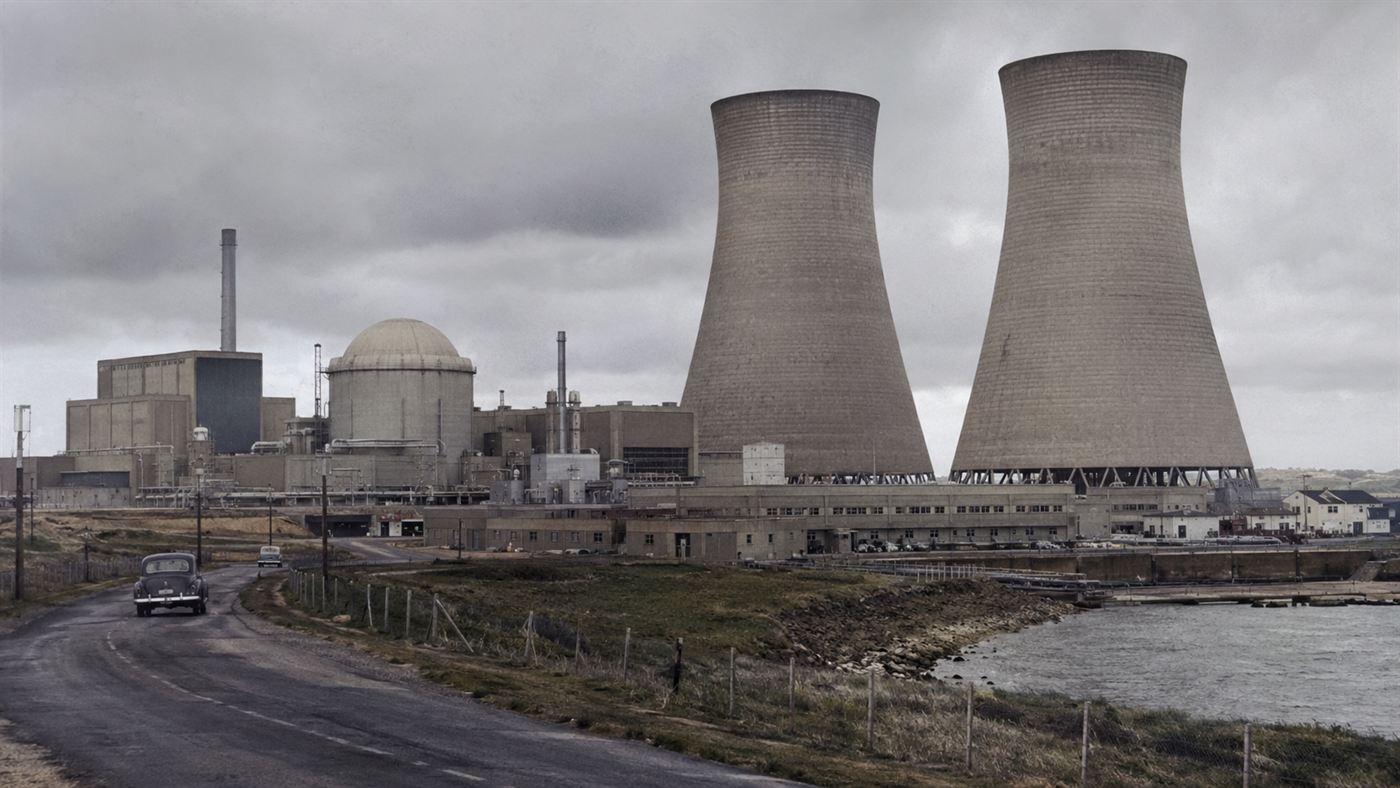
A small reactor in an empty desert, run by a tiny crew, became the site of America's worst reactor accident. Illustration: Watts & Wild.
In the early years of the atomic age, the United States built dozens of experimental reactors to learn how this strange new power could be tamed. SL-1, a compact Army reactor designed to power remote radar stations, was one of them, and on 3 January 1961 it taught the hardest possible lesson about how unforgiving a reactor can be. Three operators, all in their twenties, paid for that lesson with their lives.
The accident is little known today, partly because no radiation cloud spread over a city and partly because the military kept much of it quiet. But for engineers, SL-1 is a permanent reminder that a reactor leaves no room for a single serious mistake.
What went wrong inside the SL-1 reactor
The crew were reconnecting the control rods after a maintenance shutdown, a job that involved lifting each rod by hand a few inches to attach it to its drive mechanism. The central rod was the heart of the machine, the main switch that held the nuclear reaction in check. For reasons still not fully known, that central rod was pulled out roughly twenty inches instead of the few it needed, and that was enough to wake the reactor violently.
Withdrawing the rod that far removed the brake on the chain reaction almost completely. The reactor, moments earlier sitting safely shut down, surged back to life faster than any human could react, and there was no time to do anything but die.
Four milliseconds to disaster
What happened next unfolded in the blink of an eye, far faster than thought. Within about four milliseconds the core power spiked to nearly twenty billion watts, flashing the cooling water around the fuel into steam and creating a hammer blow of pressure that tore through the reactor. The blast threw water, steam and pieces of the core upward with enormous force.
The whole reactor vessel, weighing tonnes, leapt several feet into the air. One of the three men had been standing on top of the reactor lid, and a heavy plug ejected by the explosion struck him and pinned him to the ceiling of the building. All three operators were killed almost instantly, their bodies so radioactive that the recovery itself became a grim, carefully shielded operation.
The flaw of the single rod
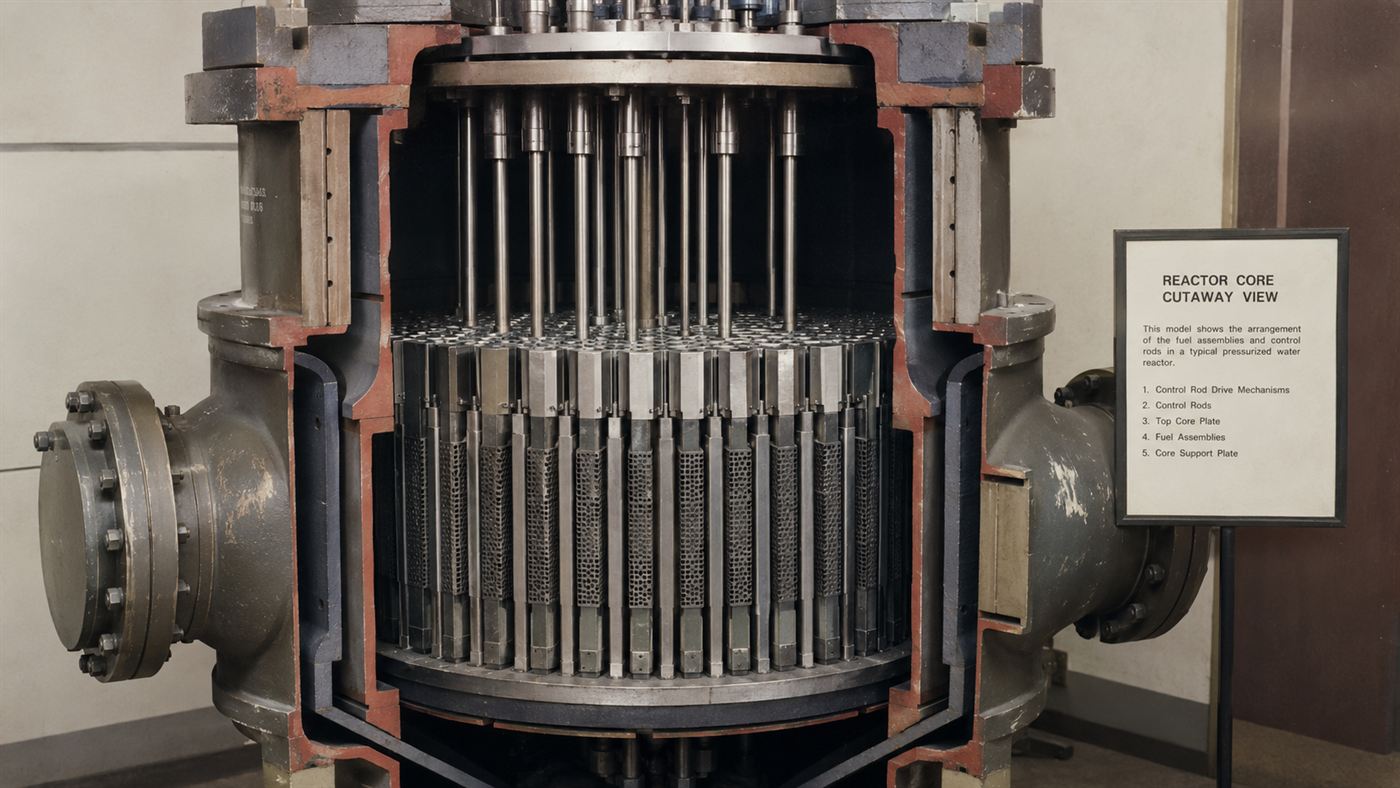
The immediate cause was the rod being pulled too far, but investigators found a deeper problem baked into the machine itself. SL-1 was built so that a single central rod controlled most of the reactor's power, meaning one rod, moved by one pair of hands, could push the whole core into a runaway reaction. A safe reactor should never be one slip away from disaster.
That finding reshaped reactor design across the country. New rules required that a reactor must be able to shut down safely even if its single most powerful control rod were stuck completely out of the core. In other words, never again would one rod, or one human error, be allowed to hold so many lives in its grip. The deaths of three young men were written into the safety codes that protect every reactor since.
What caused the SL-1 reactor accident?
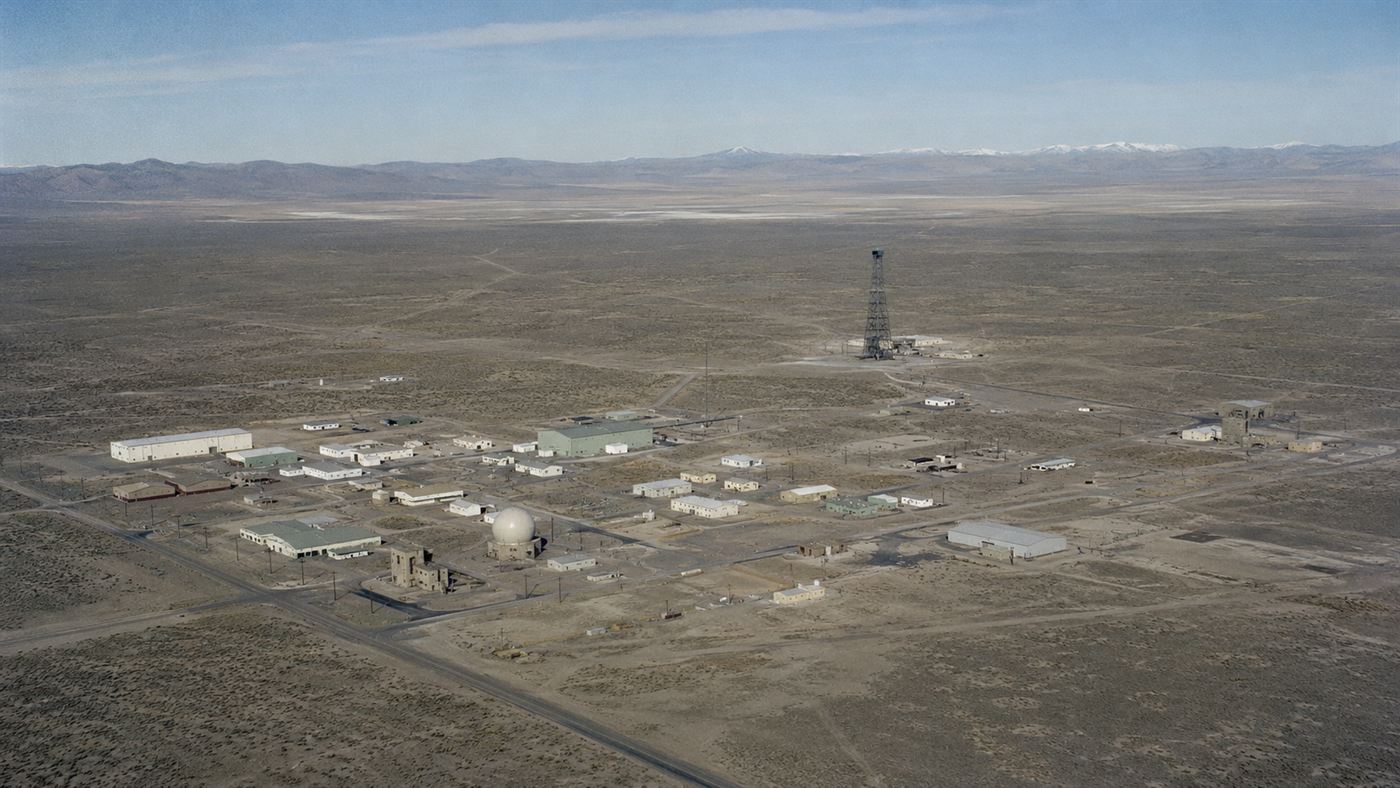
So the chain was short and brutal: a hand lifted a rod too far, the reaction exploded, and the design gave no margin to survive it. There were no warning sirens that could have helped, no operator quick enough to intervene, because the entire event was over in thousandths of a second. It was not a slow failure that could have been caught, but an instant, total release of energy that physics simply does not allow you to undo.
Why the rod was raised so far has never been settled with certainty. It may have stuck and then come free suddenly when pulled, it may have been a careless lift, or it may have been a moment of simple human error in a cramped, cold space late at night. The men who knew did not survive to explain.
Was the SL-1 accident really an accident?
Over the years a darker story took hold, whispering that the explosion was no accident at all but a murder-suicide, set off deliberately by one operator over a love triangle among the crew. It is a lurid tale, and it has been repeated for decades. Investigators found no real evidence for it, and concluded the rod was almost certainly pulled too far during ordinary maintenance.
The honest answer is that we will probably never know exactly why the rod moved as it did, only that it should never have been physically possible for that movement to cause such a disaster. The lasting lesson of SL-1 is not about blame but about design: a safe machine must forgive the mistakes that tired humans will always, eventually, make.
Three men, one rod and a machine that gave them no second chance: SL-1 is why modern reactors are built to survive the worst mistake a person can make. Should a dangerous machine ever be designed so that a single human slip can be fatal, or is forgiveness something we must engineer in from the start? Tell us what you think in the comments.
Related reading: the Windscale fire, where a last-minute set of chimney filters everyone mocked saved England from a far worse disaster.