In October 1957 a fire burning inside a British nuclear reactor for three days poured radioactive iodine across northwest England, and Harold Macmillan ordered the government inquiry suppressed
On October 10, 1957, a fire inside Windscale Pile No. 1 in Cumberland burned through the night and into the next day, releasing radioactive iodine over farms, fields, and the Irish Sea. The man who contained it climbed to the top of a burning reactor. The man who ran the country buried the evidence.
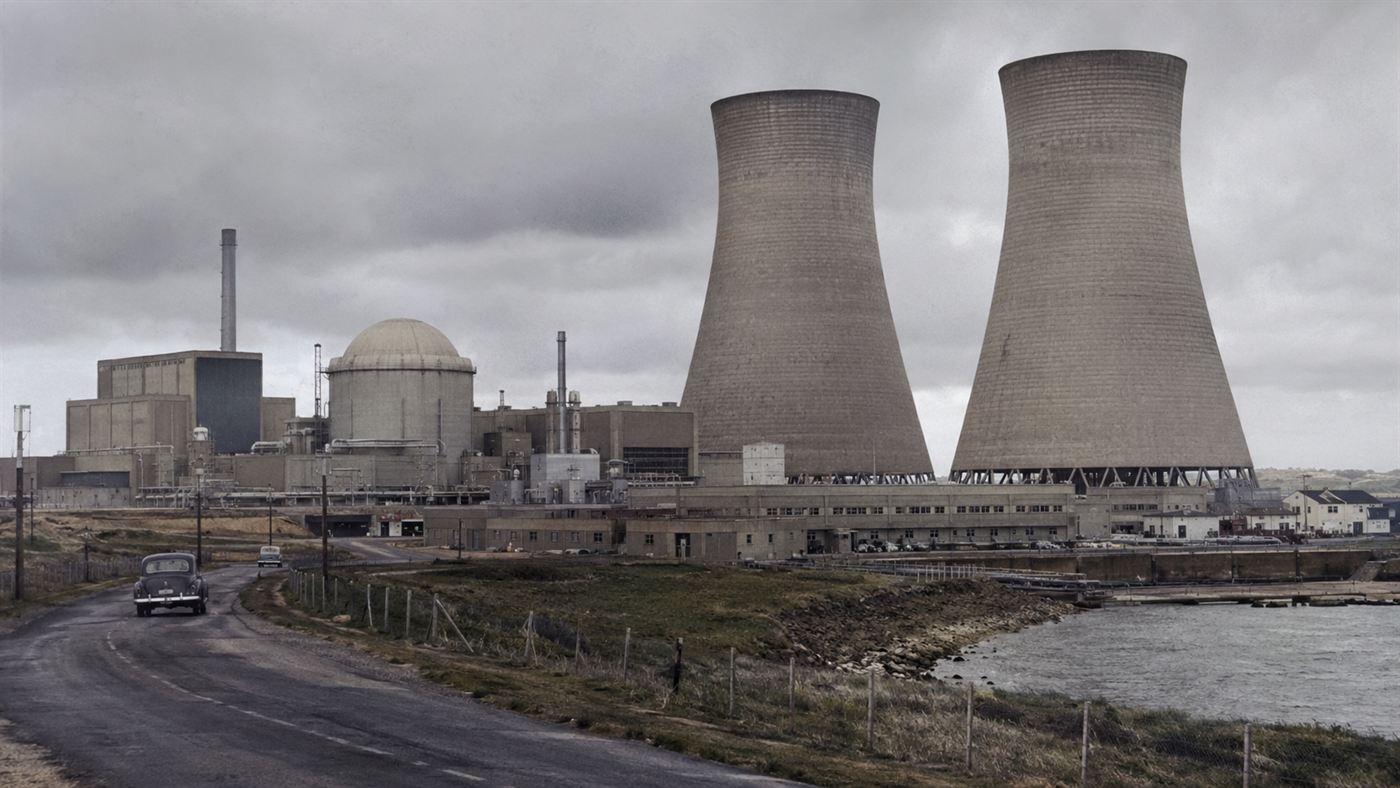
The Windscale fire started as a routine procedure on October 7, 1957. Engineers at the Windscale nuclear facility in Cumberland were performing an annealing operation: deliberately warming the graphite moderator inside Pile No. 1 to release Wigner energy that had built up inside it over months of operation. It was a known risk, a known technique, and it had been done before. This time, something went wrong.
By October 10, the pile was burning. Uranium fuel cartridges inside the reactor had caught fire, and the nuclear accident was releasing radioactive iodine and other materials into the atmosphere above rural northwest England. Two million liters of milk from surrounding farms would be poured away. Harold Macmillan would suppress the accident report. The site's name would eventually be changed. And for decades, most of the British public would know very little about what had happened in Cumberland that October.
The Windscale fire of 1957 released an estimated 740 terabecquerels of radioactive iodine-131 across northwest England and into the Irish Sea. It is rated Level 5 on the International Nuclear Event Scale, the same level as Three Mile Island in the United States, and it remains Britain's worst nuclear accident to this day. Harold Macmillan, then Prime Minister, had the full technical report suppressed before publication. The name Windscale itself was retired years later. What replaced it, Sellafield, is the name people know today.
What went wrong inside Windscale Pile No. 1
The Windscale reactors were graphite-moderated, air-cooled nuclear piles built in the late 1940s to produce plutonium for Britain's weapons program. The same metal, in its purest form, had already shown how unforgiving it was in America, where a single sphere known as the demon core killed two Los Alamos scientists in two slips of the hand.
Graphite moderators accumulate energy over time through a phenomenon called Wigner energy, named after physicist Eugene Wigner.
To prevent a dangerous buildup, engineers periodically ran an annealing procedure: they raised the reactor temperature deliberately to release the stored energy in a controlled way.
On October 7, 1957, the first annealing attempt did not raise the temperature high enough.
Operators ran a second heating cycle to compensate.
This second cycle pushed past a safe threshold that the instruments on the reactor face did not detect in time.
The graphite began to burn.
By October 10, instruments showed the fire spreading through the uranium fuel cartridges in the core.
Monitors outside the pile began registering rising radioactive iodine levels in the air being exhausted from the nuclear reactor.
A nuclear accident was confirmed, and the question became how to stop the Windscale fire before it burned through to the cooling water pipes or the concrete structure itself.
How Tom Tuohy stopped the fire from inside a burning nuclear reactor
Tom Tuohy was deputy general manager of the Windscale facility in October 1957.
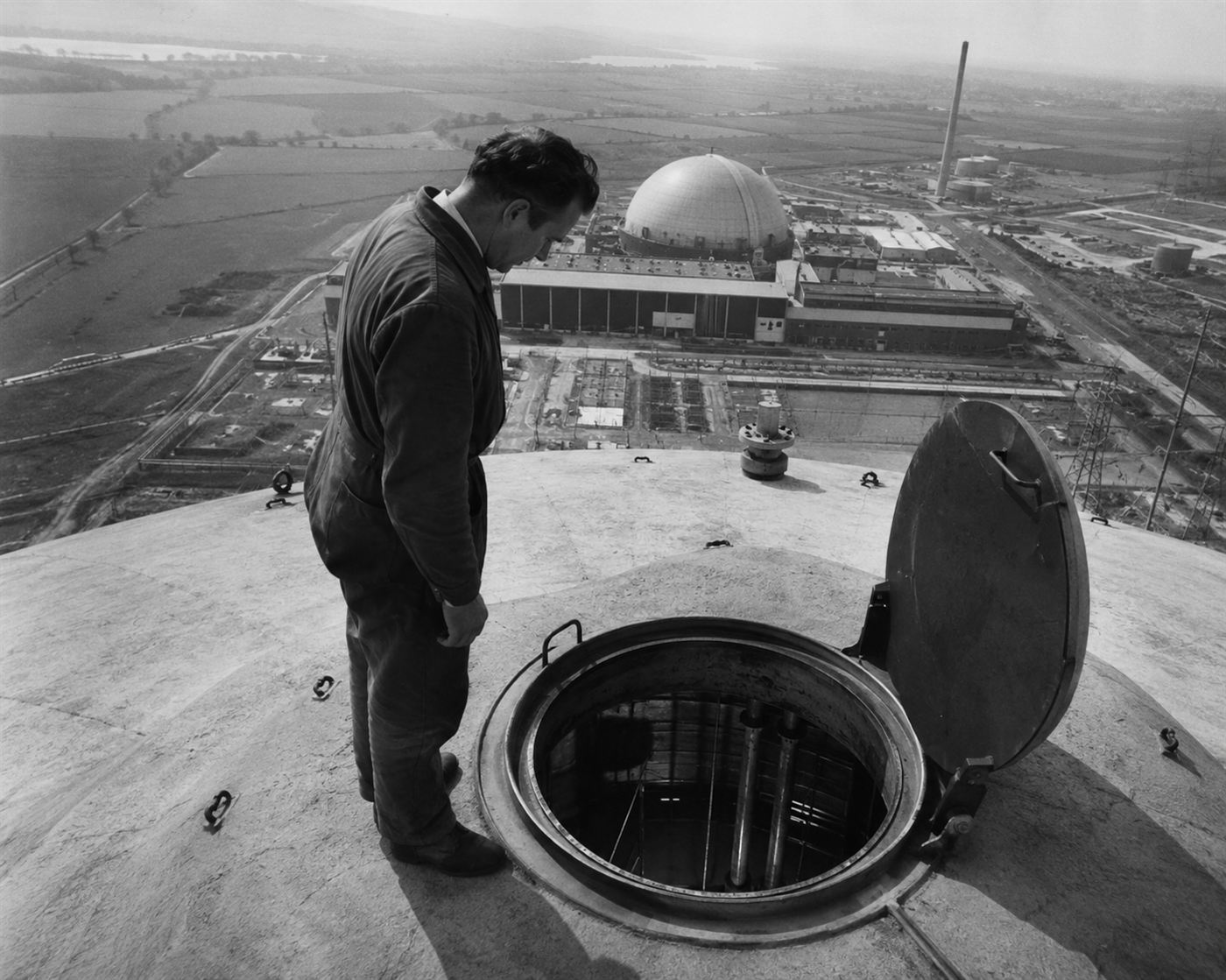
When the Windscale fire was confirmed, Tuohy climbed to the top of the reactor building carrying a torch.
He opened an inspection port and looked directly into the burning pile to gauge how far the fire had spread into the nuclear reactor core.
He did this three times over the course of the nuclear accident, each time exposing himself to radiation from the burning cartridges below.
The initial response was to try to blow the Windscale fire out with carbon dioxide.
That failed.
Tuohy then made the decision to flood the burning nuclear reactor with water, a choice that carried a real risk of a hydrogen explosion or steam explosion in a pile already on fire.
He ordered the water turned on anyway.
The Windscale fire began to die within hours.
By October 12, it was out.
Tuohy received no official honor for the decisions he made during those three days.
He died in 2008, largely unknown outside the nuclear industry.
Why radioactive iodine was the danger no one announced
The Windscale fire released radioactive iodine, cesium-137, and polonium-210 into the atmosphere.
Of these, radioactive iodine-131 was the most immediate threat to public health.
Cows across the surrounding farmland ate contaminated grass.
Their milk concentrated the radioactive iodine in quantities that could damage the thyroid gland, especially in young children.
The government moved quickly but very quietly.
Within days, officials established a contaminated zone covering roughly 500 square kilometers around the site of the nuclear accident.
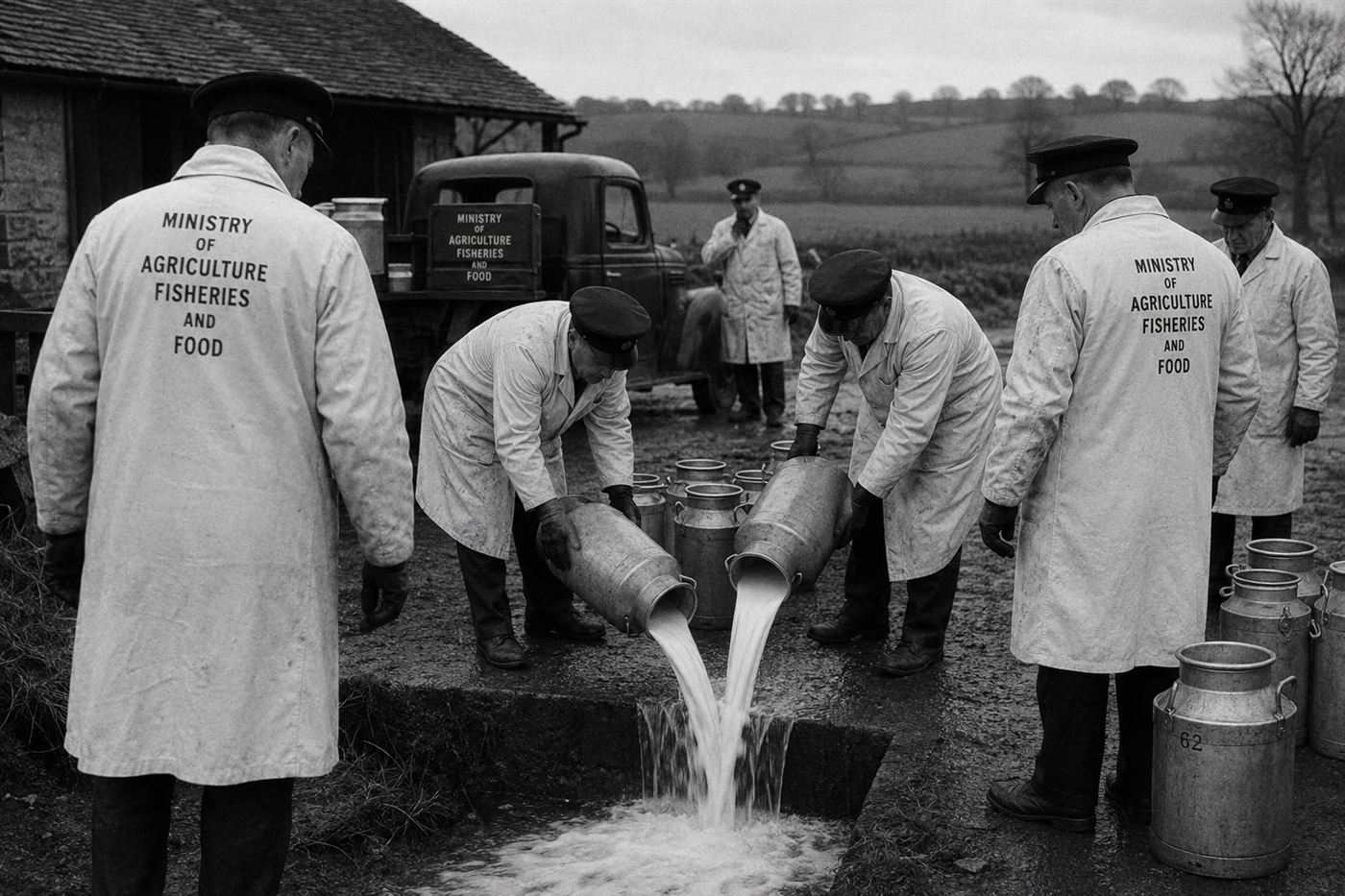
Farmers inside the zone were ordered to pour their milk away and told not to discuss it.
About two million liters of milk were collected and destroyed over the following weeks.
No public announcement accompanied this action for several days after the nuclear accident began.
The radioactive iodine dispersed across a far wider area than the milk zone covered, eventually reaching parts of continental Europe.
A 2010 study estimated that the Windscale fire caused approximately 240 cancer cases in Britain over the following decades, most of them thyroid cancers linked to radioactive iodine exposure.
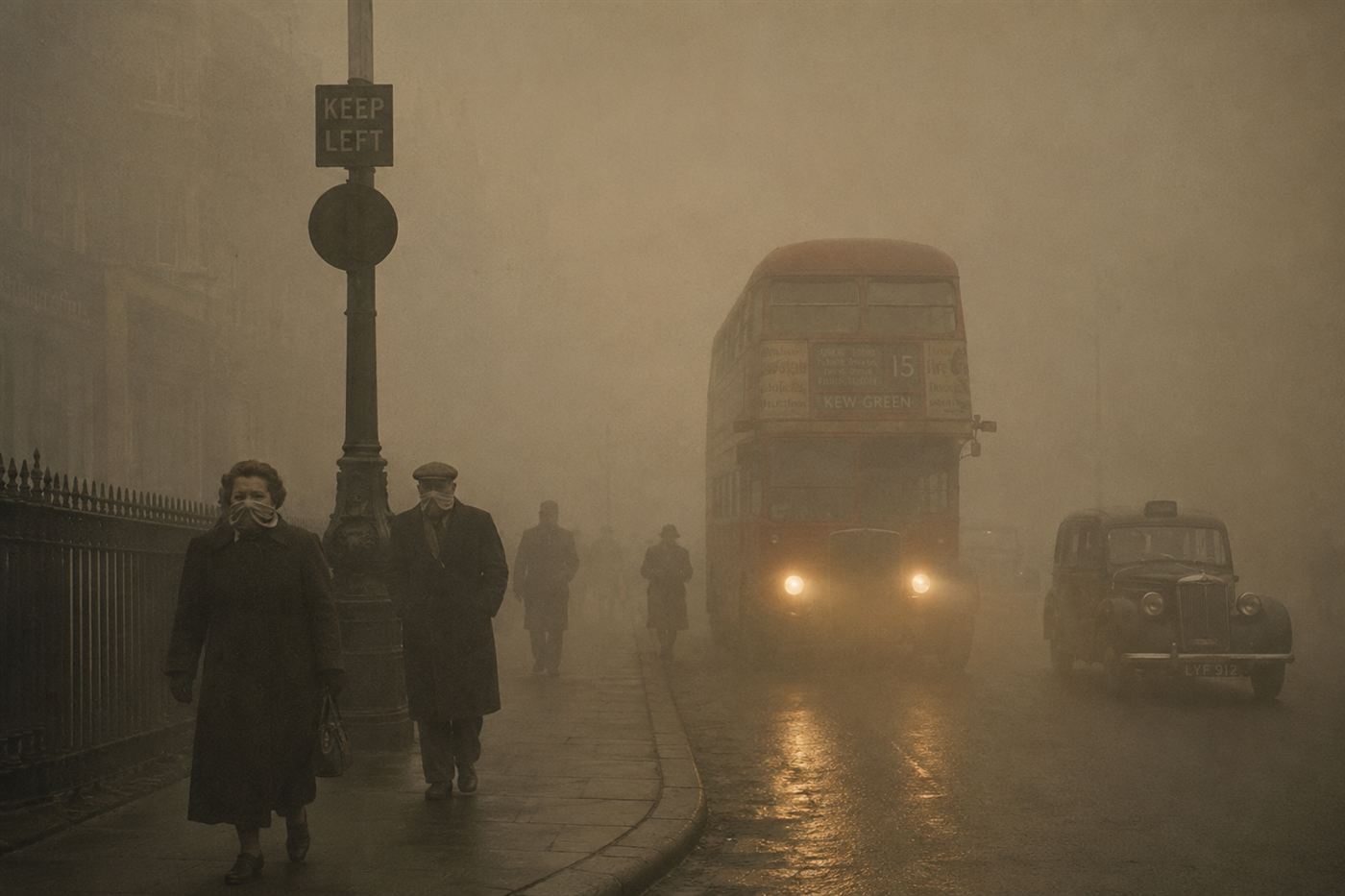
The same Harold Macmillan who later suppressed the inquiry had, as Housing Minister five years earlier, delayed Britain's clean air laws for three years while thousands died from the Great Smog of 1952, telling his diary that coal interests would be affected.
How Harold Macmillan handled the Windscale fire 1957 inquiry
Harold Macmillan had become Prime Minister in January 1957, nine months before the Windscale fire.
He commissioned an inquiry led by Sir William Penney, the physicist who had directed Britain's first nuclear weapons program.
Penney's team produced a full technical report that identified the operational decisions that had caused the nuclear accident: specifically, the second heating cycle that pushed the graphite past its safe limit without adequate monitoring.
Harold Macmillan read the report.
He then ordered the technical appendix, the section that laid out the operational failures in the clearest terms, to be removed before the report was published.
The published version was considerably less damaging to the Atomic Energy Authority than the full document had been.
The reason Harold Macmillan gave, in private correspondence, was that Britain was in the middle of negotiating a nuclear cooperation agreement with the United States.
A public account of how British nuclear safety procedures had failed could jeopardize those negotiations.
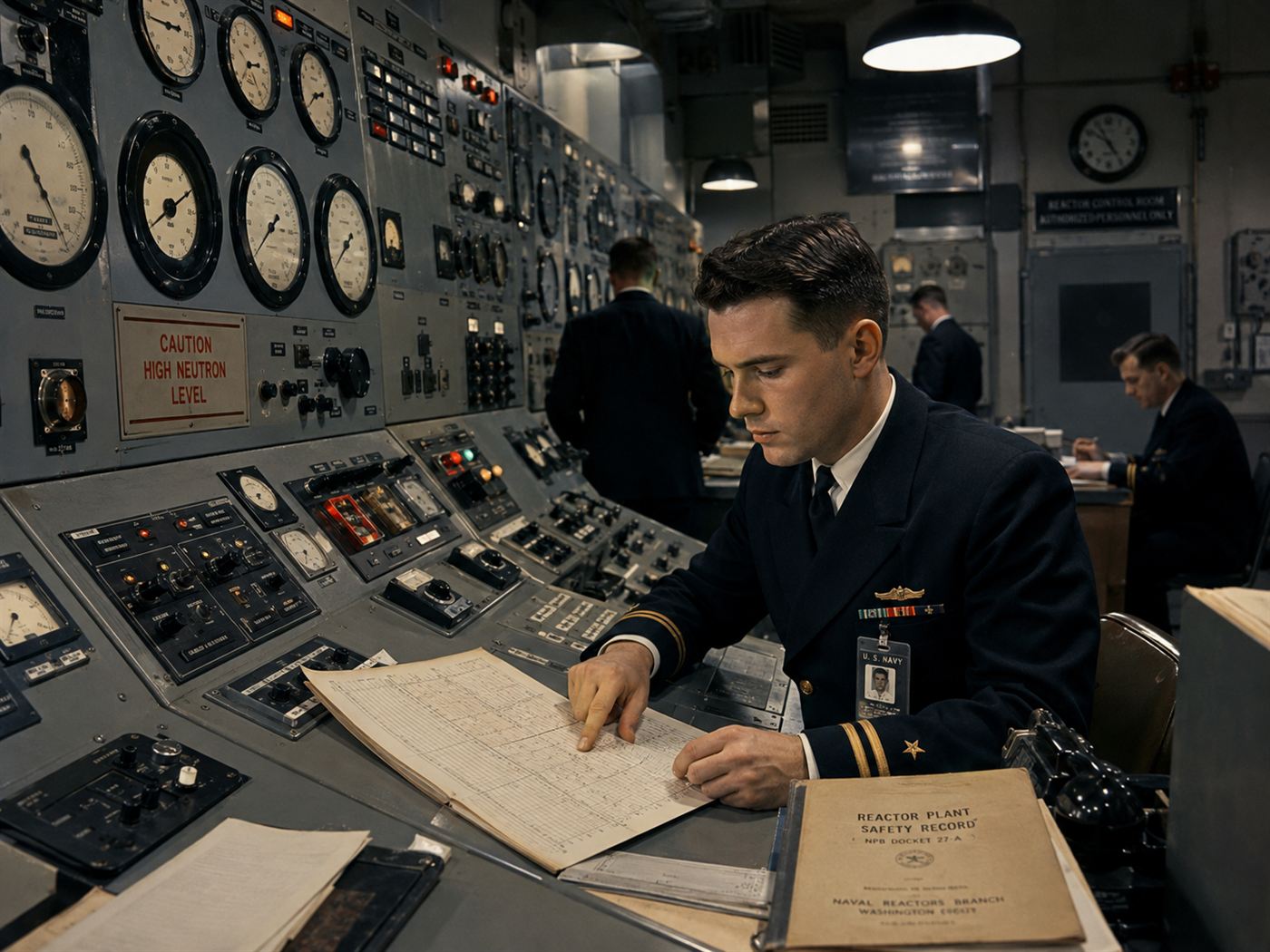
A future American president had already helped clean up a nuclear reactor accident in Canada five years earlier, and the operational lessons from that event had been quietly shared between allied nuclear programs.
The lesson from Windscale would not be shared in the same way.
The suppressed technical appendix was not released until 1988, when it was declassified after thirty-one years.
When Windscale became Sellafield
The Windscale name carried the fire's reputation with it for years after the nuclear accident.
In 1971, a second incident at the site, a leak of radioactive waste from a storage pond, added to the record.
By the late 1970s, the name Windscale had become a liability for British Nuclear Fuels Limited, the state company running the facility.
In 1981, the plant was officially renamed Sellafield.
The Sellafield name was chosen partly to distance the facility from the 1957 fire and the reputation that Windscale had accumulated.
The original Windscale cooling towers, the two tall concrete structures most associated with the nuclear accident, were demolished in 2007 and 2008 as part of the decommissioning of the old graphite piles.
Sellafield is now the site of Britain's nuclear reprocessing and decommissioning operations, and it remains one of the most contaminated nuclear facilities in Europe.
The name Windscale appears on no signpost at the site today.
The honest catch
The Windscale fire did not cause mass casualties.
The estimated 240 cancer cases attributed to the nuclear accident represent a real but modest toll compared to what a less competent on-the-ground response might have produced.
Tom Tuohy's decision to flood the burning nuclear reactor with water was the right one, and it worked.
The radioactive iodine milk ban, however delayed in its public announcement, removed a significant amount of contaminated radioactive iodine from the food supply before it could be consumed.
The more troubling legacy is not the Windscale fire itself but Harold Macmillan's political response to it.
Suppressing the technical appendix that explained how the nuclear accident had happened meant that the operational failures, specifically how a second annealing cycle in a graphite-moderated reactor could push past a safe threshold undetected, were not available to other countries running similar designs.
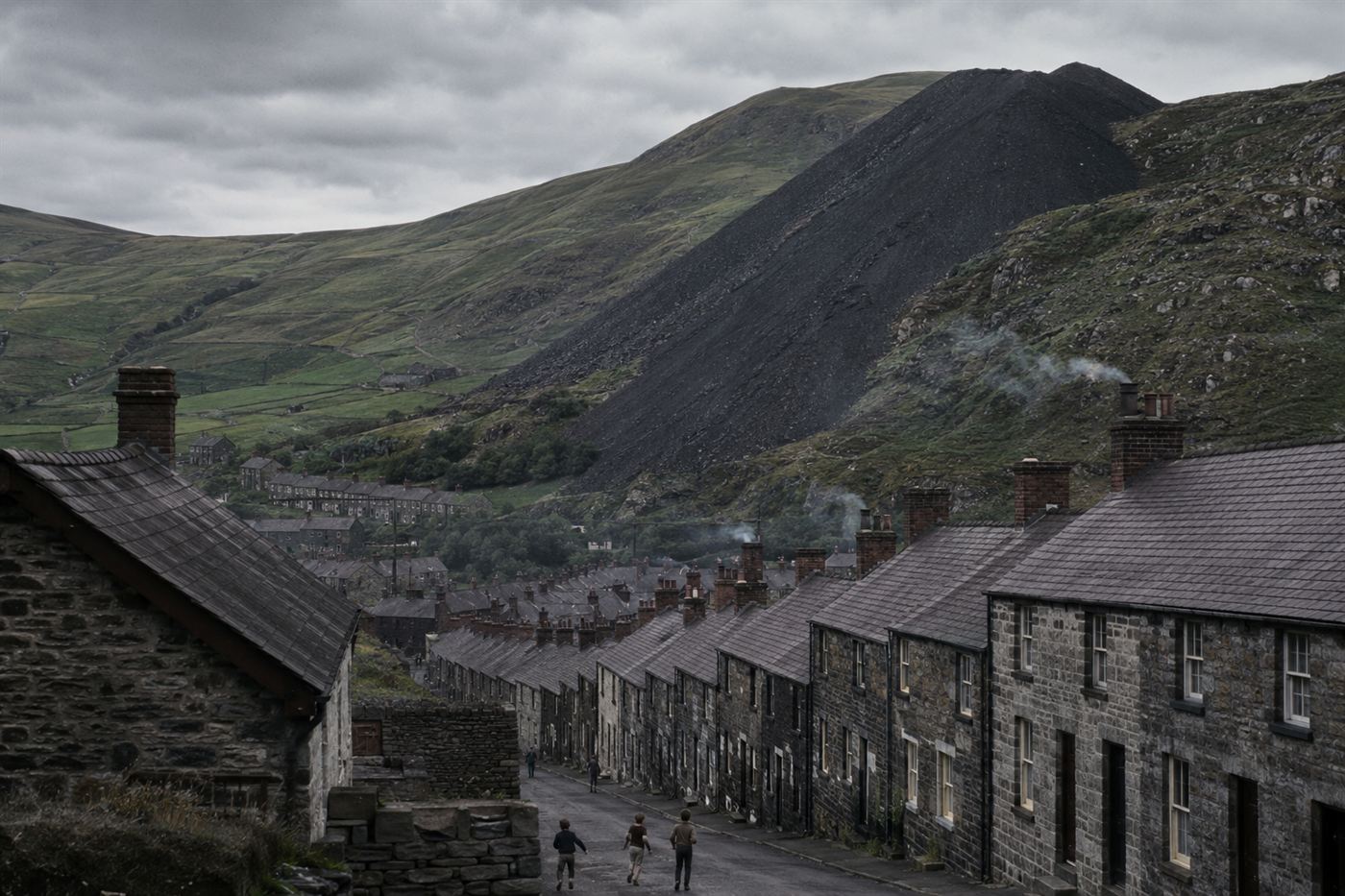
The same pattern of official suppression after disaster appeared nine years later in Aberfan in 1966, where the National Coal Board had ignored repeated warnings about coal tips above a school until 116 children were dead, and the government then raided the victims' own disaster fund to pay for removing the remaining tips.
Nobody is arguing a direct chain of causation between Macmillan's decision and later nuclear accidents elsewhere.
But a classified report on the failure modes of graphite-moderated nuclear reactors, locked away for thirty-one years, is not in retrospect the kind of information that should have been withheld in the name of a trade negotiation.
Harold Macmillan made two separate decisions that withheld safety information to protect British industrial interests: the first time, coal; the second time, nuclear. Which cover-up do you think was harder to justify?
More from Watts & Wild
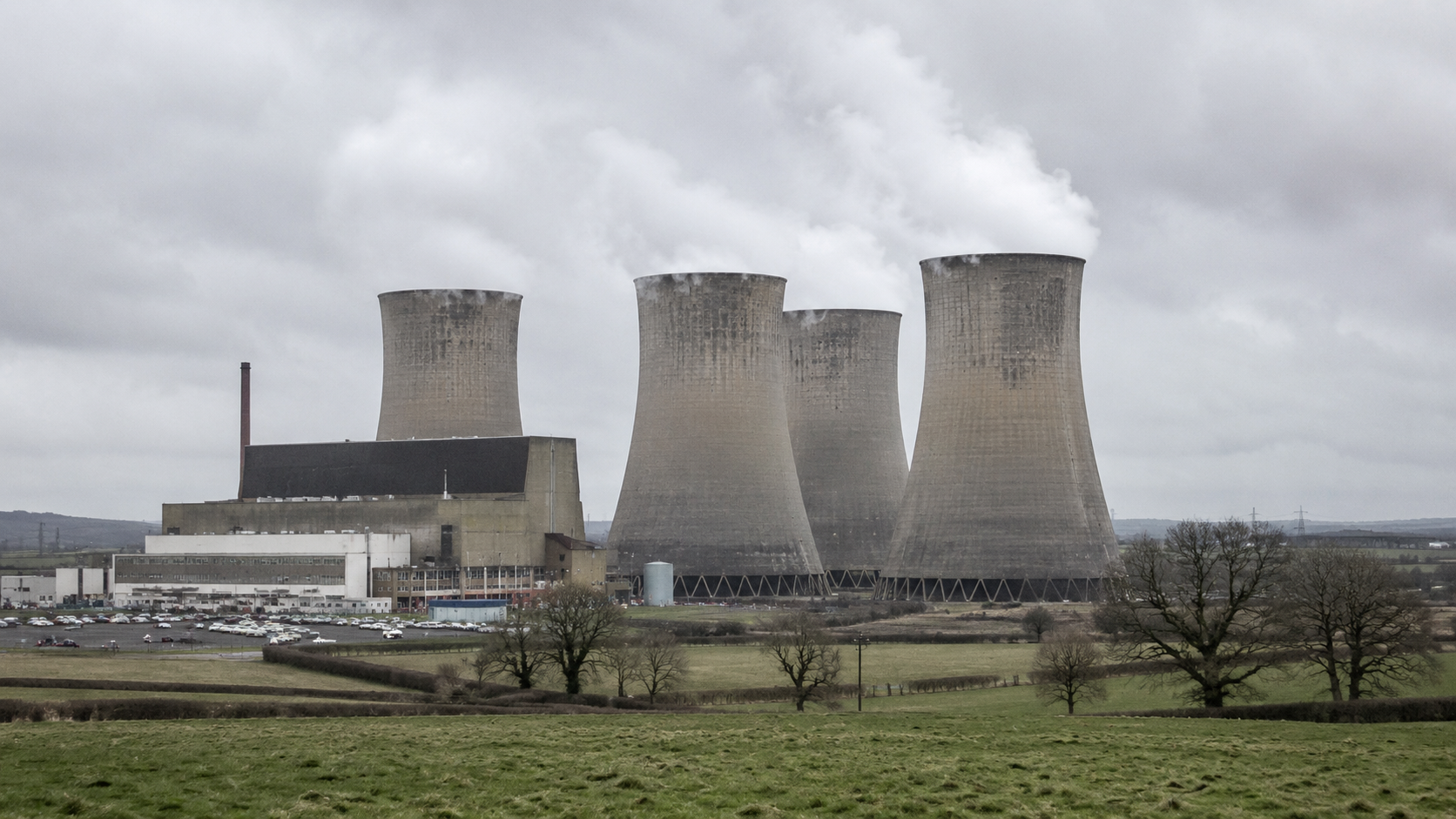 The first nuclear power station, next door, was a bomb factory
 Harold Macmillan delayed Britain's clean air laws for three years while thousands died from coal smoke
 Jimmy Carter cleaned up a nuclear reactor in 90-second shifts, and the experience shaped his response to Three Mile Island
 On Piper Alpha in 1988, a permit left in a filing tray killed 167 men in the North Sea
 In Aberfan in 1966, a coal tip buried a school and the government took money from the disaster fund to remove the others