Workers were tearing the Palisades nuclear plant apart for scrap when Michigan told them to reverse course and switch it back on, the first dead US reactor ever brought back to life
When the Palisades nuclear plant shut down in 2022, that was supposed to be the end. Crews began the long job of taking a reactor apart for good. Then the country changed its mind about nuclear power, and Palisades became the site of something no American plant had ever done: coming back from the dead.
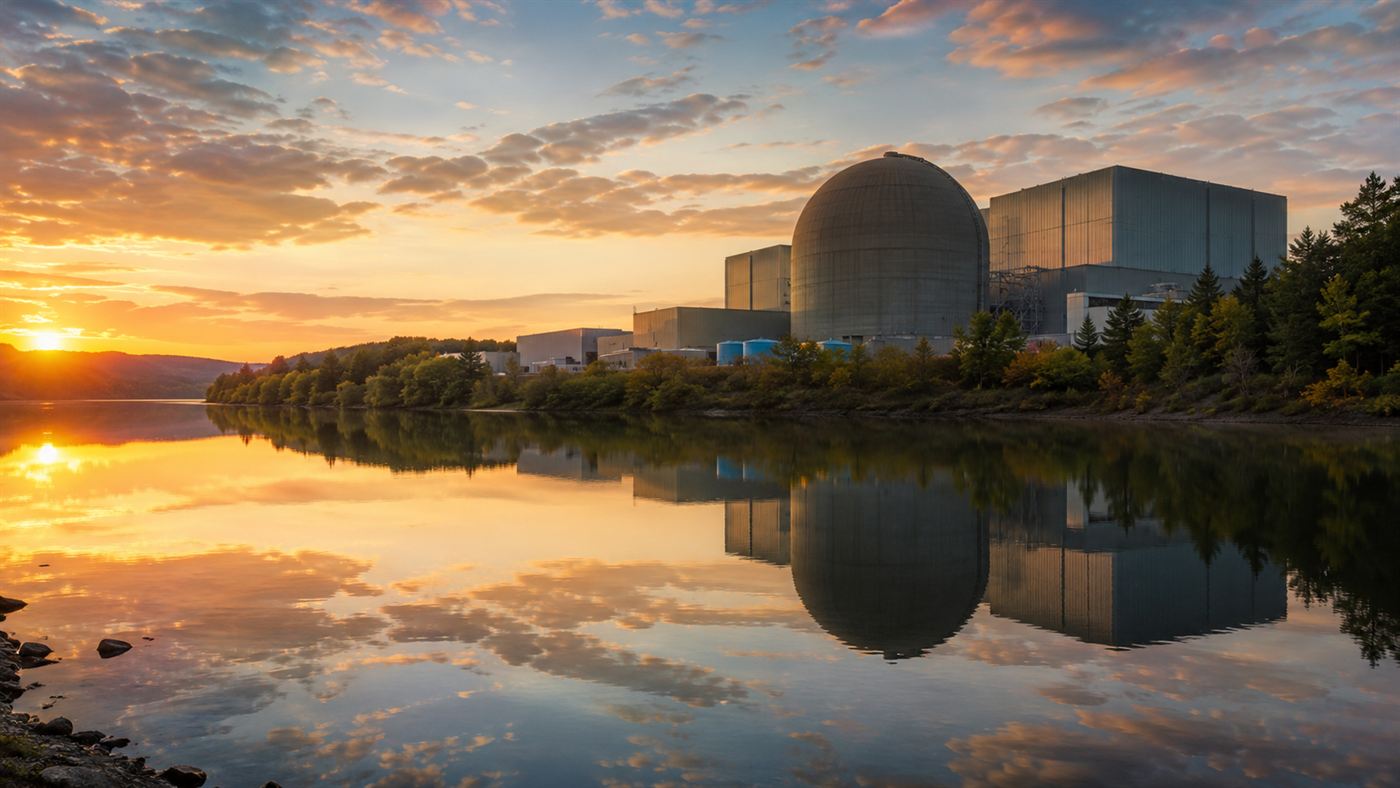
The Palisades nuclear plant on the Lake Michigan shore, months from a historic restart. Illustration: Watts & Wild.
The Palisades nuclear plant sits on the shore of Lake Michigan in Covert Township, an 805 megawatt reactor that ran for half a century before its owner gave up on it. It closed in May 2022, not because it was unsafe or worn out, but because it could not make money selling power against dirt-cheap natural gas. The company that bought it, Holtec International, bought it specifically to dismantle it.
Then everything flipped. As Utility Dive reported, in August 2025 Palisades became the first decommissioned commercial nuclear plant in US history to return to official operating status. A plant that had been on its way to the scrapyard was suddenly the leading edge of an American nuclear comeback, and its story says a lot about how fast the country's mind can change.
The short version: The Palisades nuclear plant in Michigan closed in 2022 and was being decommissioned. Its owner reversed course, and backed by about $1.9 billion in federal and state support, it became the first US reactor ever to return from shutdown. It is expected to generate power again in early 2026 and run to at least 2051.
The plant that was supposed to die
Palisades opened in 1971 and spent 50 years as a quiet workhorse of the Michigan grid. By the early 2020s, though, the economics had turned brutal for old single-reactor plants. Cheap shale gas had flooded the market, and a plant like Palisades simply could not sell its electricity for enough to cover its costs. Its previous owner shut it down, and Holtec took over to begin decommissioning, the slow, expensive process of defueling a reactor and taking the site apart.
For a while, that is exactly what happened. The plant went cold, staff were let go, and the machinery of a nuclear shutdown began to grind forward. In the ordinary run of things, a reactor that reaches this stage never comes back. Decommissioning is a one-way door, and Palisades had walked through it. What makes this story remarkable is that someone found a way to walk back out.
Why bring a dead reactor back?
The answer is that the ground shifted under the whole energy business. In the few years after Palisades closed, demand for electricity that is both clean energy and available around the clock exploded, pushed by climate targets and by the staggering power appetite of new data centers. Suddenly a carbon-free source of 800 megawatts, sitting right there and only recently switched off, looked less like a liability and more like a gift.
As Canary Media has detailed, Holtec International reversed its plans and won federal approval to restart the plant, backed by a package of public money that made the numbers work: a federal loan on the order of $1.5 billion plus hundreds of millions from the state of Michigan, roughly $1.9 billion in all. For a country trying to hold on to carbon-free electricity it had been carelessly retiring, resurrecting Palisades was cheaper and faster than building something new. It is the same logic driving the revival of infamous sites like Three Mile Island.
How do you un-retire a nuclear plant?
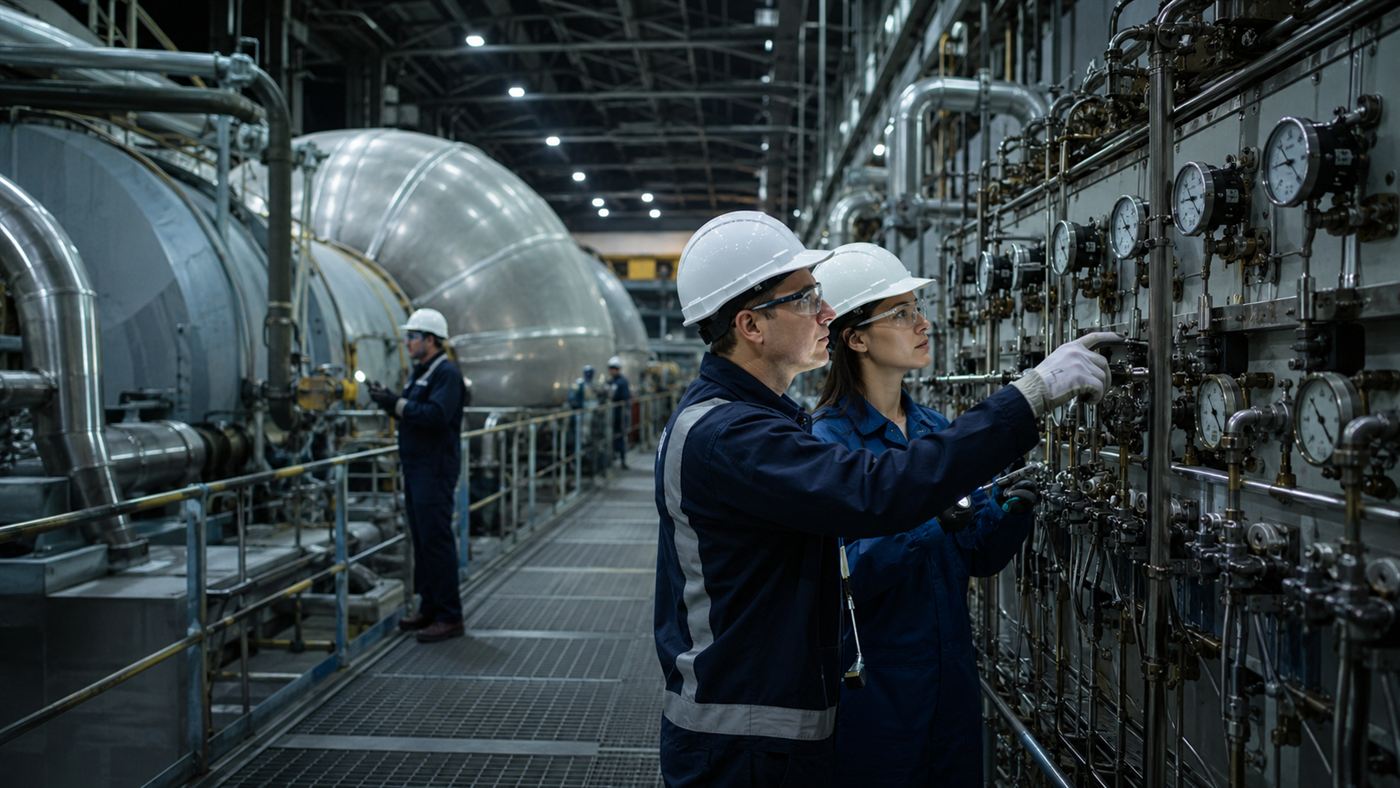
Restarting a reactor that was being torn down is not like flipping a breaker. It had never been done in the United States, so there was no playbook. Holtec had to convince the Nuclear Regulatory Commission that a plant partway through decommissioning could be made safe to run again, which meant a full licensing review, exhaustive inspections, and major work on core components like the steam generators.
The nuclear restart also meant rehiring and retraining a workforce, refueling the reactor, and proving every system worked as if it were new. When the NRC signed off and the plant returned to operating status in August 2025, ready to receive fuel, it crossed a line no American reactor ever had. Whatever happens next, the engineering achievement of bringing a dead plant back to life is already real, and other closed reactors are watching closely.
The Palisades nuclear plant and the town that needed it
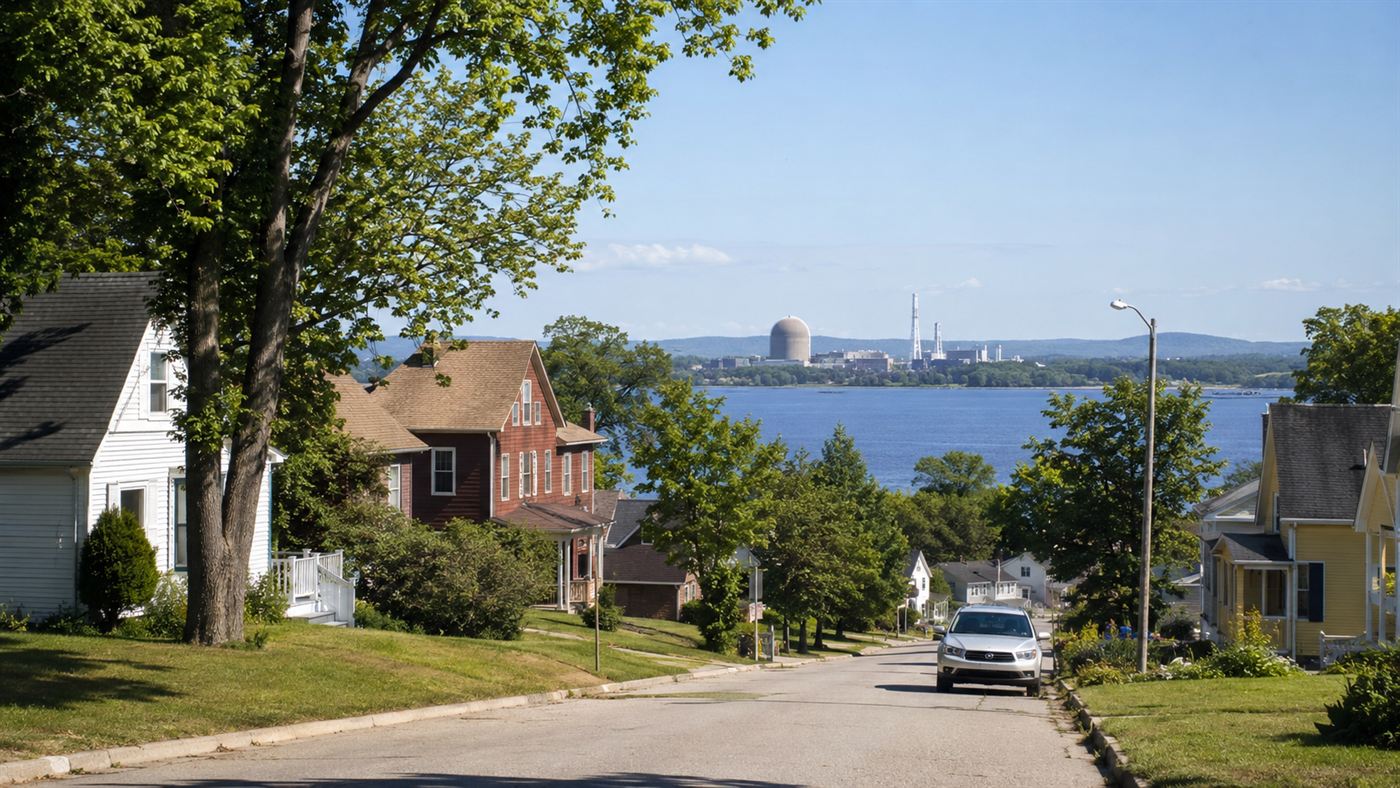
Behind the megawatts is a community. When Palisades closed, Covert Township lost its biggest employer and a huge chunk of its tax base in one blow, the familiar gut-punch that hits any small town when the plant that anchors it goes dark. The restart reverses that too, bringing back on the order of 600 direct jobs along with the local spending and tax revenue that ripple out from them.
For the people who work there and live nearby, the second life of the plant is not an abstract energy-policy debate, it is their livelihood coming back. That local stake is a big reason the restart drew unusually broad political support, from a Democratic governor to a Republican-led push for nuclear power in Washington. A carbon-free power plant that also keeps a town alive is a rare thing that almost everyone can agree to want.
A new life to 2051
The finish line has moved, as big projects tend to. Holtec had hoped to have Palisades feeding the grid by the end of 2025, but as Michigan Public reported, the restart slipped into early 2026. When it does come online, the plan is to run the reactor for decades more, to at least 2051, squeezing another generation of carbon-free power out of a plant that was nearly scrapped.
If it works, Palisades will not be a one-off. It will be a proof of concept, the case study that other owners and states point to when they weigh whether a recently closed reactor is worth reviving. In a country that spent years quietly retiring its nuclear fleet, the idea that some of those plants might be un-retired is a genuine turn, and it started here, on a lakeshore in Michigan.
The honest catch
None of this is a sure thing, and the cheerleading should come with cautions. The restart is late and expensive, leaning on around $1.9 billion in public money that critics argue could buy a lot of new clean power instead. Safety advocates have raised real questions about waking up a 50-year-old reactor and its aging components, and because nobody has ever done this before, some of the risks are genuinely unknown.
There is also the awkward driver behind the boom. A lot of the sudden hunger for round-the-clock power comes from energy-thirsty data centers, so a plant sold as climate progress is partly there to feed server farms. All of that is fair to weigh. But set against it is a simple number: 800 megawatts of electricity that makes no carbon, kept alive instead of demolished. In a warming world short on clean power, bringing a reactor back from the dead may turn out to be one of the more sensible things we do.
A nuclear plant that was being torn apart is about to power the grid again, the first time America has ever raised a reactor from the dead. Is reviving old nuclear plants like Palisades a smart way to get clean power fast, or should that $1.9 billion go to building something new? Tell us what you think in the comments.
Related reading: How the most infamous nuclear site in America is being switched back on to feed the AI boom.
More from Watts & Wild
More in Energy →

Bruno writes about energy history, industrial disasters, and the people who shaped the technologies we take for granted. He is based in Brazil.