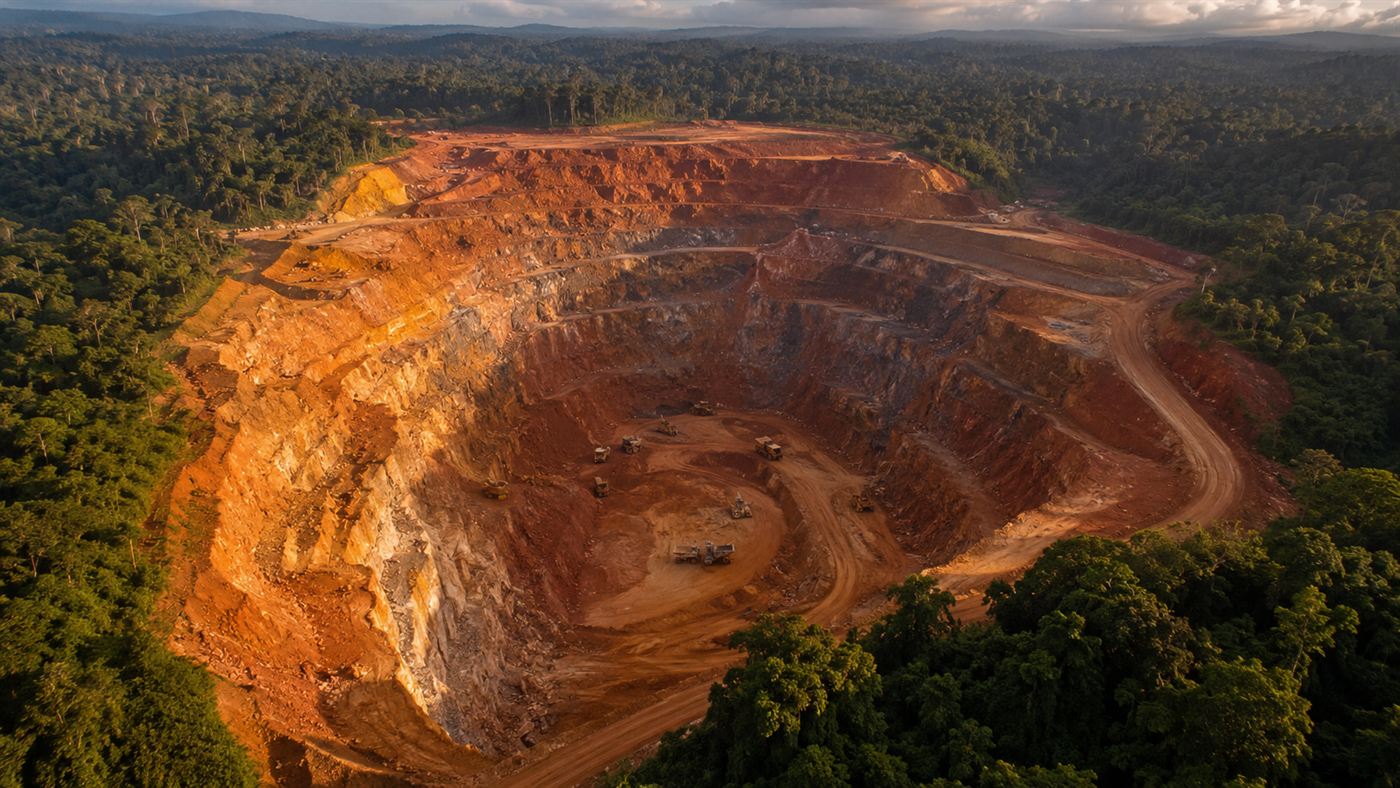
Finland is about to seal the world's first permanent nuclear waste repository, a tomb in the bedrock built to guard its deadly cargo for 100,000 years, and to be safely forgotten
Deep under a Finnish island, engineers have carved the world's first permanent nuclear waste repository, named Onkalo. After a successful trial run, it could begin swallowing spent nuclear fuel as early as 2026. The hardest part was never the digging. It was deciding how to warn humans 100,000 years from now to stay away.
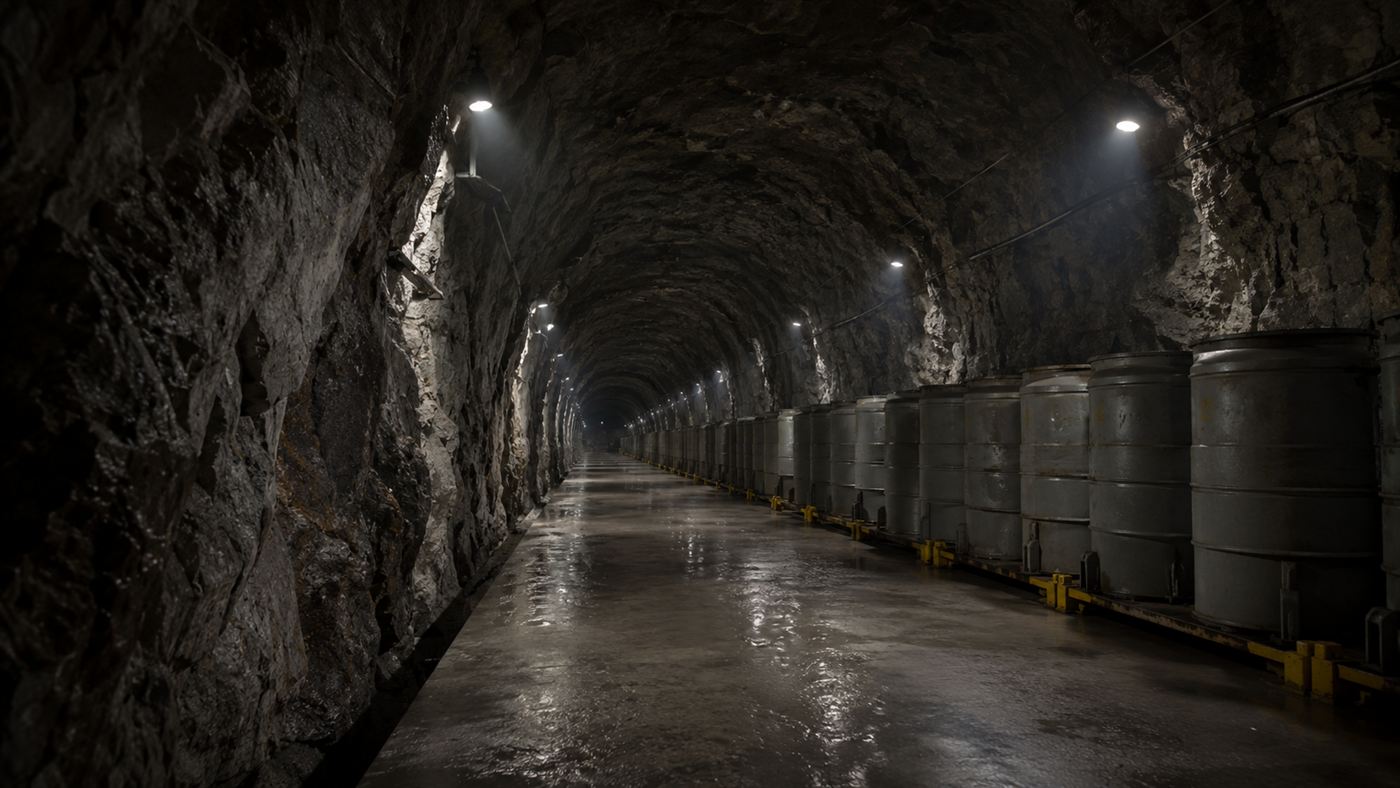
A tunnel inside Onkalo, the repository carved more than 400 metres down into Finnish bedrock. Illustration: Watts & Wild.
The world's first permanent nuclear waste repository in Finland is almost ready to open, and it sits more than 400 metres under a forested island on the country's west coast. As Euronews reported, the site, called Onkalo, could begin burying spent nuclear fuel as early as 2026, the first time any country has had a final answer for the deadliest leftovers of the nuclear age.
But the concrete and copper were the easy part. Once Onkalo is full, Finland faces a problem no engineer has truly solved: how do you warn people who will not be born for thousands of years, who may speak no language we know, not to dig here? Spent nuclear fuel stays dangerous for around 100,000 years, far longer than Homo sapiens has even existed, and the warning has to last just as long.
What is a nuclear waste repository? It is a place built to seal radioactive waste away from people and the living world for as long as it stays dangerous. Onkalo, in Finland, is the world's first deep geological repository for spent nuclear fuel, locking the waste inside copper canisters about 430 metres down in solid granite bedrock.
How does the nuclear waste repository in Finland actually work?
Onkalo sits on the island of Olkiluoto, on Finland's west coast, next door to a nuclear power plant that has been making electricity, and spent fuel, for decades.
It is run by Posiva, a company owned by the Finnish utilities Fortum and TVO, which began boring into the bedrock back in 2004.
It is what engineers call a deep geological repository, the long-promised idea of sealing nuclear waste in stable rock far underground. Burial is not the only idea, though: other researchers want to put part of the waste to work, sealing it into a diamond battery that generates power for thousands of years.
The disposal method is called KBS-3, borrowed from neighboring Sweden, and it works like a set of nested Russian dolls.
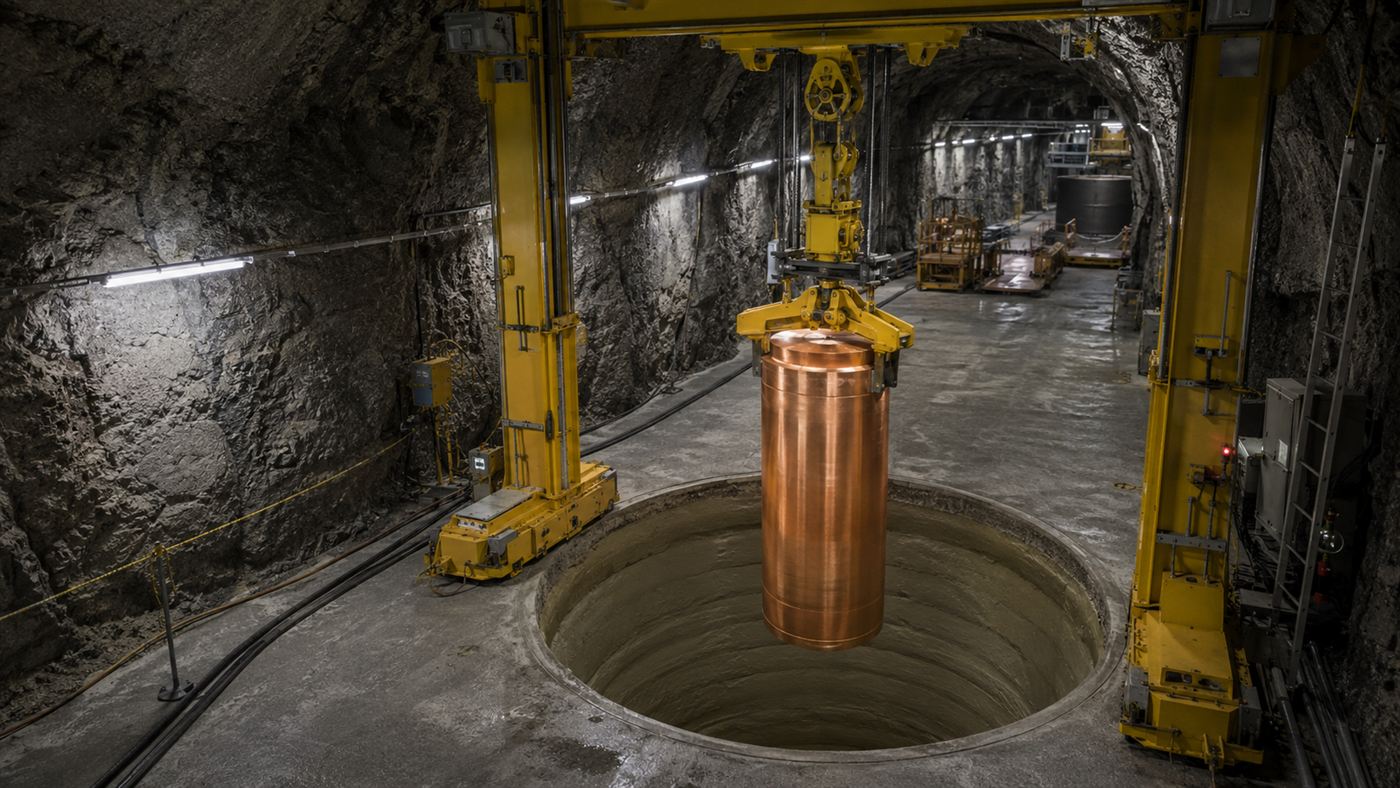
Twelve bundles of used fuel go into a cast iron insert, which is then sealed inside a thick copper canister.
Each copper canister is lowered into its own hole in the tunnel floor and packed in bentonite clay, a material that swells when it meets water and seals the gap like a gasket.
Around all of it sits nearly two billion years of stable granite.
This deep geological repository is built to hold about 6,500 tonnes of spent nuclear fuel, and it cost roughly a billion euros to dig, with billions more to run and finally close.
In early 2025 Posiva finished a full trial run, lowering five real encapsulated canisters down to the disposal level at about 430 metres.
The head of the International Atomic Energy Agency, Rafael Grossi, called Finland's repository a "game changer" for the whole nuclear industry, because for the first time a country has somewhere permanent to put the waste.
Why bury it instead of guarding it forever?
Right now, most of the world's spent nuclear fuel is babysat.
It sits in cooling pools and steel casks at the surface, near the reactors that made it, needing guards, power, paperwork and constant human attention.
That is fine for a few decades.
It is a terrible plan for a few thousand years, because it assumes our institutions, our money and our memory never fail, when history says they always do.
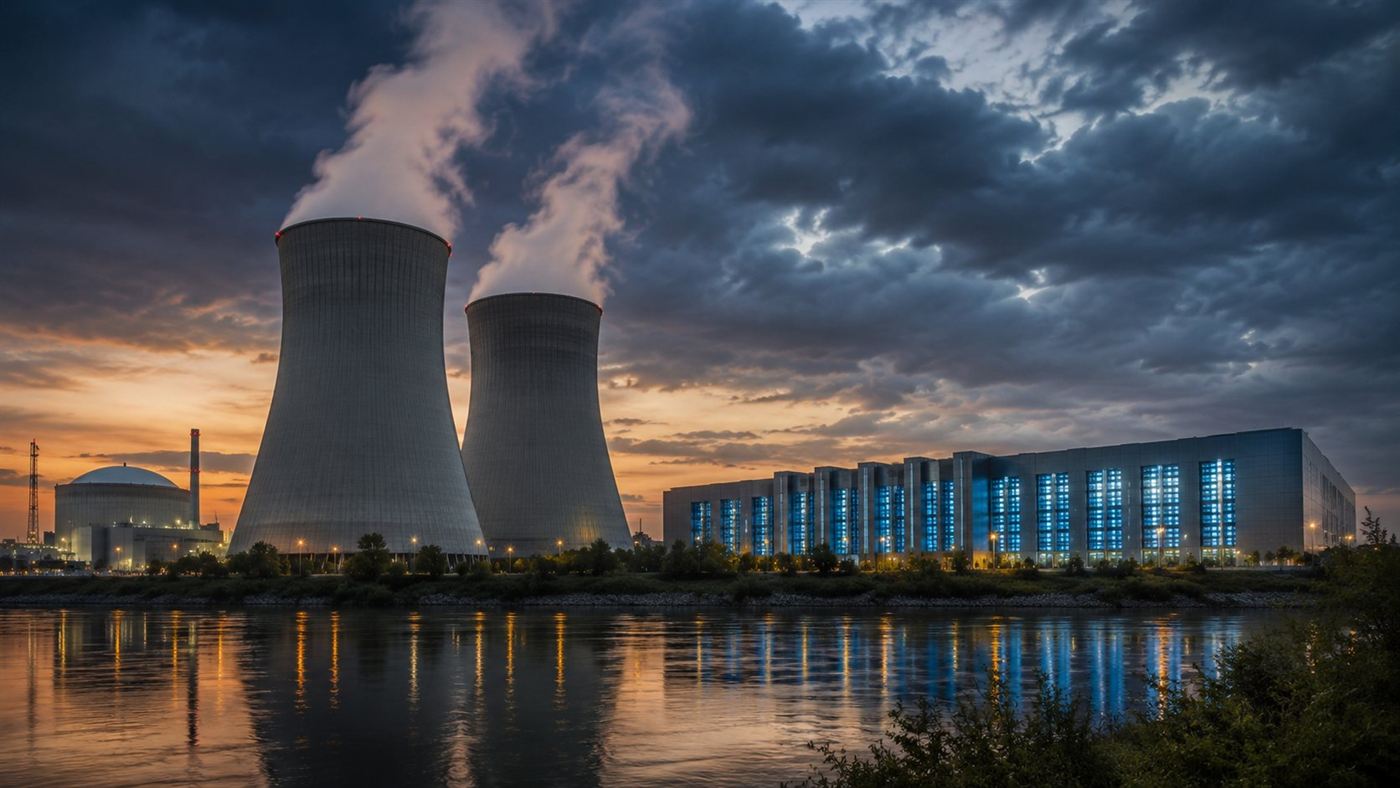
Demand for that fuel is only climbing as the world leans harder on nuclear power, with even Big Tech restarting old reactors to feed its data centers.
With its nuclear waste repository, Finland is making the opposite bet to babysitting: put the danger so deep, in such stable rock, that it stays safe even if everyone above ground forgets it is there.
"The isolation from the civilisation and mankind on the surface is important because of the radiation," Posiva geologist Tuomas Pere told Euronews.
A warning that has to outlast the pyramids
Here is the part that keeps the designers awake.
Spent nuclear fuel stays dangerous for something like 100,000 years.
To put that in scale, the oldest human writing is about 5,000 years old, so the waste must stay sealed for twenty times longer than the entire history of writing.
Our own species is only around 300,000 years old, so we are being asked to send a message a third of the way back to the dawn of humanity, but forward.
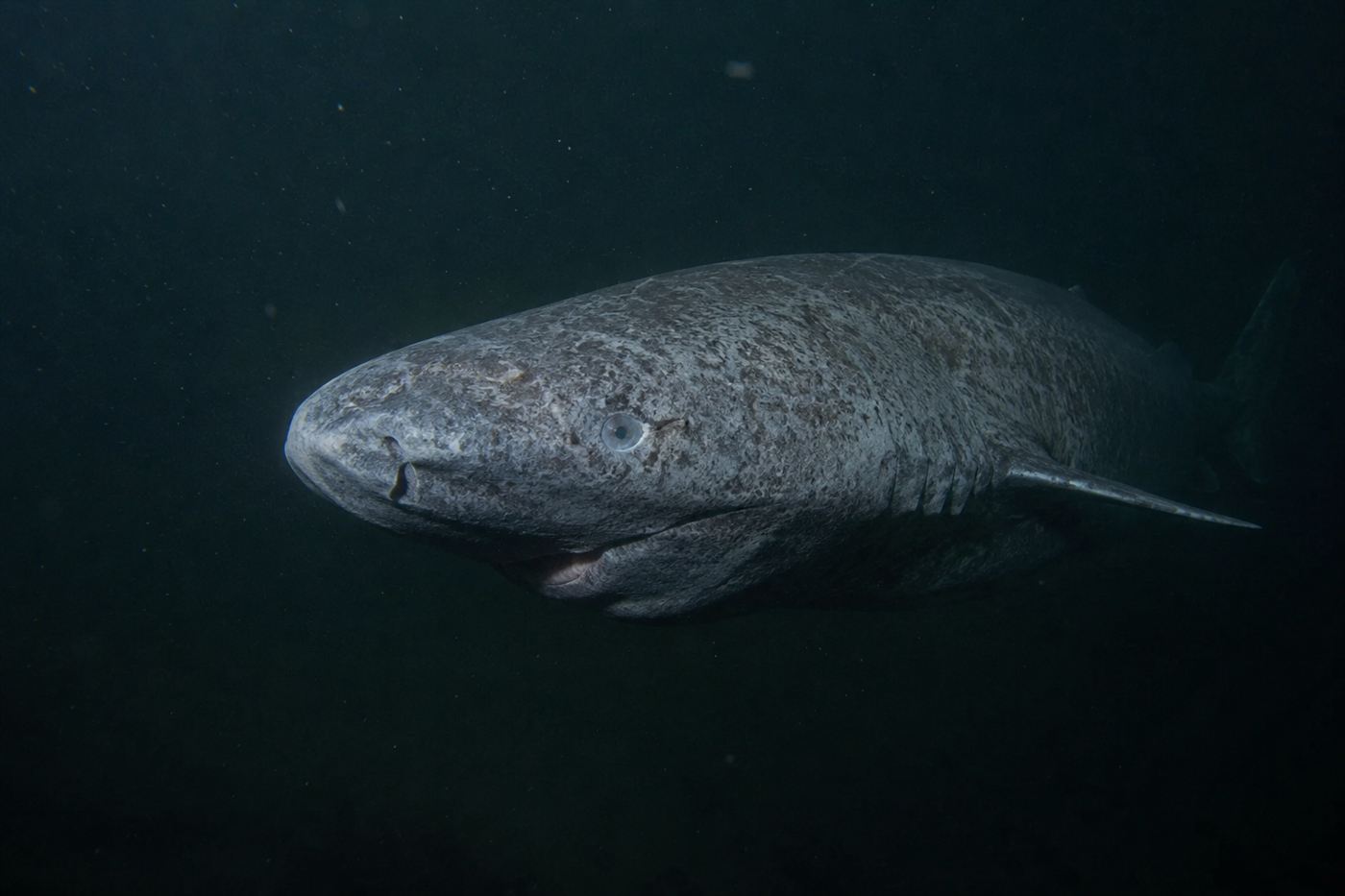
Whatever marks this site has to be understood by people, or whatever comes after people, across spans of time so deep that even the longest-lived animals we know, like the Greenland shark, would live and die many times over inside them.
In 1981 the United States assembled a group with a strange job title, the Human Interference Task Force, to work out how to warn the future away from a waste site in the New Mexico desert.
They were not designing for ten or a hundred years, but for ten thousand, and they quickly realized the problem was less about engineering than about meaning.
Atomic priests, glowing cats, and a message of dread
The ideas that came out of that work are some of the strangest in modern science.
The linguist Thomas Sebeok proposed an "atomic priesthood," a self-renewing order of experts who would keep the knowledge alive through ritual and myth, the way the Catholic Church has carried a message for two thousand years, as National Geographic has chronicled.
Two semioticians, Françoise Bastide and Paolo Fabbri, suggested breeding "ray cats," animals engineered to change color near radiation, tied to folk songs and legends so that future people would flee a glowing cat without remembering why.
The science fiction writer Stanisław Lem imagined satellites broadcasting the warning from orbit, and even flowers with the danger written into their DNA, blooming only over the buried waste.
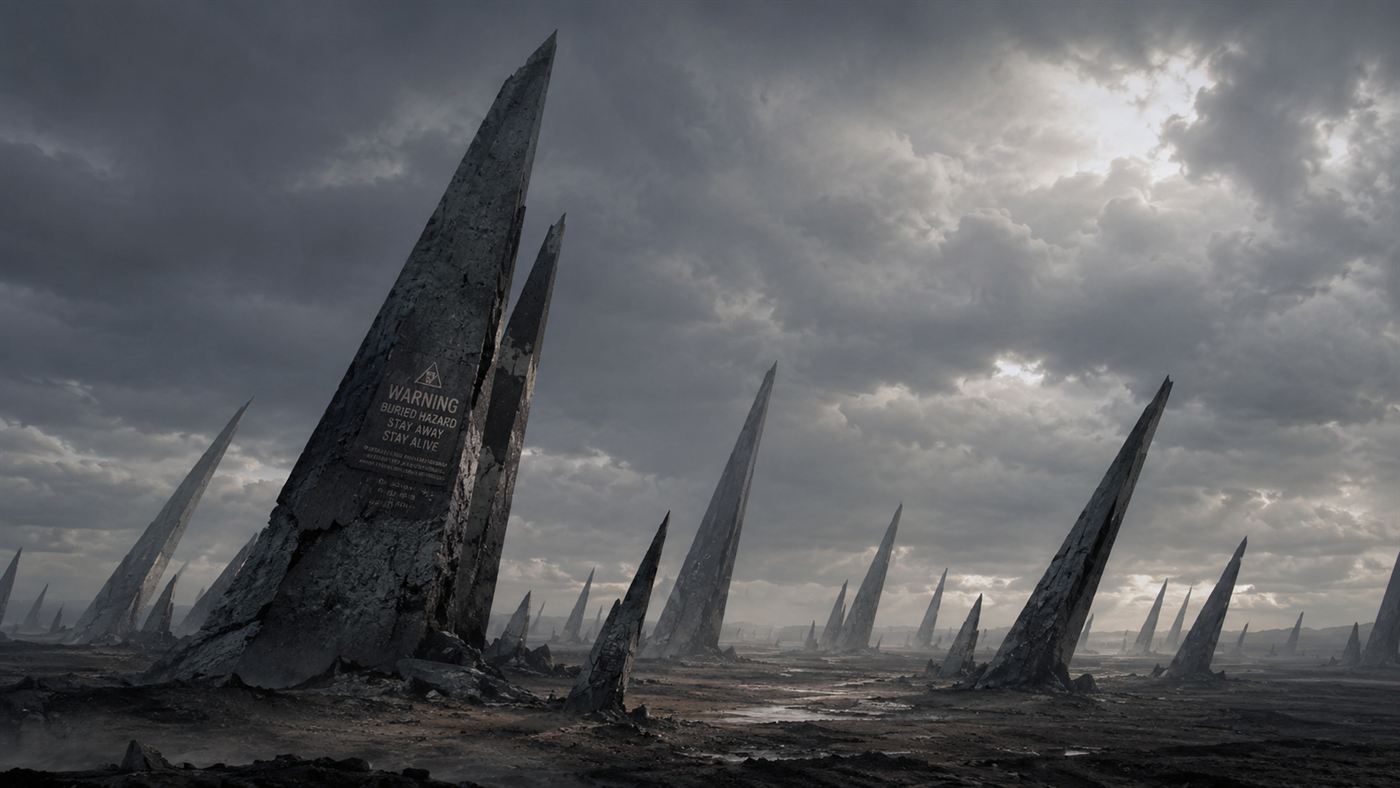
The task force's own conclusion was bleaker: build something huge, ugly and frightening, a landscape of menace that needs no translation.
The most famous draft message reads like a curse: "This place is not a place of honor. No highly esteemed deed is commemorated here. Nothing valued is here."
Finland's answer may be to forget
Finland, oddly, may be leaning the other way.
A marker is also a sign that says "something important is buried here," which is exactly the message a curious treasure hunter, or a desperate future scavenger, might read as an invitation to dig.
The 2010 documentary Into Eternity, filmed inside Onkalo by Michael Madsen, raised the unsettling possibility that the safest thing humanity can do is seal the place, erase it from the surface, and let it be forgotten completely.
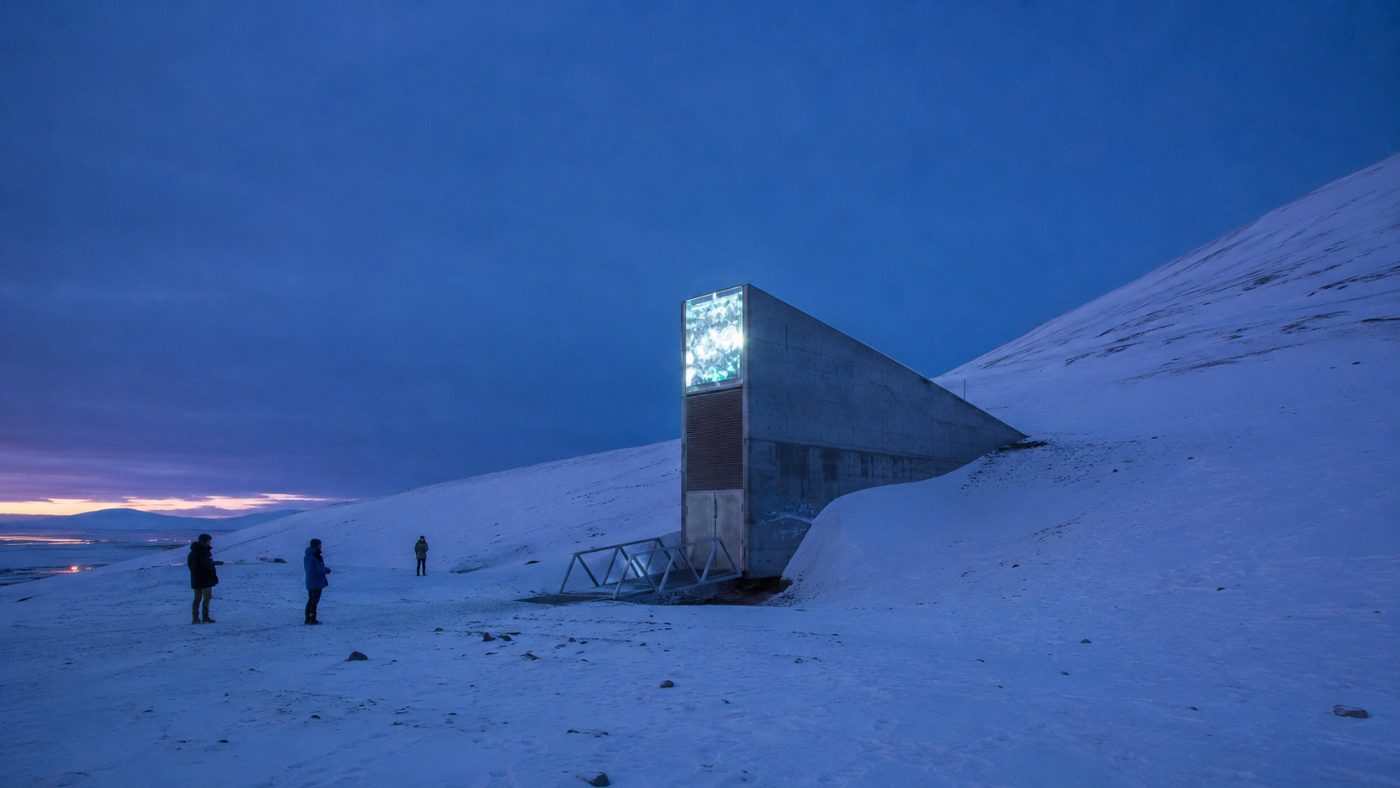
That is the near opposite of almost everything we have ever built, from the Svalbard seed vault that begs to be remembered to the pyramids that scream look at me across the centuries.
Here, success might mean that in 100,000 years nobody remembers a deep geological repository was ever built beneath the forest.
The honest catch
As a nuclear waste repository, Onkalo is a genuine milestone, but it is not the end of the story.
It will only ever hold Finland's own waste, around 6,500 tonnes, while the world is sitting on hundreds of thousands of tonnes of spent nuclear fuel with almost nowhere permanent to put it.
The United States spent decades and billions on a deep geological repository under Yucca Mountain, then abandoned it to politics, and most nuclear nations still have no final plan at all.
The 100,000-year promise also cannot be tested, only modeled, and scientists still argue over how fast the copper canisters might corrode in the deep rock.
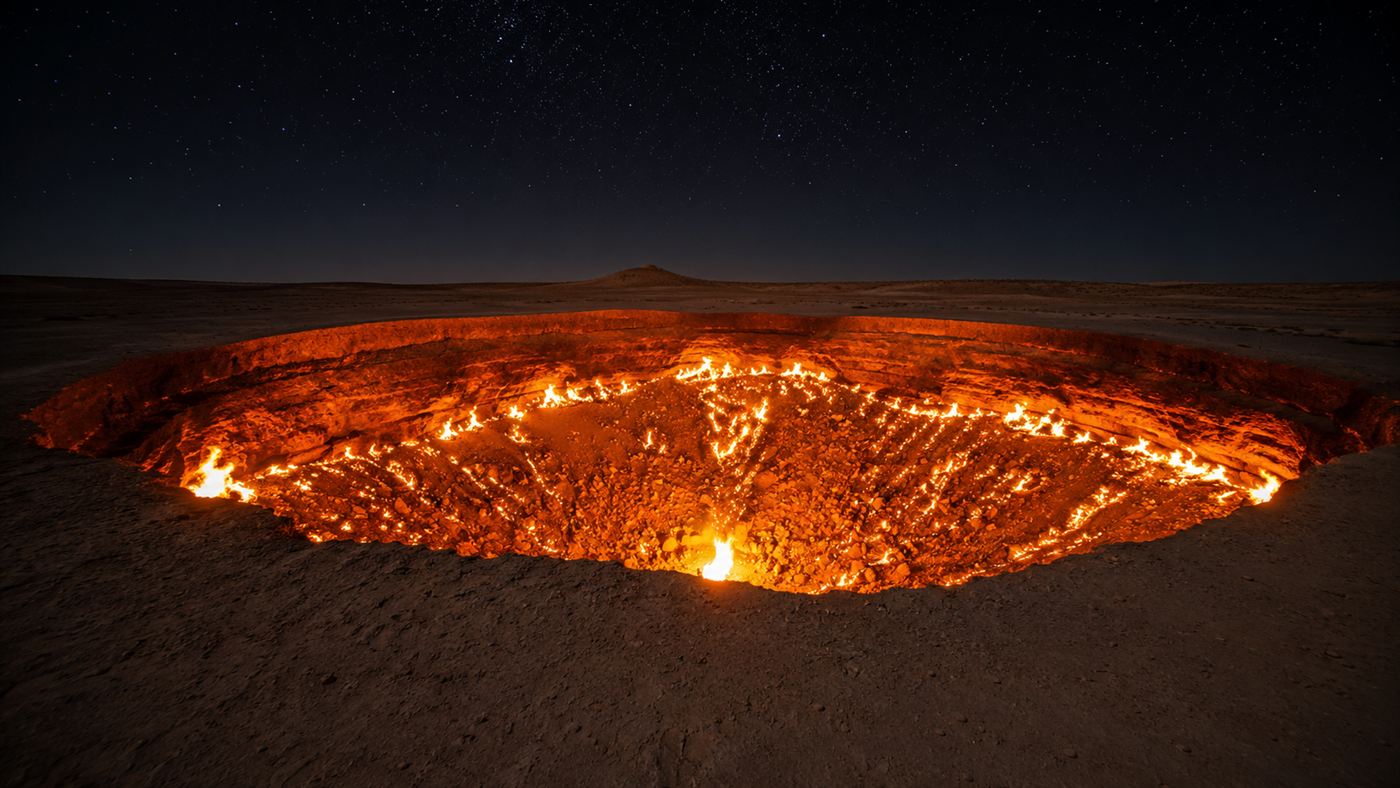
And burying the waste settles none of the louder argument over whether we should keep making more of it, the same uneasy feeling left by hazards we could not switch off, like the Turkmen gas crater that has burned for half a century.
Sometime next century, after the last canister is lowered and this nuclear waste repository is sealed for good, a small crew will ride the lift to the surface for the final time and seal the door.
They will be the last people who know, for certain, what is down there.
Everything after that is a message in a bottle thrown into an ocean of time, and we will never learn whether it was read.
If it were up to you, would you mark this place with a monument meant to terrify, start a priesthood to remember it, or wipe it off the map and trust the silence? Tell us in the comments.