Closer to the 2011 earthquake than Fukushima, the Onagawa nuclear plant should have been doomed, but one engineer's stubborn insistence on a taller seawall decades earlier saved it
On March 11, 2011, the Onagawa nuclear plant sat nearer the epicenter of Japan's monster earthquake than Fukushima did, and it took the same wall of water. The world braced for a second disaster. It never came, and the reason traces back to a man who had been dead for 25 years.
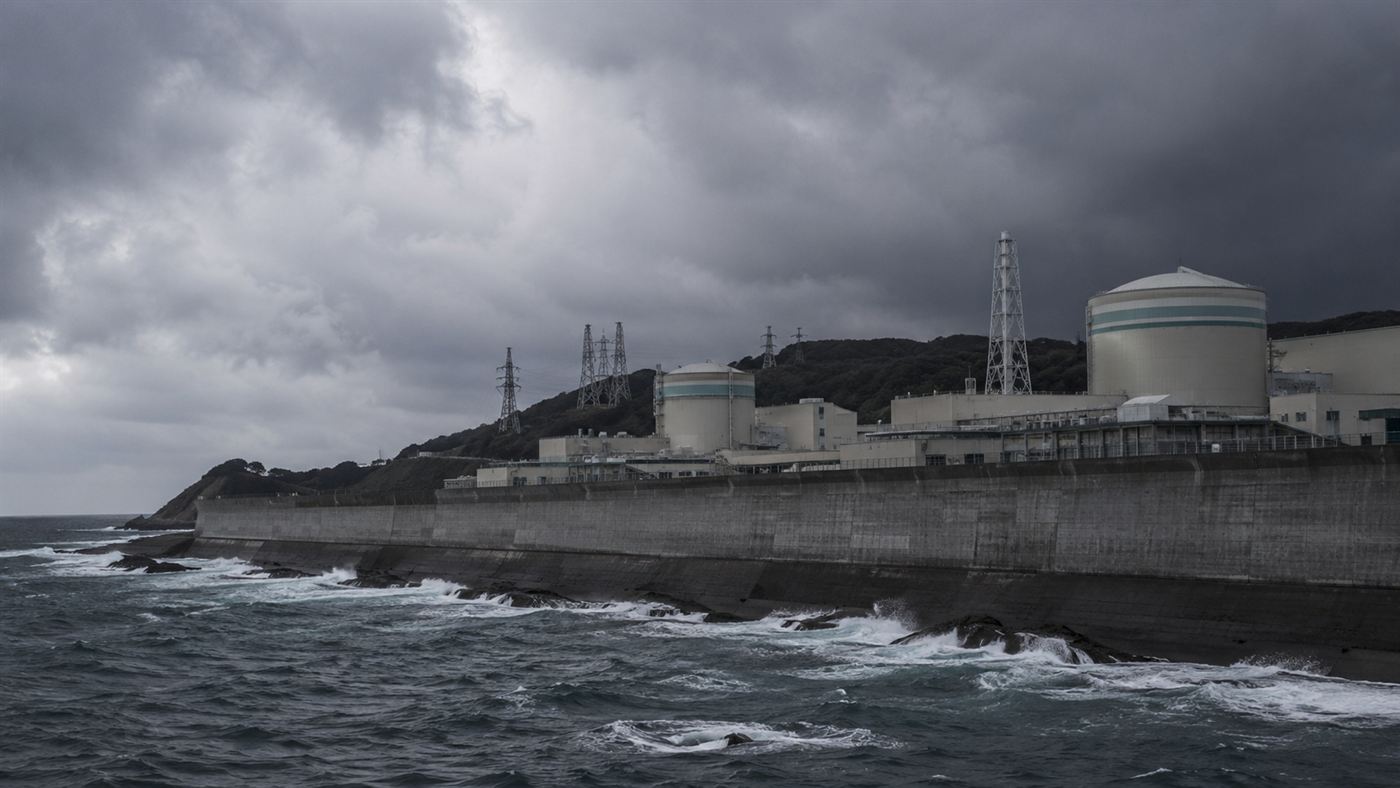
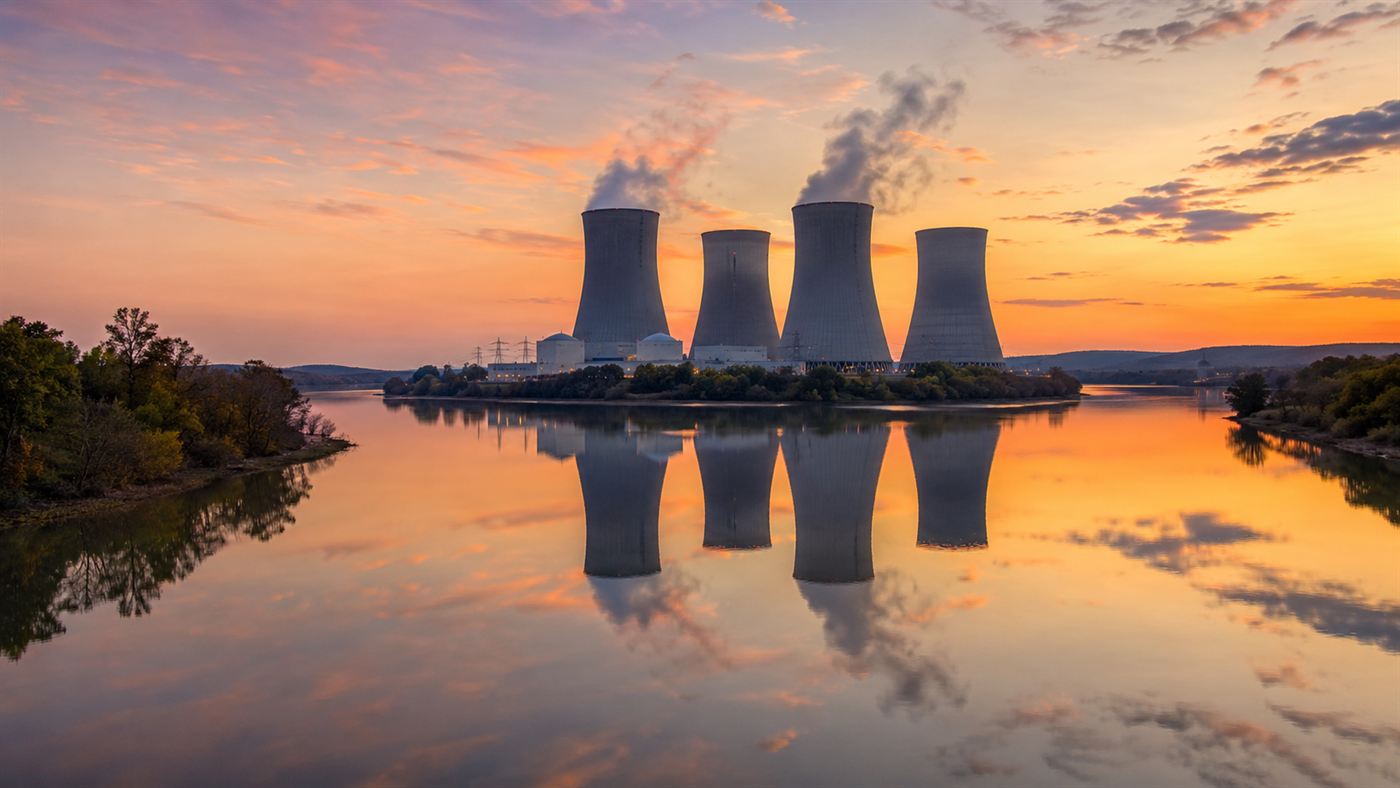
The Onagawa nuclear plant sat closer to the quake than Fukushima, and its seawall held. Illustration: Watts & Wild.
Everyone remembers Fukushima. The Onagawa nuclear plant is the plant almost nobody remembers, and it is the one that got it right. On the afternoon of March 11, 2011, a magnitude 9.0 megathrust earthquake ruptured the seabed off northeastern Japan and sent a tsunami racing toward the coast. Onagawa, run by Tohoku Electric on the Oshika Peninsula, was the nuclear station sitting closest to where the earth broke.
As the Bulletin of the Atomic Scientists recounted, Onagawa was actually closer to the epicenter than the Fukushima Daiichi plant that melted down, yet it shut down safely and was left standing. Two plants, one ocean, one earthquake, and two completely opposite endings. The difference between them is one of the most important, and least told, stories in the history of nuclear power.
The short version: The Onagawa nuclear plant was the closest reactor to the 2011 Tohoku quake, but it survived the tsunami and shut down safely while Fukushima suffered a triple meltdown. Onagawa sat higher and behind a taller seawall, roughly 14.8 meters, because engineer Yanosuke Hirai had fought for that height decades earlier. The plant even sheltered hundreds of local residents afterward.
The plant that should not have made it
The numbers make Onagawa's survival look almost impossible. It sits around 123 kilometers from the epicenter, roughly 60 kilometers closer than Fukushima Daiichi. The shaking there was violent, among the strongest ever recorded at a nuclear site, and the tsunami that followed reached about 13 meters as it slammed into the coast. By every crude measure, Onagawa should have been hit harder than the plant that became a byword for catastrophe.
Instead, its three reactors detected the quake and scrammed, dropping their control rods to stop the nuclear reaction as designed. The tsunami arrived, climbed the shore, and stopped short of drowning the vital equipment. The plant rode out the largest earthquake in Japan's recorded history and the wave that came with it, and then simply sat there, intact, while the country's attention turned in horror to Fukushima 100 kilometers south.
Why Fukushima failed and Onagawa held
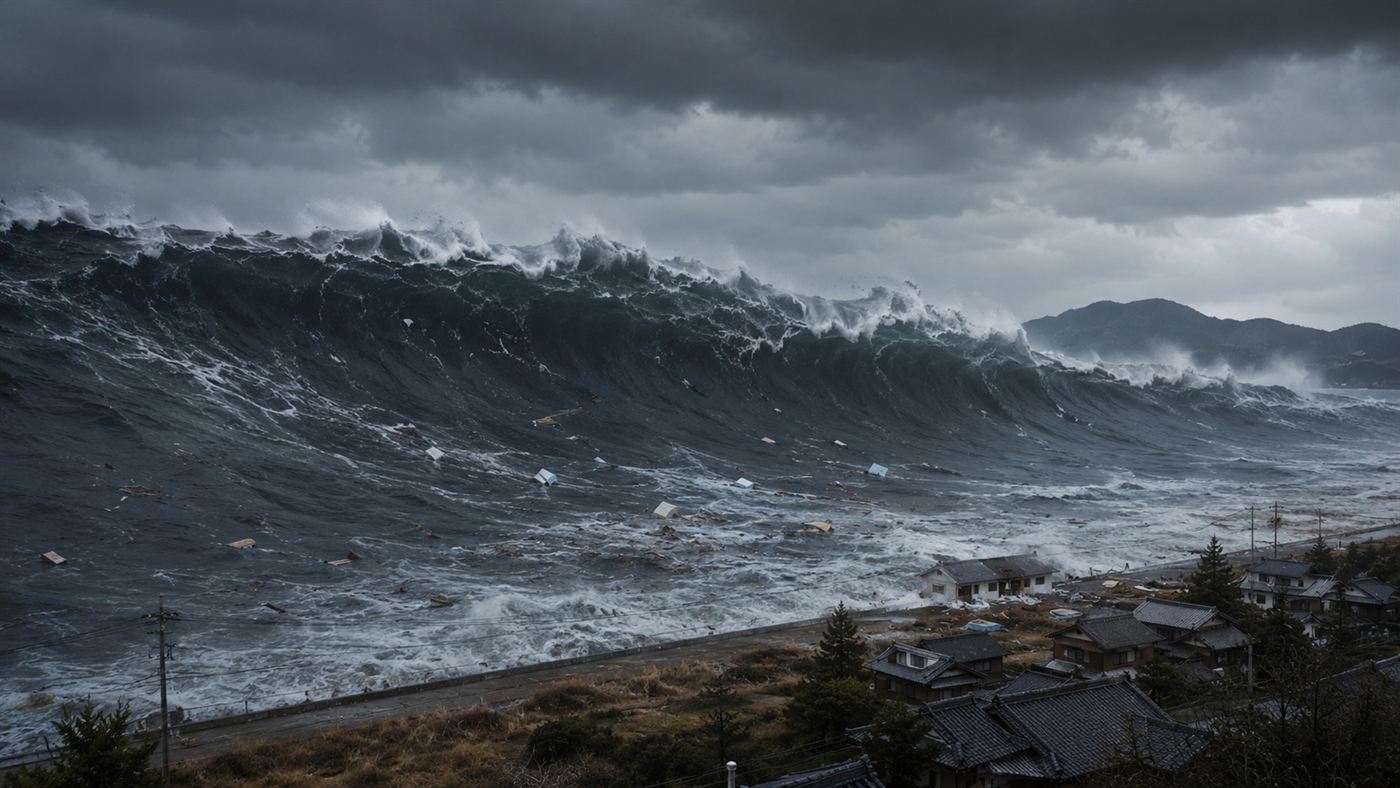
The story everyone knows is what went wrong at Fukushima. There, the tsunami topped a seawall of only about 5.7 meters, flooded the basements where the emergency diesel generators sat, and knocked out the cooling that keeps a shut-down reactor from overheating. Without power to move water, three cores melted down over the following days, spewing radiation and forcing the evacuation of well over 100,000 people.
Onagawa faced the same physics and the same wave. What it had that Fukushima lacked was height. The site had been built on higher ground, and its seawall stood roughly 14.8 meters tall, enough to blunt a 13 meter tsunami instead of being swamped by it. Its backup power and cooling survived. As documented in the plant's record, an International Atomic Energy Agency mission that inspected Onagawa found it shut down safely and remarkably undamaged. The gap between disaster and non-disaster came down to a few meters of concrete.
The one man who insisted on a taller wall
Those few meters were not luck. They were the legacy of a single stubborn engineer named Yanosuke Hirai. Decades earlier, when Tohoku Electric was planning Onagawa, Hirai argued that the plant needed to sit higher and be shielded by a far taller breakwater than his colleagues thought necessary. Many considered around 12 meters more than enough. Hirai pushed for close to 15, and he would not let it go.
His reasoning came from history, not just calculation. Hirai studied old records of the tsunamis that had battered this coast for centuries, including the great Jogan tsunami of the year 869, and concluded that the sea was capable of far more than the recent past suggested. His seniority let him win the argument, and Tohoku Electric spent the extra money on the higher ground and the taller wall. Hirai died in 1986, a quarter century before the ocean proved him exactly right. He never knew how many lives his insistence would help protect.
How the Onagawa nuclear plant became a refuge
Then came the twist that turns this from an engineering footnote into something human. The town of Onagawa was gutted by the tsunami, homes swept away and hundreds of people suddenly with nowhere to go. The safest, sturdiest, best-supplied place left standing in the area was the nuclear plant itself.
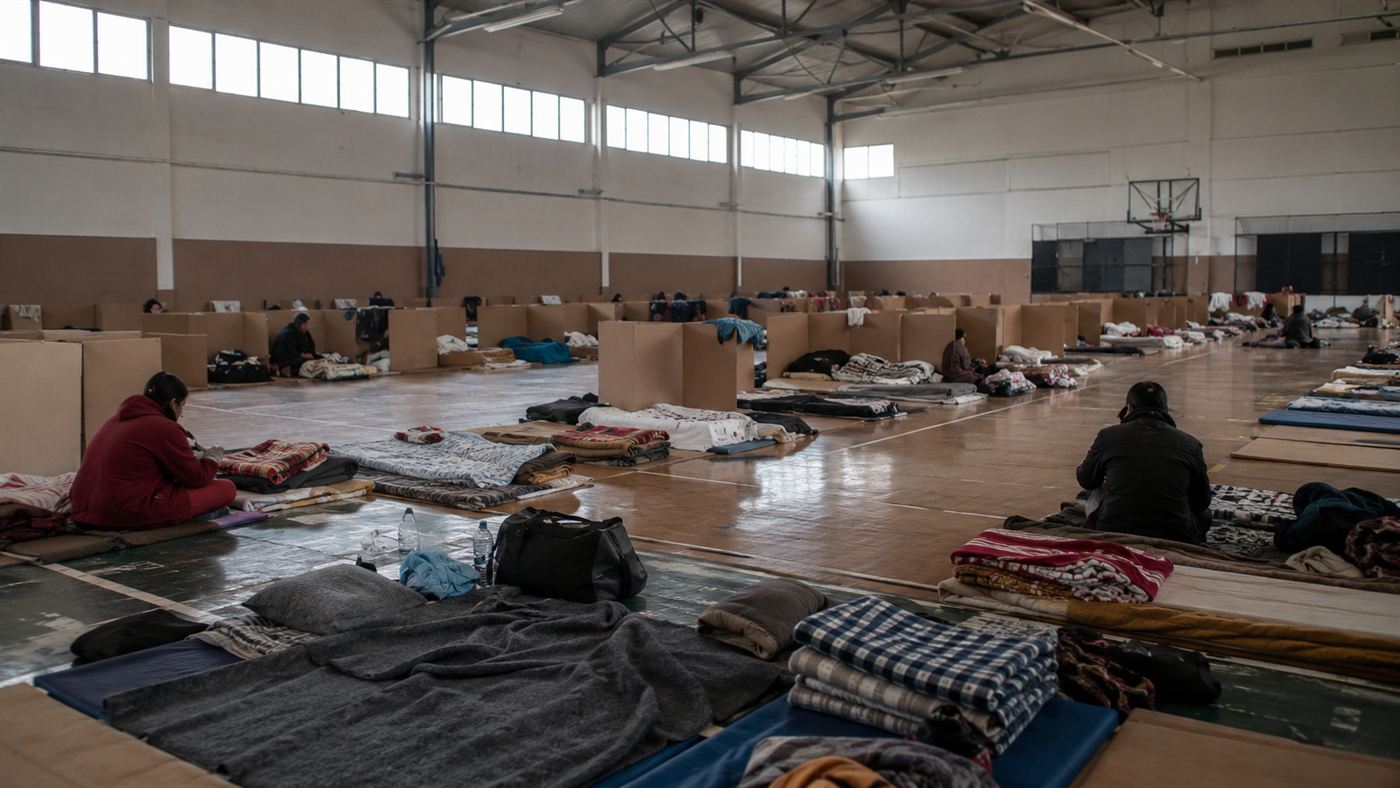
So the plant opened its doors. Hundreds of displaced residents, on the order of 360 people, moved into the station's gymnasium and sheltered there for months, fed and housed by the utility while the region reeled. It is a detail almost too neat to be true: the reactor that the public feared most became the shelter that took the survivors in. A nuclear plant, built with paranoid caution by a man long dead, ended up being the thing that kept a town alive.
A lesson the industry almost ignored
Onagawa should be as famous as Fukushima, and it is not. Part of the reason is that success is quiet: a plant that shuts down safely makes no headlines. But researchers have argued that a non-failure can teach as much as a failure. A study published in the journal Safety Science examined Onagawa precisely as a case of non-failure, digging into why it held when so much around it did not.
The lesson is not really about concrete. It is about humility in the face of history. Fukushima's designers effectively assumed the worst tsunami of the recent past was the worst that could ever come. Hirai assumed the opposite, that the record was incomplete and the sea would eventually exceed it. Both were bets about the future made decades in advance, and the 2011 tsunami settled which bet was wiser. For every industry that builds for rare disasters, from dams to grids to sea walls, that is the uncomfortable takeaway: plan for the flood you have never seen.
The honest catch
It would be too tidy to call Onagawa a flawless triumph, and it was not. The plant did not come through untouched: fires broke out, one reactor suffered some flooding and damage, and the station was shut down for years afterward for inspection and repair before any restart was considered. There was margin in its survival, and margin can mean a degree of good fortune as well as good planning.
Tohoku Electric is also not beyond criticism, and turning Hirai into a lone prophet risks flattening a more complicated engineering history. But the core of the story holds. Faced with the same monster wave that destroyed Fukushima, Onagawa stood because someone decades earlier refused to assume the sea would be gentle. In a world building ever more infrastructure against ever more extreme weather, the plant that quietly survived may be the more useful example than the one that failed.
The plant that survived the disaster is the one history forgot. Should the Onagawa nuclear plant be taught alongside Fukushima as the model of how to build for the worst, or does its success make us too confident that engineering can outrun nature? Tell us what you think in the comments.
Related reading: How the most infamous nuclear site in America is being switched back on to feed the AI boom. See also why California chose to save its last reactor, Diablo Canyon, instead of closing it.
More from Watts & Wild
More in Energy →

Bruno writes about energy history, industrial disasters, and the people who shaped the technologies we take for granted. He is based in Brazil.