Long Island built a nuclear power plant for six billion dollars, licensed it and loaded the fuel, then sold the whole thing to the state for one dollar without ever selling a watt of its power
It is one of the strangest objects in the history of American energy: a complete, working, fully licensed nuclear reactor that was switched on only for brief tests, then switched off forever. It never sold a single kilowatt-hour to a paying customer. And the people of Long Island spent the next three decades paying for it anyway.
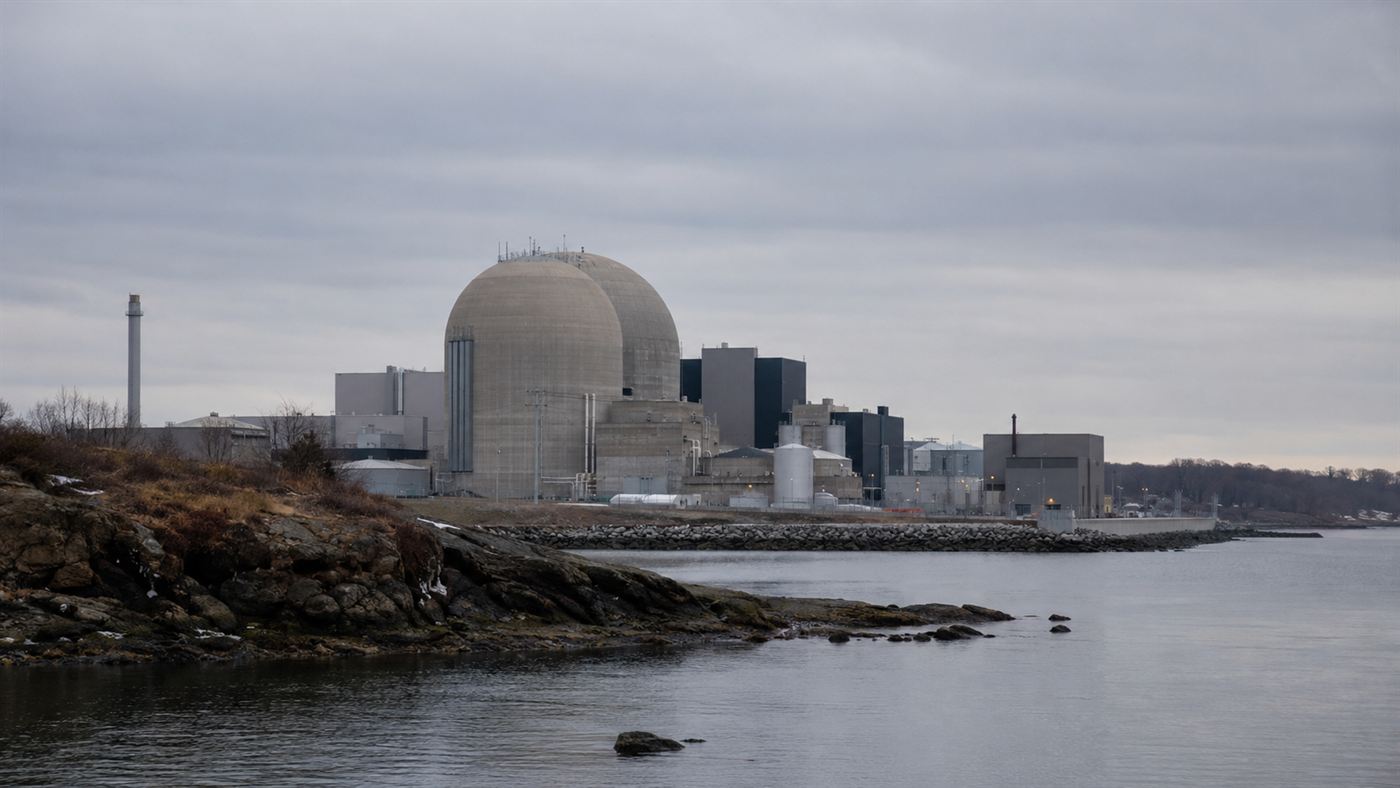
Shoreham was finished, fueled and licensed, and then never allowed to run. Illustration: Watts & Wild.
On the north shore of Long Island, in the hamlet of East Shoreham, sits the ghost of one of the most expensive mistakes in the story of nuclear power. The Shoreham nuclear plant was a General Electric boiling-water reactor, built between 1973 and the mid-1980s by the Long Island Lighting Company, the local utility better known as LILCO.
When it was announced, the plant was supposed to cost somewhere between 65 and 75 million dollars and start feeding the grid in 1973. By the time it was physically finished, the bill had reached roughly six billion dollars, one of the worst cost overruns the industry has ever seen. And then, after all of that, it was never switched on for real.
The short version: LILCO built the Shoreham nuclear plant, but after Three Mile Island nobody could show that Long Island could be safely evacuated in an accident. Without an approved evacuation plan the plant could not get its full license, so in a 1989 deal it was sold to New York State for one dollar and torn down.
How a $70 million plant became a $6 billion one
The Shoreham nuclear plant was born in the optimism of the late 1960s, when nuclear power looked like the cheap, limitless future. But the project ran straight into the 1970s: soaring interest rates, tougher safety rules written after near-misses elsewhere, design changes, and delay after delay. Each year of waiting piled interest and inflation onto an already swelling budget.
This was not unique to Long Island. Across the country, reactors ordered in the boom came in wildly over budget in the harder decade that followed. What made Shoreham special was not just the money, staggering as it was, but the fact that the utility spent every one of those dollars and still ended up with nothing to sell.
Why did Three Mile Island doom it?
The turning point came in 1979, when the reactor at Three Mile Island in Pennsylvania suffered a partial meltdown. The accident hurt no one directly, but it shattered public trust in the industry and put emergency planning at the center of every licensing fight. Suddenly the question was not just whether a plant was safe, but whether the people around it could get out if it was not.
On Long Island, that question had an ugly answer. The island is a long, narrow strip with limited roads and millions of residents, most of whom would have to flee in the same direction. In 1983, Suffolk County concluded that it simply could not be safely evacuated in a serious accident at the plant, and it refused to back any such plan.
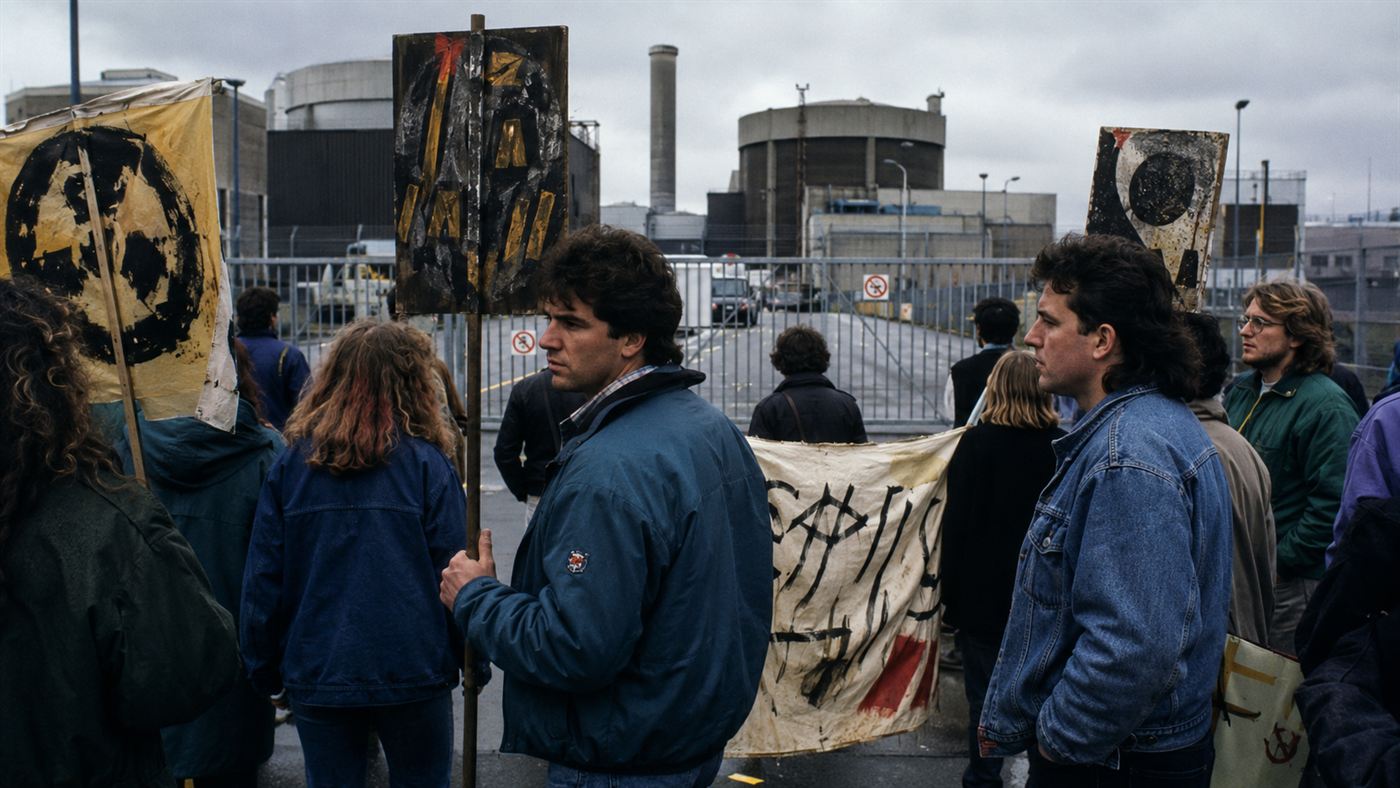
The evacuation plan that never came
An approved evacuation plan was not optional. Federal rules required one before a reactor could get the full-power license it needed to run commercially, and on Long Island that approval never came. Governor Mario Cuomo went further, ordering state officials not to approve any evacuation plan that LILCO put forward, which slammed the door on the plant for good.
The reactor was allowed to run only at very low power during testing, a tiny fraction of its capacity, just enough to prove it worked. It did work, and it was still never allowed to earn a cent. It simply was never permitted to do the one thing it had been built and licensed to do, which is why the story still stings for everyone who paid for it.
Sold for one dollar
By the late 1980s, Shoreham had become politically impossible and financially radioactive. The way out was a deal. In 1989, LILCO agreed to hand the finished plant to the newly created Long Island Power Authority for the nominal sum of one dollar. In exchange, the utility was allowed to recover its costs through customer rates, and the plant was slated for demolition.
That made Shoreham the first fully licensed commercial nuclear reactor in the United States to be decommissioned without ever running commercially. As Wikipedia's detailed account of the plant records, it was dismantled in the early 1990s, its fuel removed and shipped away, its great dome left as a monument to a decision no one wanted to own.
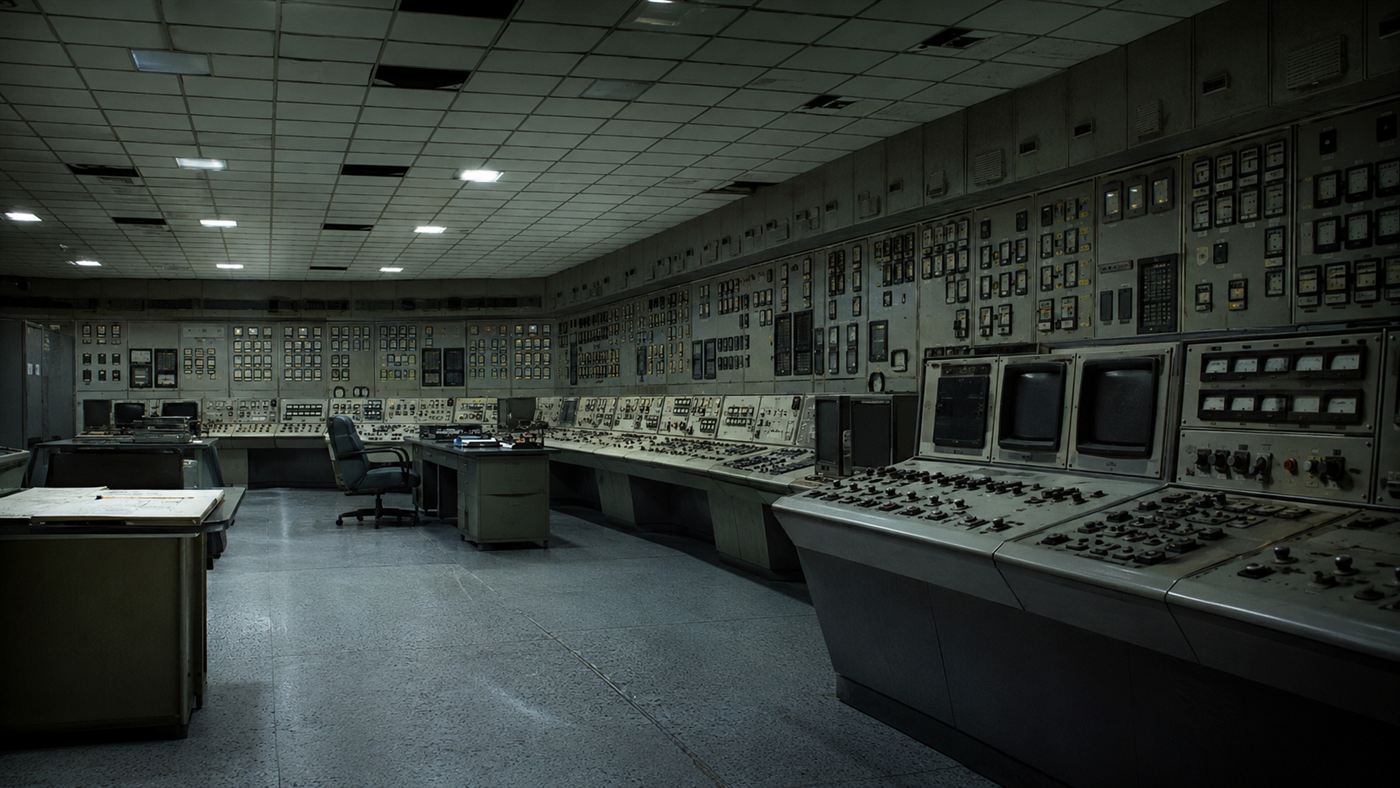
The honest catch
It is tempting to call Shoreham a pure disaster, but the truth is more tangled. The critics were not being hysterical. The problem of evacuating Long Island was real, and even nuclear supporters struggle to explain how millions of people would escape a narrow island through a handful of clogged highways. Killing the plant may well have been the responsible call.
The catch is who paid for that call. As the American Nuclear Society has written in its look back at the showdown, Long Island ratepayers were left carrying the cost through some of the highest electricity bills in the nation for decades. The safe decision and the fair decision were not the same decision, and ordinary customers absorbed the difference.
What the Shoreham nuclear plant still teaches us
The Shoreham nuclear plant is the clearest lesson in a truth the whole industry keeps relearning: a nuclear plant is only as buildable as the public trust around it. You can pour the concrete, load the fuel, and win the license, and still lose everything if the community decides it does not want the thing in its backyard.
As the country now talks seriously about building reactors again to meet soaring electricity demand, the silent dome on Long Island is worth remembering. It is proof that in energy, the engineering is often the easy part. The hardest reactor to build is the one people have already decided to fear.
A finished, fueled, fully licensed reactor was sold for one dollar and torn down while its customers kept paying billions for the privilege. Was killing the plant the responsible choice, or the most expensive mistake Long Island ever made? Tell us what you think in the comments.
Related reading: the Three Mile Island accident that broke America's trust in nuclear power. See also how California kept changing its mind about closing Diablo Canyon, its last nuclear plant.