Around 1900 a third of America's cars were electric, clean and quiet and beloved by women drivers, and even Henry Ford's wife preferred her Detroit Electric to his gasoline Model T
We talk about electric cars as if they are brand new, but the world lived through a thriving first electric car age more than a century ago. Detroit Electric was its star, and Clara Ford chose one over her husband's Model T, until cheap petrol swept them all away.
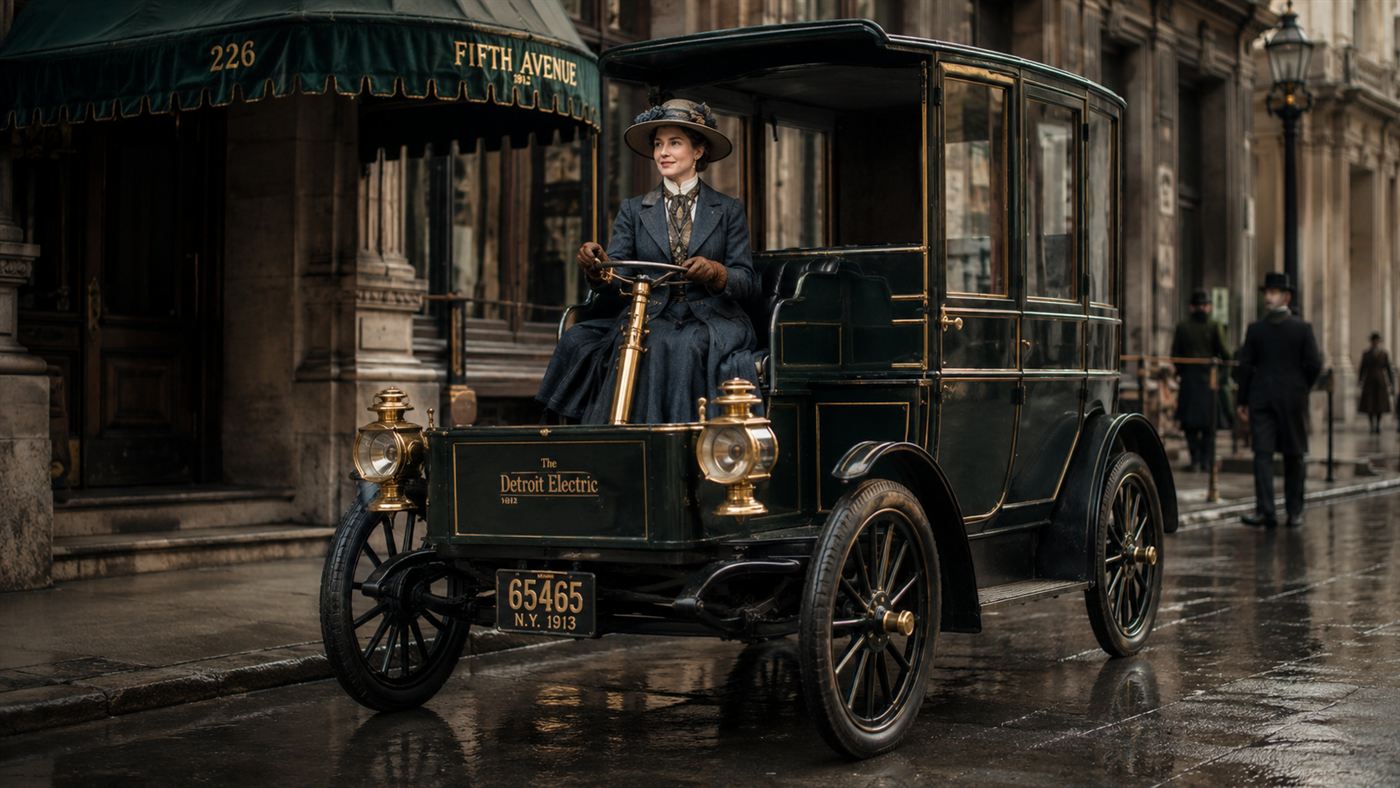
A Detroit Electric of the 1910s, the polished face of the first electric car age. Illustration: Watts & Wild.
Imagine a city street where most of the cars glide past almost silently, with no smoke, no roar and no one cranking a handle out front.
That was not the future, it was around 1900, when electric cars were one of the most popular ways to drive.
Were there electric cars in 1900? Yes. Around 1900 about a third of all cars in the United States were electric, prized for being clean, quiet and easy to start. Detroit Electric became the best-known brand, but cheap gasoline and the electric starter ended the first electric car age.
When a third of cars were electric
At the turn of the 20th century the car had not yet settled on how it should be powered.
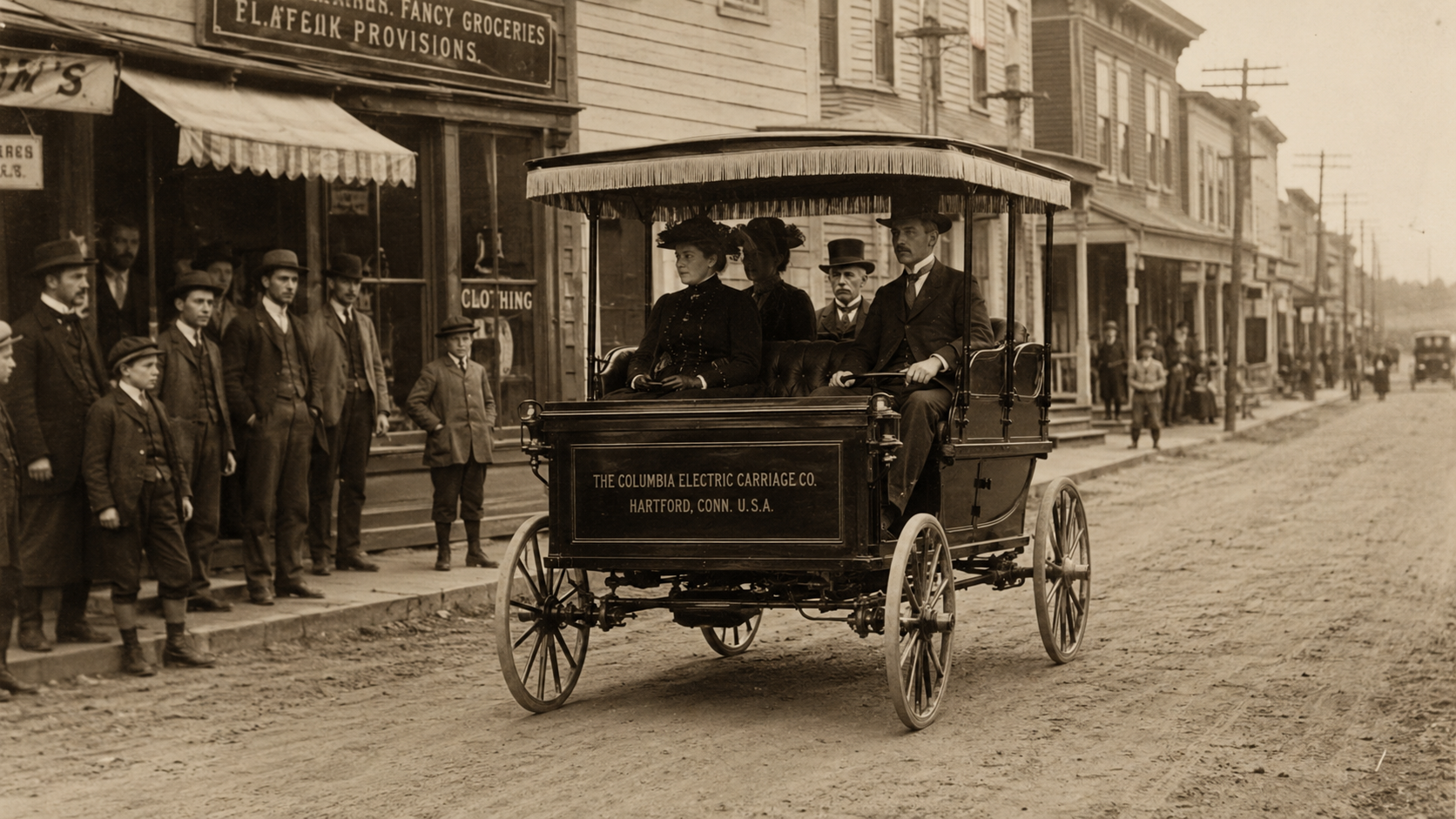
Roughly a third of American cars were electric, another third ran on steam, and only the rest burned gasoline, and the early history of the electric vehicle shows it briefly outsold its rivals.
Electric cars were the genteel, modern choice, with no hand-crank, no gear-shifting, no noise and no choking exhaust.
Their weakness was already clear, though: a heavy lead-acid battery gave only a short range and a gentle top speed, fine for town but useless for the open country.
For a city dweller in 1905, however, an electric car was simply the nicest way to get around.
The queen of the electric age
No company embodied that world better than Detroit Electric.
Built from 1907 into the 1930s, the Detroit Electric was a tall, dignified carriage of a car, often steered with a tiller rather than a wheel.
It offered a real-world range of around 130 kilometres on a charge, remarkable for the time, and some models could even use Thomas Edison's nickel-iron batteries.
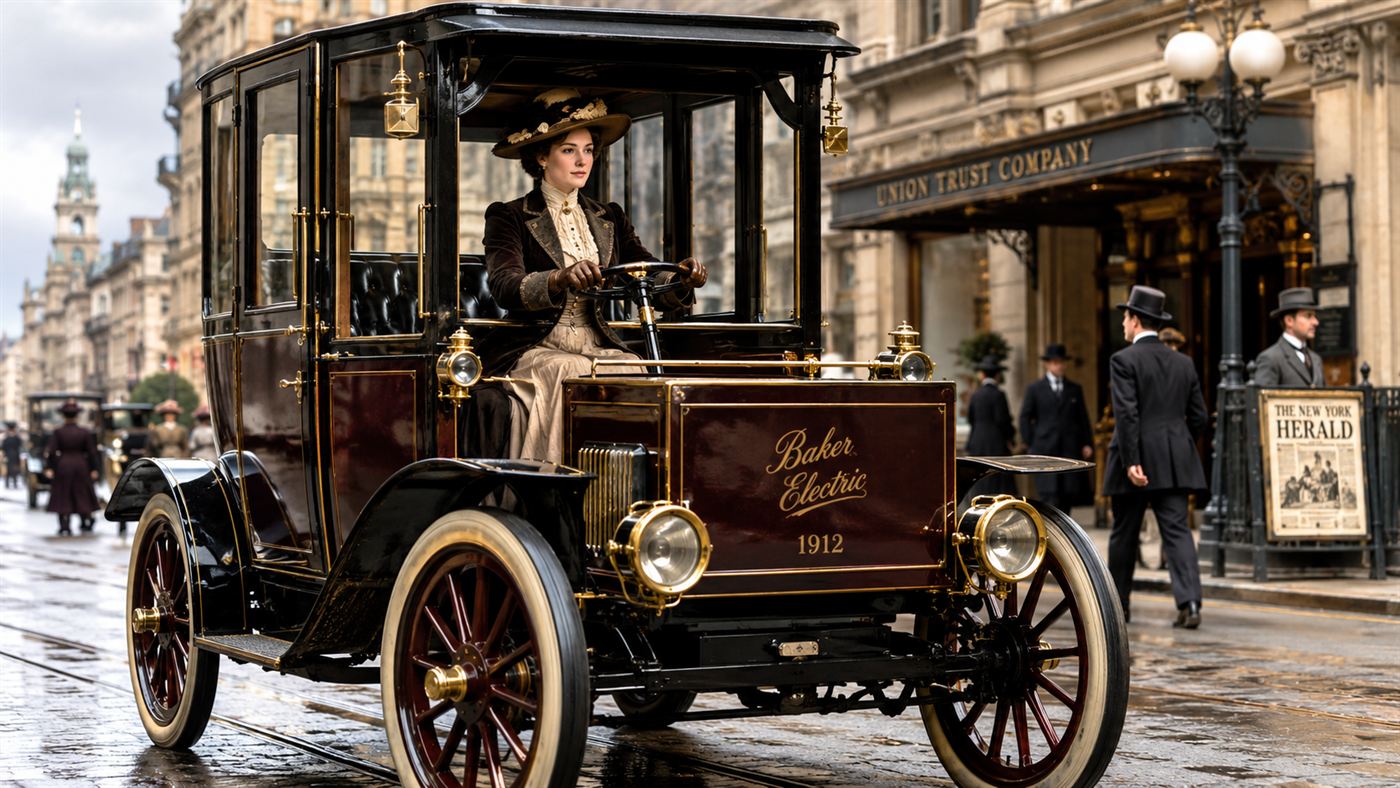
Detroit Electric leaned hard into marketing its cars to wealthy city women and to doctors, people who wanted reliability and cleanliness over raw speed.
To drive a Detroit Electric was to glide through the city in quiet, well-heeled comfort.
Clara Ford's quiet rebellion
The strangest twist in the story sits inside the Ford family itself.
Henry Ford was busy putting the world on cheap gasoline cars with his Model T, yet his wife, Clara Ford, reportedly drove a Detroit Electric around town.
For Clara Ford and many women like her, the electric car was simply more civilised, with nothing to crank and nothing to splutter.
It is a quietly delicious irony that Clara Ford, the woman closest to the king of the gasoline car, preferred to travel by battery.
The detail captures how genuinely competitive electric cars once were, even in the heart of motor-city America.
How gasoline ended the first electric car age
The electric car's downfall came from several directions at once, but the electric starter struck the hardest.
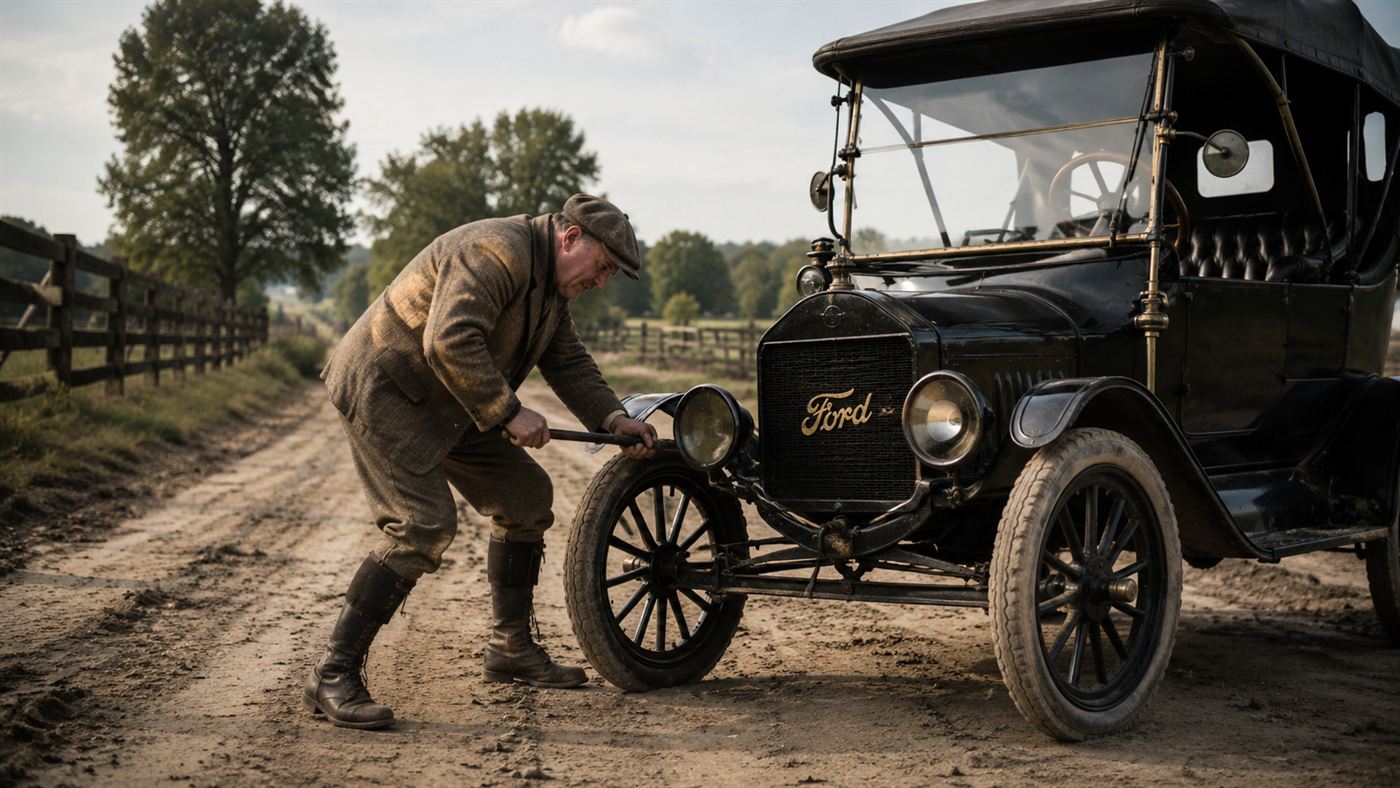
The biggest blow was the electric starter, invented by Charles Kettering and added to gasoline cars from 1912, which finally banished the dangerous hand-crank that had made petrol cars so off-putting.
At the same time, vast new oil discoveries made gasoline cheap, and Henry Ford's assembly line made a Model T cost a fraction of a luxurious electric car.
As roads stretched between cities, drivers wanted the long range that only gasoline could then deliver, something no lead-acid electric car could match.
One advantage at a time, the electric starter and cheap fuel stripped the electric car of every edge it had.
The eighty-year detour
By the 1930s the first electric car age was effectively over.
Detroit Electric faded away by the end of that decade, and the electric car all but vanished from the road.
For most of the 20th century, the idea of a battery-powered car was treated as a quaint curiosity or a golf-cart joke.
It would take until the 1990s and 2000s, and a new kind of battery, for electric cars to be taken seriously again.
In other words, we had a real electric car age, lost it, and then spent eighty years getting back to where we started.
The honest catch
It is tempting to frame this as a conspiracy by Big Oil, but the truth is more sobering.
The early electric car genuinely could not compete, because the lead-acid battery of 1910 was heavy, expensive, slow to charge and short on range.
For the open roads and tight budgets of the new century, the gasoline car was honestly the better machine, and it won on merit as much as marketing.
What changed everything a century later was chemistry, the lithium-ion battery, which finally fixed the exact weakness that had killed the Detroit Electric, the same leap explored in our story of the man who gave us the lithium battery.
The story of Detroit Electric is a reminder that the best technology does not always win, and that the future sometimes arrives, leaves, and comes back decades later.
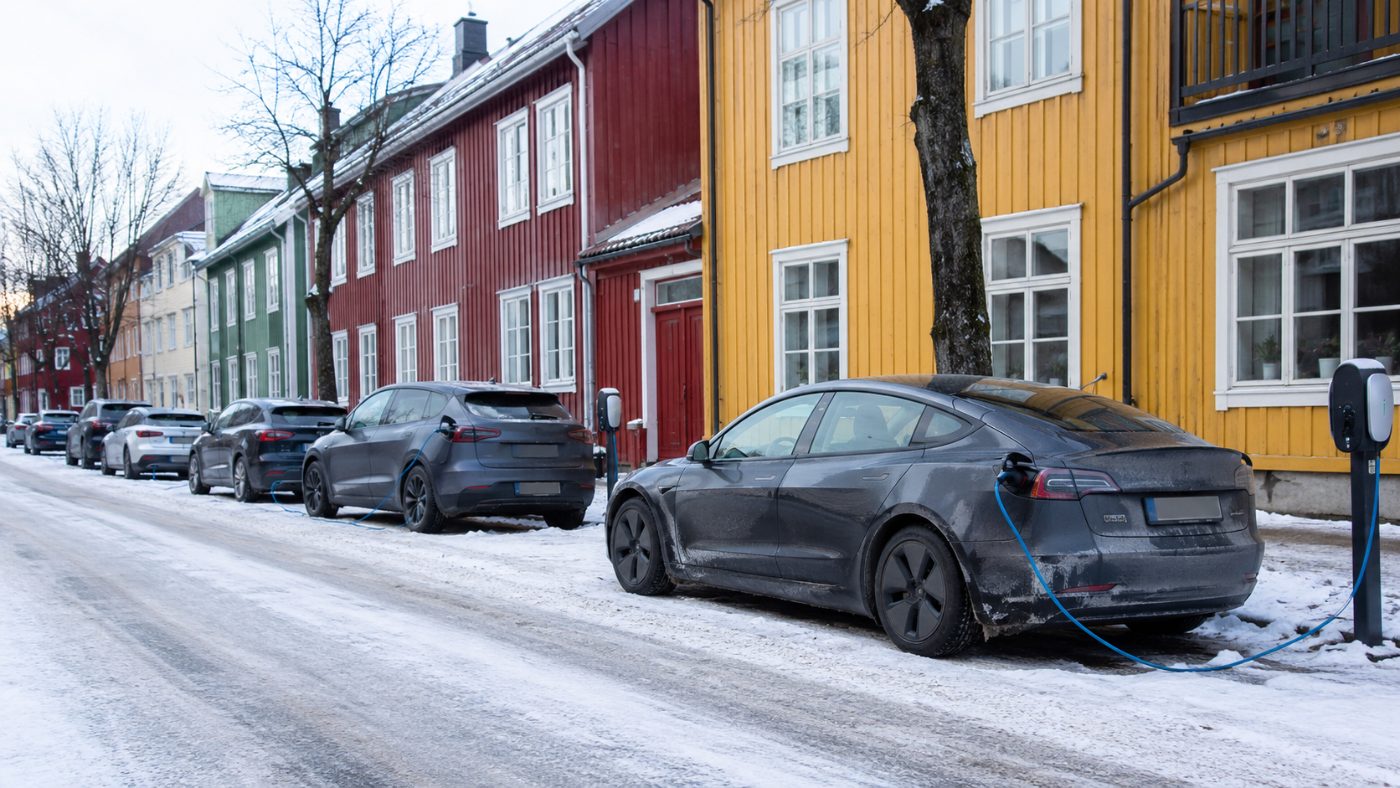
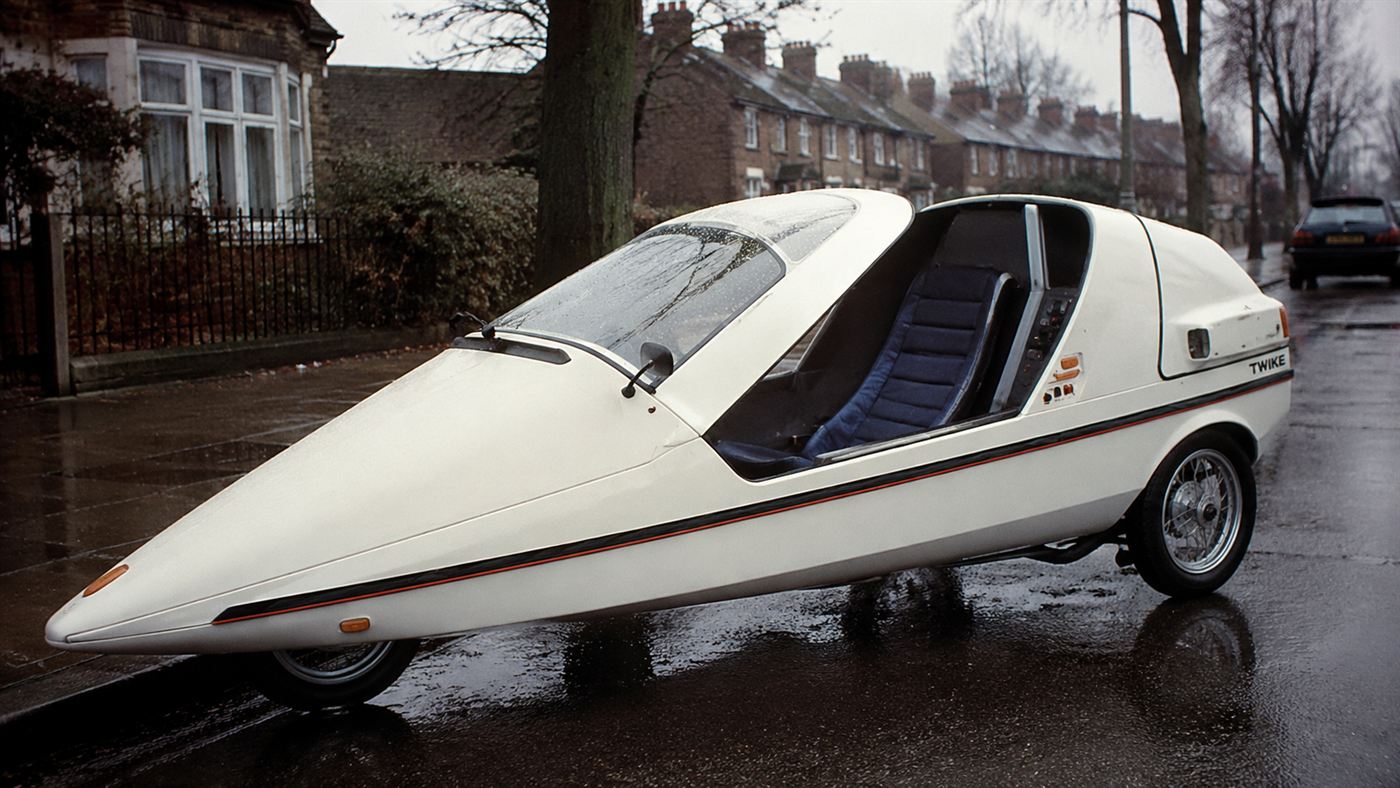
The electric car we think of as new is really a return, picking up a thread first spun by machines like the 1899 electric record-breaker La Jamais Contente and carried on today in places like electric-car-mad Norway, with the odd flop like the Sinclair C5 along the way.
If electric cars were already winning in 1900, how different would the last century have looked if the battery had kept up, and does that make today's switch a comeback rather than a revolution? Tell us in the comments.
Related reading: the Tucker 48, another American car that was years ahead of its time before scandal destroyed it. See also how the electric starter quietly doomed the early electric car after a deadly hand-crank accident, and the near-immortal Edison battery built to power these cars that still works a century later.
More from Watts & Wild
 America's first car was electric, in 1890
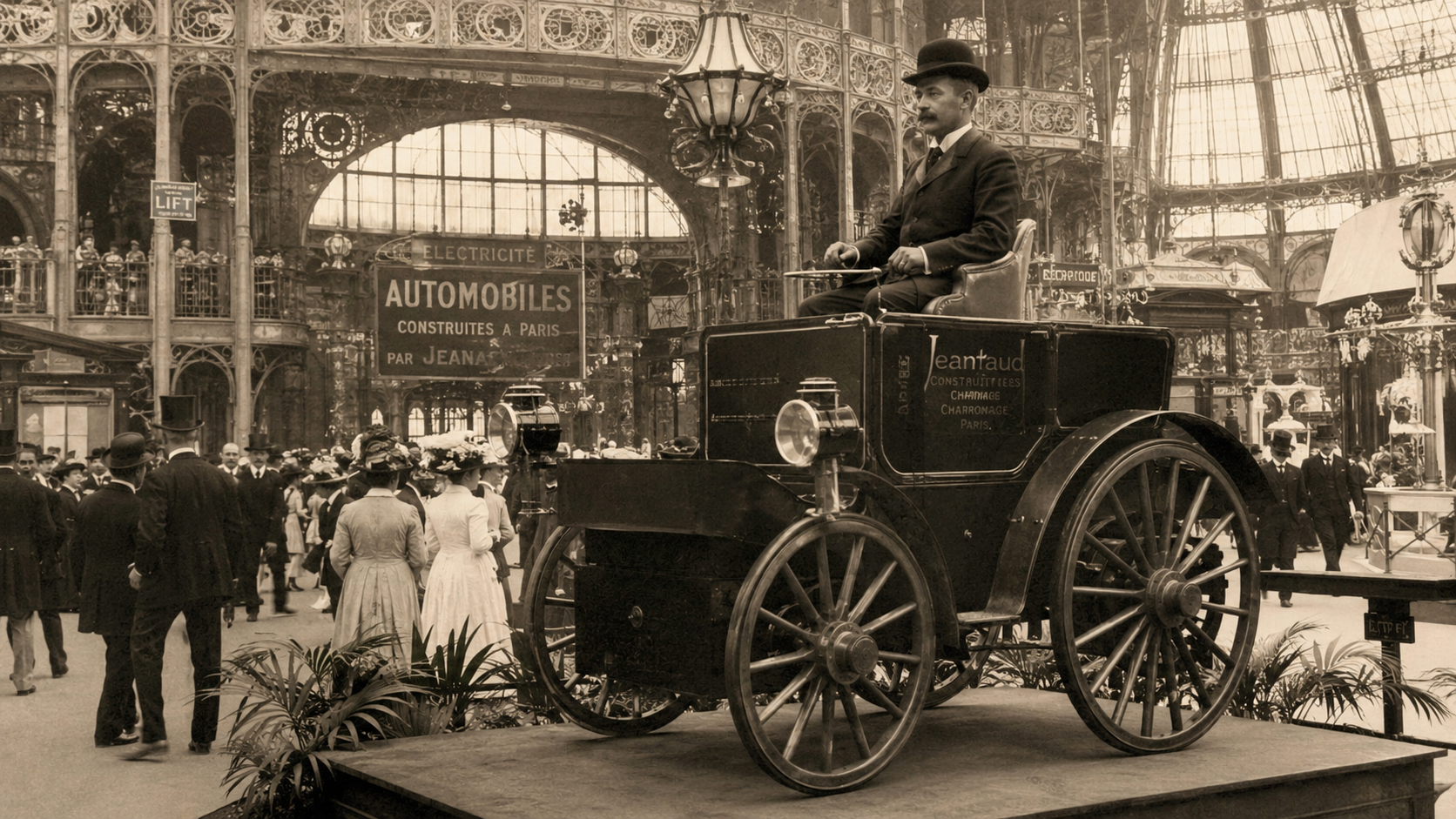 Porsche's first car was electric, in 1900
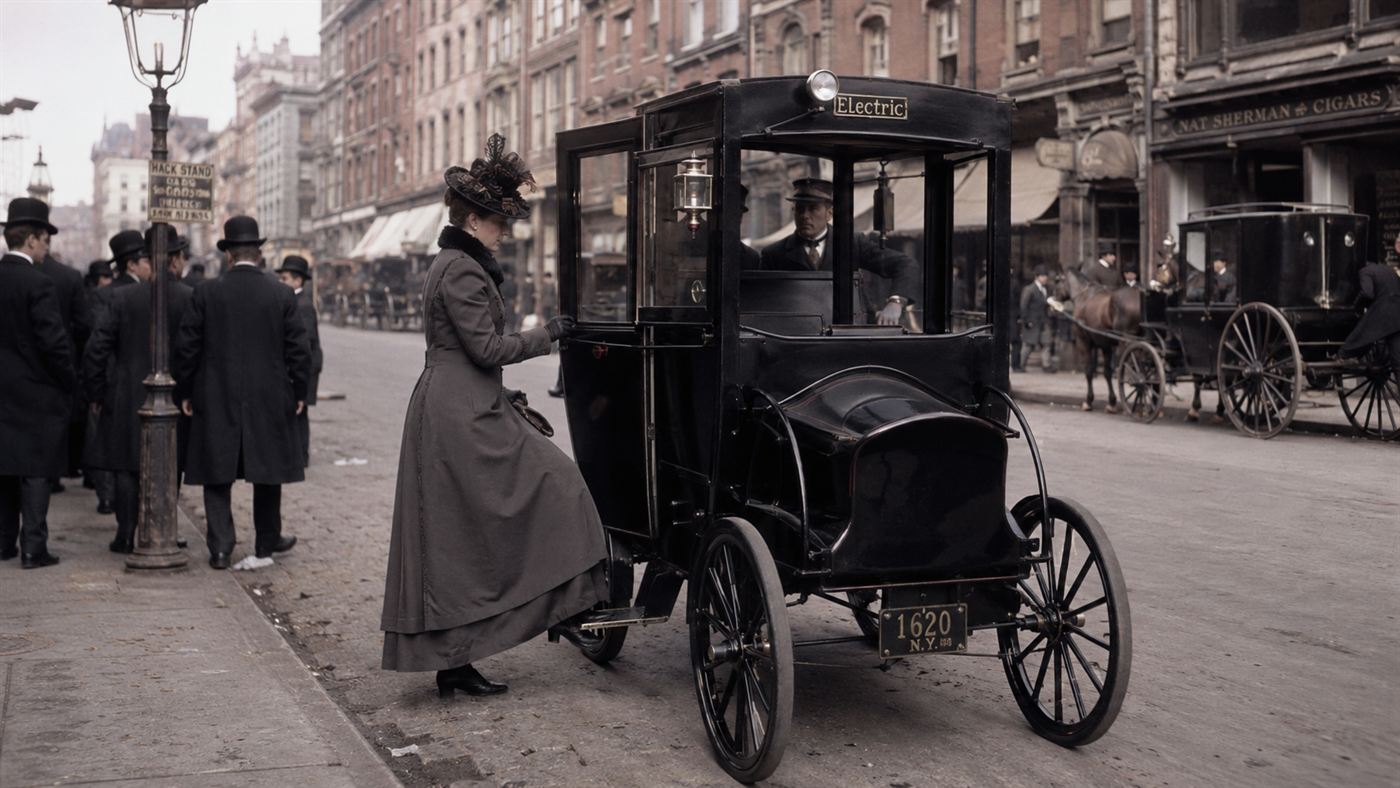 New York's battery-swapping electric cabs of 1899
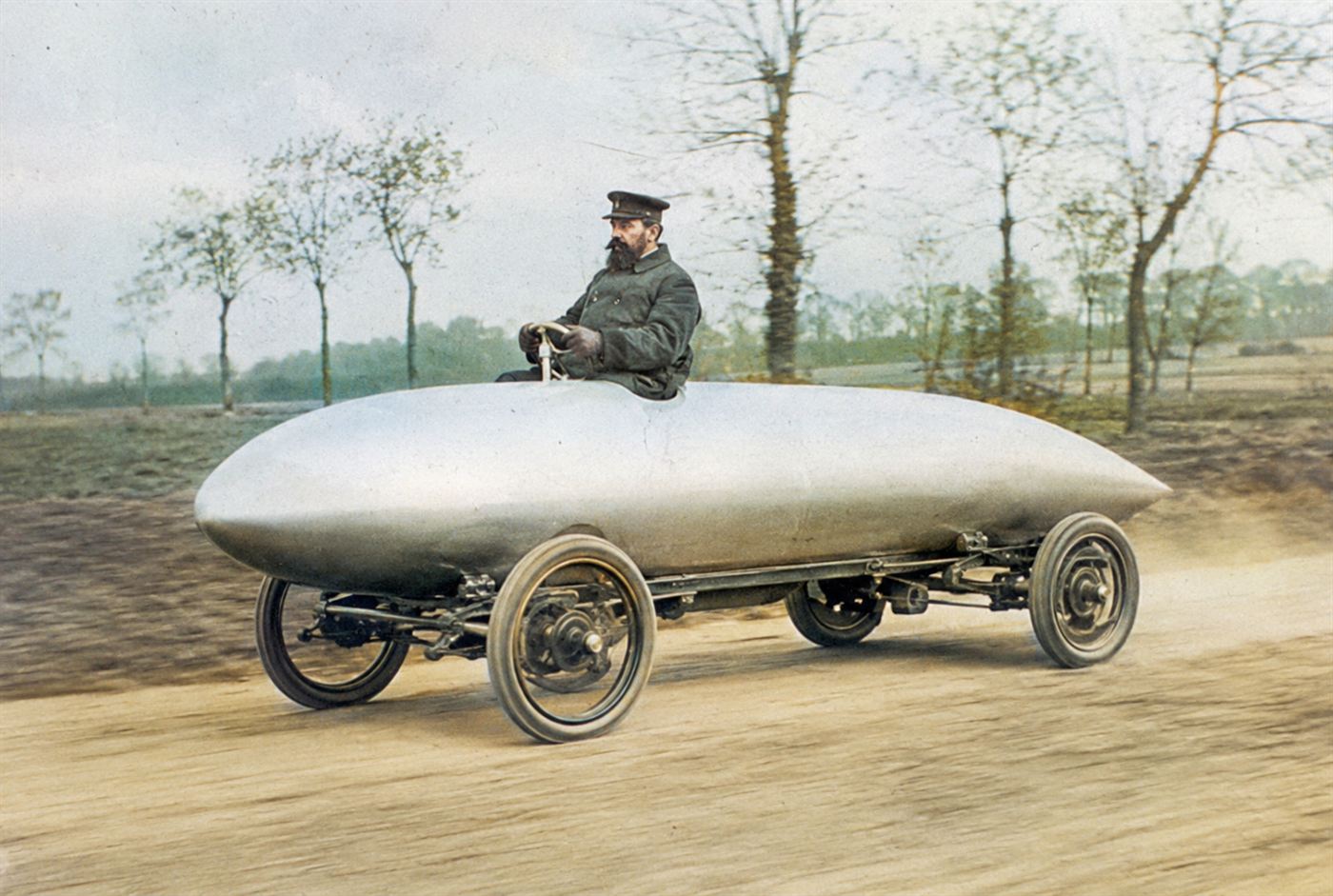 The 1899 electric car that broke 100 km/h
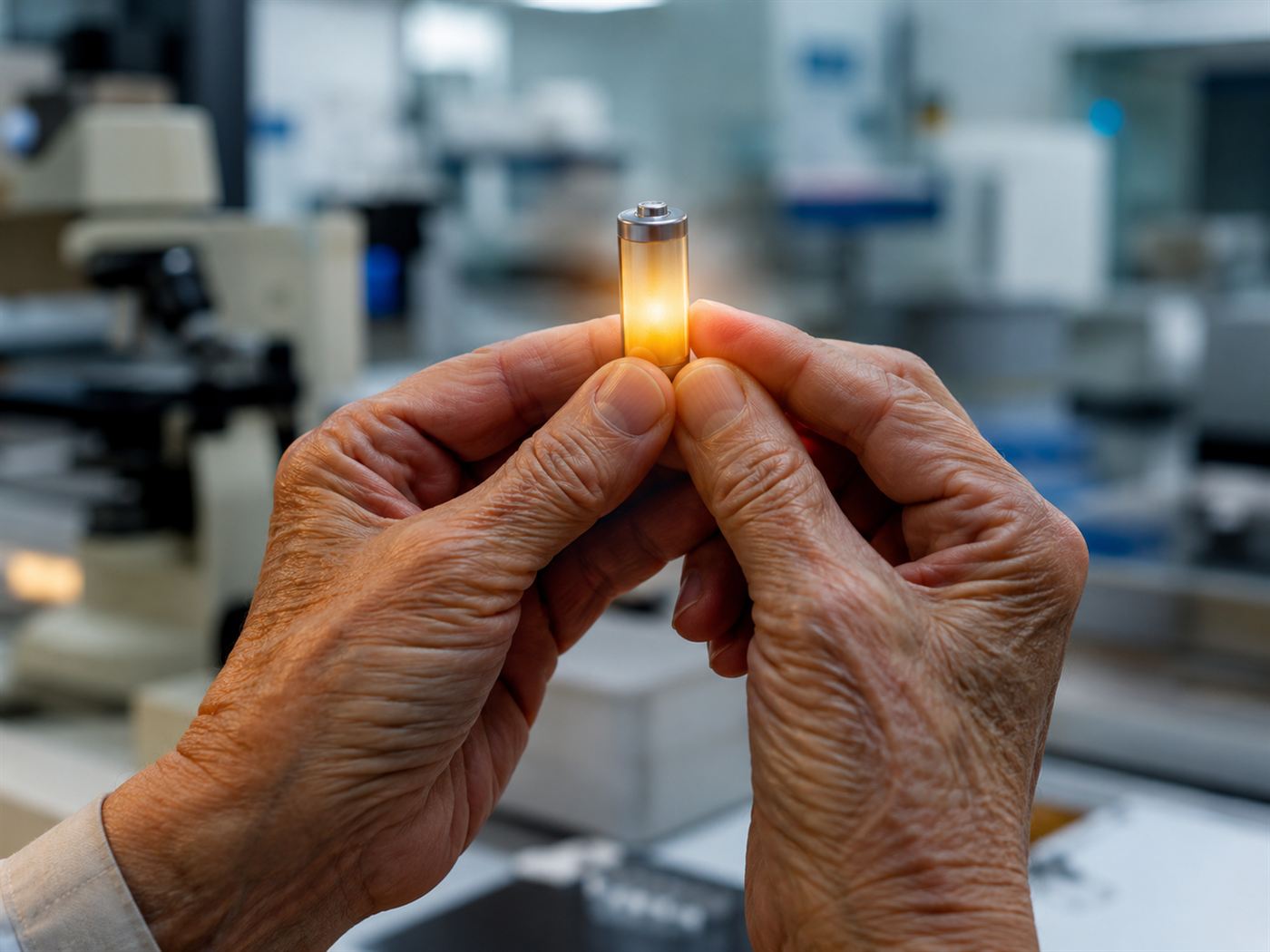 The man who gave us the lithium battery
 The country where electric cars won
 The electric trike that flopped too early
 The truth behind the streetcar conspiracy