He built the safest car in America, then a courtroom destroyed his company
In 1948 a salesman from Michigan put a car on American roads that had seat belts, a padded dashboard, a windshield that popped out in a crash and a headlight that turned to follow the road. It was a glimpse of the future, decades early. Within a year the company was finished, ruined not by a flaw in the car but by a courtroom. The Tucker 48 was too far ahead of its time, and it cost its maker everything.
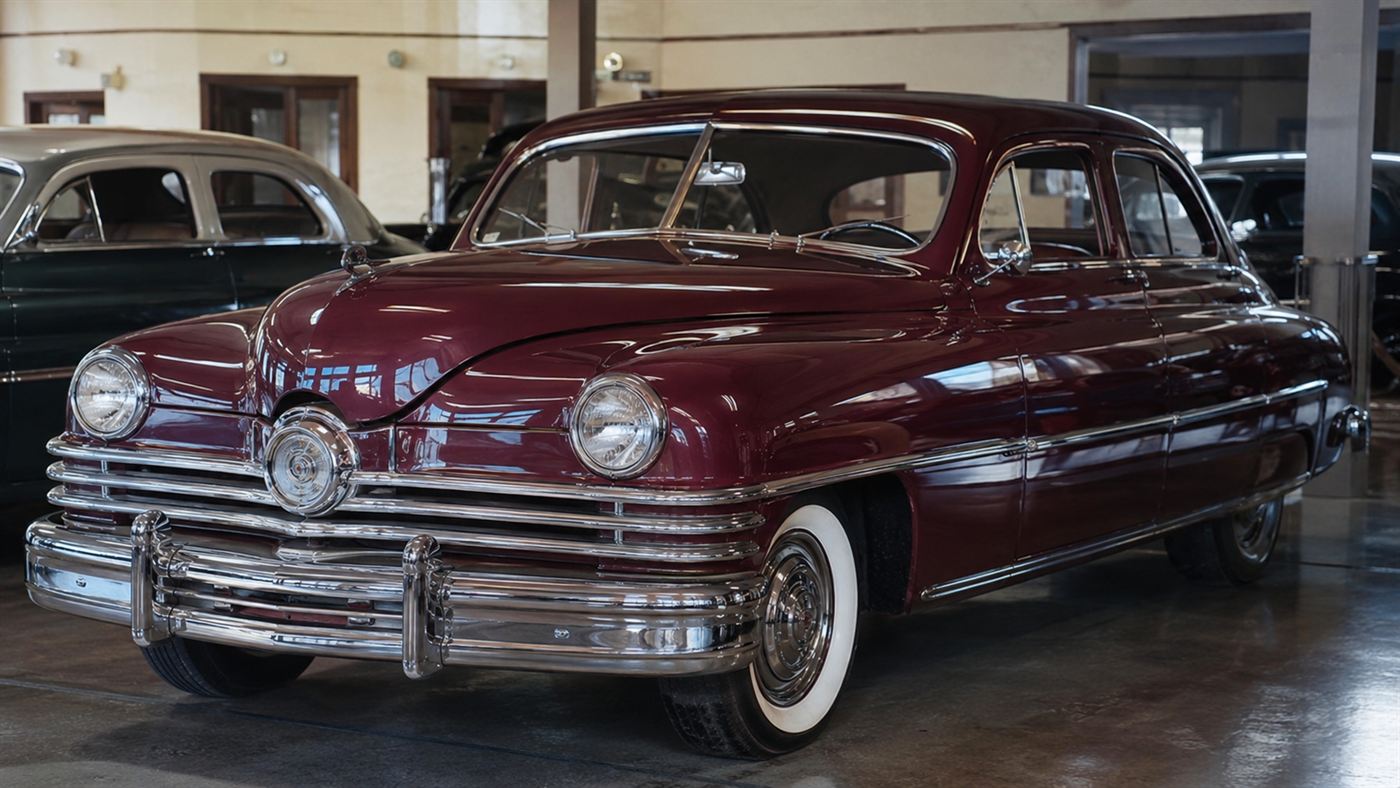
The Tucker 48, a glimpse of the car of tomorrow, shown in 1948. Illustration: Watts & Wild.
Preston Tucker was a born showman who had spent his life around cars and racing, and after the Second World War he set out to build something Detroit would not. The Tucker 48 was meant to be the safest, most advanced car ordinary Americans could buy, and on paper it was years ahead of anything on the market.
The story of how it rose and fell in barely two years is one of the strangest in the history of the car.
A car full of tomorrow's ideas
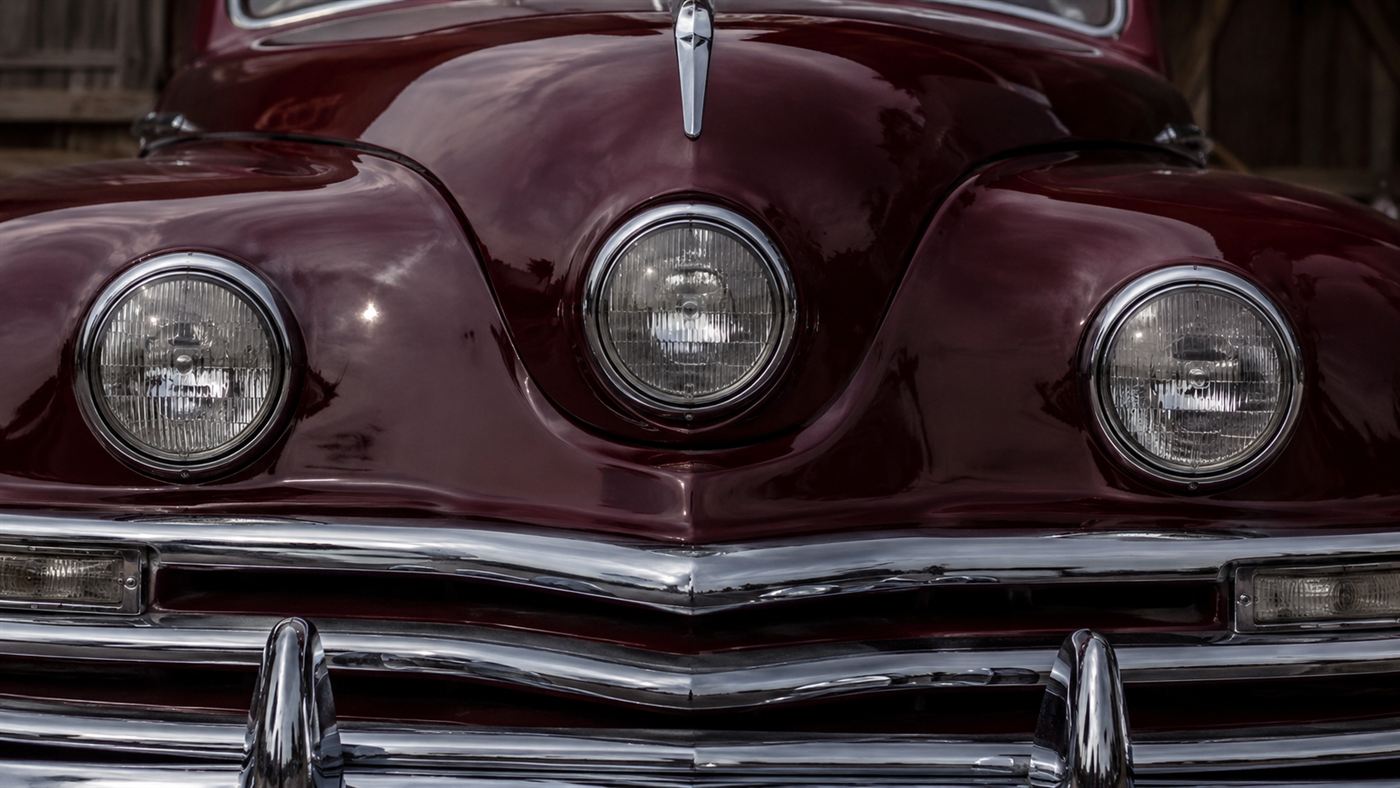
Tucker did not just restyle an old design, he packed his car with features the big manufacturers would not adopt for decades. The Tucker 48 had a rear-mounted aluminium engine, four-wheel independent suspension, a padded dashboard, seat belts and a windshield made to pop out and protect occupants in a crash. Most famous of all was the third headlight in the centre of the nose, the "Cyclops eye", which swivelled with the steering to light up the road around corners.
There was even a passenger "crash chamber", a clear, padded footwell that front passengers were meant to dive into in an accident. Some promised features, like fuel injection and disc brakes, never made it to the finished cars, and the engineering was rushed. But the ambition was real, and many of these ideas, the seat belts, the padded dash, the safety glass, would later become standard equipment on every car sold.
The showman and his money problem
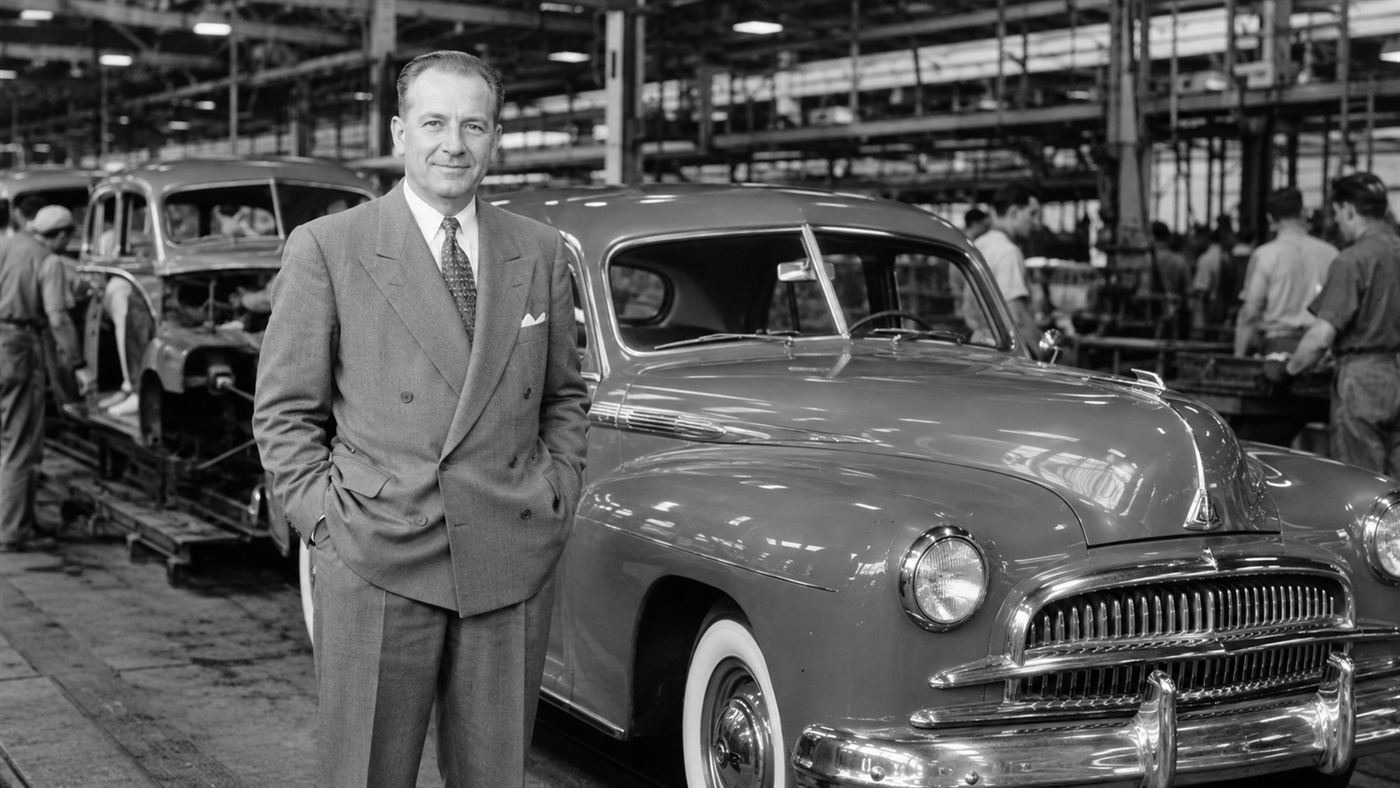
Building a new car company from nothing is brutally expensive, and Tucker raised his money in unconventional ways. He sold stock to the public and signed up dealers who paid in advance, and he marketed the car aggressively before it was ready to be built in numbers. It was enough to alarm regulators.
The Securities and Exchange Commission began investigating his fundraising, and a wave of damaging newspaper stories followed. To a public still learning to trust the stock market, the headlines made Tucker look less like a visionary and more like a confidence trickster. Production at his huge Chicago plant never reached the scale he had promised, and in early 1949, with the cash gone, the Tucker Corporation ground to a halt. In the end just 51 cars were built.
What was special about the Tucker 48?
It was a safety car a generation early. The Tucker 48 offered seat belts, a padded dashboard, a pop-out windshield, a passenger crash chamber and a swivelling centre headlight in 1948, ideas the rest of the industry would take decades to adopt.
That is what makes the car so haunting to look at now. Nearly everything Tucker was mocked or doubted for, the obsession with crash protection above all, turned out to be exactly where the whole car industry was heading. He simply tried to sell it twenty years before buyers, lawmakers and Detroit were ready to take road safety seriously.
Why did the Tucker 48 fail?
Not for the reason you might expect. The Tucker 48 failed because the company collapsed under an SEC investigation and a fraud trial, and even though Preston Tucker was acquitted of every charge in 1950, the scandal had already scared off his investors.
It is tempting to believe the popular legend, made famous by a 1988 film, that Detroit's big carmakers conspired to crush an upstart who threatened them. There is no solid proof of that. The honest picture is messier: Tucker overpromised, his finances were genuinely shaky, and his unusual way of raising money invited real scrutiny. Yet the core fact remains brutal. A man was put on trial, cleared completely, and still lost everything, and a car full of good ideas died with his name. The remaining assets were sold for around 18 cents on the dollar, and Preston Tucker died a few years later, his dream reduced to 51 survivors that collectors now treasure.
A man built the safest car in the country, won his day in court, and still lost everything he had. How many good ideas have we buried simply because they arrived before we were ready for them? Tell us what you think in the comments.
Related reading: Detroit Electric, another American car that was ahead of its time and then forgotten for a century. See also the DeLorean, a doomed car that a movie turned into a legend, and the Dymaxion car, a three-wheeled marvel killed by a crash it may not have caused.