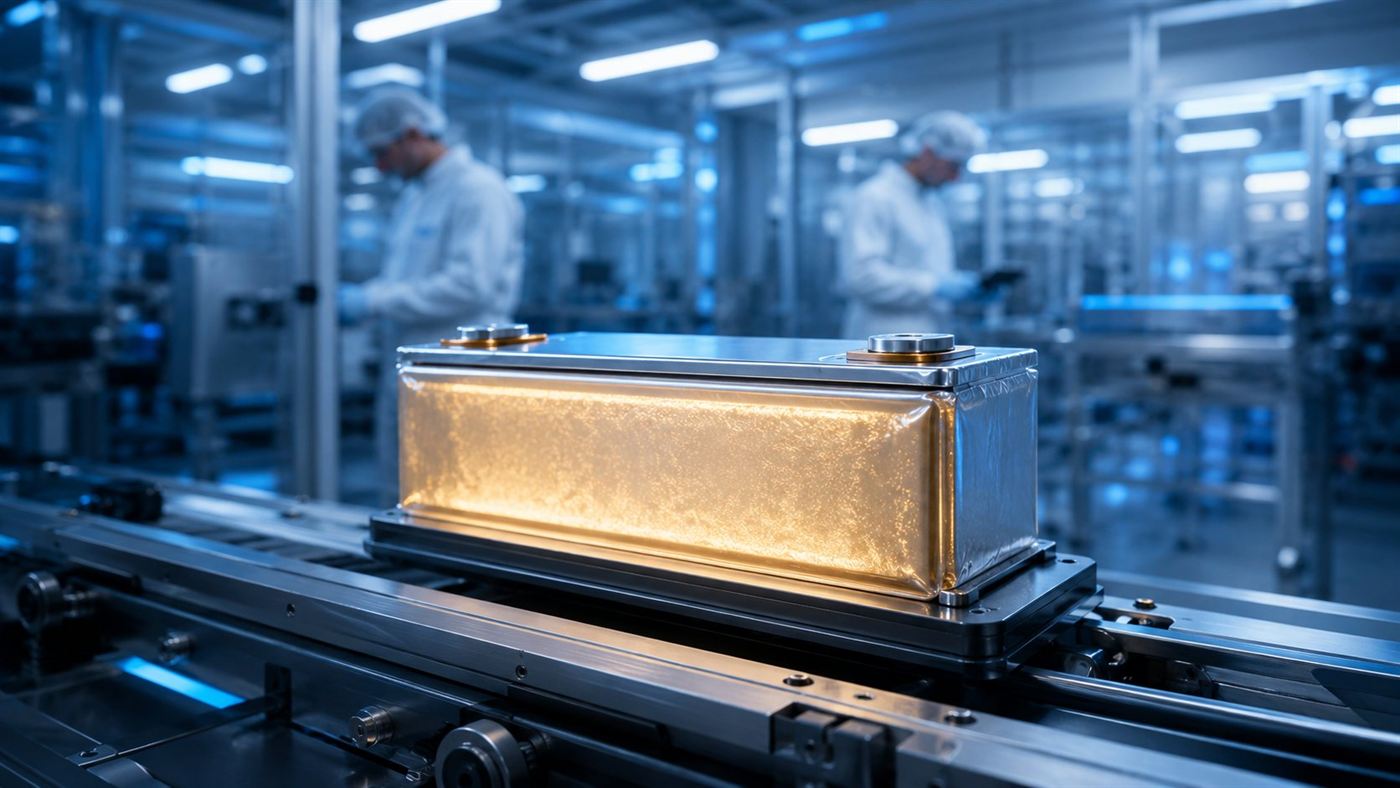
Almost every rechargeable gadget on Earth runs on a battery John Goodenough invented, yet he never got the patent, won the Nobel Prize at 97, and kept inventing until he died at 100
Three years ago today, on June 25, 2023, John Goodenough died at the age of 100. He spent the last of those years still in the lab, chasing the next battery, decades after inventing the lithium-ion cell that quietly powers almost everything you own.
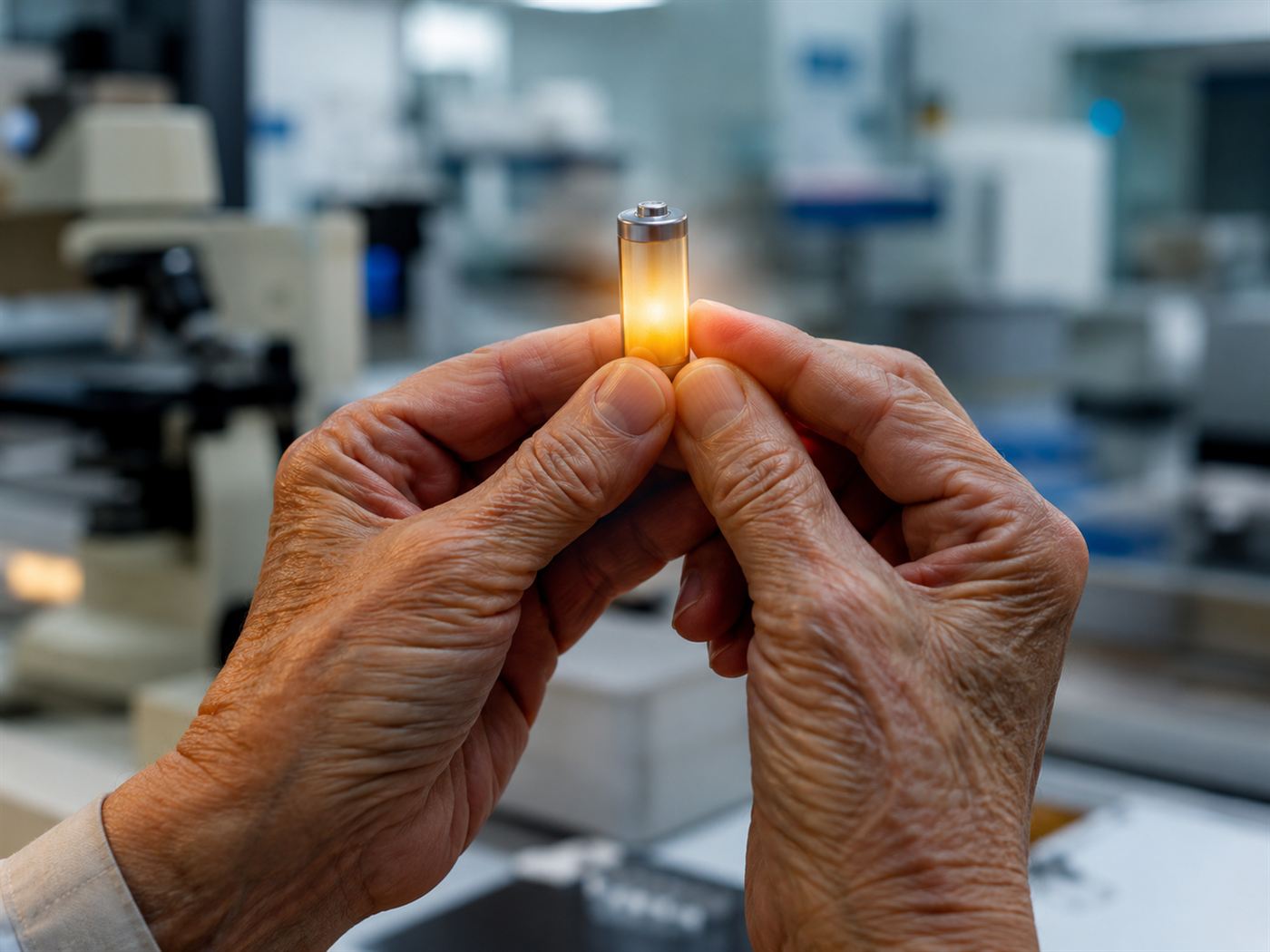
John Goodenough worked on batteries past the age of 100. Illustration: Watts & Wild.
John Goodenough liked to say that his best ideas came after he turned fifty. It is a comforting thought from a man who, at 57, worked out the piece of chemistry behind the John Goodenough lithium-ion battery now sitting inside almost every phone, laptop and electric car on the planet, and who kept walking into his lab until he was 100 years old.
His breakthrough, a cobalt-oxide cathode that doubled how much energy a lithium battery could hold, made the wireless world possible and is now worth fortunes beyond counting. Goodenough pocketed almost none of it. When he asked his university to patent the idea, it turned him down, and the most valuable battery chemistry in history slipped through his hands.
John Goodenough was an American physicist who, in 1980, invented the lithium cobalt oxide cathode that made the modern lithium-ion battery possible, the kind that powers most phones, laptops and electric cars today. He shared the 2019 Nobel Prize in Chemistry at the age of 97, the oldest laureate in history, and died at 100 in 2023.
What part of the lithium-ion battery did John Goodenough invent?
A battery has two ends, and the hard one to improve has always been the positive side, the cathode. The basic recipe had barely changed since Alessandro Volta stacked the first battery from metal and brine in 1800.
Working at Oxford in 1980, Goodenough found that a cathode made of lithium cobalt oxide could hold far more energy than anything before it, roughly doubling what a cell could store.
That single material is what turned the lithium battery from a laboratory curiosity into a rechargeable power source small and powerful enough to carry around.
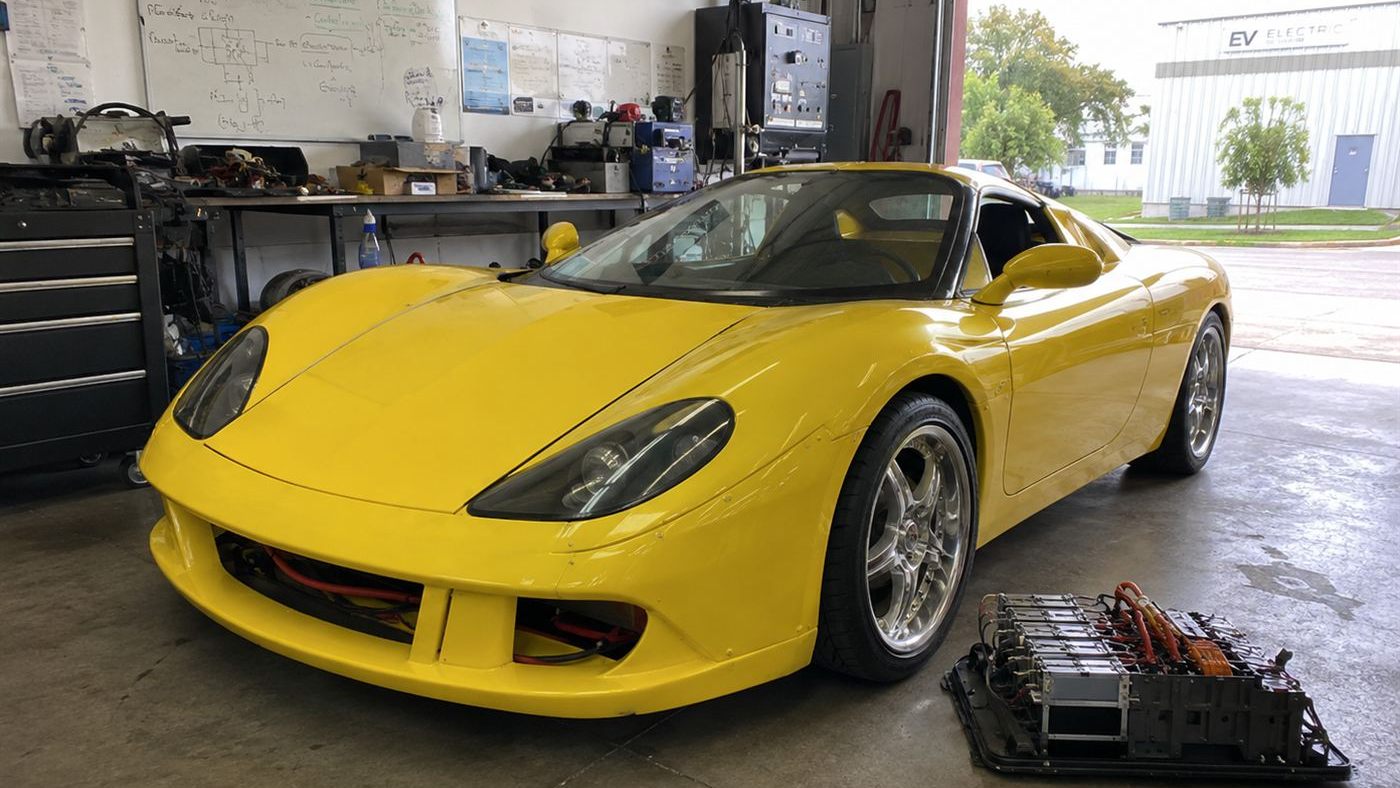
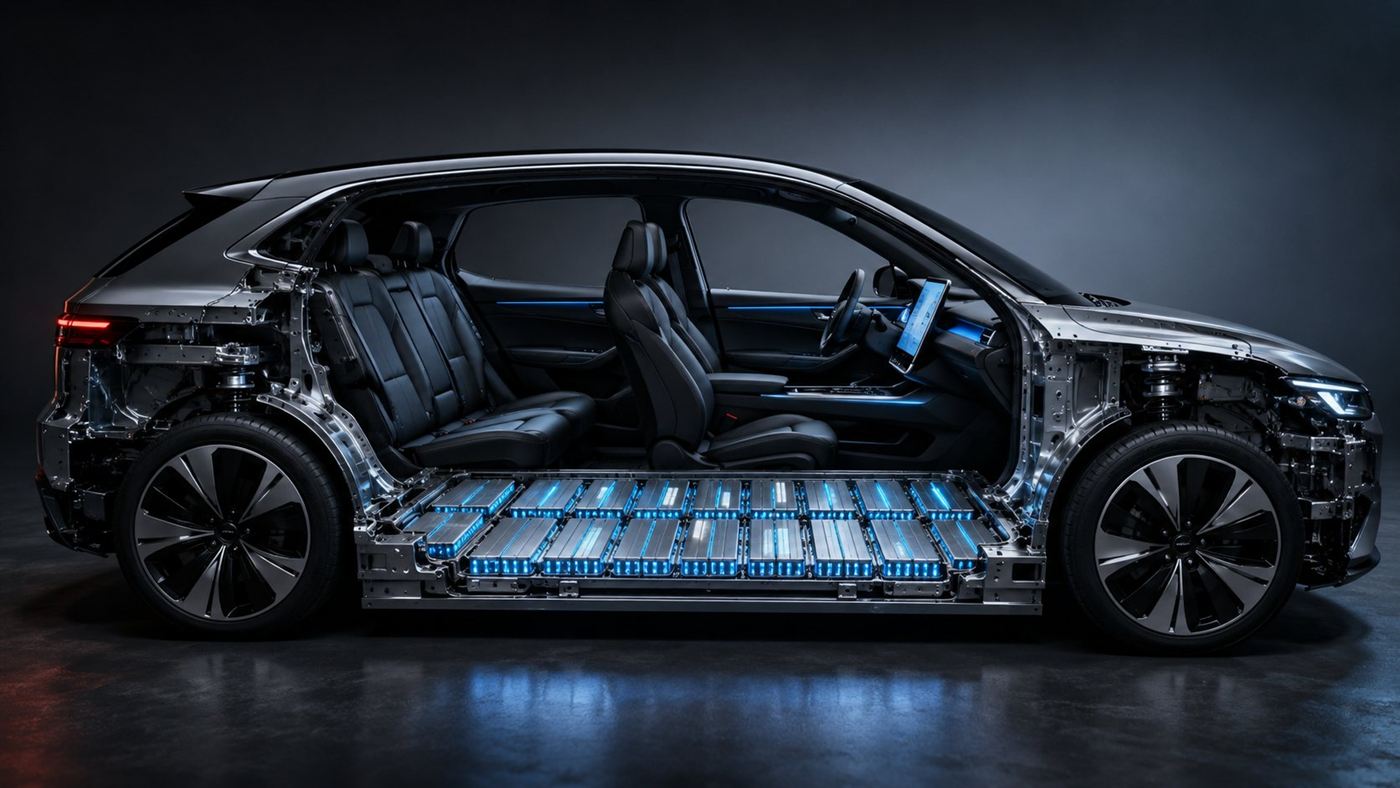
Sony used it to launch the first commercial lithium-ion battery in 1991, and the modern world of pocket-sized power followed almost immediately, the same chemistry explained in our guide to how an EV battery actually works.
Every time you charge a phone, a laptop, a cordless drill, a pacemaker or an electric car, you are leaning on the idea he had at a workbench more than forty years ago.
The dream was far older than the battery, since the first car to break 100 km/h, back in 1899, was already electric and only waiting for a cell good enough to make it practical.
He invented it at 57 and never stopped
The thing people found hardest to believe about Goodenough was his age.
He had already lived a full scientific life before the battery, helping develop the random-access memory that early computers depended on at the Massachusetts Institute of Technology.
As a boy he was dyslexic in an era that had no word for it, and he served as a meteorologist in the Second World War before turning to physics.
He made his great battery discovery in his late fifties, won the Nobel in his late nineties, and was still publishing research on new batteries past his hundredth birthday at the University of Texas at Austin.
He was famous for a booming, infectious laugh, and for insisting that getting old was a kind of freedom, because an old scientist has nothing left to lose by taking big risks.
The patent that got away
Here is the part that should sting.
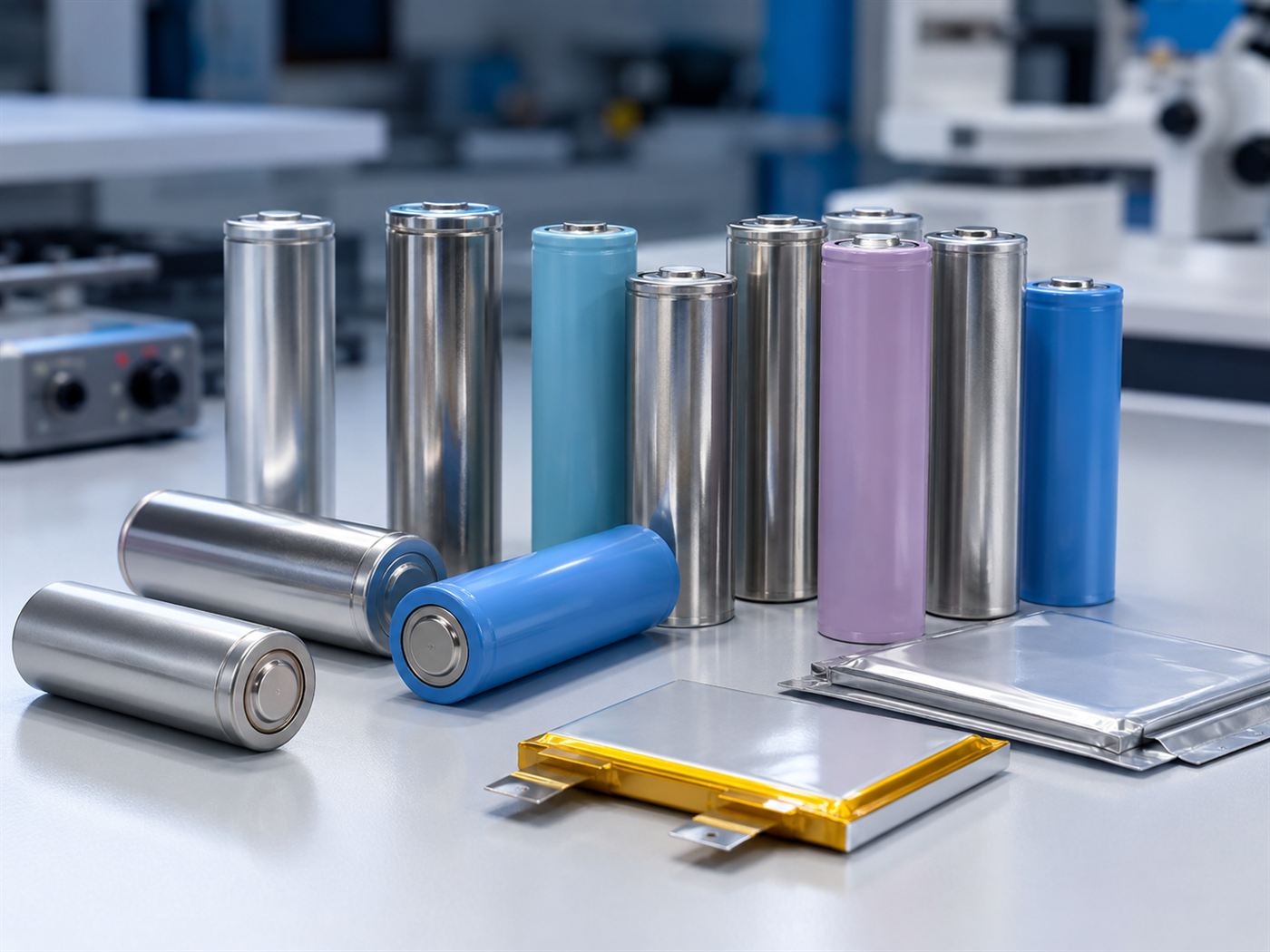
As recorded in detail on Wikipedia, when Goodenough asked the University of Oxford to patent his cobalt-oxide cathode, it declined, not seeing the point.
He could not afford the patent costs on a professor's salary, so the rights ended up with a British government research lab instead.
By the time lithium-ion batteries were selling in the billions, the inventor of their crucial ingredient was earning essentially nothing from them.
What is remarkable is that he never seemed bitter about it, treating the science itself, and the good it did, as the reward. His story rhymes with that of another outsider of energy storage, the self-taught Stanford Ovshinsky and his hybrid-car battery.
It is one of the quiet injustices of modern technology, a man whose work underpins a trillion-dollar industry living on a teacher's pension.
Why did the Nobel Prize take so long?
For decades the lithium-ion battery was everywhere except on the list of Nobel laureates.
As the University of Chicago noted when the prize was finally announced, Goodenough shared the 2019 Nobel Prize in Chemistry with M. Stanley Whittingham and Akira Yoshino, the two other key figures behind the battery.
At 97, Goodenough became the oldest person ever to receive a Nobel Prize in any field.
He could not travel to the ceremony easily by then, but the recognition, however late, put the right name on one of the century's defining inventions.
It was a reminder that the gap between doing world-changing work and being honored for it can be the length of an entire career.
The cobalt problem he left behind
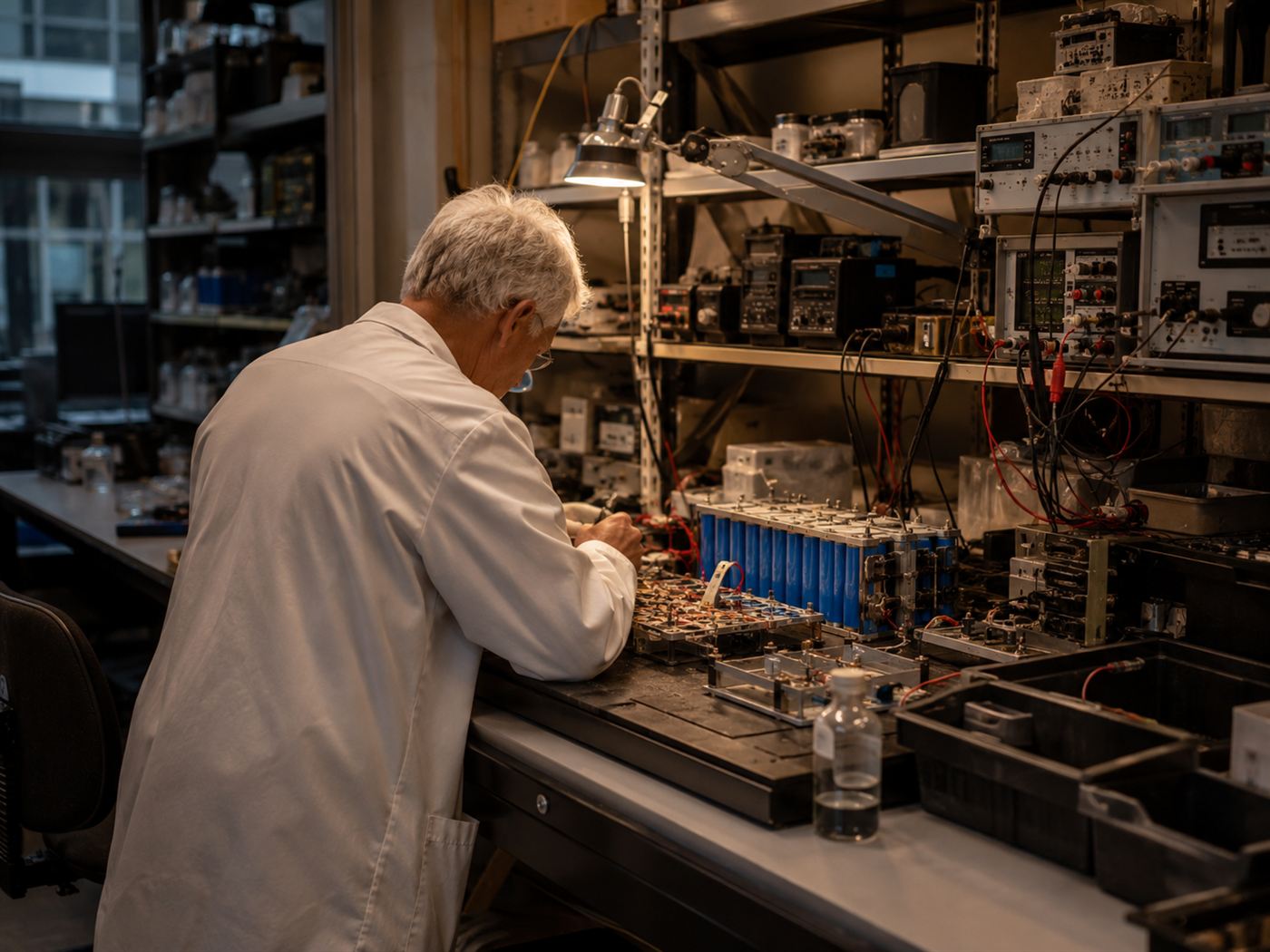
Goodenough's cathode was a gift, but it came with a catch that the industry is still wrestling with.
The cobalt that makes it work is expensive and is largely mined in the Democratic Republic of Congo, often under brutal and dangerous conditions.
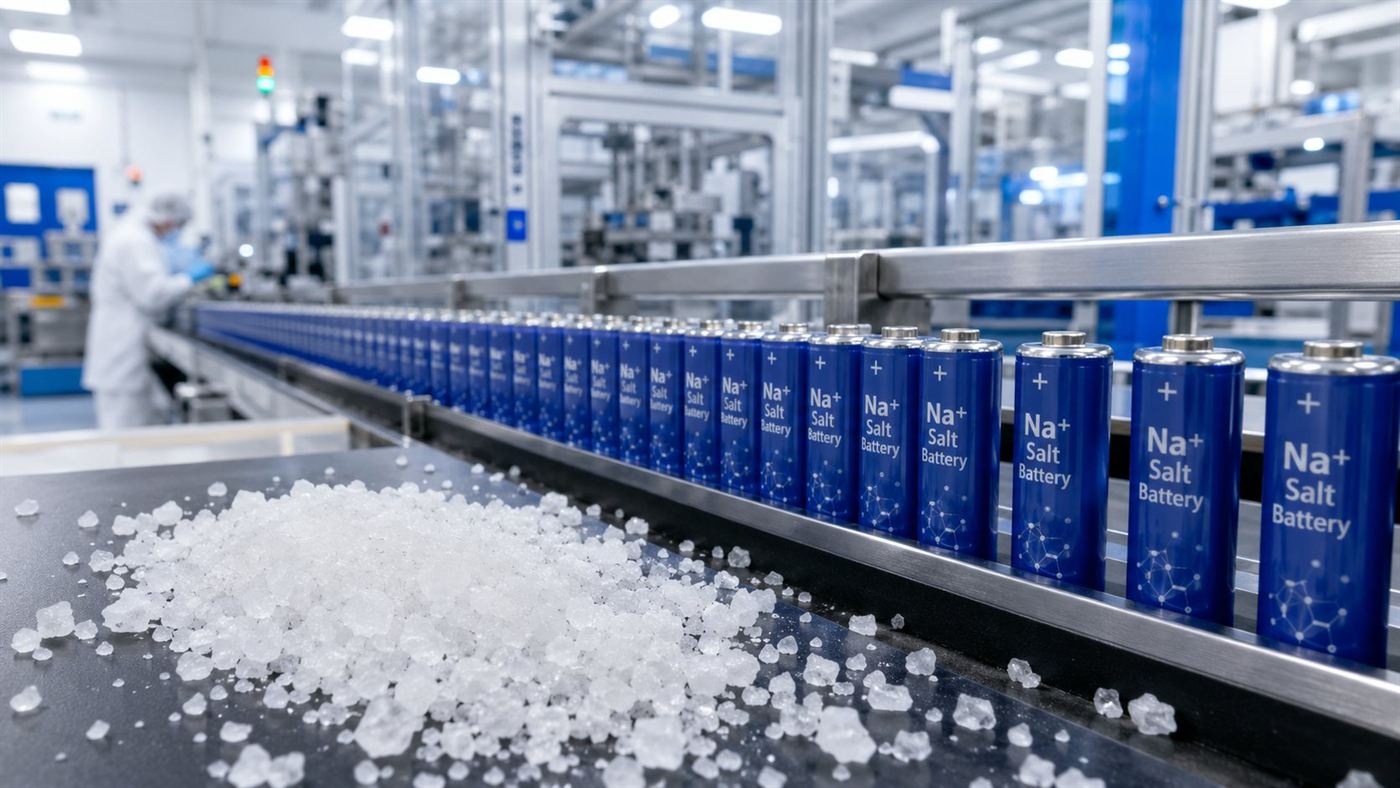
That is a big reason carmakers are racing toward cobalt-free chemistries and cheaper options like the sodium-ion battery built from salt.
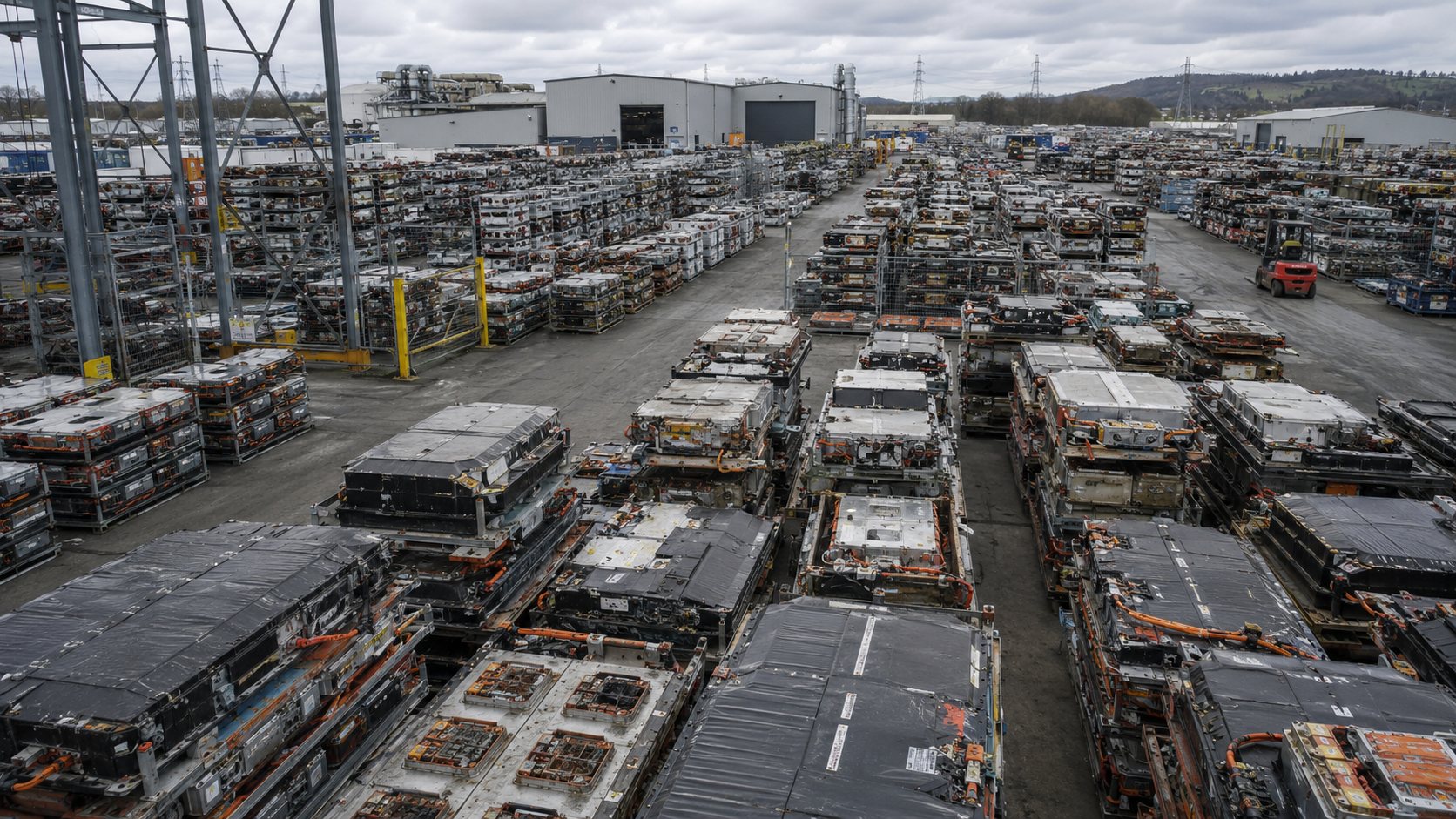
It is also why what happens to all these cells at the end of their lives, the looming wave of worn-out EV batteries, has become a problem of its own.
The invention that powered the clean-energy age carries its own dirty footnote, and untangling it is unfinished work.
The honest catch
It would be too neat to call Goodenough the sole inventor of the lithium-ion battery, and he would have objected first.
Whittingham built the first working lithium battery in the 1970s, and Yoshino made it safe and commercial, so the breakthrough was a relay, not a solo run.
Goodenough's own final quest, a solid-state glass battery he promoted in his nineties, was met with deep skepticism and has not been proven, a reminder that even giants chase ideas that may not pan out, much like the long road to a working solid-state battery.
And the lithium-ion battery he gave us still has real flaws, occasionally catching fire and degrading over time.
But almost no single person has shaped daily modern life as quietly and as completely as he did.
John Goodenough handed the modern world its rechargeable heartbeat, asked for almost nothing back, and kept tinkering at the bench until the very end of a 100-year life.
Every charged phone and humming electric car is, in a sense, a small monument to a man most of their owners have never heard of.
Does it bother you that the inventor of the battery in your pocket died on a modest pension while it built a trillion-dollar industry, or is the work its own reward? Tell us in the comments.