Thomas Edison built a battery so nearly indestructible that cells made more than a hundred years ago still hold a charge, yet it lost the electric car to gasoline and was written off as a failure
More than a century ago, Thomas Edison poured a decade and a fortune into a battery he was sure would put electric cars on every road in America. Gasoline beat him, and history filed the project under failure. But the cells he built were so tough that many are still working today, quietly running solar homes he could never have imagined.
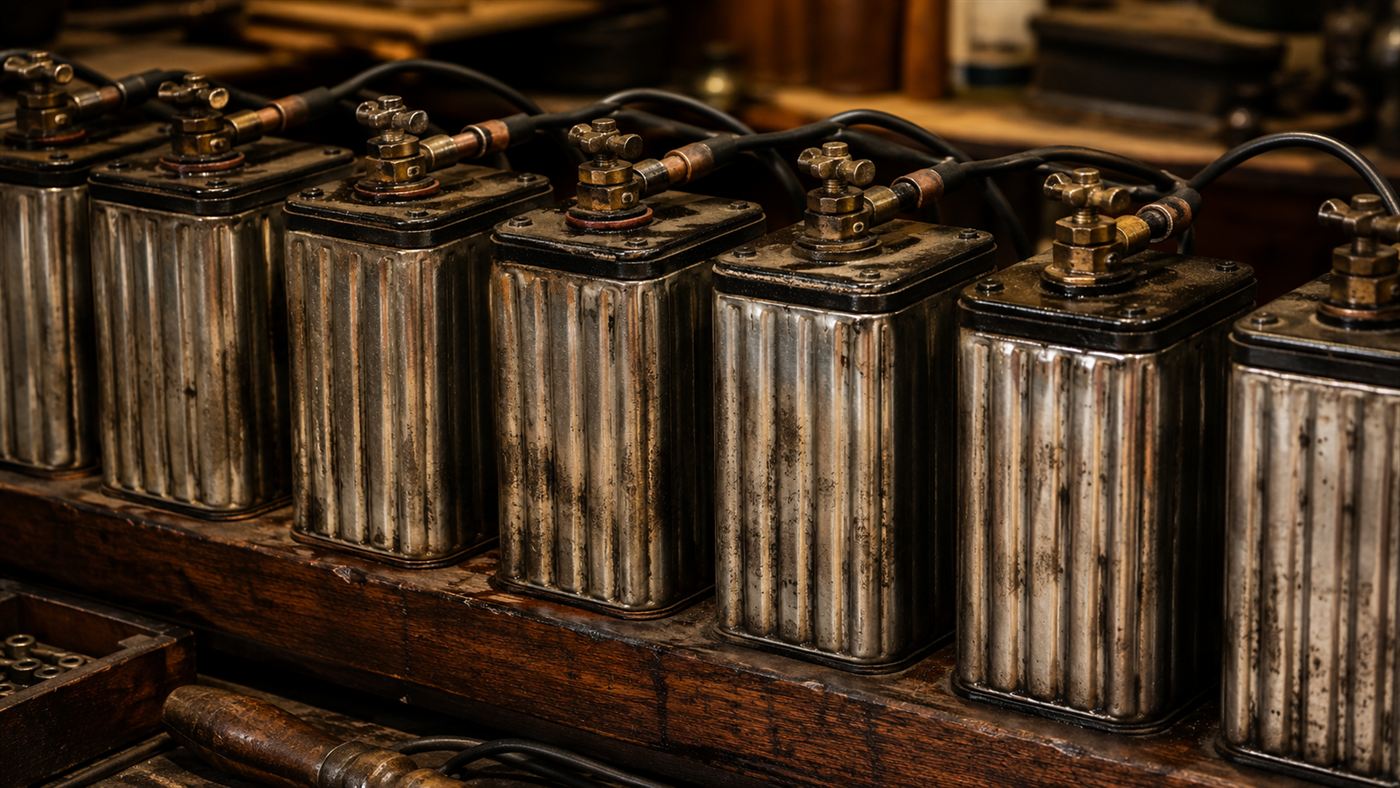
Steel-cased cells built to survive decades of abuse, not to be light. Illustration: Watts & Wild.
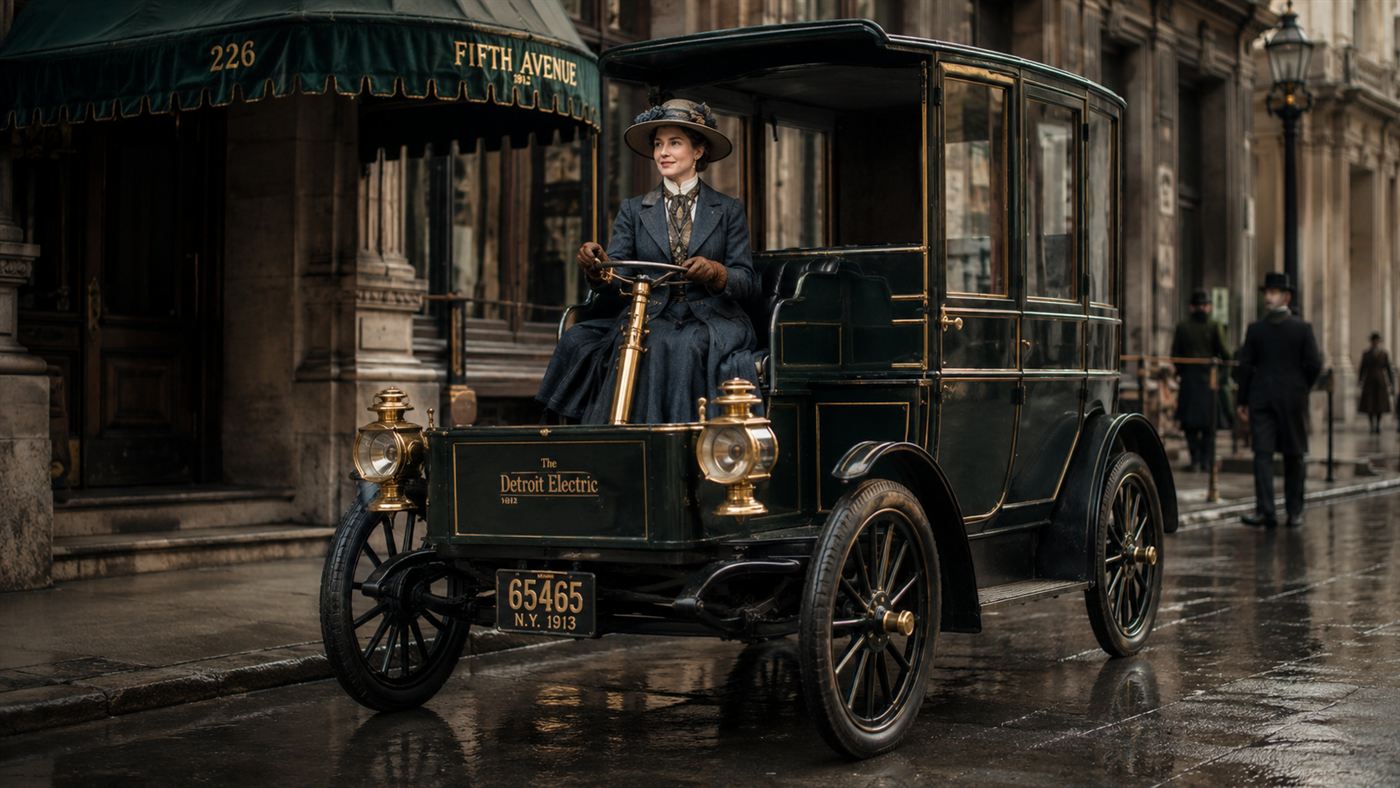
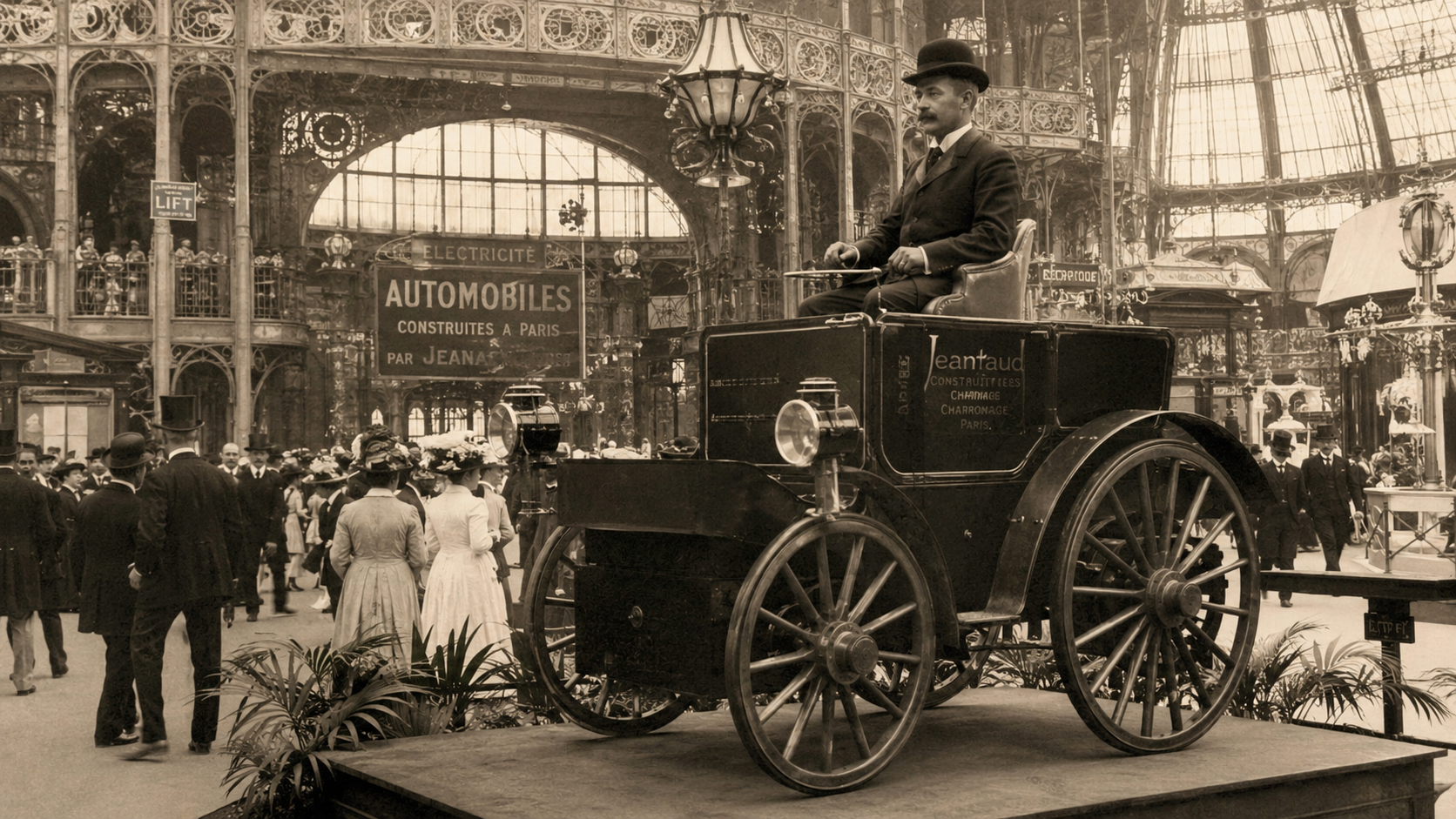
In the first years of the twentieth century, the car race was wide open. Steam, gasoline and electricity were all serious contenders, and electric vehicles were clean, quiet and popular in cities. Their weak point was the battery: the heavy, fragile, acid-filled lead cells of the day corroded, cracked and wore out fast.
Thomas Edison, already the most famous inventor alive, decided he would fix that. The result was the Edison nickel-iron battery, and he genuinely believed it would win the future of the automobile. The strange part of the story is that he was both completely wrong and quietly, stubbornly right.
The short version: Edison spent years perfecting a rugged battery for electric vehicles, then watched cheap gasoline cars take the market anyway. The Edison nickel-iron battery survived in industrial niches, was dismissed as a commercial letdown, and then found a second life a hundred years later among people who want power storage that essentially never dies.
Edison's bet on the electric car
Edison was convinced the electric car's only real problem was its power source, so around 1901 he threw his laboratory at building a better one. He wanted a cell that could take a beating: overcharging, deep draining, cold, vibration and rough roads, the abuse a working vehicle actually endures every day.
After years of trials he settled on a design using nickel and iron plates bathed in a potassium hydroxide solution. This was an alkaline battery, not an acid one, and that single choice was the key to its toughness. By about 1910 the refined version was on the market, promising a working life measured in decades rather than years.
What makes the Edison nickel-iron battery so tough?
The chemistry is forgiving in a way most batteries are not. You can overcharge it, run it flat, leave it sitting empty, or short it out, and it shrugs off treatment that would ruin a lead-acid or lithium cell. The iron and nickel plates simply do not degrade the way other electrodes do, so the Edison nickel-iron battery ages at a crawl.
That durability came from the alkaline potassium hydroxide electrolyte, which does not eat the plates or the steel case the way acid does. The trade-off was weight and bulk. To keep a working vehicle rolling you needed a lot of heavy cells, because this alkaline battery stored less energy per pound than the competition.
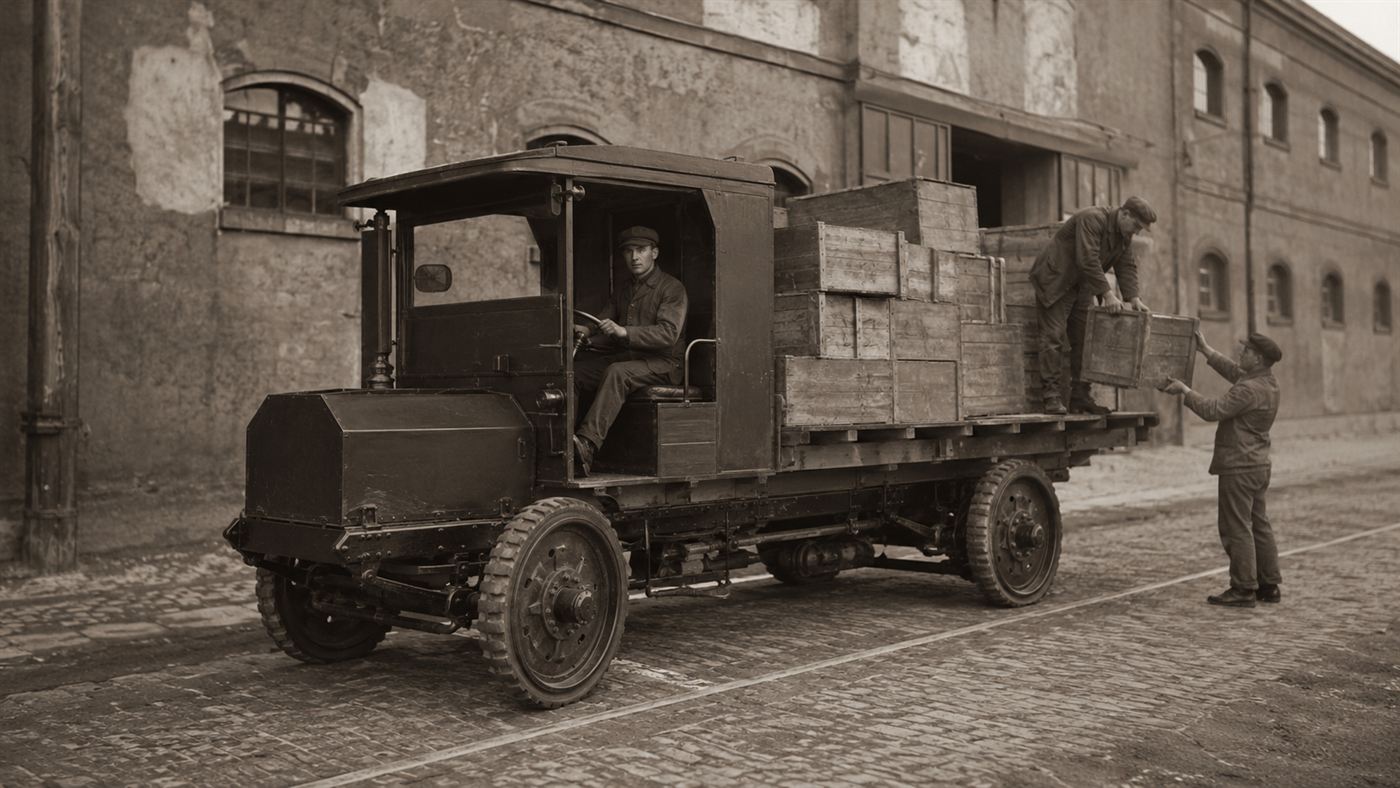
Why it lost the war to gasoline
While Edison was perfecting his cells, the gasoline car pulled decisively ahead. The electric starter arrived in 1912, ending the dangerous hand-crank that had scared buyers off petrol engines. At the same time the cheap, mass-produced Ford Model T made a gasoline car something an ordinary family could afford.
Against that, heavy and pricey electric cars simply could not compete on range or cost, and the mass market walked away from them within a few short years. Edison's timing was cruel: he had built a superb battery for a kind of vehicle that was about to fall out of fashion for the better part of a century.
The batteries that refuse to die
Here is where the story turns. Because the Edison nickel-iron battery would not wear out, it never really disappeared. It powered electric trucks, railway signals, mine lamps, lighthouses and standby systems for decades, jobs where being heavy did not matter but lasting forever did. The line was manufactured all the way into the 1970s.
And the cells kept going long after the factories closed. It is now common to find Edison batteries from the 1910s and 1920s that, after a clean-up and fresh electrolyte, still hold a charge and cycle normally. Very few technologies from that era still do their original job today, and almost none do it after a hundred years of neglect.
The honest catch
It would be easy to crown this the greatest battery ever built, and that would be a stretch. The same features that make it immortal also make it awkward. It is heavy, it wastes a fair amount of energy each cycle, it performs poorly in the cold, and it steadily bubbles off hydrogen and loses water, so it needs regular topping up to keep running.
So the revival is a niche, not a comeback. A modern lithium pack holds far more energy in far less space, which is exactly why phones and electric cars use it and never nickel and iron. What Edison's design offers is the opposite trade: give up lightness and efficiency, and in return get a battery that can outlive the person who bought it.
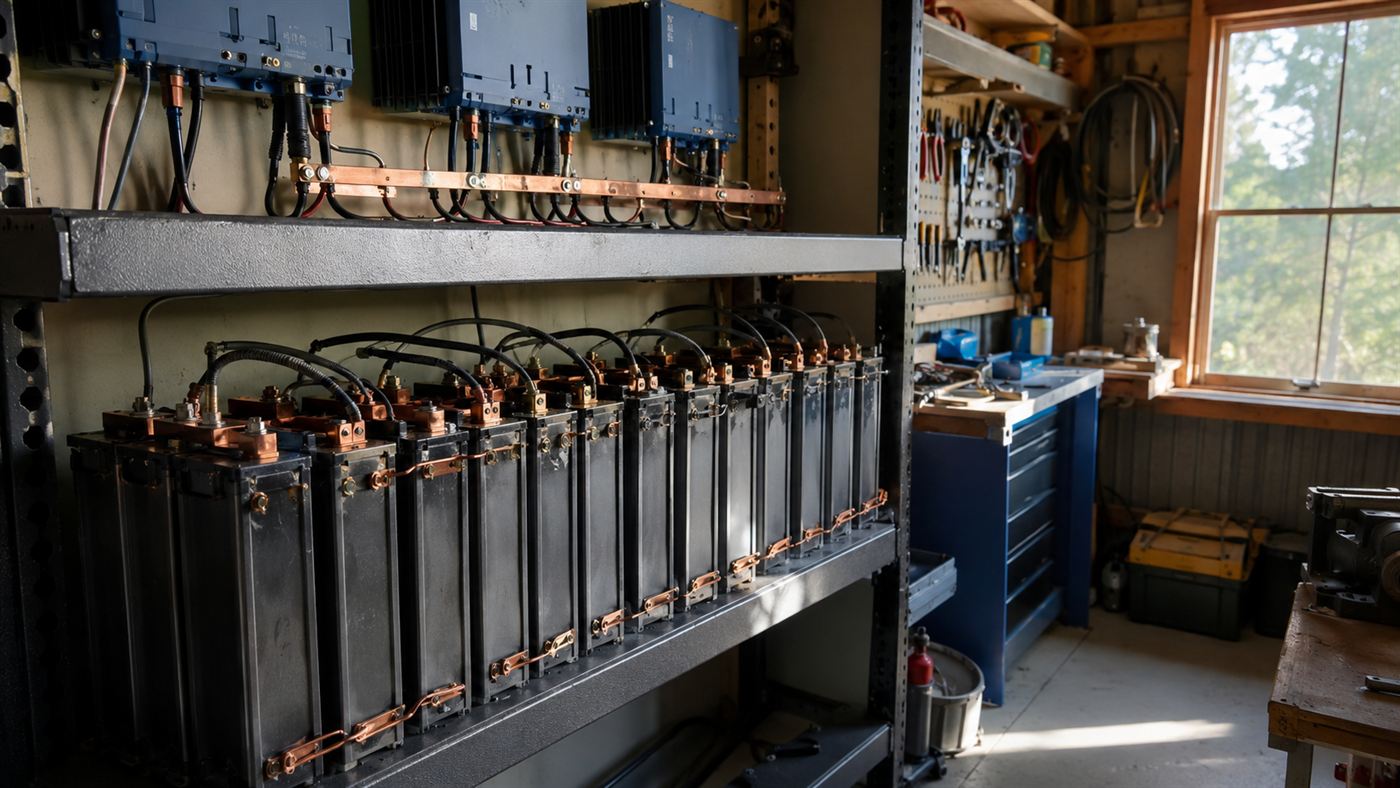
Why off-grid homes want a century-old battery
For a certain kind of owner, that trade is perfect. People building off-grid solar systems often care less about weight and efficiency than about a bank of storage they will never have to replace. A set of nickel-iron cells can sit in a shed and soak up sunshine for a lifetime, and off-grid solar enthusiasts hunt down old Edison stock precisely for that reason.
It is a quietly satisfying ending. The Edison nickel-iron battery that was supposed to power the electric cars of 1910, and was judged a failure when they died out, turns out to be ideal for storing the clean, homemade electricity of today. Edison guessed the wrong vehicle, but he built the right battery, just about a hundred years too early.
Edison lost the car and won something stranger: a battery that may still be working when today's lithium packs are long dead. Would you trade half your storage space for a battery you could pass down to your grandchildren? Tell us what you think in the comments.
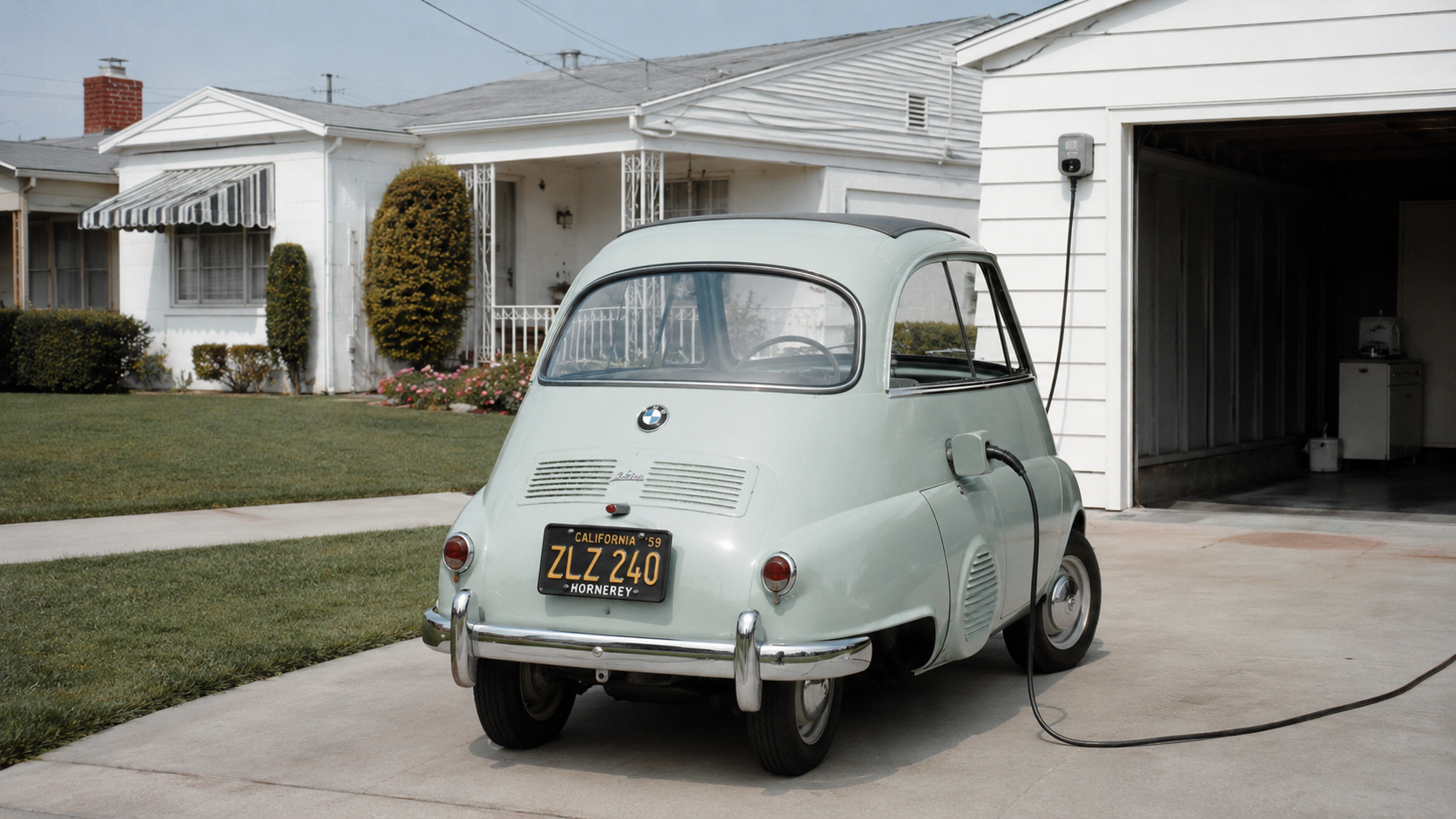
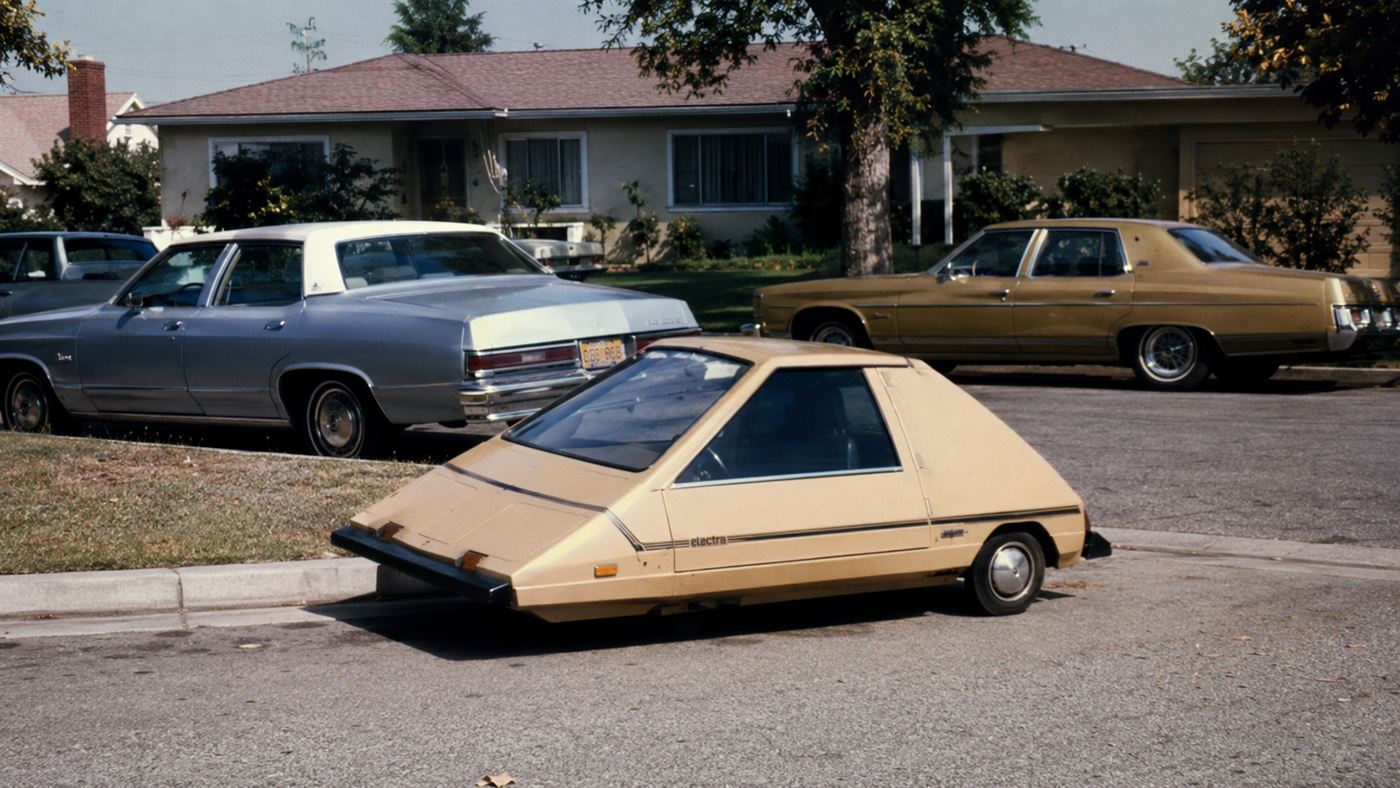
Related reading: the elegant Detroit Electric that ran on Edison's batteries during the first electric car age. See also the forgotten 1959 Henney Kilowatt that tried to bring the electric car back, and the tiny plastic CitiCar that outsold every American EV before Tesla.