The man who put a computer in millions of British homes bet his reputation on a tiny electric trike, and the 1985 Sinclair C5 became one of the most famous flops in history
In January 1985, the home-computer pioneer Clive Sinclair launched the Sinclair C5, a low, one-person electric trike he believed would change how Britain got around. Within ten months it had become a national punchline and taken his vehicle company down with it.
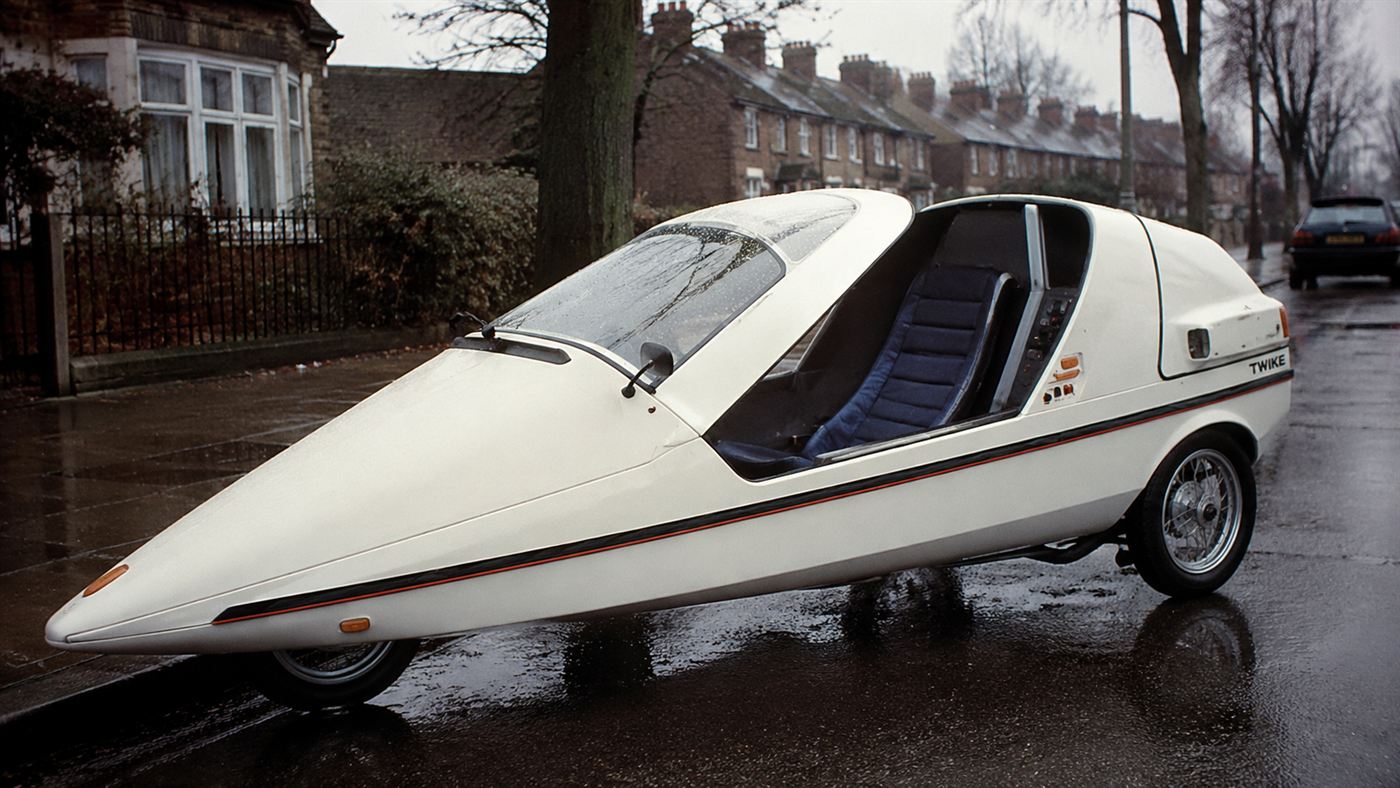
The Sinclair C5, a one-person electric trike that sat barely higher than a car bumper. Illustration: Watts & Wild.
In the winter of 1985, one of Britain's most celebrated inventors rolled out a vehicle he was sure would put the country on electric wheels. Instead, the Sinclair C5 turned into one of the most mocked products of the decade.
Clive Sinclair had spent years being right about the future. The C5 was the moment the public decided he had finally got it wrong.
What was the Sinclair C5? It was a single-seat electric trike, launched in January 1985, that you could drive with no licence, tax or insurance. It had pedals and a small electric motor, a top speed of about 15 miles per hour, and a battery range of roughly 20 miles on a good day.
From home computers to a vehicle for the masses
To understand the gamble, you have to know how big Clive Sinclair already was.
He had made a fortune selling pocket calculators and then cheap home computers, and Britannica describes Clive Sinclair as a key pioneer of the affordable calculator and the home computer.
His ZX Spectrum had taught a whole generation of British children to code, and he was knighted for it in 1983.
Sinclair dreamed of doing for personal transport what he had done for computing: take something expensive and put a cheap version in every home.
The electric vehicle, he was convinced, would be the next machine to go from luxury to everyday object, and he wanted to get there first.
What the Sinclair C5 electric trike actually was
The Sinclair C5 was not a car, and it was not quite a bike either.
It was a low, recumbent electric trike of white plastic, where the rider sat almost lying back, steering with handlebars under the knees.
A small electric motor and a heavy lead-acid battery did most of the work, with pedals to help it up hills or extend the range, and records of the vehicle note a top speed of about 15 miles per hour and a claimed range near 20 miles.
Capping the speed at 15 miles per hour was deliberate, because it meant the C5 needed no driving licence, no road tax and no insurance, and even a 14-year-old could legally drive one.
It was built at the Hoover factory in Merthyr Tydfil in Wales, with design help from Lotus, and Sinclair poured millions of his own money into it.
Why it became a punchline
The problems started with the British weather.
The C5 was completely open, so launching an uncovered electric vehicle in the middle of January meant the first test drives were cold, wet and miserable.
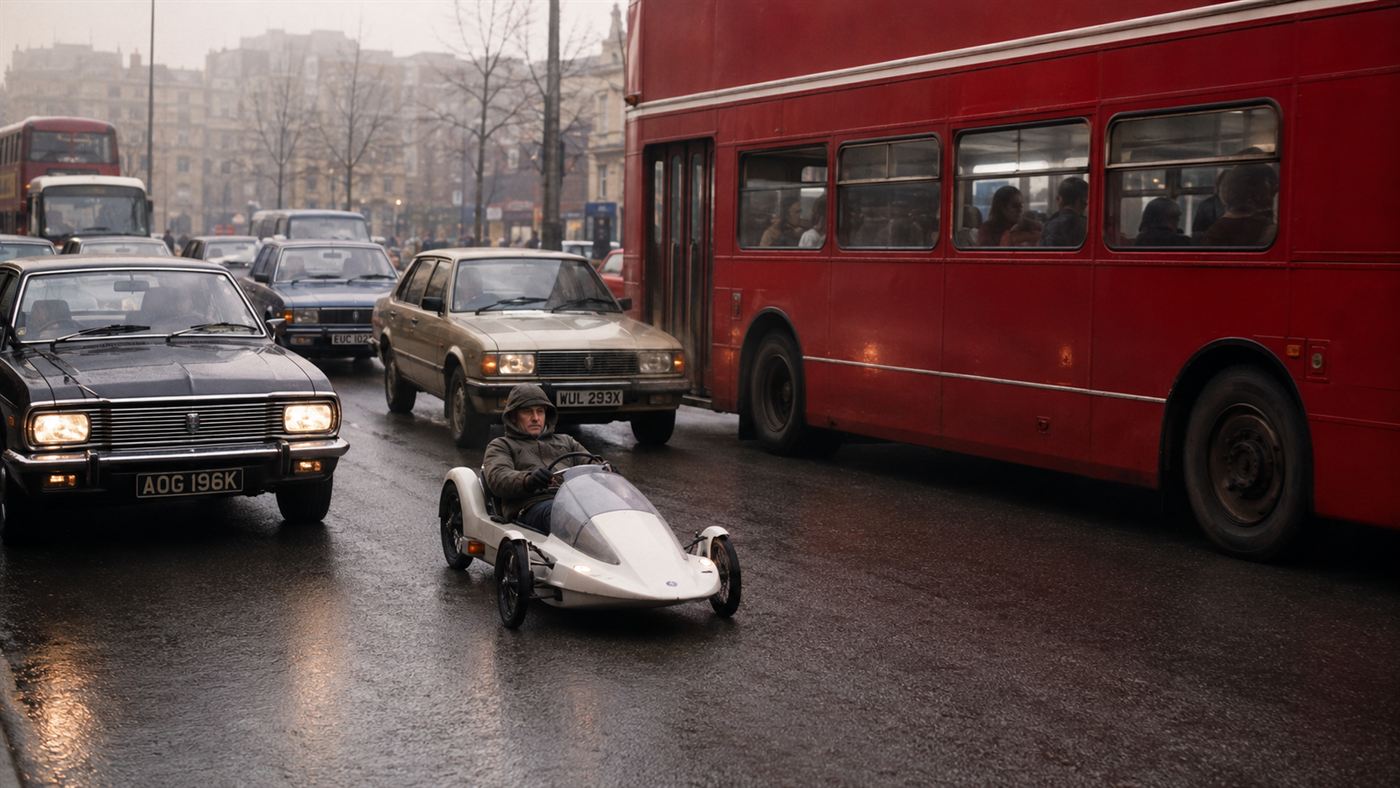
Worse was the height. The driver sat so low that their head was around the level of a car's roof and their body down near the exhaust pipes, and safety campaigners quickly warned that the little electric trike was dangerous in real traffic.
The battery also faded badly in the cold, so the advertised range shrank on exactly the winter days the C5 was being shown off.
And on any real hill, the motor needed help, which meant the futuristic electric vehicle often had its driver pedalling away like on an ordinary bike.
The collapse
The public verdict was swift and merciless.
Reviewers and comedians piled on, and the Sinclair C5 became shorthand for a clever idea that nobody had thought through.
Production had been planned in the tens of thousands, but only around 5,000 of the roughly 14,000 machines built were ever sold.
Sinclair Vehicles ran out of money and went into receivership in October 1985, less than a year after the launch.
For a man who had been a national hero, the failure of the C5 was a very public humbling.
Ahead of its time, or just bad?
Here is the twist that makes the Sinclair C5 more than a punchline.
Look at a modern city now, full of electric scooters, e-bikes and tiny electric vehicles, and Sinclair's basic bet looks a lot less ridiculous.
He had spotted, decades early, that a lot of journeys are short, single-person trips that do not need two tonnes of car, the same logic behind today's small electric machines like the electric rickshaws swarming India's streets.
The surviving C5s, once almost given away, are now sought-after collector's items, and the trike has been quietly rehabilitated as a misunderstood pioneer.
The honest catch
It is tempting to swing all the way the other way and call the C5 a misunderstood masterpiece, but that goes too far.
The Sinclair C5 really was flawed, an open, low, cold little vehicle that was genuinely unsafe to mix with lorries and buses.
Being early about electric transport in general did not make this particular electric vehicle good, and plenty of its problems were basic, not visionary.
The honest lesson is messier than either the joke or the comeback story: Sinclair read the destination right and the vehicle wrong, a reminder that with electric mobility, range and safety matter as much as the battery and the range on the brochure.
Clive Sinclair never built another vehicle on that scale, and Sir Clive, as he had become, died in 2021, remembered as much for the C5 as for the computers that made his name.
The Sinclair C5 stands as a strange monument to being right too early, a cousin of other bold electric dreams that arrived before the world was ready, like the solar car that rose and fell in our own decade.
Was the Sinclair C5 a genuine flop or just forty years ahead of its time, and would you ride a tiny open electric trike through your city today? Tell us in the comments.