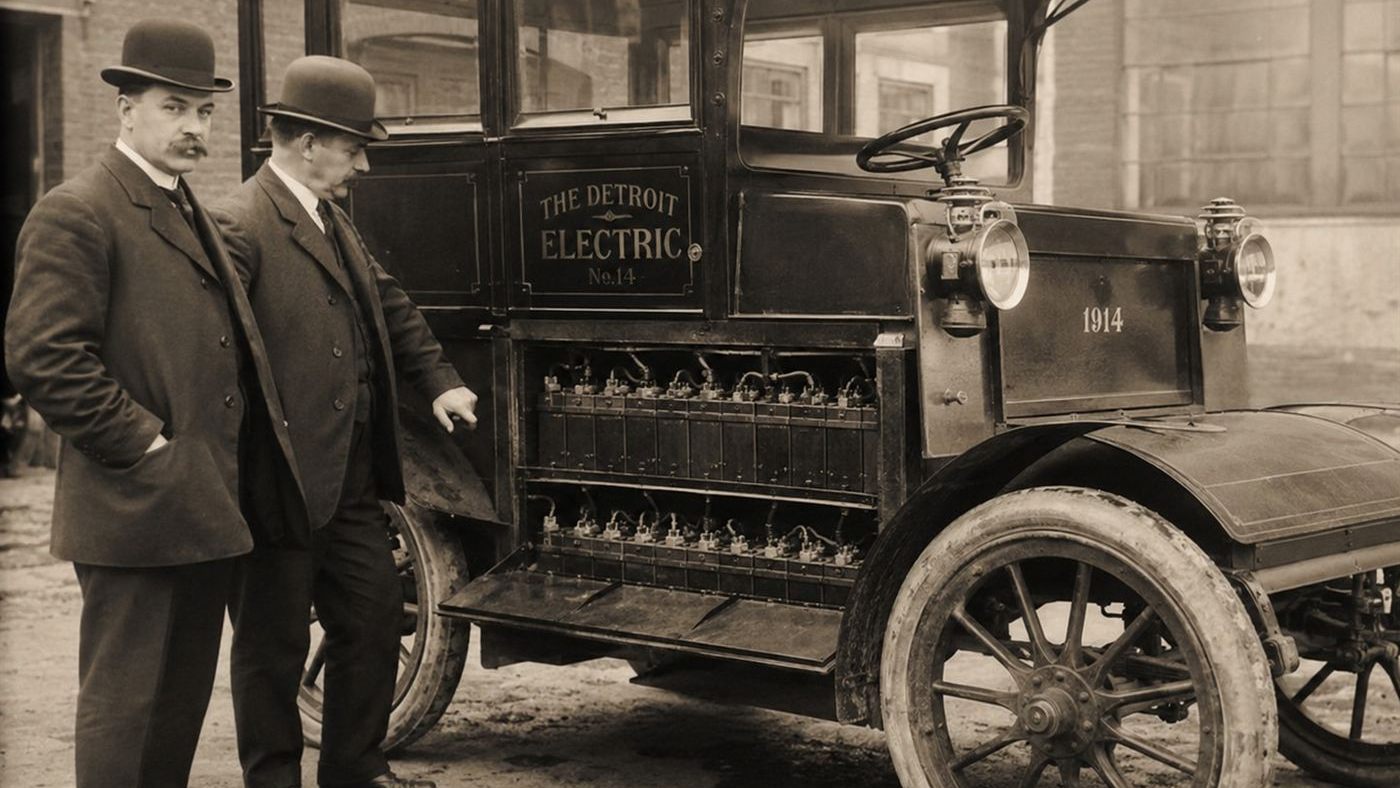
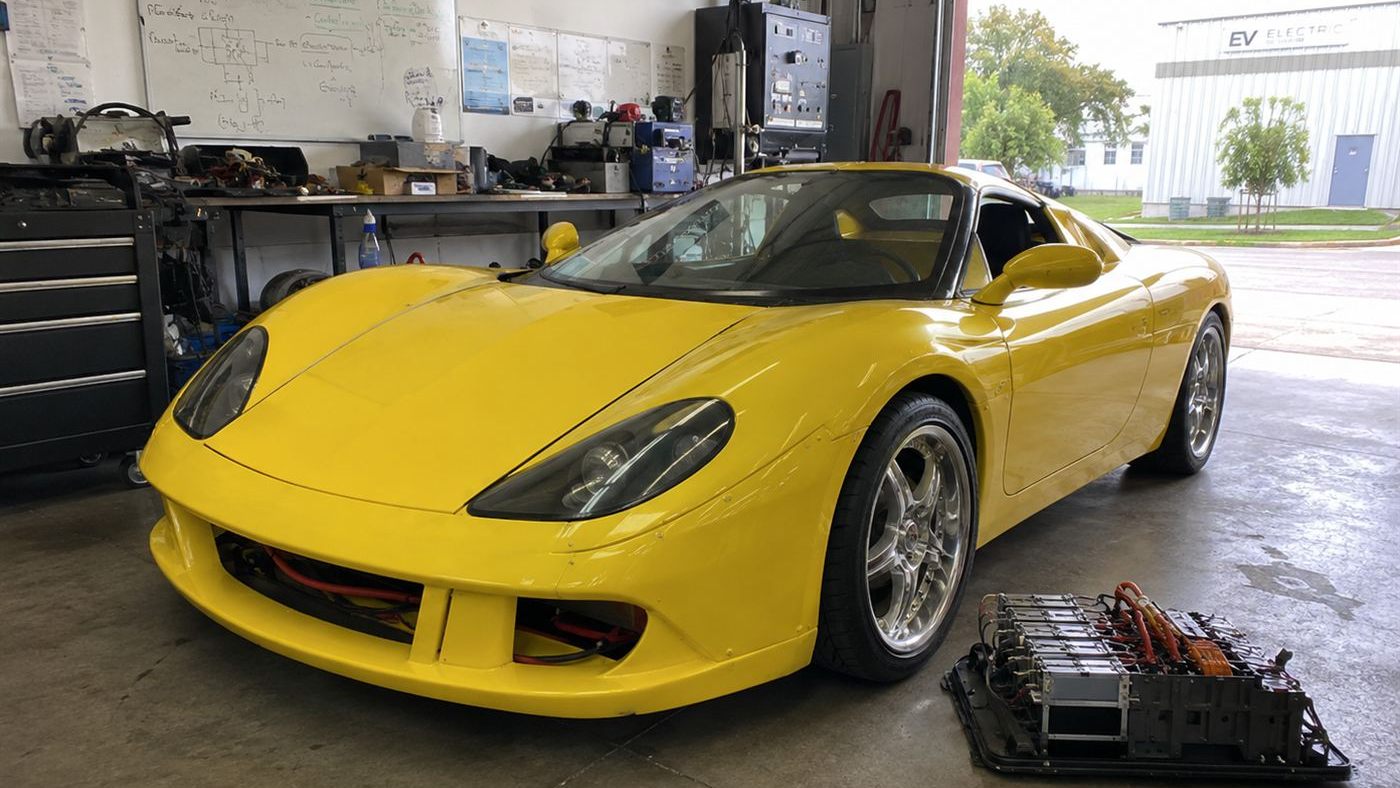
America's first car was electric, built in 1890 by a Scottish chemist in an Iowa basement who didn't really care about cars, only about the battery inside it
Ask most people when America's first automobile appeared and they will reach for the gasoline age, for Henry Ford and the assembly line. But the first successful car built in the United States rolled out of a basement in Des Moines around 1890, it ran silently on electricity, and the man who made it saw it as little more than an advertisement.
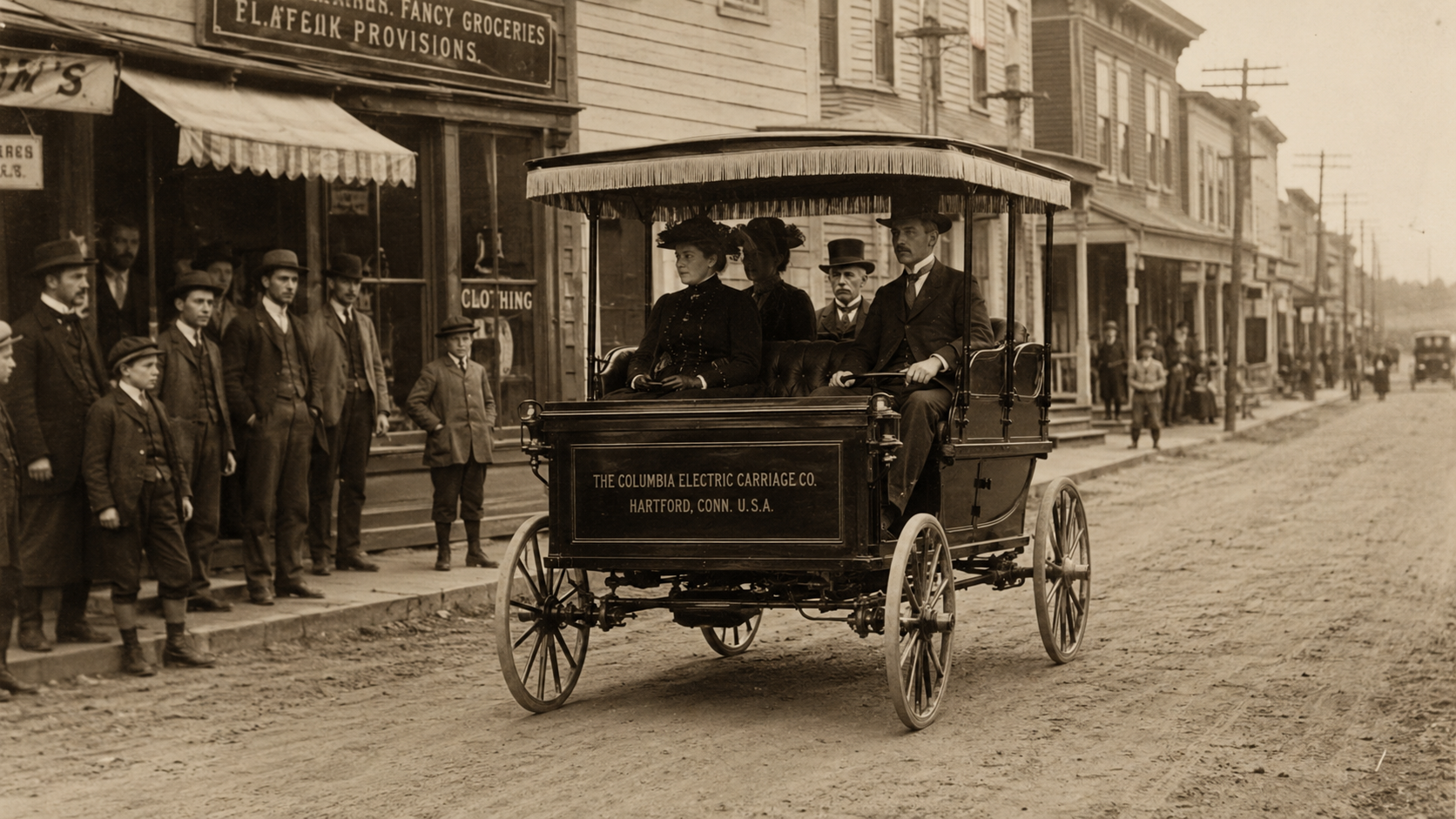
A horseless carriage that ran on batteries, decades before petrol took over. Illustration: Watts & Wild.
The story of the William Morrison electric car is a wonderful reminder that the electric vehicle is not a twenty-first-century invention bolted onto a petrol-soaked century, but something that was there at the very beginning, and was very nearly the way the whole world chose to drive. And it is the story of a man who built a landmark of automotive history almost by accident, because what he truly loved was chemistry.
Morrison was not a carmaker. He was a battery man.
Who was William Morrison?
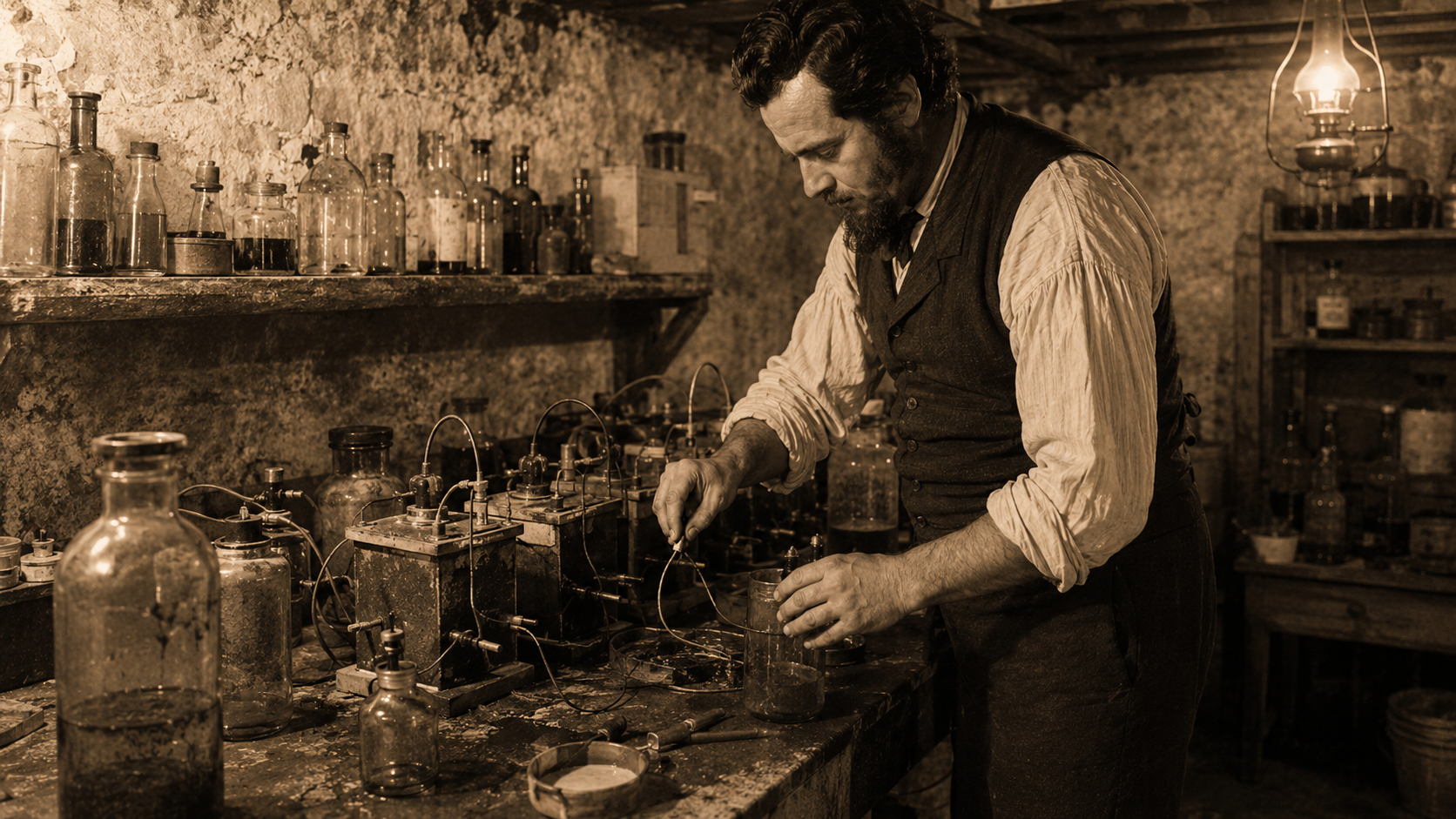
William Morrison was a Scottish immigrant who settled in Des Moines, Iowa, around 1880 and set up as a chemist. His passion was electricity, and above all the maddening problem of storing it. In an obscure basement workshop beneath a jewellery shop, he laboured over the lead-acid storage battery, trying to make one that was both portable and genuinely powerful, the great bottleneck of the entire electrical age.
To prove his batteries were up to the job, he needed a dramatic demonstration, something that would show ordinary people just how much energy his cells could hold and deliver. So he decided to use his batteries to move something heavy and full of people, and the most impressive thing he could think of was a carriage that drove itself with no horse at all.
A car built to sell a battery
Around 1890, Morrison fitted a sturdy carriage with two dozen of his battery cells and an electric motor, and produced a six-passenger machine that could carry a load of well-dressed Iowans down the street at a respectable 14 miles per hour, with a useful range on a single charge. It caused a sensation. People had simply never seen a wagon move under its own power, in near silence, with nothing pulling it.
But here is the crucial, charming twist. Morrison reportedly had little real interest in the automobile itself; to him the car was a billboard on wheels, a way to advertise the battery that was his actual product. He went on to patent an improvement to the storage battery in 1891, and he was always more concerned with selling cells than with building a car company. The most important vehicle in early American history was, to its own inventor, a marketing gimmick.
Why the William Morrison electric car mattered
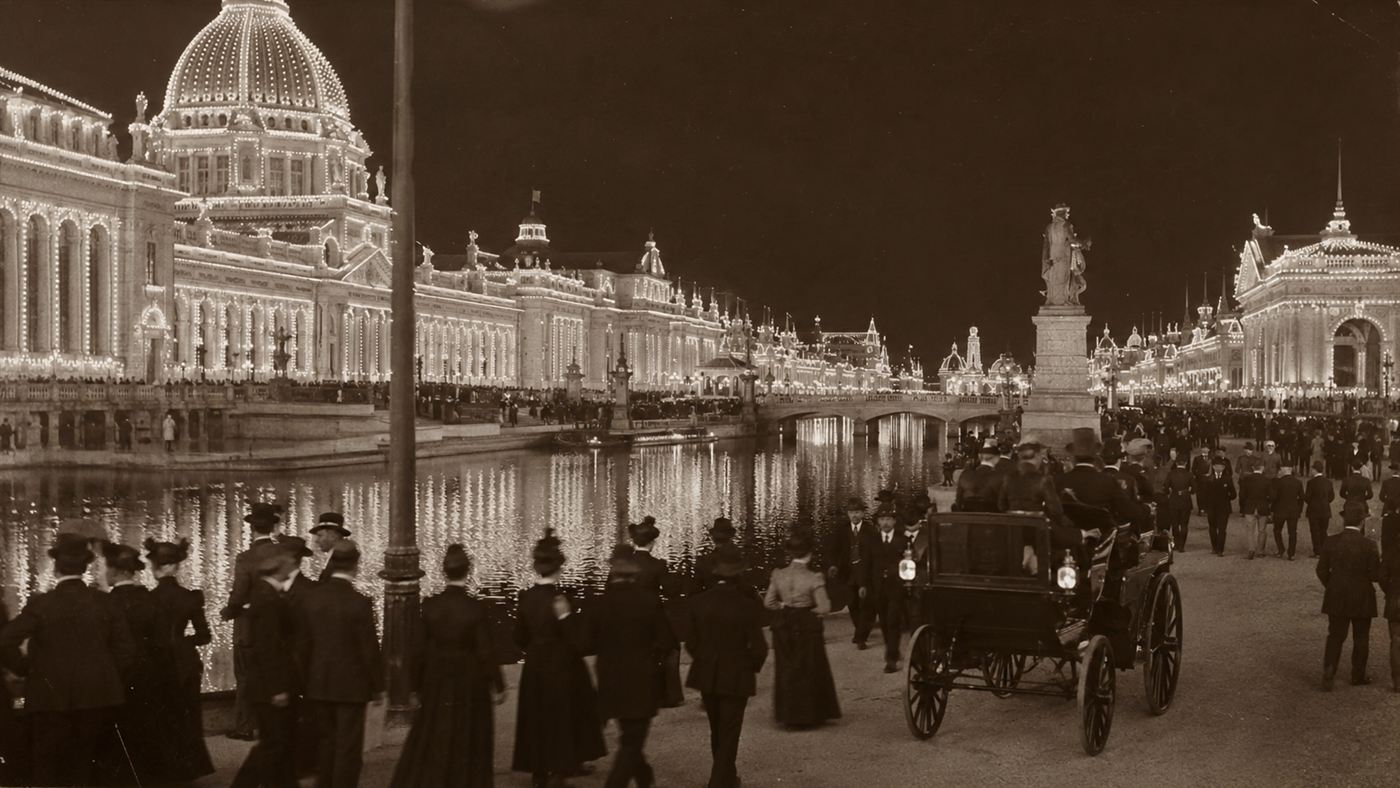
Whatever Morrison intended, the effect was enormous. His electric carriage helped kick off America's first love affair with the automobile, and crucially, that first love affair was electric. The vehicle was shown off to huge crowds, and is often said to have appeared at the great World's Columbian Exposition in Chicago in 1893, the dazzling, electrically lit world's fair that introduced millions of Americans to the wonders of the coming century.
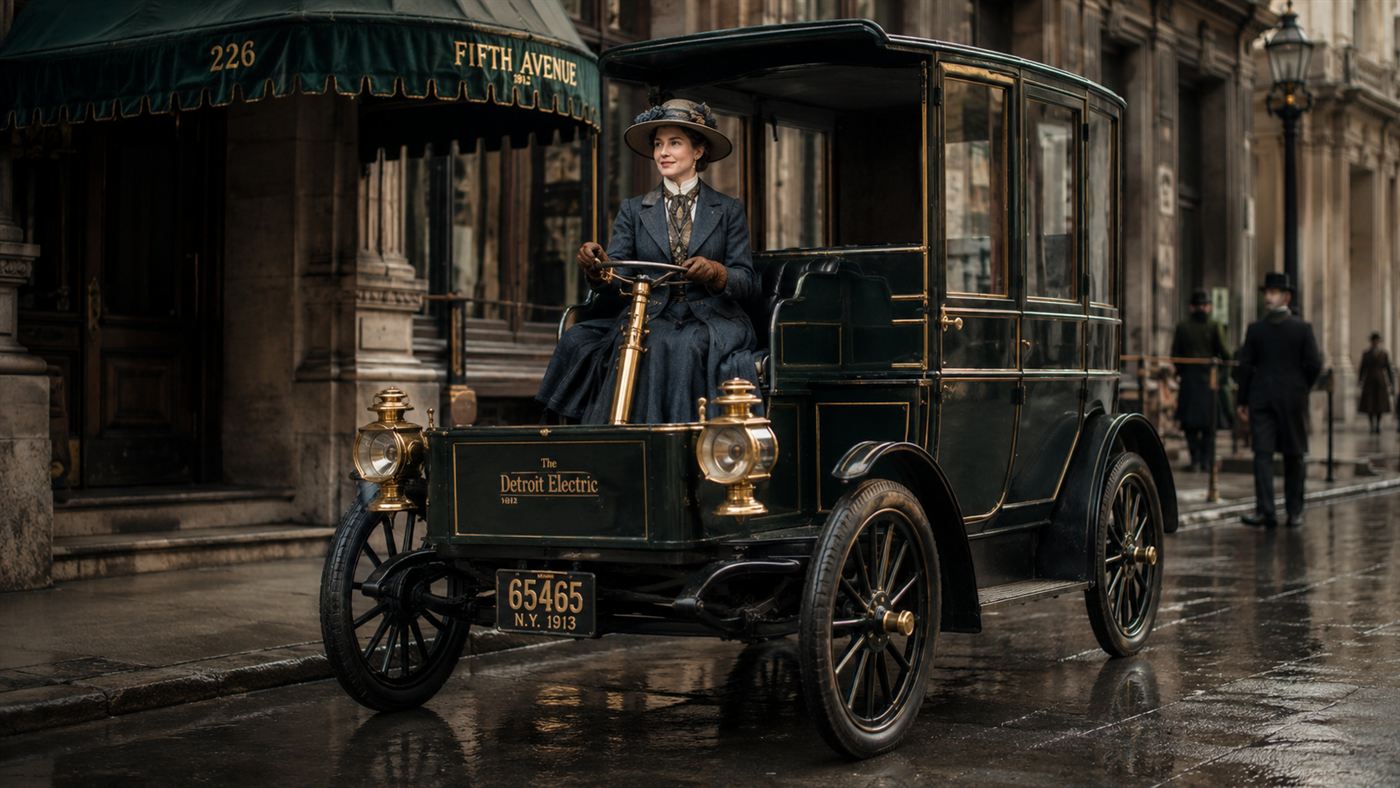
In the years that immediately followed, electric cars were not a fringe curiosity but a serious contender. They were clean, quiet and easy to drive, and by the turn of the century cities like New York ran fleets of electric taxis, while electrics outsold both steam and petrol cars in the United States for a time. The road not taken was, for a moment, the road most travelled.
Was it really the first electric car?
It is worth being precise. Morrison's machine was not the first electric vehicle in the world; inventors in Europe had built experimental electric carriages and even battery-powered vehicles earlier in the nineteenth century. What Morrison built was the first successful, practical automobile in the United States, the one that actually worked well enough to carry passengers reliably and to capture the public imagination.
The exact details, the top speed, the range, the number of cells, vary a little from telling to telling, as they often do with nineteenth-century firsts. But the core claim is solid: the car that started America's automotive age ran on a battery, not on petrol, and it came out of an Iowa basement, not a Detroit factory.
The honest catch
The romance of "the first electric car" should not be oversold. Morrison's vehicle was heavy, slow by modern standards, and limited by the very battery technology he was trying to improve. The early electric age it helped launch ultimately lost, and lost badly, to the petrol engine once cheap oil, the electric starter and Henry Ford's affordable Model T arrived, sending electric cars into a near-century of hibernation.
And Morrison himself fits a pattern we have seen before. He was a brilliant specialist who created something world-changing as a side effect of a different goal, never built a business empire from it, and faded into obscurity while the technology he touched went on to define the future. He was right about batteries mattering. He was just about a hundred and thirty years early.
Why the William Morrison electric car still matters
Every modern electric vehicle is, in a sense, a vindication of what Morrison was actually working on. He understood, before almost anyone, that the future of transport would be decided not by the cleverness of the car but by the quality of the battery, and that is exactly the contest the whole car industry is locked in today.
His basement experiment is a quiet rebuke to the idea that the electric car is something new. We did not invent the electric car this century; we simply finally built a battery good enough to keep the promise Morrison made in an Iowa basement in 1890. America's first car was electric, and after a long detour, it turns out the first answer may also have been the right one.
America's first car was electric, built to sell a battery, and then forgotten for a century. If the electric car was here first, do you think the gasoline age was a wrong turn, or a necessary detour? Tell us what you think in the comments.
Related reading: A few years later, electric cars were so good that doctors and socialites chose them over petrol, until cheap fuel killed the whole industry.