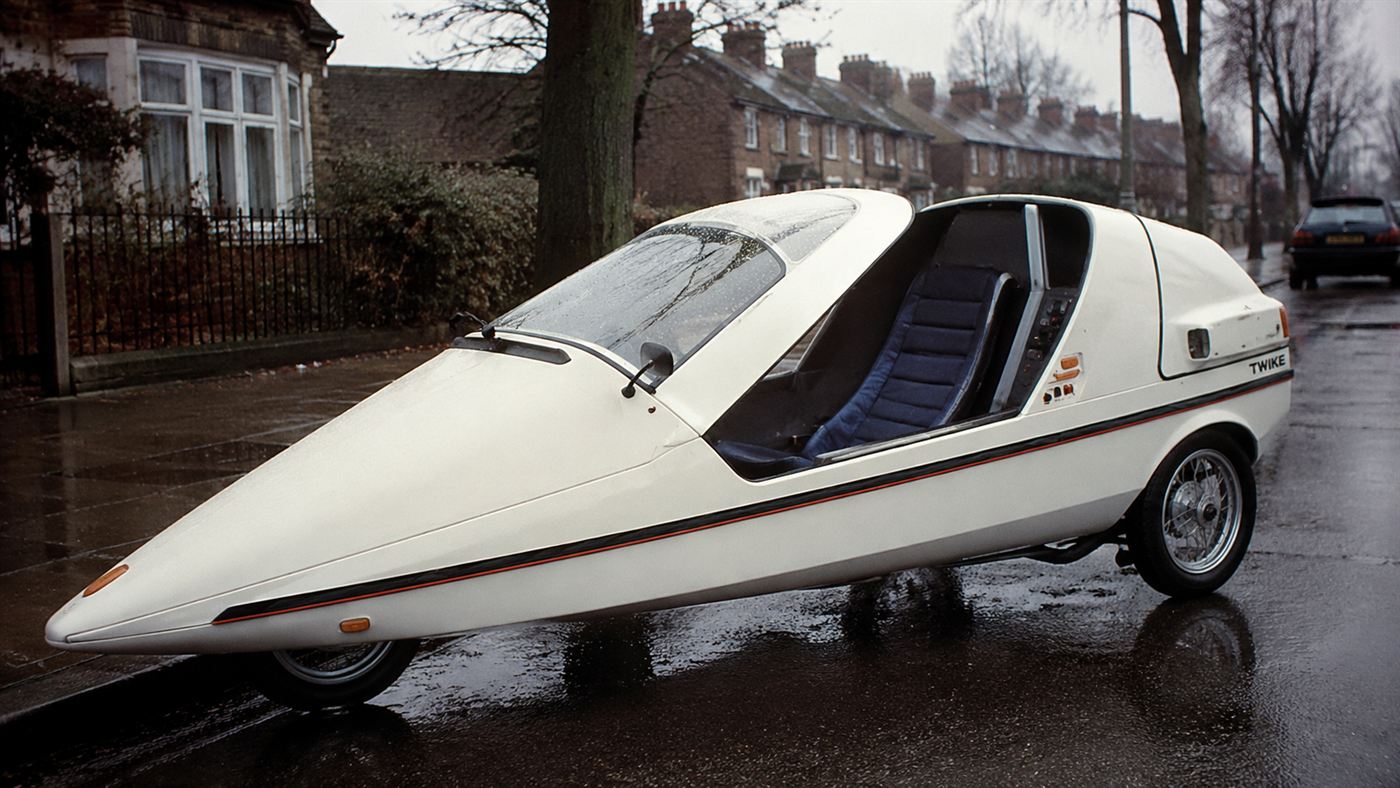
The first car Ferdinand Porsche ever built was electric: the 1900 Lohner-Porsche put a motor inside each wheel, an idea the world is only now coming back to
Before the sports cars, before the Beetle, before any of the legend, a 25-year-old Ferdinand Porsche built something startling: an electric car with no gearbox, no chains and no driveshaft, because the motors lived inside the wheels themselves. It stole the show at the 1900 Paris World's Fair, and the modern car industry is still chasing the idea today.
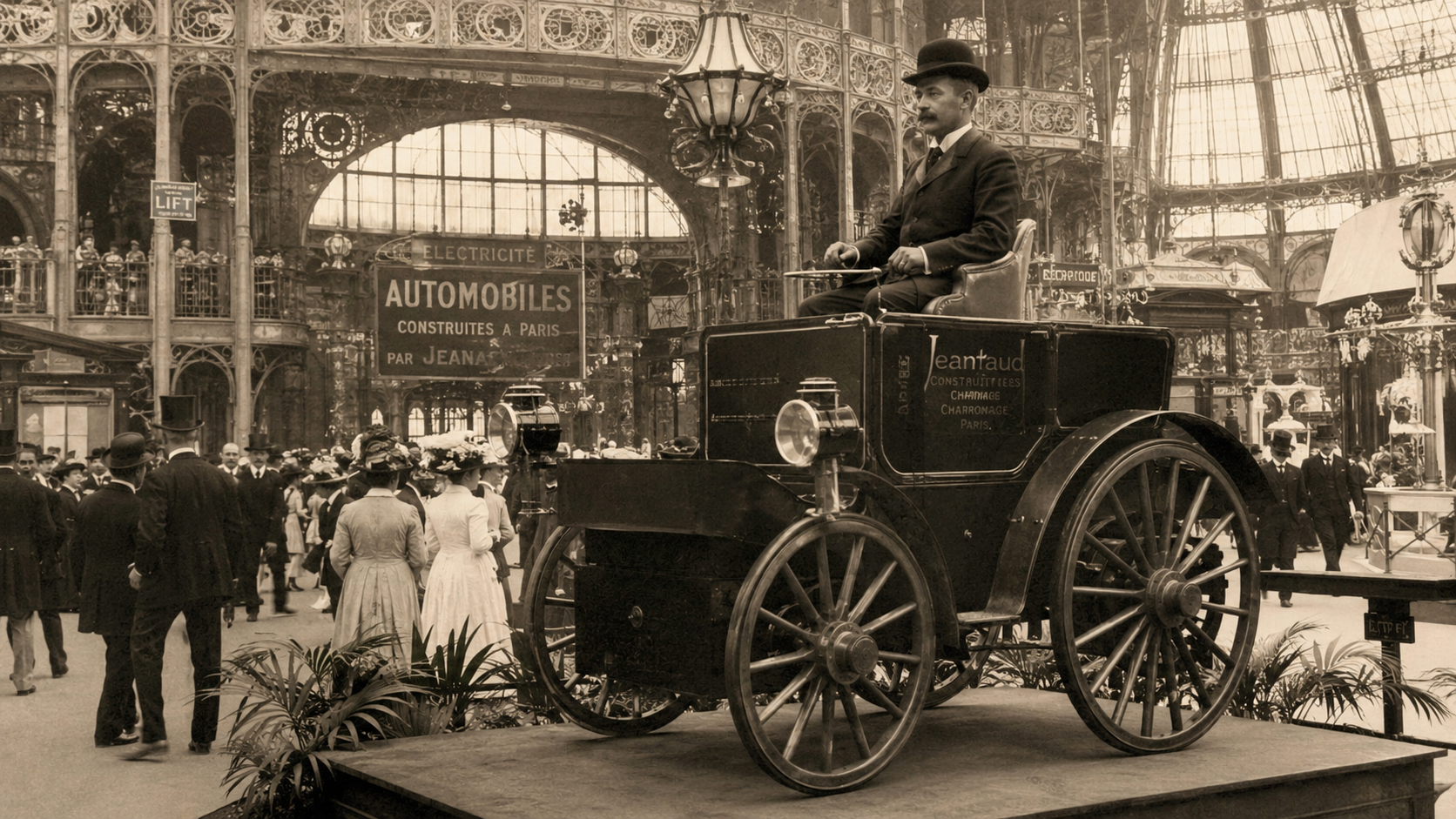
The Lohner-Porsche was the sensation of the 1900 Paris World's Fair. Illustration: Watts & Wild.
We think of the electric car as new, a twenty-first-century answer to petrol. But the Lohner-Porsche electric car rolled out in 1900, and the man who designed it was the same Ferdinand Porsche whose name now sits on the back of supercars. It was his first real project, and he finished it, astonishingly, in about ten weeks.
Porsche was working for Ludwig Lohner, a respected Viennese coachbuilder who had decided that the future of the carriage was electric and noisy petrol engines were a passing nuisance. The young engineer he hired would prove him half right, and in doing so invent two things the car world would spend the next century rediscovering.
What was the Lohner-Porsche electric car?
The Lohner-Porsche electric car made its public debut at the Paris World's Fair on April 14, 1900, in the vast glass-roofed Palace of Electricity. To the crowds it looked like a smart horseless carriage. What they could not see was the trick that made it special: there was no engine in the usual sense, and nothing connecting a motor to the wheels, because the motors were the wheels.
It ran on a 80-volt lead-acid battery of forty-four cells, weighed over a ton, and could manage somewhere around 30 miles per hour. Those are modest numbers. The radical part was where the power was made and how cleanly it reached the road.
A motor inside each wheel
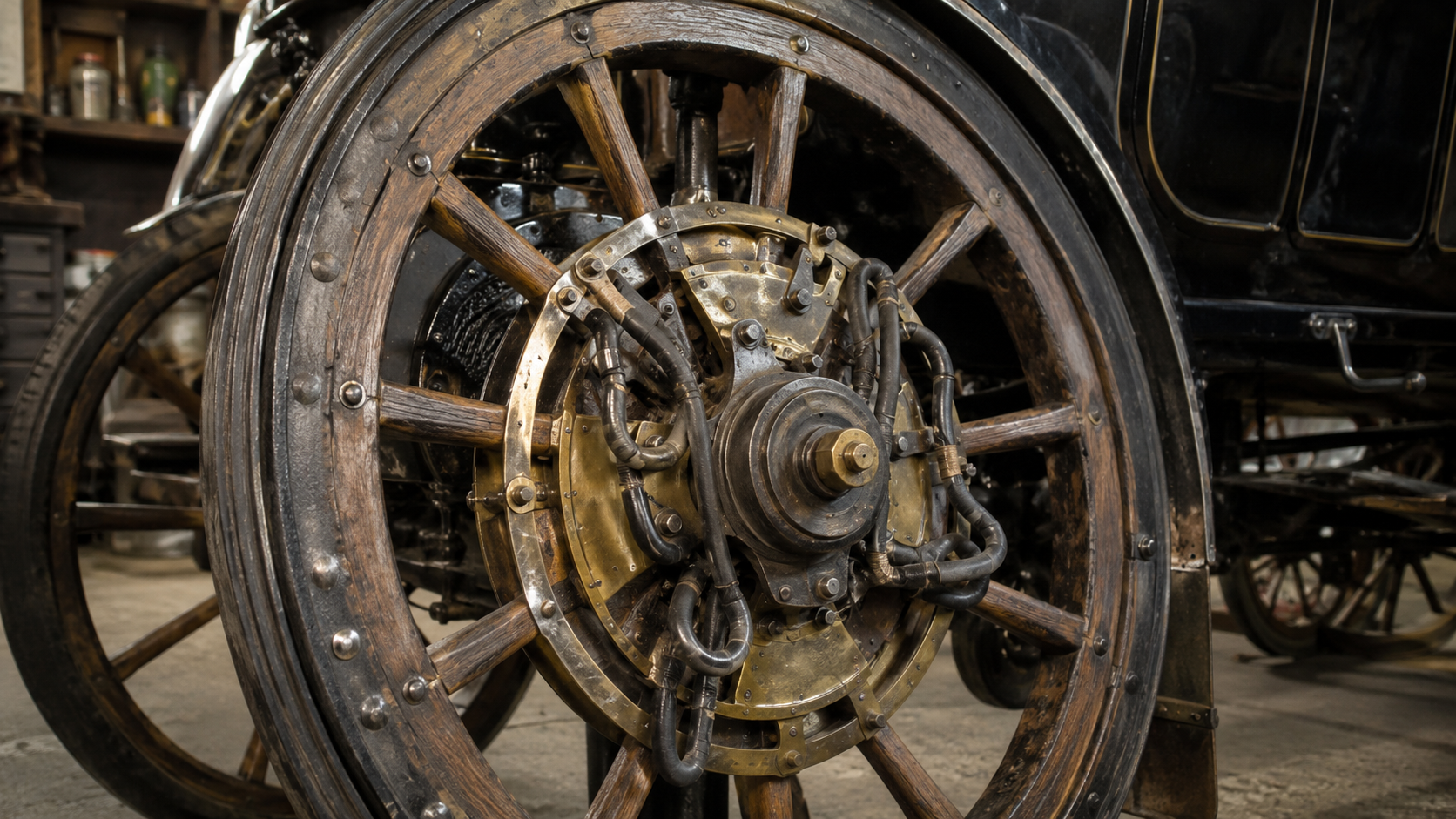
Porsche's masterstroke was the wheel-hub motor. Instead of one central motor sending power through gears, belts or a chain, he built a compact electric motor directly into each front wheel hub. Press the pedal and the wheels simply turned themselves. There was no gearbox, no clutch and no transmission to lose energy or break down, because there was nothing in between.
It was brilliantly simple, and Porsche pushed it further. A racing version carried a hub motor in all four wheels, making it one of the earliest all-wheel-drive cars ever built, which Porsche himself drove to win races. The idea was so far ahead that it never really went away. The electric motors that drove NASA's lunar rovers across the Moon were wheel-hub motors, descendants of the concept Porsche bolted into a carriage in 1900.
Then he invented the hybrid to fix the battery
The car had one stubborn problem, the same one that haunts electric vehicles to this day: the battery. The lead cells were enormously heavy and went flat quickly, which limited how far the thing could go. A lesser engineer would have given up. Porsche solved it by inventing a whole new kind of car.
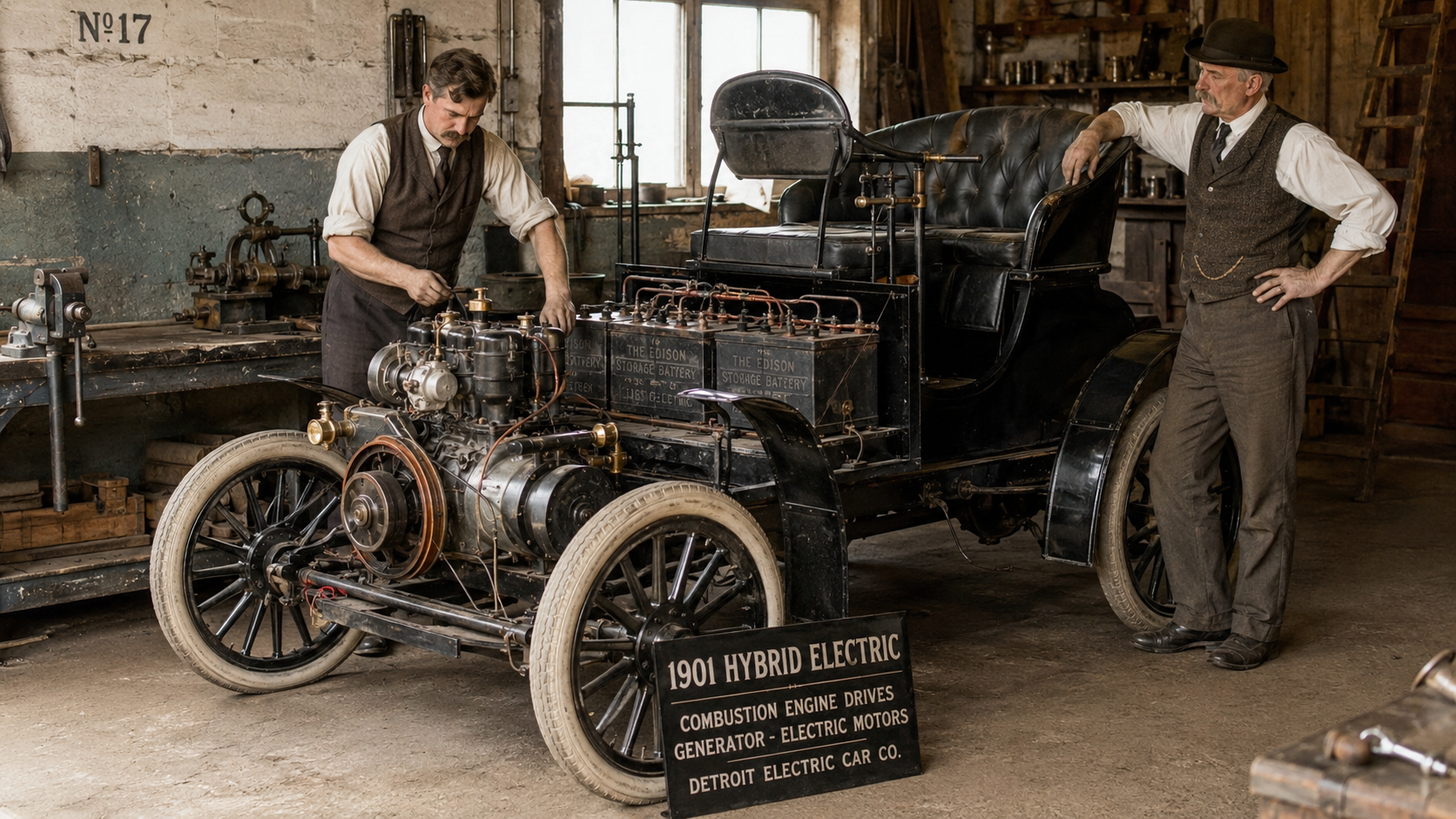
He added a small petrol engine, but he did not connect it to the wheels at all. Instead it spun a generator, and the generator fed electricity to the wheel motors and topped up the battery. The petrol burned only to make electricity, while the wheels stayed purely electric, which is exactly how a modern series hybrid works. He called it the Semper Vivus, Latin for "always alive," and showed it in 1901. It is generally recognised as the world's first functional hybrid car, arriving roughly a hundred years before the idea went mainstream.
Why did the electric Porsche disappear?
For all its genius, the Lohner-Porsche was expensive, heavy and complicated to build, and the wheel-hub motors added a lot of weight right where a car least wants it. Only a few hundred were ever made. Then the ground shifted under the whole electric idea.
Cheap oil, the electric starter that ended hand-cranking, and above all Henry Ford's mass-produced petrol Model T made the internal combustion car cheaper and longer-legged than any battery could match. By the 1910s the electric car was sliding toward extinction, and it would stay a curiosity for the better part of a century. Porsche moved on to the petrol machines that made him famous, but he never forgot what he had started with.
The honest catch
It is worth keeping the story honest. Porsche did not invent the electric car, electric carriages already existed and were briefly outselling petrol ones in cities. Nor was the hub motor entirely without precedent. What Porsche did was combine and execute these ideas at a level nobody had reached, and turn the hybrid from a sketch into a working, sellable machine.
It is also fair to say the design failed on its own terms. The wheel-hub motors were heavy and the cars did not sell in real numbers, which is exactly why the concept was shelved. Being a century early is, commercially, the same as being wrong. The vindication came much later, in laboratories and on the Moon and finally on millions of modern driveways.
Why the Lohner-Porsche electric car still matters
Look at the cutting edge of cars today and you find Porsche's two old ideas everywhere. Hybrids that burn fuel only to make electricity are ordinary now. And engineers at firms across the industry are once again trying to perfect the in-wheel motor, the very layout Porsche used in 1900, because deleting the gearbox and driveshaft frees up space and weight.
That is the strange shape of this story. The founder of the most petrol-soaked name in motoring began with a silent electric car and the first hybrid, and was so far ahead that the whole industry had to spend a hundred years catching up. The future of the car, it turns out, was sketched out in a Vienna workshop before the first one had even gone on sale.
The man who founded the world's most famous petrol brand started with a silent electric car and the first hybrid, then watched the industry take a century to catch up. Would you rather be the genius who is right too early, or the one who arrives just in time to cash in? Tell us what you think in the comments.
Related reading: A hundred years ago electric cars were so good that doctors and socialites drove them by choice, until cheap petrol killed the whole industry.