The first car to break 100 km/h was electric, a torpedo called La Jamais Contente, and in 1899 its Belgian driver Camille Jenatzy earned the nickname the Red Devil
In the spring of 1899, a bullet-shaped electric car named La Jamais Contente became the first vehicle in history to pass 100 km/h. At the tiller sat Camille Jenatzy, a Belgian engineer with a flaming red beard, who had just won a thrilling duel of speed records on the roads outside Paris.
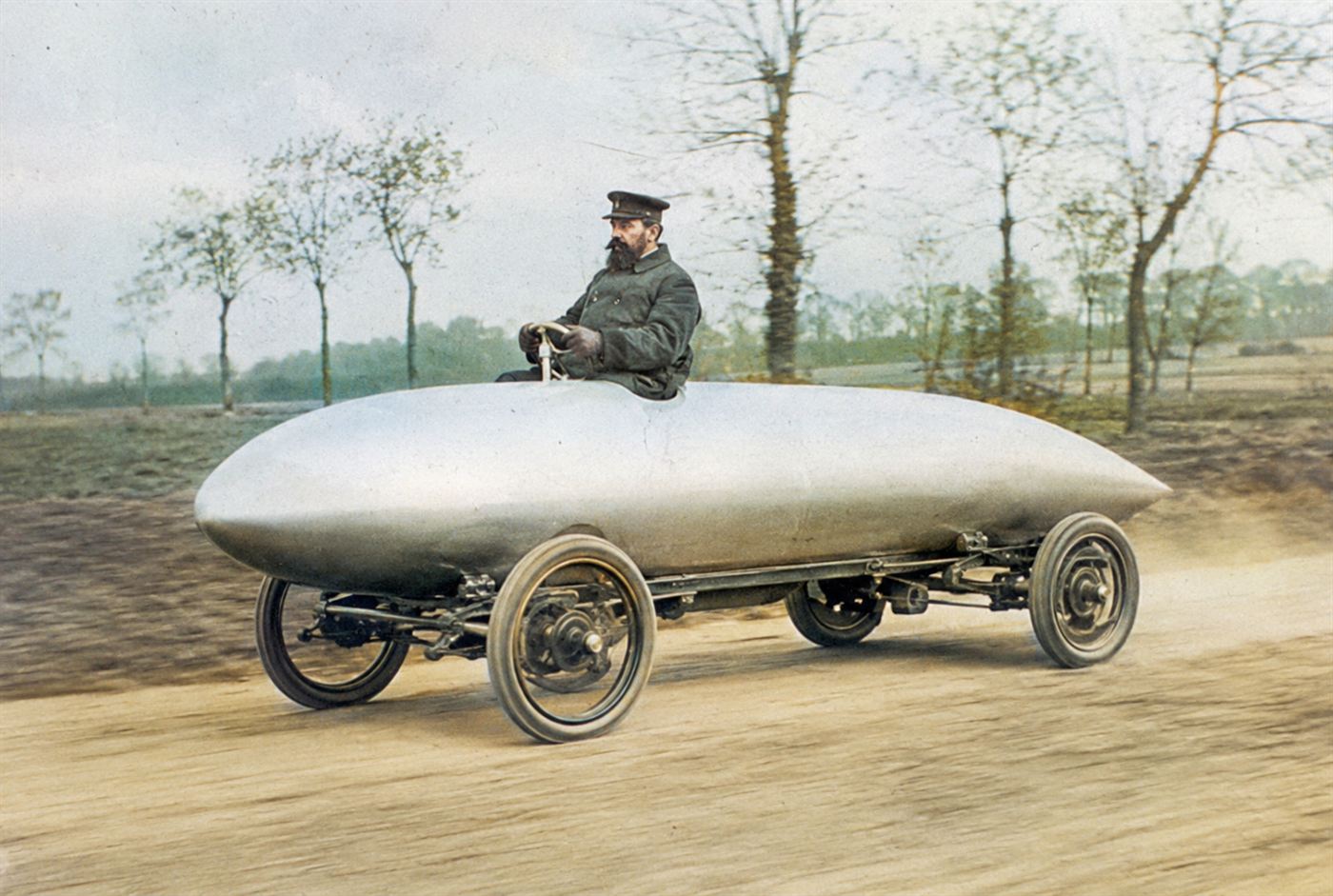
La Jamais Contente, the bullet-shaped electric car that broke 100 km/h in 1899. Illustration: Watts & Wild.
On 29 April 1899, on a straight stretch of road at Acheres near Paris, a strange silver projectile on wheels tore past a line of timekeepers at 105.88 kilometres per hour. It was the first time any person had travelled faster than 100 km/h on land. The machine was not powered by steam or by petrol. It ran on batteries and electric motors.
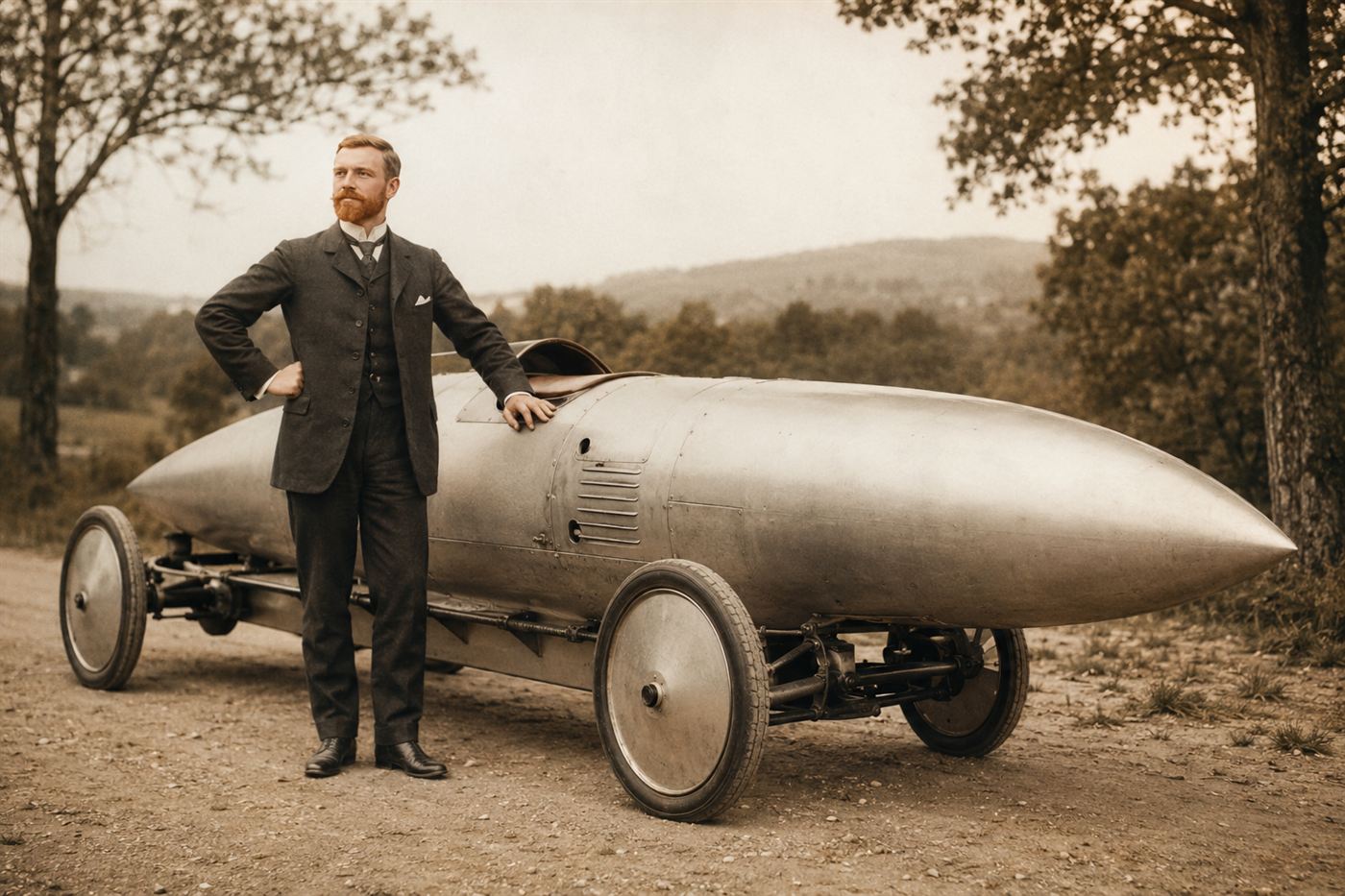
The car was called La Jamais Contente, French for "the never satisfied". Its driver was Camille Jenatzy, a thirty-year-old Belgian whose bright red beard had earned him the nickname Le Diable Rouge, the Red Devil. For one brief, electric moment at the close of the 19th century, the fastest thing on wheels was a battery-powered torpedo.
La Jamais Contente was a Belgian electric car that in 1899 became the first road vehicle to exceed 100 km/h, reaching 105.88 km/h. Driven by Camille Jenatzy, it had a torpedo-shaped light-alloy body and two electric motors, and it claimed the land speed record before petrol engines took over for the next hundred years.
A duel of records on the roads near Paris
The record did not come out of nowhere.
Through the early months of 1899, Jenatzy and a French aristocrat, Count Gaston de Chasseloup-Laubat, traded the land speed record back and forth, and both of them were driving electric cars.
On 17 January 1899 Jenatzy set a mark, and the count beat it the very same day.
Chasseloup-Laubat then pushed his Jeantaud electric to 92.78 km/h on 4 March 1899, and Jenatzy decided to build something purpose-made to settle the argument for good.
The answer was La Jamais Contente, and on 29 April he drove it clean past 100 km/h to take the record.
La Jamais Contente, a torpedo built to cut the wind
The car looked like nothing else on the road.
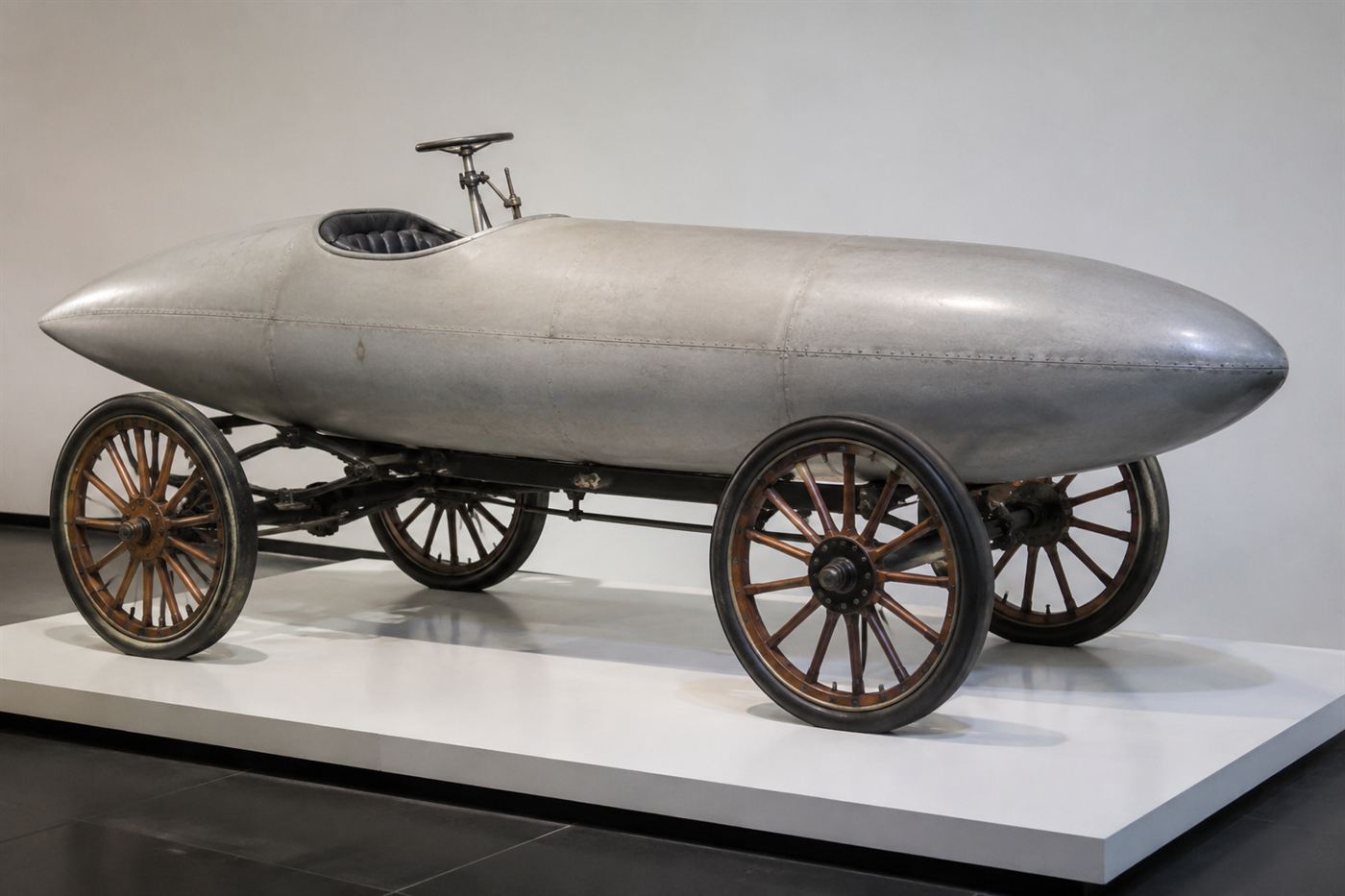
Where other cars of 1899 were tall, upright carriages, this one was a long pod shaped like an artillery shell, an early attempt to make a vehicle slip through the air.
The body was beaten from a light alloy called partinium, a mix of aluminium, tungsten and magnesium that kept the weight down.
Two Postel-Vinay electric motors, fed by banks of batteries, drove the rear wheels and produced around 68 horsepower between them.
It rolled on Michelin pneumatic tyres, which were themselves a daring new idea at the time.
Why the early speed race ran on electricity
It is easy to forget how normal an electric speed record looked in 1899.
At the turn of the century the motorcar had not yet settled on a single technology, and steam, petrol and electricity were all serious contenders.
Electric cars were clean, quiet and simple to drive, with no crank to swing and no gears to crunch, which made them favourites in the city.
Their motors gave instant torque, which was perfect for a short sprint down a measured stretch of road.
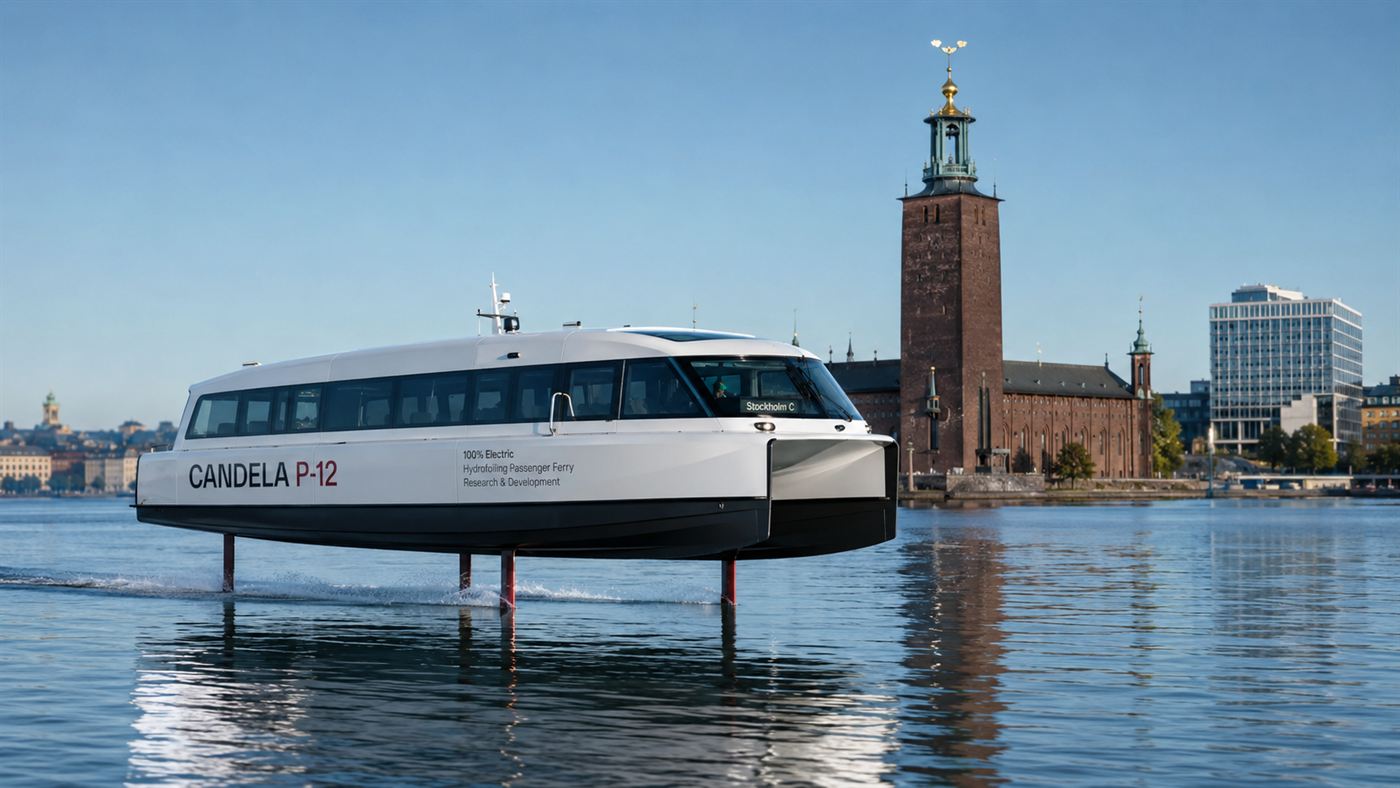
For a flat-out dash over a single kilometre, an electric car was arguably the obvious choice, which is exactly why both rivals reached for one, much as racing now turns to electric power on silent hydrofoil boats that fly above the water.
The Red Devil at the tiller
Camille Jenatzy was an engineer by training and a showman by instinct.
Born near Brussels in 1868, he built electric cabs and carriages before he ever turned to racing.
The red beard and the fearless driving made him a celebrity, and the nickname Le Diable Rouge stuck to him for life.
He went on to win the 1903 Gordon Bennett Cup, one of the great races of the age, this time at the wheel of a petrol Mercedes.
His death, in December 1913, was as strange as anything he did on a track.
During a hunting party he hid behind bushes and imitated the sounds of a wild animal as a joke.
A companion fired into the undergrowth, struck him, and Jenatzy bled to death in the car carrying him to hospital, having once predicted he would die in a Mercedes.
How petrol stole the crown
The electric speed record was a high point that did not last.
Within a few years, petrol and steam cars overtook the electric machines, and by the early 1900s the land speed record had moved to other kinds of engine.
The problem was never raw acceleration but everything around it.
Batteries were heavy, slow to charge and good for only short distances, while petrol packed far more energy into far less weight.
As combustion engines improved, the petrol car pulled away, and electric propulsion was pushed to the margins for most of the next century.
It would take more than a hundred years, and a revolution in the lithium battery, before electric cars could chase speed records again and whole countries would switch back to plugging in.
The honest catch
The little electric record-breaker is a wonderful story, but it is easy to over-claim it.
The record run was a brief sprint, not proof that electric cars were ready to rule the road.
The car had almost no range, its batteries drained fast, and the driver sat high and fully exposed above all that careful streamlining.
Its torpedo body cheated the wind, but the spindly wheels, open seat and upright driver handed much of that advantage straight back.
It was a record-breaking stunt machine, brilliant and fragile, a little like the beautiful electric dreams that still arrive ahead of their time.
What it really proves is narrower and stranger, that electric speed came first and then waited a full century for its rematch, which finally arrived when Formula E put electric racing cars back on the world stage.
More than a century after that run at Acheres, the silver torpedo survives as a replica in the national car museum at Compiegne, in France, a reminder that the electric car is not new at all. Within a few years, in fact, a third of America's cars were electric, led by the Detroit Electric.
Nor is it only an Earthbound idea, since NASA drove a battery-powered electric rover on the Moon back in 1971.
The fastest vehicle on Earth was once a battery on wheels, driven by a man with a red beard who, true to his car's name, was never satisfied.
Related reading: Gustave Trouve, the Paris jeweller who built the first electric vehicle in 1881, or the Voxan Wattman, the electric motorcycle that took the same idea past 455 km/h. See also how a Stanley Steamer made steam the fastest thing on Earth in 1906.
If electric cars already held the land speed record back in 1899, why do you think it took another full century for them to come back? Tell us in the comments.