Americans were told General Motors secretly ripped out their electric streetcars, and the real story behind the great streetcar conspiracy is stranger and sadder than the myth
The streetcar conspiracy is one of America's favorite urban legends: that General Motors, Firestone and Standard Oil schemed to tear out the electric streetcars that once carried millions. A jury really did convict them in 1949. But what those companies were actually guilty of is not quite the story everyone keeps repeating.
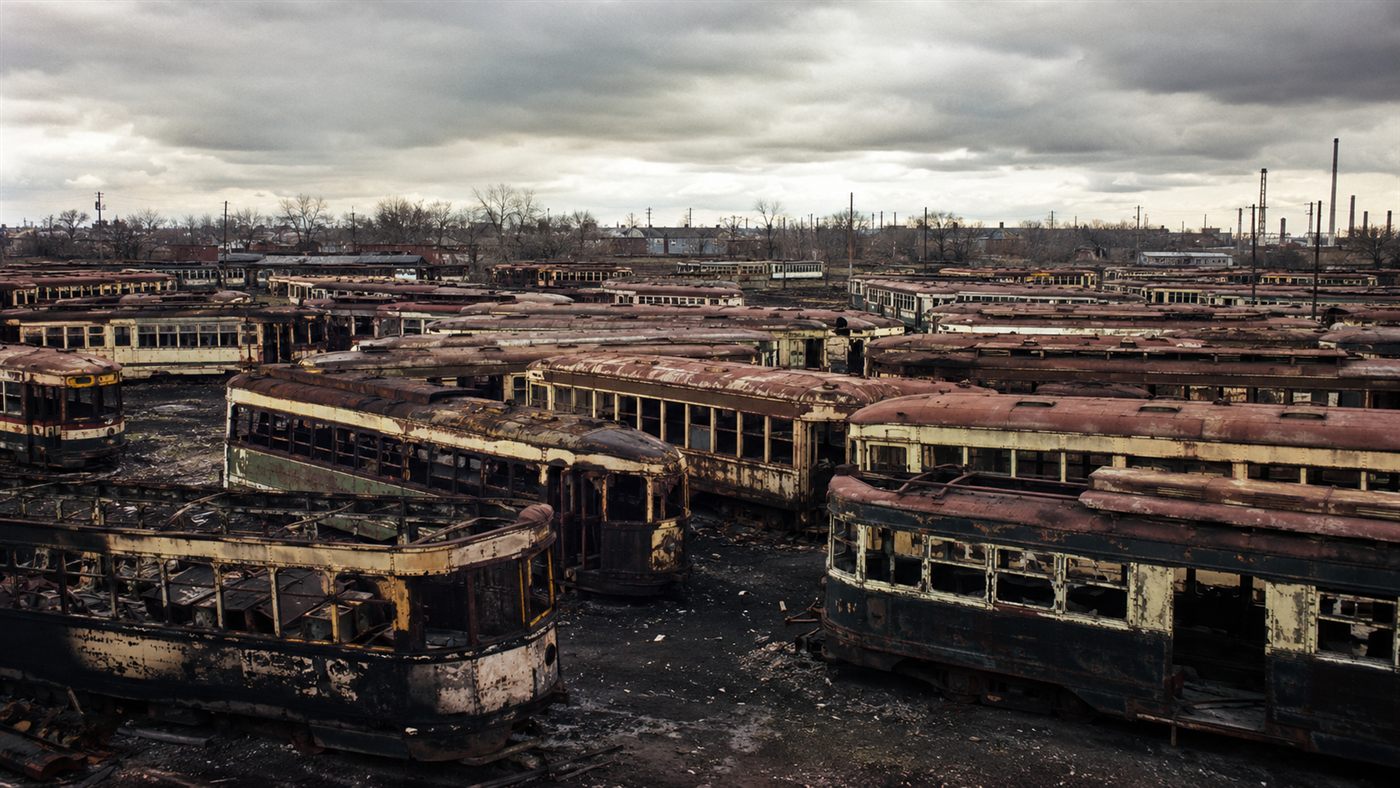
Hundreds of city streetcars met the torch and the scrapyard in the 1940s and 1950s. Illustration: Watts & Wild.
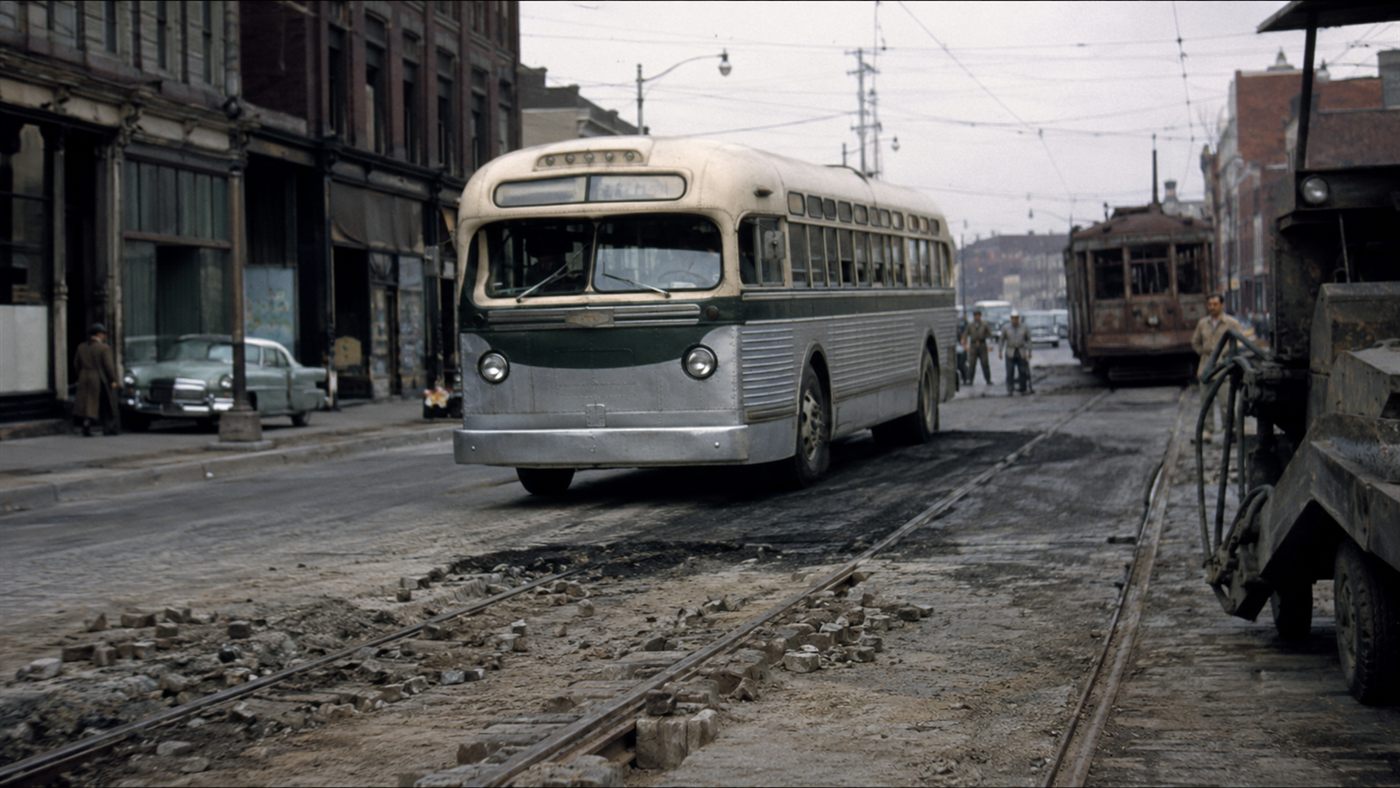
The streetcar conspiracy is the rare piece of history that feels too tidy to be true: the car company that gained most from the death of public transit also helped bury it. Between the late 1930s and 1950, a holding company called National City Lines, bankrolled by General Motors and a handful of oil and tire giants, bought up dozens of America's electric streetcars systems and swapped the quiet electric trains for diesel buses.
In April 1947 a federal grand jury indicted them, and by 1949 a court in Chicago had convicted General Motors, Firestone, Standard Oil of California and Phillips Petroleum of conspiracy. As CityLab's Eric Jaffe has written, that single verdict is the seed of the streetcar conspiracy as most people know it. The punishment, as you will see, did not come close to matching the legend.
What was the streetcar conspiracy? Between 1938 and 1950, National City Lines, funded by General Motors, Firestone and Standard Oil of California, bought roughly 25 American transit systems and replaced electric streetcars with buses. The firms were convicted in 1949 of monopolizing the sale of buses, tires and fuel, not of destroying the streetcars themselves.
When electric streetcars ruled the American city
It is hard to picture now, but the United States once ran on rails inside its own cities. By the 1920s nearly every town of any size had electric streetcars humming down the main street, and the network reached into corners of daily life that buses and cars never quite recovered. People lived where the line went. Suburbs grew like beads strung along the tracks.
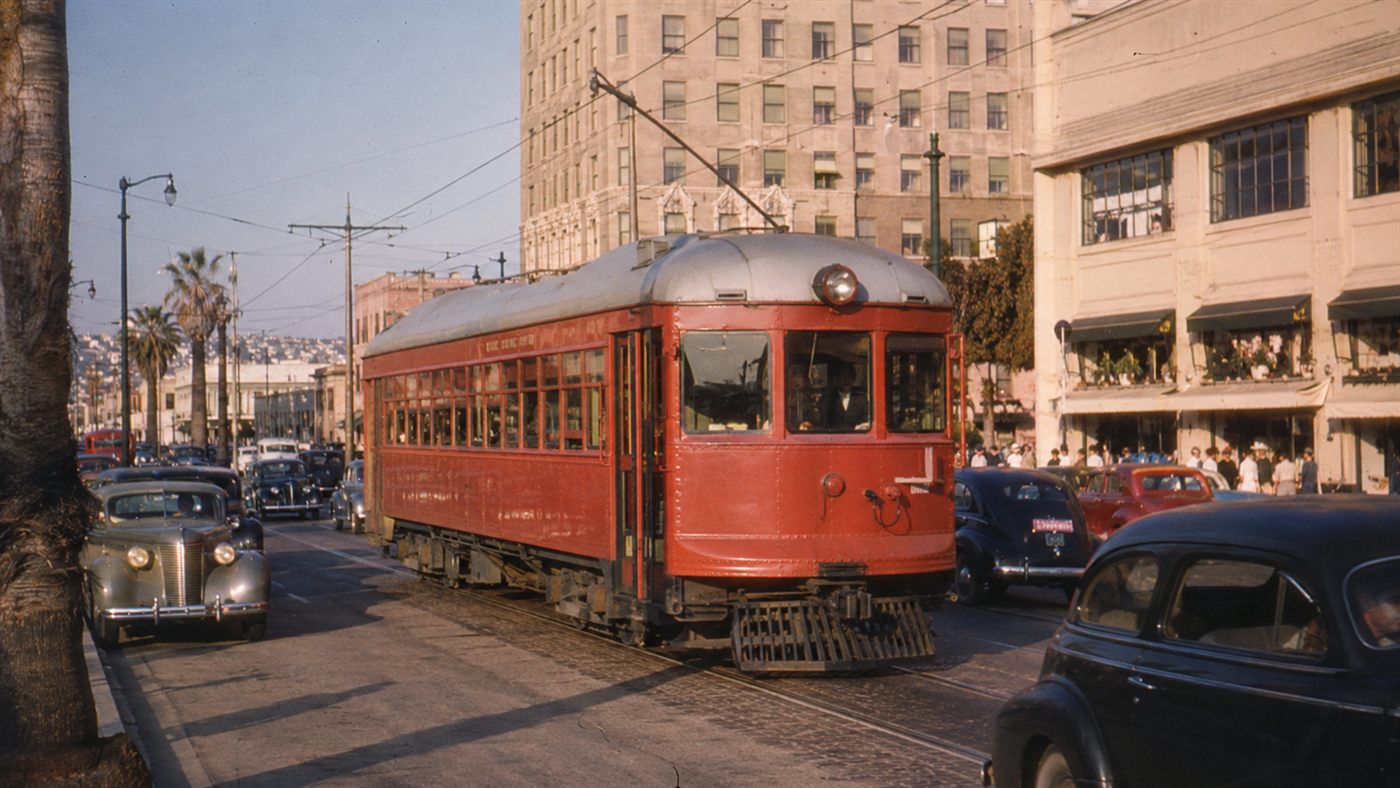
Nowhere showed it off like Los Angeles. The Pacific Electric system, its famous Red Cars, was often described as the largest electric railway on earth, with more than a thousand miles of track fanning out from downtown to the beaches and the orange groves. At its peak the Pacific Electric moved millions of riders a year. The city that would become the global symbol of the automobile was, for a generation, a streetcar town. That is the world the streetcar conspiracy story says was stolen, and it really did vanish with startling speed.
Who was behind National City Lines
National City Lines looked, on paper, like an ordinary transit operator. It was anything but. Founded by the Fitzgerald brothers in Minnesota, it grew into a holding company quietly funded by the very industries that stood to profit if cities stopped running on electricity: General Motors sold the buses, Firestone the tires, Standard Oil of California and Phillips Petroleum the fuel. Between 1938 and 1950, National City Lines and its sister firms took control of transit in around 25 cities, from St. Louis and Baltimore to Oakland and Los Angeles.
The man who first smelled something wrong was Edwin Quinby, a retired naval lieutenant commander who in 1946 self-published a 24-page exposé tracing the web of ownership behind National City Lines. He warned, in capital letters, of "a careful, deliberately planned campaign" to swindle American cities out of their electric streetcars. His pamphlet helped trigger the federal case, and decades later the lawyer Bradford Snell carried the same charge into a 1974 Senate hearing, arguing that General Motors had behaved like "a sovereign economic state" bent on replacing rail with rubber.
What General Motors was actually convicted of
Here is where the legend and the court record part ways. The 1949 jury did convict General Motors, Firestone, Standard Oil of California and Phillips Petroleum, but of a narrow crime: conspiring to monopolize the sale of buses and supplies to the companies National City Lines controlled. They were acquitted of the charge that actually matters to the myth, conspiring to monopolize the transit business itself.
The penalty made the point even sharper. According to the court record summarized by Wikipedia, General Motors was fined 5,000 dollars, the equivalent of a rounding error even in 1949, and the company's treasurer, H.C. Grossman, was personally fined exactly one dollar. The trial judge admitted he might not have convicted at all without a jury. If this was the crime of the century against the electric streetcars, the sentence was a parking ticket.
Did General Motors really kill the streetcars?
Mostly, no, and this is the part the bumper-sticker version leaves out. By the time National City Lines arrived, most streetcar companies were already drowning. Many were privately owned utilities forced by old contracts to hold the fare at a nickel for decades while inflation ate them alive. They were obliged to pave and maintain the road around their own tracks, a gift to the cars that were starting to crowd them out.
And crowd them out the cars did. As Planetizen has summarized from reporting by Joseph Stromberg, once even ten percent of people were driving, automobiles clogged the shared tracks and the streetcars could no longer keep their schedules. Add federal money pouring into highways, cheap suburban land, and buses that could simply steer around a stalled car, and the electric streetcar was in deep trouble before any executive in Detroit drew up a plan. General Motors did not invent that decline. It read the room, and positioned itself to profit from a collapse that was coming anyway.
The honest catch
None of this means General Motors was innocent. A jury did convict the company, the conflict of interest was real and ugly, and on individual lines National City Lines clearly hurried the buses in and the rails out faster than passengers wanted. The truth sits in the uncomfortable middle: there was a genuine conspiracy, just a smaller and more cynical one than the myth, a scheme to corner the bus and fuel market rather than a grand plot to murder transit. The streetcar conspiracy is neither pure paranoia nor proven villainy, and historians like Cliff Slater have spent careers arguing the streetcars were doomed with or without it. Even the mighty Pacific Electric had been bleeding money for years before any of it.
Why the streetcar conspiracy still matters
The strangest twist is happening right now. The same American cities that ripped out their electric streetcars are spending billions to lay new ones. The modern light rail revival began with the San Diego Trolley in 1981, and today Los Angeles, Dallas and Portland each run more than a hundred kilometers of light rail, much of it shadowing the old Pacific Electric and streetcar corridors their grandparents tore up. Cities are quite literally rebuilding what they once paid to destroy.
That is why the streetcar conspiracy refuses to die, from the cartoon plot in Who Framed Roger Rabbit to every transit argument on the internet. It is a story about how easily a country can lose good infrastructure, not to one villain in a boardroom but to a thousand small decisions, bad incentives and the simple seduction of the open road. The General Motors case is the part we can put on trial. The harder truth is that we did most of it to ourselves.
For all the talk of a single villain, the death of the electric streetcars was a slow, shared, very American failure, and now we are paying to undo it. Should General Motors still wear the blame, or did we hand over our streetcars willingly? Tell us what you think in the comments.
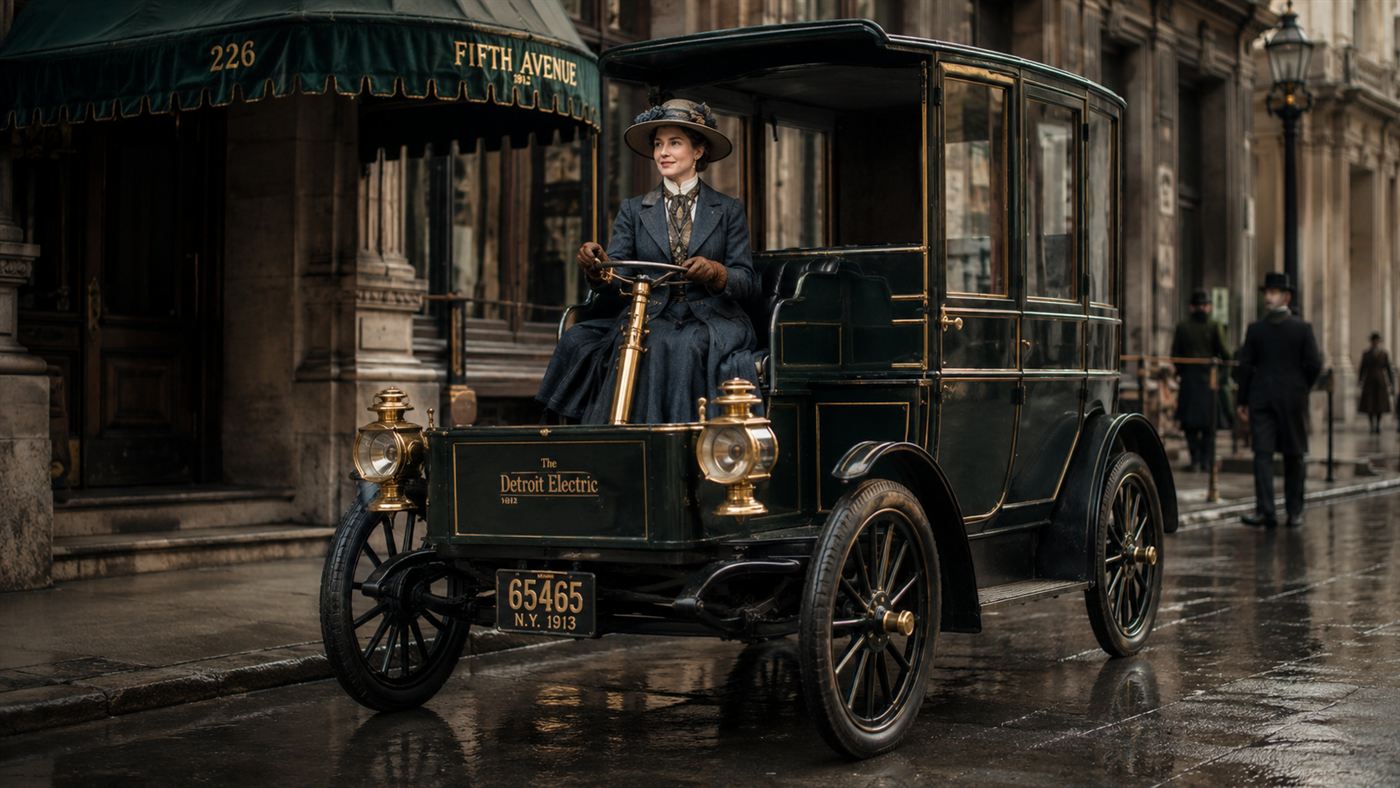
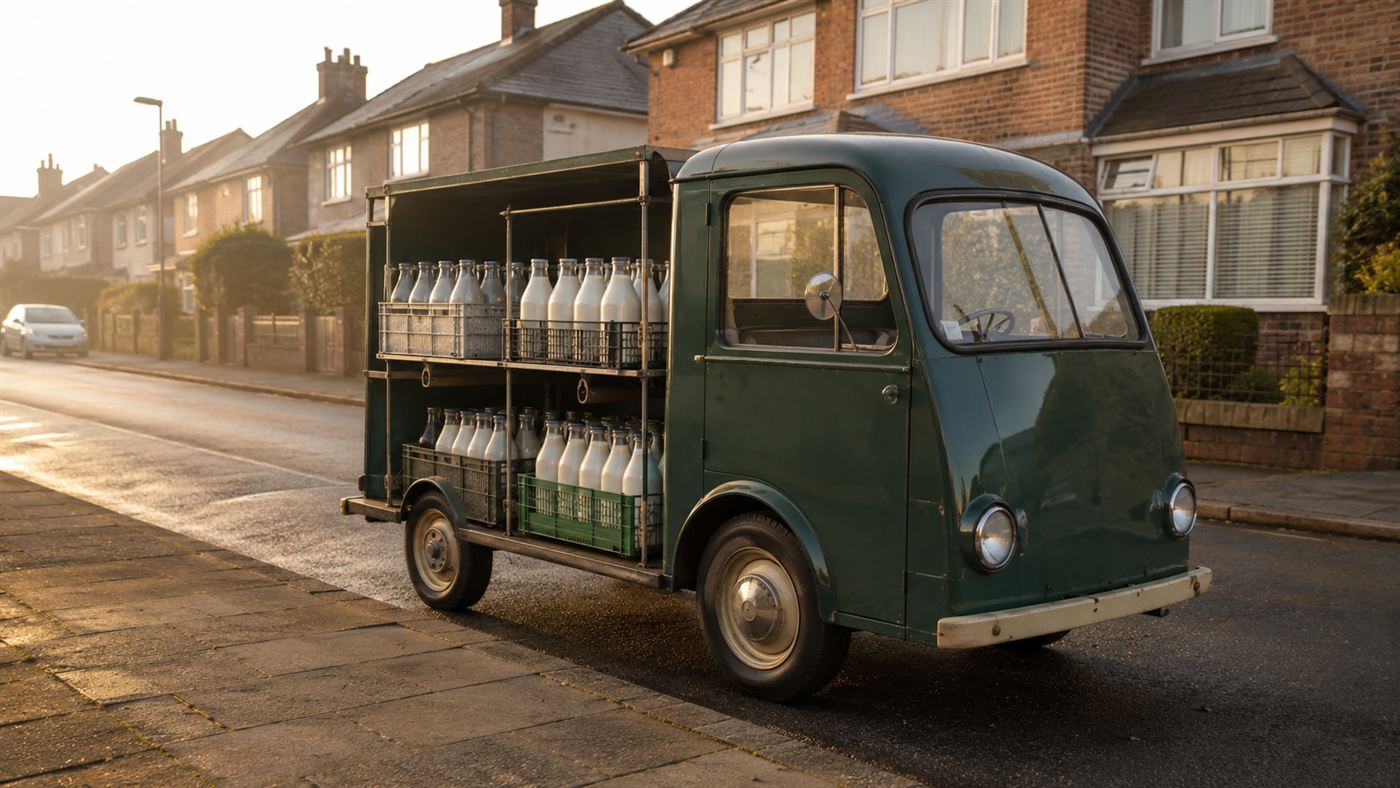
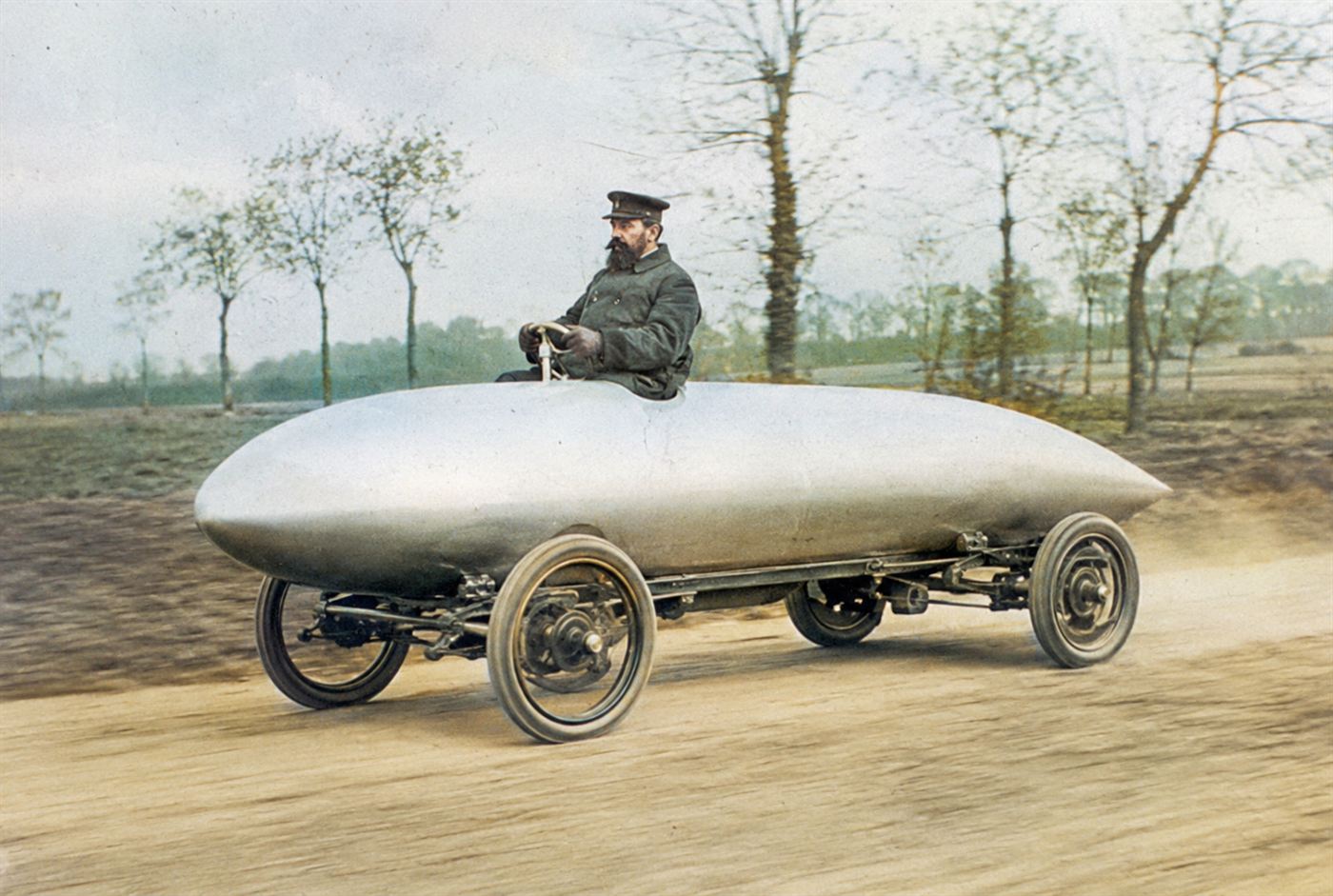
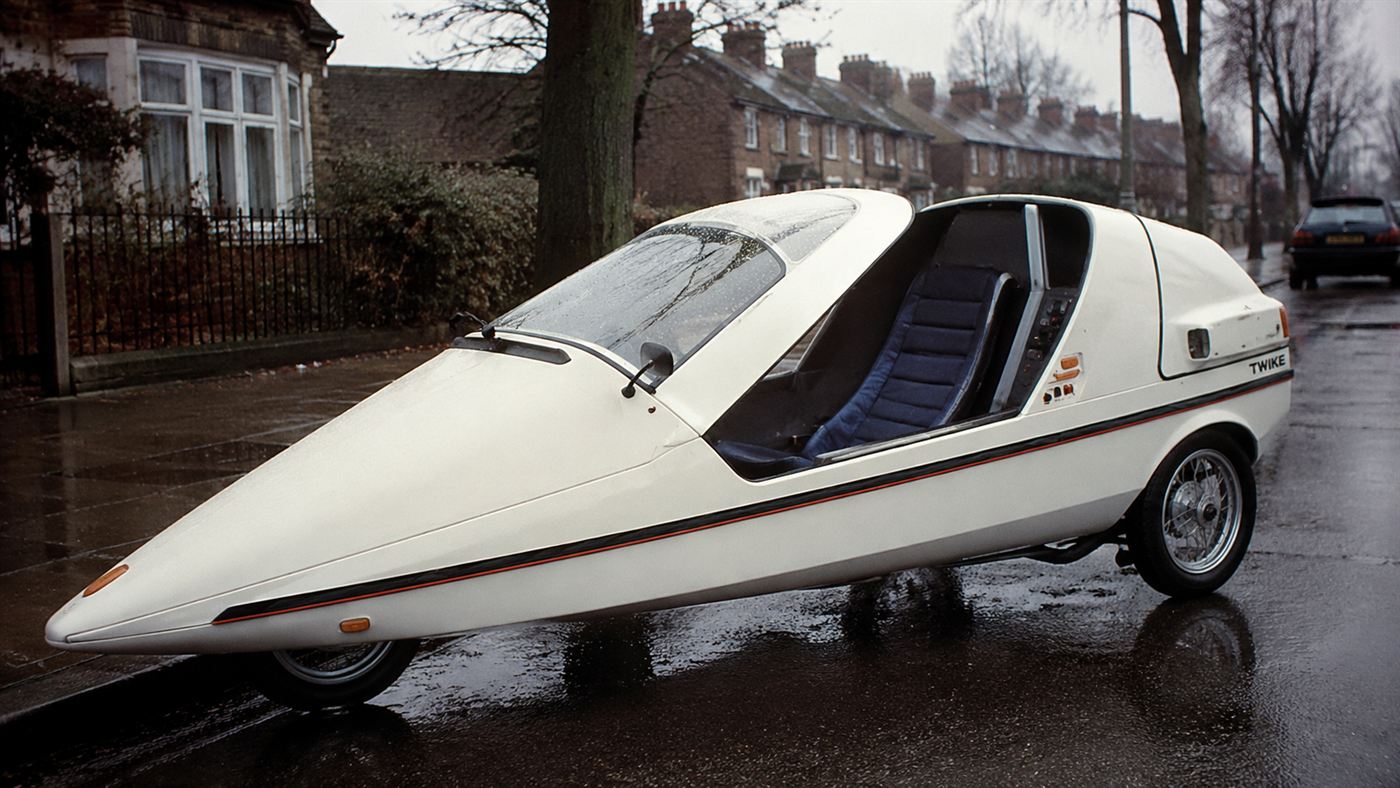
Related reading: we once had an age of the electric car too, and then we lost it, and Britain quietly ran the world's biggest fleet of electric milk floats long before Tesla. For the speed end of the story, see the electric car that first broke 100 km/h in 1899, and for a flop that became a cult, the Sinclair C5.