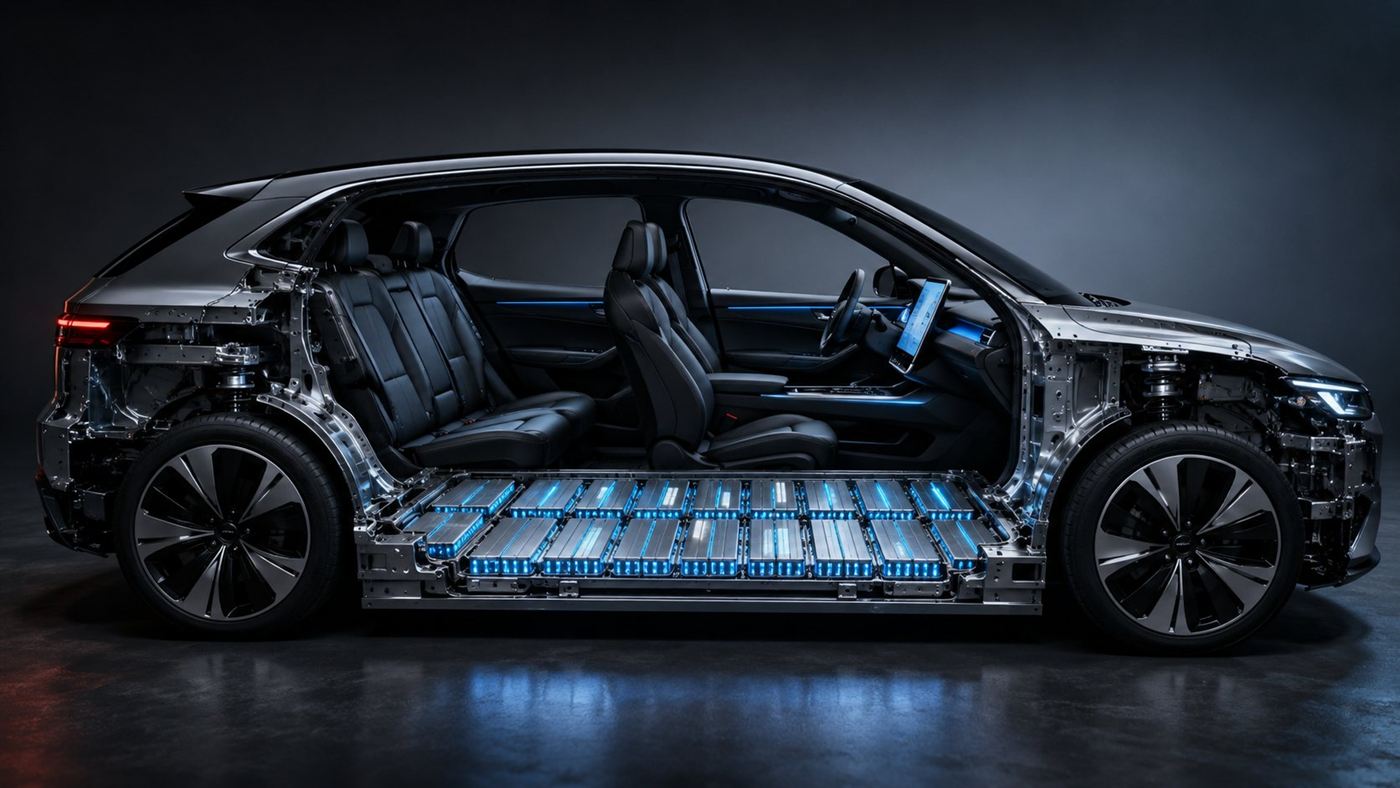
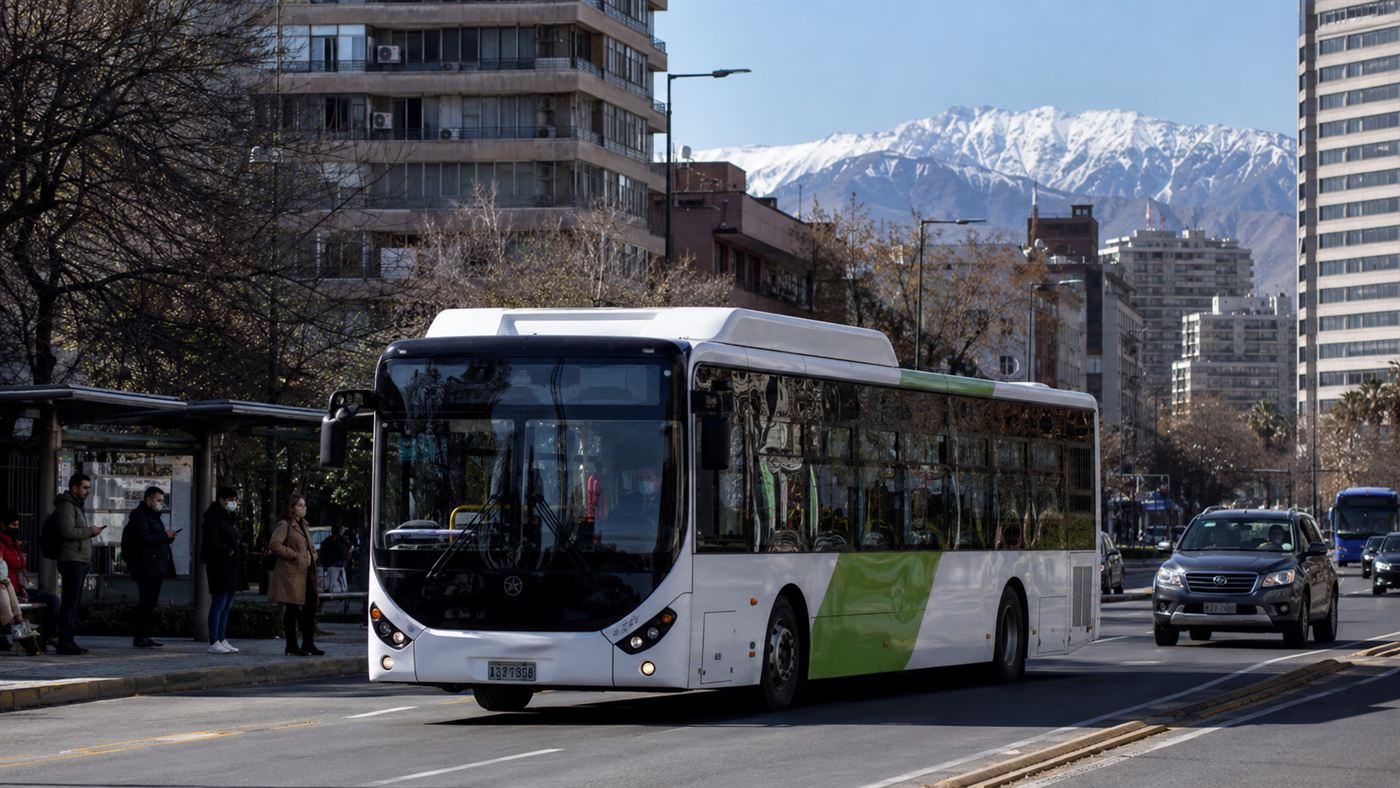
The country that got rich pumping oil now barely sells a petrol car, as 96 percent of Norway's new vehicles went electric while it keeps exporting the fuel it will not burn at home
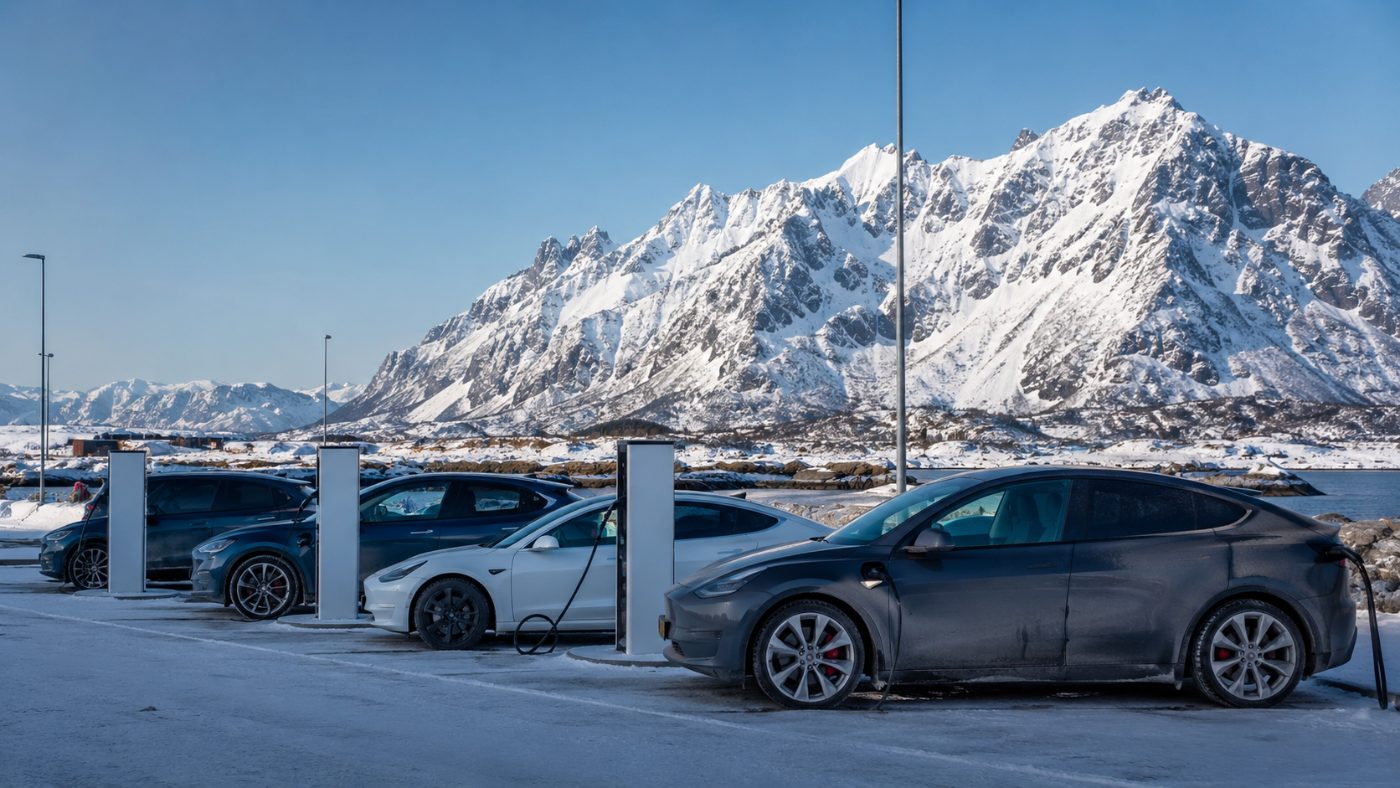
In most of the world, the all-electric car still feels like the future. For the Norway electric car buyer it is already the present: almost every new car sold is electric, and petrol cars are vanishing from the roads. The strangest part is who paid for it, and where their money comes from.
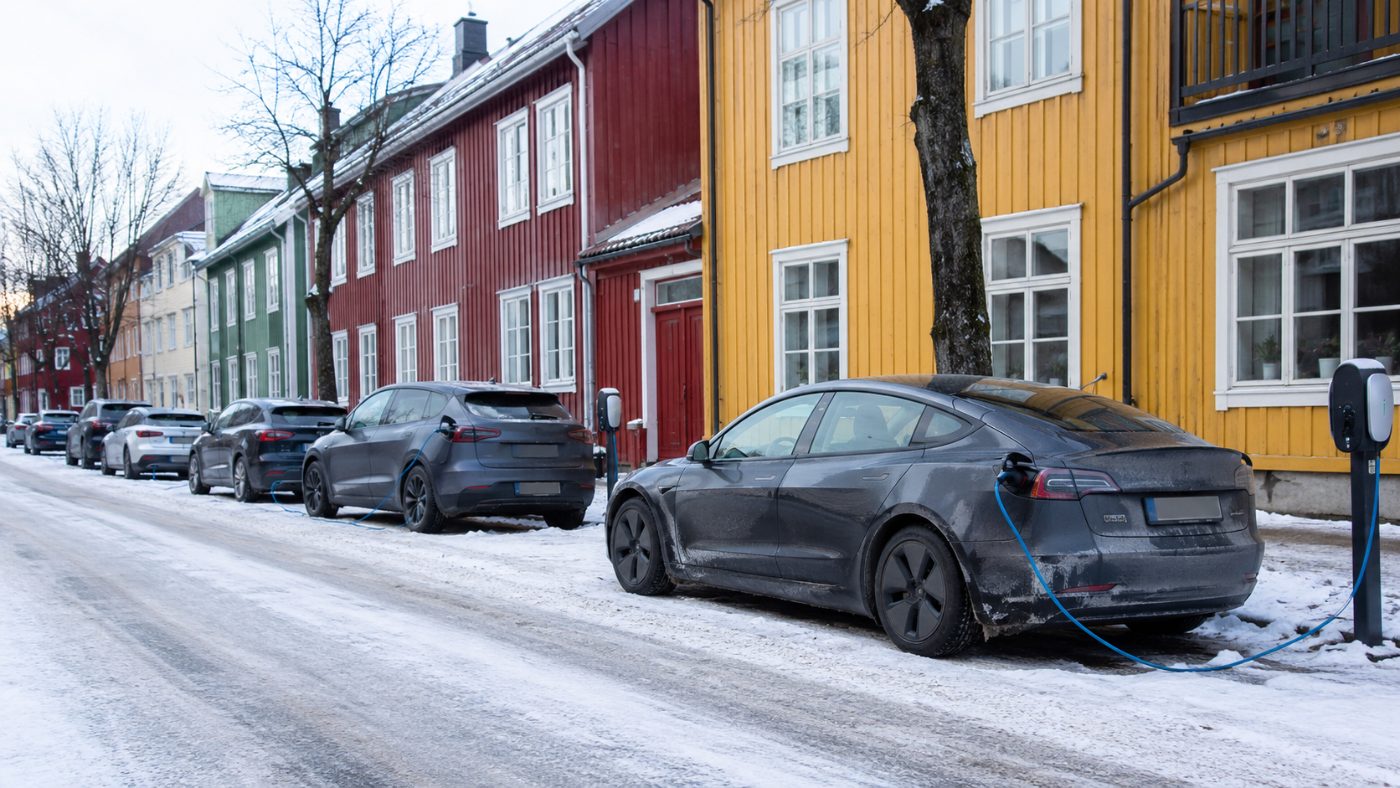
In Norway the electric car is no longer the future, it is simply the normal car. Illustration: Watts & Wild.
In December 2025, something quietly historic happened on Norway's roads. As CNBC reported, 96 percent of all new cars sold in Norway across the year were fully electric, and in December alone the figure touched 98 percent. There are now more electric cars than petrol ones driving around the country. In Norway, the petrol car is basically finished.
What makes that remarkable is who Norway is. This is not a nation that hates oil. It is one of the planet's biggest fossil-fuel exporters, the seventh-largest seller of crude and a top supplier of gas to Europe, and it has grown fabulously rich doing it. The uncomfortable twist is that the very subsidies that filled Norway's roads with electric cars were paid for with the profits of selling oil and gas to everyone else. A petroleum superpower has all but banished petrol from its own streets.
How the Norway electric car took over
Norway did not get here by accident. Back in 2017 it set a target that every new passenger car sold by 2025 would be zero-emission, and then it bent the entire market to make that happen. For more than a decade, buying electric was made almost irresistible: no purchase tax, no value-added tax on most of the price, free or cheap tolls, parking and ferry crossings, and even permission to use the bus lanes. At the same time, petrol and diesel cars were taxed hard.
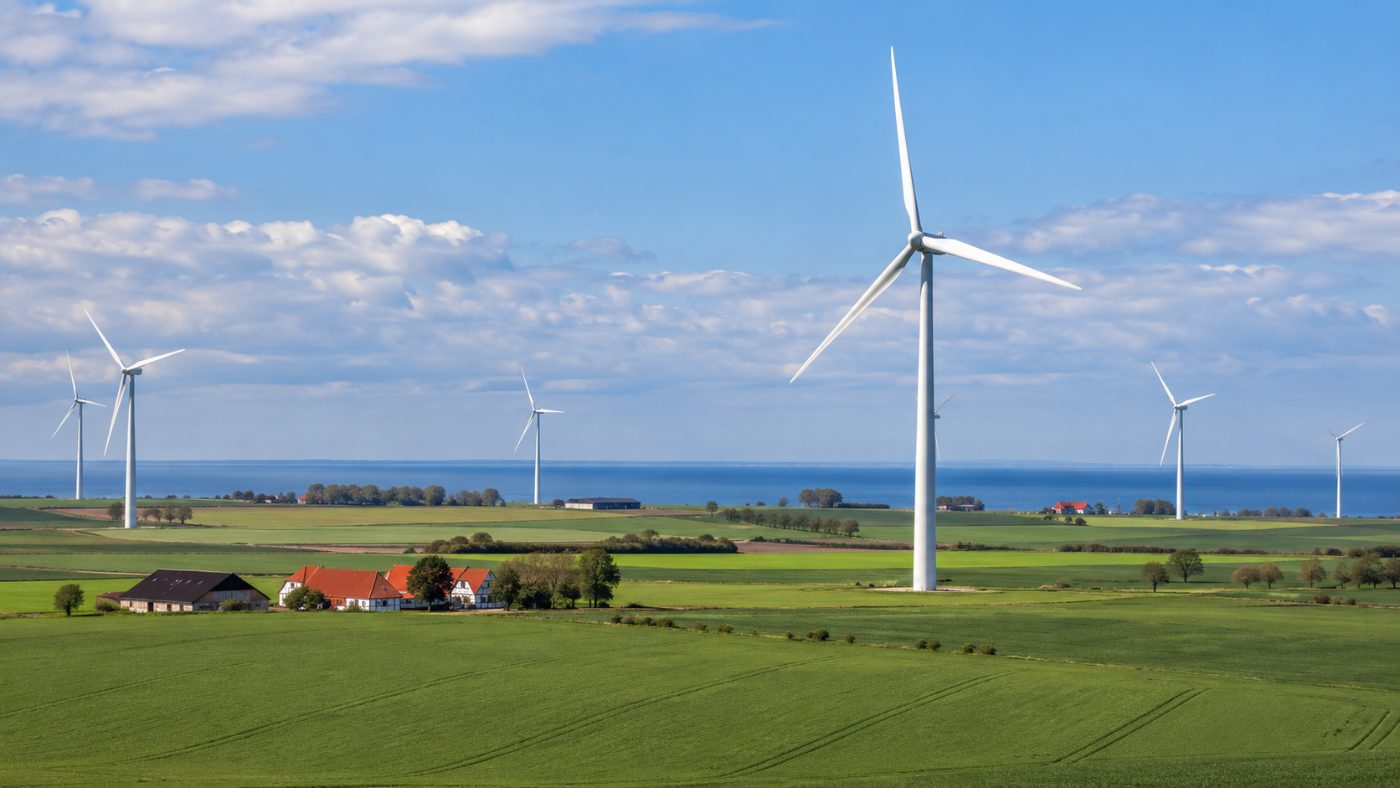
There was a second advantage that money cannot buy elsewhere. Around 90 percent of Norway's electricity comes from hydropower, so charging an electric car there is both clean and cheap. The carrot, the stick and a green grid all pointed the same way, and a famously practical population simply followed the cheaper, easier option until the petrol car had nowhere left to go.
The oil that pays for the electricity
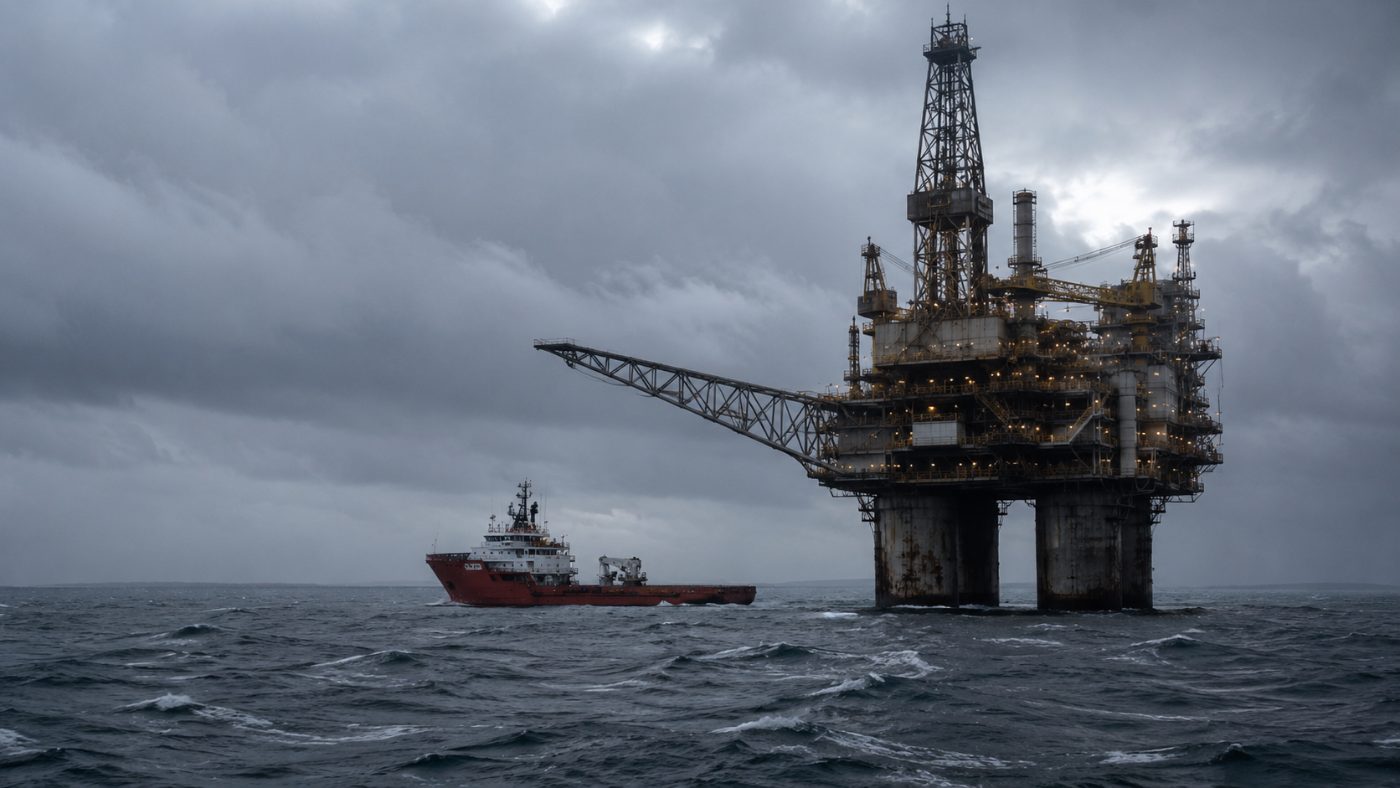
Here is the paradox at the centre of the whole story. Norway's wealth, including a sovereign fund worth well over a trillion dollars, was built on oil and gas, and roughly half of its export earnings still come from petroleum. It uses that fossil-fuel money to subsidise its own clean transition, while continuing to drill, pump and sell, recently even handing out dozens of new offshore exploration licences.
So Norway scrubs the exhaust from its own cities while supplying the fuel that smokes out everyone else's. "It is clearly a paradox," Bard Lahn, a researcher at the University of Oslo, told reporters, in what may be the understatement of the energy transition. The country is, at the same time, a poster child for going electric and one of the engines of the fossil economy it is supposedly leaving behind.
Mission accomplished, now take away the carrots
In late 2025, with the target essentially met, Norway's government declared the job done and started dismantling the very incentives that did it. As Electrek reported, the value-added-tax exemption on electric cars is being wound down, falling from around 500,000 kroner of a car's price to 300,000 in 2026, then 150,000 in 2027, before disappearing in 2028. The breaks had been costing the state on the order of 17.5 billion kroner a year, effectively public money spent on private cars.
Not everyone thinks the carrots should go so fast. Christina Bu, who leads the Norwegian EV Association, has warned that the car market is extremely sensitive to tax changes and that pulling support too quickly could stall or even reverse the progress. Going electric, it turns out, may be easier to start than to stop subsidising.
The honest catch: hard to copy, and easy to overstate
It is tempting to hold Norway up as the country that solved the electric car, but the picture is more complicated than that. The switch ran on tax breaks worth tens of thousands of dollars per vehicle, paid for by oil wealth most nations do not have, in a small and rich country with a grid that is almost entirely hydropower. Most places can neither afford the giveaway nor charge their cars as cleanly.
And then there is the elephant in the fjord. The carbon Norway saves by electrifying its own driving is small beside the carbon locked inside the oil and gas it sells abroad for others to burn. Cleaning your own driveway while supplying the world's fuel is a genuine win at home and a real moral tangle everywhere else, and critics are right to call it out. Norway has proven something powerful about electric cars, and dodged a much bigger question about everything else it sells.
Strip away the paradox and Norway is still the clearest proof yet that an entire car market can flip to electric, and fast, once the price and the convenience tip far enough. The lesson is not to copy Norway's oil budget but its arithmetic: people switch when electric is plainly the cheaper, easier choice. If your government took away every electric-car tax break tomorrow, would you still buy one, or does the petrol car only really die when the green one is just cheaper? Tell us what you think in the comments.
Related reading: An EV battery loses only 2.3 percent of capacity a year across 22,700 real cars, so it still holds more than 80 percent after eight years on the road.