A man stopped on a Detroit bridge to crank a stranger's stalled car, the handle kicked back and killed him, and his death pushed Cadillac to build the electric starter that doomed the hand crank
Before the push button, starting a car meant grabbing a heavy iron handle and heaving. Do it wrong and the engine could kick back hard enough to break the bones in your arm or your face. One such accident in Detroit ended a man's life, and it set off the chain of events that put a small electric motor under the hood of every car you have ever driven.
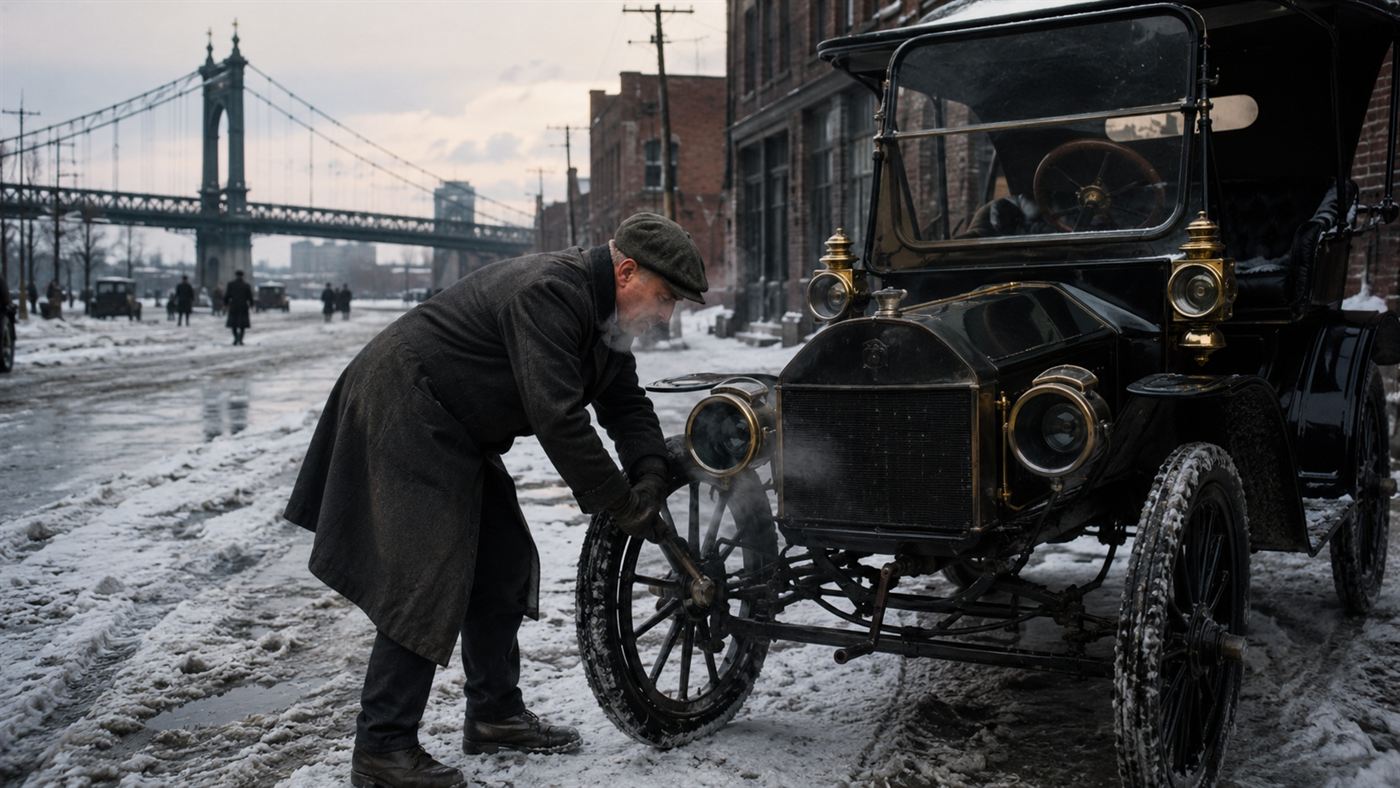
Cranking a car by hand in 1910 was heavy, cold, and genuinely dangerous work. Illustration: Watts & Wild.
Sometime in the winter around 1910, an automaker named Byron Carter was driving over a bridge to Belle Isle, the island park in the Detroit River, when he came upon a woman stranded in a stalled car. Being the gallant sort, he stepped out to crank the engine for her. The crank kicked back, whipped the heavy handle around, and smashed him in the jaw.
The broken jaw seemed survivable. The infection that followed was not. Byron Carter died of the complications, and his death landed hard on a man who happened to run the company whose car he had been cranking. That man was Henry Leland, the exacting founder of Cadillac, and he decided that no one should ever have to risk their life just to start a car again. The answer he demanded became the electric starter.
The short version: a fatal hand crank accident pushed Cadillac's Henry Leland to hire engineer Charles Kettering, who in 1911 built a small electric starter motor that spun the engine to life at the push of a button. It debuted on the 1912 Cadillac, ended the dangerous crank, and helped gasoline cars win.
Why the hand crank was so dangerous
To start an early engine you set the spark, walked to the front of the car, gripped the crank handle, and spun the whole engine over by muscle alone. If the engine fired at the wrong instant, it could spin the crank backward faster than any person could let go. The handle became a spinning club. Broken thumbs and wrists were common, and a sharp kickback could shatter a forearm or a jaw.
It was also a barrier that kept a lot of people out of the driver's seat entirely. The strength and knack the crank demanded meant many people simply could not start a car on their own, which is one reason the quiet, crank-free electric cars of the era were marketed so heavily to women. The crank was not a minor annoyance. It was the single most hated part of owning an automobile.
How Charles Kettering solved it
Leland turned to Charles Kettering, a restless inventor who had already electrified the cash register at his previous job. Everyone knew an electric motor could spin an engine. The problem was that a motor strong enough to do it seemed far too big and heavy to carry around. Kettering's insight was that the motor only had to work for a couple of seconds at a time, so it could be pushed far past its rated load for that brief burst without burning out.
Even better, the same machine could do two jobs. Once the engine was running, Kettering's device stopped being a motor and became a generator, spinning backward to recharge the battery it had just drained. That combined starter-generator, developed at his Dayton Engineering Laboratories Company, or Delco, is the direct ancestor of the electric starter and alternator in your car right now.
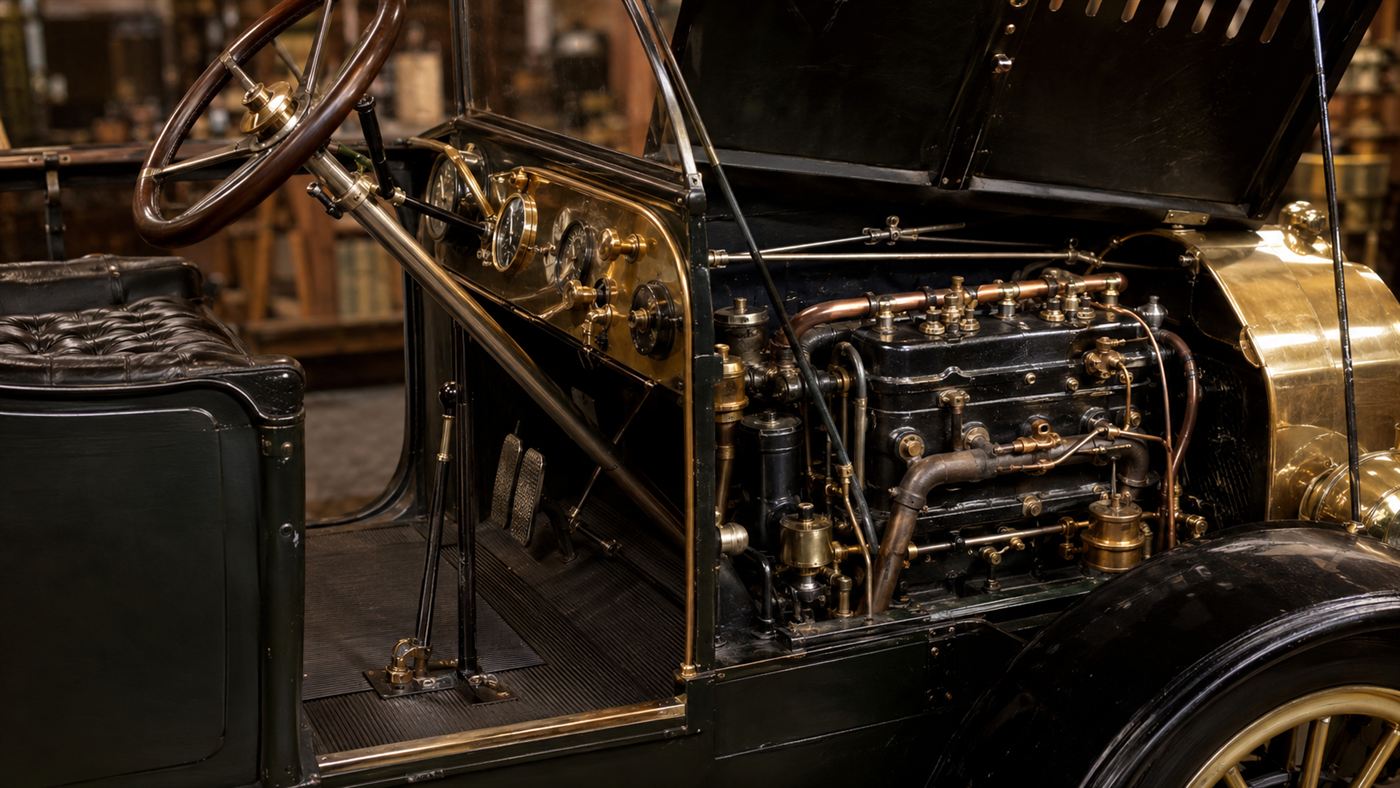
The 1912 Cadillac that changed everything
Cadillac put the system into its 1912 Cadillac Model Thirty, and the effect was immediate. Drivers could now sit down, press a control, and have the engine catch on its own. The industry noticed at once, and within a few years the electric starter spread from a luxury feature to something buyers expected on almost every new car.
The recognition was formal, too. As Hagerty recounts in its history of Kettering, the innovation helped Cadillac win Britain's prestigious Dewar Trophy, and it made Kettering one of the most important engineers in the young car business. The patent for the starting system followed a few years after the first cars hit the road, as This Day in Automotive History notes in its record of the filing.
Did an electric motor really kill the electric car?
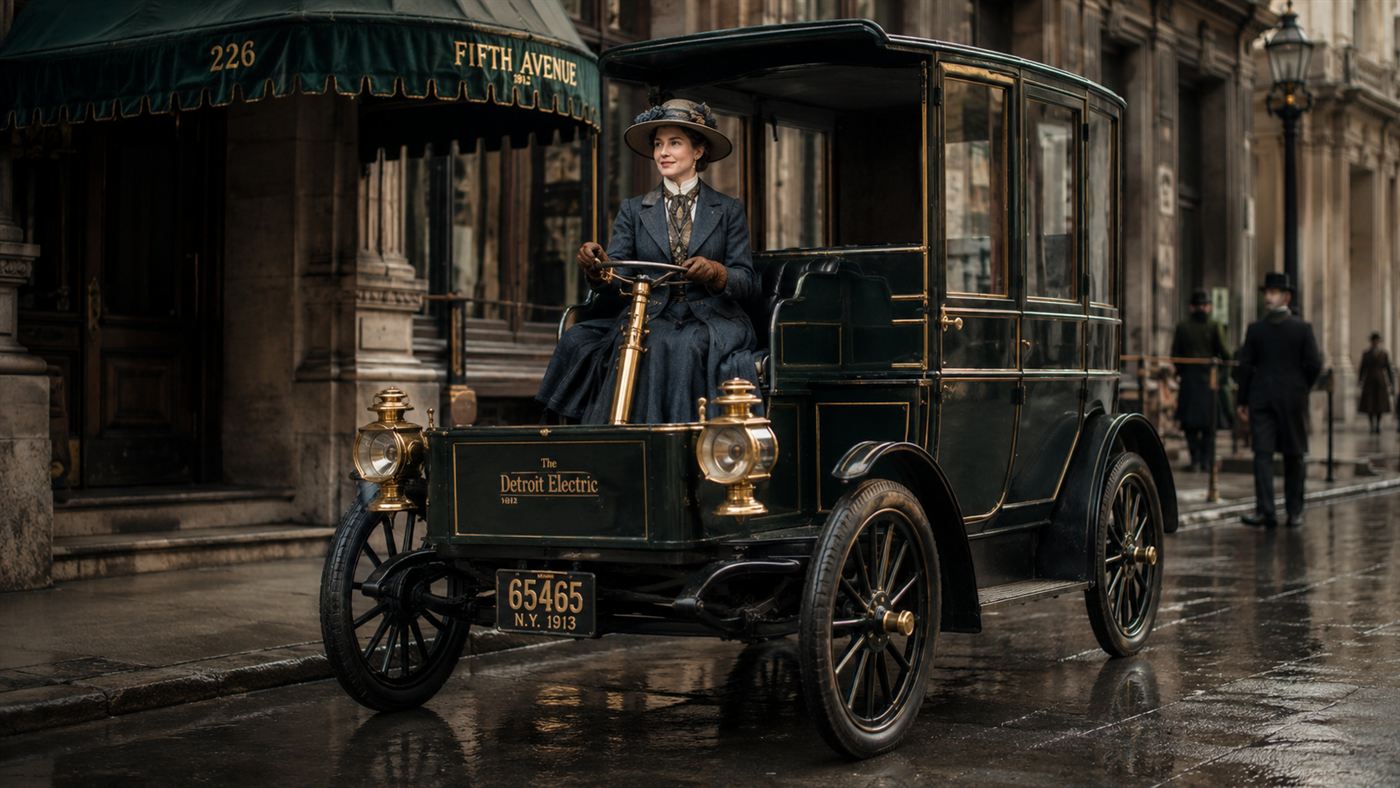
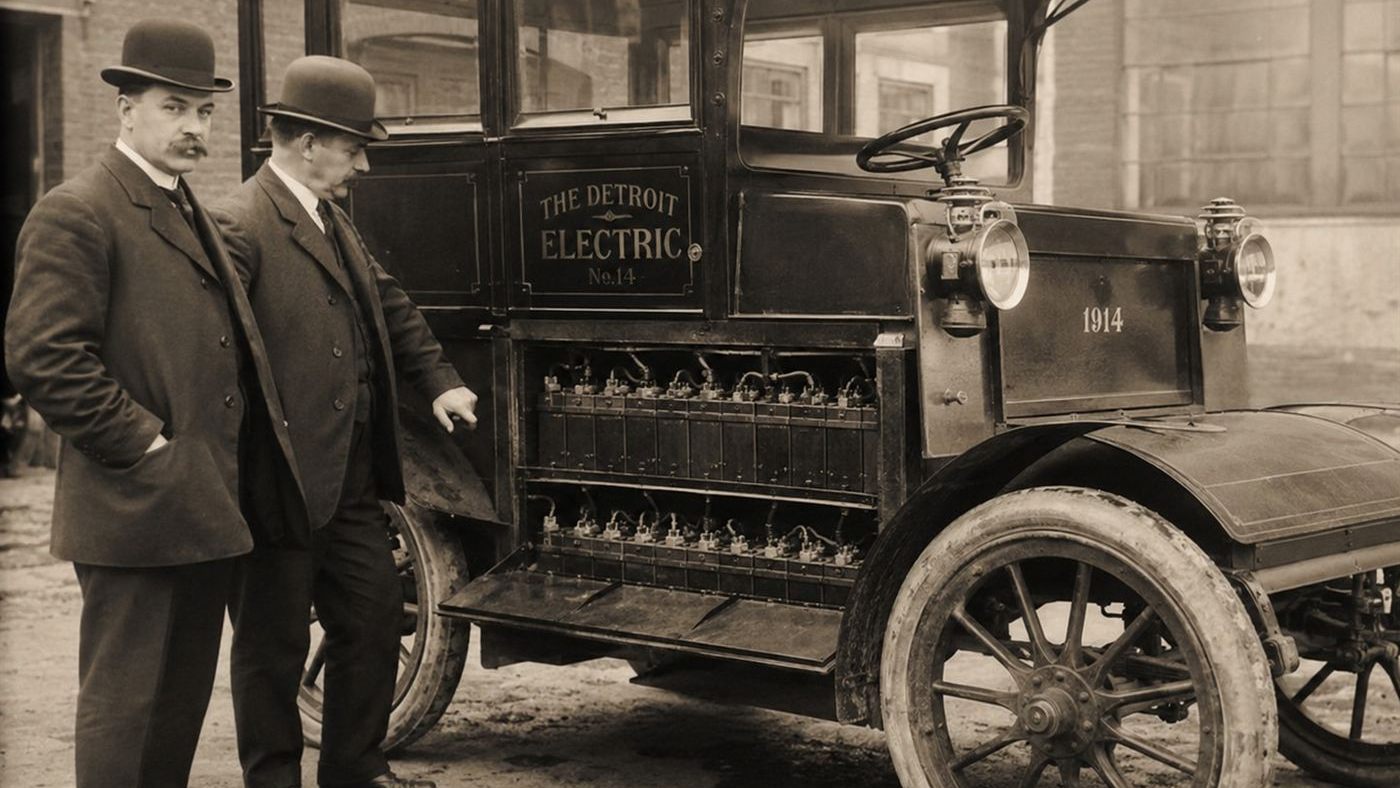
Here is the irony that makes the story worth telling. Around 1910, electric cars were genuinely competitive with gasoline. They were clean, quiet, and easy to start, and their single biggest selling point was that they needed no brutal hand crank at all. That was the advantage that kept many buyers, especially women, loyal to battery power.
Then the electric starter erased that advantage overnight. Once a gasoline car could be started as easily as an electric one, the electric car's short range and long charging times had nothing to hide behind. Cheap gasoline and Henry Ford's assembly line did the rest. The very technology that saved lives at the crank helped push the early electric car into a decades-long exile that only ended in our own century.
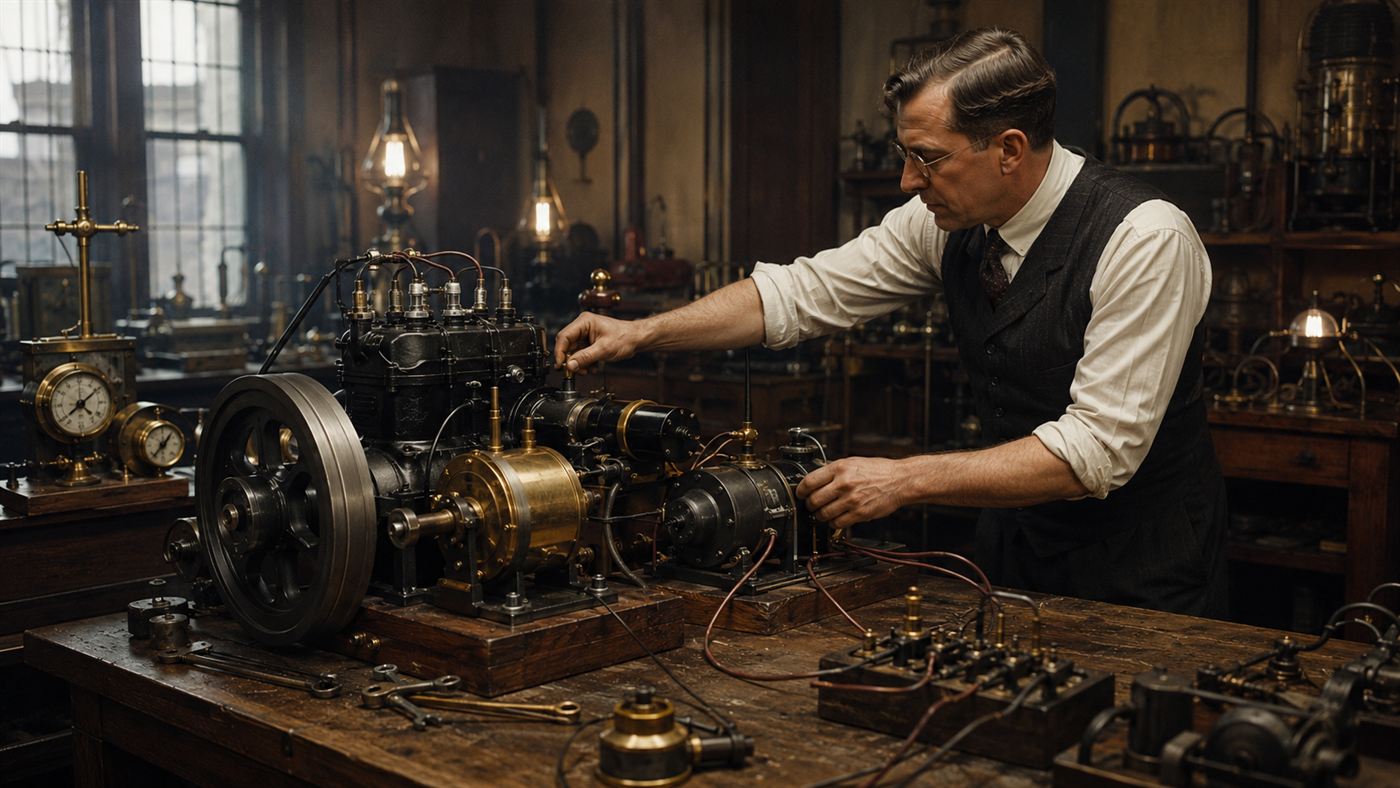
The honest catch
The tidy version of this tale should carry a warning label. Historians have long argued over the details, and some records place Byron Carter's death in 1908, which is hard to square with an accident often dated to 1910. As the Cartercar historical site lays out, the exact sequence and how directly the crank injury caused his death are genuinely uncertain. What is not in doubt is that dangerous crank injuries were real and common, that Leland backed the project, and that Kettering delivered.
It is also worth remembering that Kettering did not invent the idea of starting an engine with a motor. Others had tried and failed to make it practical. His achievement was making it small, reliable, and cheap enough to sell, which is a different and harder kind of genius than the lone flash of inspiration the legend prefers.
Why the electric starter still matters a century later
Every time you press a button or turn a key and your engine simply starts, you are using Kettering's idea. The humble electric starter is one of those inventions so complete that we forgot it was ever an invention at all. It turned the car from a machine for the strong and the mechanically brave into something almost anyone could use.
And there is a lesson buried in the irony. A single clever motor reshaped which technology won for the next hundred years, sending the electric car into the wilderness right as it was starting to thrive. As batteries finally bring those cars back, it is worth remembering how thin the line between winning and vanishing really was.
A death on a cold bridge, a grieving car boss, and a two-second burst of electricity together decided which cars we would drive for the next century. Do you think the world would look different today if the crank had stayed and the electric car had kept its edge? Tell us in the comments.
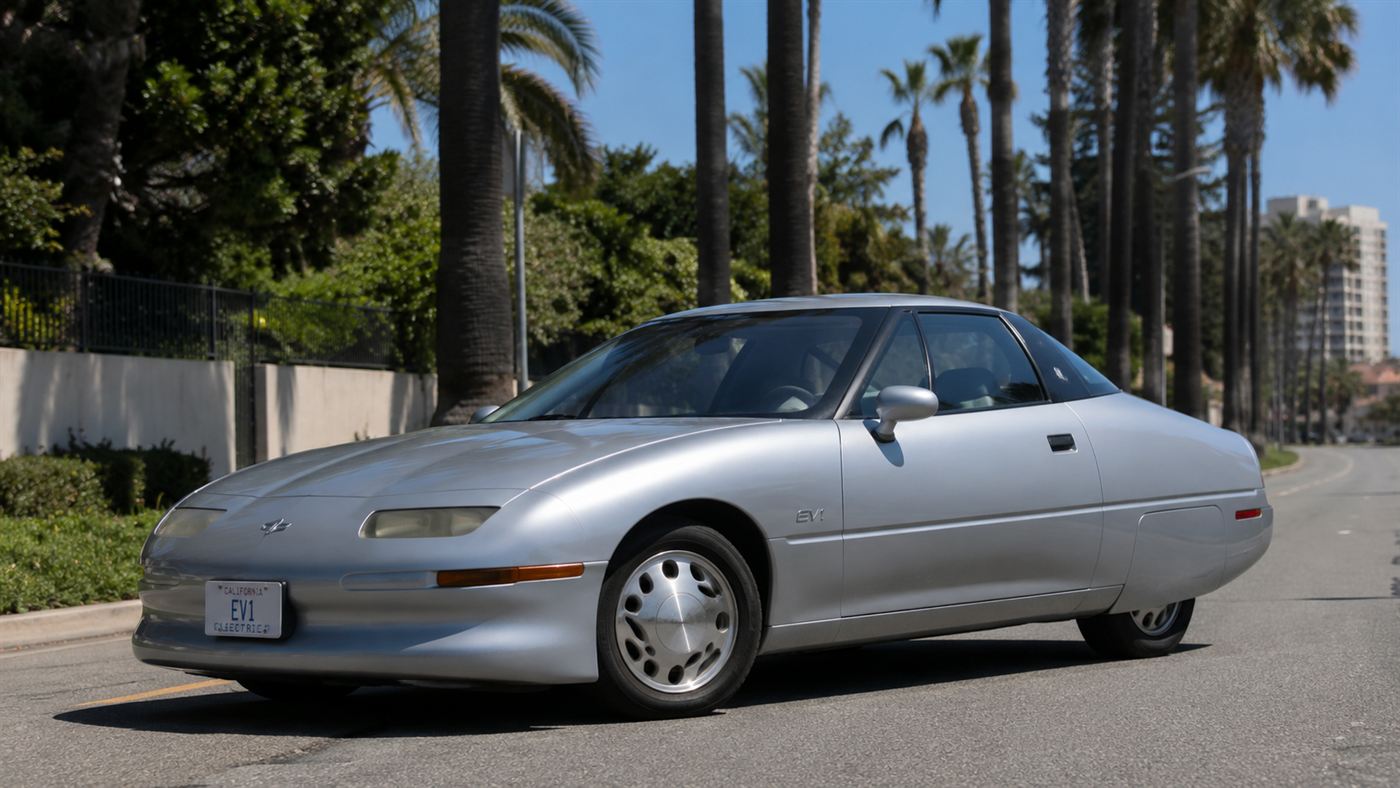
Related reading: the Detroit Electric and the forgotten golden age when battery cars ruled American streets. See also how General Motors built the EV1 and then crushed it in the desert.