In 1901 Greek sponge divers pulled a lump of bronze from a shipwreck off Antikythera, and it turned out to be a 2,000-year-old computer of gears that could predict eclipses
The Antikythera mechanism is the most baffling object to survive from the ancient world. Hauled from a shipwreck in 1901, this corroded box of bronze gears turned out to be a hand-cranked computer, built around 2,000 years ago to predict eclipses and chart the planets, with nothing like it for over a thousand years.
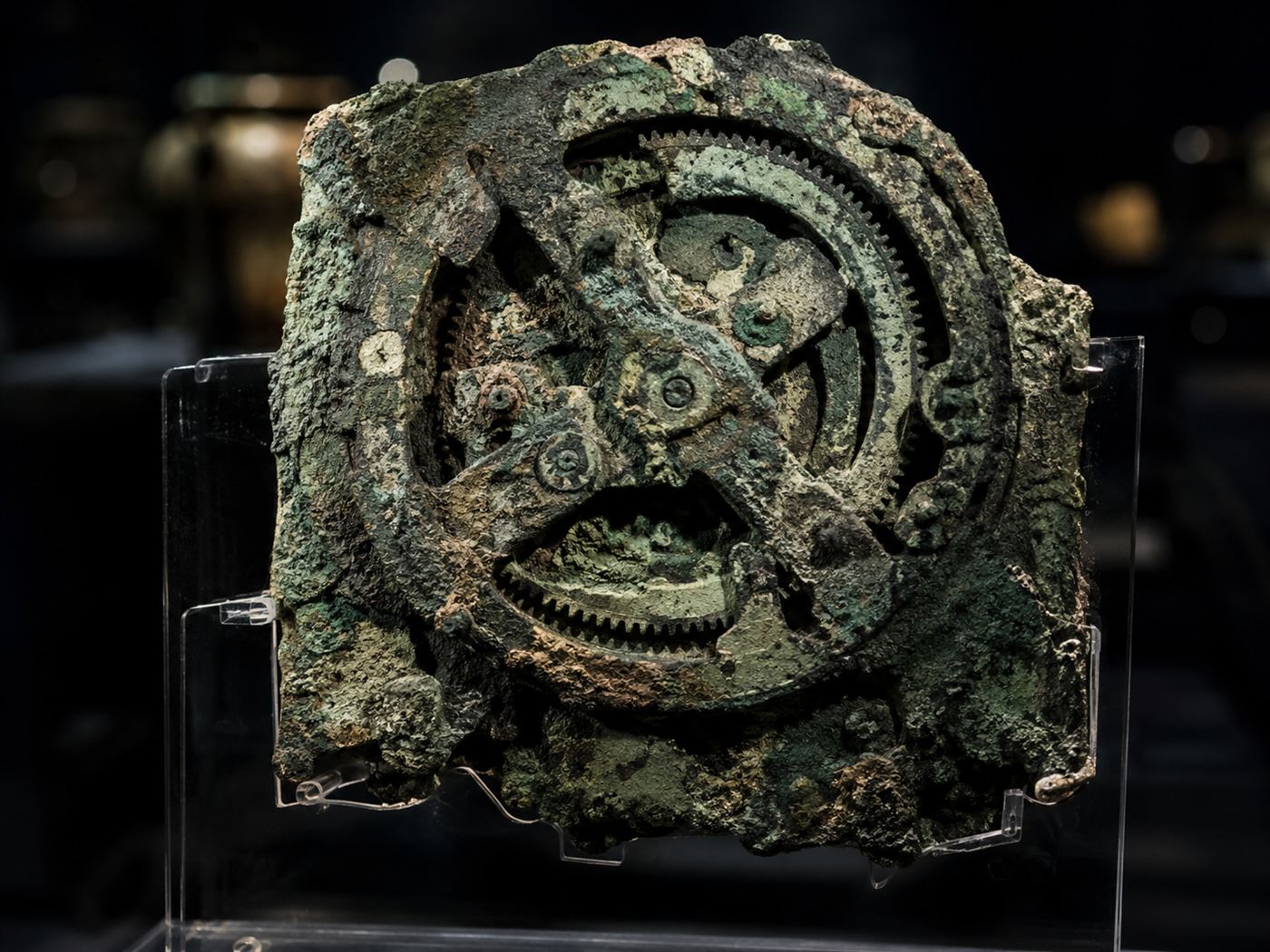
The corroded fragments of the Antikythera mechanism hide dozens of precision bronze gears. Illustration: Watts & Wild.
Antikythera is a speck of an island in the Greek sea, and in 1901 it gave up one of history's strangest objects. Sponge divers working a Roman-era shipwreck off its coast were hauling up bronze statues and treasure when they found, among the loot, an unremarkable corroded lump. It sat ignored for a while. It is now widely called the first computer ever built.
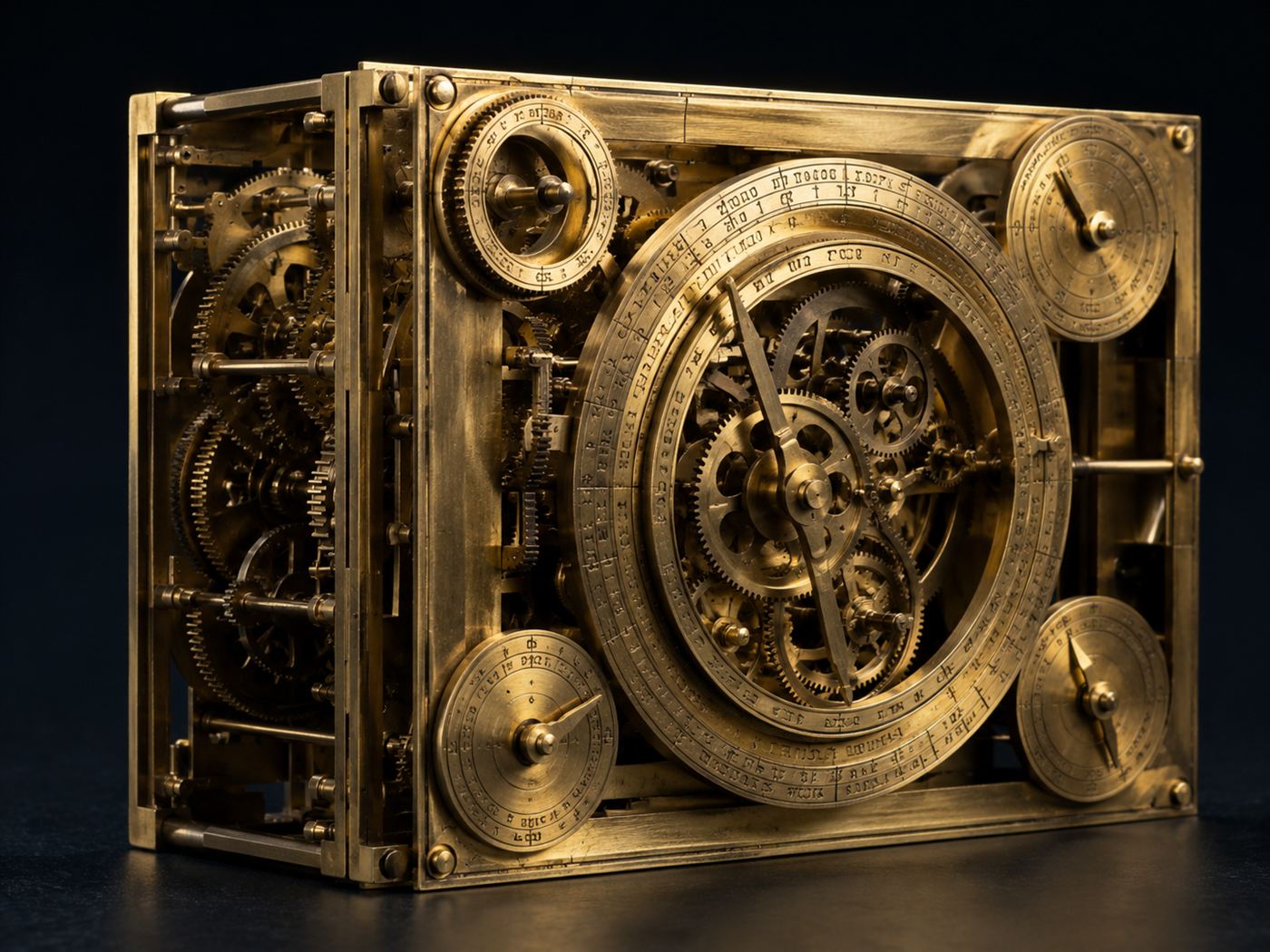
The Antikythera mechanism, as it came to be known, is a shoebox-sized case that once held at least 30 interlocking bronze gears. Turn a handle on its side and the whole ancient sky moved: the sun and moon, the lunar phases, the planets, and the dates of future eclipses. It was made around 2,100 years ago, and nothing of remotely similar complexity would appear anywhere on Earth for well over a thousand years. People had been mapping the heavens in metal long before, though, as far back as the Nebra sky disc, a Bronze Age picture of the cosmos some 3,600 years old.
The Antikythera mechanism is an ancient Greek device often called the world's first analog computer. Recovered from a shipwreck near the island of Antikythera in 1901, it dates to around 100 BC and uses at least 30 bronze gears to predict eclipses, track the moon and planets, and show the date of the ancient Olympic Games.
What is the Antikythera mechanism?
At heart it is an astronomical calculator made of metal.
Behind its dials sat a train of at least 30 bronze gears, some with finely cut teeth counted out to model the rhythms of the heavens.
One dial used a 223-month cycle, borrowed from Babylonian astronomy, to predict when eclipses would fall, while another tracked the 19-year cycle that brings the moon's phases back into step with the calendar.
It even showed the four-year schedule of the ancient games, including the Olympics, turning astronomy into a kind of social calendar.
To do all this with bronze and hand-cut teeth is an act of engineering that feels centuries out of place, the same uncanny precision people now chase with the largest digital camera ever built.
Only around 82 corroded fragments survive, now kept in the National Archaeological Museum in Athens.
A treasure ship and terrified divers
The way it was found is almost as strange as the object itself.
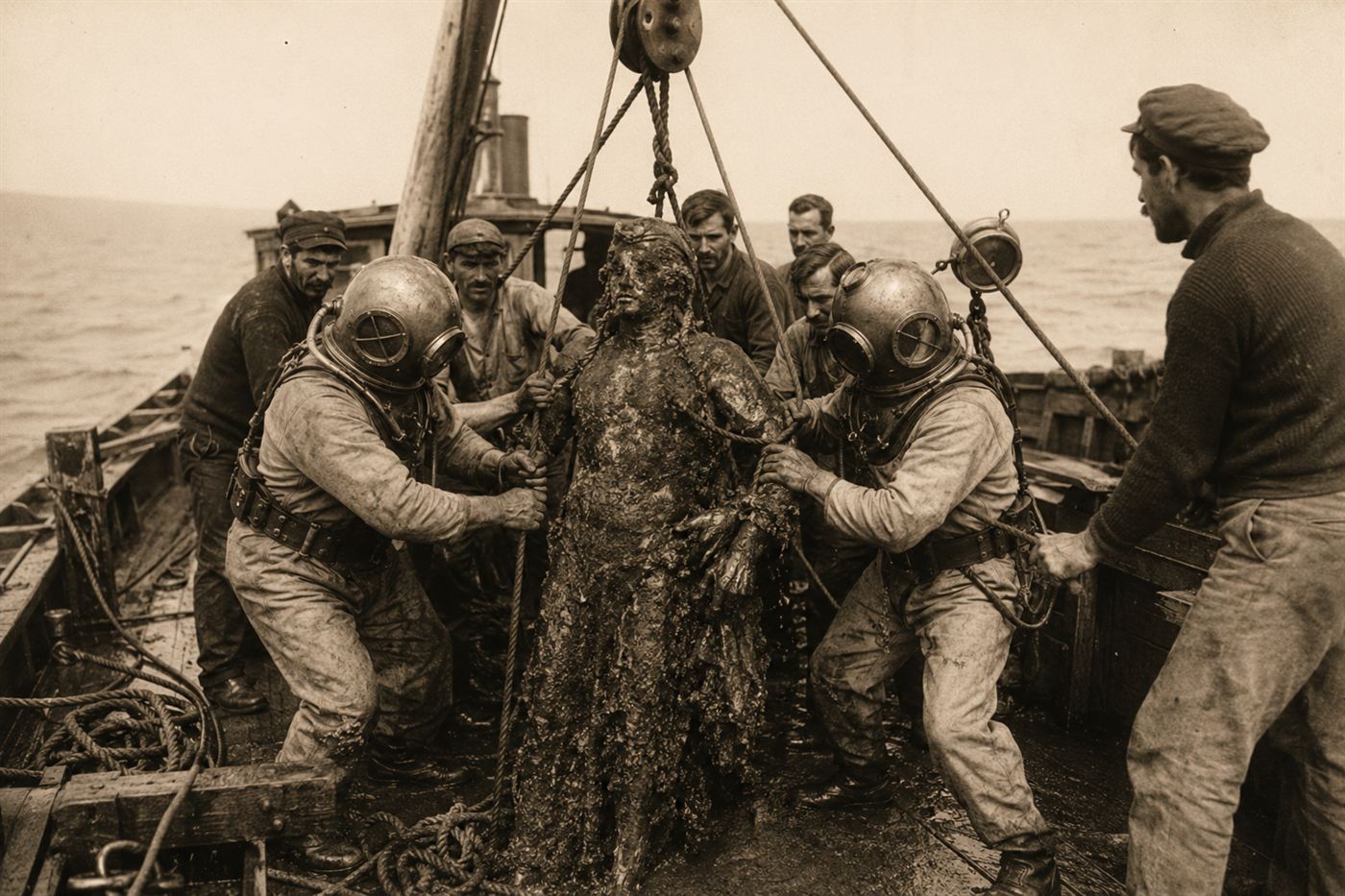
In 1901, a crew of Greek sponge divers sheltering near Antikythera went down to a shipwreck about 45 meters deep and surfaced in a panic.
As History recounts, one diver came up babbling about a heap of rotting corpses on the seabed, which turned out to be a scatter of corroded bronze and marble statues.
The wreck was a Roman-era cargo ship full of luxury goods, and the haul of art made headlines while the lump of geared bronze was set aside.
Only in 1902 did the archaeologist Valerios Stais notice a gear wheel embedded in one fragment, and a mystery began that, like the sailing stones of Death Valley, would take a century to crack.
How do you read a 2,000-year-old machine?
For decades nobody could work out what the corroded gears actually did.
The breakthrough came from the British physicist Derek de Solla Price, who studied the fragments from the 1950s and commissioned the first X-rays, identifying around 30 gears hidden in the mass.
The decisive work came in 2005, when a research team led by Mike Edmunds and Tony Freeth brought in heavy machinery.
As the Swiss National Museum describes, they used a purpose-built eight-ton X-ray tomography scanner to look through the bronze, and found thousands of tiny Greek letters hidden inside.
The inscriptions were effectively an instruction manual etched into the metal, naming the planets and explaining the dials, a story of lost knowledge recovered that echoes how Eunice Foote's forgotten climate experiment was finally rediscovered.
Why the 1,000-year silence matters
The most haunting thing about the mechanism is what came after it, which is nothing.
No surviving object from anywhere in the world shows comparable gearing for more than a thousand years, until the great astronomical clocks of medieval Europe.
That means an entire branch of precision engineering was developed in the Greek world and then simply lost, its makers and methods forgotten.
It forces an uncomfortable question, about how much ancient skill vanished without a trace, leaving us to rediscover it the hard way, like sending a probe to touch the sun millennia later.
The Antikythera mechanism may be the only survivor of a tradition we will never fully see.
Who built it, and for whom?
Even now, the basic questions are open.
We do not know who made it, though suspicion falls on the workshops of Rhodes and the circle of astronomers around Hipparchus.
It was clearly meant to be used and read, with its manual and its dials, perhaps for teaching, for astrology, or simply as a dazzling display of a wealthy patron's reach.
The ship carrying it sank sometime around 70 to 60 BC, taking the device and its secrets to the bottom of the sea.
Whoever owned it held in their hands a working model of the cosmos, two thousand years before anyone thought that was possible.
The honest catch
Calling it a computer is a useful headline, but it stretches the word.
The mechanism is a brilliant mechanical calculator, not a programmable machine, and it only ever did the one set of astronomical sums it was built for.
So much of it is missing that every modern reconstruction involves educated guesswork, and scholars still argue over exactly how some of the gearing worked.
We also cannot prove it was unique, and it may simply be the one example that happened to survive on the seabed.
What is certain is that it shattered the idea that such engineering was beyond the ancient world.
The Antikythera mechanism is proof that the past was cleverer than we like to assume, and that the sea still keeps secrets we are only beginning to read, from lost machines to the sharks that outlive empires.
A handful of green bronze scraps in an Athens museum hold the blueprint of the heavens as the Greeks understood them, machined into metal by hand.
The Antikythera mechanism is the closest thing we have to a message from a lost age of engineers, telling us they reached far higher than we imagined and then fell silent.
If a machine this advanced could be built and then forgotten for a thousand years, how much other ancient knowledge do you think we have simply lost? Tell us in the comments.
More from Watts & Wild
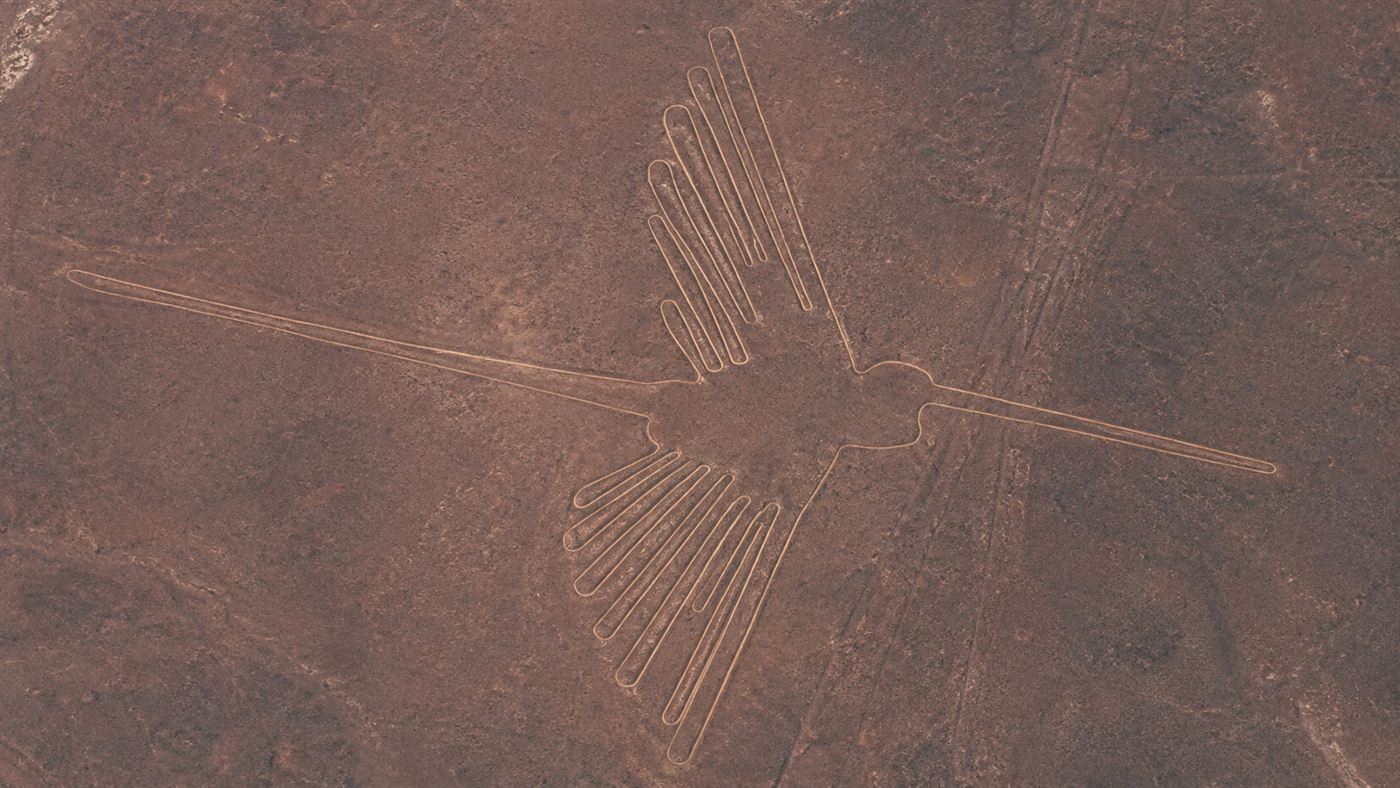 The giant desert drawings of Nazca
 The clock that solved longitude at sea
 The 600-year-old book no one can read
 The cave that became a giant organ
 The warship Vasa raised after 333 years
 Eunice Foote, the forgotten climate pioneer
 The largest camera ever built films the sky
 The Parker probe that touched the sun
 The shark that may live 400 years