For a century, rocks left long trails across a dry lake bed in Death Valley with nobody ever seeing them move, until scientists finally caught the sailing stones in the act
On a remote dry lake in Death Valley, heavy rocks glide across the mud and leave long, curving trails behind them. For decades nobody could explain how, and nobody had ever watched it happen. Then, in 2014, a patient team of scientists finally caught the sailing stones in motion, and the answer was thin ice.
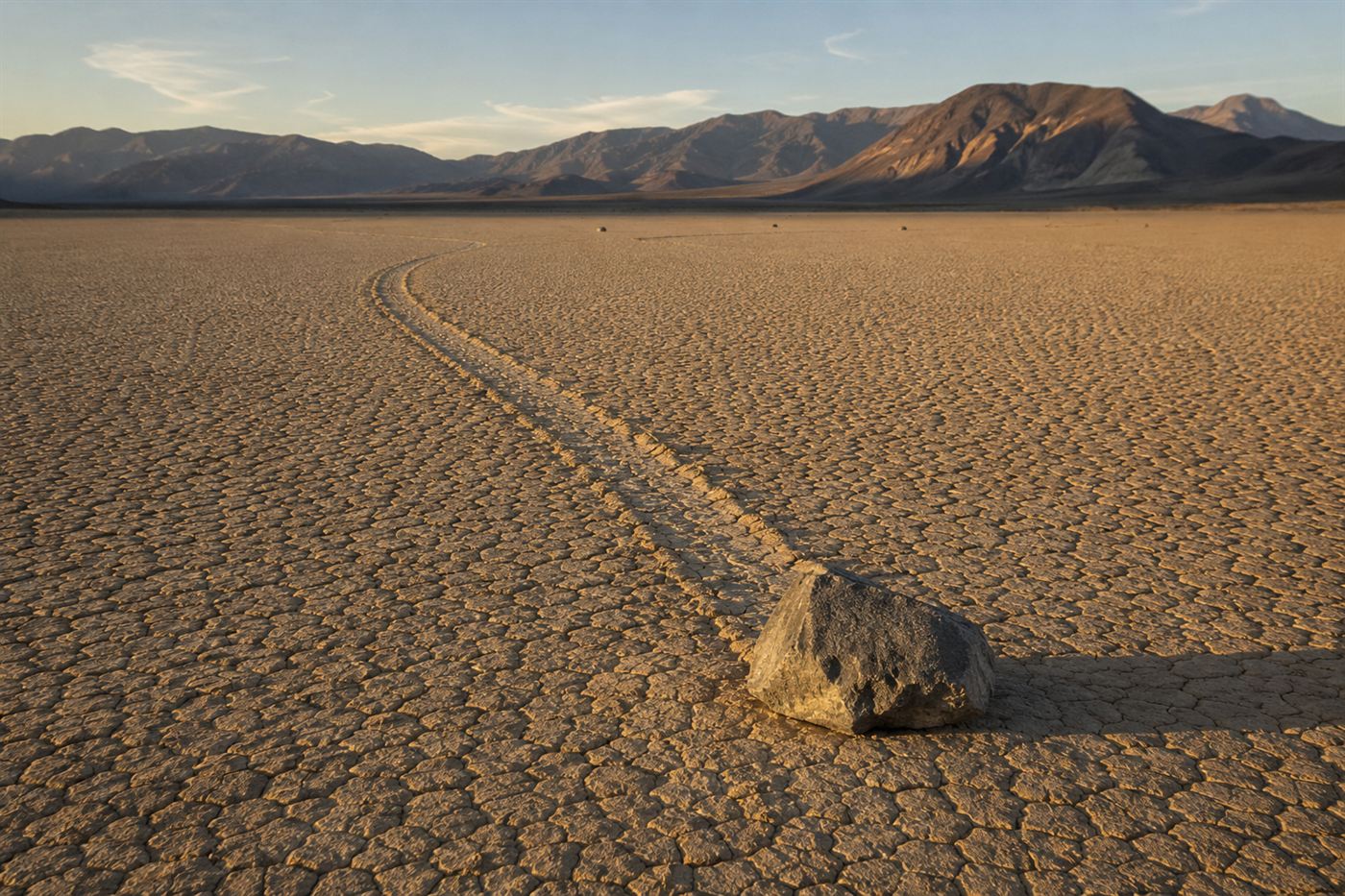
A sailing stone at the end of its trail on Racetrack Playa, Death Valley. Illustration: Watts & Wild.
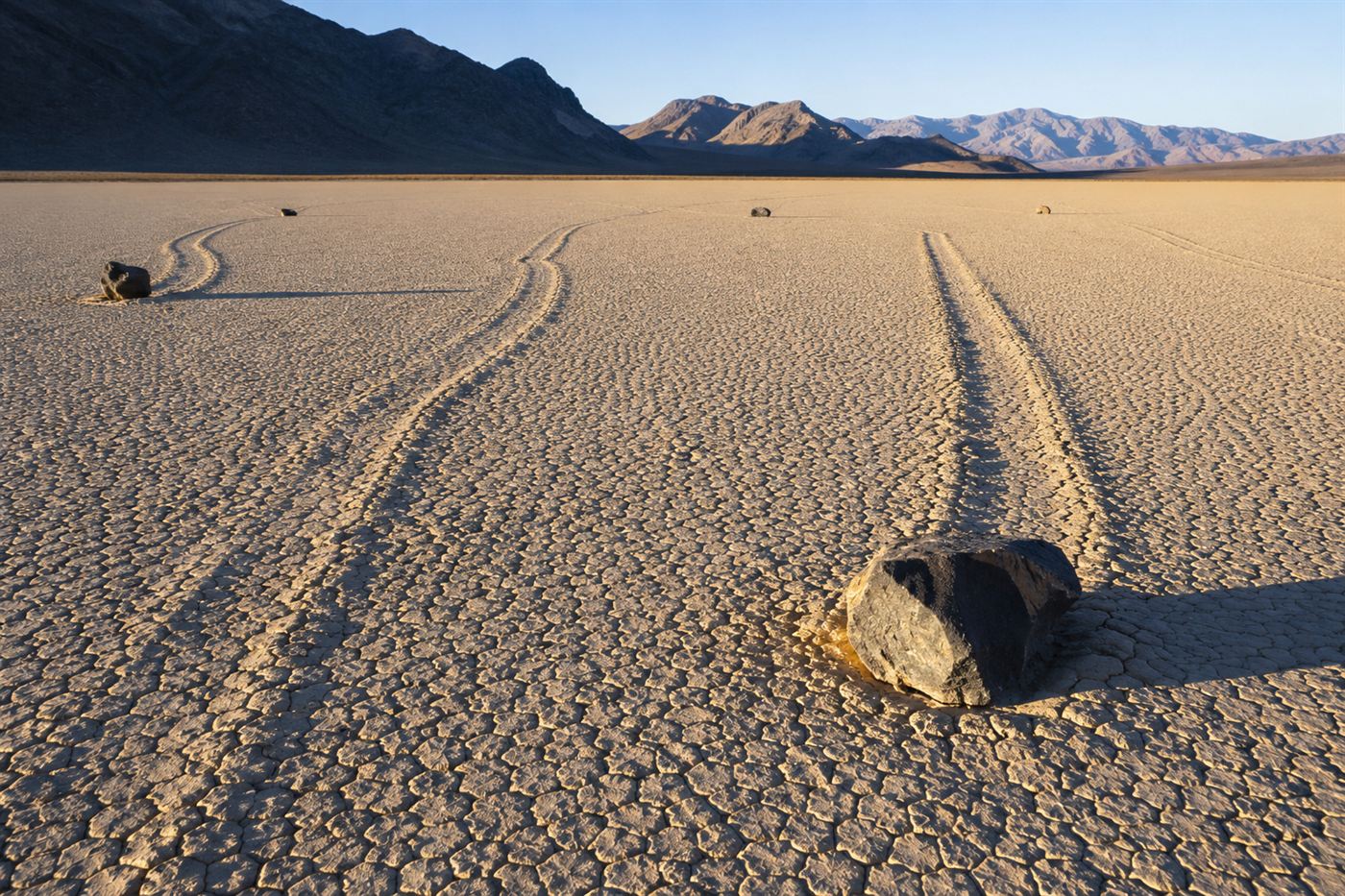
The sailing stones of Death Valley sit on Racetrack Playa, a flat, dry lake bed high in a remote corner of the park, in California. Across its cracked floor lie scattered rocks, some the size of a fist, some weighing as much as 300 kilograms. Behind many of them stretch long trails pressed into the mud, some dead straight, some curving and looping for hundreds of metres.
The rocks had plainly moved, sometimes in parallel, sometimes turning sharp corners. Yet in roughly a hundred years of visitors, nobody had ever seen a single one budge. That gap, between obvious motion and the total absence of witnesses, turned a patch of dry mud into one of the most stubborn little mysteries in nature.
The sailing stones of Death Valley are rocks that slide across Racetrack Playa on their own, leaving long trails in the mud. For about a century nobody knew how. In 2014 scientists showed the cause is thin sheets of ice that form on rare flooded nights and, pushed by a light wind, shove the rocks along.
The sailing stones of Death Valley wander on their own
The trails are what make the place so strange.
A rock will sit at the end of a furrow that runs straight for fifty metres, then kinks hard to the left for no obvious reason.
Two sailing stones side by side will sometimes leave parallel tracks, then peel apart as if they had changed their minds.
Nothing about the landscape explains it, because the playa is almost perfectly flat and bone dry for most of the year.
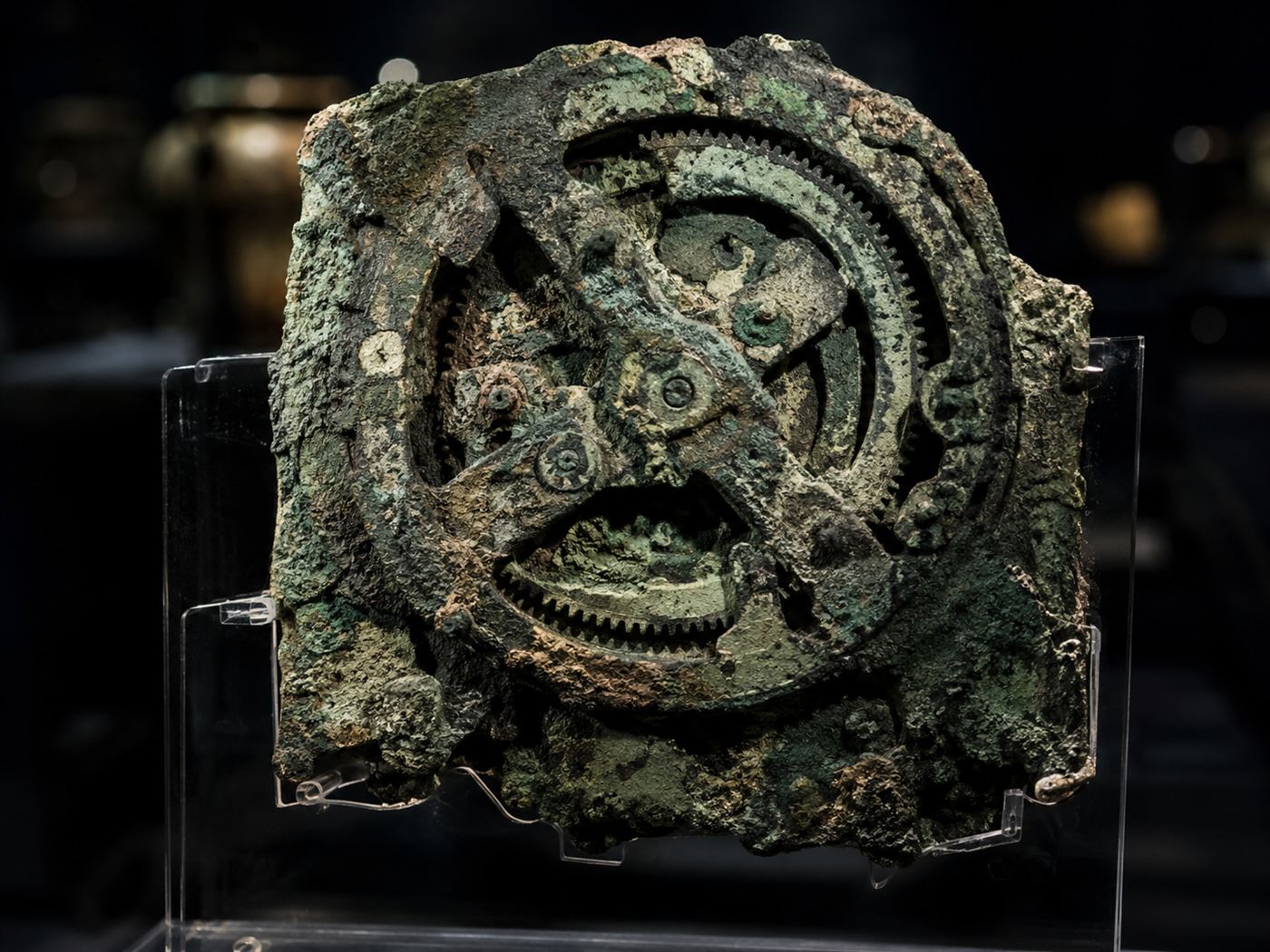
It is the kind of quiet puzzle that gnaws at people, much like the gears of the ancient Greek computer that took modern science a century to read.
A century of wild guesses
For decades people reached for almost any explanation they could imagine.
Some blamed fierce desert winds alone, others invented hidden magnetic fields, secret pranksters, even aliens.
The rocks sit in one of the hottest, driest places on Earth, which made the idea of them gliding around feel almost absurd.
Part of the trouble was timing, because the playa is hard to reach, the movement is rare, and nobody wanted to camp out for years on the off chance of seeing it.
So the trails were measured and mapped for generations, while the act of moving stayed completely unseen.
The experiment that finally caught them
The answer came from a deliberately patient experiment.
Lorenz, who studies distant worlds with the same curiosity that sends probes to touch the sun, had even tested the idea at home by freezing a rock into a tray of water in a kitchen tub.
Then they waited, fully expecting to sit through five or ten years of nothing happening.
It was thin ice all along
What they saw was almost gentle.
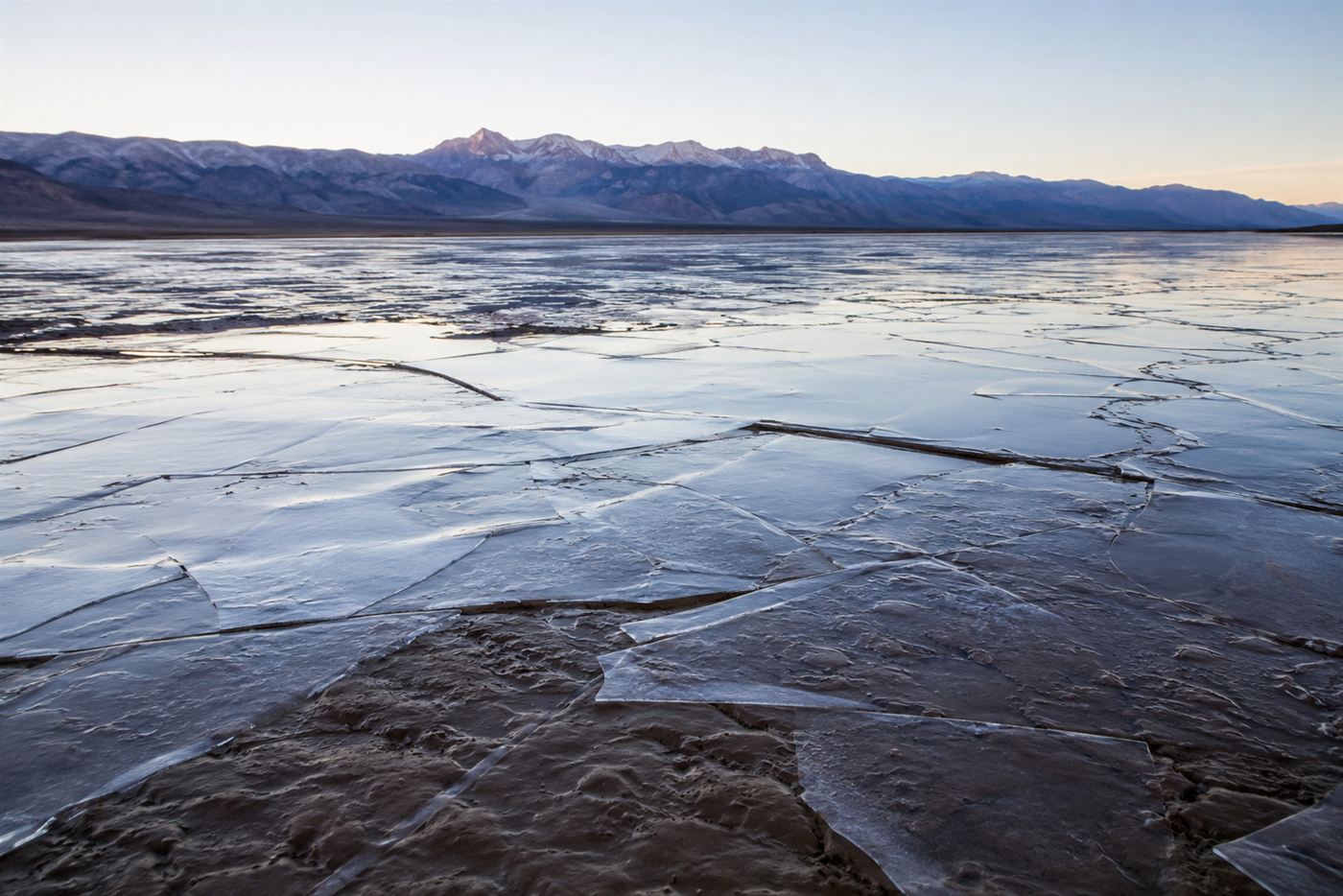
In the morning sun, that ice cracks into large floating panels.
A light breeze, no stronger than a brisk walking pace, is enough to push those panels against the rocks.
The drifting ice shoves the stones across the slick mud at a few metres a minute, scratching out the trails as they go.
Why nobody had ever seen it
The reason the movement stayed hidden for so long is that it needs a freakish run of conditions.
The desert has to flood, then freeze hard overnight, then thaw under just the right gentle wind, all inside the same short window.
The rocks creep so slowly, and so rarely, that you could stand right on the playa and barely register that anything was happening.
Most years nothing moves at all, and the sailing stones simply sit in the sun.
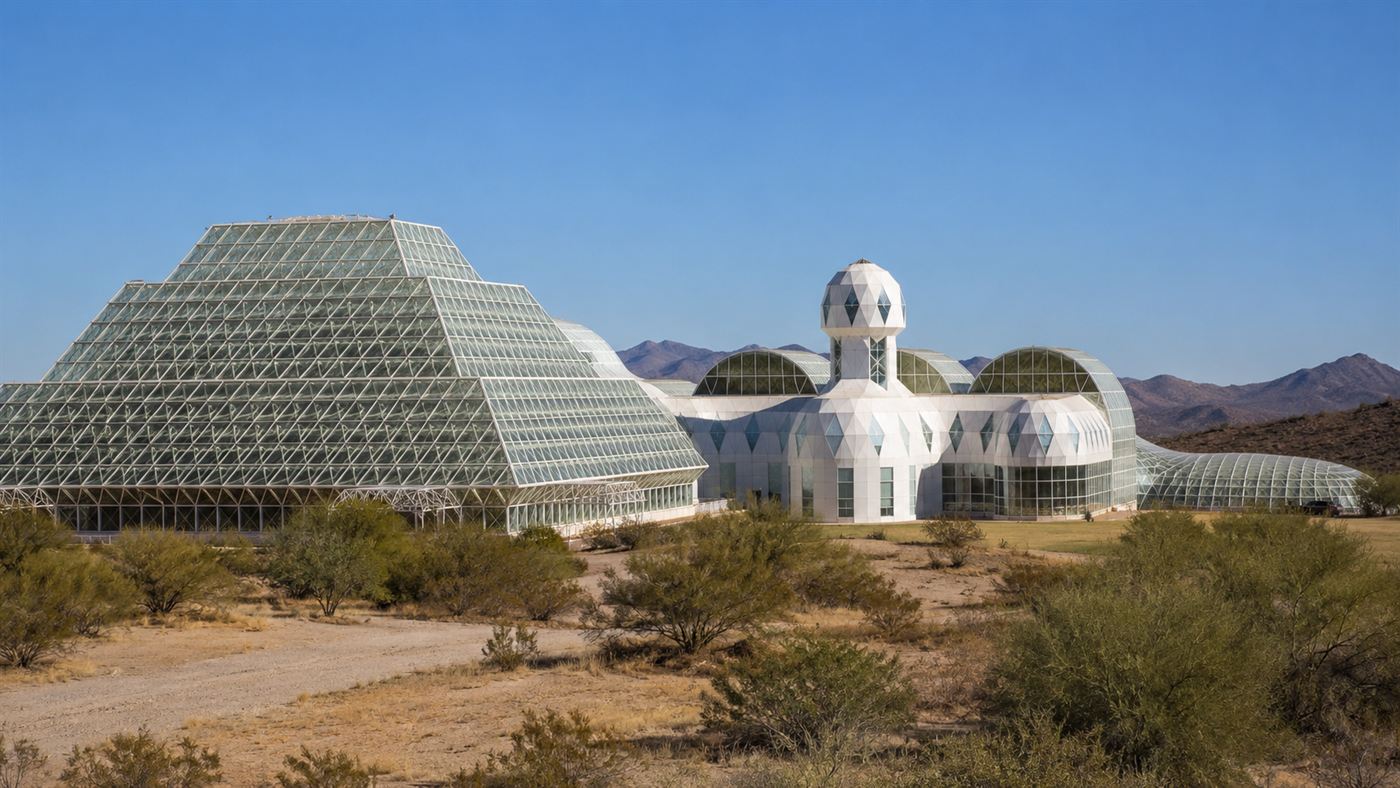
Catching it on camera took luck piled on top of years of patience, the same blend of nerve and waiting behind sealed experiments like Biosphere 2.
The honest catch
Solving the mystery came with a faint sense of loss.
The truth, thin ice and a soft wind, is far more ordinary than magnets or aliens, and some people honestly preferred not knowing.
The study explained the movements the team actually recorded, but the very largest rocks and oldest trails are harder to pin down with full certainty.
The playa is fragile too, and visitors who walk on it when wet, or steal the famous rocks, leave scars that can last for years.
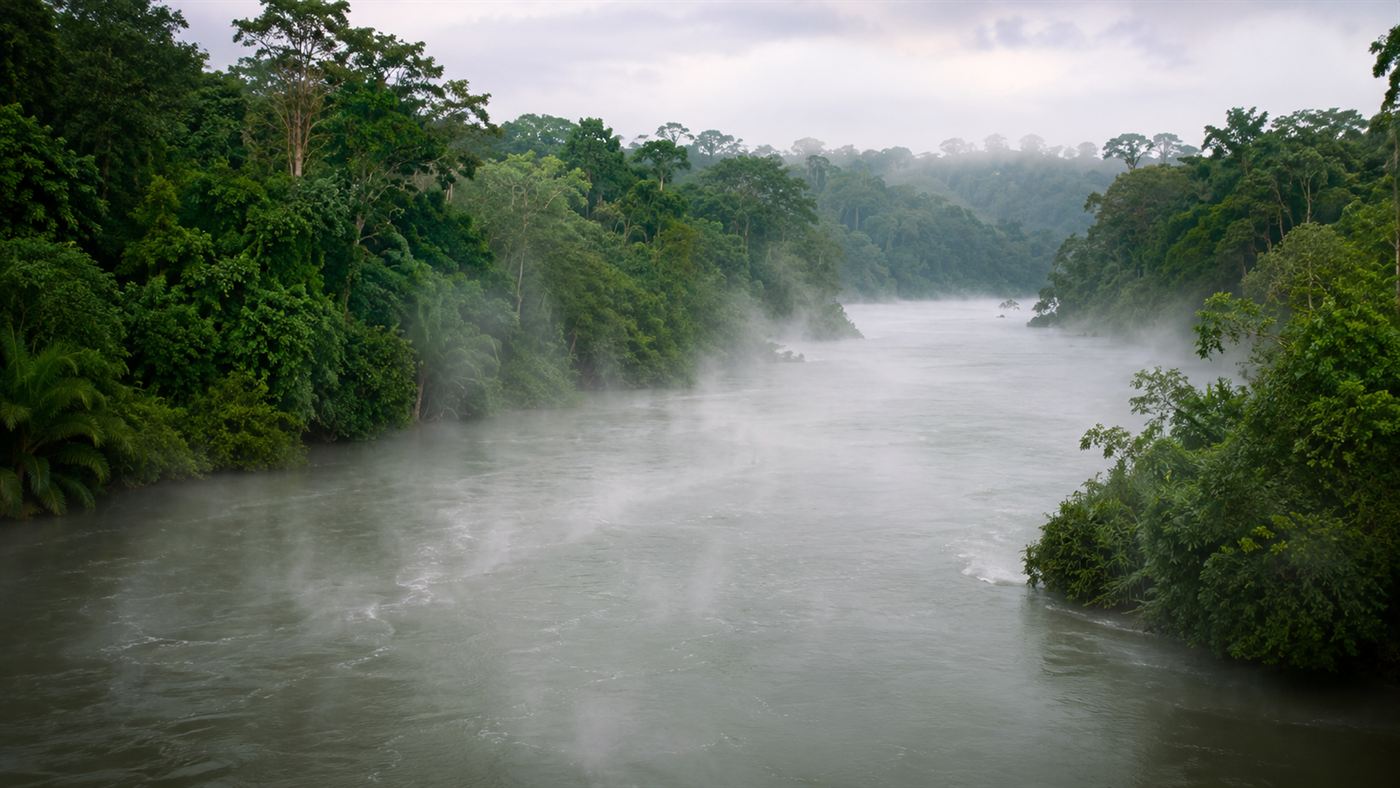
Perhaps the real lesson is that nature needs nothing supernatural to be strange, just the rare moment when desert and ice briefly meet, a cousin of the wonder in a river hot enough to boil.
The sailing stones still sit out there, most of the time going nowhere, waiting for the next freezing night and the next soft wind to nudge them on.
A puzzle that outlived generations of curious visitors turned out to be hiding in plain sight all along, written in mud and ice.
Nature keeps plenty more of these riddles, like the Antarctic glacier that appears to bleed red, or the Yosemite firefall, a waterfall that seems to turn to fire each February.
Now that you know it is only ice and wind, do the sailing stones feel more magical to you, or less? Tell us in the comments.
Related reading: the Kelso Dunes, a desert wonder that booms like an organ when the sand slides.