The greatest codebreakers in history, the people who cracked the ciphers that won world wars, were all defeated by a single 600-year-old book no one can read
Cryptographers have broken the codes of empires and turned the course of wars. Yet for a century the finest of them have been stopped cold by one slim volume of handwriting. The Voynich manuscript has been read by no one, in six hundred years, and we are not even sure there is anything in it to read.
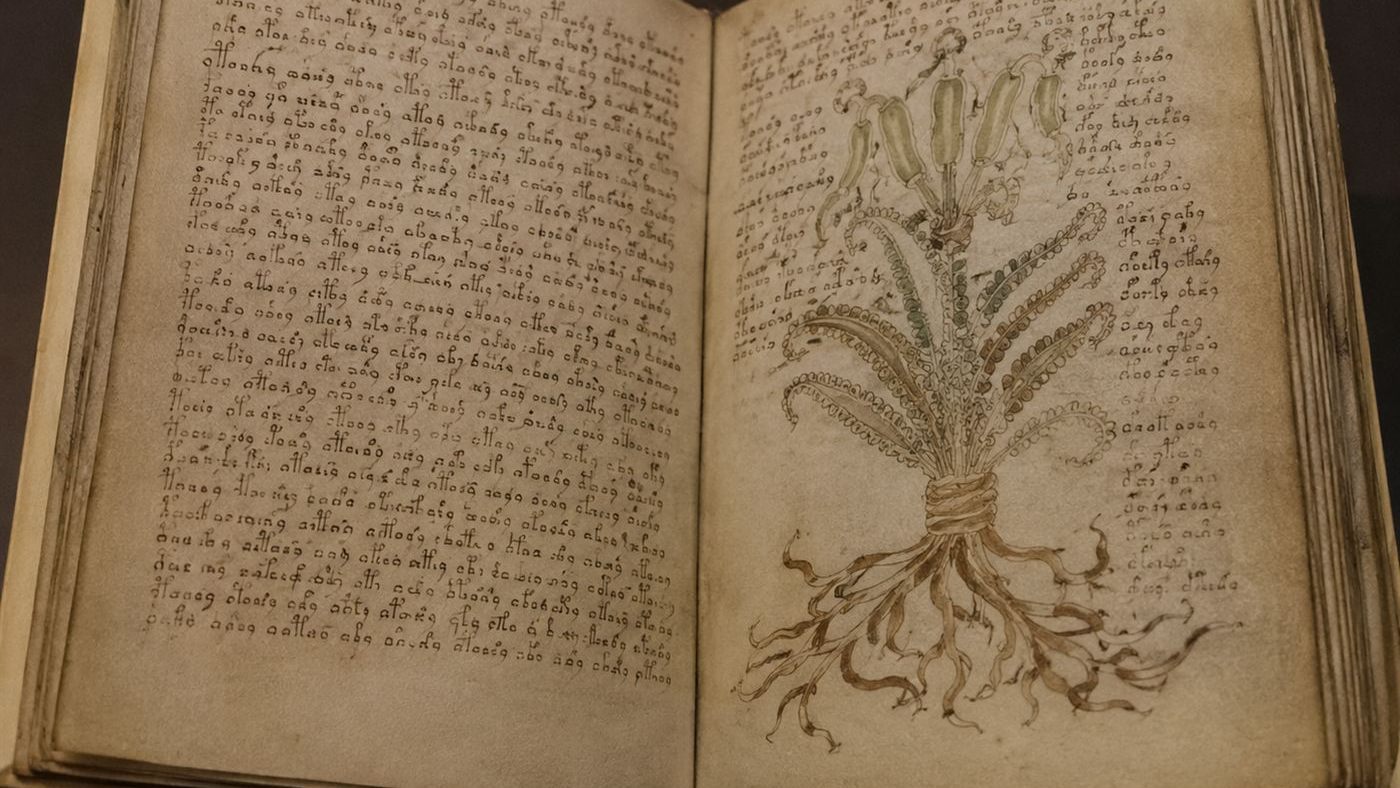
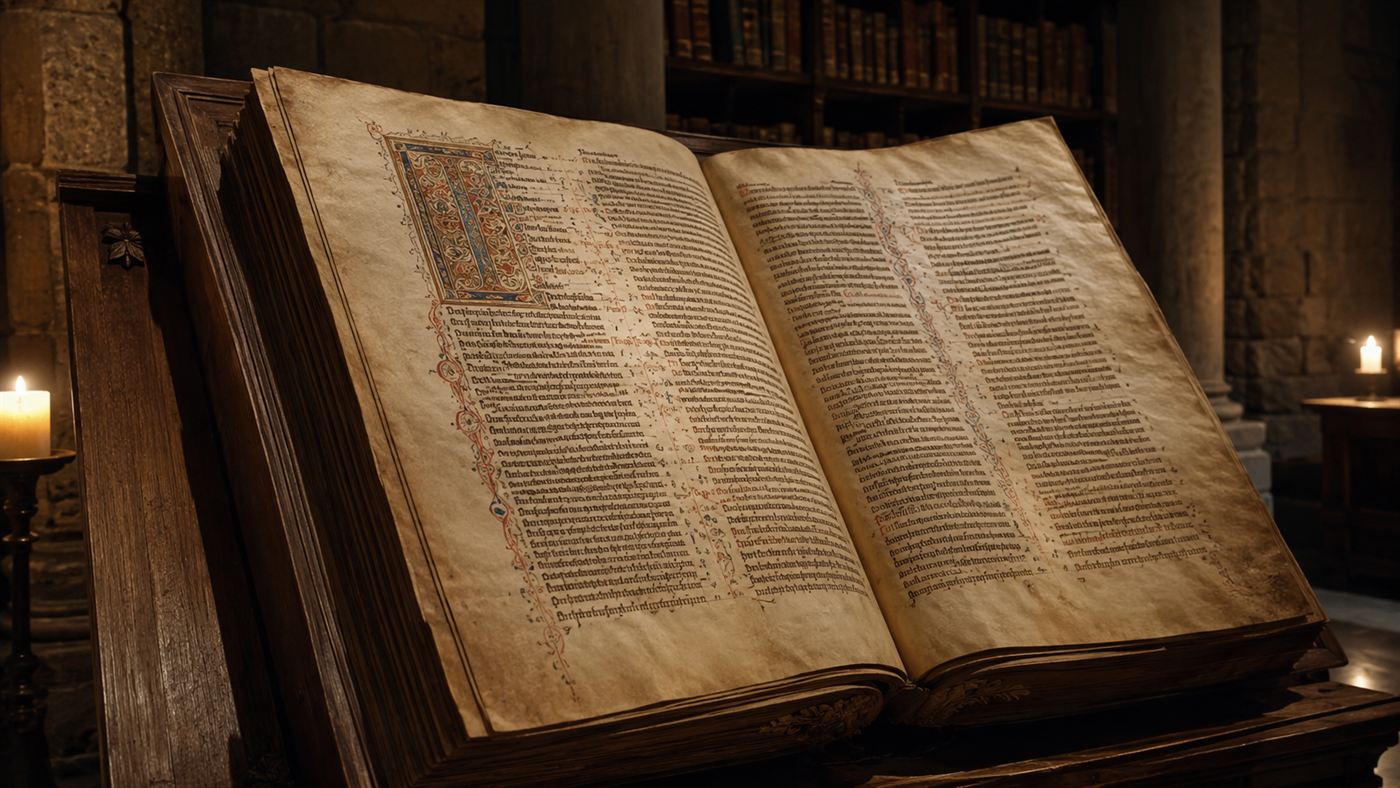
A page of the Voynich manuscript, written in a script no one has ever read. Illustration: Watts & Wild.
The book is real, and old, and that is the first unsettling thing about it. The vellum it is written on has been carbon-dated to somewhere between 1404 and 1438, the early fifteenth century, long before the era of elaborate hoaxes and hidden cameras. Whoever made it sat down with quill and ink and filled around 240 pages with flowing, confident writing in a script that matches no known language on earth.
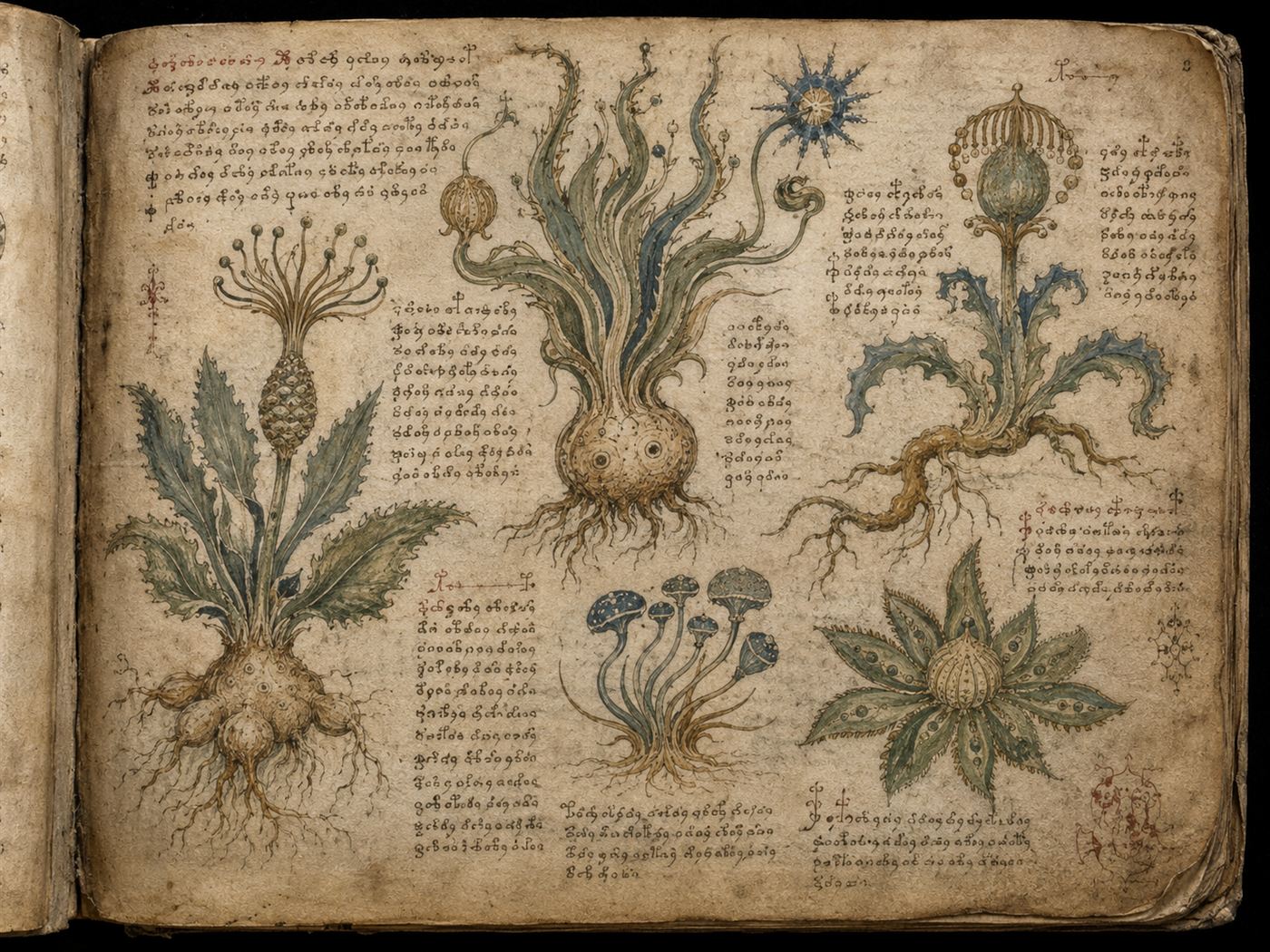
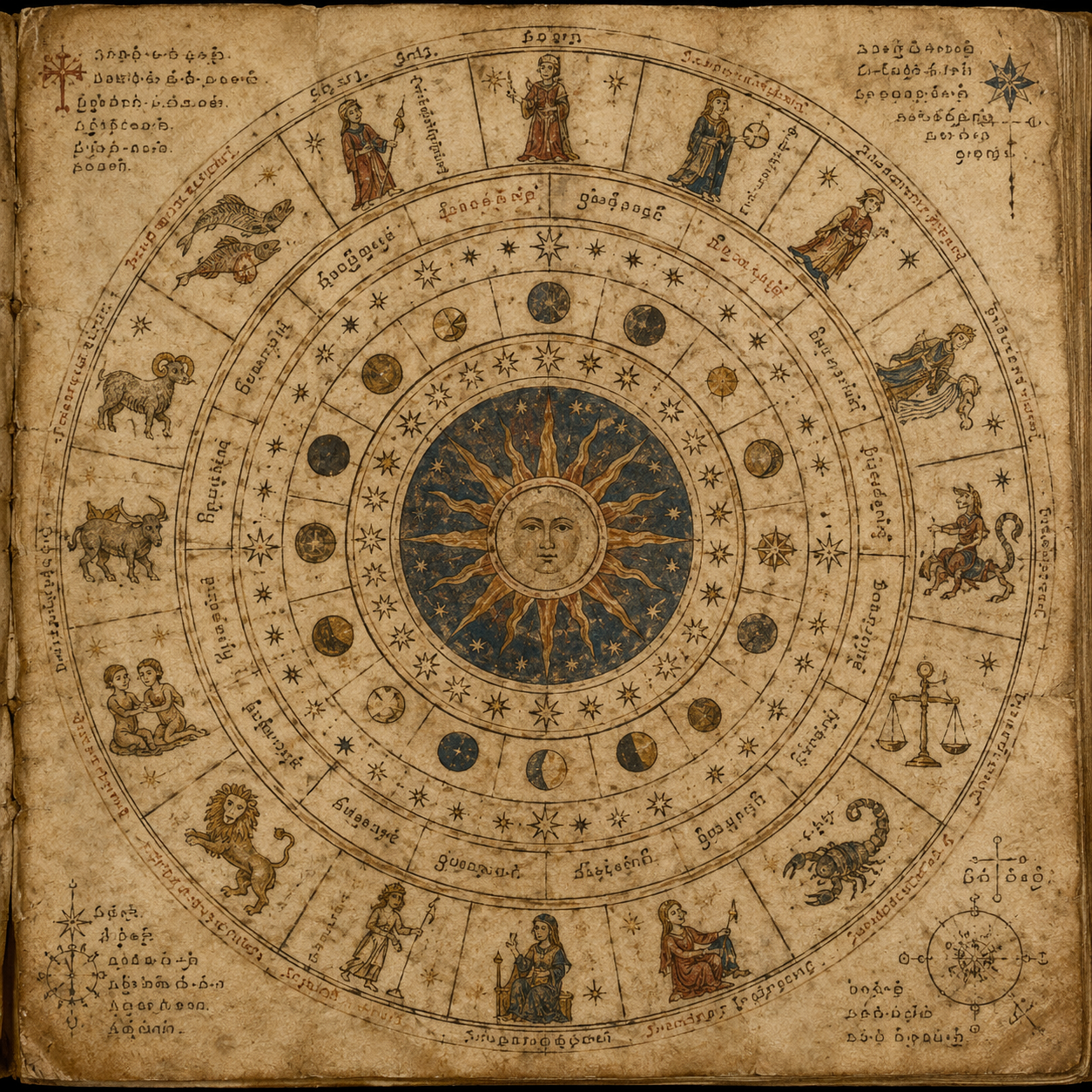
And it is not just words. The pages are crowded with pictures: plants that no botanist has ever been able to name, circular diagrams that look like star charts and zodiacs, and odd little naked figures wading through green pools linked by tubes and channels. It has the unmistakable look of a serious reference book, a herbal or an almanac, written by someone who clearly knew exactly what they meant. We simply cannot follow a word of it.
What the Voynich manuscript actually is
The volume takes its name from Wilfrid Voynich, a Polish book dealer who bought it in 1912 and spent the rest of his life trying to work out what he had. As Yale's Beinecke Library, which has held the book as MS 408 since 1969, describes it, the manuscript is written in an unknown script and remains undeciphered, its origin and purpose still a mystery. The unreadable writing has its own nickname now, "Voynichese," as if naming the problem made it a little less maddening.
What makes it more than a curiosity is how language-like the text behaves. The characters repeat in patterns, certain "words" cluster in certain sections, and the whole thing follows the kind of statistical rhythms you see in genuine writing rather than in random scribbling. That is exactly what has lured so many brilliant minds in, and exactly what has destroyed them.
The codebreakers it beat
This is where the story turns from oddity to legend. The Voynich manuscript was handed, over the years, to the very best people in the world at reading the unreadable. As reporting on Yale's edition of the book notes, American and British military codebreakers from both world wars studied it and got nowhere. Among them was William Friedman, the towering figure of American cryptology, the man who led the team that broke Japan's fiendish PURPLE cipher and helped lay the foundations of the agency that became the NSA.
Friedman worked on the manuscript, on and off, for decades, his wife Elizebeth, herself a famous codebreaker, alongside him. He never solved it. In the end he came to suspect it was not a cipher at all but some kind of invented, artificial language, a conclusion he was so unsure of that he buried it in an anagram rather than state it outright. The people who could read the secrets of nations could not read this one little book.
Why no computer has cracked it either
You might expect modern machines to have finished the job, and plenty have tried. Statisticians, linguists and artificial-intelligence researchers have all thrown their tools at the text, and every few years a headline announces that the Voynich manuscript has finally been solved. So far, each of those solutions has fallen apart under expert scrutiny, dismissed as wishful pattern-matching rather than a genuine reading.
The deeper problem is that a code can only be broken if there is a real message underneath, and with the Voynich manuscript we cannot even be sure of that. The same statistics that make the text look like a language could, some scholars argue, be produced by a clever method designed to mimic one. Six centuries on, we are still stuck at the first question, not "what does it say" but "does it say anything at all."
The honest catch
It is tempting to treat the book as a sealed vault of lost knowledge, and that may be giving it too much credit. One serious and stubbornly plausible theory is that the Voynich manuscript is an elaborate hoax, a beautiful nonsense made to be sold as a rare book of magic or medicine, perhaps in the fifteenth century, perhaps later. If so, the greatest codebreakers in history spent their careers failing to decode a message that was never there.
Even that, though, would not quite drain the mystery. Someone still sat down six hundred years ago and produced 240 pages of consistent, disciplined, beautifully strange writing, for reasons we cannot recover. Whether it is a code, a forgotten language or the most committed prank in the history of books, the honest position is the same: we do not know, and we may never know.
Why an unreadable book still matters
The real fascination of the Voynich manuscript is what it does to our confidence. We live in an age that assumes any puzzle will yield to enough data and processing power, that nothing made by human hands can stay secret forever. And then there is this one quiet book, sitting in a Yale library, that has shrugged off every genius and every machine sent against it for a hundred years.
It is a useful reminder that some doors stay shut. Do you think the Voynich manuscript is a lost language, a real cipher, or a 600-year-old hoax? Tell us in the comments.
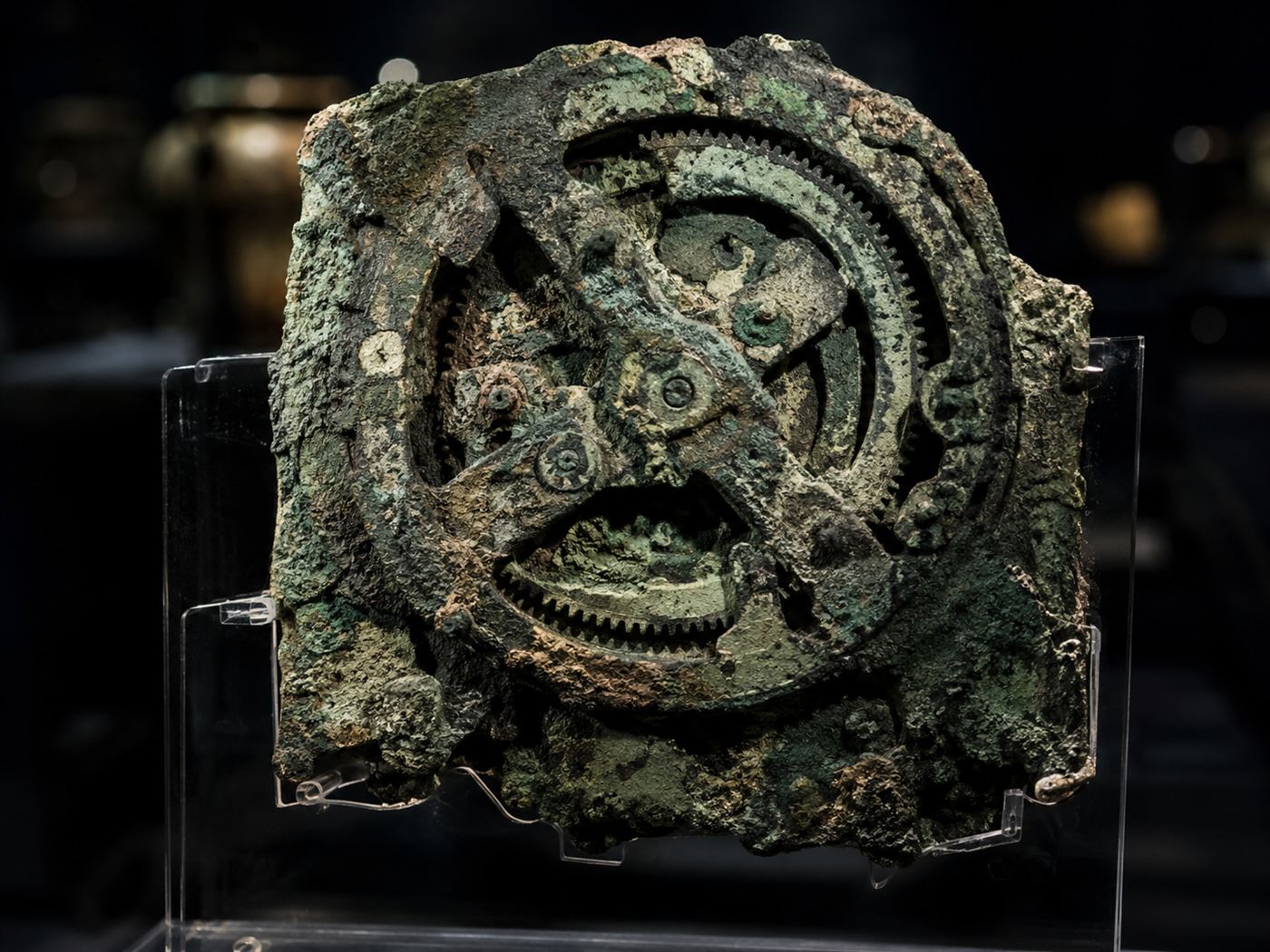
Related reading: A corroded lump from a Roman shipwreck turned out to be a 2,000-year-old computer that should not have existed. See also the numbers stations, the spy broadcasts hiding coded messages in plain sound.