In 1906 a steam-powered car became the fastest thing on Earth, roaring down a Florida beach at nearly 128 miles an hour, faster than any gasoline car of its day
For one morning on a hard-packed Florida beach, the fastest machine humanity had ever driven did not burn a drop of gasoline. It ran on steam. A slim, boat-shaped car built by two New England brothers hit a speed nobody had touched before, and for a moment it looked like the future of the automobile might hiss instead of roar.
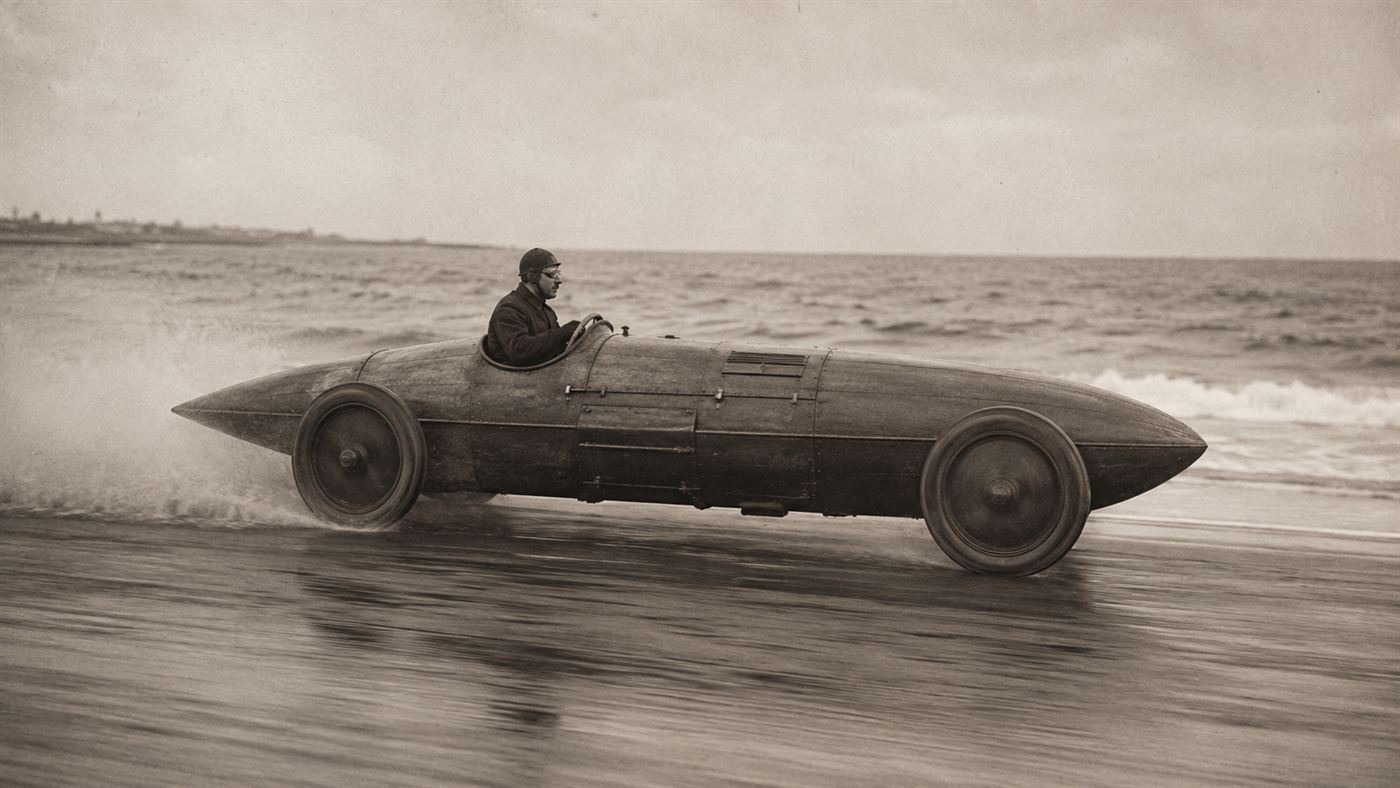
The canoe-shaped racer that made steam the fastest thing on wheels. Illustration: Watts & Wild.
Ask most people what powered the early automobile and they will say gasoline. But in the first years of the twentieth century the race was wide open, and one of the strongest contenders made no bangs, no gears and barely any sound. It was the Stanley Steamer, and in January 1906 it became, briefly, the fastest vehicle on the planet.
The story of that record is a genuine what-if of engineering. For a short window, steam was not the quaint old technology of trains and mills. It was cutting-edge, smooth, brutally quick, and pointing at a completely different automotive world than the one we ended up with.
The short version: two brothers built a steam car so refined it embarrassed gasoline rivals, then took a streamlined version to a Florida beach and broke the world speed record. A year later a horrific crash and a cheap gasoline car called the Model T would together erase steam from the road.
Two brothers and a car with almost no noise
The Stanley Steamer was the work of identical twins, Francis and Freelan Stanley of Newton, Massachusetts, a pair of inventive New Englanders who had already made a fortune in photographic plates. Their car did away with the things drivers hated most about early automobiles. There was no hand-crank, no clutch, no gearbox, and almost no vibration.
Instead a quiet burner heated a boiler, and the steam drove the wheels with smooth, immediate torque from a standstill. A Stanley glided away in eerie near-silence and pulled hard at any speed. For refinement, nothing with a gasoline engine of the era came close.
The day a Stanley Steamer was the fastest thing on Earth
To prove the point, the brothers built a racer. It was long, low and shaped like an upturned canoe, nicknamed the Rocket, with the boiler laid down flat to cut the wind. On January 26, 1906, their driver Fred Marriott lined it up on the measured mile of sand at Ormond Beach, Florida.
He covered the flying mile in a hair over 28 seconds, a speed of 127.66 miles per hour. No human being had ever traveled that fast under their own power, on land, by any means. On that morning a Stanley Steamer was the outright world land speed record holder, and it had beaten every petrol car alive.
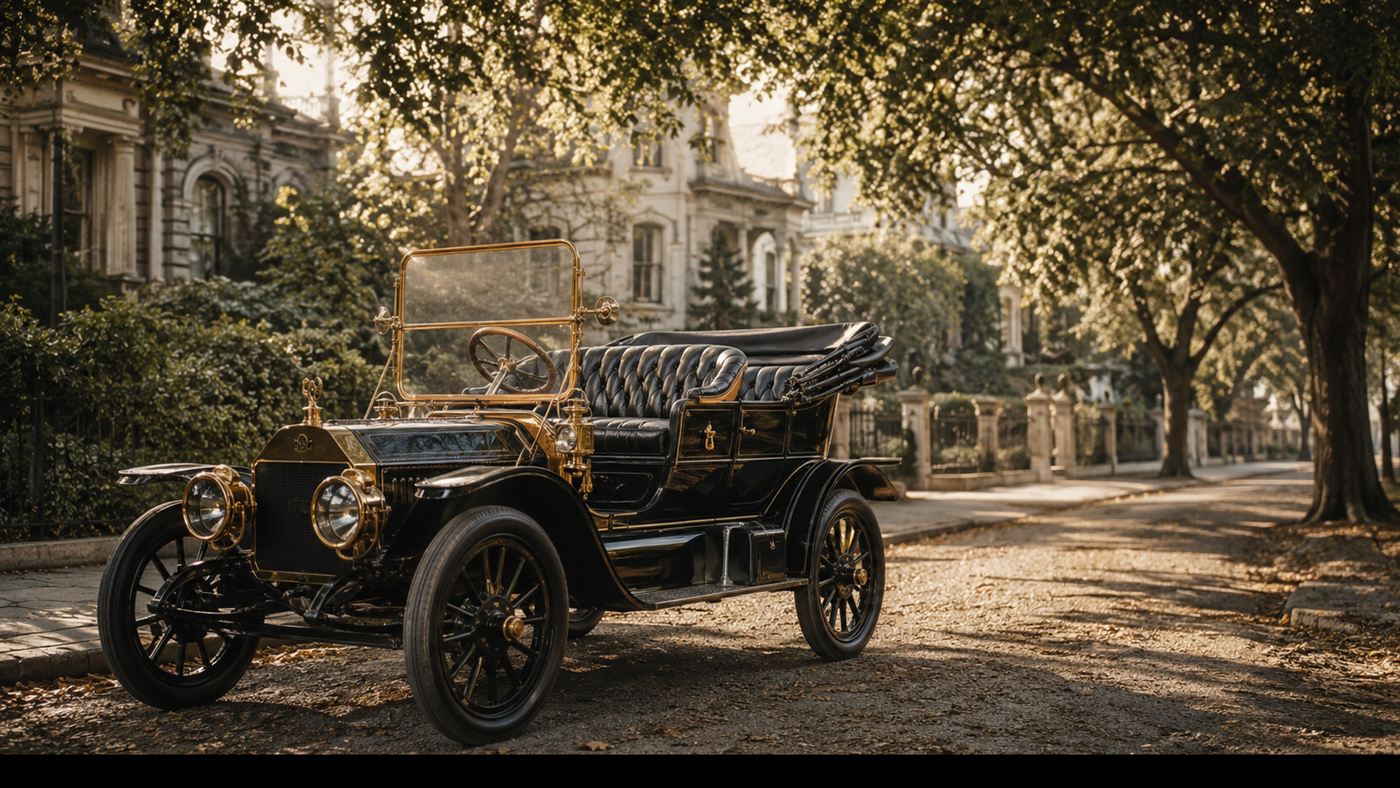
How could a steam car beat gasoline?
It comes down to how the two engines make their power. A gasoline engine has to rev up before it delivers its best pull, and it needs a gearbox to stay in its sweet spot. A steam engine makes its full twisting force from the very first turn of the wheels, with no gears in between, so it launches hard and keeps pulling.
For a flat-out run down a beach, that was a huge advantage, and the light, slippery shape of the Rocket did the rest. The land speed record it set was not a fluke of one lucky machine. It was a fair reflection of just how much muscle a well-built steam car could put down in 1906.
The crash that ended the speed dream
The following year Fred Marriott went back to Ormond Beach to go faster still. Pushing well past 140 miles an hour, the Rocket struck a gully or ridge in the sand, took off, and was smashed to pieces in the air. Marriott was thrown clear and, astonishingly, survived, though he was badly hurt.
The wreck shook the brothers, and they stepped away from record-breaking for good. The land speed record chase moved on to gasoline and, later, to jets and rockets, and steam's brief reign at the very top of the speed charts was over almost as quickly as it had begun.
Why the Stanley Steamer disappeared
Speed was never the steam car's problem. Convenience was. A Stanley needed several minutes to raise steam before you could set off, and it drank water that had to be topped up on longer trips. Against a machine you could start and forget, those were real irritations for ordinary drivers.
Then the ground shifted for good. The 1912 electric starter removed the gasoline car's own worst feature, the dangerous hand-crank, while the cheap, mass-produced Ford Model T made petrol cars something almost anyone could buy. Squeezed between the two, the Stanley Steamer slid from marvel to curiosity, and the company was gone by the 1920s.
The honest catch
It is tempting to mourn steam as a superior technology that lost to marketing, but that flatters it a little. The Stanley was gorgeous to drive and blisteringly fast, yet the slow warm-up and the water stops were genuine flaws, not just image problems. Most people wanted a car that was easy, not a car that was thrilling.
One part of the story really was unfair, though. Steam cars carried a reputation for exploding, when in truth the Stanley boiler was wrapped in wire and built to leak rather than burst, and a real boiler explosion was rare. The fear of a boiler explosion did more damage to sales than any actual boiler explosion ever did, and steam took the blame for a danger it had largely engineered away.
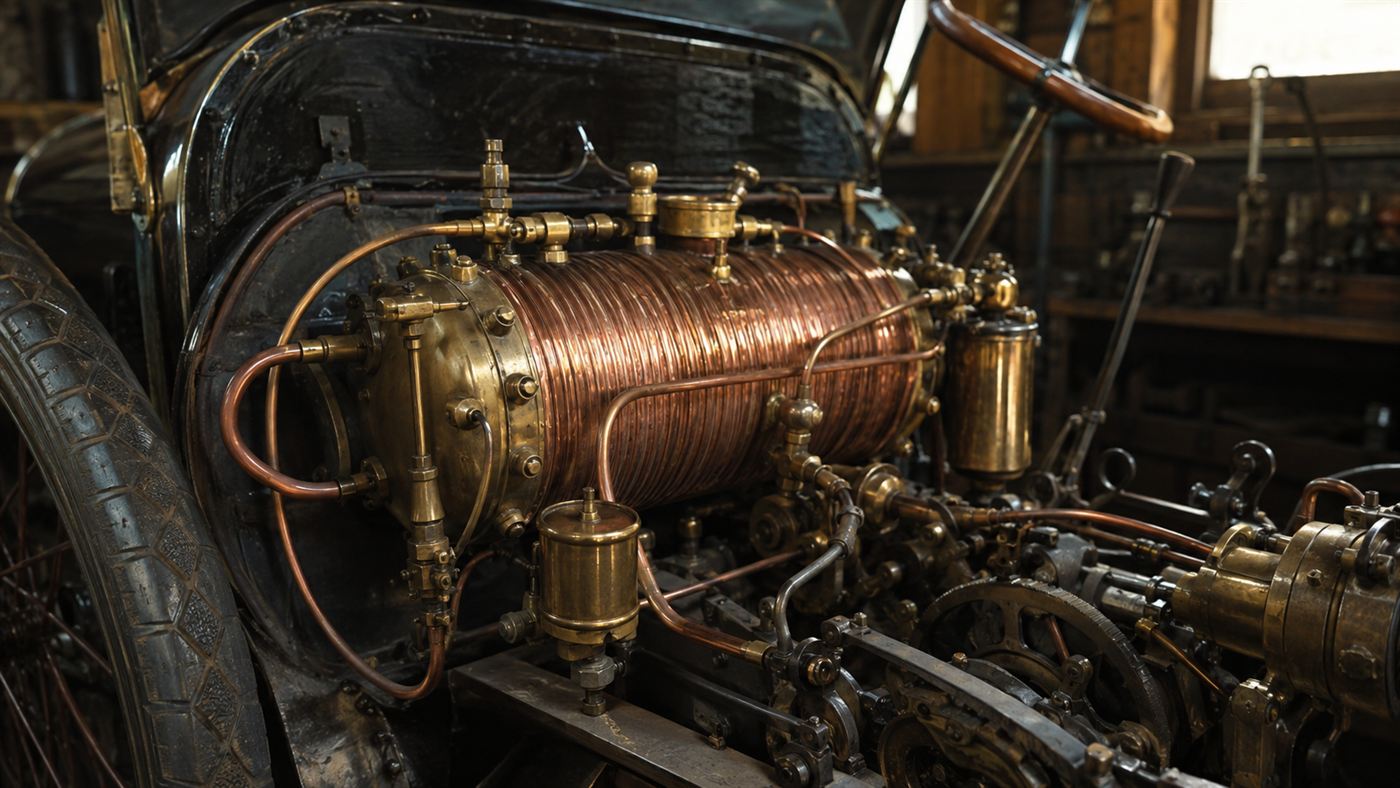
The record that stood for a century
There is a fitting footnote to all this. The speed a Stanley Steamer set on that beach in 1906 stood as the fastest ever recorded by a steam car for more than a hundred years. It was not beaten until 2009, when a purpose-built British steam car finally edged past it on a test track.
So the two brothers from Massachusetts did not just win one morning. They set a mark so high that the entire rest of the twentieth century could not top it with steam. The technology lost the war for the road, but on raw speed it left behind a record that took a hundred years and a modern engineering team to break.
The fastest car in the world once ran on steam, and almost nobody remembers it ever happened. If steam had solved its slow start and its water stops, would we be driving something very different today? Tell us what you think in the comments.
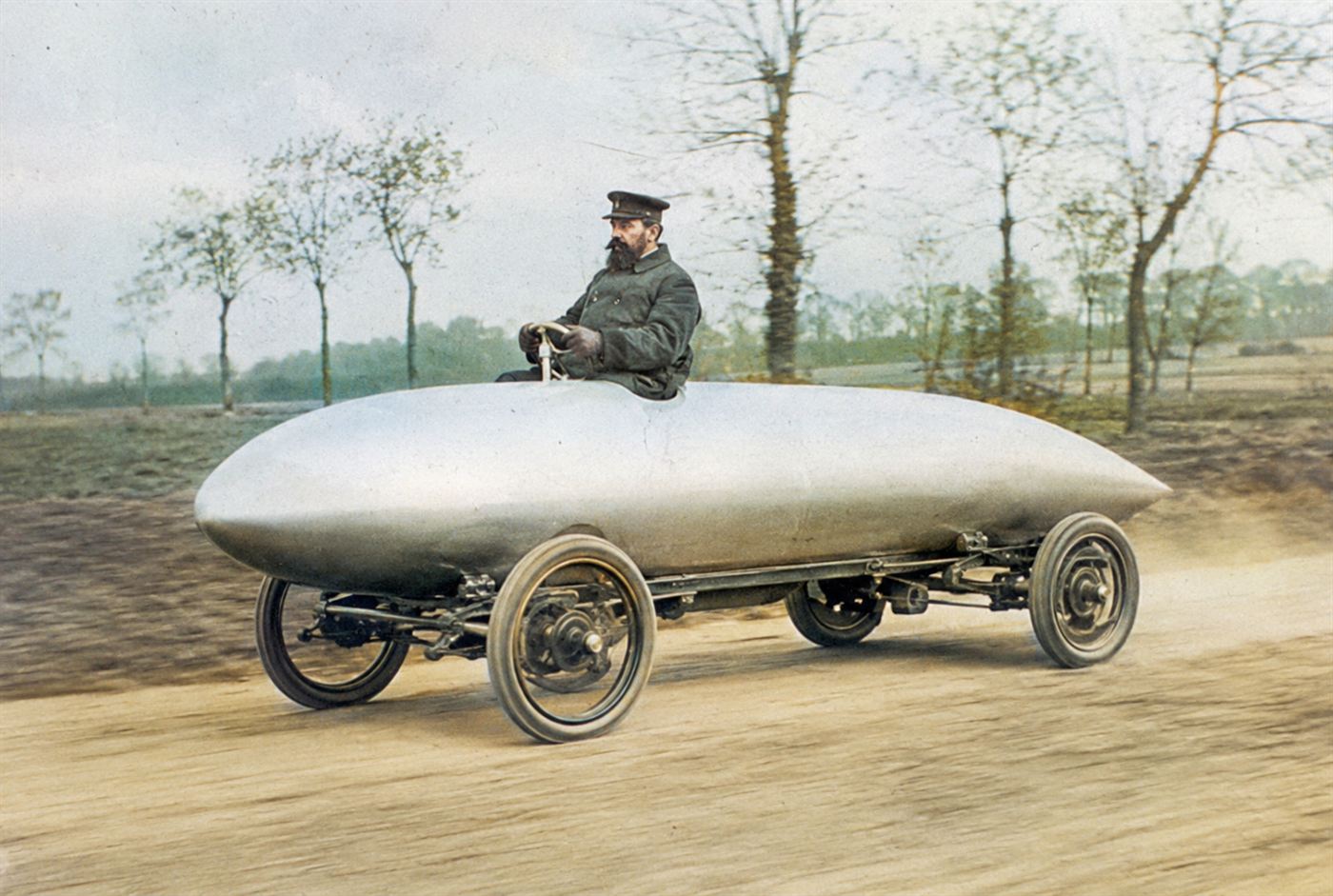
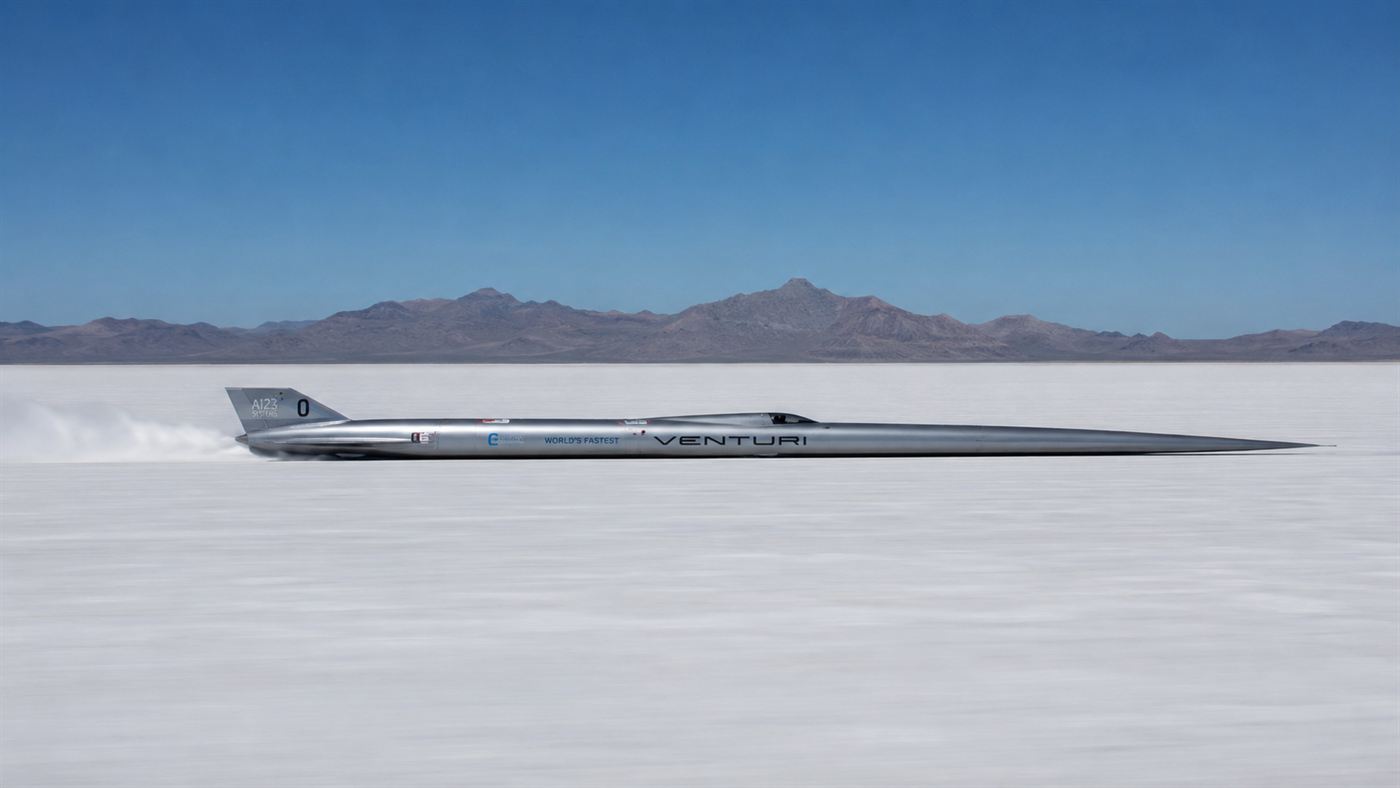
Related reading: the torpedo-shaped electric car that was the first to break 100 kilometres an hour, years before Stanley's run. See also the modern electric streamliner chasing records on the salt flats, and the bold American car that was crushed before it had a chance.