A napkin sketch in a Paris restaurant became Formula E, the electric racing series that petrolheads laughed at, until Porsche, Jaguar and Nissan came to race silent cars through the world's cities
Formula E was a joke to most of motorsport when it began: electric cars, no roar, racing in city car parks. A decade on it is an FIA World Championship that has pulled in Porsche, Jaguar and Nissan, races through Monaco and Sao Paulo, and helped prove an electric car can be genuinely fast.
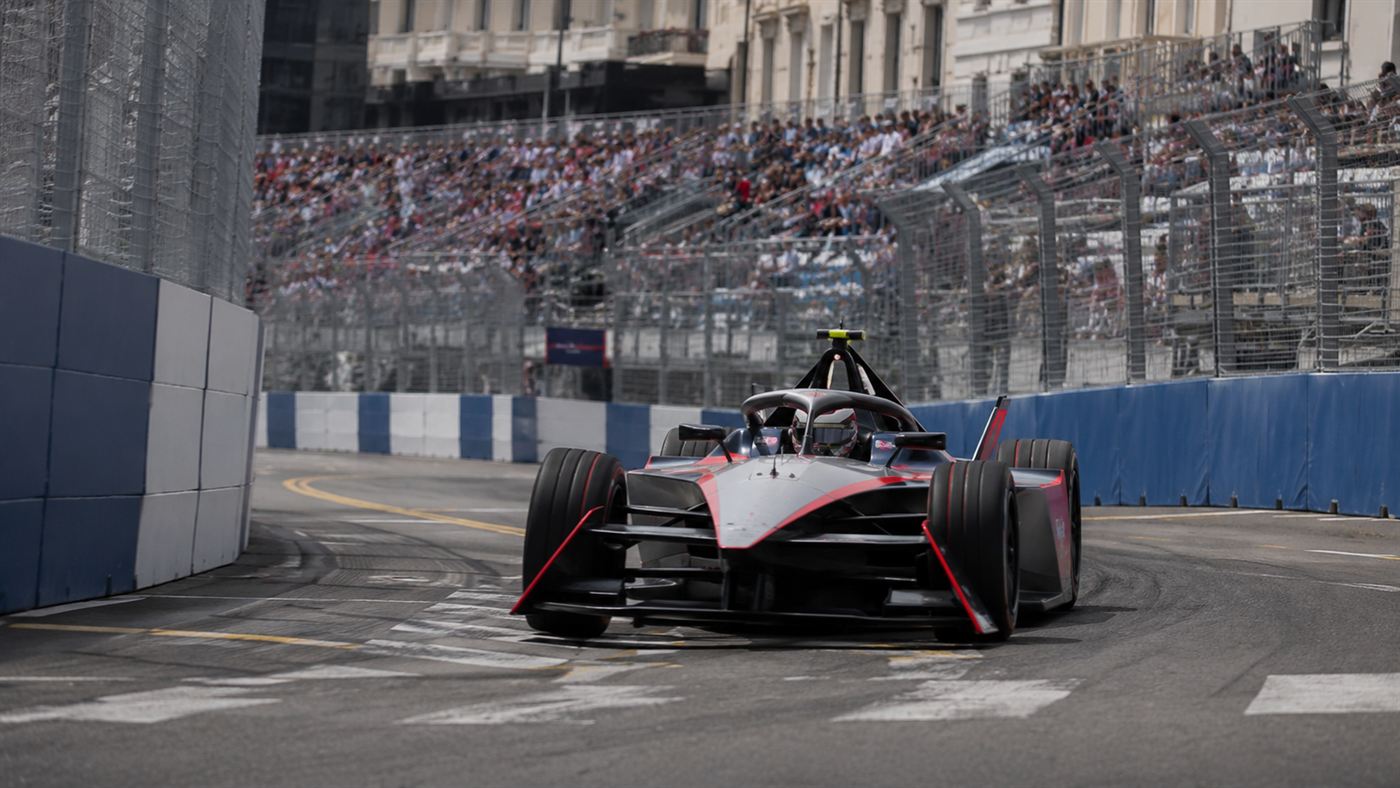
A Formula E single-seater on a city street circuit, where the cars whirr instead of roar. Illustration: Watts & Wild.
Formula E started as a doodle on a napkin. On a spring evening in 2011, the head of motorsport's governing body, Jean Todt, and a Spanish businessman named Alejandro Agag sat in a Paris restaurant and sketched out an idea almost everyone would soon tell them was ridiculous: a top-level motor-racing championship for cars that ran on batteries instead of petrol, racing not on famous circuits but through the middle of major cities.
Three years later, on September 13, 2014, the first race ran in the shadow of Beijing's Olympic stadium. As Formula E's own history tells it, a field of identical electric single-seaters whirred around a street circuit where a Formula 1 car would have screamed. To traditional racing fans it looked like a stunt, even an insult: slow, quiet and strange. Yet that odd little series would grow into a world championship and a magnet for the biggest names in the car industry.
What is Formula E? Formula E is the world's first all-electric international single-seater racing championship, founded by Alejandro Agag and the FIA. Since 2014 it has raced battery-powered cars through the streets of major cities, from Beijing to Monaco to Sao Paulo, as a showcase and proving ground for electric vehicle technology.
The race they had to swap cars to finish
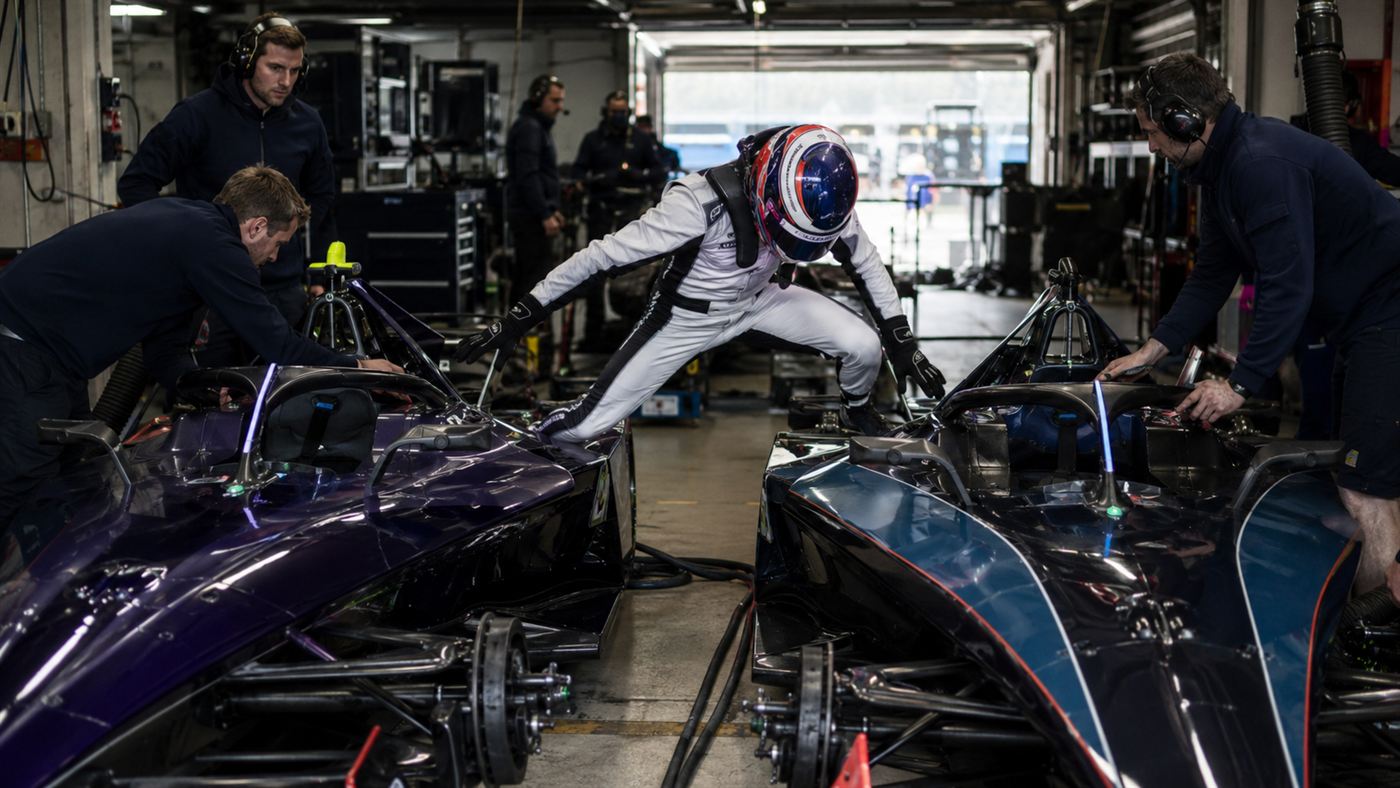
The detail that best captures early Formula E is also its most absurd: for the first few seasons, the cars could not finish a race. The batteries simply did not hold enough energy to last the full distance, so the rules built the limitation into the spectacle. Partway through each ePrix, drivers would dive into the pit lane, scramble out of their drained car and climb into a second, fully charged one, then race on. A motor race interrupted by a frantic change of vehicle was, fairly, an easy thing to mock.
But it was also a clock, ticking toward the moment the joke stopped working. As battery technology improved, fast, the car swap was dropped, and from 2018 a single car could run a whole race. Around it grew quirks that stuck, like Attack Mode, where a driver veers off the racing line through a marked zone to unlock a burst of extra power. The series turned its electric limits into a game, and then quietly outgrew them. The same year, electric racing made a louder statement on a mountain, when an electric car beat every petrol machine in the history of Pikes Peak.
How Formula E became a world championship
What carried Formula E through the ridicule was Alejandro Agag's refusal to treat it as a novelty. He pitched it not as a slower version of Formula 1 but as a different thing entirely: electric racing taken into the hearts of cities, where the air pollution actually is, to argue that clean cars could also be exciting. Critics called the cars milk floats and waited for the whole experiment to fold. It did not.
Instead it climbed the ladder of legitimacy. In 2020 Formula E was elevated to a full FIA World Championship, the same top tier as Formula 1, a stamp of seriousness almost no one had predicted for a battery series barely six years old. The doodle from the Paris restaurant had become an official world championship, raced on a global calendar, with a straight face.
Why the big carmakers came
The clearest sign that Formula E had won the argument was the grid. One by one the giants arrived: Audi, BMW, Jaguar, Nissan, DS, Mahindra, Mercedes, Porsche, Maserati and McLaren have all raced in it. For these companies the appeal was not just marketing but research, a controlled, public laboratory to push electric powertrains, energy management and the regenerative braking that recovers power under deceleration, with lessons that feed back into the cars they sell.
Not all of them stayed. Mercedes won back-to-back titles and then walked away, and others have come and gone as their priorities shifted, which is a fair reminder that the series still has to fight for its place. But the fact that the most famous names in motoring were willing to design and run electric racers at all, in a championship many had laughed at, was the validation Agag had been chasing.
Racing in the heart of the city
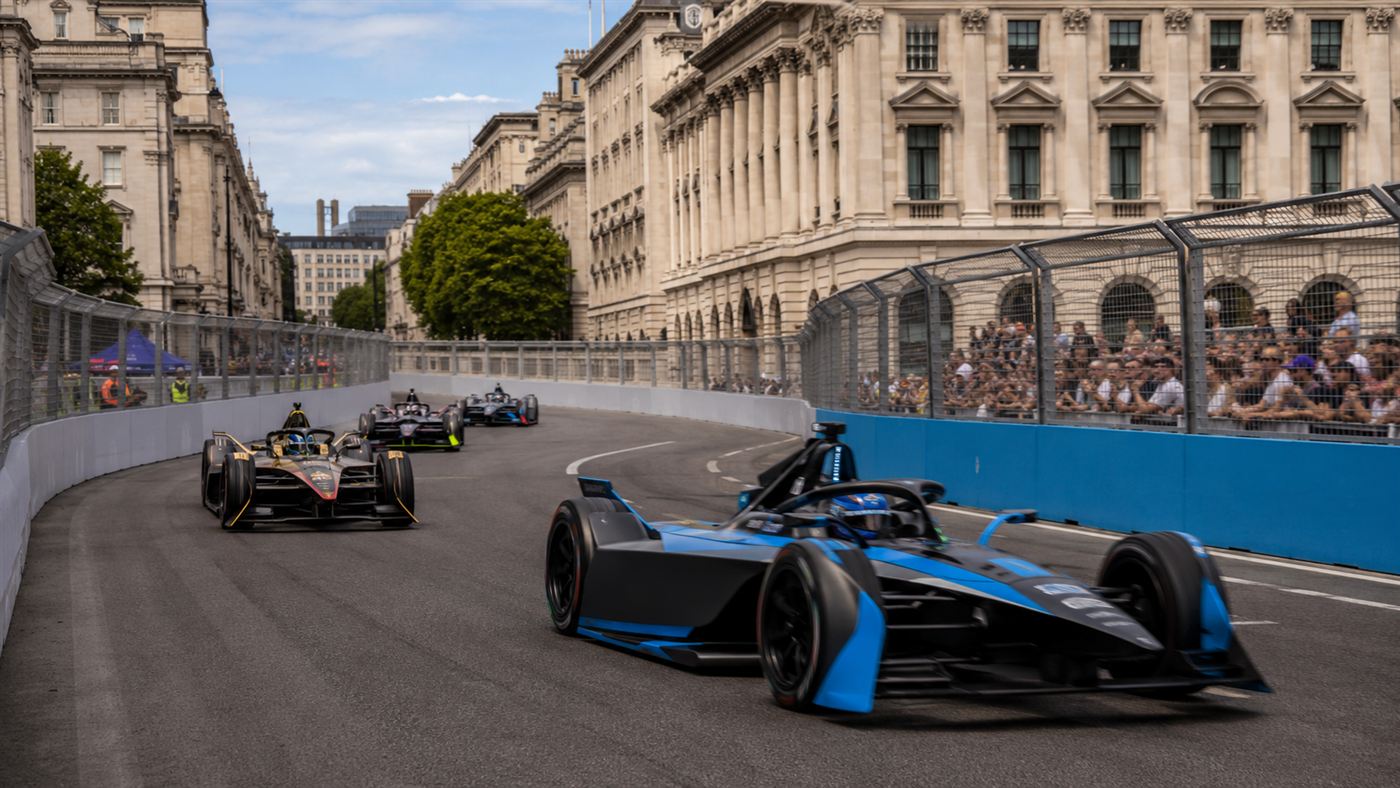
The other thing Formula E proved is that a racing car does not have to be deafening to be thrilling. Because the cars whirr rather than roar, the series can do something Formula 1 mostly cannot: build temporary circuits in the dense center of a city. Races have run past landmarks in Monaco, London, Berlin, New York, Rome and Sao Paulo, bringing the sport to people who would never travel to a distant racetrack.
That city-center format is the whole point, not a compromise. Putting electric racing on the streets where people actually live makes the argument better than any advertisement could: here are clean, fast cars, racing hard, in the very places petrol engines are least welcome. The quiet that fans first sneered at turned out to be the feature that let the sport go where the noise never could.
The honest catch
It would be too easy to tell this as a clean victory. Formula E is still a long way from Formula 1 in audience, budget and glamour, the early cars really were slow, and the racing has at times been more about energy-saving maths than wheel-to-wheel drama. There is also a fair charge of hypocrisy that gets thrown at it, since a "green" series still flies its cars, crews and equipment around the planet, a footprint that sits awkwardly with the message.
And yet the core achievement is real. A championship that began as a punchline pushed electric performance forward, normalised the idea of a fast electric car for a deeply skeptical audience, and proved that motorsport's future did not have to be loud. Formula E did not replace petrol racing, and it never claimed to. It simply showed, lap by lap in the middle of the world's cities, that the electric version was worth taking seriously, which in 2014 was the last thing anyone expected.
An idea scribbled on a napkin, mocked as milk floats racing in car parks, grew into an electric world championship that races through the hearts of the world's cities. Does quiet, city-center electric racing appeal to you, or does motorsport need the roar of an engine to matter? Tell us what you think in the comments.
Related reading: The Croatian who built the world's fastest car, electric, and ended up running Bugatti.