Decades before electric cars caught on down here, NASA was already driving one on the Moon, a battery-powered Lunar Rover with a motor in each of its four wheels
Long before electric cars filled our streets, the most advanced one humans had ever built was parked on the Moon. The Apollo Lunar Rover ran on batteries, put a motor in every wheel, and let astronauts drive miles across a world with no roads. All three are still up there.
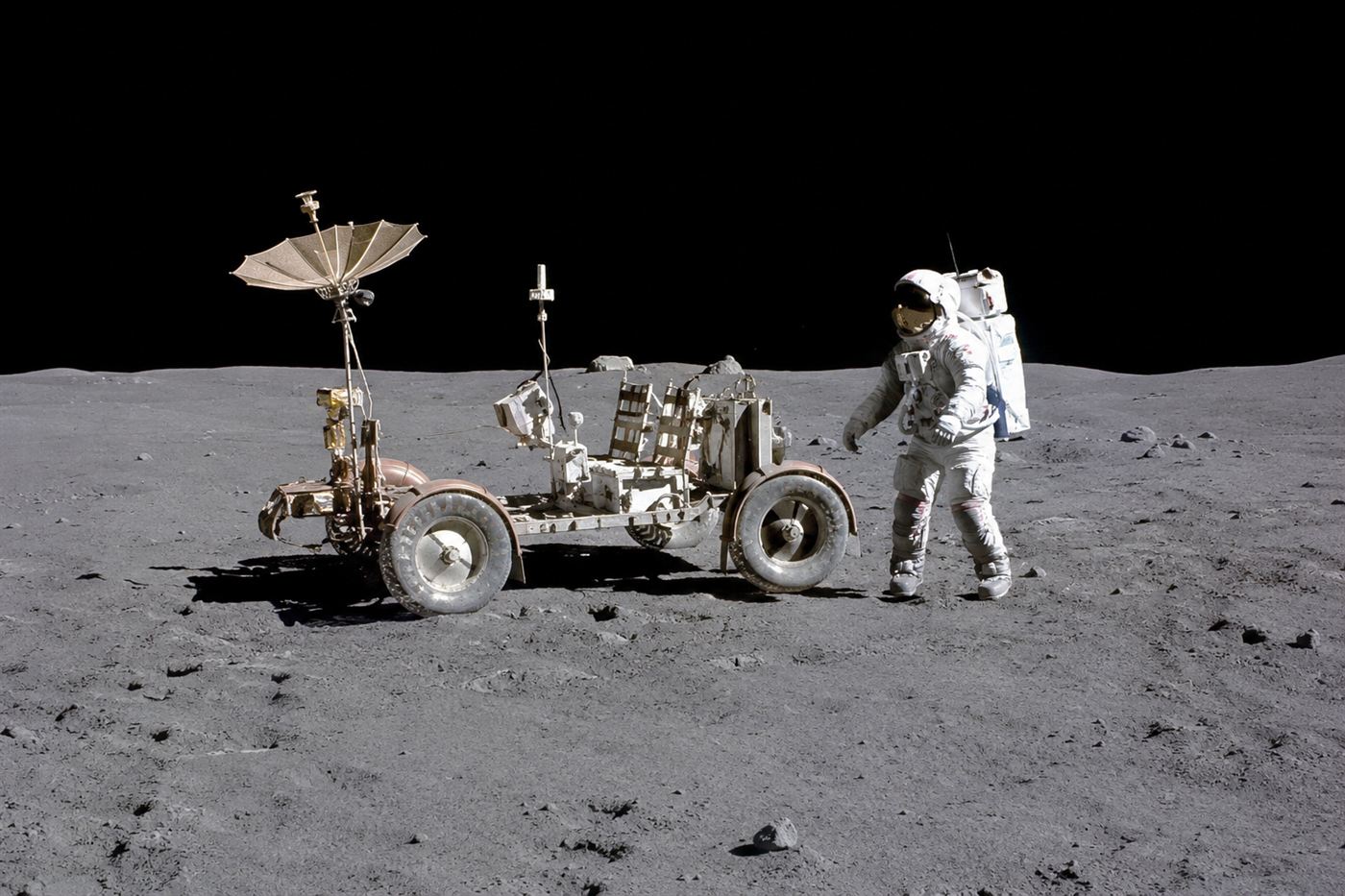
The Apollo Lunar Rover, an electric car built to drive on the Moon. Illustration: Watts & Wild.
In 1971, an electric car went for a drive somewhere no car had ever been: the surface of the Moon. It was called the Lunar Roving Vehicle, though almost everyone knows it as the Moon buggy. Over the last three Apollo missions, astronauts used it to range for miles across the grey dust, and when they were done, they simply parked it and left it there.
Look at it closely and it is uncannily modern. A battery instead of a fuel tank, a separate electric motor spinning each wheel, near-silent torque: it could pass for the spec sheet of a car launched this year, except it is more than half a century old.
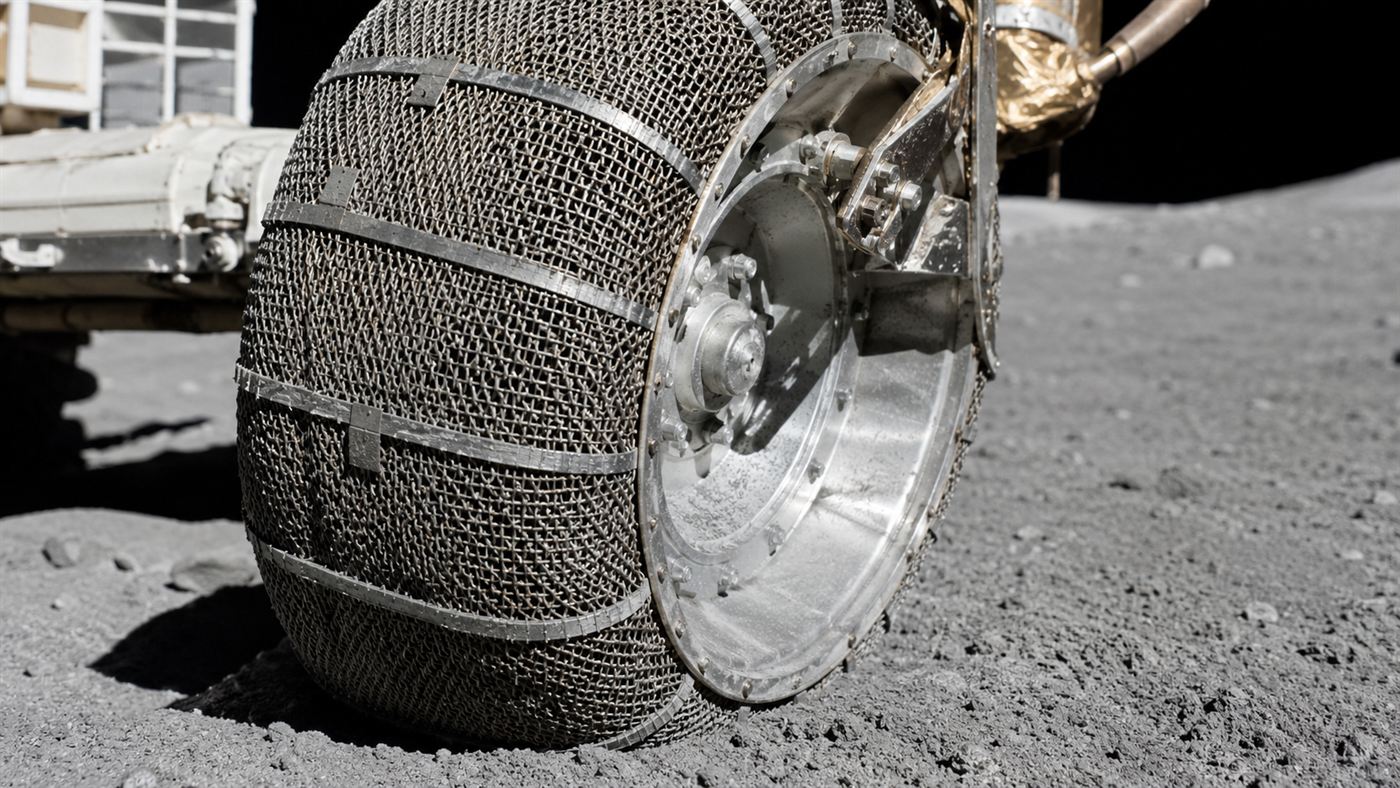
The Lunar Roving Vehicle was a battery-powered electric car used on the Moon during Apollo 15, 16 and 17, between 1971 and 1972. Built by Boeing in about 17 months, it had an electric motor in each of its four wheels and woven wire tyres, and it let astronauts travel far beyond their landing sites.
The Apollo Lunar Rover, a car built for another world
The Lunar Rover existed for one reason: to let astronauts cover ground.
On foot, in bulky suits, a crew could only wander a few hundred metres from the lander.
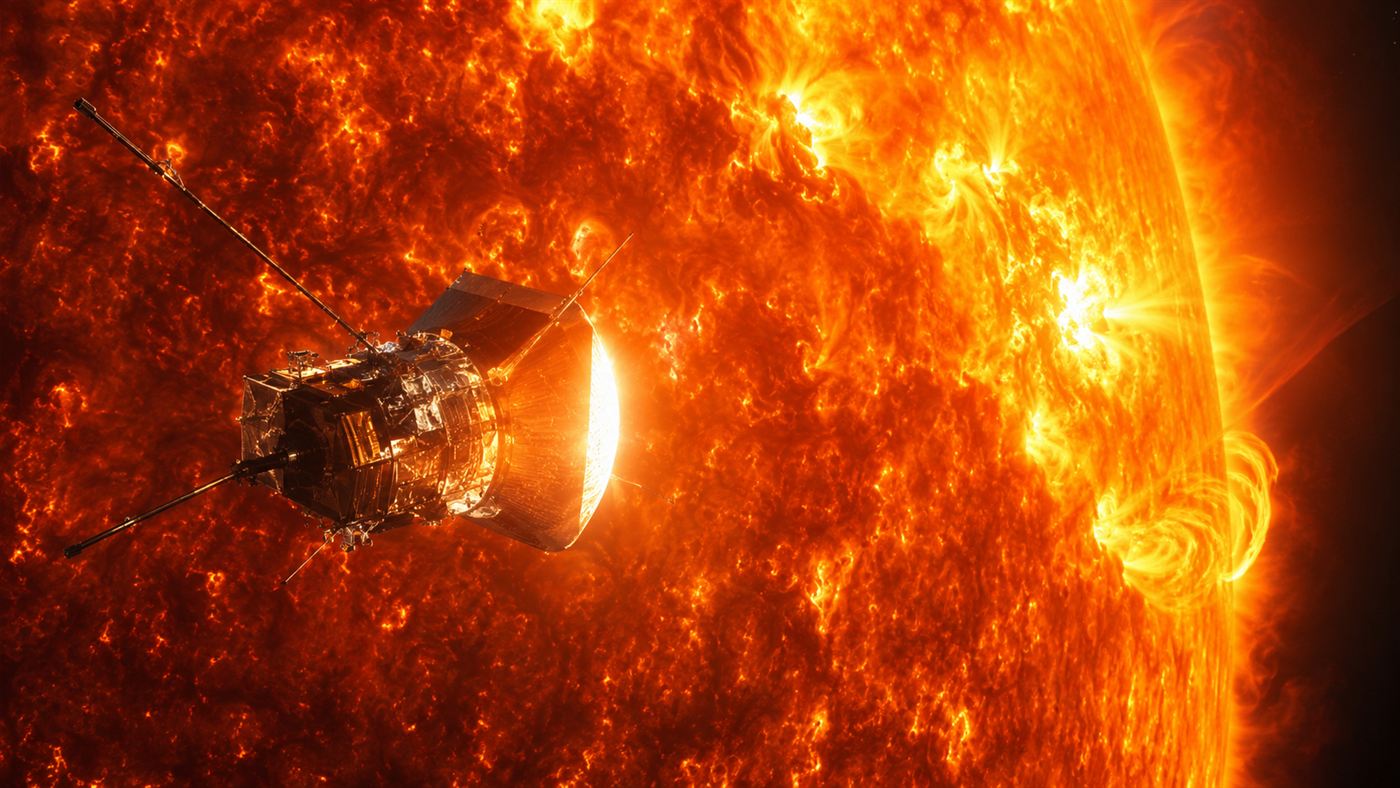
With the rover, they could drive several kilometres out and still get back safely, the same hunger to explore that later sent a probe to touch the sun.
Folded flat, the whole vehicle tucked into a slim bay on the side of the lunar module.
Once on the surface, it sprang open into a skeletal four-wheeled car.
Four wheels, four motors, two batteries
Under that bare frame, the Moon buggy was pure electric.
Each of its four wheels had its own quarter-horsepower electric motor, the very idea modern carmakers now sell as in-wheel drive.
It drew its power from two non-rechargeable silver-zinc batteries rather than any kind of fuel.
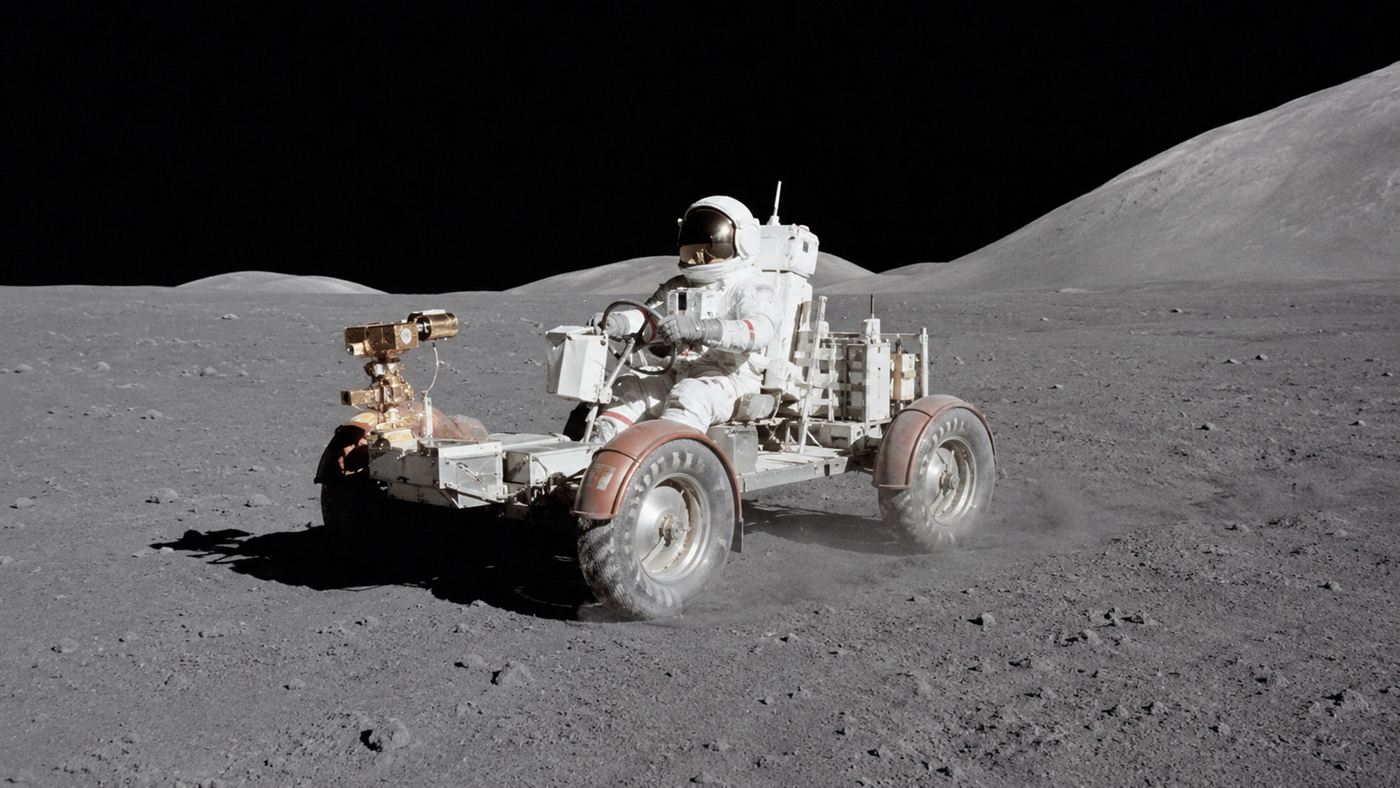
The astronauts did not steer with a wheel at all, but with a small T-shaped joystick between the seats.
It cruised at a gentle pace of around 13 kilometres per hour, though one crew managed to nudge it a little faster.
Wheels woven from wire
The hardest part of the whole machine turned out to be the wheels.
Ordinary rubber tyres would have frozen, cracked or melted in the Moon's vacuum and savage swings of temperature.
The story goes that he sold the idea by showing his bosses a tiny model rover crawling across a tray of sand.
His springy wire wheels gripped the dust and flexed over rocks, and they are still sitting up there today.
Built in a hurry
What is easy to forget is just how fast all of this came together.
That is a startlingly short time to build a dependable electric car for a place no mechanic could ever reach.
It worked across all three missions with no serious breakdowns to speak of.
The Lunar Rover's most famous repair was a snapped fender on Apollo 17, patched up with spare maps and grey tape.
An electric car, decades early
Seen from now, the Lunar Rover looks strangely ahead of its time.
A motor in every wheel, battery power and instant torque all read like the recipe for a modern electric car.
Yet this was 1971, when electric cars on Earth were a half-forgotten curiosity waiting on a better battery.
In a strange way, the Moon got a small fleet of advanced electric vehicles decades before the rest of us did.
The connection is more poetic than practical, but it is a striking one all the same.
The honest catch
It is tempting to crown the rover the first great electric car, but that overstates it.
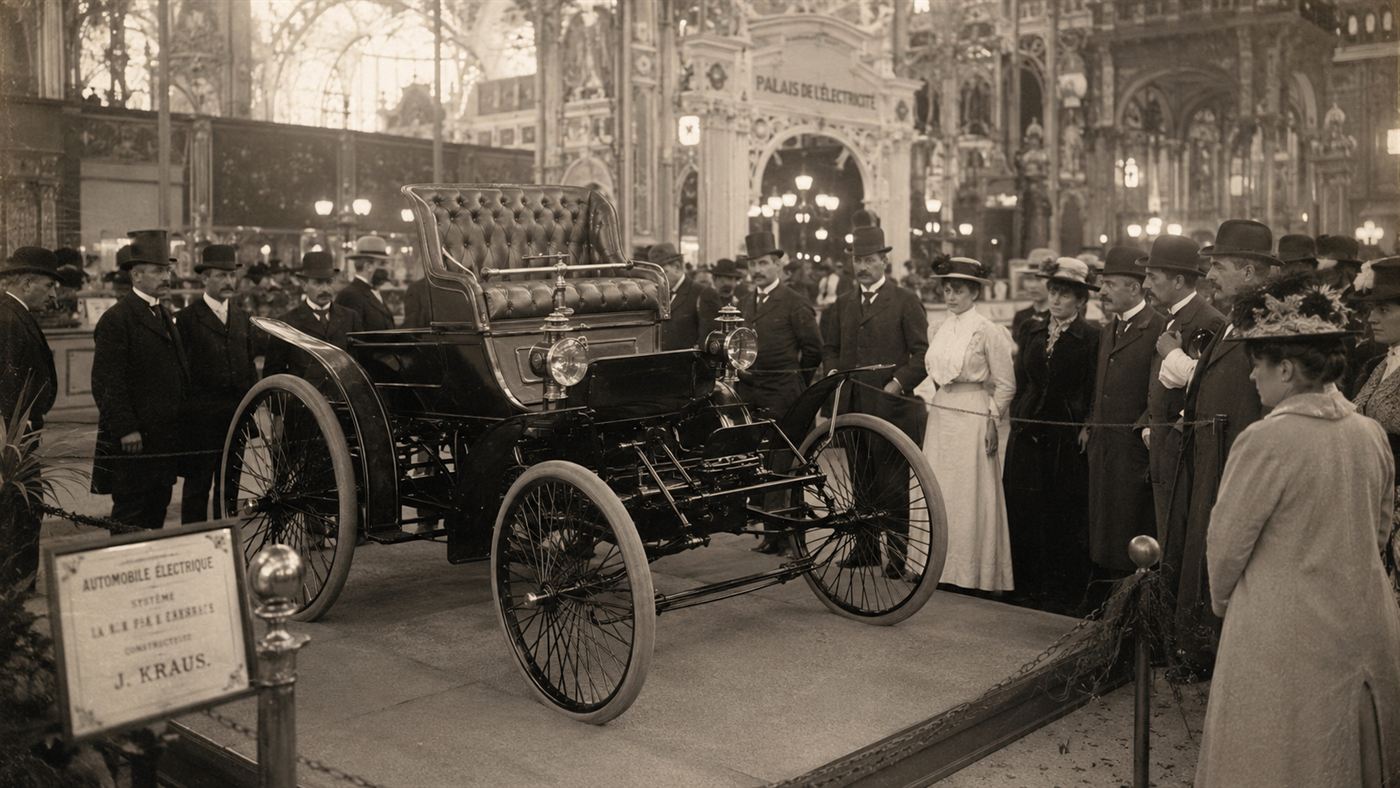
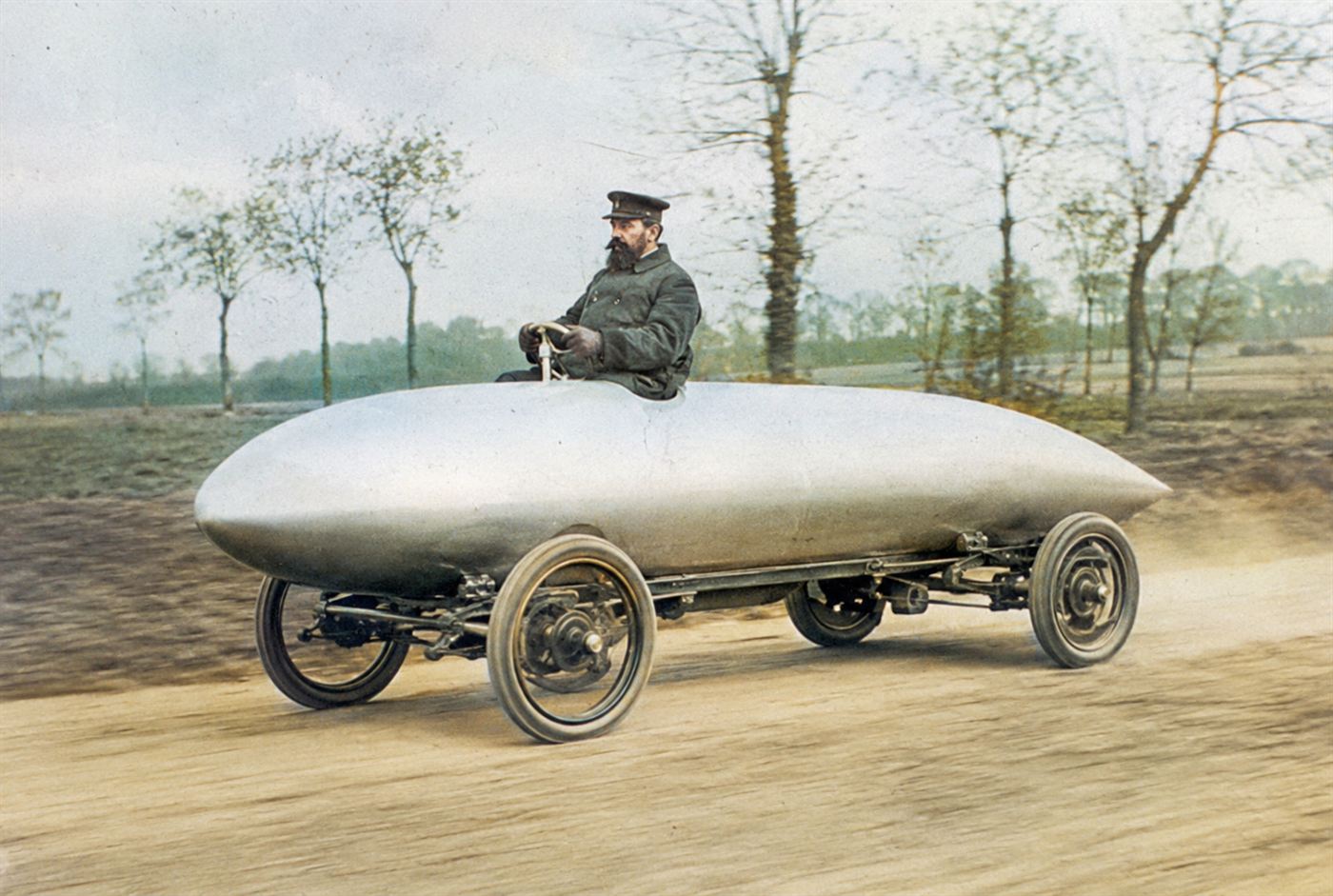
Electric cars were already racing on Earth back in 1899, so the Moon buggy was a brilliant one-off, not a beginning, as the story of La Jamais Contente shows.
Its batteries could not be recharged, it ran for only a few hours in total, and all three rovers were simply abandoned where they stopped.
Its woven wheels and space-grade parts were built for the Moon, not for any road back home.
It pushed forward the craft of getting around on the Moon, not the electric car you might drive today.
Still, there is something wonderful in the thought of it.
Three electric cars are sitting silent on the Moon right now, parked exactly where their drivers stepped off them, the oldest abandoned vehicles anywhere off the Earth.
If we send people back to the Moon, do you think the next Moon car should be electric too, or something completely new? Tell us in the comments.