A geoscientist grew up on a family legend of an Amazon river that boils, was told it could not exist, then found it, water hot enough to cook an animal alive
Andres Ruzo's grandfather told him of a river deep in the Peruvian Amazon that runs hot enough to kill. As a scientist he was sure it was a myth, because there is no volcano for hundreds of kilometres. He went looking anyway, and the legend turned out to be real.
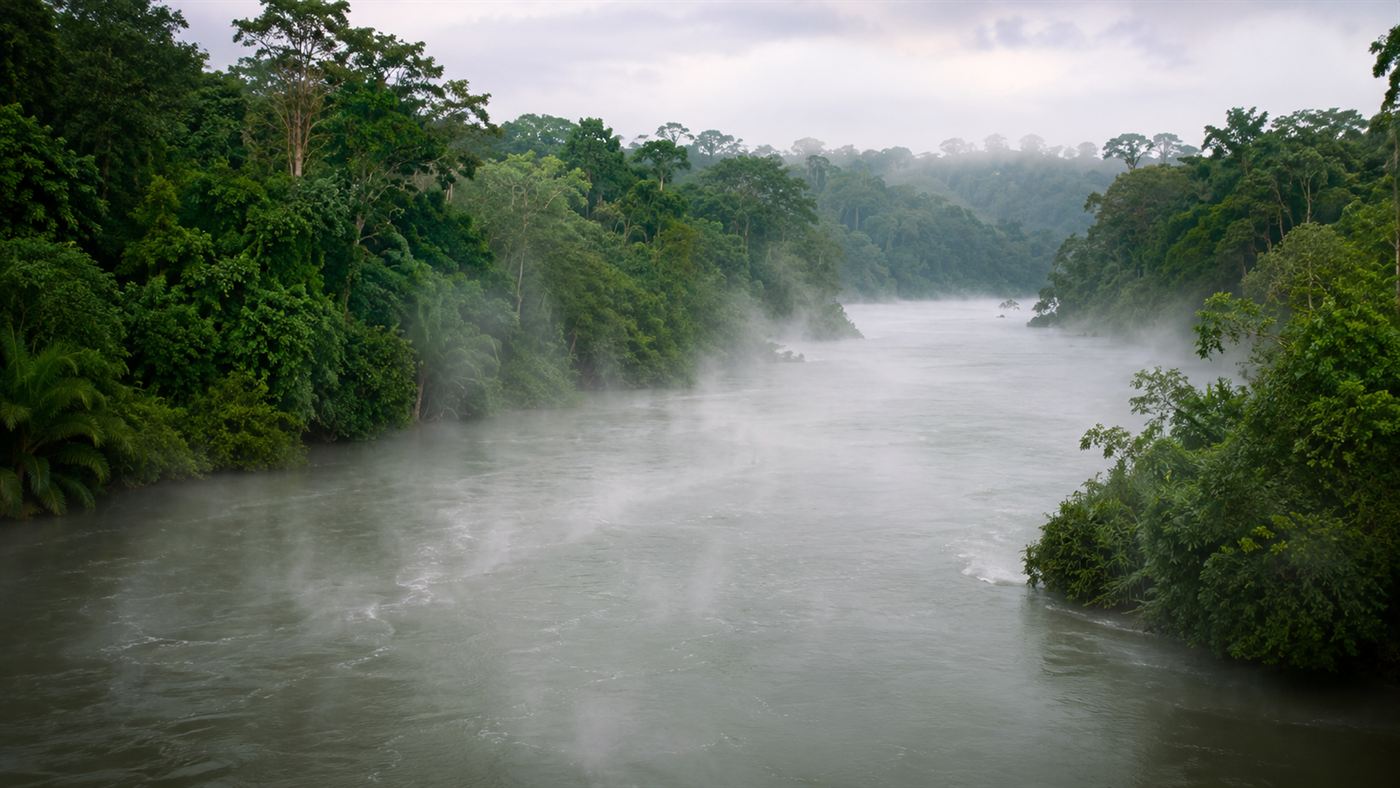
The Shanay-timpishka steams as it runs through the Peruvian Amazon, hot enough to scald. Illustration: Watts & Wild.
When Andres Ruzo was a small boy in Peru, his grandfather told him a story about a boiling river of the Amazon that ran hot, as if a fire burned beneath it, a river the Spanish conquistadors had supposedly stumbled on and barely escaped. It was the kind of tale you file away as a fairy story. Years later, training as a geoscientist, Ruzo heard an aunt mention, almost in passing, that she had actually swum near it.
That should have been impossible. As his published record lays out, Ruzo became, in 2011, the first scientist granted permission to study the river, and what he found was not a fairy story at all. It was the Shanay-timpishka, a stretch of the Amazon hot enough to cook an animal that falls in, running for kilometres through the jungle, hundreds of kilometres from the nearest volcano. The bedtime story was a real place.
The bedtime story that turned out to be true
The reason Ruzo nearly dismissed it is the same reason the find is so strange. A geologist's first instinct is that very hot water means volcanic activity, magma close to the surface heating the ground. Hot springs cluster around volcanoes for exactly that reason. So a boiling river out in the flat, wet Amazon, far from any volcano, sounds like a contradiction in terms.
He went to see for himself, guided to it through the rainforest. What he reached was not a trickle or a steaming puddle but a proper river, and the heat coming off it was real enough to fog his camera lens and sting his skin from the bank. The legend his grandfather had told him over a generation earlier was flowing right in front of him, throwing off steam.
What he actually found
The numbers are the stuff of nightmares and wonder in equal measure. As Interesting Engineering has reported, the hot section runs for nearly four miles, reaches around 25 metres across and several metres deep, and averages about 86 degrees Celsius, close to 187 Fahrenheit. That is not a metaphor for hot. It is hot enough to brew tea, hot enough to give third-degree burns in seconds, and locals describe animals that tumble in being cooked alive, eyes clouding white first.
It is, as far as anyone has documented, the largest thermal river on Earth. Stand on its bank and you can watch the steam roll off the surface and hear the water moving, an ordinary jungle river in every way except that it could scald you to death. For something that sounds mythical, it is unnervingly physical and specific.
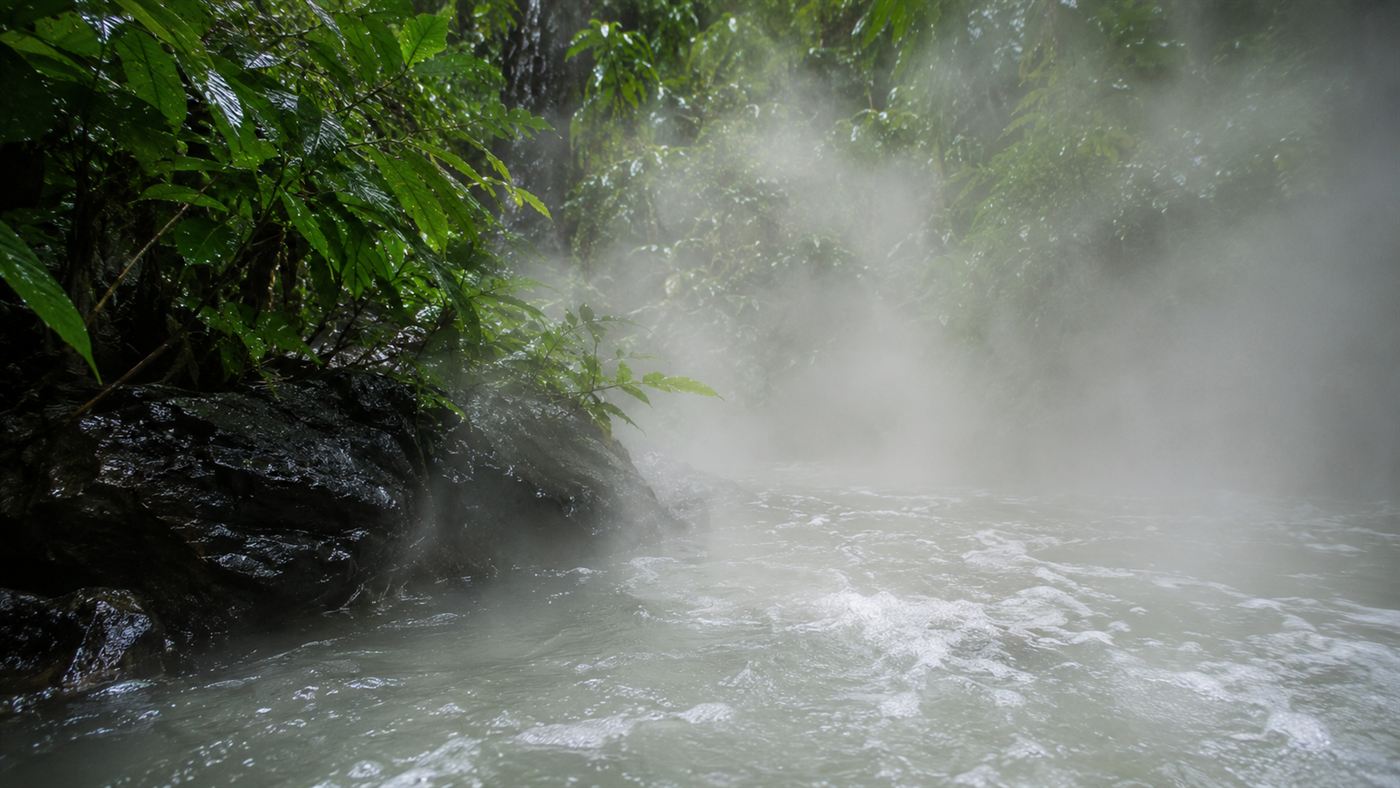
How the boiling river of the Amazon runs hot 700 kilometres from any volcano
So if there is no volcano, where does the heat come from? Ruzo's answer is that the river is not volcanic at all. It is a giant hot spring fed by the Earth's own deep heat. As National Geographic has reported on his work, rainwater seeps deep into the ground, is warmed by the hot rock of the Earth's crust, and is then forced back up to the surface along faults, emerging in this one place hot enough to boil.
In other words, you do not need magma to make a river dangerous. You need the planet's own background heat, a deep plumbing system of cracks, and a place where the hot water happens to surface in volume. The Boiling River is a reminder that the ground beneath the Amazon is not inert. It is warm, and in the right spot, that warmth comes pouring out.
Sacred water, shaman's water
There is a layer to this that the word "discovery" misses entirely. The river was never lost. The people who live around it, including the healers based at a site called Mayantuyacu, have known and used it for generations, and its name, Shanay-timpishka, is usually translated as something like "boiled with the heat of the sun." In the local tradition the heat is the work of a giant serpent spirit, the mother of the waters.
Ruzo has been careful to hold both truths at once, the geophysics and the sacred. The Boiling River Project he founded is built around protecting the site and working with the communities and shamans who consider it holy, rather than treating it as a curiosity to be measured and left. The science explains how the water gets hot. It does not replace what the river means to the people who were here first.
The honest catch
It is worth being clear-eyed about a few things. Calling Ruzo the river's discoverer is a Western framing he himself pushes back on, because indigenous communities knew it all along, and a string of outsiders had heard of it before him. He was the first to study it with modern instruments, which is a real and different thing, but it is not the same as finding something nobody knew.
The river is also not a wall-to-wall rolling boil. It averages around 86 degrees and reaches near-boiling in stretches, which is plenty to kill, but the cinematic image of a river bubbling end to end oversells it. And it is genuinely under threat, not from science but from the deforestation and illegal logging creeping in around it, which is the whole reason Ruzo turned from simply studying the river to trying to save it. The wonder is real. So is the fact that it could be lost.
A scientist chased a story his grandfather told him and found a real river hot enough to kill, heated not by a volcano but by the planet itself. How many other "myths" do you think are sitting out there waiting for someone stubborn enough to go and check? Tell us what you think in the comments.
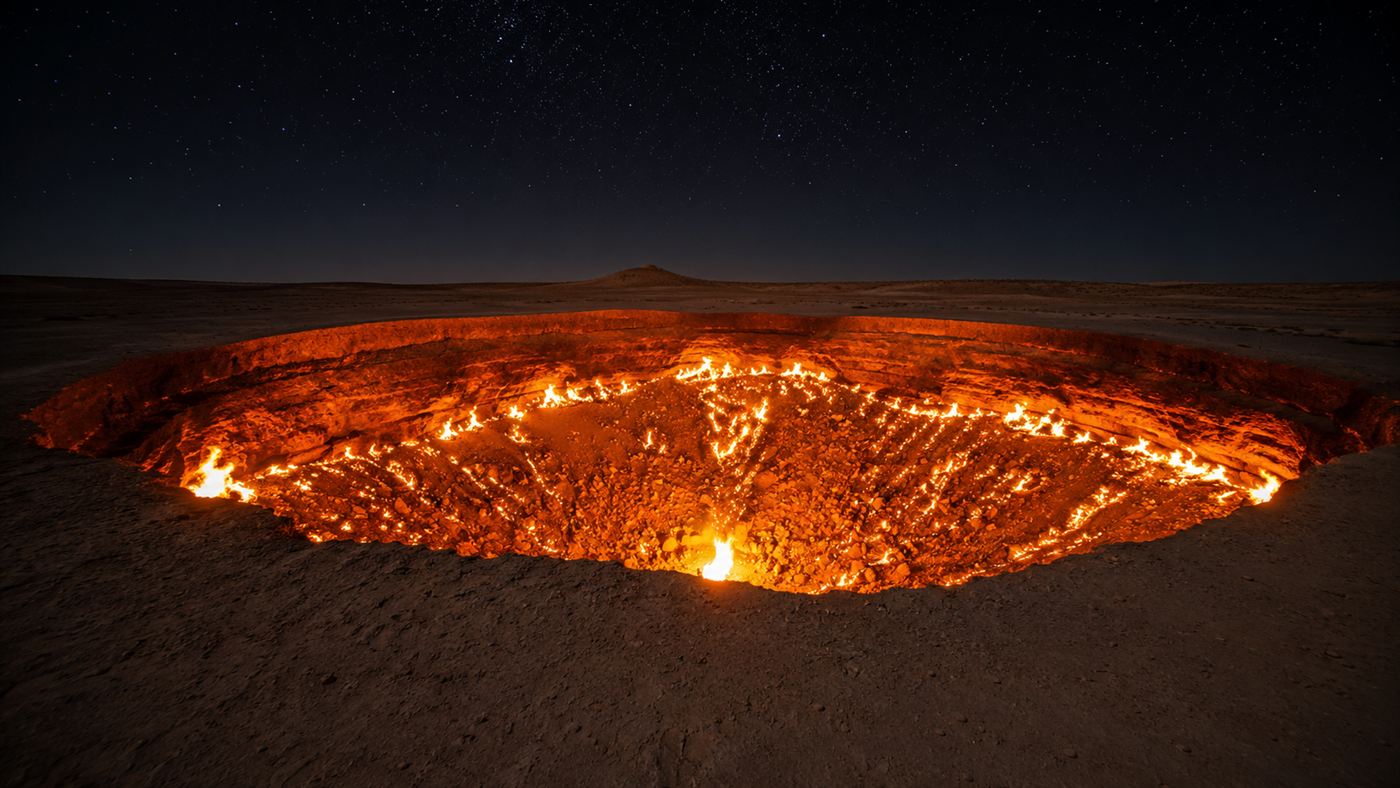
Related reading: The Door to Hell, a fiery gas crater that has burned in the desert since 1971, is finally going out. See also Fly Geyser, the rainbow spring a botched Nevada well built by accident.