For ninety years Yosemite created a glowing waterfall of fire every night by shoving burning embers off a cliff, and after it was banned, nature offered a real one in its place
Every summer evening for the better part of a century, a river of fire poured down a Yosemite cliff while crowds gasped below. It was completely artificial, and eventually it was stopped for good. Then, in a twist no one planned, the mountains produced their own version of the miracle, out of nothing but sunlight and water.
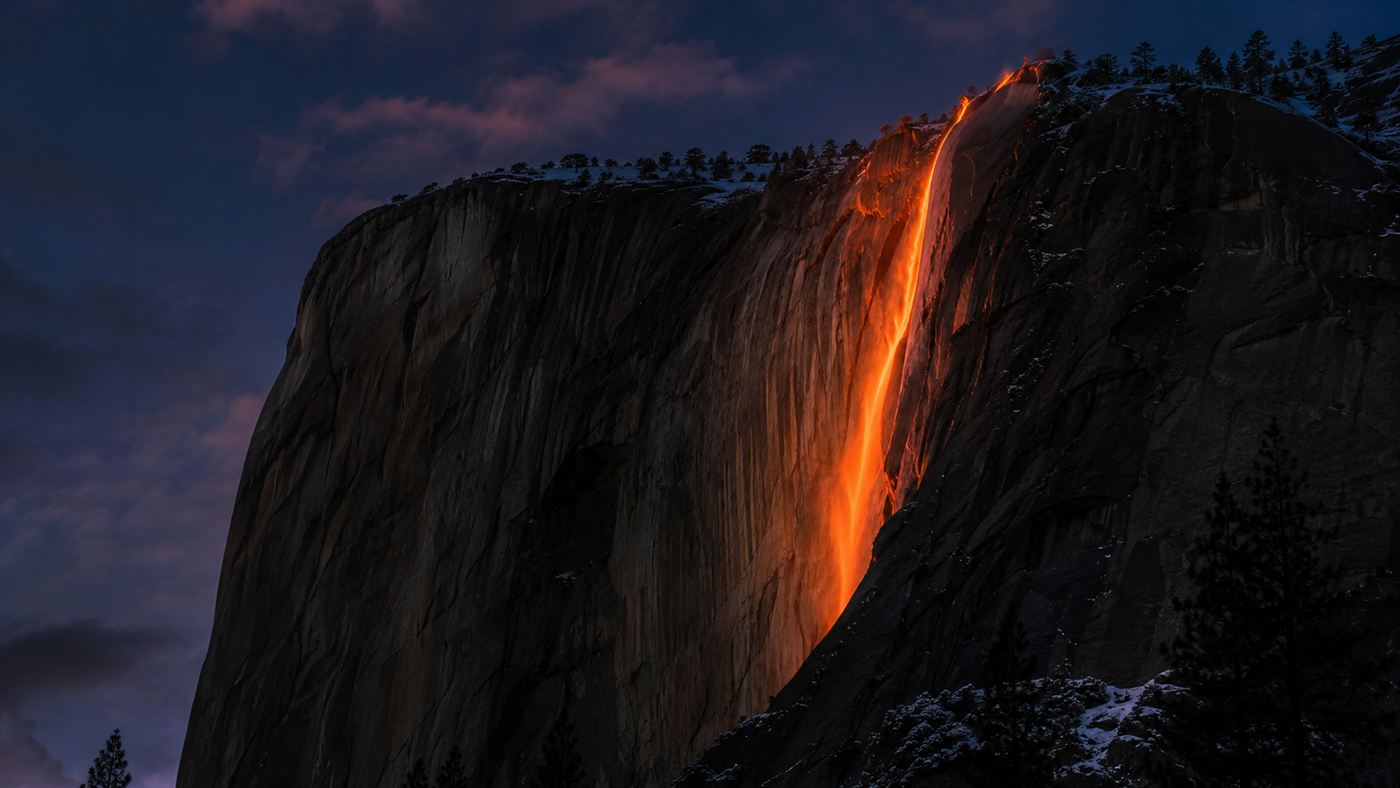
The modern firefall is sunlight setting Horsetail Fall aglow for a few February evenings. Illustration: Watts & Wild.
Starting in the 1870s, the keepers of a hotel high on the rim of Yosemite Valley began a nightly ritual that would run, on and off, for almost a hundred years. Each evening they built a great bonfire of red fir bark at the edge of Glacier Point, a granite cliff thousands of feet above the valley floor, and let it burn down to a mound of glowing coals.
Then, at a signal shouted up from below, they pushed the embers over the edge. The coals streamed down the sheer rock in a long, glittering cascade, a waterfall made of fire, and the tourists gathered in the meadows far beneath would cheer at the sight. This was the original Yosemite Firefall, and for generations it was one of the most beloved spectacles in any national park.
The short version is that it was a wonderful, entirely fake show, and in time it had to end. What almost nobody expected was that the park itself would answer with a genuine firefall of its own, one made not of embers but of light.
The show made of embers
The old firefall was pure theatre. There was nothing natural about it: it depended on people hauling wood up a mountain, tending a fire all evening, and shoving the coals off a cliff on cue. For the crowds below, though, the effect was magical, a glowing ribbon spilling down the dark granite as if the rock itself had caught fire.
It became a fixture of a Yosemite holiday, passed down through families across the decades. People planned trips around it and gathered by the thousands to watch the burning embers fall, and for a very long time the firefall seemed as much a part of the park as the cliffs and the giant trees.
Why the Yosemite Firefall was banned
By the 1960s, the very popularity of the spectacle had become its problem. Enormous crowds packed into the valley to see it, trampling the fragile meadows and jamming the roads, and park officials increasingly felt that a staged fire show simply did not belong in a place meant to be preserved in its wild state.
So in 1968 the National Park Service called a halt, and the last embers slid down the cliff for good. To many longtime visitors it felt like the loss of a treasured tradition, the deliberate switching-off of a light that had glowed over the valley for their whole lives, all in the name of protecting the park from the very people who loved it.
Nature's answer on El Capitan
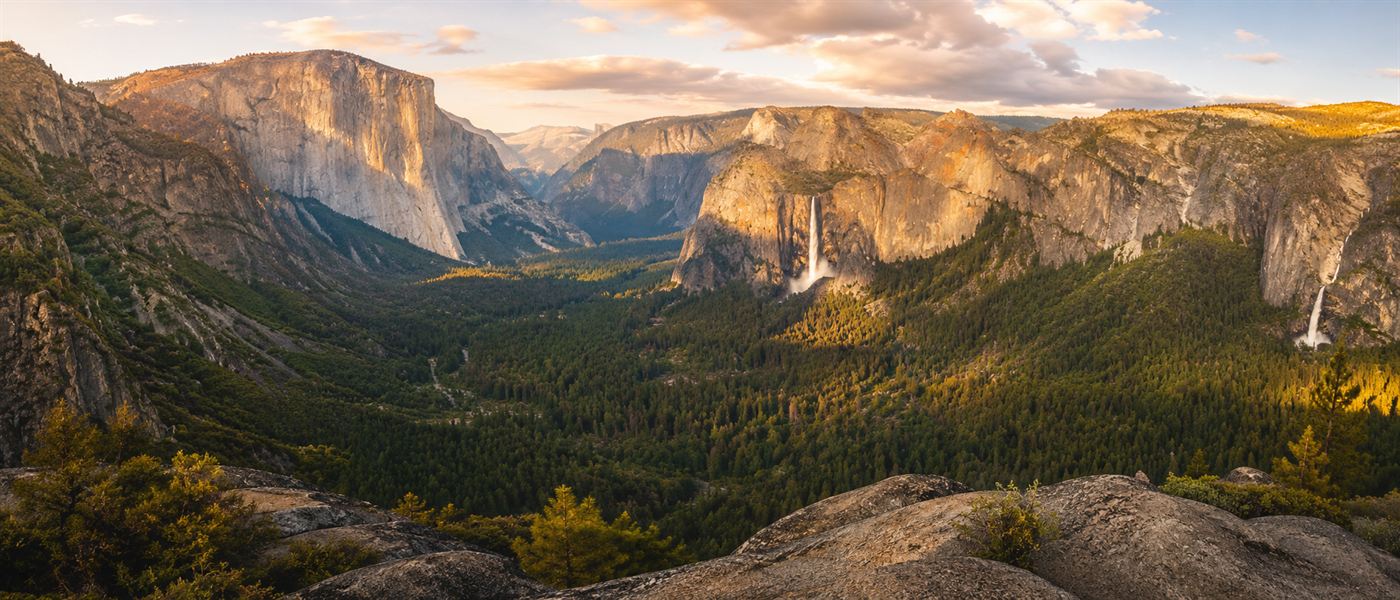
For years the firefall was just a memory. Then photographers began drawing attention to something on the opposite side of the valley, on the great cliff of El Capitan, that looked eerily like the old show and yet was completely real. It centred on a thin, seasonal waterfall called Horsetail Fall.
For roughly two weeks in the middle of February, when there is enough meltwater flowing and the western sky is clear at sunset, the low sun strikes Horsetail Fall at a precise angle and lights the falling water from behind. The stream ignites into a brilliant orange and red glow, as though molten lava were pouring off El Capitan. Nature had, by pure coincidence, recreated the firefall.
Is the modern firefall really fire?
Not in the slightest, and that is part of its charm. There is no flame and no heat, only sunlight caught at exactly the right moment on falling water, an optical trick of angle and timing. What looks like a cliff bleeding fire is really just a waterfall wearing the colours of the sunset for a few fleeting minutes.
It is also gloriously unreliable. The event needs water in the fall, which means a wet enough winter, and it needs a clear western horizon at the exact sunset window, which the weather often refuses to provide. In dry years Horsetail Fall barely runs at all, and in cloudy ones the light never arrives, so the crowds who gather can just as easily go home having seen nothing.
The honest catch
It is a lovely idea that nature simply handed back what people had lost, but the truth is a little more tangled. The two firefalls are completely different things that happen to look alike, one a manufactured cascade of coals, the other a rare alignment of sun and water, and they are often confused into a single tidy story that is not quite accurate.
There is a gentle irony, too, in how the natural version has turned out. It was ended, in part, because crowds were overwhelming the valley, and yet the modern firefall now draws its own enormous crowds every February, so large that the park has to manage and restrict access to protect the place all over again. We banned the fake spectacle to save Yosemite from our own enthusiasm, and then fell just as hard for the real one.
A fake waterfall of fire was switched off to protect a valley, and years later the sun and a thin stream of meltwater conspired to light a real one on the cliff across the way. Does the natural firefall move you more than the old show would have, or is a little stage magic sometimes worth the crowds? Tell us what you think in the comments.
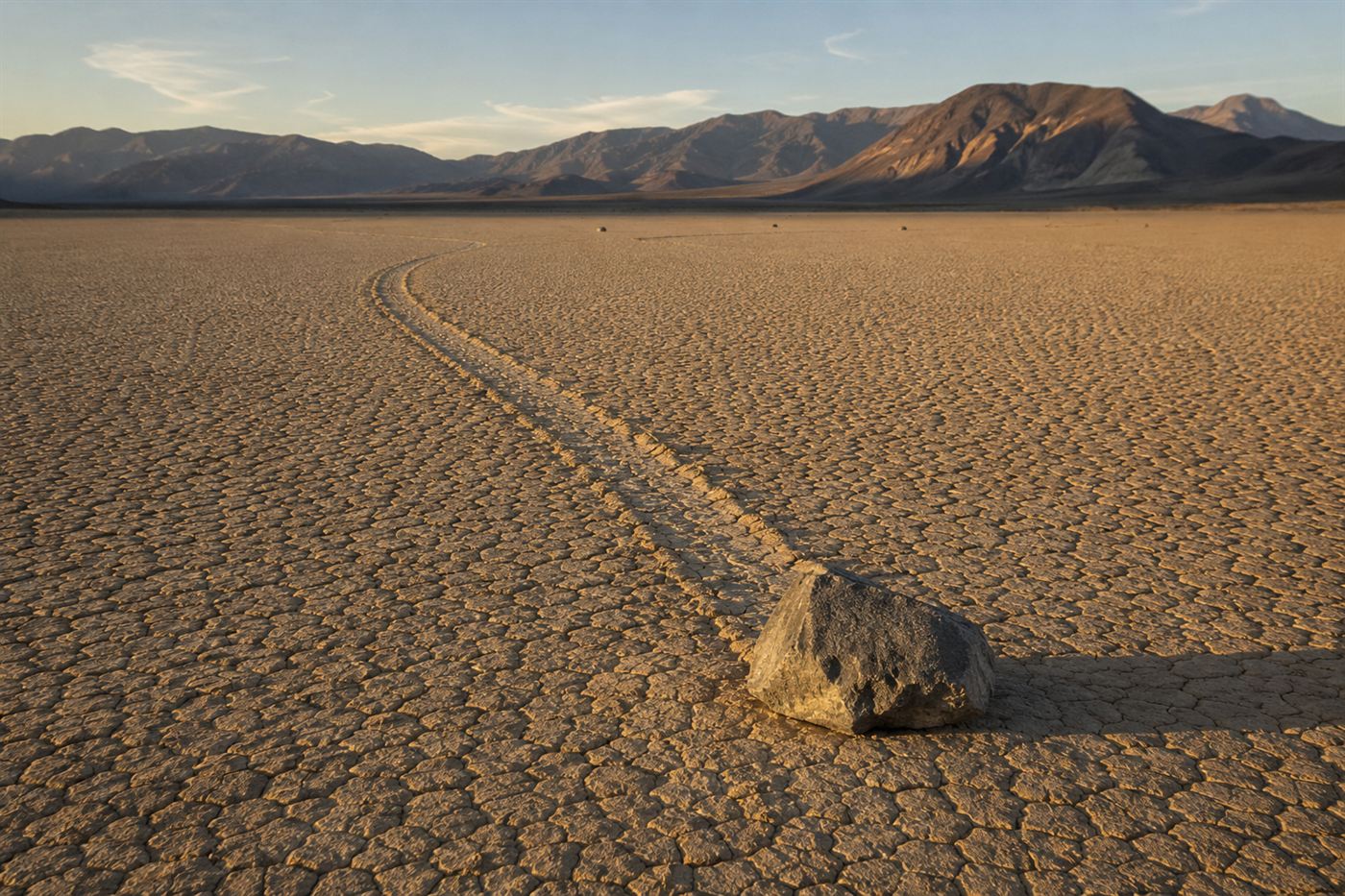
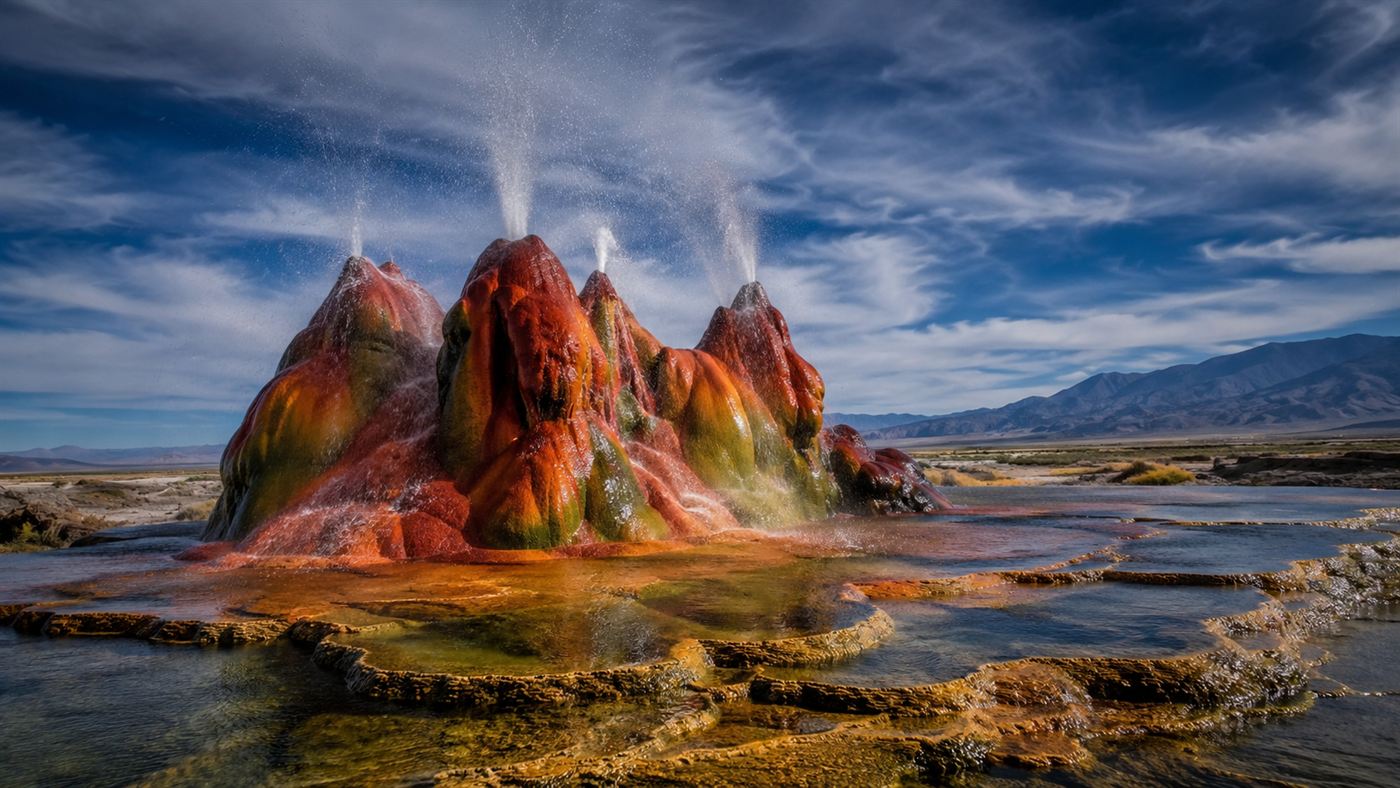
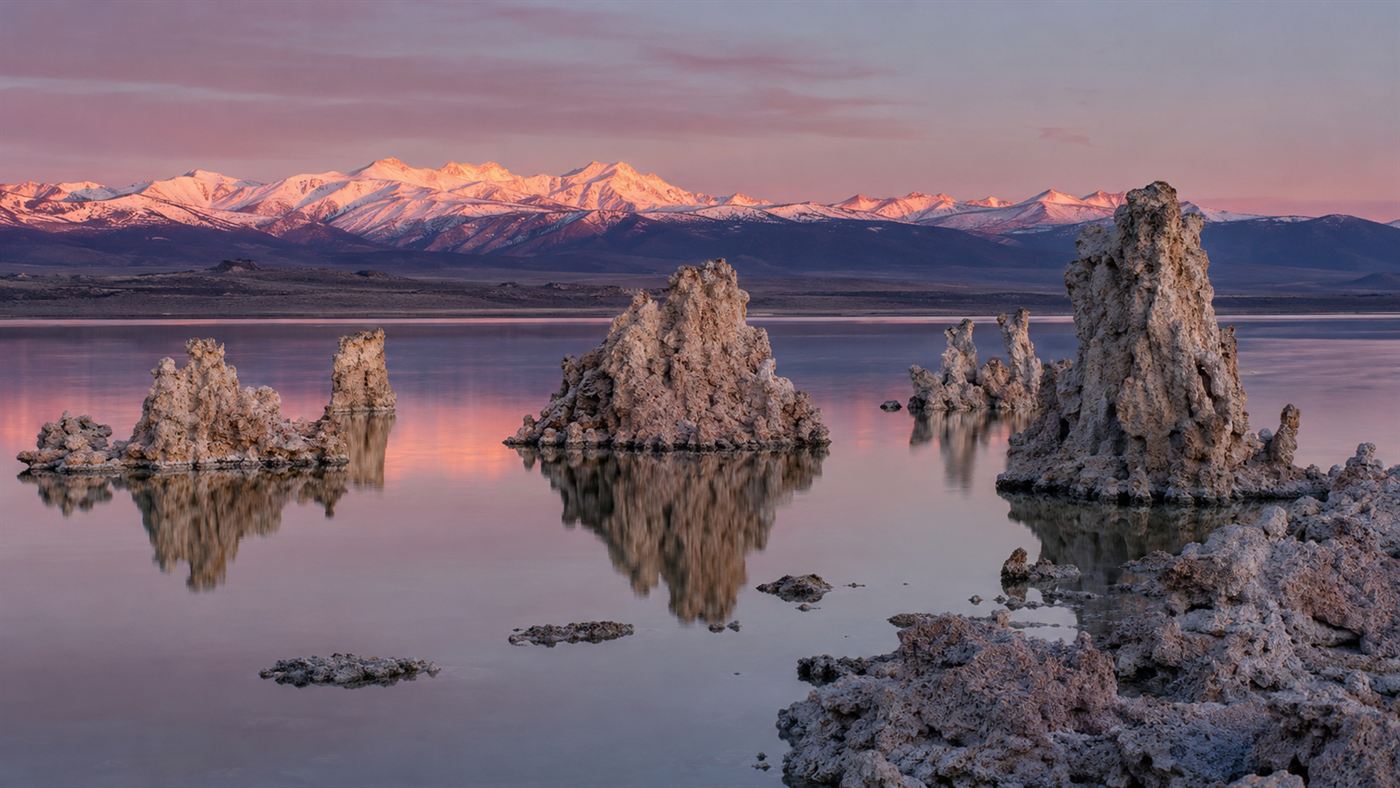
Related reading: the sailing stones that glide across a desert lakebed on their own. See also Fly Geyser, a rainbow spring made by accident, and the strange tufa towers of Mono Lake.