About 160 people live inside the crater of an active volcano on Aogashima, a remote Japanese island whose last eruption killed half its people, and they cook with its heat
Aogashima is the most remote inhabited volcano island in Japan, a green speck in the Pacific that is really the rim of an active volcano. About 160 people live inside its outer crater, farming, distilling spirits and steaming their dinners over the same volcanic vents that, in 1785, killed nearly half the island.
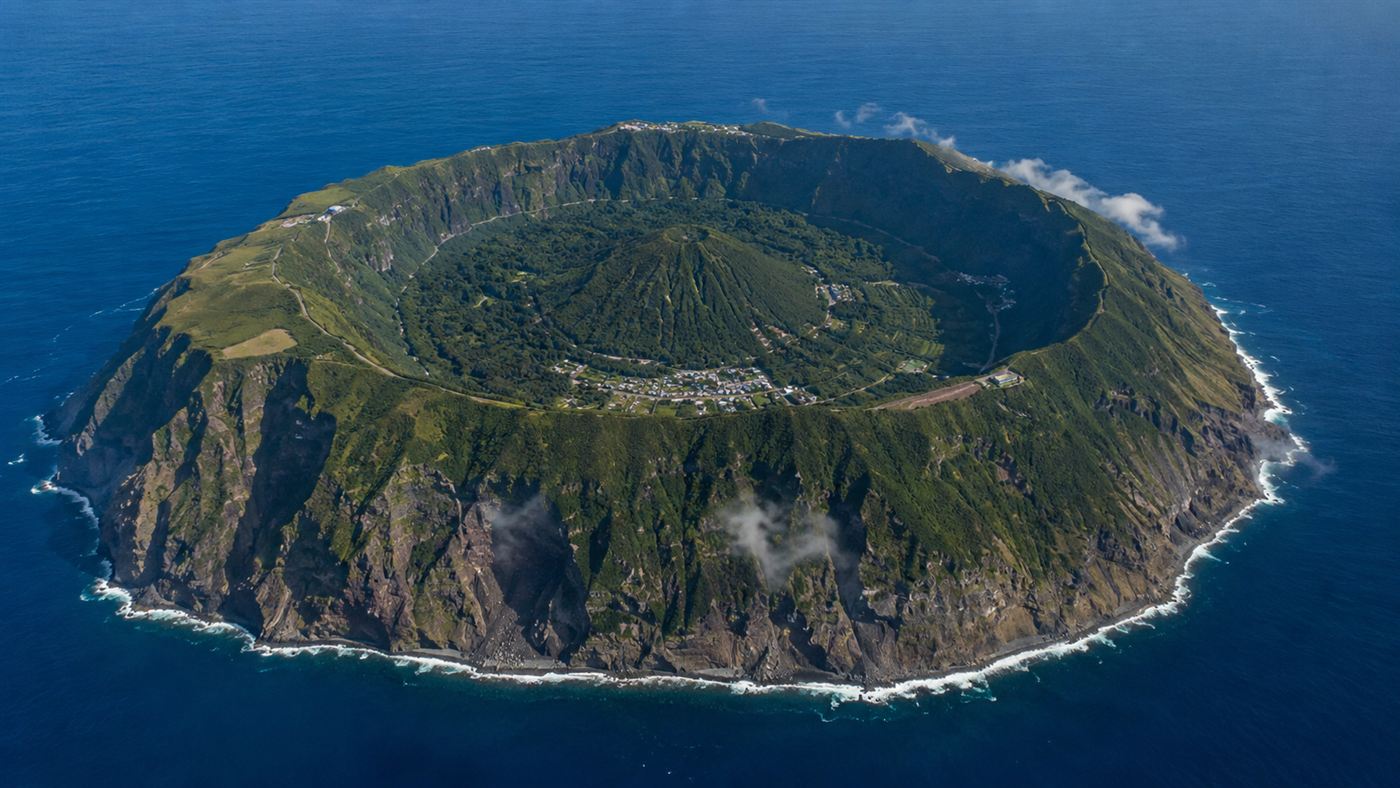
Aogashima is a caldera nearly two kilometers wide, with a village tucked along the inside of the rim. Illustration: Watts & Wild.
Aogashima looks impossible from the air. It is a single dark-green ring rising sheer out of the open Pacific, a caldera nearly two kilometers across with a smaller volcanic cone nested inside it, and along the inner wall, a tiny village. About 160 people choose to live there, inside an active volcano, hundreds of kilometers from the nearest city.
They are not there by accident. As Wikipedia documents, an eruption in 1785 killed around 130 of the 327 people then living on Aogashima and emptied the island for about 50 years. And yet the survivors' descendants came back, to farm the rich volcanic soil and live off the mountain's heat.
Aogashima is a volcano island about 358 kilometers south of Tokyo, the southernmost of the inhabited Izu Islands. Roughly 160 people live inside its outer crater, which makes it Japan's least populous village. The island is an active volcano whose 1785 eruption killed nearly half its people and left it empty for half a century.
What is it like to live inside a volcano?
The first thing to understand is that the whole island is the volcano.
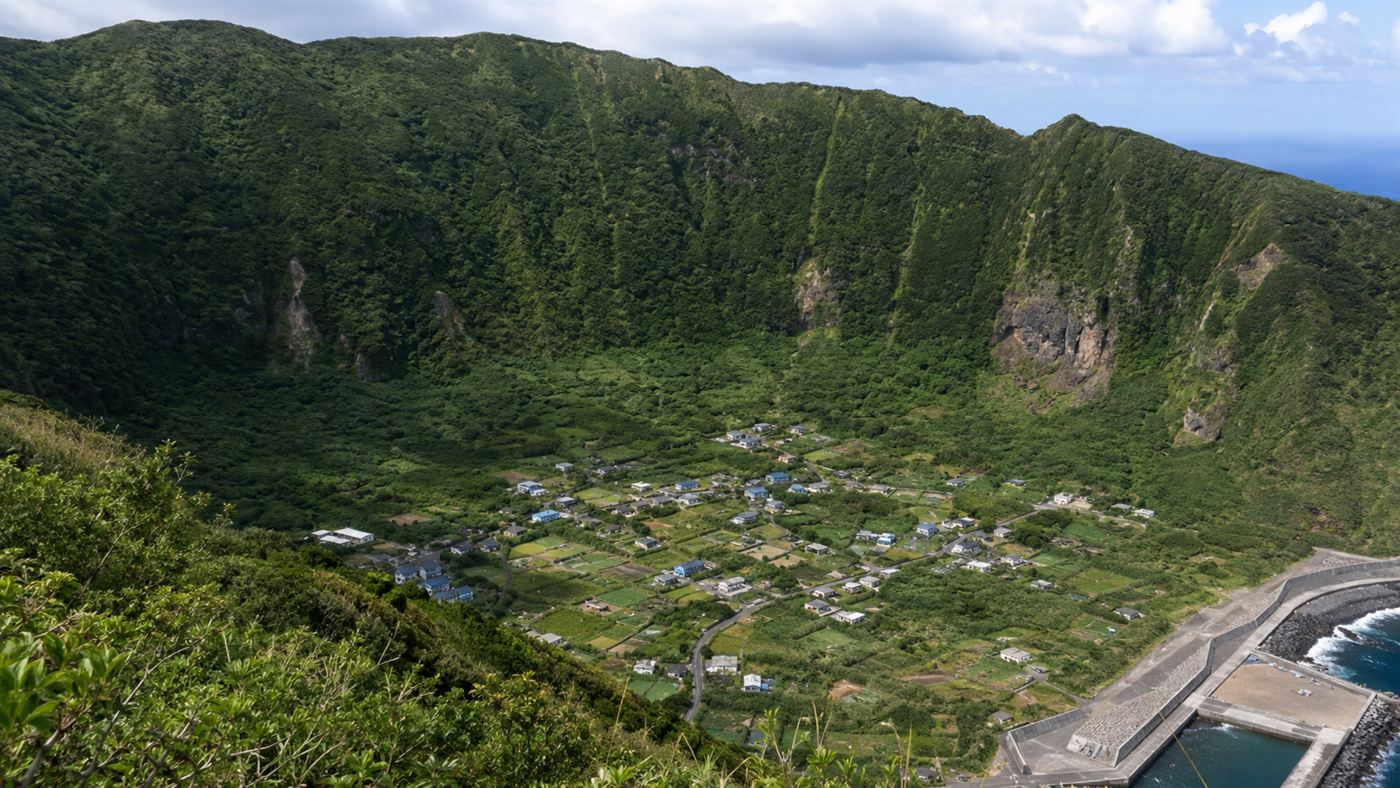
Aogashima is not a town with a volcano nearby, it is a caldera roughly 1.7 by 2.5 kilometers wide, and the village sits on a shelf against the inside of the crater wall.
That position is deliberate, because the rim shelters the houses from the brutal Pacific wind and rain while keeping them back from the steaming inner cone.
Step outside and the ground itself can be warm, with wisps of steam leaking from cracks in the earth.
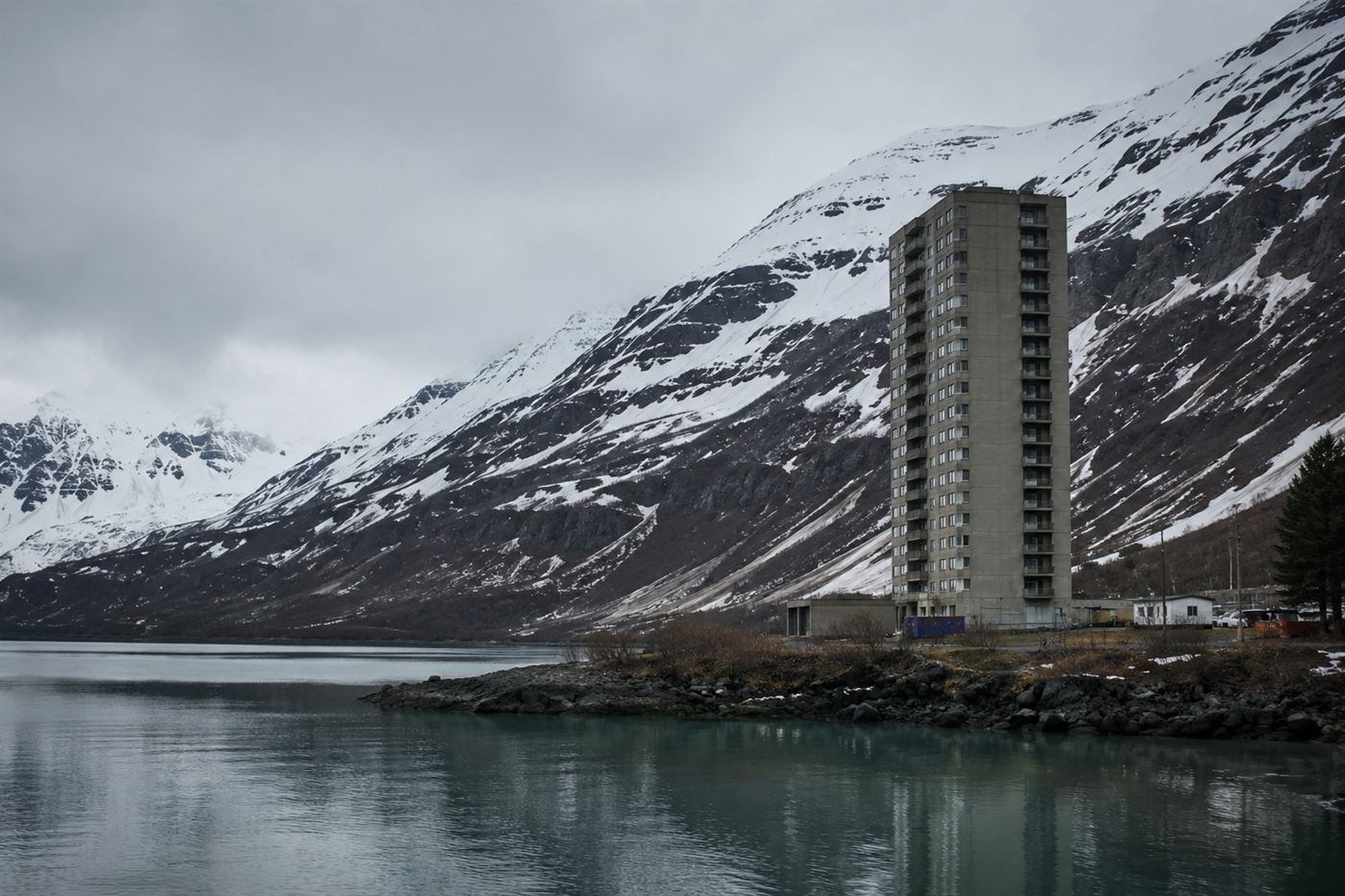
On other volcanoes those same cracks breathe fire and poison, as they do for the sulfur miners of Kawah Ijen.
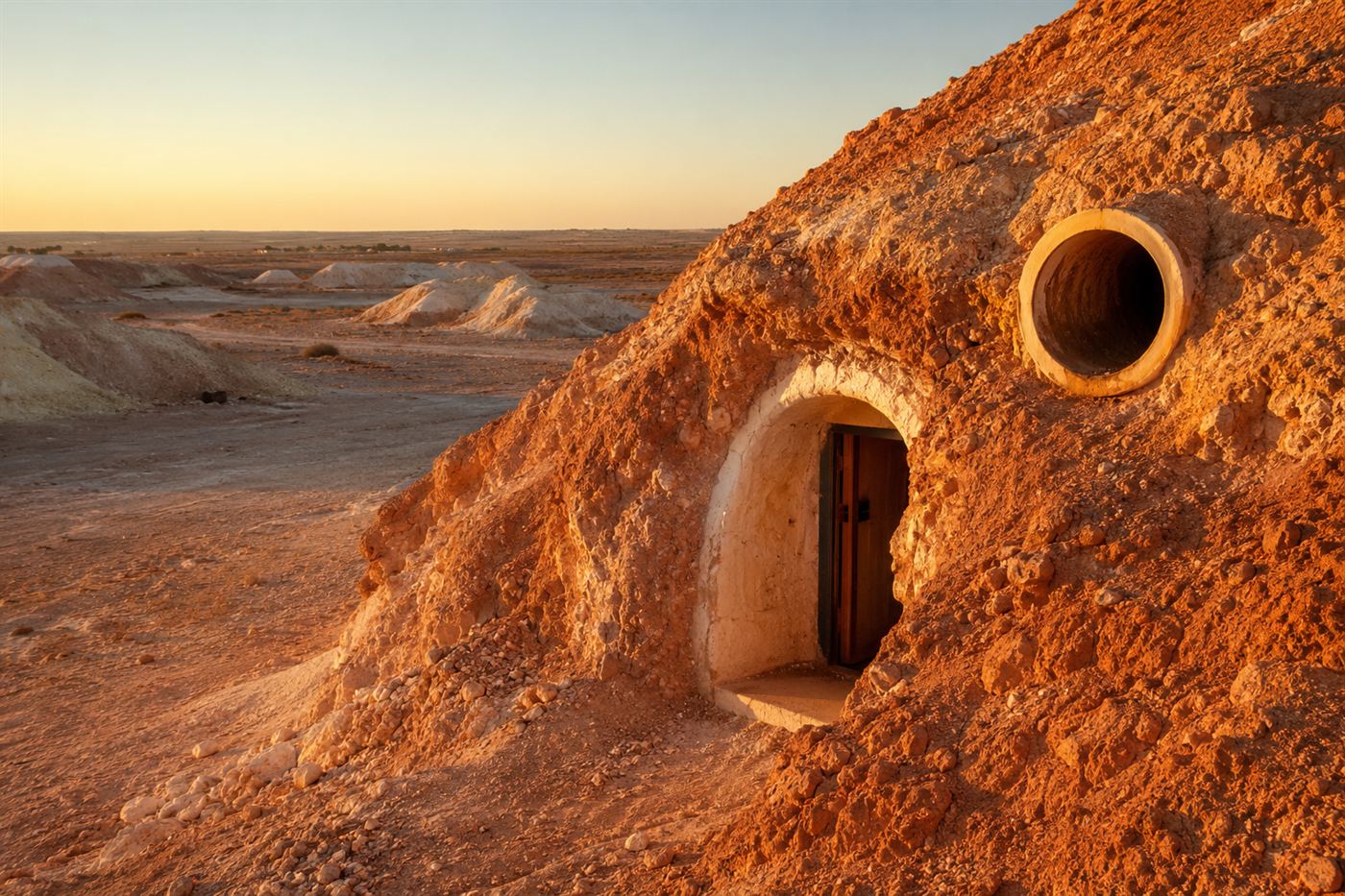
It is the most extreme version of the bargain that the underground desert town of Coober Pedy struck with its own harsh landscape, shelter and survival shaped entirely by the ground.
With about 160 residents, Aogashima is the smallest municipality in all of Japan, a single village school and all.
A volcano within a volcano
From above, the island's shape is its whole story.
The outer ring is an ancient caldera, the collapsed throat of a much larger volcano, and rising from its floor is Maruyama, a younger cone barely 200 years old.
This volcano within a volcano is what gives Aogashima its unreal, almost drawn look, and it belongs to the Izu Islands, a volcanic chain that technically falls under the government of distant Tokyo.
So little light reaches the island that it has become a quiet pilgrimage site for stargazers, the Milky Way blazing over the crater on clear nights.
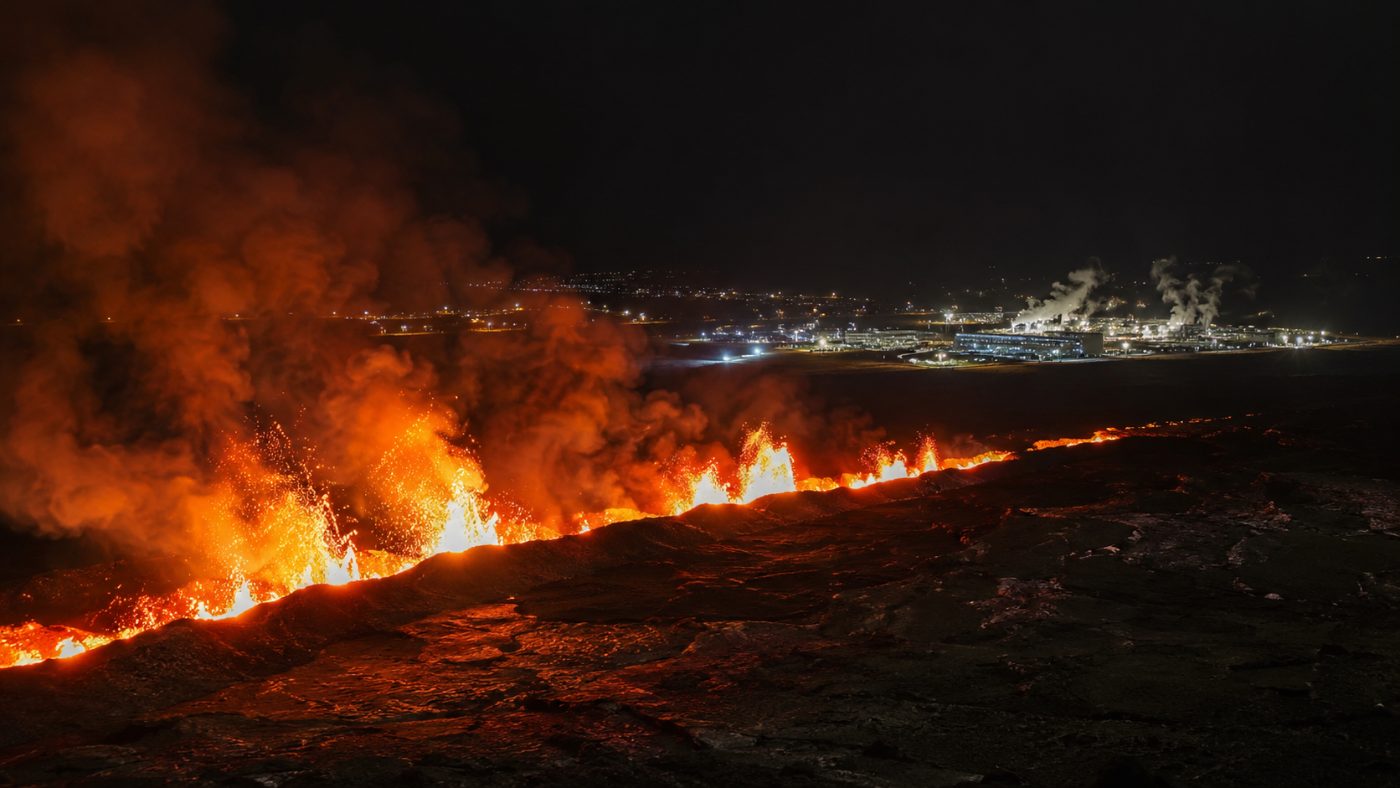
It is one of those places, like Iceland's volcano-stalked town of Grindavik, where people live knowingly on top of a geological engine.
The eruption that emptied the island
The reason anyone talks about Aogashima in the past tense as well as the present is what happened in the 1780s.
In 1783 lava flows from Maruyama forced every household to flee, and two years later, in 1785, a far bigger eruption tore through the island.
For roughly half a century the crater sat empty, until a determined resettlement led by an official named Sasaki brought people back in 1835.
A census that year counted 241 returners, most of them fishers, rebuilding a community on the floor of the thing that had nearly destroyed it.
That decision, to move back into an active volcano, is the quiet act of nerve at the heart of the whole story.
Living off the volcano's geothermal heat
What makes the gamble pay off is that the volcano is not only a threat, it is a free engine.
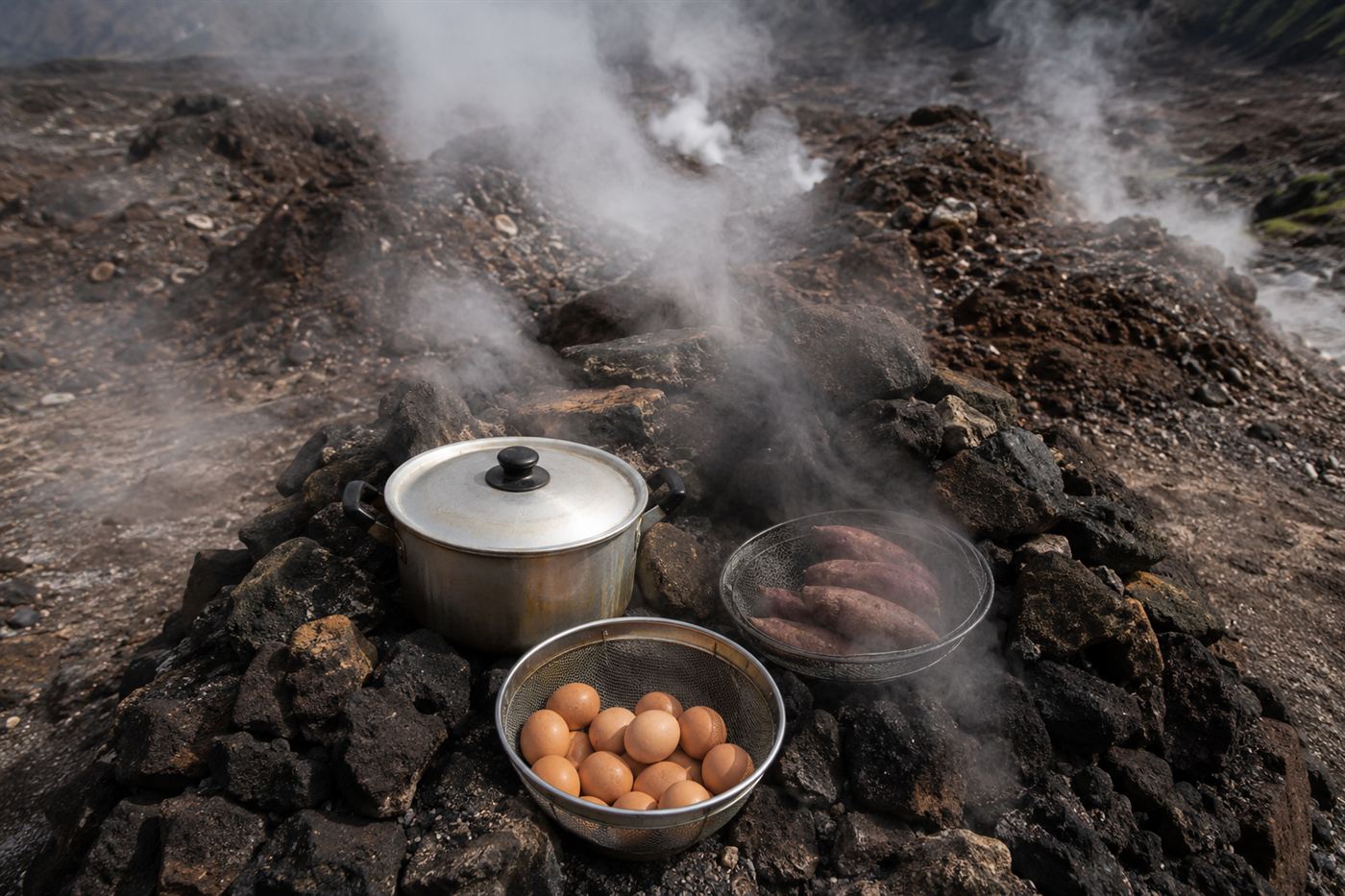
The islanders tap the heat through the hingya, geothermal steam vents that hiss up through the ground all over Aogashima.
The same heat is used to evaporate seawater into a prized island salt, and the village distills a sweet-potato shochu called Aochu, brewed a little differently by each maker.
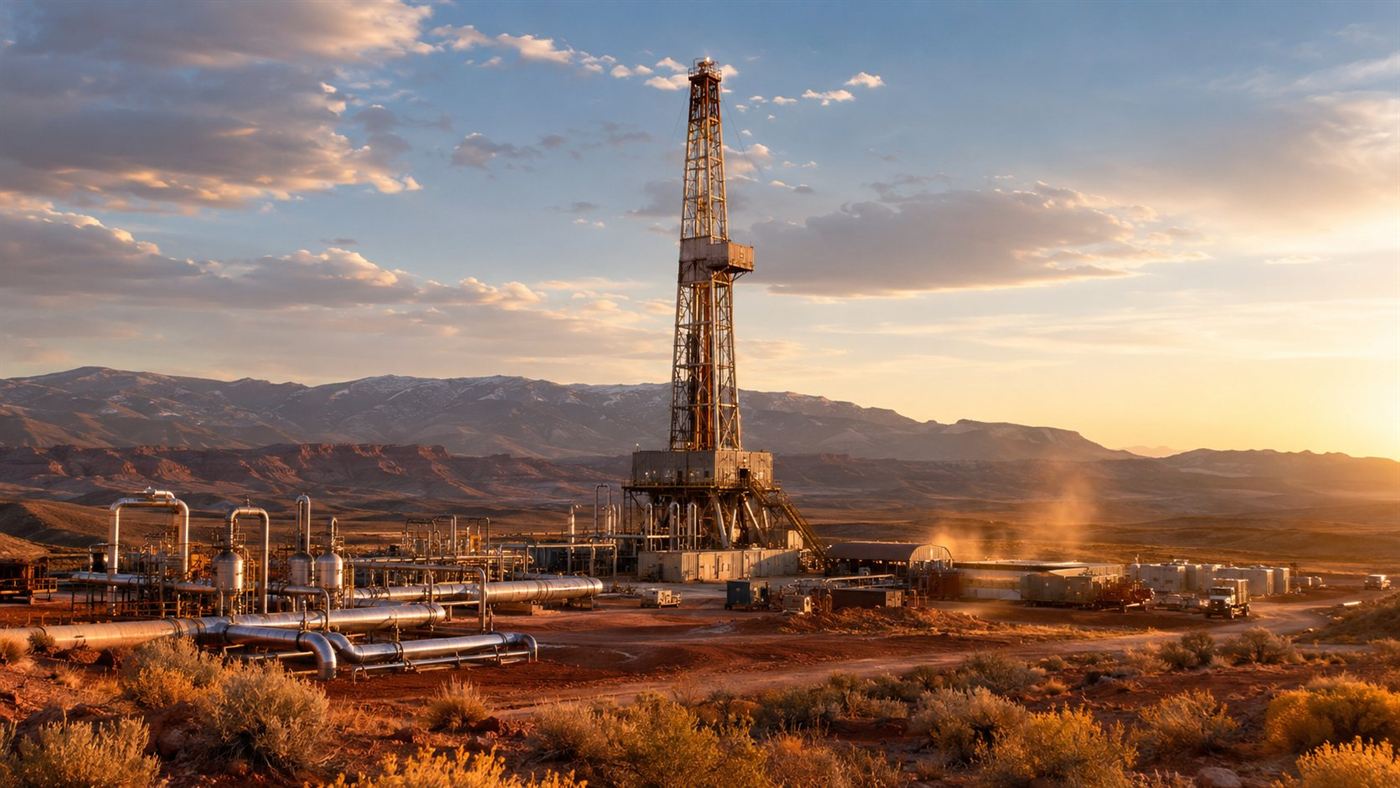
It is the household-scale version of what big projects like the Fervo geothermal plant in Utah are chasing, energy drawn straight from the heat of the Earth.
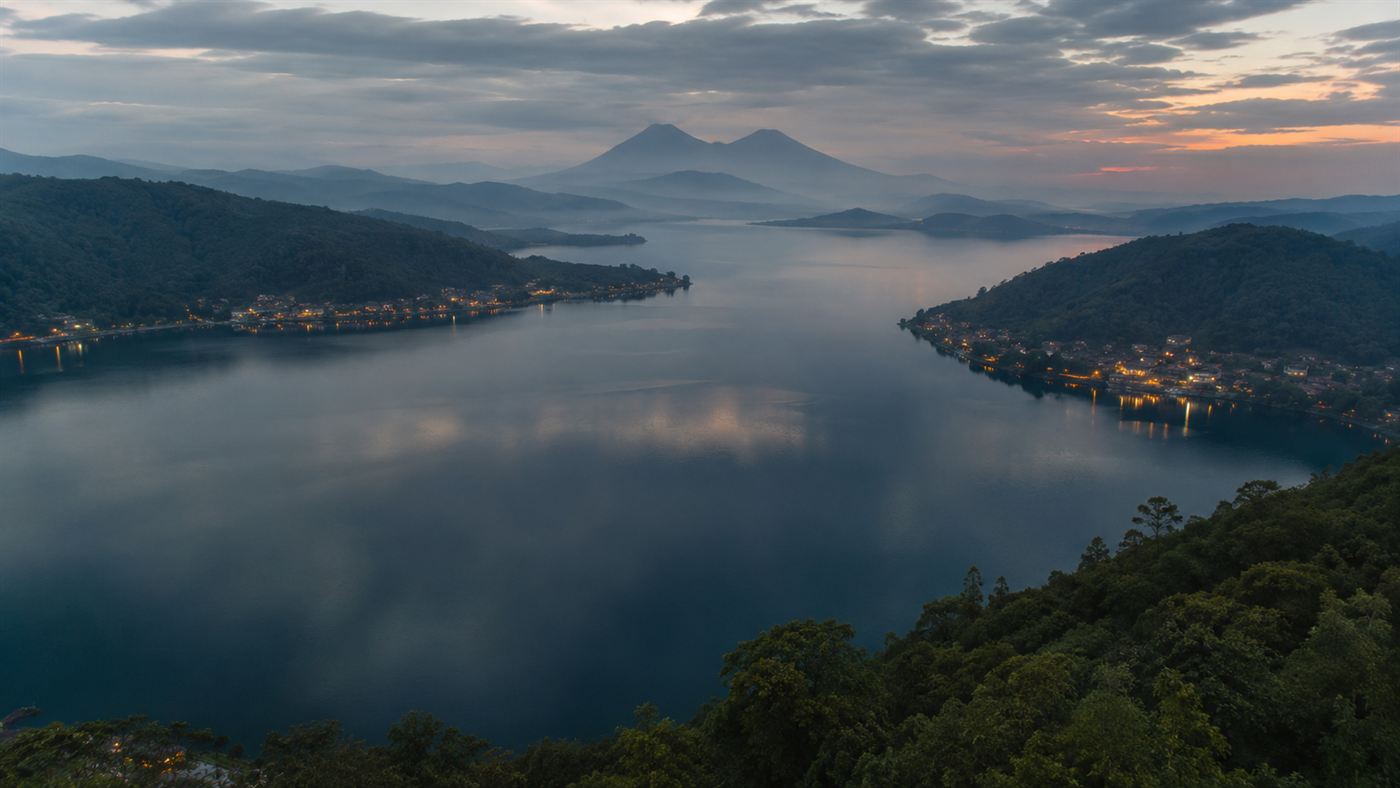
The mountain that once buried the island now cooks its dinner, which is about as sharp a turnaround as nature offers, an echo of how Rwanda turned the threat of deadly Lake Kivu into electricity.
How do you reach Aogashima volcano island?
Reaching the island is the part that keeps it so small.
There is no airport on the volcano island, so the only ways in are a nine-seat helicopter or a ferry from Hachijojima, the next inhabited stop in the Izu Islands.
The ferry has to thread a tricky harbor in open ocean, and rough seas cancel the crossing on a large share of days, sometimes stranding people for a week.
It is the same isolation that protected an artificial Japanese island like Kansai Airport from one set of problems while handing it others.
On Aogashima the isolation is both the shield that keeps the place unspoiled and the wall that keeps it from growing.
The honest catch
It is a beautiful story, but it sits on top of a live volcano.
Aogashima is officially classed as an active volcano, monitored by Japan's authorities, and another major eruption is a real if unpredictable possibility, which is why the island keeps an evacuation plan.
The deeper threat is quieter, because the population has slipped from around 170 a decade ago to about 160 now, and it is aging.
Young people leave for school and work on the mainland, and a village this size can only thin out so far before it stops being a village at all.
Tourism is growing, drawn by exactly the strangeness described here, but a place reachable only by helicopter and a fickle ferry can never absorb very many visitors.
Aogashima endures on a knife edge between a volcano that could wake and a community that could fade.
Aogashima is what it looks like when people refuse to be scared off the most beautiful, dangerous ground imaginable, and instead learn to cook on it.
A whole village lives in the bowl of a volcano that once nearly wiped it out, and treats that volcano as a neighbor rather than an enemy.
Would you spend a night inside an active volcano if it meant the clearest stars on Earth and an egg steamed in the ground, or is that a bargain you would never take? Tell us in the comments.