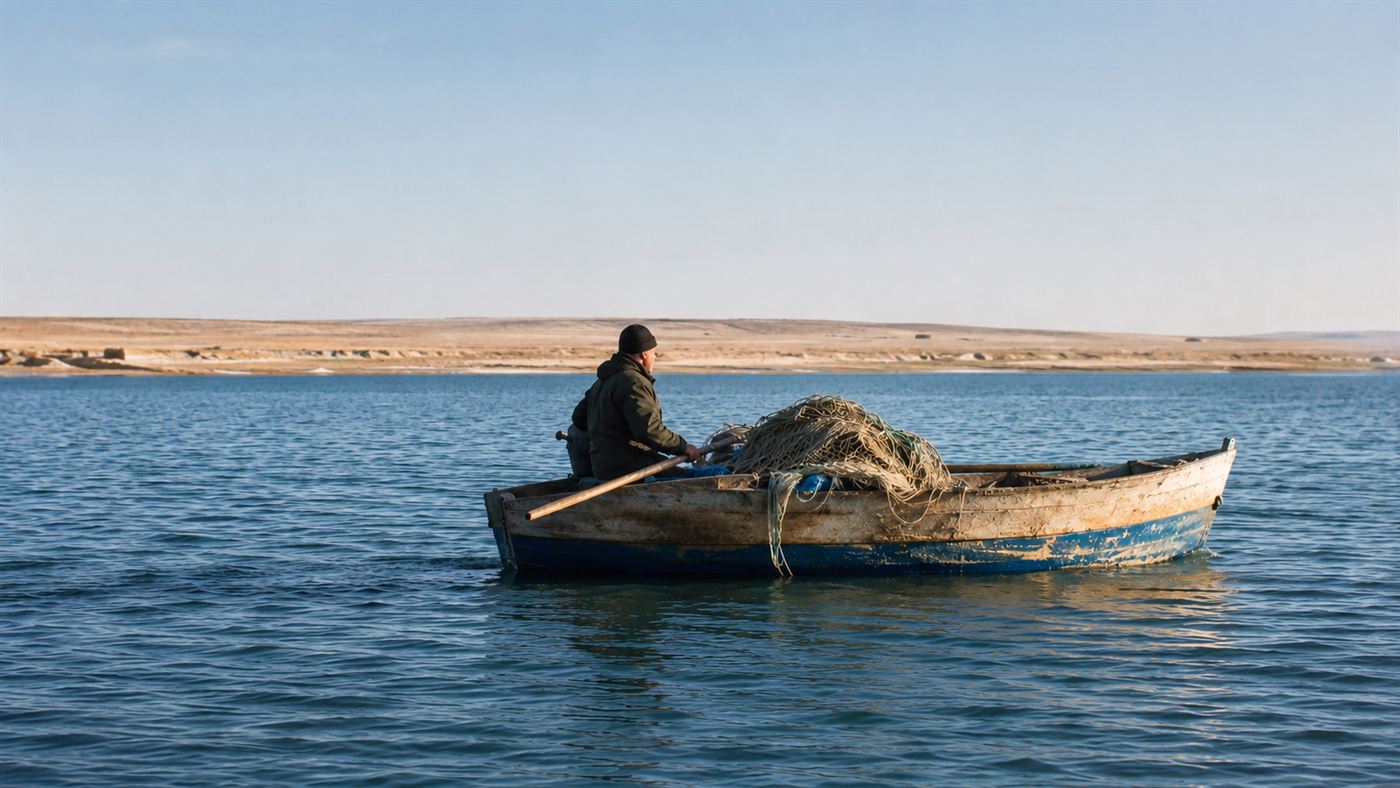
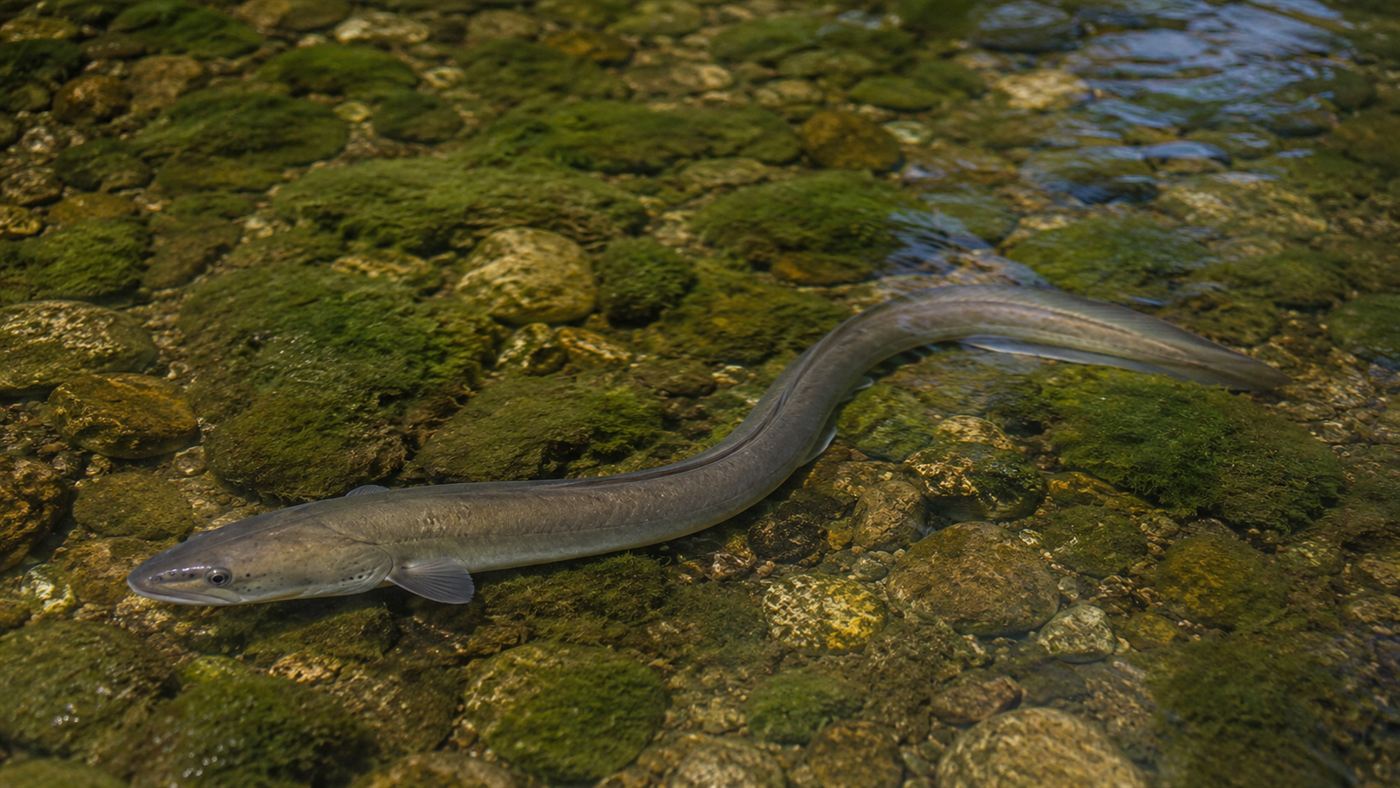
Engineers pulled four dams off the Klamath River in the largest dam removal in US history, and within ten days salmon were swimming into habitat that had been blocked to them for over a century
For more than 100 years, four hydroelectric dams choked the Klamath River and shut salmon out of their spawning grounds. In 2024 the last one came down in the Klamath dam removal, the biggest the United States has ever attempted. What happened next surprised even the biologists who had spent decades fighting for it.
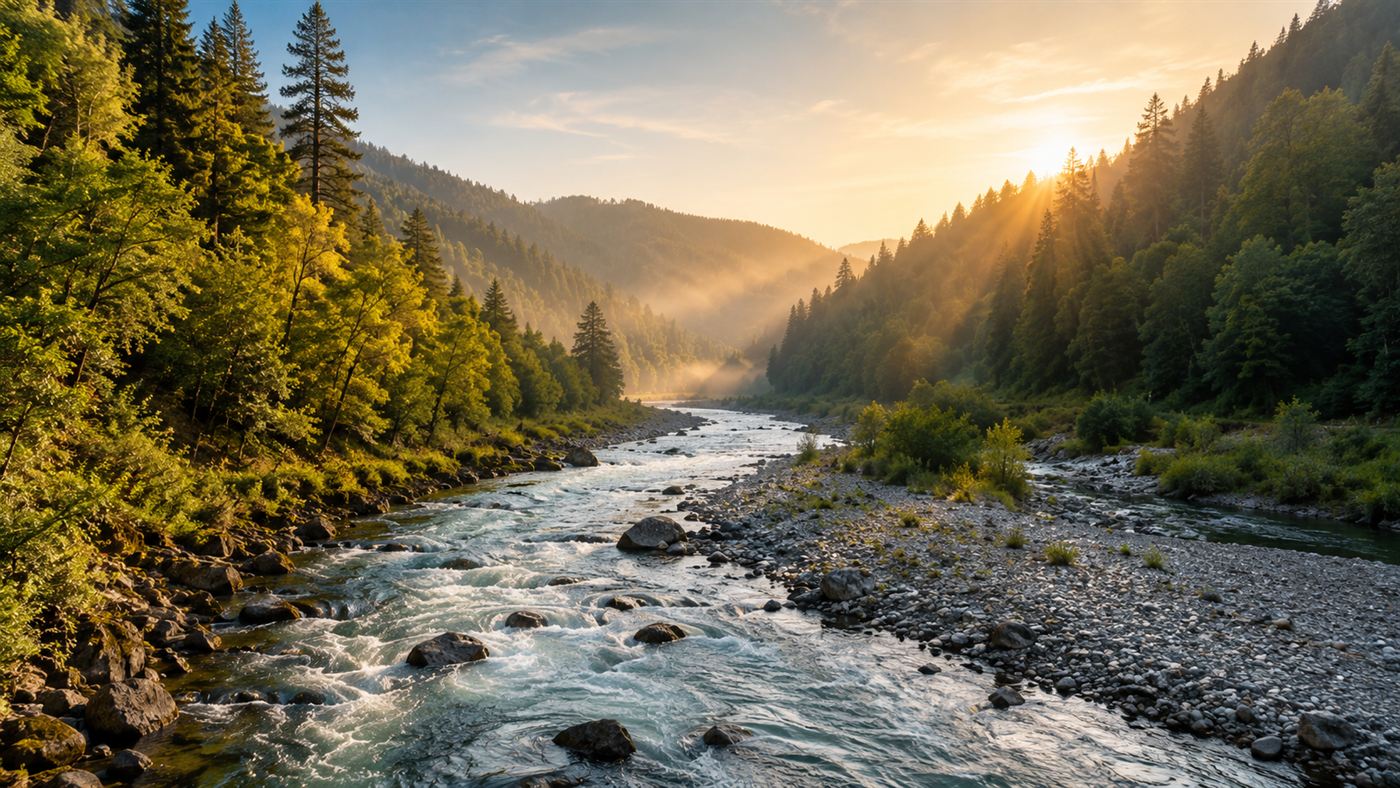
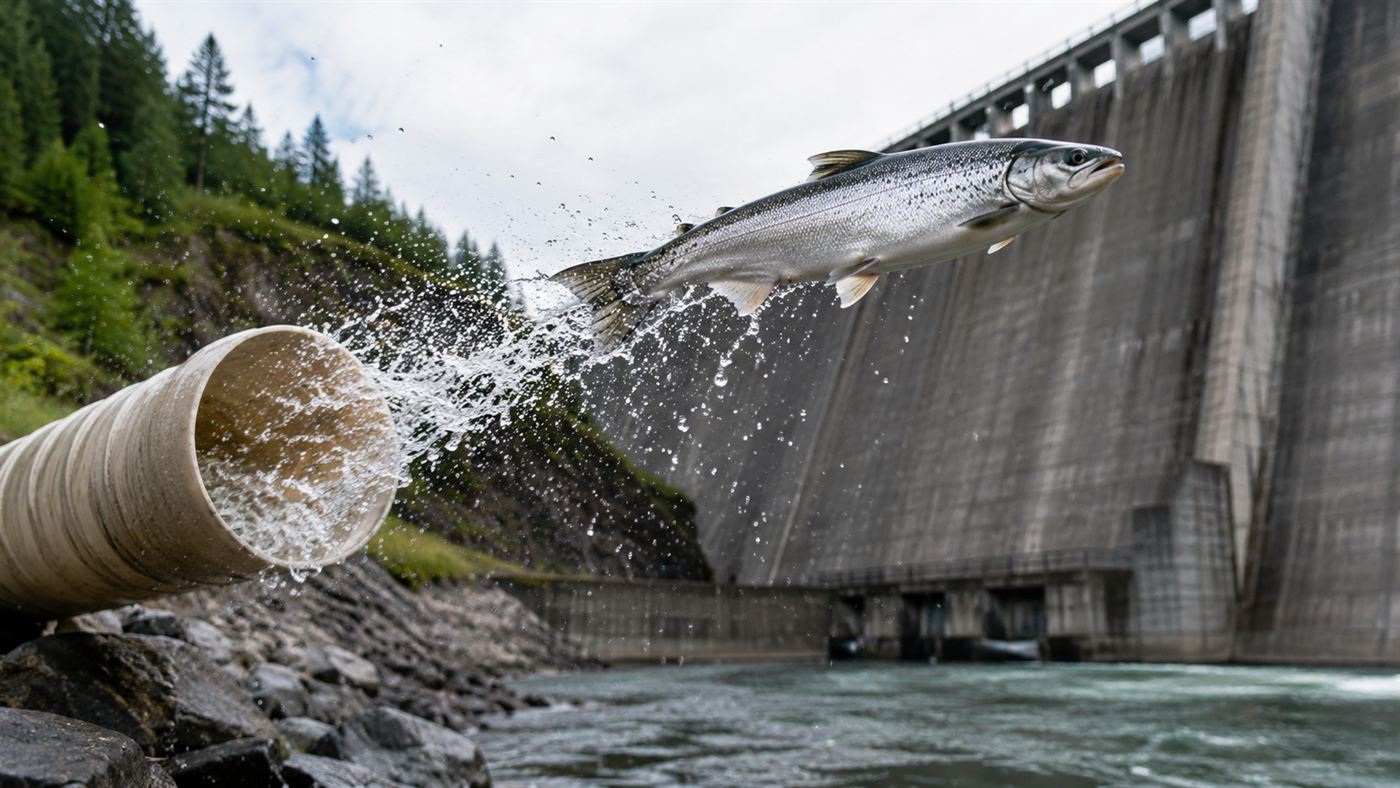
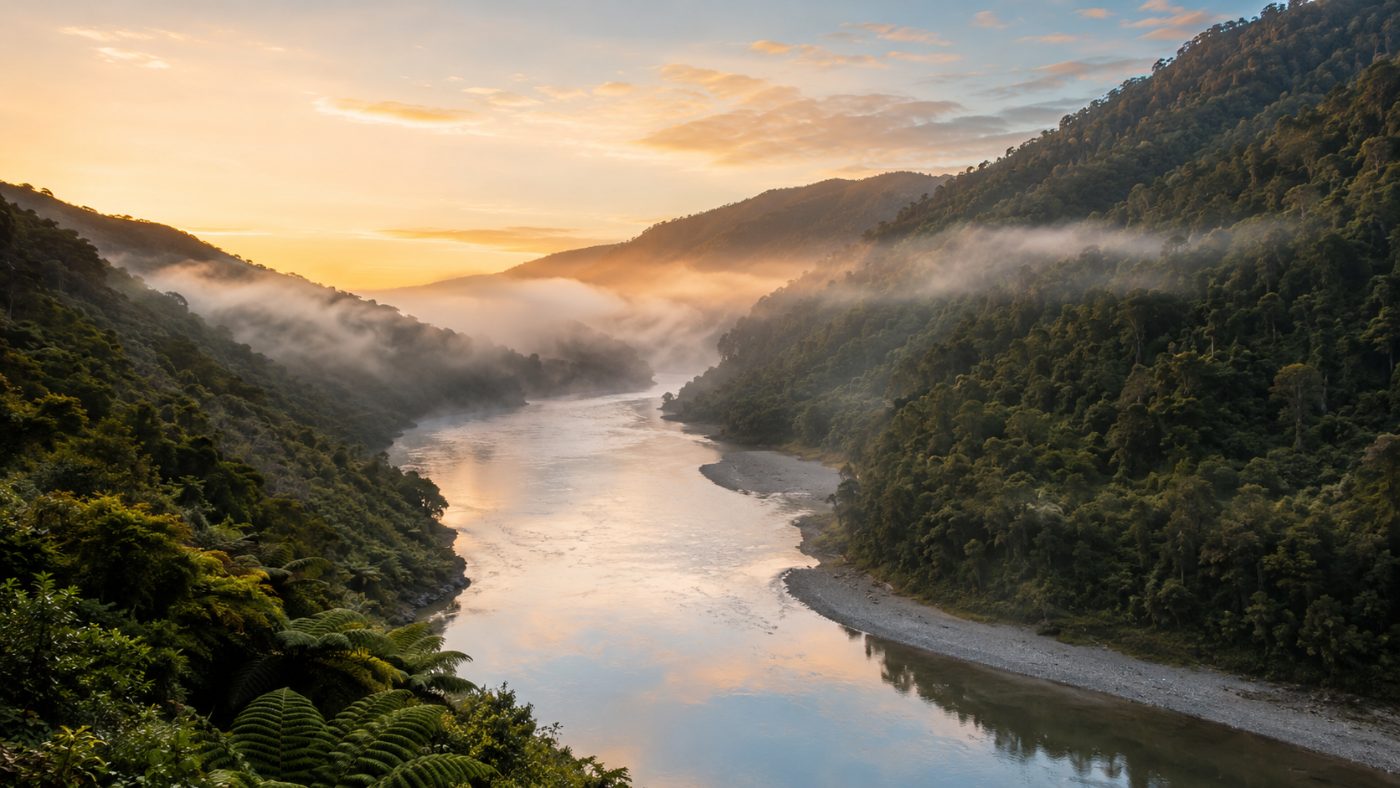
The Klamath runs free again for the first time in a century. Illustration: Watts & Wild.
Most big engineering stories are about building something. This one is about taking something down. Across 2023 and 2024, crews dismantled four large hydroelectric dams strung along the Klamath River, which runs 257 miles from southern Oregon through northern California and out into the Pacific. It was the largest dam removal in United States history, a roughly 500 million dollar effort to undo a century of concrete.
The last and biggest barrier, Iron Gate Dam, was cleared in the autumn of 2024, ahead of schedule. As NOAA Fisheries described when the final stretch of river opened, salmon could suddenly reach about 400 miles of habitat that had been sealed off from them for generations. Nobody was sure how long the fish would take to find it. The answer turned out to be days.
A century of locked gates
The four dams were built between 1918 and 1962 to generate hydroelectric power, and for the era they were a reasonable trade. The problem is that none of them was built with a working fish ladder, so to a salmon they were simply a wall. Chinook salmon and steelhead trout are born in cold mountain streams, swim out to the ocean to grow, and fight their way back upriver years later to spawn where they hatched. The dams ended that journey partway up the river.
Cut off from their upper spawning grounds, the runs collapsed over the decades. A river that had once been the third largest salmon producer on the West Coast became a shadow of itself, and the cold, clean water the fish needed was replaced behind the dams by warm reservoirs that bred toxic algae and fish disease. For the Native nations of the basin, whose entire culture is built around the salmon, the loss was not just ecological. It was the unravelling of a way of life.
The Klamath dam removal that brought salmon back in days
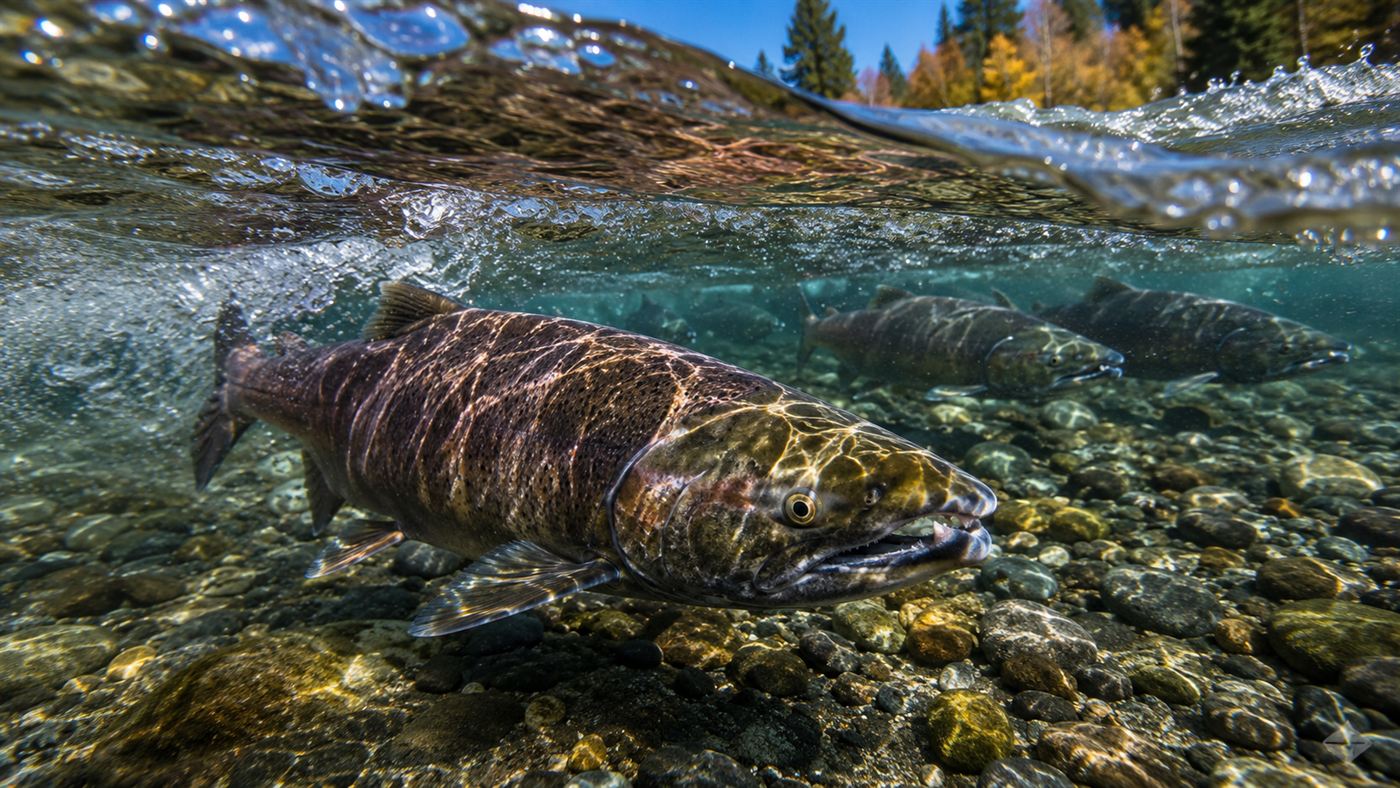
When the final dam came out, the response was almost immediate. Within ten days of the last in-water work being finished, observers counted more than 6,000 Chinook salmon swimming up past the old dam site into water their ancestors had not reached in over a hundred years. The fish had been waiting at the barrier for generations, and the moment the door opened, they went through it.
The recovery has only built from there. According to monitoring by the conservation group CalTrout and its partners, by the autumn of 2025 salmon were pushing more than 360 river miles inland into the Upper Klamath Basin, reaching some streams for the first time in over a century. The team's early data on the 2025 fall run counted more than 10,000 large fish passing the former Iron Gate site, noticeably more than the year before. A river left for dead was visibly coming back to life.
The tribes who fought for twenty years
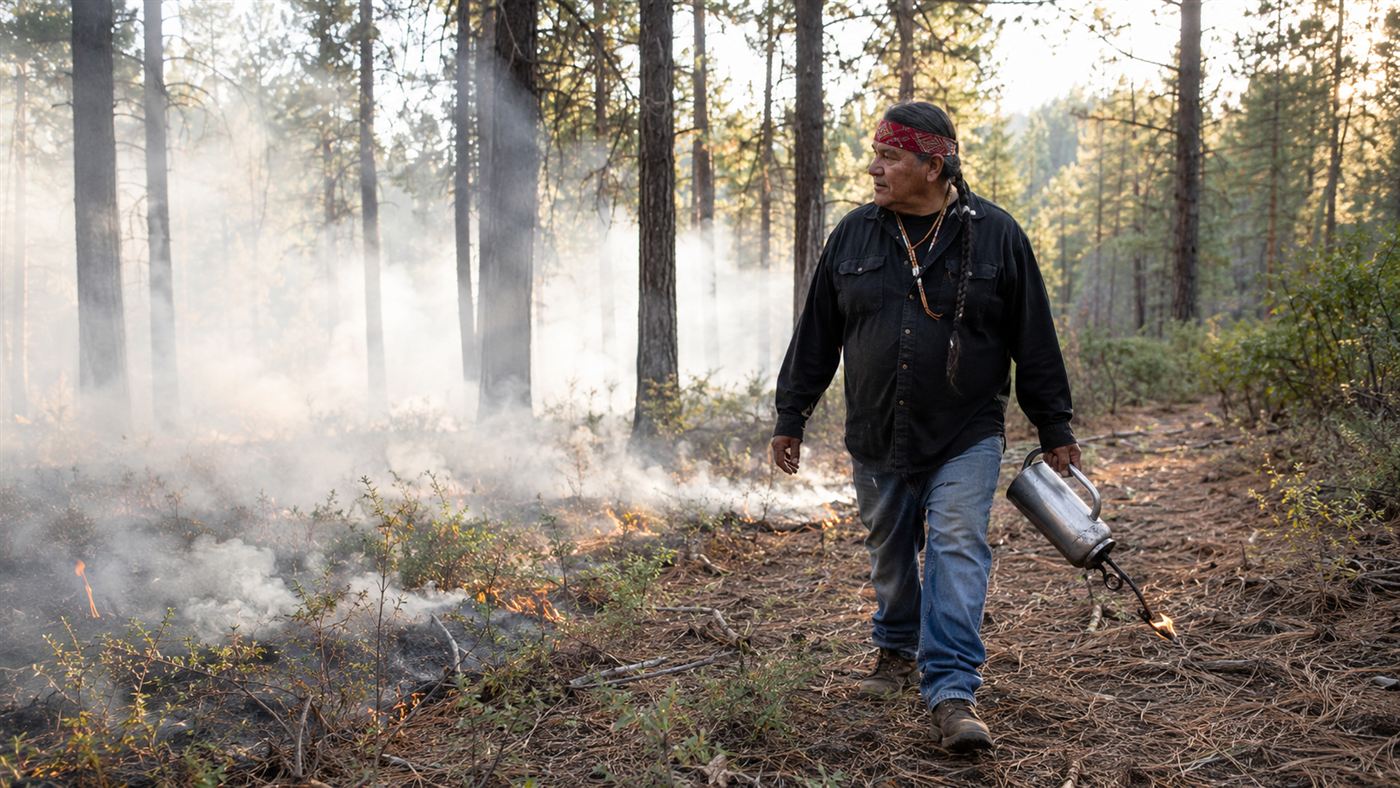
This did not happen by accident, and it did not happen quickly. The removal was driven above all by the Native nations of the Klamath, among them the Yurok, Karuk and Klamath Tribes, who campaigned for more than two decades to bring the dams down. They pushed through regulators, lawsuits, and a mass fish die-off in 2002 that left tens of thousands of salmon rotting on the banks and became a rallying point.
The dams produced relatively little electricity by the end, and they had grown old and expensive to relicense, which is part of what finally tipped the economics toward removal. But the heart of the story is people refusing to accept that a river had to stay broken. The salmon now swimming into the upper basin are, in a real sense, the result of a generation of patience from the communities who never stopped believing the fish would return.
The honest catch
It would be dishonest to paint this as effortless or cost-free. Pulling out four dams released decades of sediment that had piled up behind them, and in the first weeks the water ran thick and brown. That sudden load, combined with low oxygen, killed many fish in the short term, a brutal but expected phase that the project planned around. Recovery on this scale always looks worse before it looks better.
It is also not a template you can stamp onto every dam. The Klamath dams worked because they generated little power and blocked an enormous amount of habitat, so the trade was lopsided in the river's favour. Most dams are not like that. Many still supply serious electricity, water storage or flood control that millions of people depend on, and tearing those out would do far more harm than good. The Klamath is a powerful proof of what restoration can do, not an argument that every dam should fall.
Why taking a dam down is a kind of building
We tend to measure engineering by what it erects, the taller tower, the longer span, the bigger machine. The Klamath River is a reminder that sometimes the most ambitious thing you can build is an absence, a stretch of river given back its current. The salmon did the rest on their own, with an urgency that no project manager could have scheduled.
A hundred years of concrete came out, and in ten days the fish were home. As the runs keep growing and the cold water returns to the upper river, the dam removal is becoming one of the clearest examples anywhere of how fast nature can rebound when we simply get out of its way. That is the part worth holding on to, because we do not often get to watch a recovery happen this quickly.
The biggest dam removal in American history reopened 400 miles of river, and the salmon poured back in within ten days. Should more old, low-value dams be torn out to bring rivers back, or have we come to rely on them too much to let go? Tell us what you think in the comments.
Related reading: California brought beavers back to its rivers after 70 years, and in two seasons one family turned a dying meadow into a thriving wetland. See also how a citizens' fight forced Los Angeles to let Mono Lake refill after decades of draining it, and how the Paiute brought the giant Lahontan cutthroat trout back from presumed extinction.