California brought beavers back to its rivers after 70 years, and in two seasons one family built a 100-foot dam that turned a dying meadow into a thriving wetland
For 70 years California treated the beaver as a pest to be removed. Then the state changed its mind and set a few dozen loose on purpose. The rodents went straight to work, building dams, flooding meadows, and rebuilding the kind of wetland that no agency could afford to dig.
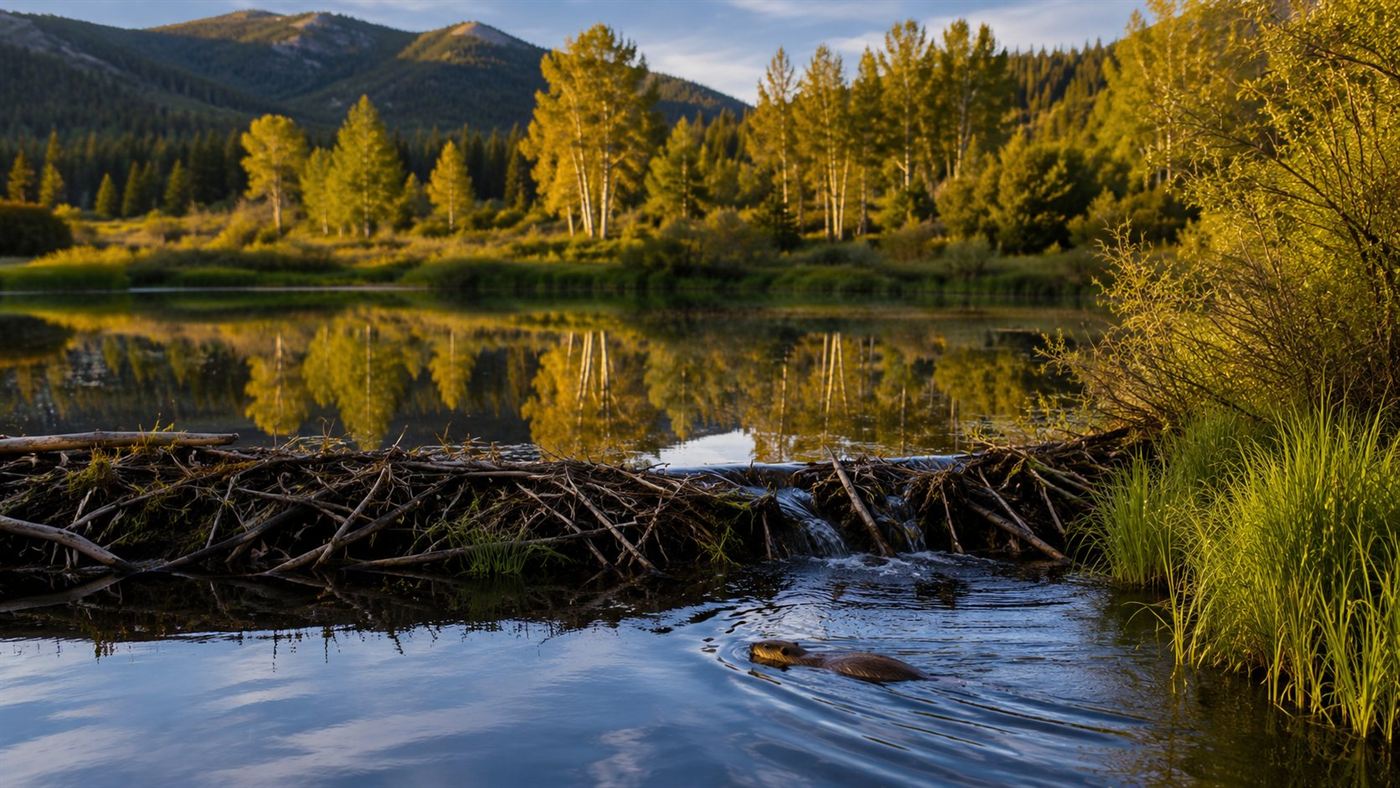
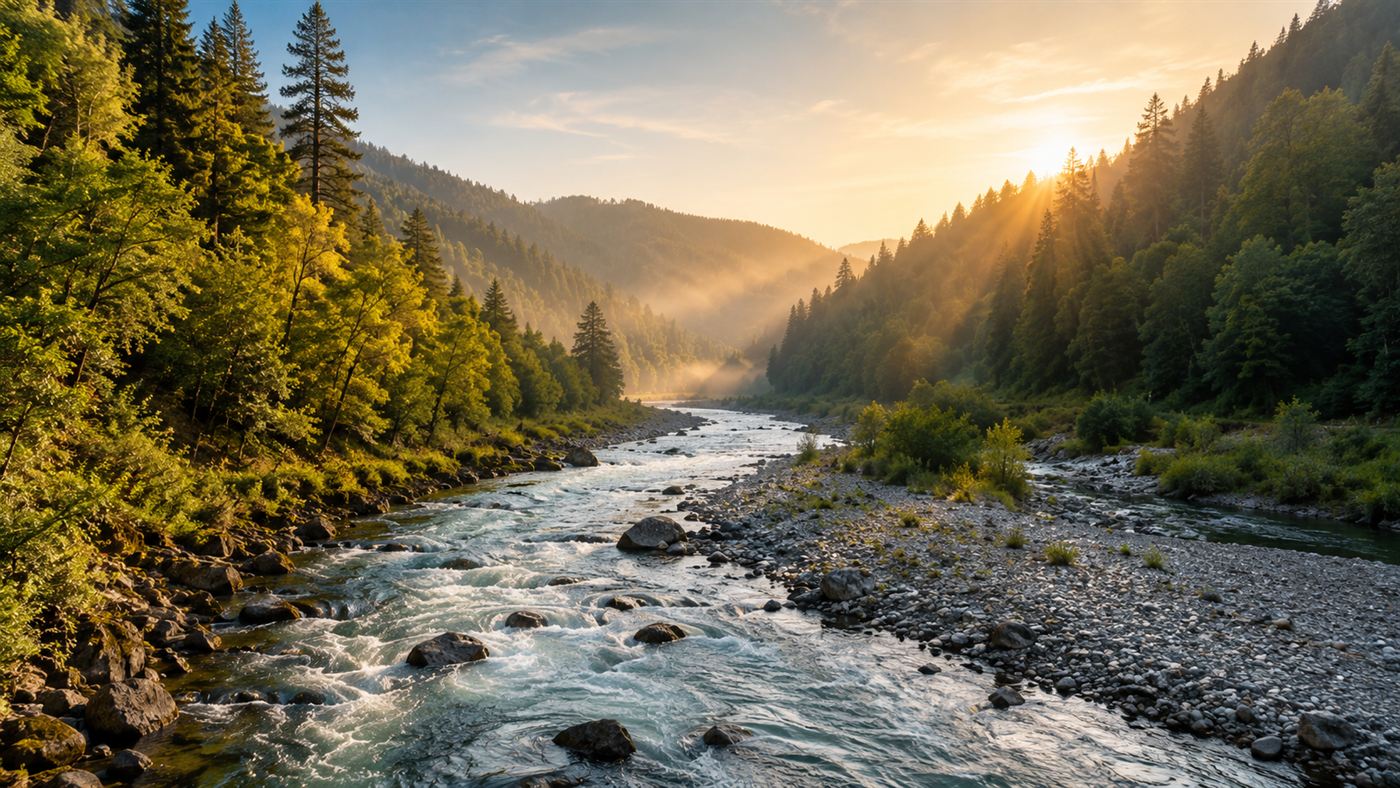
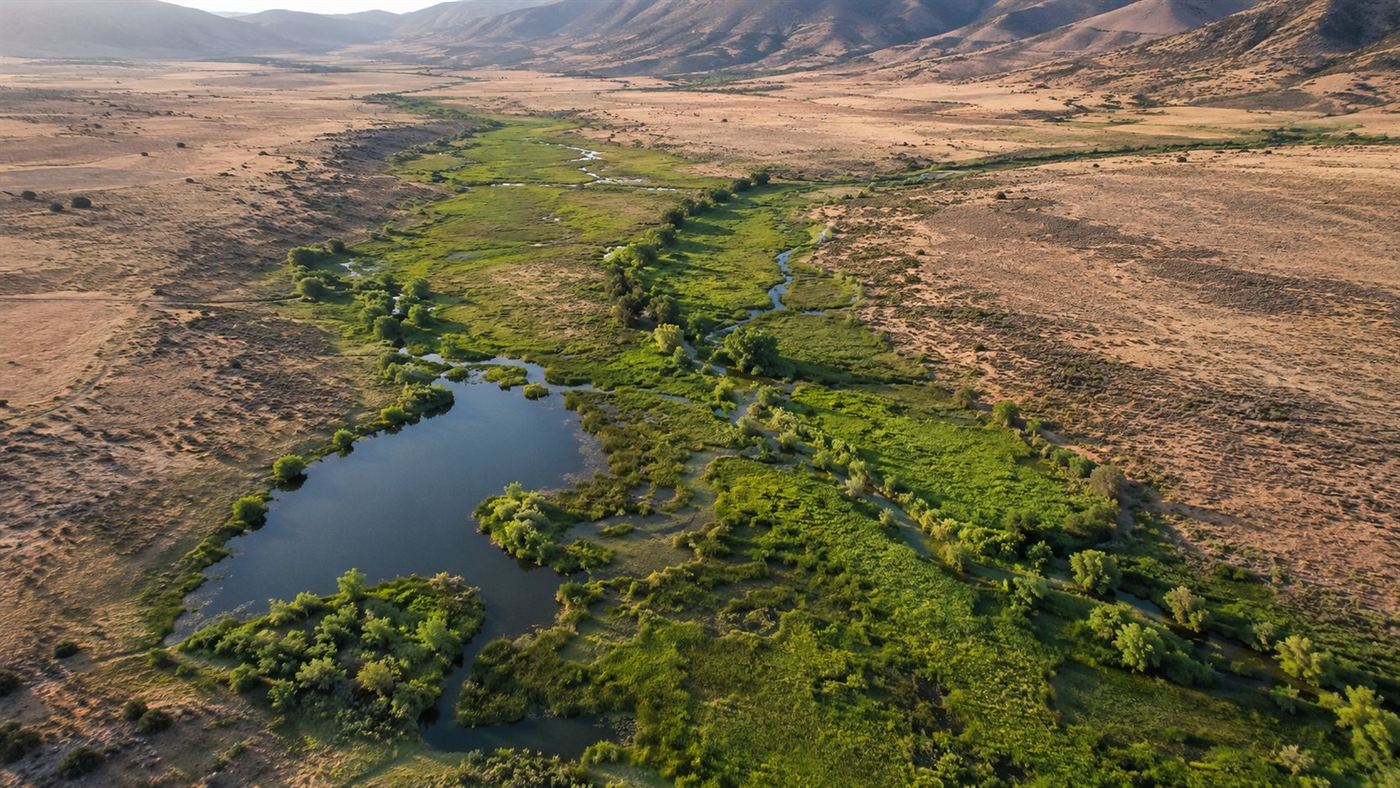
A single beaver family can turn a narrow stream into a sprawling wetland in a couple of seasons. Illustration: Watts & Wild.
In the autumn of 2023, wildlife officials launched what became California beaver restoration in earnest, doing something the state had not done in more than 70 years: they deliberately released a family of beavers into a mountain meadow, on purpose, hoping the animals would stay and build. For most of the last century California had done the opposite, trapping and killing beavers as nuisances that blocked culverts and flooded fields.
The bet paid off faster than anyone expected. By 2025, as Planetizen reported, two years after the first releases the beavers were transforming the landscape into what one assessment called a climate-resilient powerhouse. The animals had done, for free, the kind of water engineering the state spends billions of dollars trying to replicate with concrete.
The animal California spent a century fighting
Beavers were once everywhere in North America, and then they were nearly gone, trapped out for their fur and later treated as vermin. By the time California started killing them as pests, the idea that the rodent might be an ally rather than an enemy sounded backwards. A beaver, after all, exists to do one thing: dam moving water and turn it into a pond.
That instinct is exactly what makes the animal valuable in a state defined by drought and fire. A beaver dam slows a stream, spreads it sideways, and forces water down into the ground, recharging the soil and raising the water table. The result is a green, soggy strip of land that holds moisture through the dry season and resists burning when wildfire comes through.
What a few dozen beavers did in two years
The numbers from the first releases are striking for how small the inputs were. Mongabay, covering the restoration on tribal lands, reported that relocated beavers had been established across several sites, including the Maidu Summit Consortium's Tásmam Koyóm meadow. By late 2024 the total number of relocated animals across all the sites was still only about 28.
What those few animals built is the headline. At Tásmam Koyóm a single beaver family constructed a dam roughly 100 feet long, and according to the state's own April 2025 assessment the wetland behind it expanded the meadow's water coverage by more than 22 percent. In 2024 the governor signed legislation making California's beaver restoration program permanent, a quiet admission that the rodent was now part of the state's water strategy.
Why a rodent beats a bulldozer
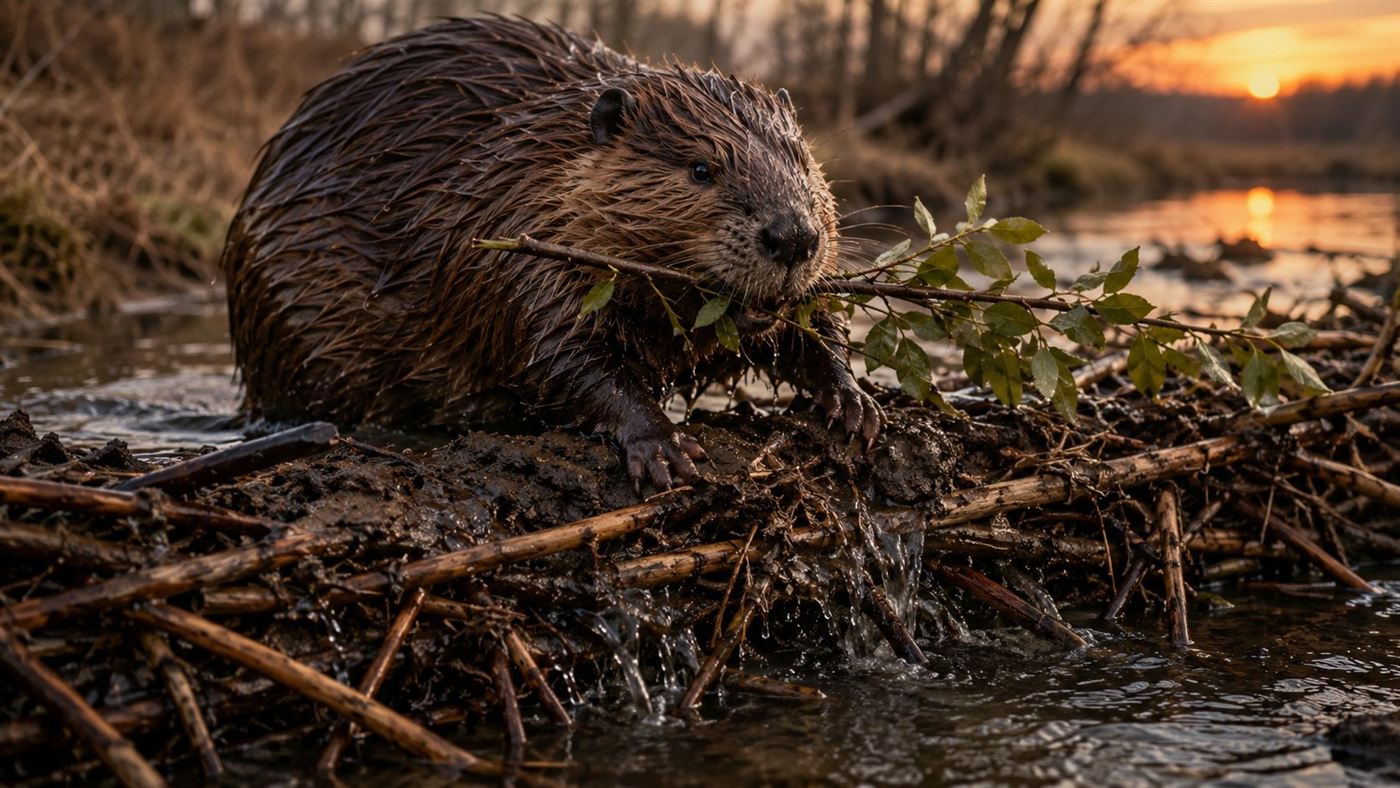
Water agencies spend enormous sums on the exact services a beaver provides for nothing: storing water, smoothing out floods, and keeping streams flowing in summer. The difference is that a beaver builds with whatever is on hand, repairs its work every single night, and never sends an invoice. It also improves over time, because the pond it creates attracts the willow and aspen it needs to keep building.
That self-maintaining quality is what excites the engineers watching it. A concrete check dam is fixed the day it is poured and only degrades from there. A beaver wetland gets bigger, wetter, and more complex the longer the animals are left alone, branching into channels and ponds that store far more water than a single structure ever could.
The English experiment that proved the point
California is not working from a hunch. Across the Atlantic, a long-running trial in Devon put hard numbers on what wild beavers do to a river. Research led by the University of Exeter and the Devon Wildlife Trust, based on a ten-year study, found that beaver wetlands were storing more than 24 million litres of water, an average of about 6 million litres at each site, the equivalent of roughly ten Olympic swimming pools held behind the dams.
The same work found the dams cut the peak of storm flows by an average of around 30 percent, meaning less water hitting towns downstream all at once during heavy rain. It is the rare nature project that pays off at both ends of the problem, holding water back in a flood and releasing it slowly through a drought.
The honest catch
None of this makes the beaver a tidy solution you can drop anywhere. The same dam that recharges a meadow can also flood a road, block a culvert, or back water up onto a farmer's field, which is exactly why the animals were persecuted in the first place. Where beavers and people share the same low ground, the conflicts are real and someone has to manage them.
The shift is that managers now reach for tools that let the dams stay, things like flow devices that keep a culvert open without removing the animal, rather than simply killing the beaver and losing the wetland. The work is no longer about getting rid of beavers, it is about deciding where to let them build.
Why California beaver restoration matters beyond one meadow
California's reversal is a small story with a large idea inside it. Faced with deepening drought and worsening fire seasons, a state with some of the most advanced water infrastructure on Earth decided its best new tool was an animal it had spent a century trying to eliminate. The cheapest, most durable hydraulic engineer available turned out to have been there all along.
The beavers do not know any of this. They are simply doing what beavers do, night after night, and leaving behind wetter, greener, more fire-resistant land as a side effect. Sometimes the most sophisticated fix is to stop fighting the thing that was already solving the problem for free.
A state that spends billions moving water around just put a few dozen rodents back on its rivers and watched them do the job better. Should we be hiring more animals to fix the landscapes we broke, or is that handing nature a job humans should be doing ourselves? Tell us what you think in the comments.
Related reading: New York just finished a 111 million dollar living seawall off Staten Island, a chain of stone reefs built to grow oysters and break storm waves.