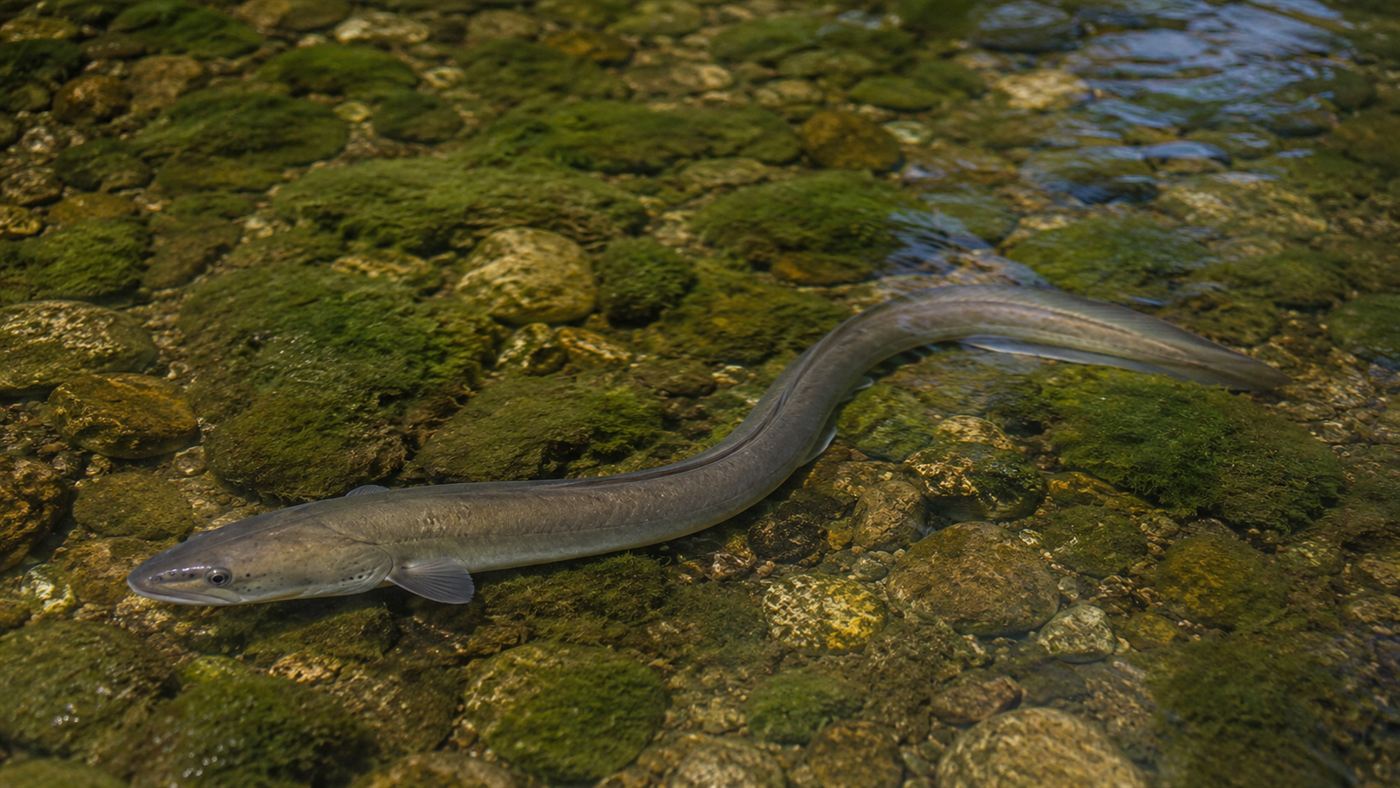
In October 2022, a team from DTU Aqua in Denmark, the Environment Agency in England, and partner institutes published the first direct evidence of adult European eels completing the Atlantic leg of their journey toward the Sargasso Sea, the warm patch of mid-ocean where every Anguilla anguilla on the planet goes to breed. They had fitted satellite tags to 26 silver eels and tracked their movements for up to 366 days. What nobody in the research team documented, despite centuries of searching, was what happens at the very end of that journey: not one scientist in recorded history has watched a European eel spawn.
That mystery sits next to a catastrophe. Since the 1980s, the European eel has lost roughly 95% of its population across every river and estuary from Iceland to the Black Sea. In the North Sea, glass eels are arriving at just 0.7% of historical levels, according to the International Council for the Exploration of the Sea, which has advised zero commercial catches for 2026 for every life stage and habitat. The Zoological Society of London, which runs one of the most active eel conservation programmes in Europe, estimates that at least 1.2 million river barriers now block the eel migration route that European eels have used for millions of years.
The European eel's 95% collapse since the 1980s reflects four pressures acting together: river barriers blocking eel migration in both directions, illegal glass eel trafficking for Asian aquaculture, chemical contamination of the fat stores eels need for the Atlantic crossing, and ocean changes disrupting the Sargasso Sea conditions that trigger spawning.
What makes the European eel unlike any other fish
The European eel begins its life somewhere in the Sargasso Sea.
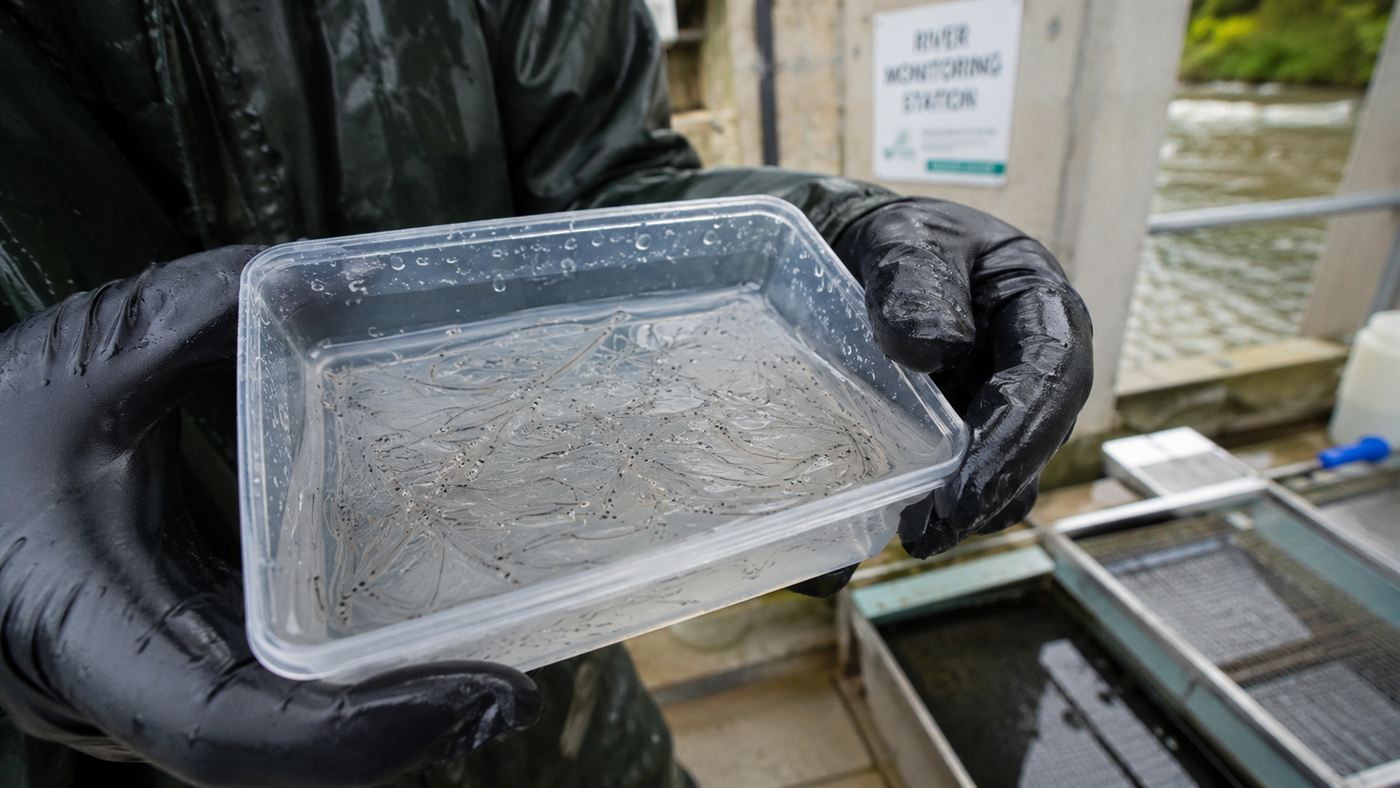
Glass eels, the transparent larvae no thicker than a toothpick, ride ocean currents for up to three years before reaching European coastlines, where they slip into rivers and estuaries.
They spend the next 10 to 20 years in freshwater, growing slowly as yellow eels.
Then something triggers a transformation.
The yellow eel becomes a silver eel: its eyes enlarge, its gut dissolves, its belly turns pale, and it stops eating permanently.
It turns back toward the Atlantic and swims 6,000 to 10,000 kilometres to the Sargasso Sea, where it breeds once and dies.
The cycle has been going on for at least four million years, but the actual spawning event has never been observed.
Aristotle, who wrote about eels in the fourth century BC, concluded they arose spontaneously from river mud.
Two thousand years later, scientists have tracked Anguilla anguilla almost to the edge of its breeding grounds, yet the act itself has still not been witnessed.
No wild European eel has ever been caught carrying ripe eggs in the open ocean.
No larvae have been filmed emerging from a clutch.
The location of the spawning grounds is inferred from where the youngest larvae appear in the Sargasso, not from direct observation of eel migration to the breeding site itself.
How 1.2 million barriers broke an ancient migration route
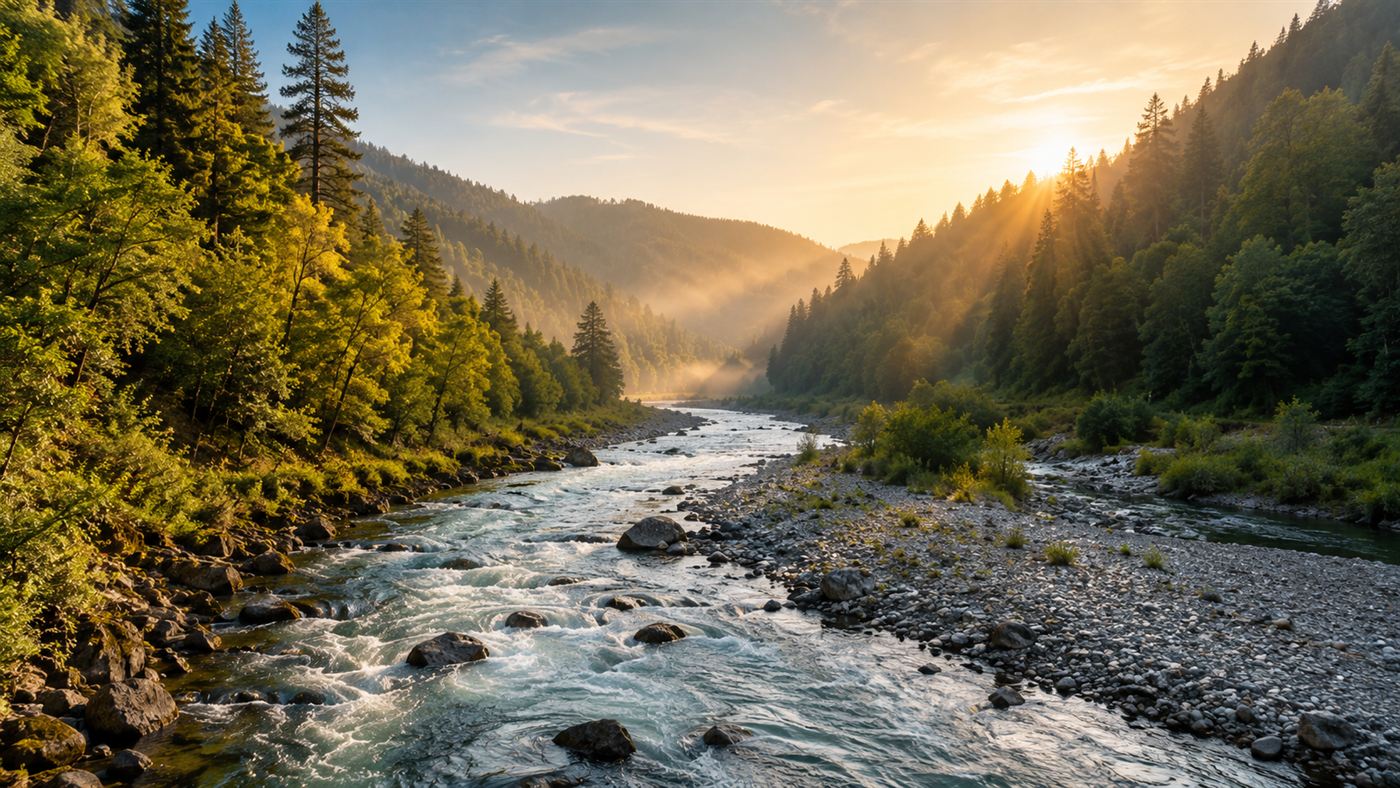
The eel's crisis in Europe has almost nothing to do with the open ocean.
It is about rivers.
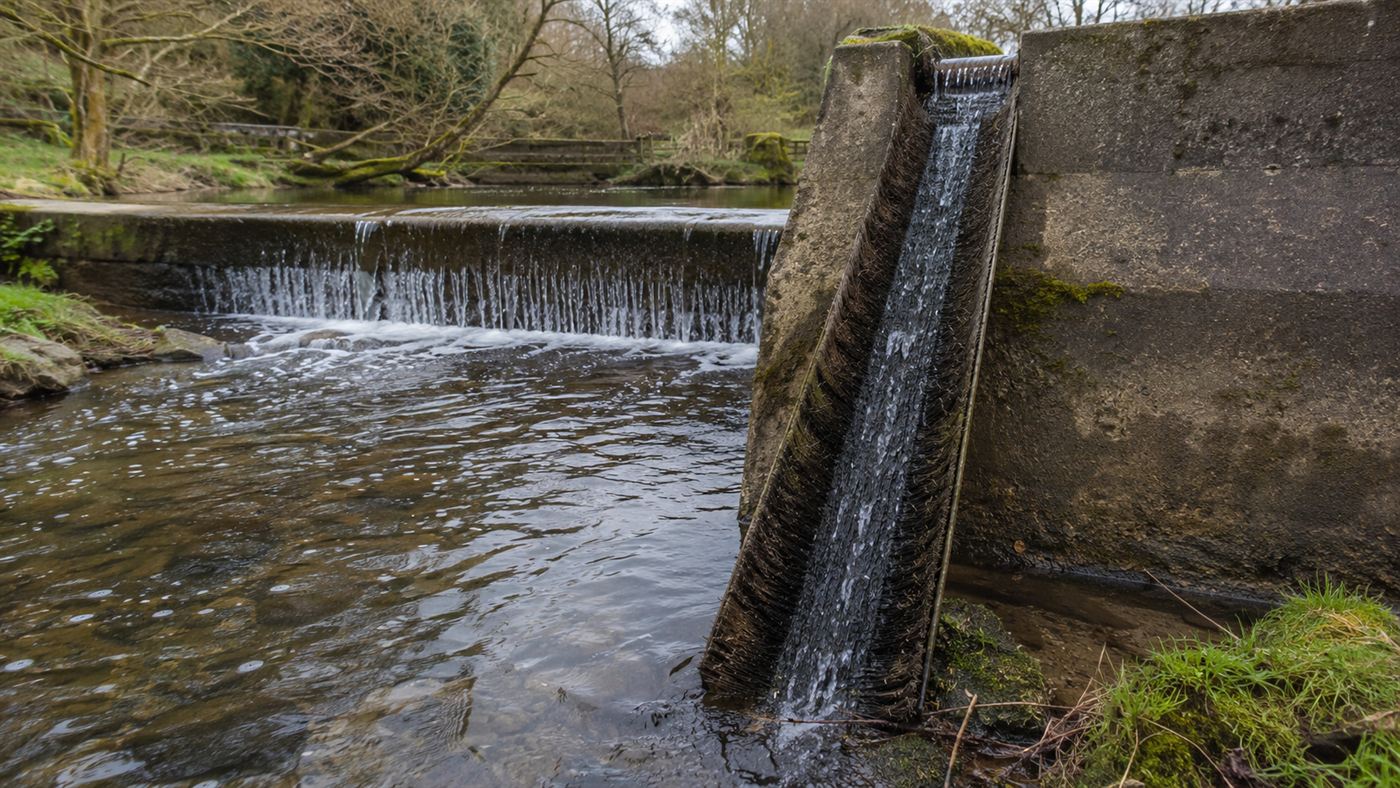
Researchers have catalogued more than 1.2 million instream barriers across European waterways, including weirs, dams, culverts, sluices, and pumping stations, the vast majority of them less than two metres tall and invisible in any national planning database.
In the Thames basin alone, a juvenile eel climbing upriver faces more than 2,000 individual obstacles.
In the Netherlands in 2008, a survey counted 4,671 pumping stations, 8,488 dams, and 2,278 sluices, describing a river network that was, in the researchers' own words, almost completely impermeable to migrating fish.
An eel must negotiate that gauntlet twice: upstream as a glass eel the width of a matchstick, and then downstream as a silver eel at the start of a 10,000-kilometre ocean journey.
Pumping stations are particularly lethal for silver eels making the downstream leg, since a migrating eel drifting toward the sea at night can be drawn into a pump intake and killed by the impeller before it reaches tidal water.
The same physics underlies dam-removal debates across Europe and North America.
When four dams came off the Klamath River in California in 2024, salmon were swimming in previously blocked stretches within days, showing how fast fish respond when physical barriers come down, and how much has been lost while they remain in place.
For the European eel, an equivalent reckoning on infrastructure has barely begun, and eel migration routes that were open a century ago remain fractured.
Why did European eel numbers collapse by 95%?
Barriers are the biggest single driver, but the European eel has been hit from several directions at once.
The glass eel trade is one of the most lucrative wildlife trafficking operations in Europe.
A kilogram of glass eels can fetch more than €1,000 on the black market, destined for aquaculture tanks in East Asia, where Anguilla anguilla cannot yet be bred in captivity from egg to adult.
Every glass eel exported is one fewer Anguilla anguilla that might have spent 20 years in a French estuary or a German river before making the Atlantic crossing to spawn.
Chemical contamination adds another layer.
Eels absorb persistent organic pollutants, including PCBs and brominated flame retardants, into the fat reserves they rely on for the crossing from Europe to the Sargasso.
Studies have found silver eels arriving at European coastal waters carrying contamination above EU food standards, with fat stores already partly compromised before the ocean journey even begins.
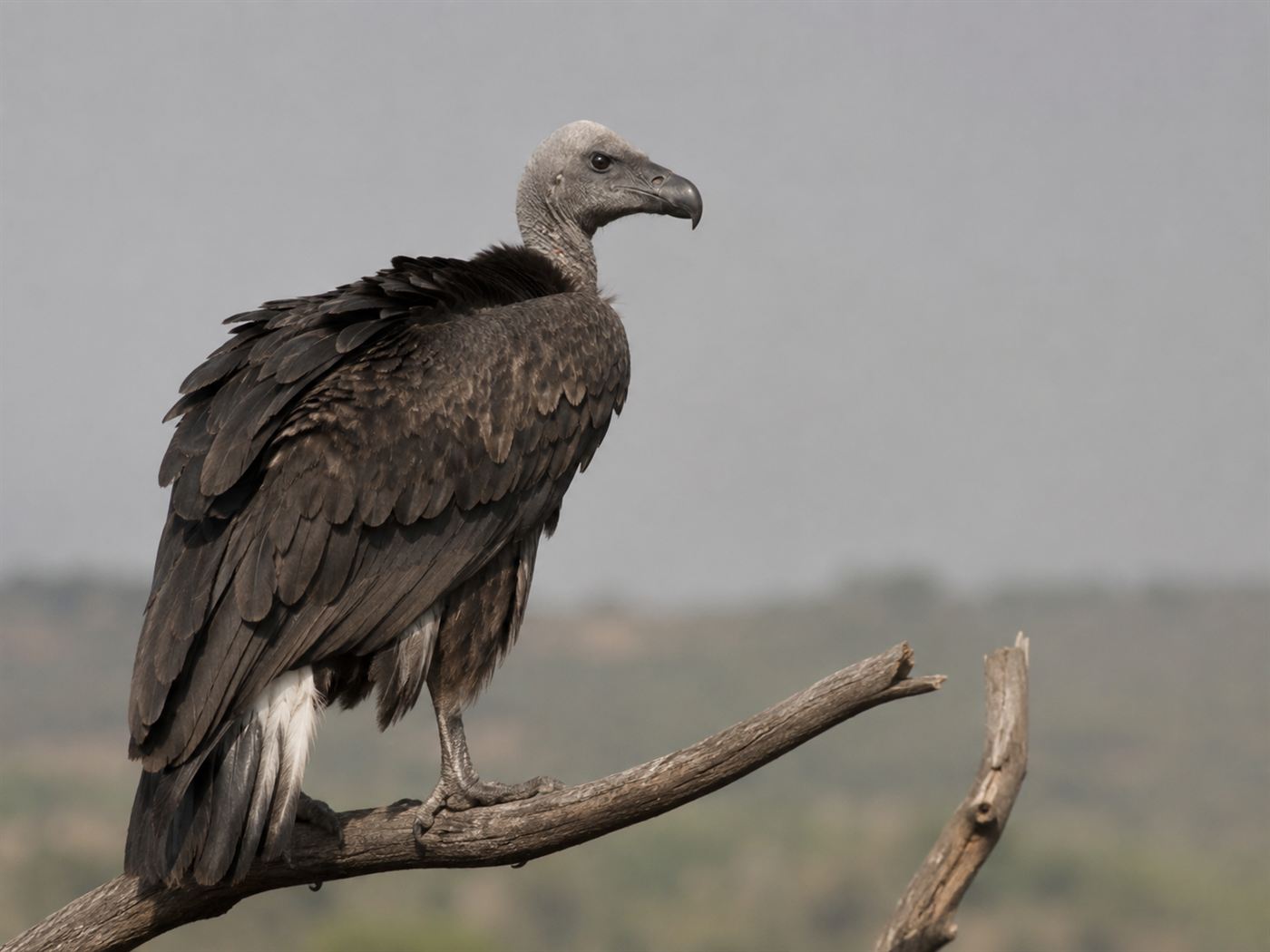
The effect resembles the slow poisoning that nearly drove India's vultures to extinction through pharmaceutical residues: an invisible contamination of the food chain that kills at the worst possible moment.
A third pressure arrived in the 1980s: the nematode parasite Anguillicola crassus, accidentally introduced from Japan via imported Japanese eel stocks.
It colonises the swim bladder, the organ the eel uses to control its depth during migration, and heavy infection can make a 10,000-kilometre ocean crossing physiologically impossible.
Climate change is adding uncertainty at the far end of the journey.
Gulf Stream fluctuations and shifts in the North Atlantic Oscillation appear to be reducing the number of glass eels that successfully drift to European shores each year.
In the North Sea, recruitment has fallen to 0.7% of baseline levels recorded in the 1960s, a collapse so severe that the International Council for the Exploration of the Sea advised zero commercial catches for 2026, covering every life stage from glass eel to silver eel in every habitat.
What scientists found when they tracked eel migration to the Sargasso Sea
For most of human history, nobody knew whether European eels actually reached the Sargasso Sea or died somewhere mid-Atlantic.
In 2022, a team from DTU Aqua in Denmark, the Environment Agency in England, and partner institutes published the closest answer yet to the question of eel migration to the breeding ground.
They fitted satellite tags to 26 silver eels near the Azores, roughly one-third of the way across the Atlantic, and tracked their signals for between 40 and 366 days.
The eels travelled between 3 and 12 kilometres per day, diving into colder deep water during daylight hours and rising toward the warmer surface at night.
The research team believes the daytime descent into cold water suppresses reproductive development, holding the European eel's eggs in reserve until it reaches the warm tropical Sargasso, where the hormonal trigger for spawning finally fires.
For the first time, science had direct evidence that European eels do complete the Atlantic crossing rather than dying somewhere along the way.
But the paper could not close the oldest question in eel biology.
The Sargasso Sea covers more than 3 million square kilometres.
Spawning happens somewhere in that expanse, at unknown depths, in conditions that are only partially understood.
Larvae have been found there, confirming that Anguilla anguilla does breed in the Sargasso, but the spawning act itself has still never been observed by any researcher in any generation.
Knowing exactly where and under what conditions the European eel breeds would allow scientists to protect those grounds and to predict how warming oceans might threaten the species' ability to reproduce.
How eel passes are reopening the ancient route
The most concrete conservation progress so far has come from engineering.
An eel pass is a deliberately simple device: a wetted ramp or brush channel fixed to the face of a weir, which glass eels can grip with tiny scales on their skin and climb.
The Zoological Society of London reports that the eel passes it has commissioned across UK river systems have opened 138.95 additional hectares of freshwater habitat to migrating eels.
In Cumbria, a new hybrid eel pass at a heavily obstructed river stretch was commissioned to be fully operational by early 2026.
France, the Netherlands, Denmark, and Sweden have all drawn up national eel management plans that include eel pass installation, pump modification to protect downstream-migrating silver eels, and in some cases active dam removal.
River restoration research consistently shows that fish populations respond faster to barrier removal than almost anyone expects.
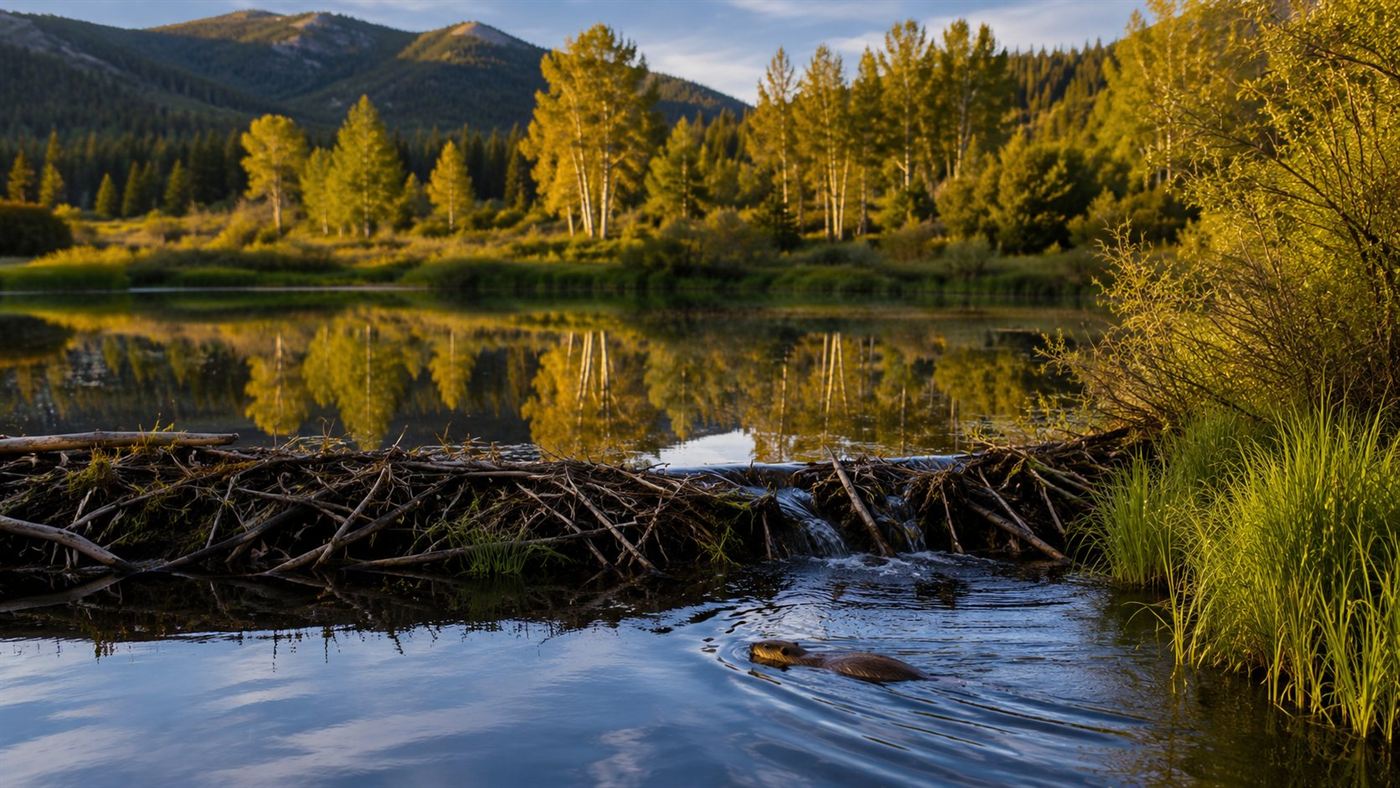
In California, beavers allowed to rebuild wetlands along rivers that lost them a century ago have demonstrated that fish habitat can recover in years, not decades.
For the European eel, that speed matters enormously, because the species reproduces only once in a lifetime of 10 to 25 years, and every migration failure is a generation lost permanently.
The honest catch
Eel conservation runs on a timeline that most government planning cycles cannot comfortably accommodate.
A glass eel entering a river in France or Ireland today will not make its spawning migration for at least a decade, probably two.
Even if every barrier in Europe were removed tomorrow and every source of contamination eliminated, the effect on spawning populations in the Sargasso would not be measurable until the 2040s.
Commercial fishing continues despite the evidence.
The International Council for the Exploration of the Sea has been advising zero catches for years, and European governments have implemented some seasonal closures, but commercial eel fisheries still operate in multiple countries, sometimes with exemptions for traditional methods written into the regulations.
The deeper problem is the mystery at the core of the species.
Without knowing the exact location, depth, and water conditions in the Sargasso where European eels spawn, it is impossible to protect those grounds or even to monitor whether they are being degraded by ocean warming.
Every conservation action for the European eel is happening in European rivers and estuaries, thousands of kilometres from the place that will ultimately determine whether the species survives.
Much of the infrastructure that is blocking eel migration is not a major dam built to generate power or a reservoir built to supply a city.
It is a weir built to power a grain mill in the thirteenth century, or a sluice built to drain a marsh that nobody farms any longer.
The decisions that could reopen the route are being made, one barrier at a time, by water engineers, planning committees, and canal authorities who often have no idea they are managing a junction on one of the oldest migration corridors on Earth.
An animal that has been crossing the Atlantic since before modern humans existed, and survived every ice age since the Pleistocene, is being stopped by infrastructure that was obsolete before anyone alive today was born. What would it take for European governments to treat eel migration as a genuine priority before the species follows the passenger pigeon? Tell us in the comments.