Critics said capturing every last California condor in 1987 was a death sentence; the bird named At Last I Fly proved them wrong by nesting on Yurok land in 2026
On April 19, 1987, biologists caught the last wild California condor in a net. Only 22 birds remained alive, all now in zoos. Critics called the California condor recovery plan an act of despair dressed up as science. Thirty-nine years later, a condor named Hlow Hoo-let ("At last I fly" in the Yurok language) nested inside an old-growth redwood in Northern California, the first condor nest in that region in more than a century.
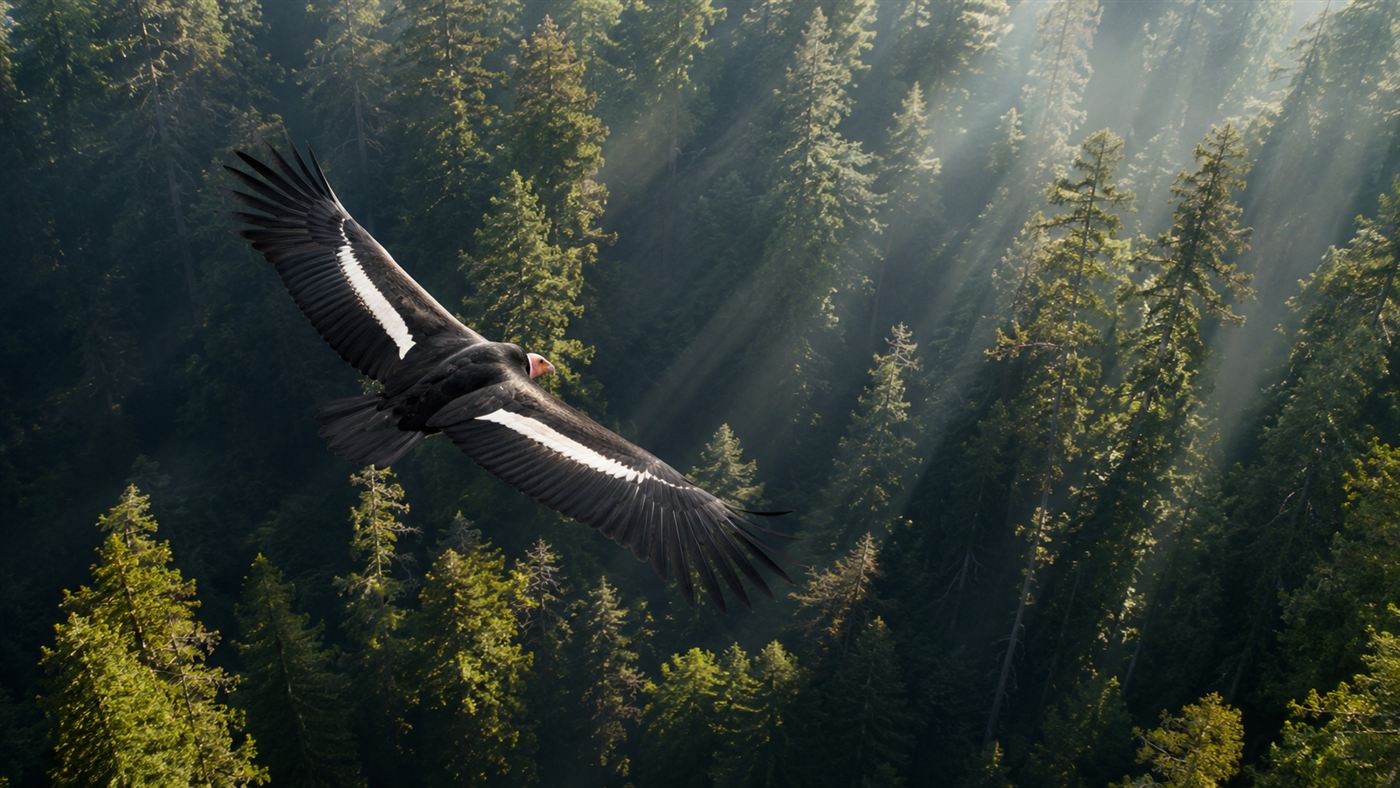
In early 2026, a condor pair named "At last I fly" and "She carries our prayers" incubated what may have been the first egg on Yurok land in over 100 years. The Yurok call the condor prey-go-neesh, a sacred thunderbird. Illustration: Watts & Wild.
In early February 2026, inside a hollow in an old-growth redwood along Redwood Creek in Northern California, a pair of California condors began incubating an egg. It may be the first condor egg laid on Yurok ancestral territory in more than 100 years.
The female is called Ney-gem' Ne-chween-kah, a Yurok name meaning "She carries our prayers." Her mate is Hlow Hoo-let, "At last I fly." Both were released into the Yurok homeland in 2022 as part of the tribe's programme to restore the bird they call prey-go-neesh, a sacred thunderbird that had been absent from this land since before any living elder was born. The egg, biologists announced in April 2026, did not hatch. First-time condor parents rarely succeed on their first attempt. The pair is expected to try again.
A death sentence, April 1987
The path to that redwood hollow began on Easter Sunday 1987, when a field team in California spotted an adult condor circling roughly 100 miles northwest of Los Angeles. The bird, tagged AC-9 and nicknamed Topa Topa, was caught in a cannon net. With that capture, California condors ceased to exist in the wild for the first time in recorded history.
Only 22 condors were alive at that moment, all in captivity. The decision to capture every last wild bird had been savagely contested. The National Audubon Society opposed it, arguing that a condor in a zoo was not really a condor at all. One prominent ornithologist made the case plainly: rather than burden the birds "with electronic trinkets" and imprison them for forced breeding, he asked, could society not simply say to the last condors, "Fly, stay as long as you can, and then die with the dignity that has always been yours"?
The opposing camp, led in part by Noel Snyder of the US Fish and Wildlife Service, answered that dignity was beside the point. Without intervention, there would be no condors left to debate. The decision was made. The birds went into cages at the San Diego Wild Animal Park and the Los Angeles Zoo.
What the scientists did with 22 birds
The captive breeding programme at San Diego and Los Angeles had to invent its methods as it went. Double clutching, removing a first egg to prompt the female to lay a replacement, multiplied output from each pair. Puppet rearing, feeding chicks with a hand puppet that resembled an adult condor's head, kept the young birds from associating food with humans. Artificial insemination gave access to the genetics of birds that refused to breed voluntarily.
The condors cooperated. Slowly at first, then faster. By 1992, the first captive-bred birds were reintroduced into the wild at a release site near Ventura, California. In 2002, a pair at Hopper Mountain National Wildlife Refuge hatched and fledged a chick without human assistance, the first condor born wild in well over a decade. As the National Park Service documents, by 2008 there were more California condors flying free than held in captivity, the milestone that turned public sentiment decisively in favour of the programme.
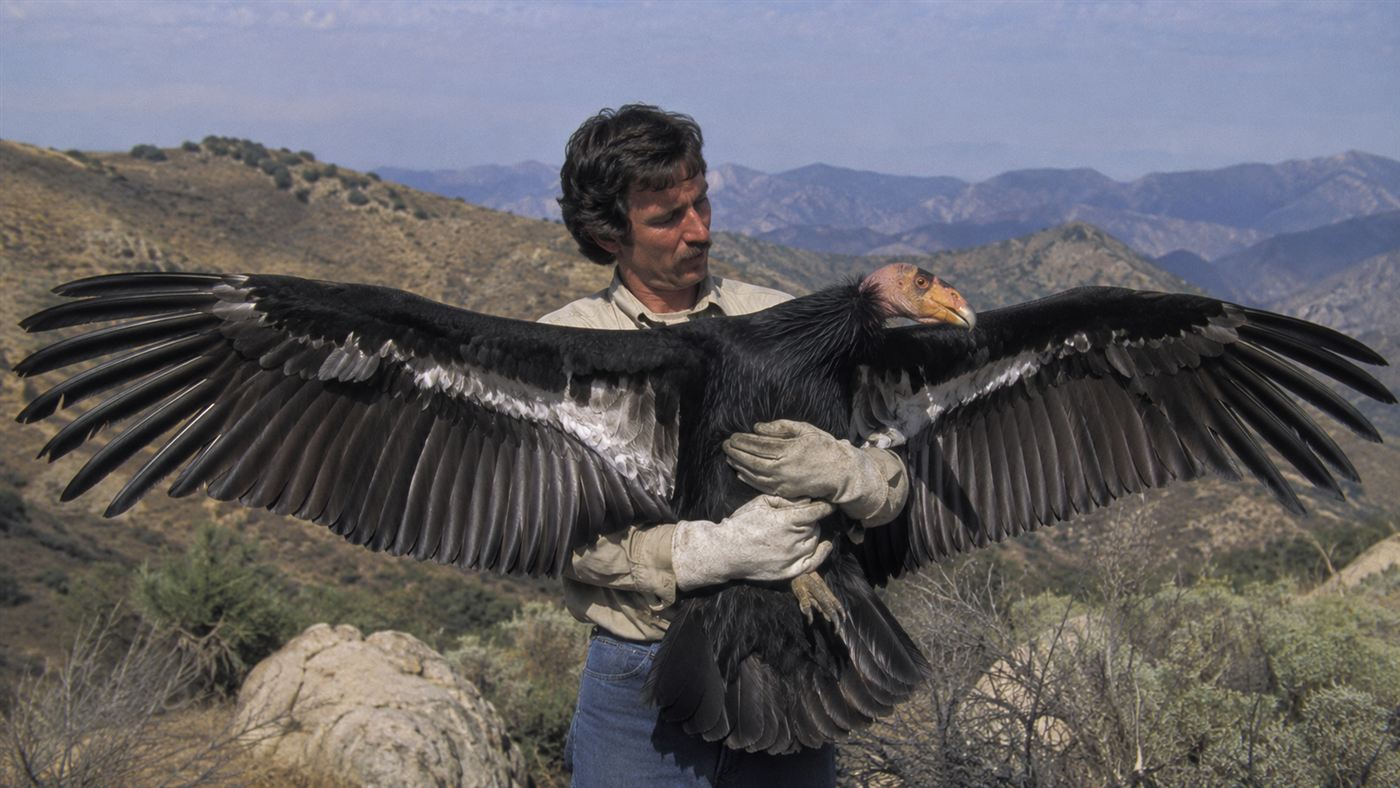
California condor recovery: from 22 birds to 559
The recovery expanded steadily outward. Condors were released at the Grand Canyon in 1996, establishing the Colorado Plateau as core range. Baja California became a release site. The population crept north through California and into the Pacific Northwest. As Nature World News documented in April 2026, the total population reached 559: 341 flying free in the wild, 116 in captivity, and the rest in transition pens awaiting release. From 22 in a cage to 559 across four countries in under four decades.
The species still carries an open wound. Condors are scavengers, and across their range many animal carcasses are shot with lead ammunition. When a condor feeds on a gut pile or a deer carcass riddled with lead fragments, it absorbs the metal and can die of poisoning. Many birds must be trapped periodically for chelation therapy to clear their blood. California banned lead ammunition for hunting in condor territory in 2012 and extended the ban statewide in 2019. Arizona and Utah have followed in parts of their range. The problem has not been solved.
The Yurok bring them home
For the Yurok tribe of Northern California, prey-go-neesh has never been simply a conservation success story. The condor is a relative who was taken away.
Yurok oral traditions describe condors soaring over the coastal redwood forests and river systems of their territory for thousands of years. When hunting and habitat loss eliminated condors from the region during the twentieth century, something essential to Yurok culture went with them. The tribe had no say in that disappearance, and no say in the captive breeding programme that followed. What they did control was the return.
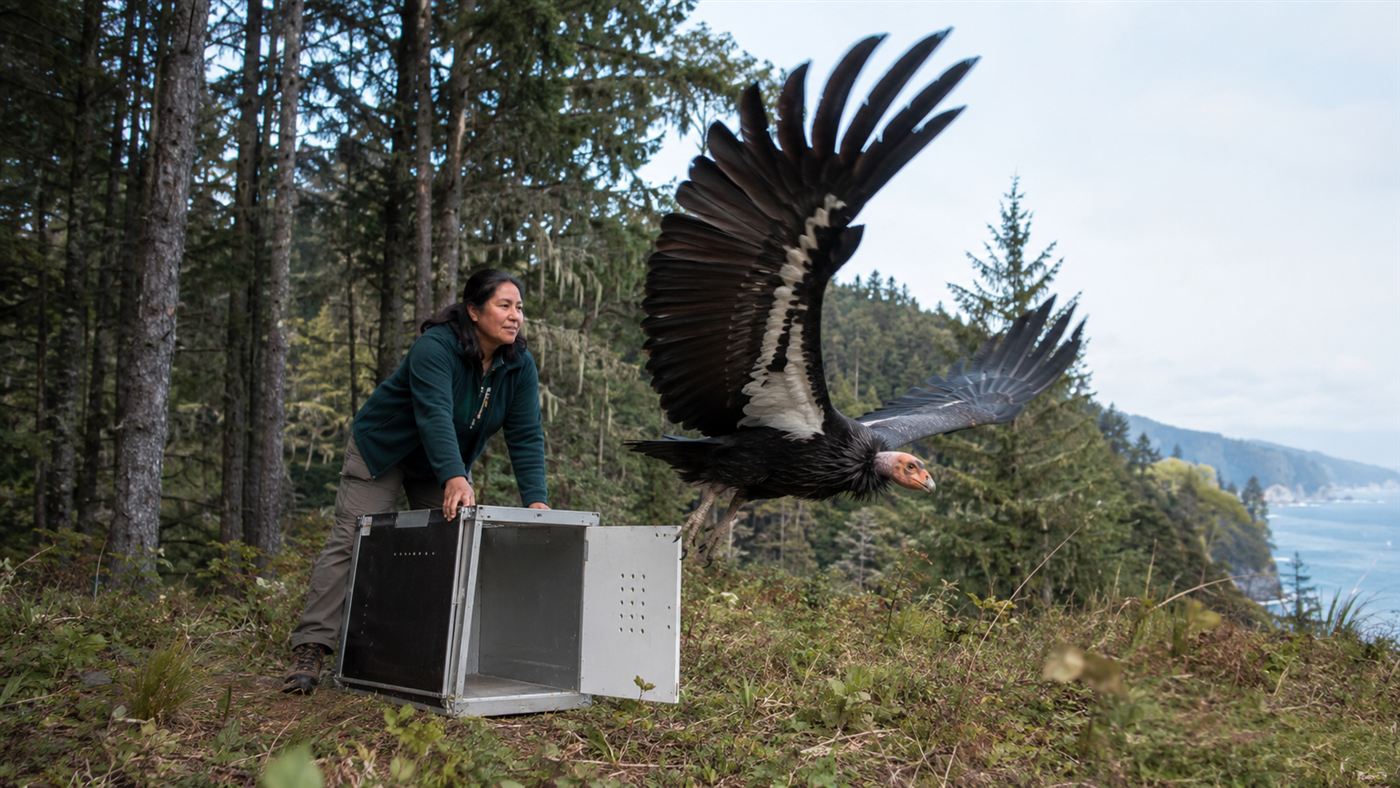
As NPR reported in November 2022, Tiana Williams-Claussen, director of the Yurok Tribe Wildlife Department, led the first release of condors onto Yurok ancestral territory on May 3, 2022: the first prey-go-neesh in the region in more than a century. "We have a spiritual and cultural responsibility to restore balance to our territory," Williams-Claussen said. "The return of prey-go-neesh is essential to restoring that balance." By late 2024, 24 condors were flying within Yurok land. The tribe plans to release at least one new cohort each summer for the next two decades.
February 2026: the egg in the redwood
Both Hlow Hoo-let and Ney-gem' Ne-chween-kah were approximately six years and ten months old in early 2026, right at the lower edge of condor sexual maturity, which typically begins between six and seven years. They found a hollow in an old-growth redwood along Redwood Creek and settled in to share incubation duties, taking turns on the egg for the weeks it would need.
In April 2026, biologists with the Northern California Condor Restoration Program confirmed what many had feared: the egg appeared not to have hatched. First-time condor pairs fail their first clutch far more often than they succeed. The birds are learning. Both Hlow Hoo-let and Ney-gem' Ne-chween-kah are young and healthy, and the season was not yet over. Condor pairs that lose an egg frequently lay a second within the same year.
Topa Topa, the bird captured last in 1987 as AC-9, still lives at the Los Angeles Zoo. He is now well over 50 years old and in good health. He has outlived nearly everyone who argued about his fate. The ornithologist who called captivity a death sentence was wrong about the sentence, if not wrong about the loss involved.
The honest catch
The California condor recovery is real and it is remarkable. It is also incomplete. Lead poisoning remains the dominant ongoing threat to the wild population, without a clear path to elimination across the full range of the birds' territory. Condors breed slowly, one egg per pair roughly every other year, which means a population of 341 wild birds is still fragile: a bad lead-poisoning year or a disease outbreak could set the numbers back substantially.
The Yurok's first nesting attempt did not produce a chick. That is not failure, it is the way of a species that takes years to learn to parent, and years more to build a stable wild population from a starting point of nothing. Tiana Williams-Claussen noted that the important thing was that the pair tried, and that the land held them. Twenty-four condors in Yurok territory, after a century of absence, is a beginning, not a conclusion.
The question of whether radical intervention can save a Pacific Coast endangered bird from an entirely new kind of threat plays out further north as well, where the US government has approved a plan to remove 450,000 barred owls from old-growth forest to give the northern spotted owl a fighting chance.
In 1987, a scientist caught the last wild condor in a net and put it in a cage, and a generation of conservationists called it a disaster. In 2026, a bird named "At last I fly" settled into a hollow redwood on Yurok land and began the slow work of becoming a parent. The bet paid off. The egg did not hatch. Both of those things are true.
The scientists who captured the last wild condor in 1987 were called everything from heroes to murderers. Knowing how it turned out, do you think imprisoning a species to save it is always worth it, or is something lost that can never be recovered? Tell us what you think in the comments.
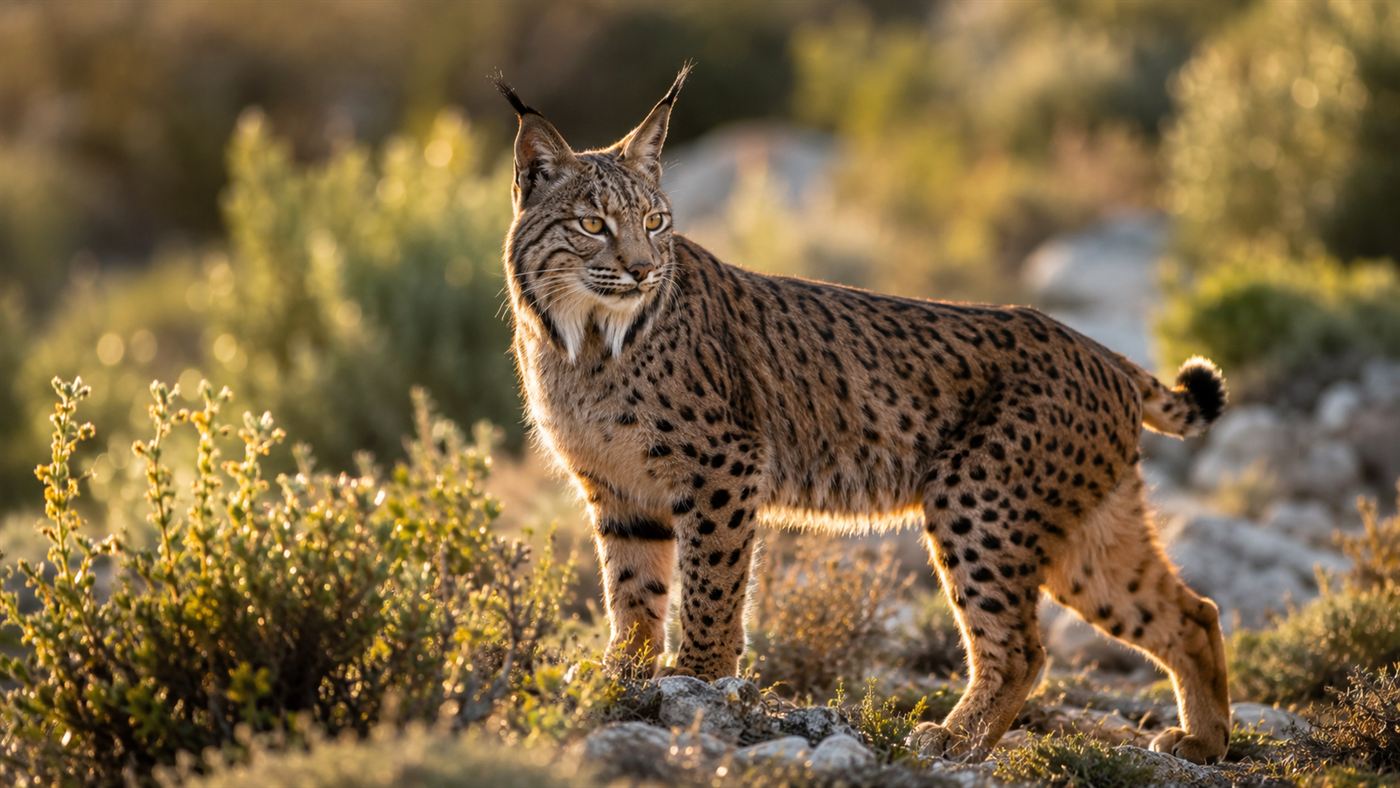
Related reading: The Iberian lynx was the world's most endangered cat, down to about 62 adults two decades ago, and after a 20-year rescue it has bounced back past 2,000 and off the endangered list. See also how the Florida panther was saved from inbreeding with Texas cougar genes, and the sadder case of the ivory-billed woodpecker, a bird the US still cannot decide is extinct.