A journalist abandoned his daughter's dog in his car to escape Galloping Gertie, and the Tacoma Narrows Bridge took the dog with it when it collapsed four months after opening
On November 7, 1940, the Tacoma Narrows Bridge began twisting so violently that Leonard Coatsworth had to crawl on his hands and knees to escape his car and reach solid ground. The suspension bridge, open for just four months, fell into Puget Sound minutes later, taking his daughter's dog Tubby with it.
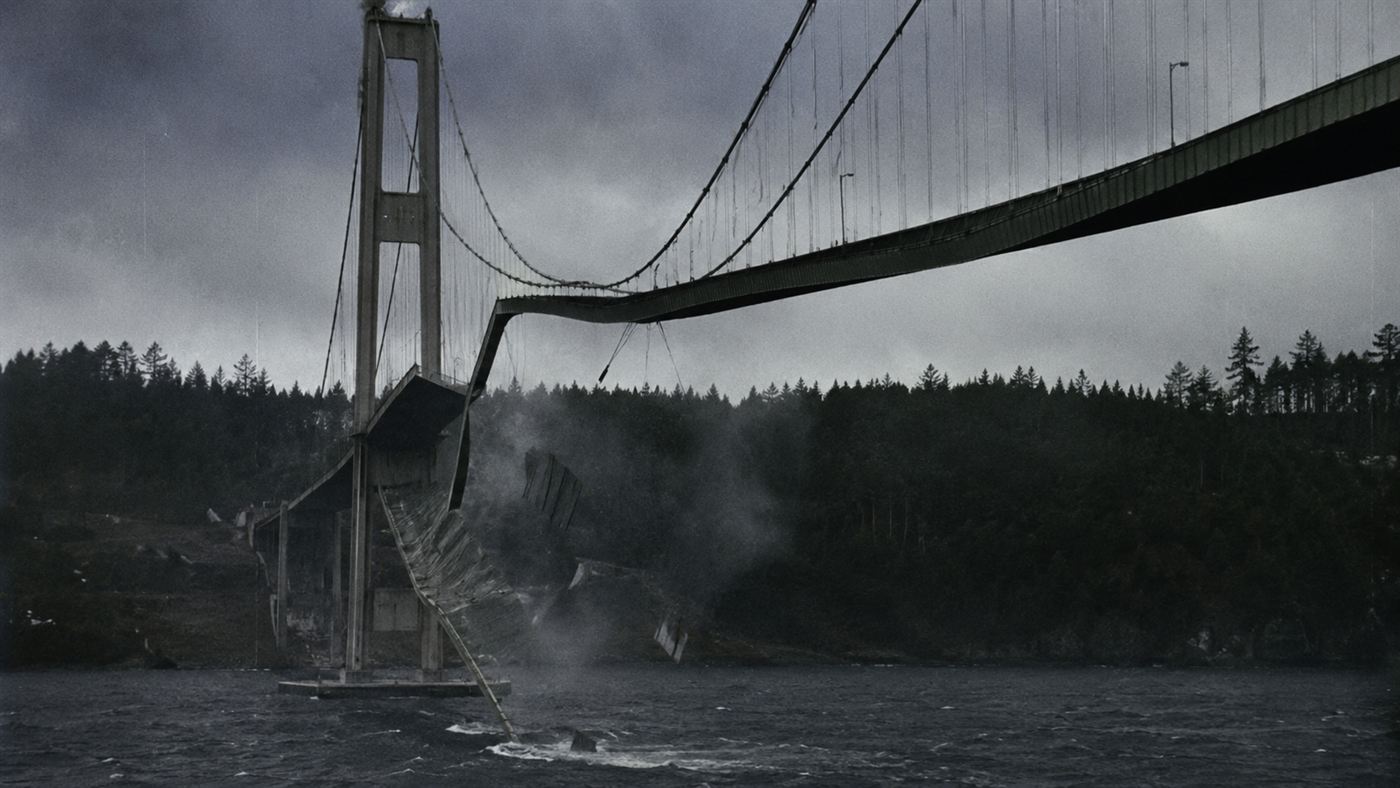
The Tacoma Narrows Bridge on the morning of November 7, 1940. The roadway is twisting at angles that tilted cars sideways. The center span fell into Puget Sound four hours after filming began. Illustration: Watts & Wild.
The Tacoma Narrows Bridge collapsed on a morning that should have been unremarkable. Wind speeds reached about 42 miles per hour across Puget Sound, ordinary autumn weather for western Washington. It had been celebrated when it opened as the third-longest suspension bridge in the world, the most elegant long-span structure on the West Coast. It had also earned a nickname. Workers and commuters crossing it since July 1, 1940 had watched it heave and roll in the wind, and they called it Galloping Gertie. What happened at 11:10 a.m. on November 7 was different: instead of heaving along its length, the bridge began twisting, one edge rising as the other fell. Leonard Coatsworth, a reporter for the Tacoma News Tribune who had driven onto the bridge that morning, later wrote that the tarmac was moving in rolling waves beneath him.
No one died on the Tacoma Narrows Bridge that day. Coatsworth abandoned his car and crawled on his hands and knees for nearly half a mile to reach solid ground. A man named Winfield Brown, who had walked out to retrieve a dog stranded near the center, was thrown against the railing and managed to hold on long enough to escape. The dog he tried to save, a black cocker spaniel named Tubby belonging to Leonard Coatsworth's daughter, did not make it off. When the 853-meter center span broke apart and fell around 200 feet into Puget Sound, Tubby fell with Coatsworth's Studebaker and six months of assumptions about how modern suspension bridges behaved in wind.
A bridge celebrated before the concrete dried
The Tacoma Narrows Bridge was the work of Leon Moisseiff, an engineer who had contributed to the design of the Manhattan Bridge in New York and spent decades advancing what was called deflection theory.
The idea was mathematically sound: a suspension bridge's stiffening girders do less structural work than earlier engineers believed, because the bridge's own weight and cable tension resist wind loads directly.
Using deflection theory, Moisseiff argued for a much thinner deck than any previous long-span suspension bridge had used, just 8 feet deep for a main span of 2,800 feet.
Older bridges used deep open trusses, a lattice of steel that let wind pass through the structure with little resistance.
Moisseiff replaced the open truss with solid plate girders on either side of the roadway.
The result was clean, modern, visually striking, and $1.6 million under budget at $6.4 million.
Workers noticed something unexpected almost immediately: the deck moved in the wind during construction.
One foreman described riding the bridge as feeling like a roller coaster.
Engineers who reviewed the oscillations concluded that vertical heaving in a flexible suspension bridge was within acceptable limits and posed no structural risk.
By opening day, locals were paying the toll specifically for the experience, and the nickname Galloping Gertie had already stuck.
The morning the Tacoma Narrows Bridge stopped galloping
Frederick Farquharson, a University of Washington engineer who had spent months studying the bridge's motion, arrived early on November 7 to observe conditions in the wind.
He had concluded in previous reports that the vertical oscillations, while unusual, were not dangerous.
That morning the bridge changed its behavior.
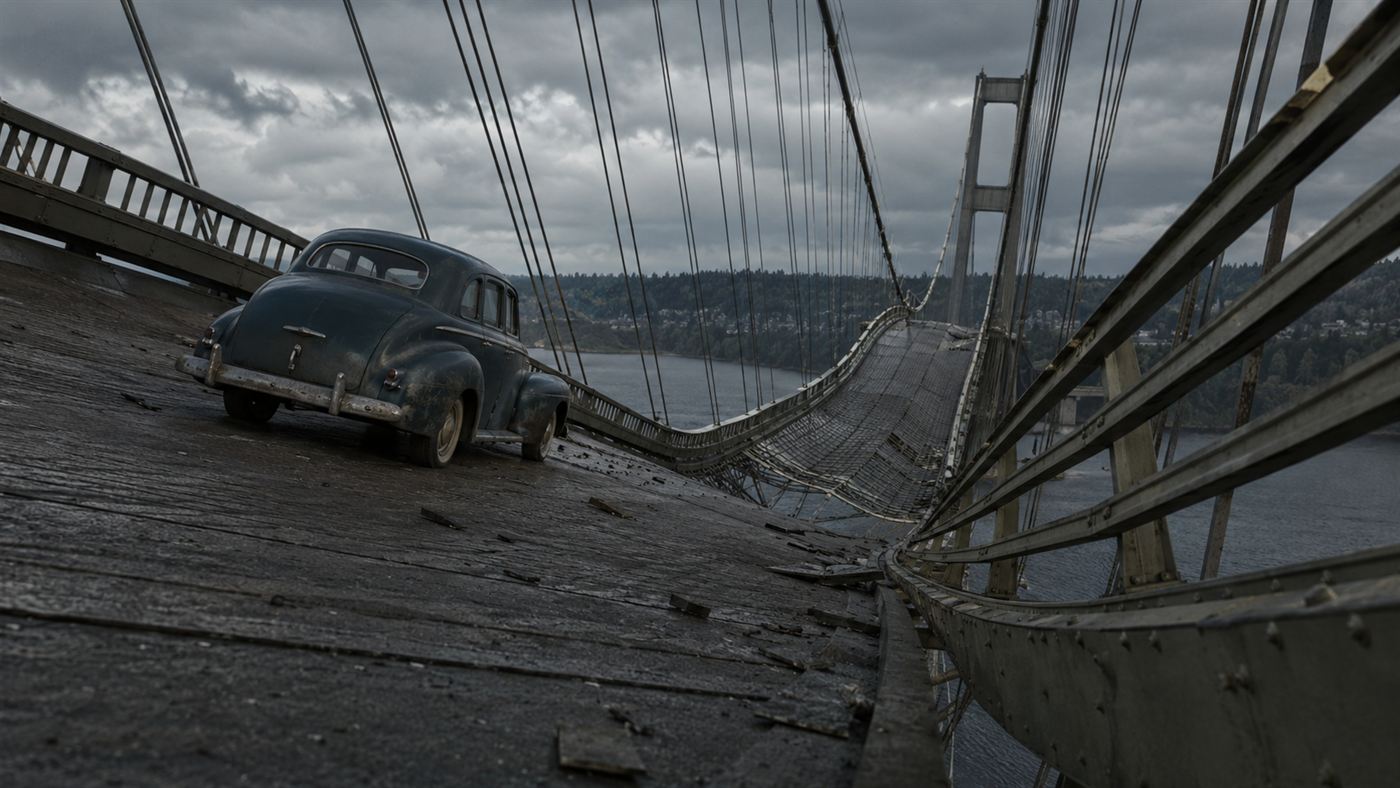
The deck stopped heaving uniformly and began twisting, one lane rising while the other fell in a diagonal wave that repeated across the width of the roadway.
Leonard Coatsworth had driven onto the bridge from the Tacoma side when the twisting began.
He felt his car lifted sideways against the railing, decided to leave it, and spent the next several minutes crawling toward the shore while the roadway tilted beneath him at angles that made standing impossible.
At 11:10 a.m., the center section of the Tacoma Narrows Bridge broke free and fell into Puget Sound.
The two towers remained standing.
The short anchor spans at either end stayed in place.
What had been the roadway between them was gone.
Farquharson, who had remained near the bridge to document conditions, captured some of the bridge collapse on film.
A local camera shop owner named Barney Elliott had also driven out after hearing reports of unusual activity and filmed the final minutes from shore.
The footage taken that day became among the most reproduced images in the history of structural engineering, shown in textbooks for generations as evidence of what designers had not known to measure.
What solid plate girders do in wind
The investigation identified the mechanism clearly enough to prevent it from repeating.
Moisseiff's solid plate girders, unlike the open trusses they replaced, acted as a sail against the wind.
When wind struck the deck from the side, the deck deflected slightly.
That deflection changed the angle at which wind hit the surface, producing a force that pushed the deck further in the same direction.
The deck then reversed, the wind hit the other face, and the cycle repeated, each time drawing more energy from the airflow and feeding it into the oscillation.
This process is called aeroelastic flutter, and it is not the same phenomenon as the resonance warning that instructs soldiers to break step when crossing bridges.
Simple resonance requires an external periodic force matched to the structure's natural frequency, like pushing a swing at the right moment.
Aeroelastic flutter is self-exciting: the structure's own motion generates the aerodynamic forces that amplify the motion further.
Theodore von Karman, the aerodynamicist at Caltech who had studied vortex shedding in wind tunnels, was called in after the bridge collapse and helped articulate the physics in terms that structural engineers could apply going forward.
The solid deck that gave Galloping Gertie her clean lines had become the mechanism of her destruction.
Every suspension bridge in the world changed after the Tacoma Narrows Bridge fell
The Federal Works Agency launched an investigation, and its findings reached engineers responsible for every large suspension bridge in the United States.
The Golden Gate Bridge and the George Washington Bridge, both built with plate girder designs influenced by Moisseiff's thinking, were evaluated and subsequently stiffened with additional trusses.
Leon Moisseiff spent the remaining three years of his life under professional scrutiny.
He died in September 1943, widely blamed for an approach that had been mathematically rigorous by the standards of his era but had not accounted for aerodynamic feedback between the deck and the wind.
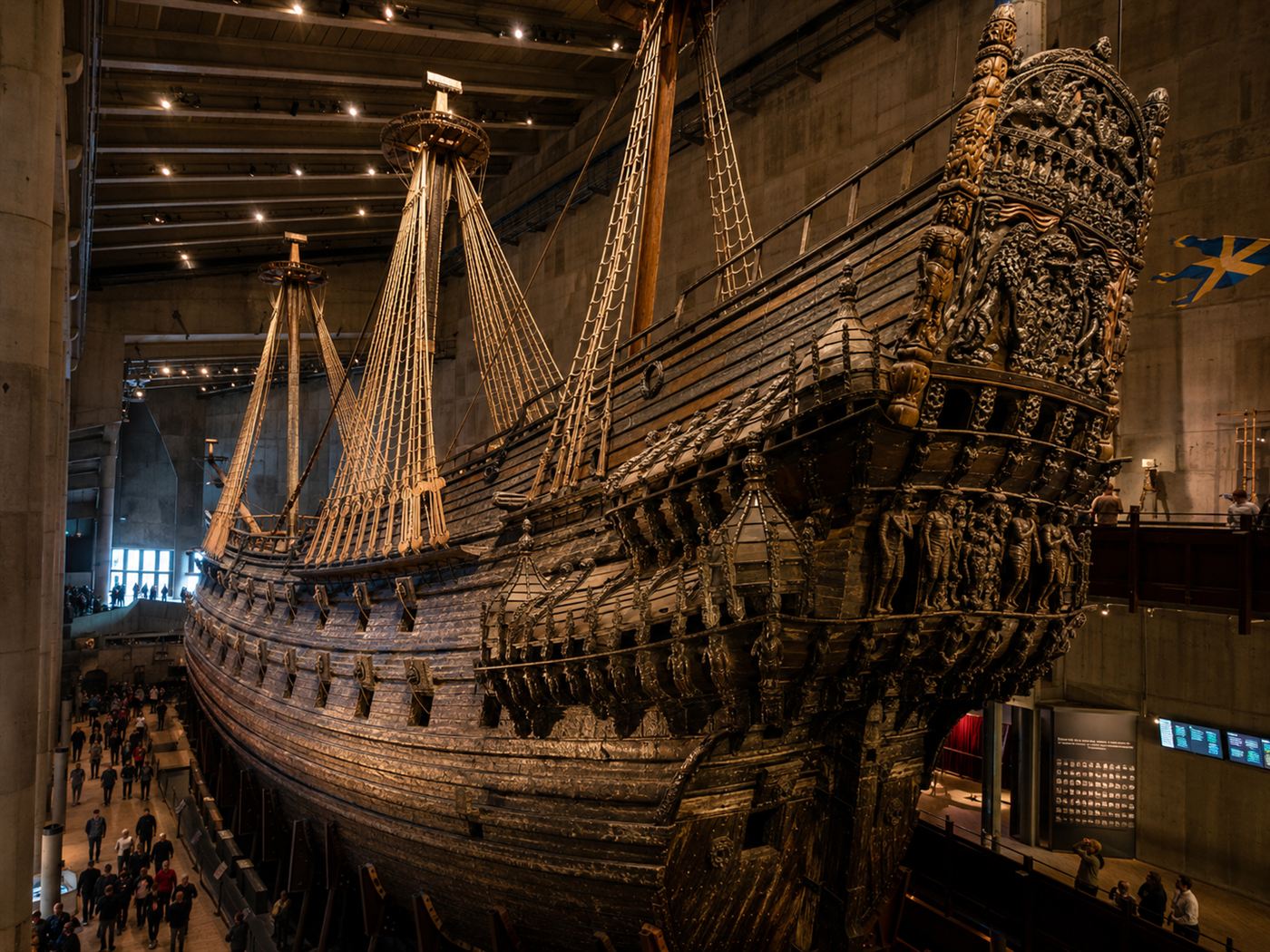
The parallel with other famous bridge collapses was immediately drawn: like the Vasa warship, which sank on its maiden voyage in 1628 after meeting every standard of the shipbuilding era, the Tacoma Narrows Bridge had complied with every code in force and failed in a category those codes could not yet measure.
The replacement Tacoma Narrows Bridge opened on October 14, 1950, using an open-truss deck that let wind pass through the structure rather than bearing against it.
It was less elegant than Galloping Gertie and more obviously engineered, with deep trusses visible from miles away.
A second parallel bridge was added in 2007 to handle traffic volumes that had long outpaced the 1950 span.
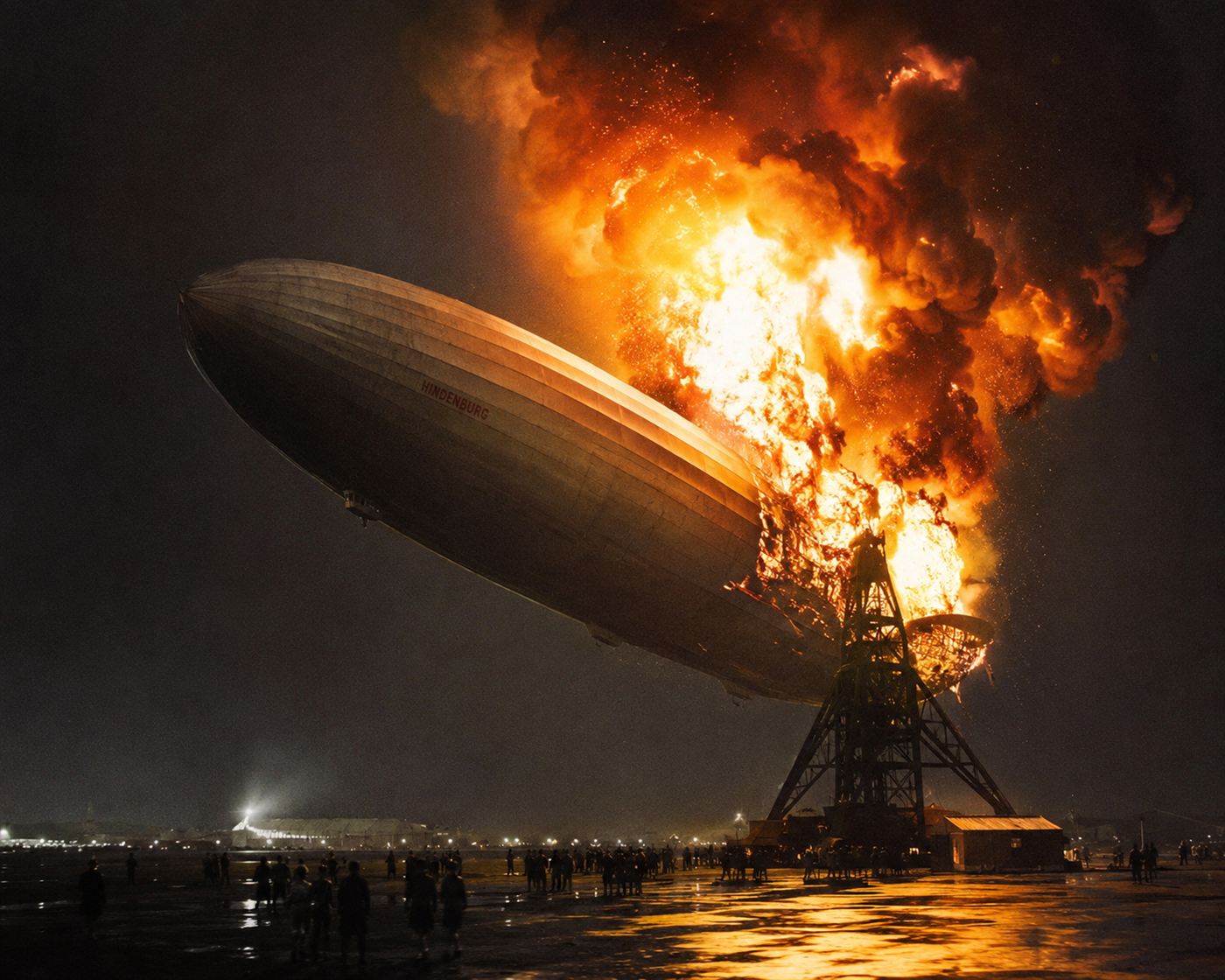
The Hindenburg disaster in 1937 had similarly been captured on audio and film, and both cases showed how recorded failure evidence accelerated the pace at which engineering fields absorbed painful lessons.
Every suspension bridge designed after 1940 went through wind tunnel testing and aeroelastic analysis before construction.
The discipline of bridge aerodynamics did not emerge from a theoretical paper but from a single filmed bridge collapse on a Tuesday morning in November.
The honest catch
The most widely repeated explanation for why the Tacoma Narrows Bridge fell, that it resonated like a swing pushed at its natural frequency, is technically wrong.
Simple resonance requires a periodic external force applied at the structure's natural frequency from outside.
What destroyed Galloping Gertie was aeroelastic flutter, a self-excited instability in which the bridge's own motion creates the aerodynamic forces that amplify the motion further.
The distinction matters: the two phenomena require different engineering responses, and many early fixes applied to suspension bridges after 1940 were guided partly by a mischaracterization of what had actually happened.
Moisseiff's design was not reckless.
Deflection theory was the accepted approach, had been verified on other spans, and the Tacoma Narrows Bridge complied with every engineering code in force at the time of construction.
The bridge collapse revealed a category of wind-structure interaction that the field had not yet developed the tools to measure.
Both disasters required the rules themselves to be rewritten, though individuals absorbed the blame in each case.
Leonard Coatsworth's Studebaker was eventually recovered from Puget Sound by divers.
Tubby was never found.
The original steel from the collapsed spans was donated to the U.S. Navy as scrap metal during World War II, which meant engineers had to reconstruct the failure sequence from photographs and film alone.
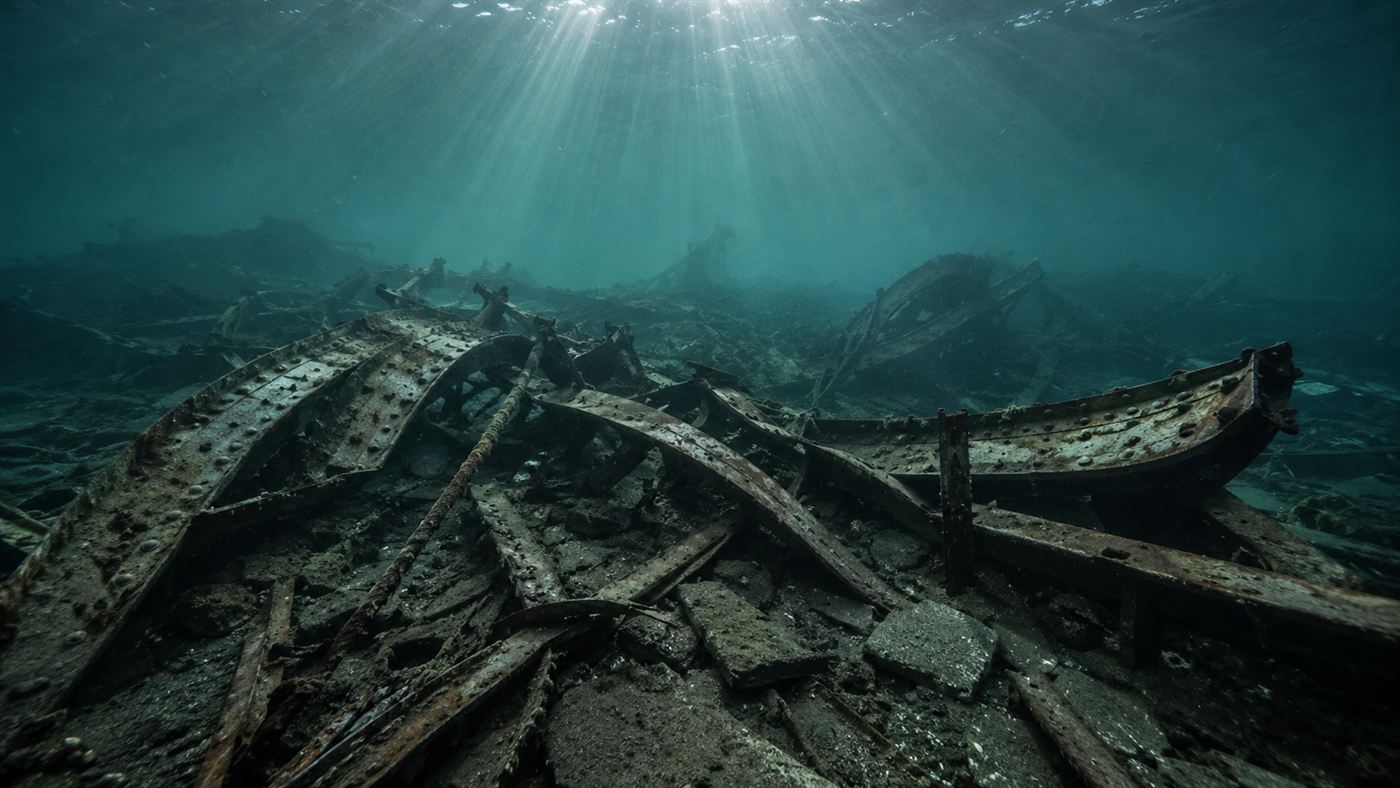
Galloping Gertie now rests on the floor of Puget Sound, listed on the National Register of Historic Places as an underwater archaeological site.
The twin bridges that stand at Tacoma Narrows today carry around 90,000 vehicles a day on decks designed to let the wind pass straight through.
A suspension bridge destroyed itself on camera before the engineering world knew what aeroelastic flutter was. Which other failures do you think the field needed to witness firsthand before it started asking the right questions?
Related reading: The Vasa warship passed every inspection in 1628 and sank 20 minutes into its maiden voyage in Stockholm harbor. See also the Mackinac Bridge, built to beat the very wind that destroyed this one.