A young engineer's question sent William LeMessurier back to his calculations, where he found that his gleaming new Citicorp Center skyscraper could be toppled by a strong New York wind
In 1978 the Citicorp Center was the newest jewel of the Manhattan skyline, a 59-story tower balanced on four enormous stilts. Then its own structural engineer, William LeMessurier, realized that a quiet change to its steel skeleton meant the right storm could bring the whole thing down, and a secret rescue began.
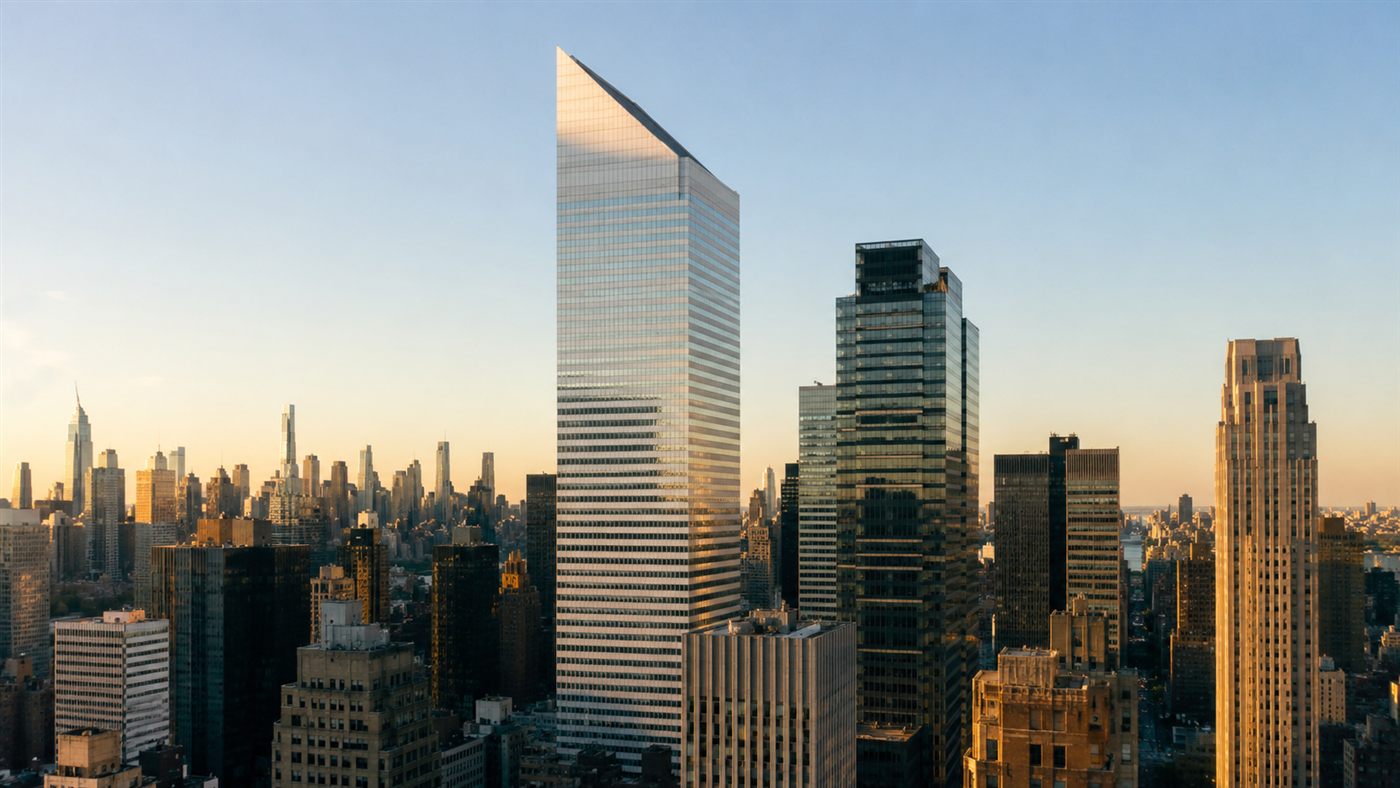
The Citicorp Center, with its 45-degree slanted crown, was an instant icon of the New York skyline. Illustration: Watts & Wild.
The Citicorp Center opened in 1977 as one of the boldest buildings in New York, and for a few months it was simply admired. Within a year, the man who designed its skeleton was quietly convinced it might kill thousands of people. The story of how William LeMessurier, the tower's structural engineer, found the flaw and raced to fix it stayed secret for almost two decades, and it remains one of the most extraordinary episodes in the history of the modern skyscraper.
It became public only in May 1995, when the journalist Joe Morgenstern told the full account in The New Yorker, in an article called "The Fifty-Nine-Story Crisis". By then the danger was long gone, welded shut in the Manhattan dark. But for a few weeks in the autumn of 1978, the Citicorp Center was arguably the most dangerous large building in America, and almost nobody knew.
What was the Citicorp Center crisis? In 1978, structural engineer William LeMessurier discovered that his newly built Manhattan skyscraper could be blown over by a strong wind, because the builders had bolted its main joints instead of welding them. Crews secretly welded steel reinforcements at night for months until the tower was safe again.
A skyscraper standing on stilts
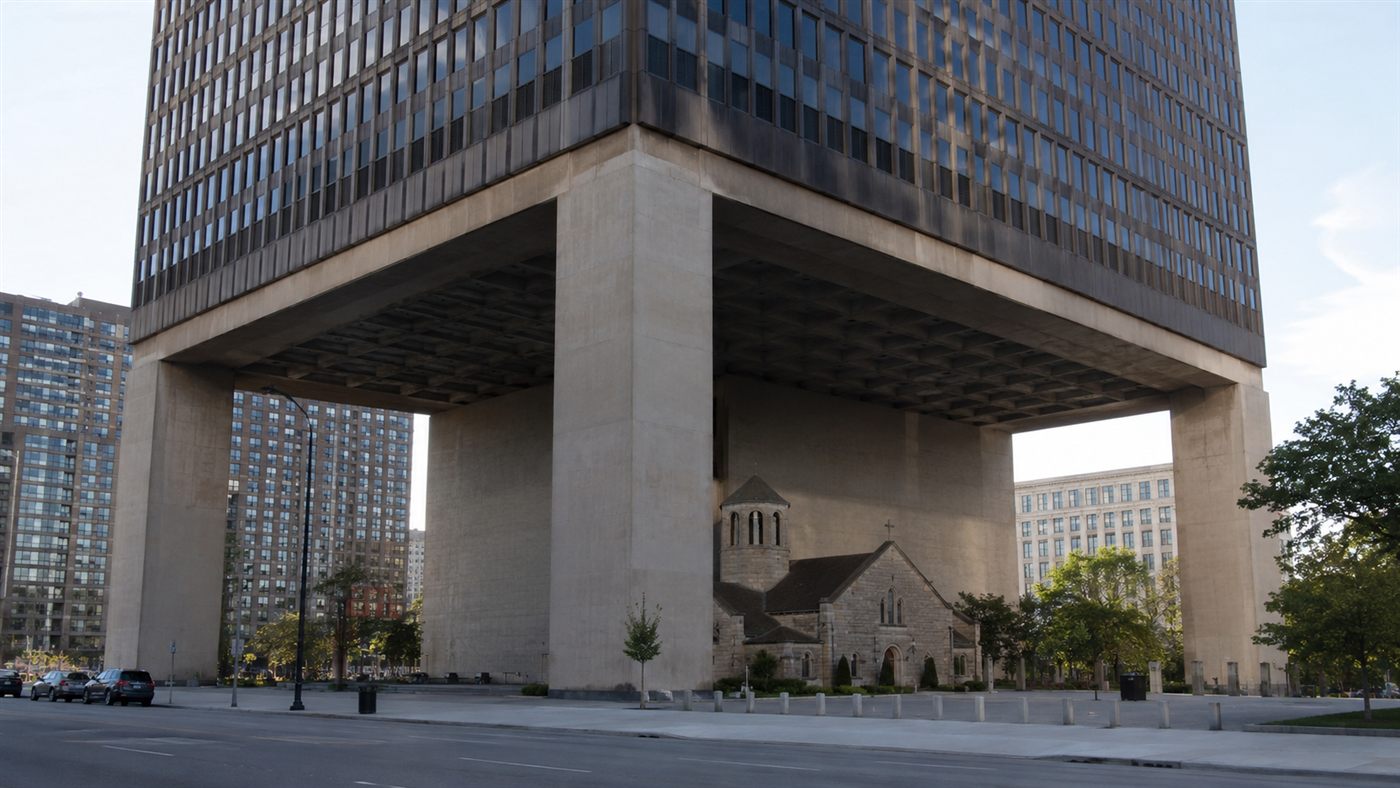
What made the Citicorp Center so striking was also what made it fragile. The plot already held the old St. Peter's Lutheran Church on its northwest corner, and the deal to build required a new church tucked under the tower. So the architect Hugh Stubbins and LeMessurier lifted the whole 59-story skyscraper onto four massive columns placed not at the corners, where you would expect, but at the midpoints of each side. The tower seemed to float above the street, and the church sat safely in its shadow.
Holding a building up on midpoint stilts is a daring trick, and LeMessurier solved it with a hidden lattice of inverted chevron braces that funneled wind forces down to the four columns. To keep the slender tower from swaying enough to make people seasick, he added something almost no building had used before: a 400-ton concrete block floating on a film of oil near the roof, a tuned mass damper that slid back and forth to cancel the building's sway. It was the first skyscraper to lean on an active mechanical system like this to stay comfortable in the wind, and the tuned mass damper made the tower famous among engineers long before the crisis ever did.
The question that unraveled the Citicorp Center
In 1978 LeMessurier got a call that would not let him rest. A student working on the building's design had been told the structure handled wind beautifully, but the young engineer's own numbers suggested the diagonal bracing deserved a harder look, especially under winds hitting the tower at an angle. For years the most-told version of the story credited an anonymous male student, but the Princeton undergraduate Diane Hartley, whose thesis examined exactly these forces, was later identified as the person whose questions reached LeMessurier's firm, as was the engineering student Lee DeCarolis.
The trigger was a kind of wind that building codes of the day largely ignored: quartering winds, which strike a tower diagonally across its corner rather than square against a face. When LeMessurier ran the full case for the Citicorp Center, he found those diagonal gusts loaded his braces far harder than anyone had assumed. On their own, that might have been survivable. Combined with a change he had not known about, it was not.
Why a bolted joint nearly doomed the tower
Here is the detail that turns an academic worry into a nightmare. LeMessurier had specified that the critical joints in the bracing be welded, a slow, strong and expensive connection. During construction the steel contractor, Bethlehem Steel, had instead bolted them, a cheaper and faster choice that was normal practice and seemed perfectly safe. As the engineering record summarized on Wikipedia lays out, for four of the eight tiers of braces the quartering winds meant a 40 percent rise in wind load and a 160 percent rise in the stress at those bolted joints.
When LeMessurier finished the math on July 24, 1978, the conclusion was stark. With the tuned mass damper running, a storm strong enough to tear the joints apart might come along once every 55 years. But the damper needed electricity, and a blackout in a big storm is exactly when you would lose the tuned mass damper. With the damper dead, the odds collapsed to a one-in-16-year wind. For a building meant to stand for centuries, those were terrifying numbers, and the hurricane season was already underway.
A secret repair in the Manhattan night
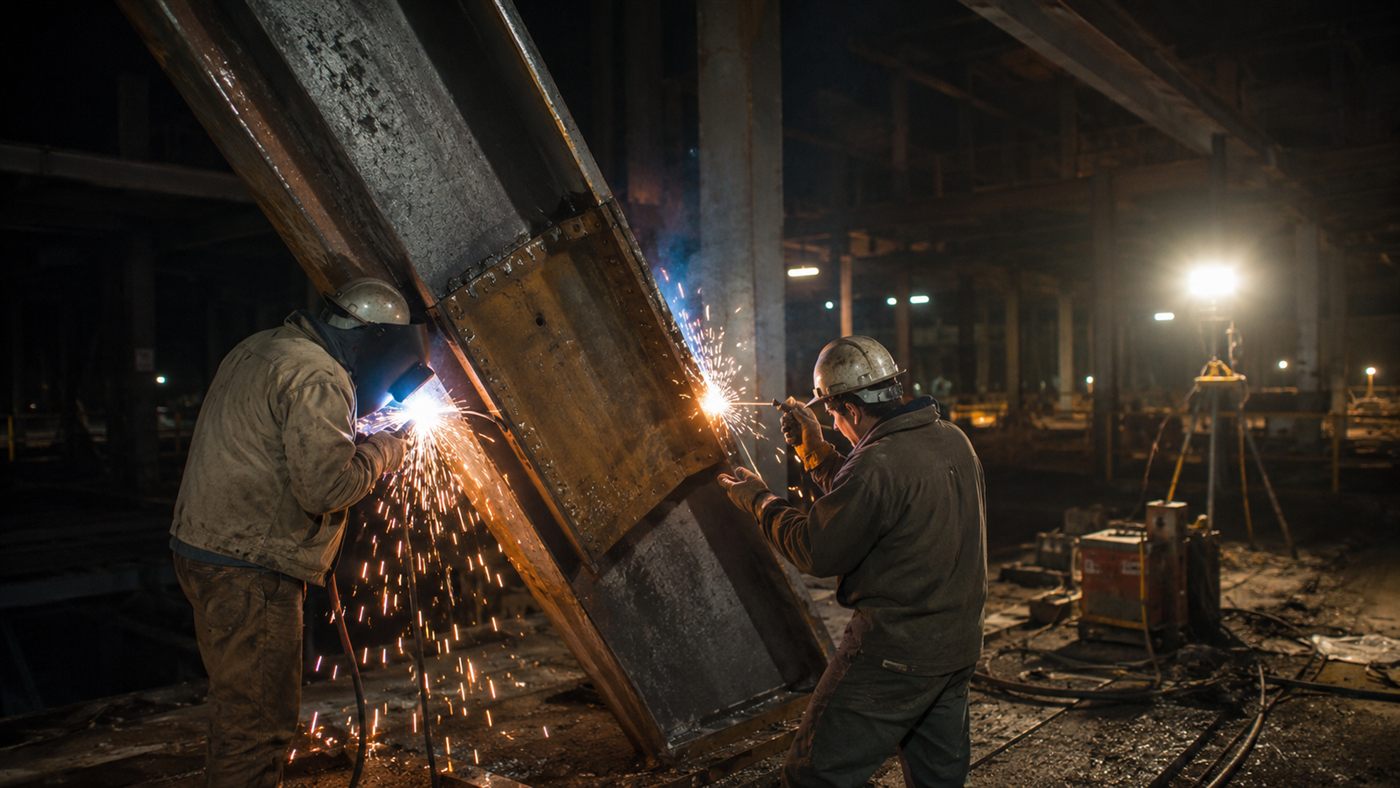
What LeMessurier did next is why engineers still teach this case. He did not bury the report. He went to Citicorp and to the architect, laid out the danger, and proposed a fix: weld thick steel plates over every one of the vulnerable bolted joints. Citicorp agreed, and in August 1978 construction crews began arriving after the office workers went home, building plywood enclosures and welding steel onto the tower's bones through the night, every night, while the building went on working by day as if nothing were wrong.
The secrecy held thanks to a strange piece of luck. New York's major newspapers were on strike, so there was no press to ask why welders were swarming a brand-new skyscraper after dark. Behind the scenes it was anything but calm. Emergency generators were wired in to keep the tuned mass damper alive, weather services were watched around the clock, and city officials and the Red Cross drew up plans to evacuate a wide radius of Midtown if a storm closed in. In September, Hurricane Ella churned up the coast toward the city, then turned out to sea. The welding finished in October, and the Citicorp Center was suddenly, quietly, one of the strongest towers in New York.
Who really caught the flaw?
The legend has long centered on William LeMessurier, the senior structural engineer who owned the mistake and fixed it. That part is real and admirable: he could have stayed silent and gambled, and instead he risked his reputation and his firm. But the cleaner versions of the tale flatten the people around him. Diane Hartley, whose student analysis pointed straight at the quartering-wind problem, did not even learn for years that her work had any connection to the crisis, and the credit she is owed is still argued over today.
That argument matters, because the moral of the Citicorp Center is not really about one hero. It is about how a long chain of reasonable, money-saving, code-abiding decisions can quietly add up to a deadly building, and about how easily the warning can come from the most junior voice in the room. The flaw was caught not by the system but by people willing to keep asking an uncomfortable question.
The honest catch
It is worth being clear about the limits of the famous story. The Citicorp Center never actually came close to falling in a real storm, so we will never know exactly how the bolted tower would have behaved at the edge, and some engineers argue the original risk, while serious, was framed more dramatically in the retelling than the raw numbers demand. The secrecy itself sits uneasily too. Quietly fixing an occupied tower without telling the thousands of people inside may have prevented panic, but it is hard to call it fully honest, and it is a choice that modern disclosure rules would not allow. The clean lesson of a brave engineer is true, but the case is messier, and more human, than the legend.
A celebrated structural engineer found a fatal flaw in his own finished tower, and chose to fix it in the dark rather than hide it. If it were your building, would you go public with a mistake like that or quietly weld it shut and hope no one ever knew? Tell us what you think in the comments.
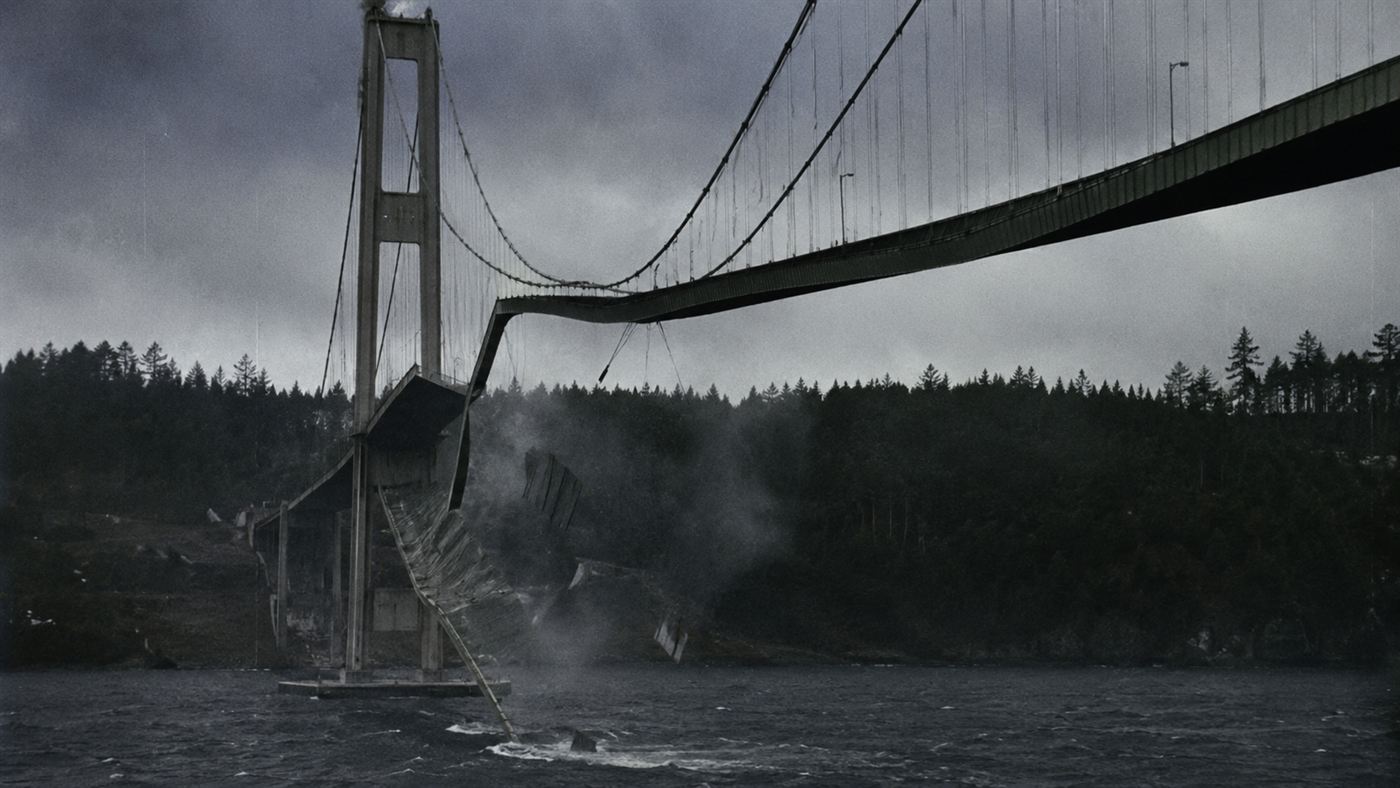
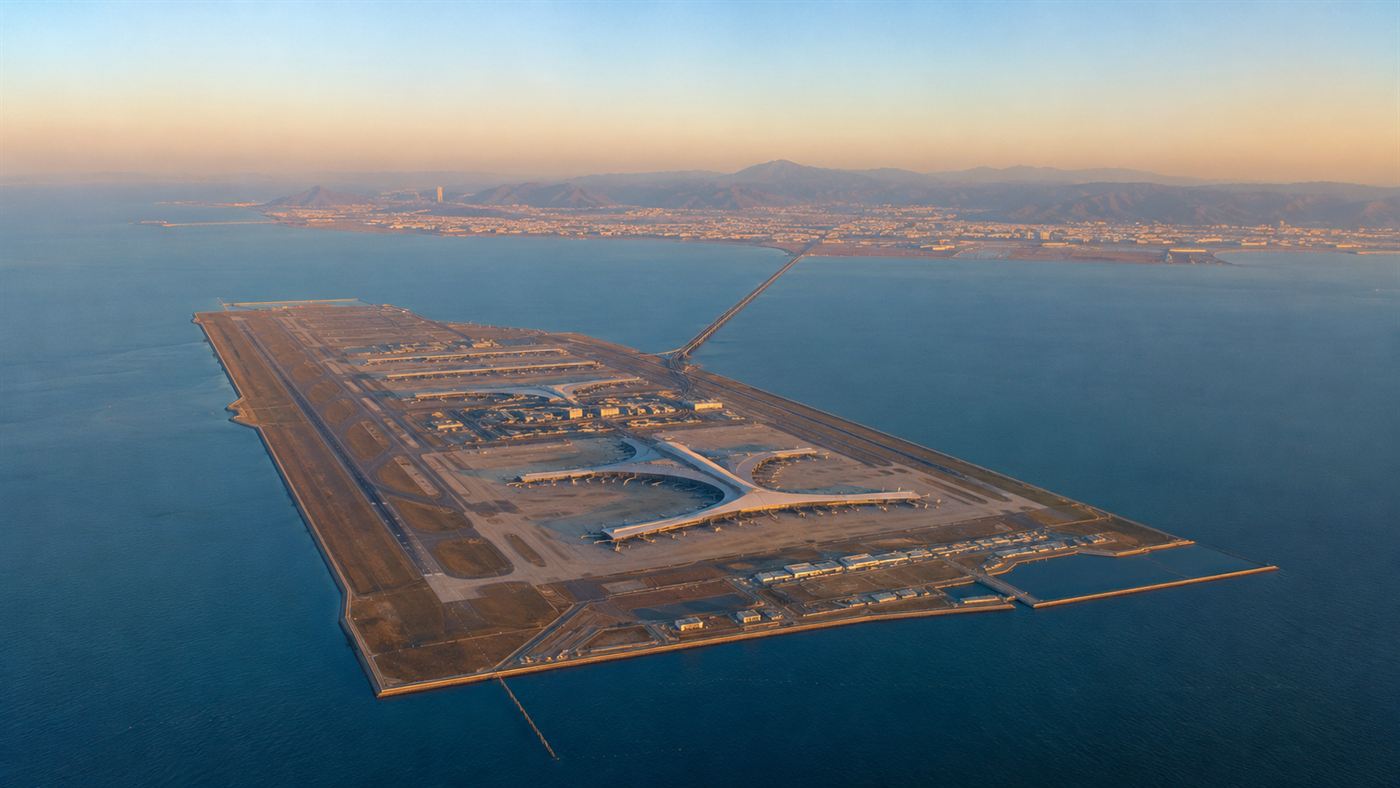
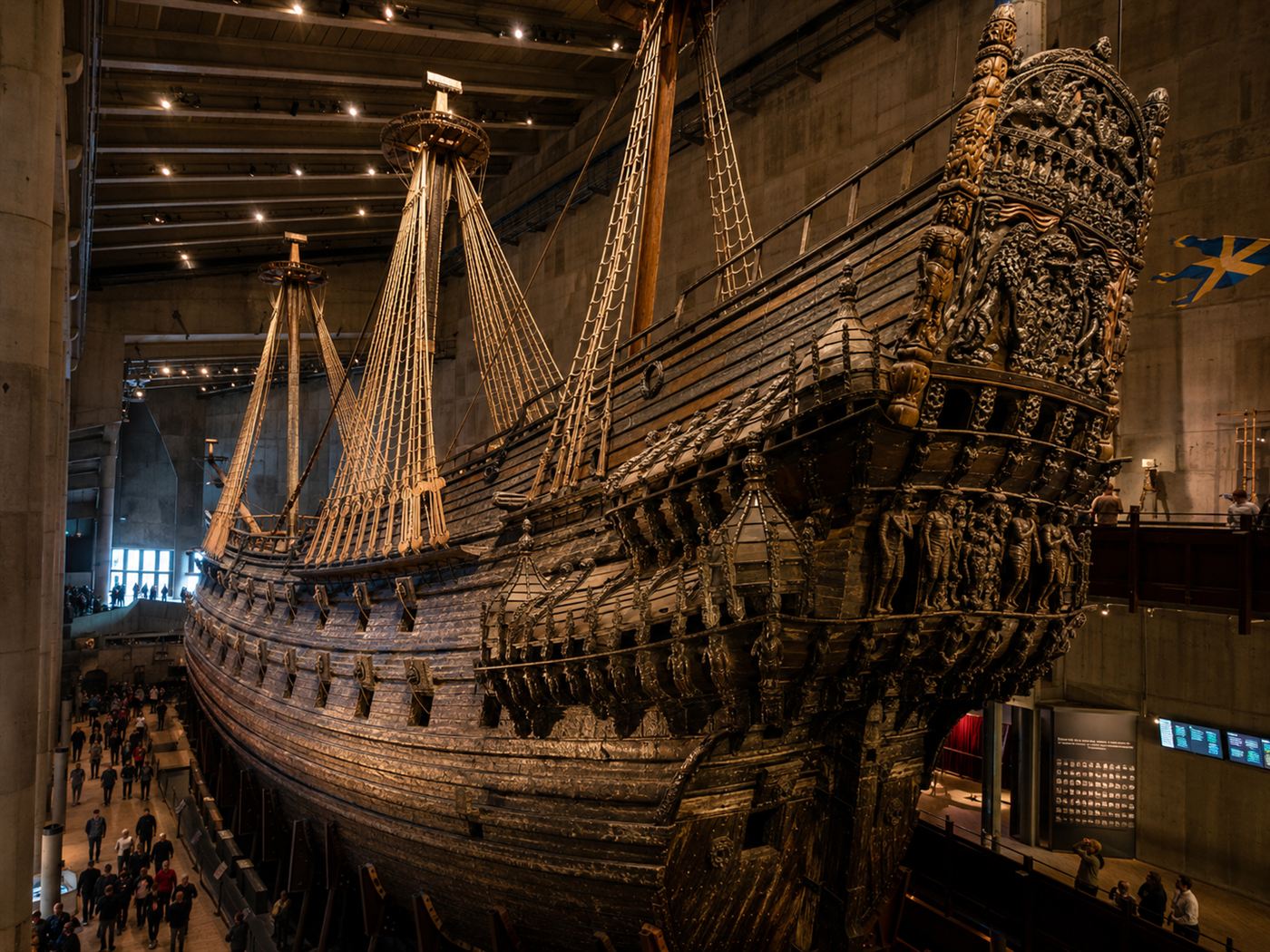
Related reading: physics humbled engineers before, when the Tacoma Narrows Bridge twisted itself apart in the wind, when the warship Vasa capsized minutes into its maiden voyage, and when an entire airport began sinking into the sea. See also Boston's John Hancock Tower, which rained its own windows on the street and hid a toppling risk of its own.