A single change no one double-checked dropped two walkways onto a crowded dance floor
On a summer evening in 1981, hundreds of people filled the soaring atrium of a brand-new Kansas City hotel for a tea dance. Above them, two elegant walkways crossed the open space like bridges in the air. Then, without warning, they came down. The Hyatt Regency walkway collapse killed 114 people, and the cause was a change so small it fit on a single drawing.
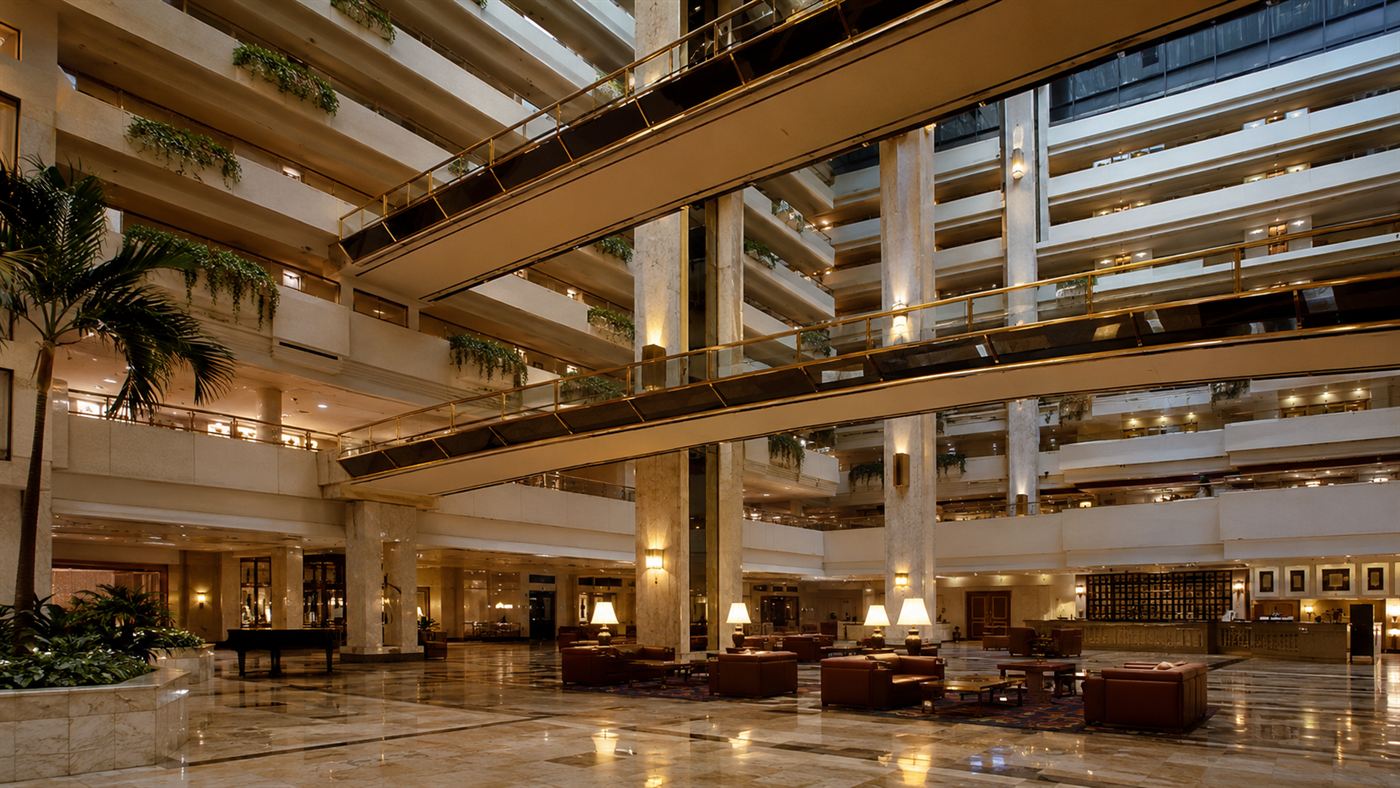
Suspended walkways crossed the hotel atrium like bridges; two of them carried a hidden flaw. Illustration: Watts & Wild.
Some disasters come from forces no one could have stopped: an earthquake, a freak wave, a storm beyond any forecast. This was not one of those. The Hyatt Regency walkway collapse was an ordinary building, on a calm night, failing under nothing more than the weight of the people standing on it. That is exactly why engineers have never been allowed to forget it.
It is now taught in almost every engineering ethics course in the world, not because the physics is complicated, but because the human failure behind it is so painfully simple to understand.
A party in the sky lobby
The Hyatt Regency in Kansas City had opened only a year earlier, and its centrepiece was a dramatic multi-storey atrium crossed by walkways hung from the ceiling. On the evening of 17 July 1981, a popular tea dance drew a large crowd into the lobby, with more people standing on the suspended walkways above to watch the dancing below.
Those elevated walkways were never designed as grandstands, but they looked solid and inviting, and dozens of guests gathered on them. Beneath the polished surfaces, the steel connections holding the second and fourth-floor walkways were already carrying far more than they ever should have.
How the Hyatt Regency walkway collapse happened
At around seven in the evening, the connections gave way. The fourth-floor walkway tore from its hangers and crashed down onto the second-floor walkway directly below it, and both slabs of concrete and steel fell into the packed lobby. 114 people were killed and more than 200 injured, making it the deadliest structural collapse in American history until the World Trade Center towers fell twenty years later.
Rescuers worked through the night in water from burst pipes, using jackhammers and cranes to lift tonnes of debris off the trapped and the dead. The horror was made worse by how festive the scene had been moments before. A night of music had become one of the worst building disasters the country had ever seen.
The change that doubled the load
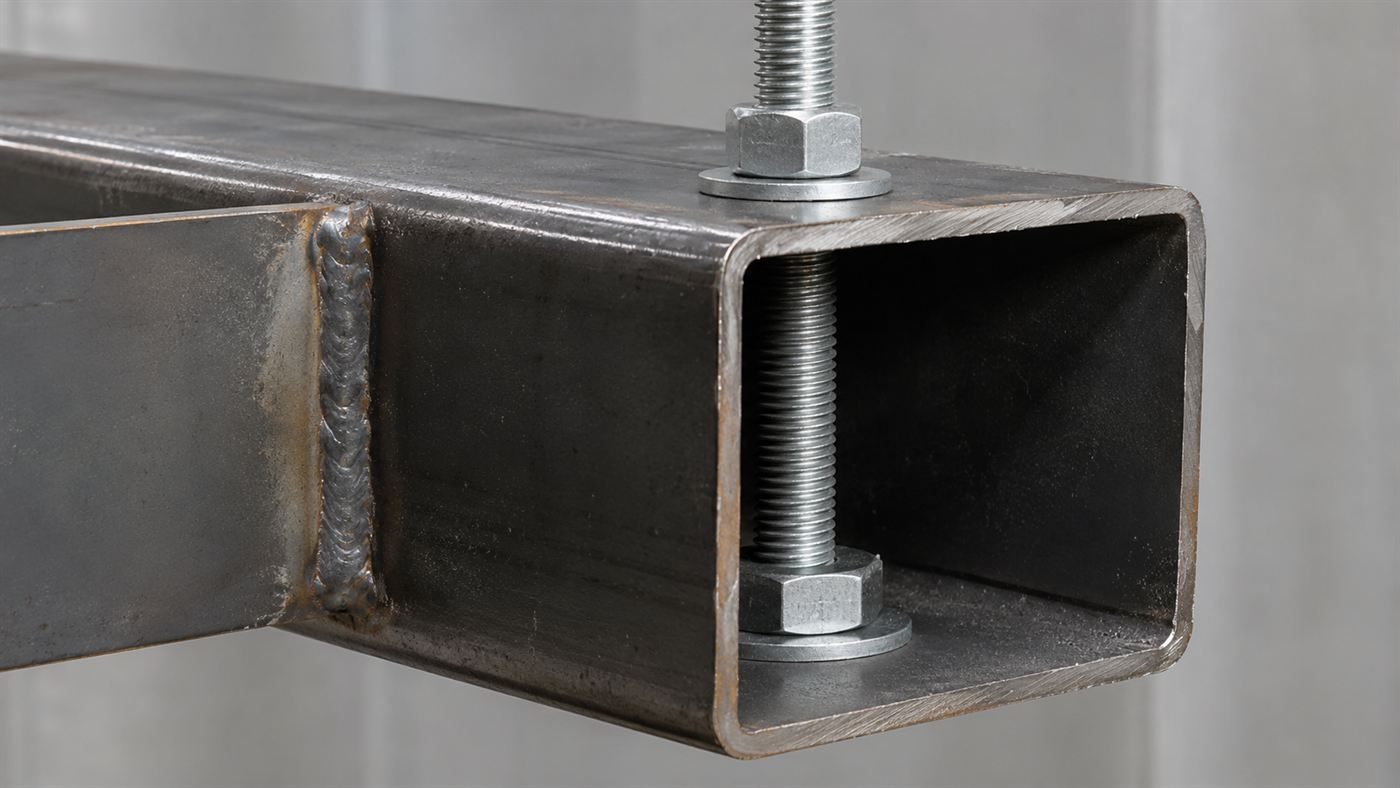
The original design called for long steel rods running from the ceiling straight down through the fourth-floor walkway and on to the second-floor walkway below, so each rod carried each walkway separately. It was awkward to build, because the rods would have needed threading along much of their length. To make assembly easier, the steelwork was changed to use two shorter rods instead of one long one, hanging the lower walkway from the upper walkway rather than from the ceiling.
That small switch was catastrophic. In the new arrangement, the fourth-floor connection no longer held up just its own walkway; it now carried the weight of the second-floor walkway hanging beneath it as well. The load on that single connection was effectively doubled, and even the original design had been weaker than the building code required. The change pushed a connection that was already marginal well past its breaking point.
What caused the Hyatt Regency walkway collapse?
So the true cause was not a freak event but a chain of small human lapses. A builder proposed a sensible-sounding change to make the job easier. The drawing went back and forth and was approved, but no one sat down and redid the basic sum that would have shown the connection could not take the new load. A calculation that any competent engineer could have done in minutes was simply never done, and 114 people paid for it.
Investigators later found that the walkways, as built, could barely have held their own weight plus a modest crowd, let alone a packed tea dance. The disaster did not need a storm or an earthquake. It only needed an ordinary evening and enough people standing in the wrong place.
How many people died in the collapse?
The final toll was 114 dead and 216 injured, numbers that still place it among the worst structural failures the United States has ever recorded. Behind each number was a guest, a dancer, a hotel worker or a rescuer, caught under tonnes of steel in a place that was supposed to be perfectly safe.
The two engineers responsible for the design were cleared of criminal charges but lost their licences to practise, an outcome that sent a hard message through the whole profession. The lesson burned into every engineer since is that responsibility for a structure cannot be quietly handed off, and that the boring final check is often the one that saves lives.
No storm, no flaw in the steel itself, just a change nobody fully checked and a sum nobody finished. How many quiet, unchecked decisions are holding up the buildings you walk through every day? Tell us what you think in the comments.
Related reading: the Quebec Bridge, where an absent engineer's miscalculation dropped a record span into the river twice, and the Sampoong Department Store, a Seoul store whose owners kept the doors open after being told it would fall.