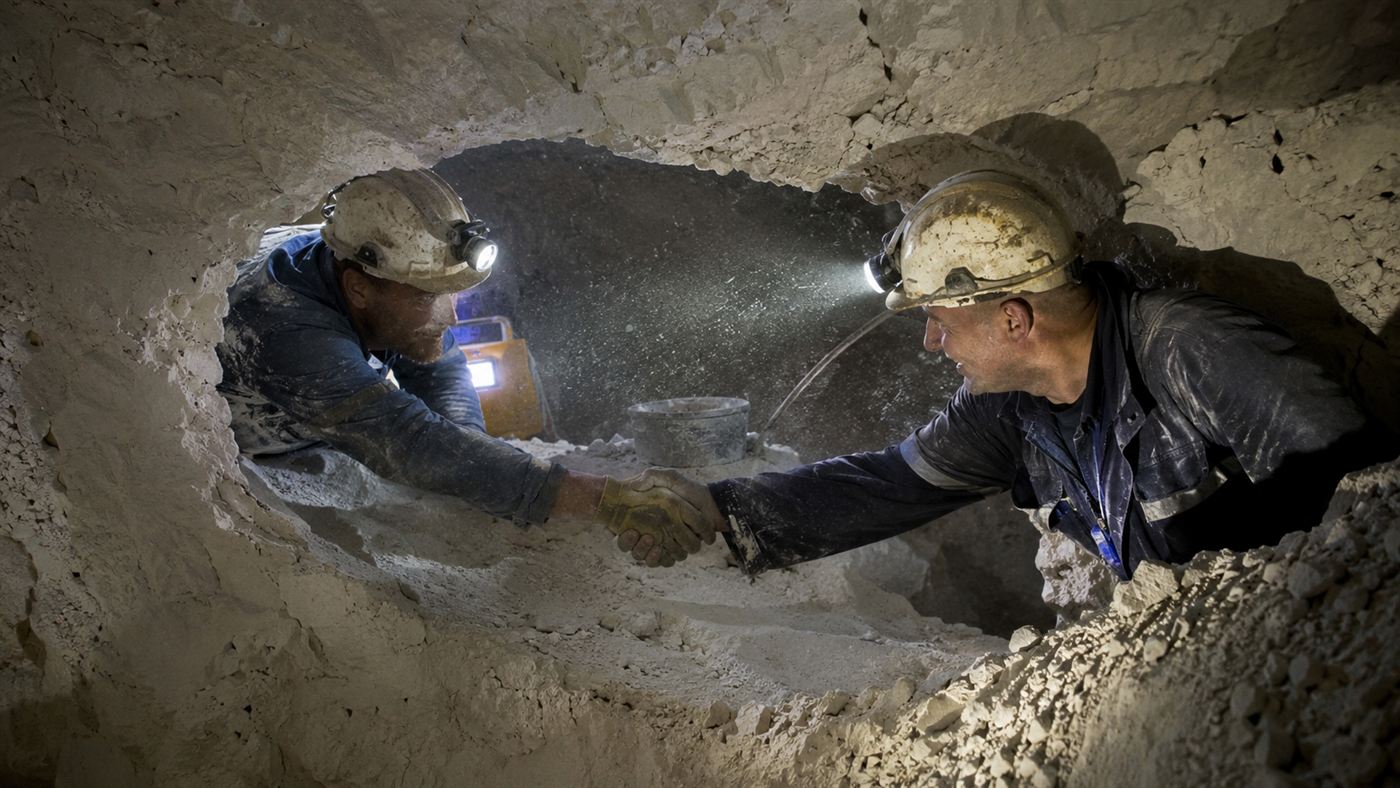
A magnitude 7 earthquake struck this Japanese bridge mid-construction, shoved its towers apart, and left it a metre longer than planned
Most engineering records are set on a drawing board. This one was set by an earthquake. While the Akashi Kaikyo Bridge was still being built across a violent Japanese strait, the great Kobe quake of 1995 hit, moved its half-finished towers, and quietly stretched the bridge by about a metre, and the structure simply absorbed the blow and carried on.
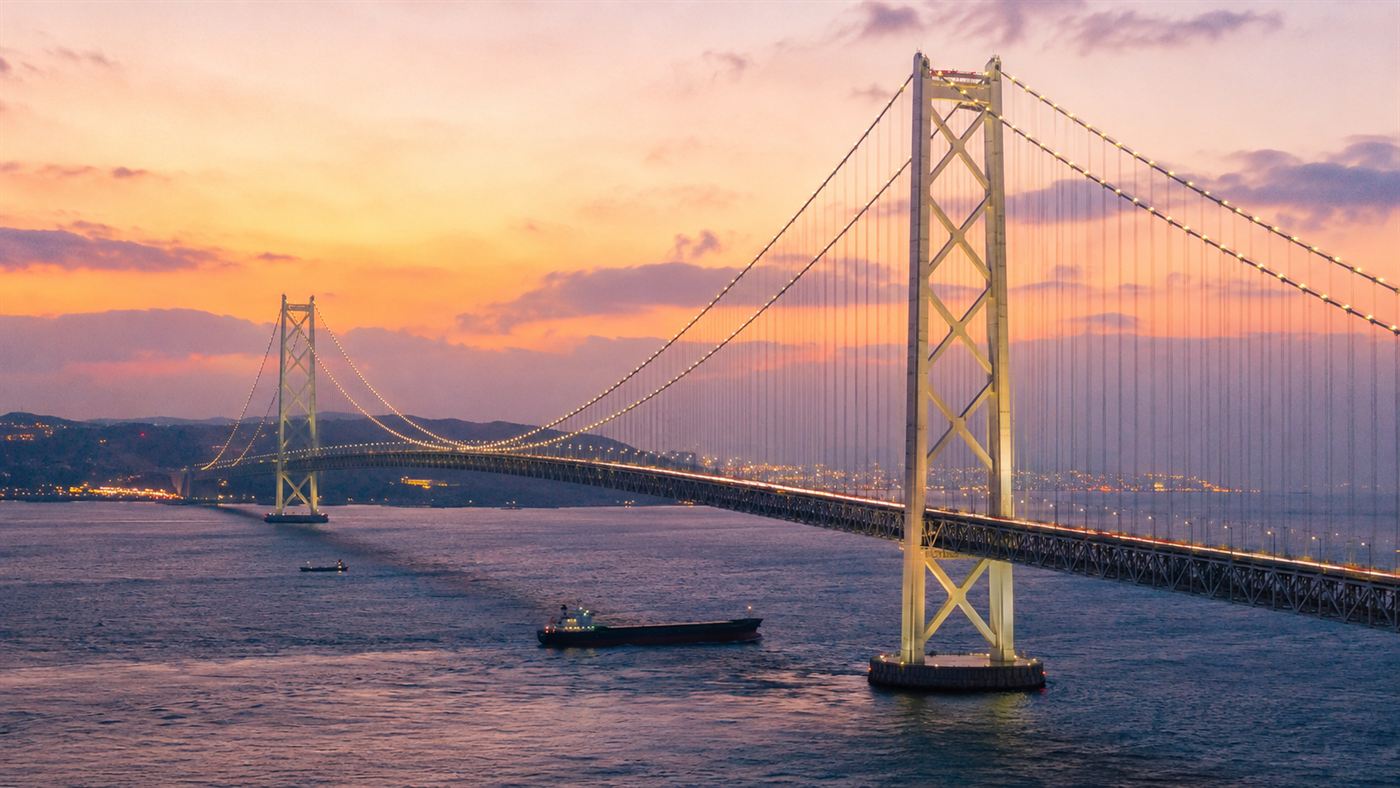
The Akashi Kaikyo Bridge spans the strait between Kobe and Awaji Island. Illustration: Watts & Wild.
The bridge carries a road across the Akashi Strait, linking the city of Kobe on Japan's main island to Awaji Island. It is enormous: two towers nearly 300 metres tall, taller than most skyscrapers, holding up a central span of 1,991 metres between them. When it opened in 1998 it was the longest suspension bridge span in the world, a record it would keep for more than two decades.
The strait it crosses is not a gentle place to build. It is one of the busiest shipping lanes in the country, swept by ferocious tidal currents, raked by typhoons, and sitting in one of the most earthquake-prone regions on Earth. Designing a bridge to survive all of that at once was hard enough. Then the ground proved the point in the worst possible way.
The earthquake that stretched the Akashi Kaikyo Bridge
On 17 January 1995 the Great Hanshin earthquake, a magnitude of around 7, struck with its epicentre only about twenty kilometres from the bridge. It devastated the city of Kobe and killed thousands. Out in the strait, the bridge's two main towers had already been erected, though the deck and main cables were not yet in place.
When the shaking stopped, the surveyors found something remarkable. The quake had shoved the seabed and the towers apart, so that the gap between them was now wider than the plans called for. As Britannica records, the central span had to be increased by about a metre as a result, turning a planned 1,990 metres into the 1,991 it measures today. An earthquake had, in effect, edited the blueprint.
Why the bridge shrugged off a disaster
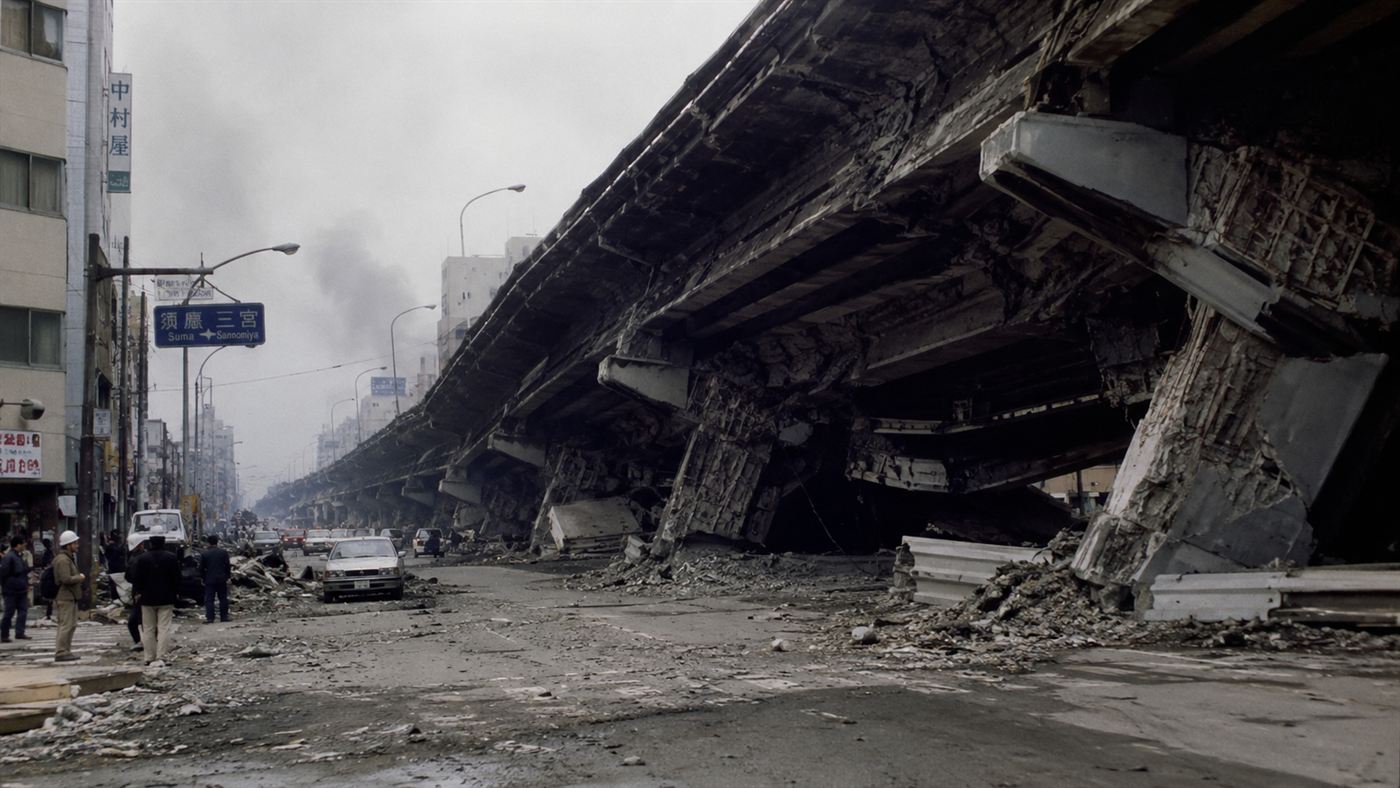
The astonishing part is not that the towers moved, but that moving did not break them. The same quake collapsed elevated motorways and toppled buildings across Kobe, yet the half-built bridge came through with no serious structural damage. That was no accident. It had been engineered from the start to ride out exactly this kind of violence.
As We Build Value details, the finished bridge is built to withstand a magnitude 8.5 earthquake and winds of nearly 300 kilometres an hour. Its towers carry huge tuned mass dampers, weights that swing to cancel out the sway from wind and tremors, and its foundations sit on massive caissons sunk into the seabed. Where a rigid structure would have snapped, the Akashi Kaikyo was designed to flex, absorb and survive, which is precisely what it did when the ground tried to tear it apart.
Is the Akashi Kaikyo Bridge still the longest in the world?
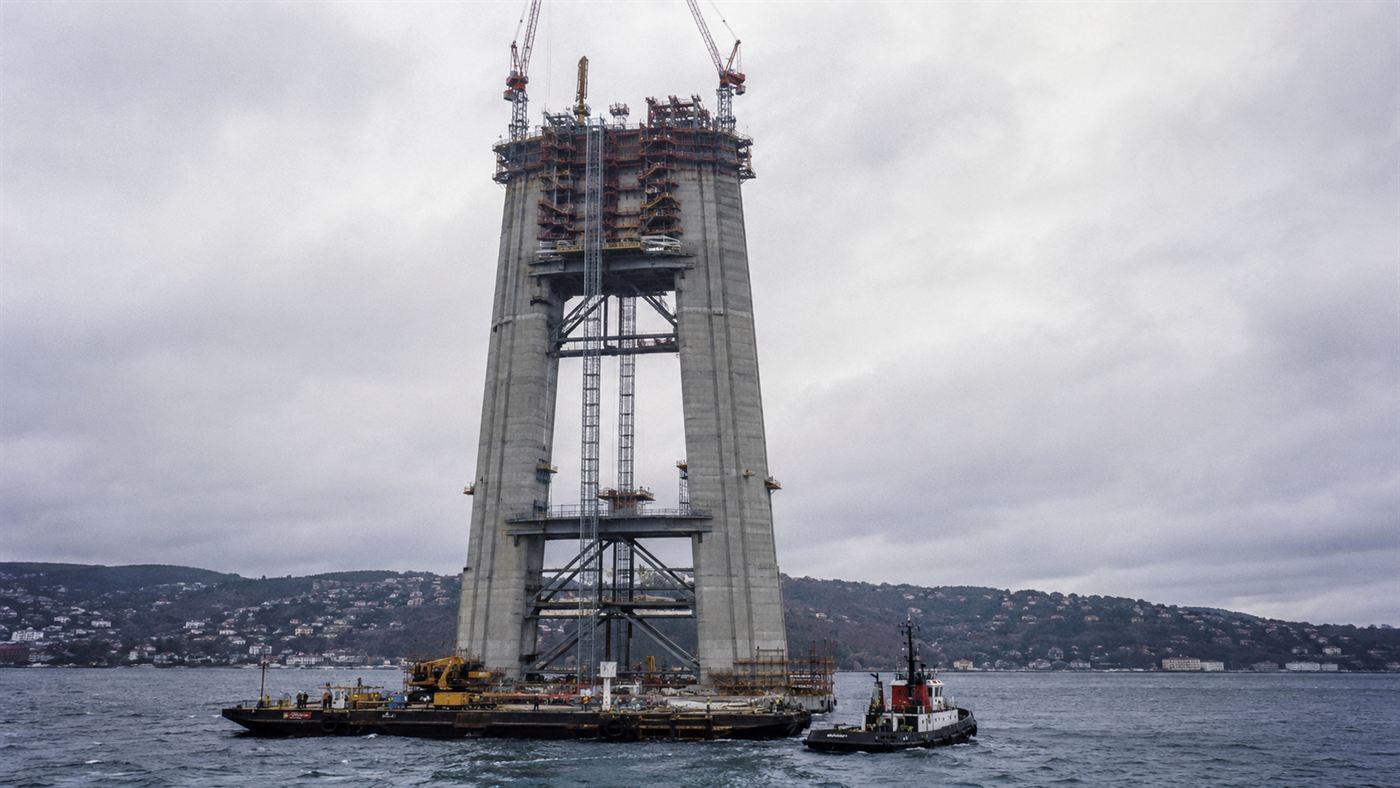
Not any more, though it held the crown for a long time. Its 1,991-metre span was the longest of any suspension bridge from 1998 until 2022, when the 1915 Canakkale Bridge in Turkey opened with a span of 2,023 metres and took the title. Akashi Kaikyo is now the second-longest, which does nothing to diminish what it represents: a bridge so robust that an earthquake rearranged it during construction and it carried on regardless. Records like these tend to be shared out, much as the title of tallest bridge belonged for two decades to the Millau Viaduct in France, whose mast stands taller than the Eiffel Tower.
The honest catch
The "an earthquake added a metre" line is a great story, and it is true, but it is worth being precise about what it means. The span grew because the towers, already standing, were pushed apart, and the engineers then adapted the still-unbuilt deck to the new distance, not because the bridge magically stretched like elastic. And the reason it survived was design, not luck: decades of Japanese experience with earthquakes had gone into making it flexible and damped. It is also no longer the record holder, and records like these tend to fall. None of that takes the shine off the underlying fact, which is genuinely humbling. Humans built something across one of the most hostile stretches of water in the world that was strong enough to take a direct hit from a major earthquake, mid-construction, and finish the job a metre longer and entirely intact. Builders have wrestled with shifting dimensions before, like the day the sun's heat nearly stopped the keystone of the Gateway Arch from fitting into place.
An earthquake powerful enough to flatten a city only managed to make this bridge a metre longer. Does the Akashi Kaikyo Bridge make you trust great engineering more, or remind you how much nature can still throw at it? Tell us what you think in the comments.
Related reading: The opposite lesson in bridge design, the span that shook itself to pieces in the wind, or Taipei 101, the skyscraper that hangs a 660-ton ball inside to ride out typhoons.