The architect of the Sydney Opera House quit in fury, left the country, and never once saw his masterpiece finished
It is the most recognisable roofline on Earth, yet the Sydney Opera House nearly broke the man who imagined it. The architect Utzon solved an impossible building, then walked away and never came back.
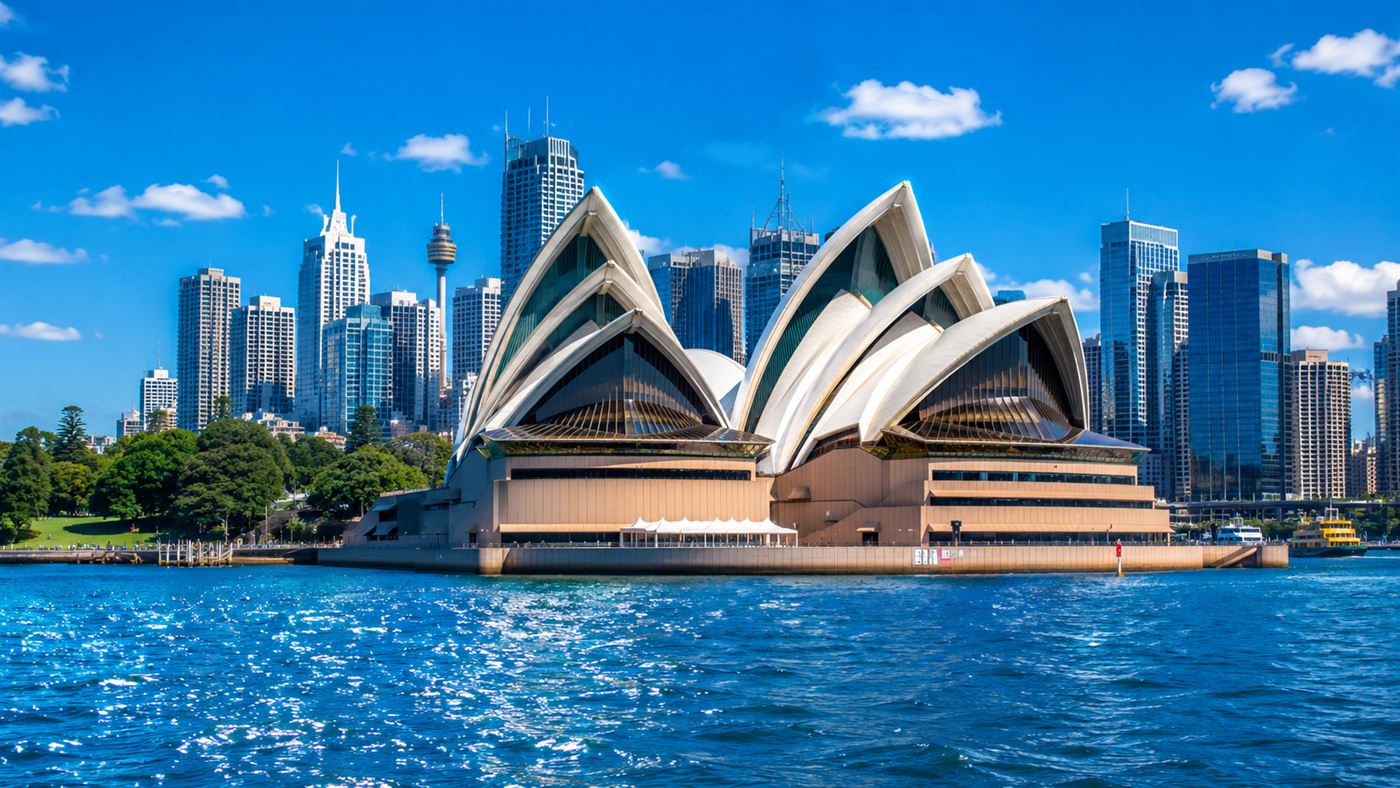
The Sydney Opera House is an icon, but its construction was a 14-year ordeal. Illustration: Watts & Wild.
Some buildings are admired, and a rare few become the symbol of an entire country, yet the Sydney Opera House architect never saw the one he gave the world.
The Sydney Opera House is one of those, but its beauty hides a story of brilliance, politics and heartbreak.
Why did the Sydney Opera House architect resign? The architect Jorn Utzon resigned from the Sydney Opera House in 1966 after a new state government withheld his fees and interfered with his work. He left Australia and never returned, so he never saw the finished building that made him famous.
A roof nobody knew how to build
In 1957 a little-known Danish architect named Jorn Utzon won an international competition to design the building.
The story goes that his entry had been set aside by the judges until the architect Eero Saarinen rescued Utzon's sketches from the reject pile and declared them the winner.
His winning design was a cluster of soaring white shells rising from the harbour like sails.
There was just one problem, which was that nobody, including Utzon, yet knew how to actually build those curves.
For years the shells existed only as gorgeous drawings that engineers could not turn into stone and concrete.
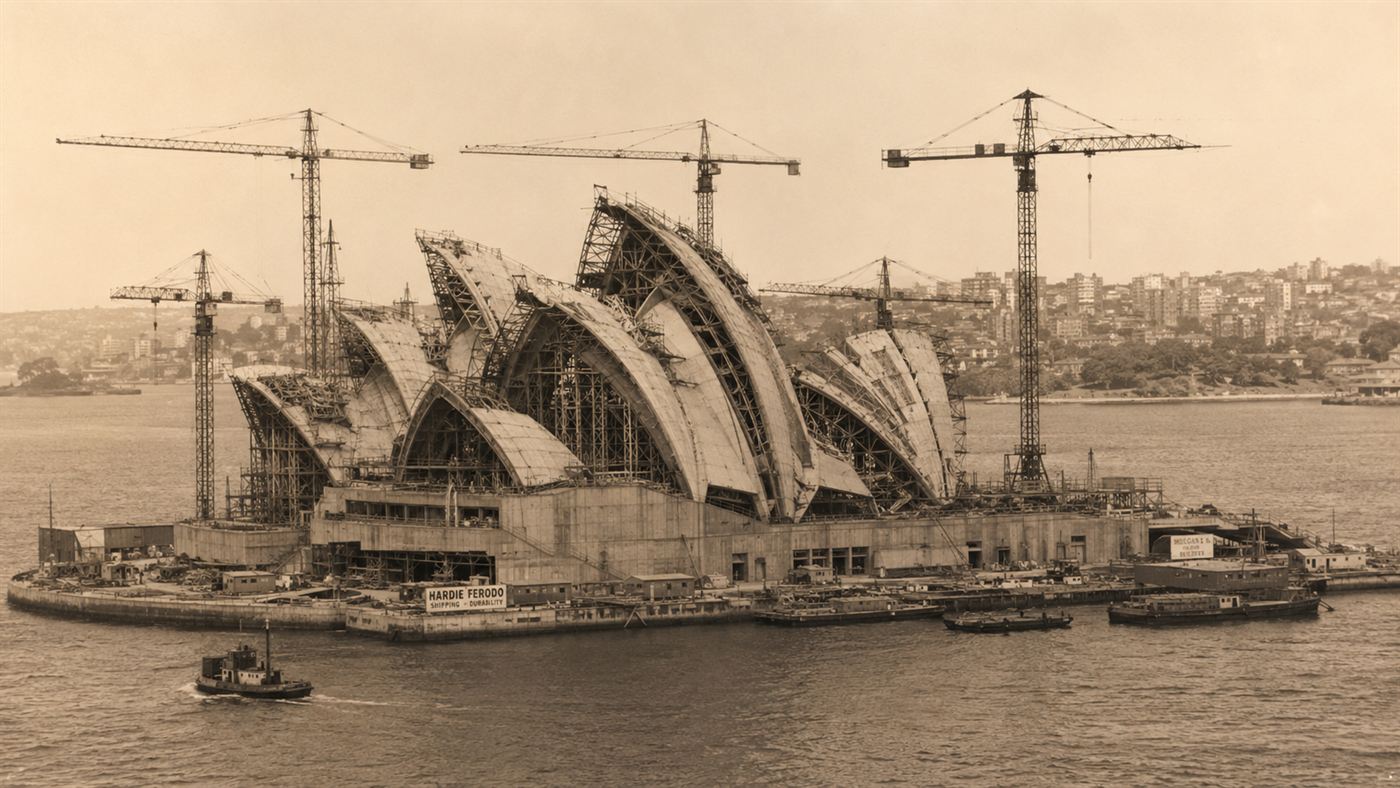
The orange that solved it
The breakthrough came around 1961, and it was beautifully simple.
Utzon realised that every one of his shells could be cut from the surface of a single imaginary sphere, like segments peeled from one orange.
Because they all shared that one curvature, the shells could be cast from standard, repeated concrete ribs rather than built as unique one-off shapes.
Working with the engineers at Ove Arup and Partners, that spherical solution finally made the design buildable.
It remains one of the most elegant problem-solving moments in modern architectural design.
The Sydney Opera House architect who walked away
Solving the roof did not save Utzon from the politics swirling around the project.
As costs climbed and years passed, a new state government took power and a minister named Davis Hughes began withholding payments and questioning his every decision.
Worn down and effectively pushed out, Utzon resigned in 1966 with the building still far from finished.
He left Australia within weeks, and astonishingly he never set foot in the country again.
The man who had dreamed up the world's most famous roof would never stand beneath the completed version of it.
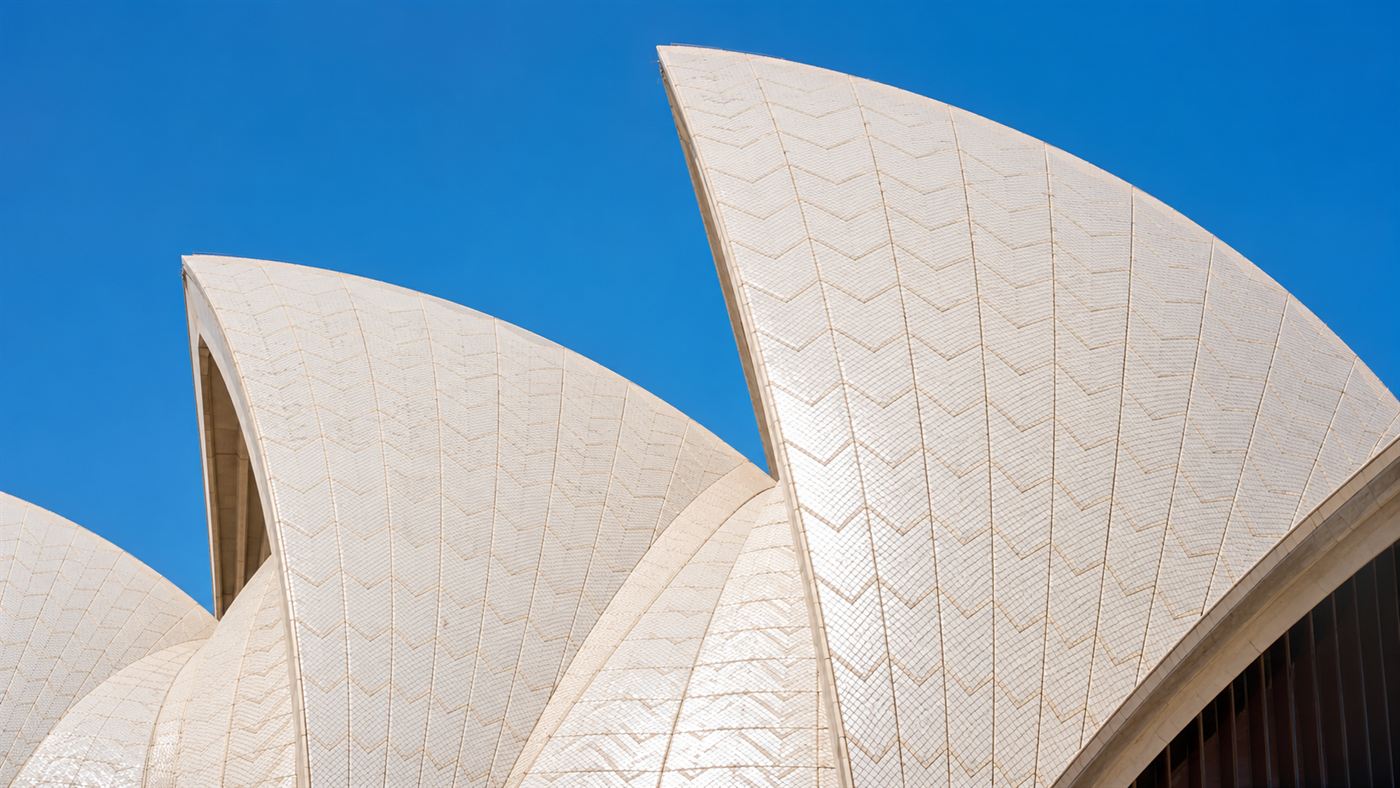
Finished without him
Other architects were brought in to complete the interiors, and much of Utzon's original vision for them was abandoned.
The Sydney Opera House finally opened in 1973, with Queen Elizabeth II presiding over the ceremony.
By then it had taken about 14 years to build, against an original estimate of four.
The cost had ballooned from a few million dollars to around 102 million, paid for largely by a special public lottery.
The result was a masterpiece that had nearly bankrupted its own reputation along the way.
The honest catch
The triumphant photographs leave out a good deal of pain.
The building ran roughly fourteen times over its budget and arrived almost a decade late, a scandal in its day.
Because Utzon was forced out, the interiors were never realised as he intended, and the main concert hall suffered from poor acoustics that were only seriously fixed in a renovation around 2020.
Late in his life Sydney made peace with him, hiring him as a design consultant and naming a room in his honour, but he died in 2008 having never returned to see it.
The world gained an icon, and the architect who gave it to them never laid eyes on the finished thing.
The Sydney Opera House is a reminder that the things we treasure most can be born from the bitterest of struggles.
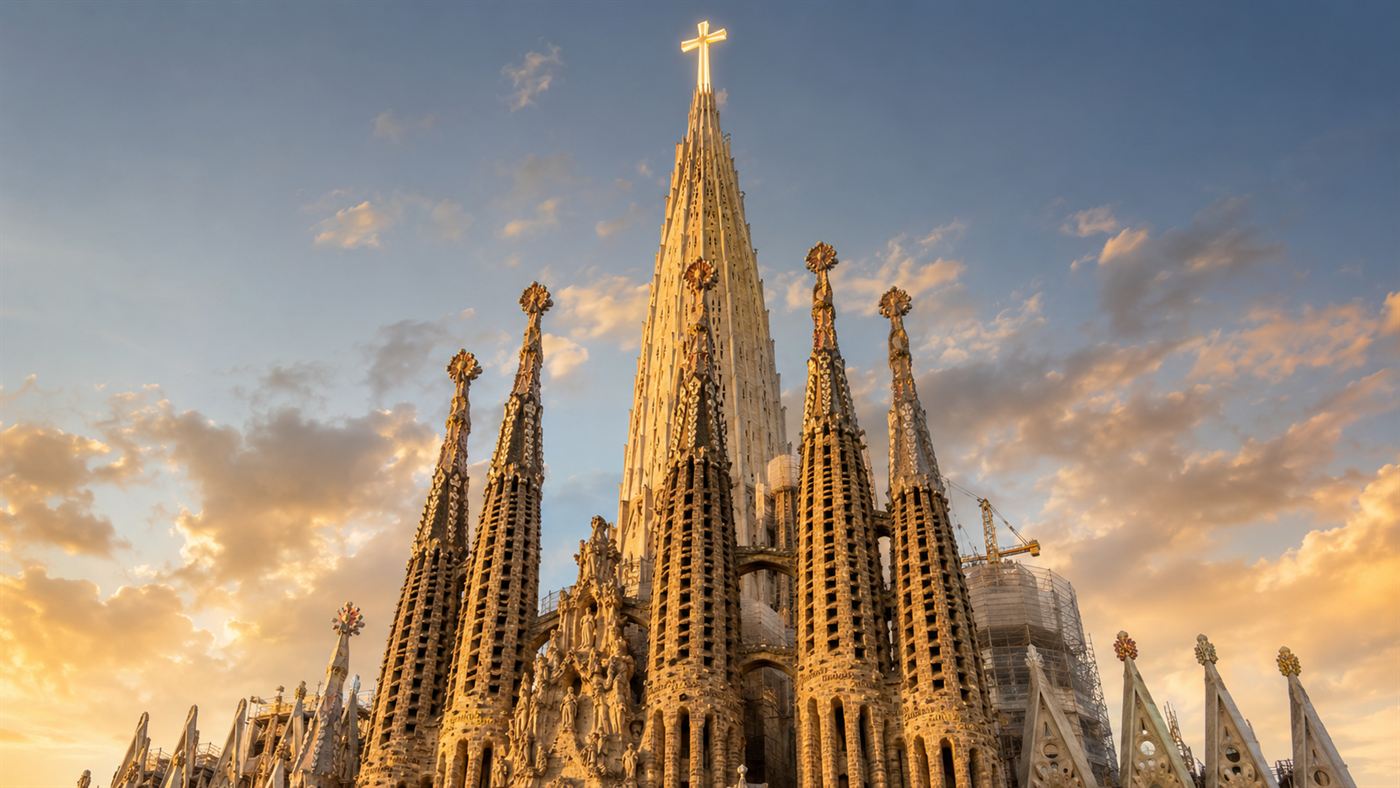
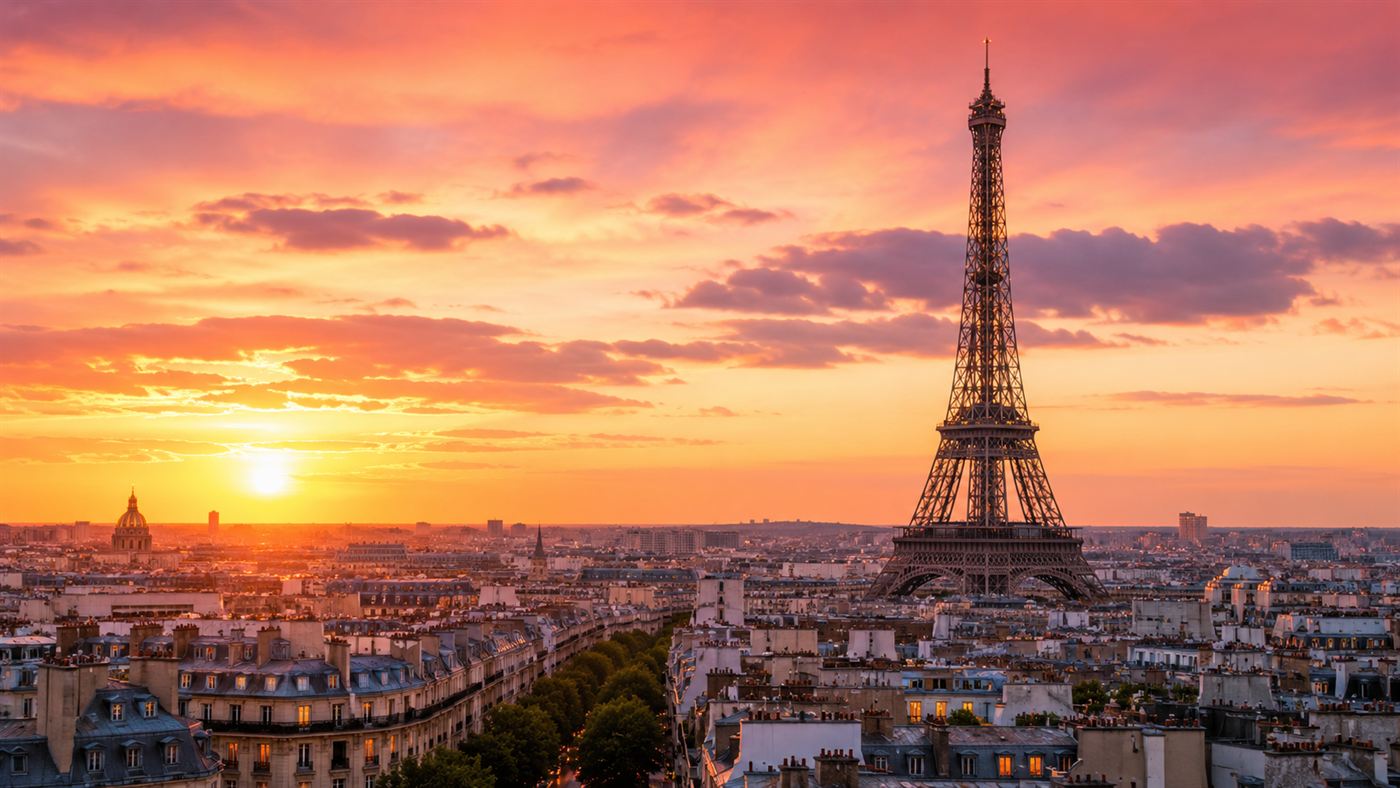
It belongs with the other long, contested labours of architecture we have followed, from the cathedral Gaudi left unfinished in Barcelona to the temporary tower that became the permanent symbol of Paris.
If the architect of the world's most famous building never got to see it, what does that say about the price of great work, and should Sydney have done more to bring Utzon home? Tell us in the comments.