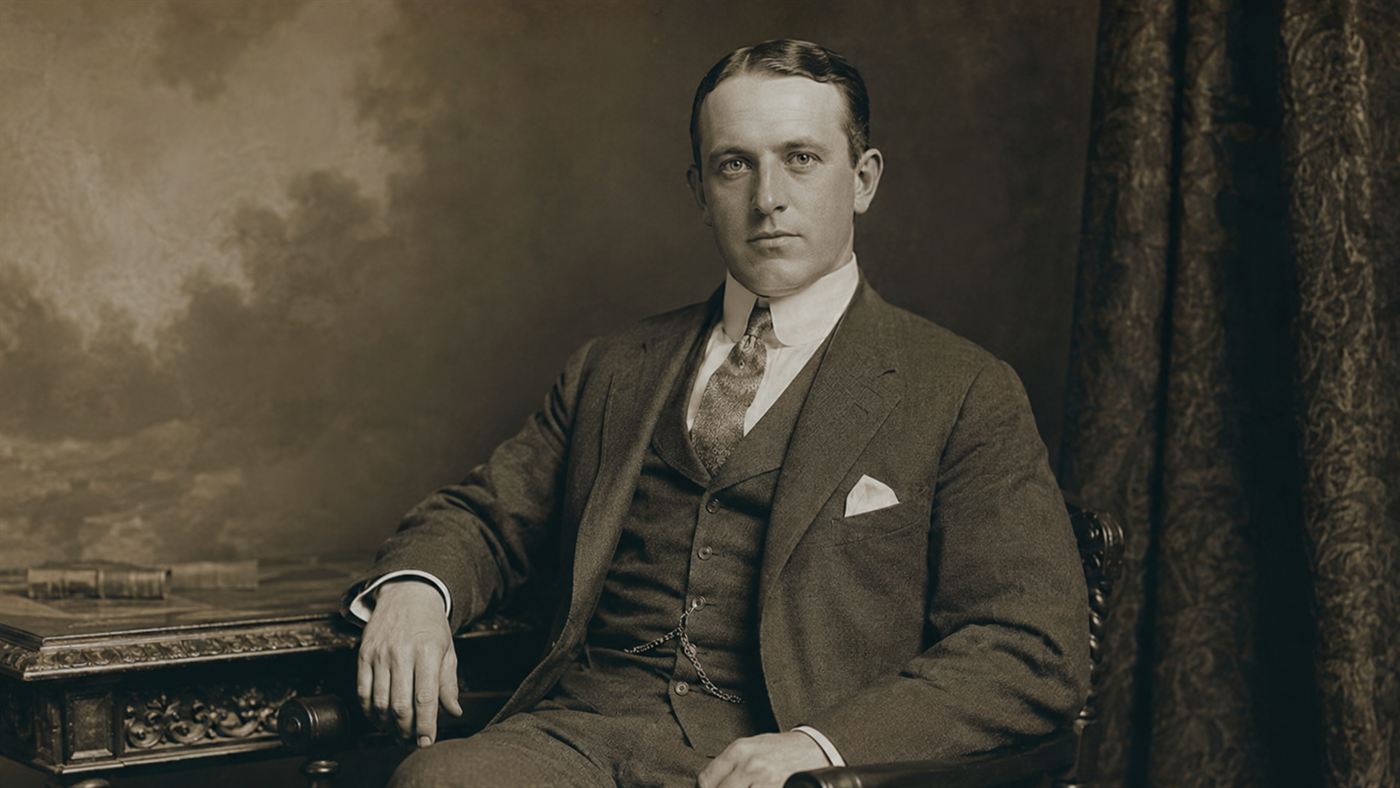
A railroad blast drove a metre-long iron bar clean through Phineas Gage's skull in 1848, and he stood up, spoke, and lived another twelve years
It is one of the most astonishing survival stories in medicine. In 1848 a railway foreman named Phineas Gage took an iron bar longer than his arm straight through the front of his brain, and instead of dying on the spot he sat up, talked to the men around him, and walked away. What happened to his mind afterwards changed science forever.

Phineas Gage posed with the very tamping iron that pierced his skull. Illustration: Watts & Wild.
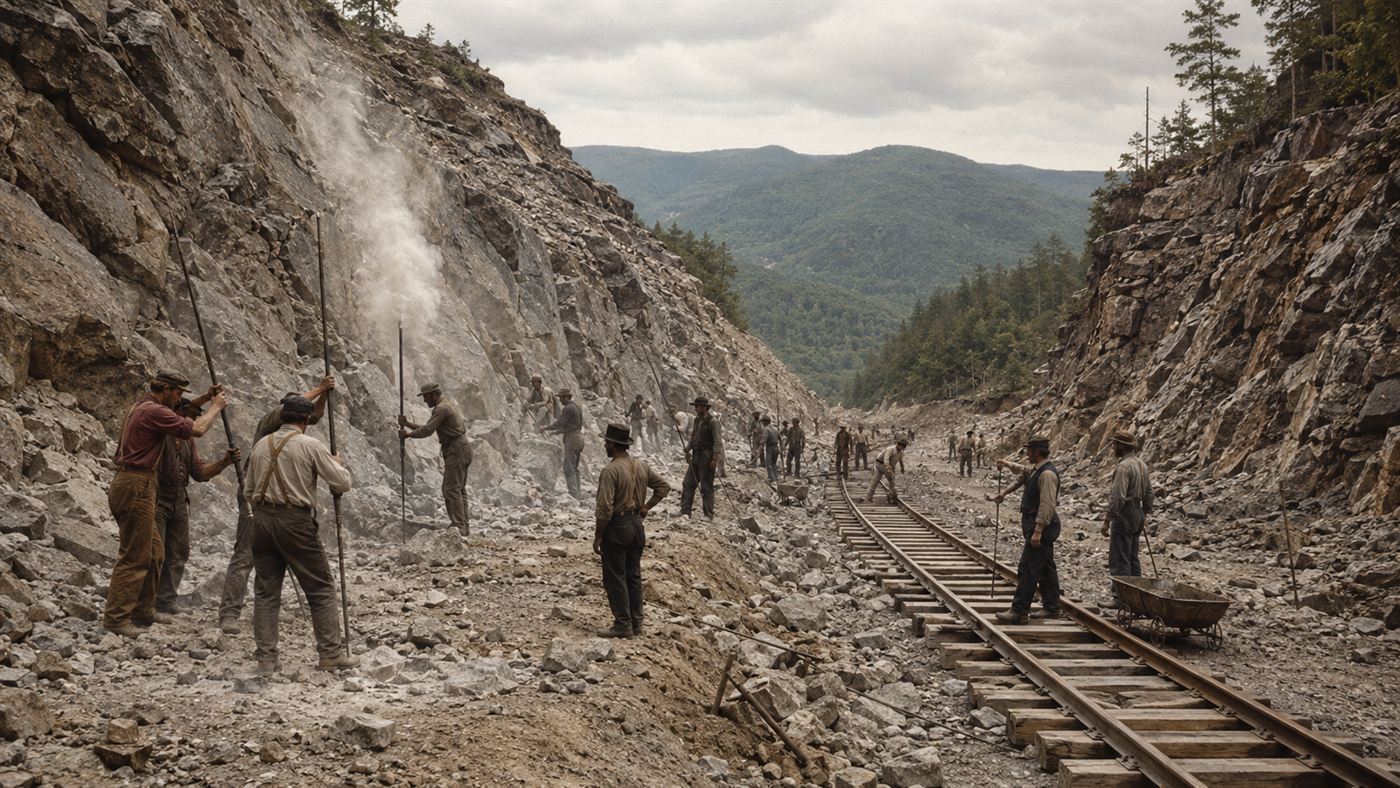
Gage was twenty-five and good at his job, the trusted foreman of a crew blasting a path for a new railroad through the rock near Cavendish, Vermont. The work meant drilling holes, filling them with gunpowder, and using a long iron rod, a tamping iron, to pack everything down before lighting the fuse. On 13 September 1848 something went wrong with the routine.
The hole was missing the layer of sand that should have cushioned the powder, and when Gage pressed down with the iron a spark set off the charge. The rod, about a metre long, an inch and a quarter thick and weighing some six kilograms, blasted out of the hole like a javelin. It entered under his left cheekbone, passed behind his eye and up through the left side of his brain, and burst out of the top of his skull, landing dozens of metres away.
How Phineas Gage survived the impossible
By every expectation he should have been killed instantly. Instead, within minutes Gage was conscious and speaking. He was carried to an ox cart, sat upright for the ride into town, and reportedly greeted the doctor with the remark that here was business enough for him. As Smithsonian magazine recounts, he then survived the far deadlier threat that followed, the infection that set into so grievous a head wound in an age before antibiotics.
The reason he lived comes down to where the iron travelled. It tore through the frontal lobe, the part of the brain just behind the forehead, but spared the deeper structures that keep the heart beating, the lungs breathing and the body moving. He lost the sight in his left eye and carried a dented skull for the rest of his life, but he could walk, talk and reason. Physically, he recovered.
The change that made him famous
The lasting fascination is not that Gage lived, but what his friends said happened to him afterwards. The steady, capable foreman they had known seemed to be replaced by someone else, restless and unreliable, full of profanity and grand plans he could never see through. "No longer Gage," they said. The man's body had healed, but the person inside it appeared to have shifted.
To nineteenth-century doctors, this was electrifying. If damaging one specific lump of brain could change a man's character while leaving his speech and movement intact, then personality and self-control must live in particular places in the brain, not in some indivisible soul. Gage's ruined frontal lobe became a key piece of evidence in the new idea that different parts of the brain do different jobs. The body keeps yielding such clues, sometimes in startling ways, like the woman who can smell Parkinson's disease years before any scan, or Alex the parrot, whose tiny brain forced a rethink of which animals can truly think.
How did Phineas Gage survive an iron bar through the head?
Mostly through anatomy and luck. The tamping iron ploughed through the frontal lobe, a region you can lose a surprising amount of without dying, and missed the brain stem and other vital areas that would have killed him at once. After that, surviving the wound was a matter of fighting off infection, which he somehow did. Take the same injury a few centimetres lower or deeper and there would be no story to tell.
The honest catch
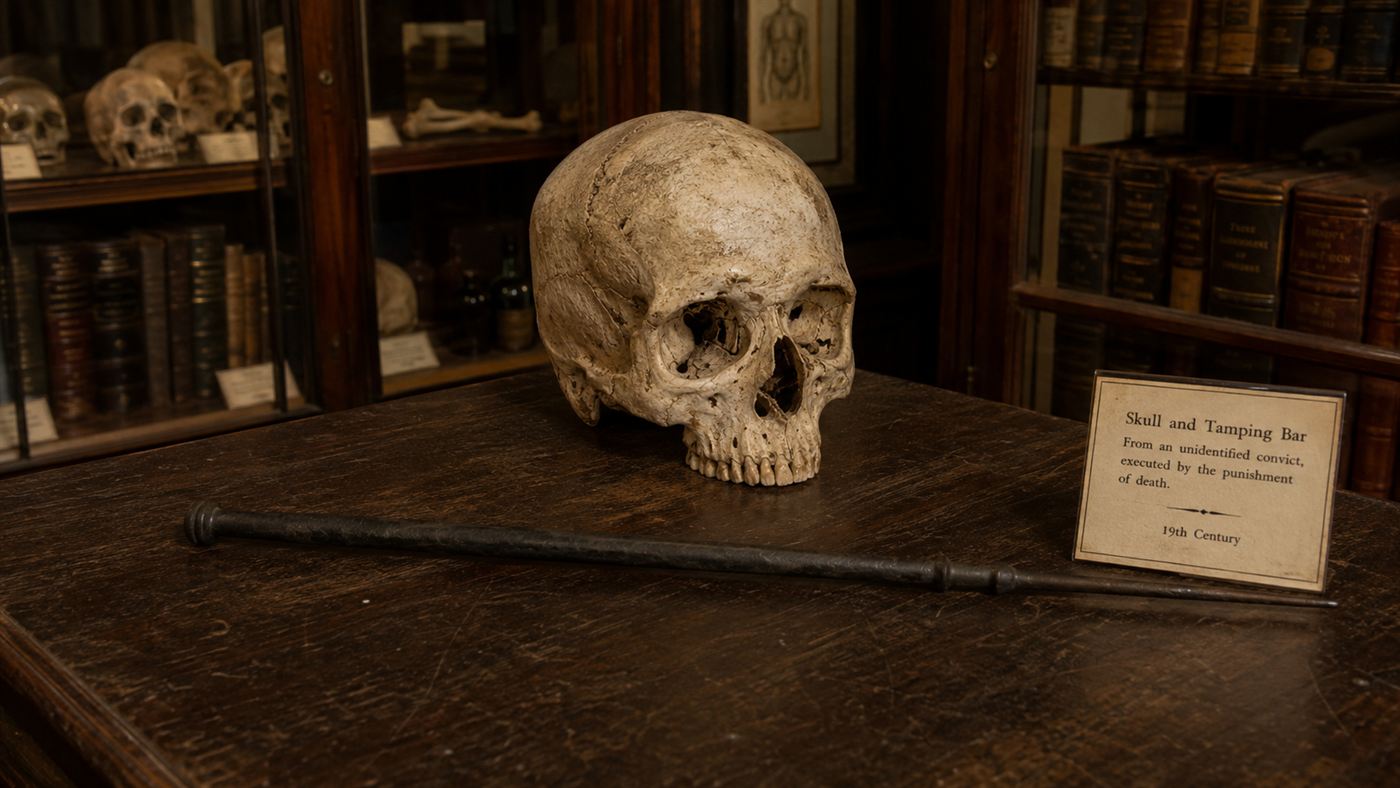
Here is where the famous version needs trimming. The story is usually told as a clean before-and-after, a decent man turned overnight into a foul-mouthed wreck, and that has hardened into a neat little parable. The real record is thinner and kinder. The dramatic "no longer Gage" reports come from only a handful of brief contemporary accounts, and what Gage did with the rest of his life tells a different story. He held down a demanding job for years driving stagecoaches in Chile, work that needs nerve, skill and the ability to deal with people, which suggests he recovered far more than the legend allows. As the Science History Institute has argued, much of what people "know" about Phineas Gage is exaggeration. He died in 1860, about twelve years after the blast, after a series of seizures. The case is every bit as important to science as its fame suggests. It is just that the man was probably less of a monster, and more of a survivor, than the story remembers.
An iron bar through the brain should have been the end of Phineas Gage, and instead it was the beginning of brain science. Does it change the story for you to learn he probably recovered far more than the legend admits? Tell us what you think in the comments.
Related reading: Another case where one person's story bent the course of medicine, the scientist who kept thalidomide out of America. See also the president who had a tumor cut from his mouth in secret aboard a yacht and hid it for 24 years.