Three lighthouse keepers vanished from a Scottish island in 1900, the lamp cleaned and ready, and the sea was the only suspect that made sense
On Boxing Day in 1900 a relief boat anchored off a tiny rock in the Outer Hebrides and found nobody waiting. Inside the Flannan Isles lighthouse the beds were unmade, the clock had stopped, the lamp was trimmed and ready, and one keeper's oilskin coat still hung by the door. The three men who tended the light were simply gone, and they were never found.
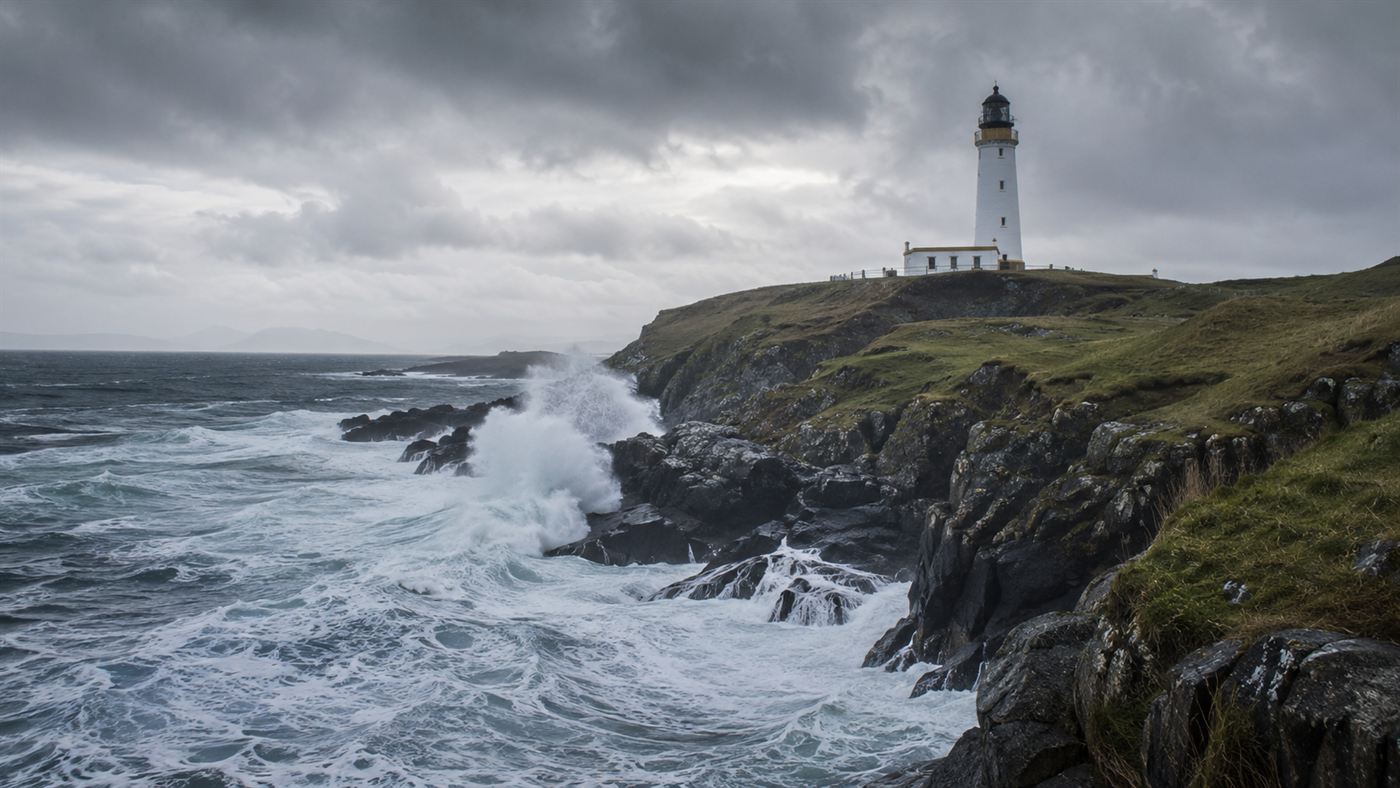
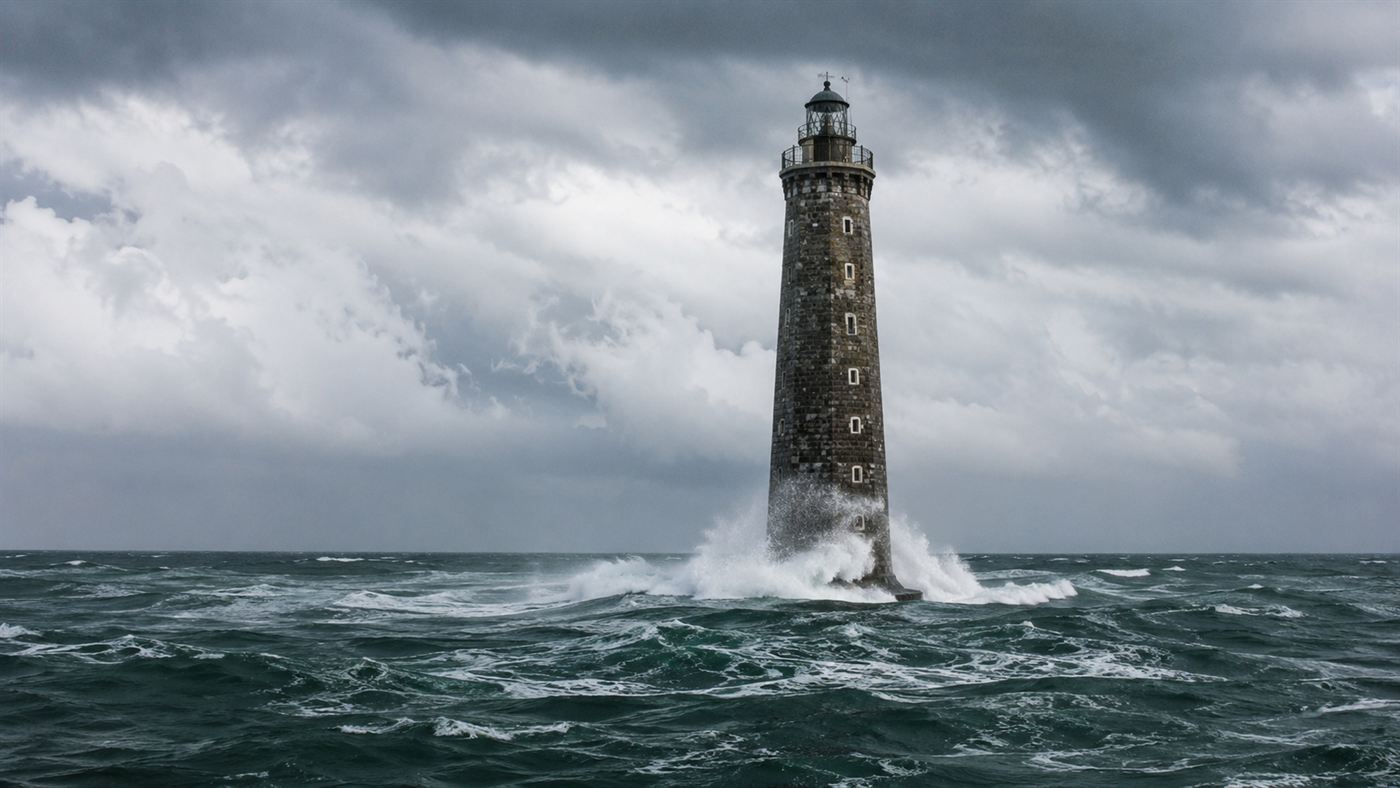
The lighthouse on Eilean Mòr, alone against the Atlantic. Illustration: Watts & Wild.
Eilean Mòr is the largest of the Flannan Isles, a scatter of uninhabited rocks twenty miles off the west coast of Lewis in Scotland. The lighthouse there had only been lit a year earlier, built by the famous Stevenson engineering family to warn ships off one of the wildest stretches of the North Atlantic. It was kept by three men at a time, with a fourth resting ashore on rotation.
The alarm was slow to rise. On 15 December 1900 a passing steamer, the Archtor, noticed the light was dark in foul weather and thought it strange, but the message only reached the Northern Lighthouse Board days later. Bad weather then kept the relief vessel, the Hesperus, from sailing, and it was not until 26 December that anyone set foot on the island to find out what had happened.
What the relief crew found at the Flannan Isles lighthouse
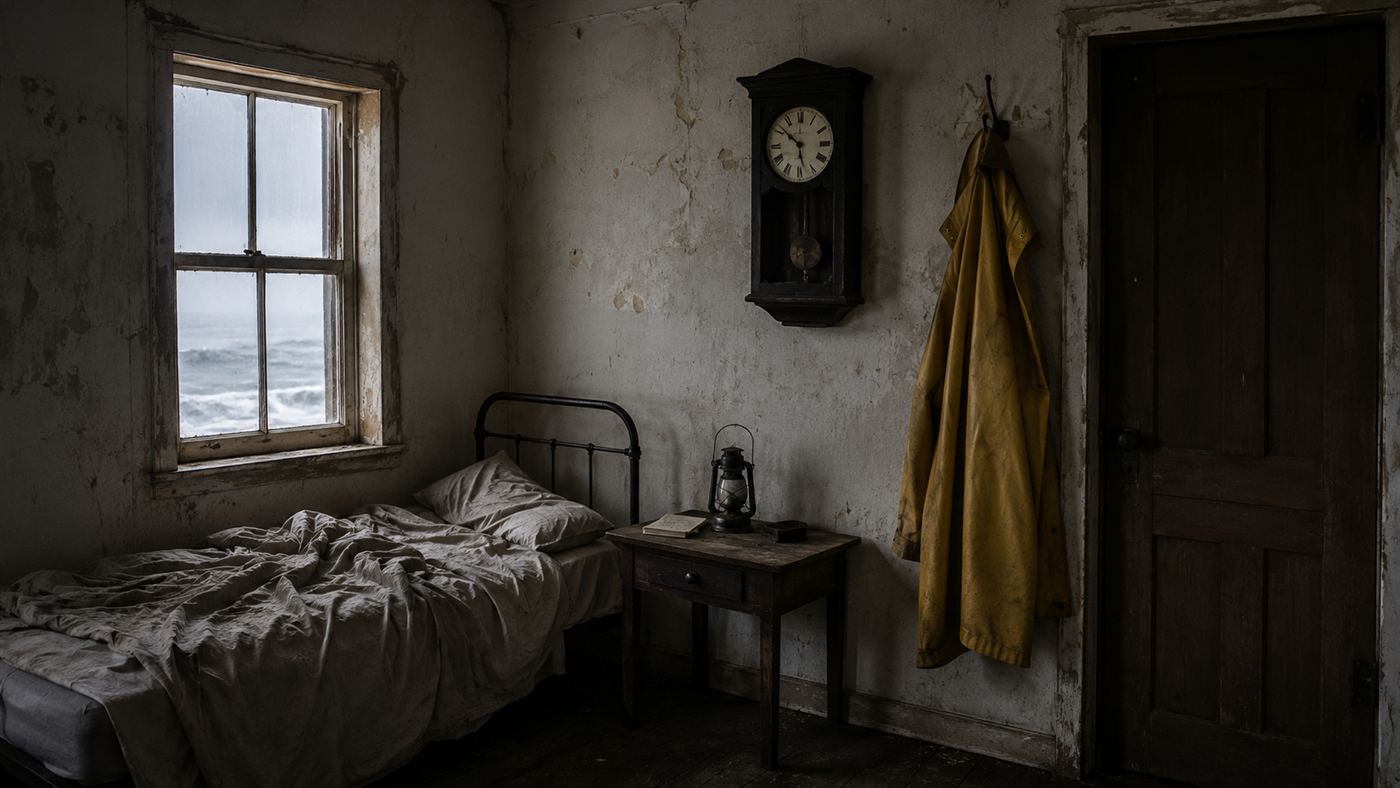
The signs were wrong from the moment the Hesperus arrived. No flag flew from the mast, no supply boxes had been left out on the landing for collection, and no keeper came down to meet the boat. The relief man, Joseph Moore, climbed up to the lighthouse alone and found the gate shut, the main door closed, the beds unmade and the clock stopped.
Everything else was eerily in order. The lamps had been cleaned and refilled, ready for the night. The last diary entries reached only to 15 December. As the Northern Lighthouse Board records the case, a set of oilskins was left behind, which meant one of the three had gone outside into a winter gale without his waterproofs, something no experienced keeper would do without a very pressing reason.
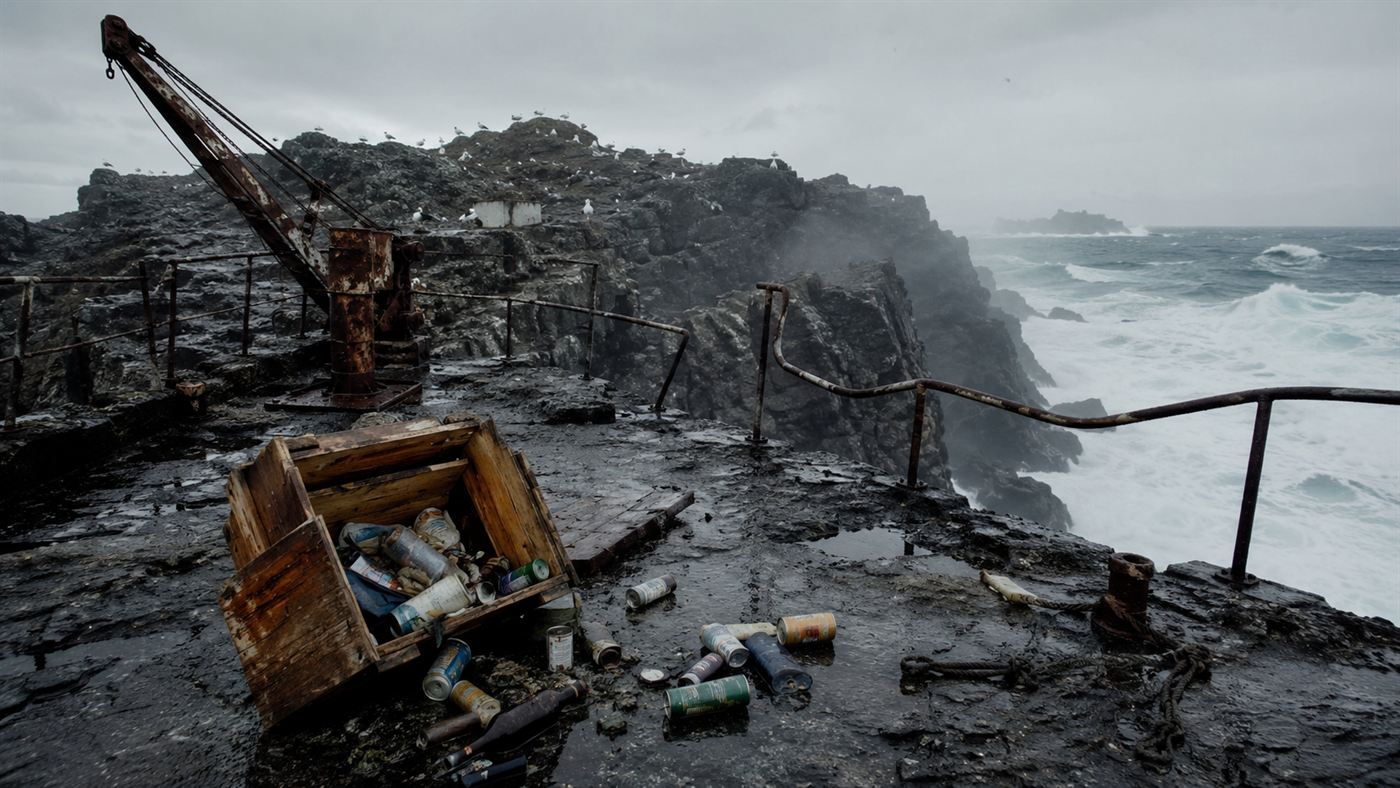
The damage that pointed to the sea
The clue was on the western side of the island, at the more exposed of its two landings. There the storm had left a brutal signature: iron railings bent over, a section of railway track torn from its concrete bed, a boulder weighing a tonne shifted out of place, and a wooden supply box smashed to splinters with its contents flung across the rocks. The box had sat in a crevice more than a hundred feet above the normal sea level.
For water to reach and destroy something that high, the waves that day must have been monstrous. The lighthouse superintendent who investigated, Robert Muirhead, pieced together a grim sequence: two keepers had gone down to the west landing around midday on 15 December to secure equipment against the storm, and an enormous sea had surged up the rock face and swept them away.
Why the sea is the best answer
The single oilskin makes the rest fit. If Ducat and Marshall went out in their waterproofs to lash down the gear, and McArthur saw a giant wave coming from the lighthouse window, he might have bolted out coatless to drag them back, only to be caught by the same wall of water. Three men, one freak wave, no bodies, because the Atlantic does not give them back. It is not a satisfying ghost story, but it is the explanation the evidence keeps pointing at.
What happened to the Flannan Isles lighthouse keepers?
The honest answer is that nobody knows for certain, because there were no witnesses and no remains. The official and most widely accepted conclusion is that a freak wave drowned all three men at or near the western landing on 15 December 1900. Everything found on the island, the ready lamp, the missing coat, the wrecked landing, lines up with that single violent event.
The honest catch
Much of what people "know" about this story is invention. The vivid image of an overturned chair and a meal left half-eaten on the table, the detail that makes it feel like the men were snatched mid-supper, comes entirely from a 1912 poem by Wilfrid Gibson, not from the records. As Sky HISTORY notes in its account, those embellishments were added to sensationalise the tale. The wilder theories, sea serpents, foreign spies, a phantom boat, a murderous fight, have no evidence behind them at all. The truth is quieter and sadder: three working men, a winter storm, and a sea big enough to take them without a trace.
A stopped clock, a ready lamp, and a coat left hanging are all that three vanished men left behind on a Scottish rock. Do you buy the giant-wave explanation, or does the Flannan Isles lighthouse keep its secret for you? Tell us what you think in the comments.
Related reading: How the same Stevenson family built an impossible lighthouse on a reef that drowns twice a day.