In 1893 a sitting American president slipped aboard a yacht, had a cancerous tumor secretly cut out of his mouth at sea, and the country did not learn the truth for 24 years
In the summer of 1893, with the American economy in freefall, President Grover Cleveland disappeared for a long weekend cruise with friends. What his doctors actually did on that boat, carving a growth out of the roof of his mouth while it steamed up the coast, stayed buried until nine years after he was dead.
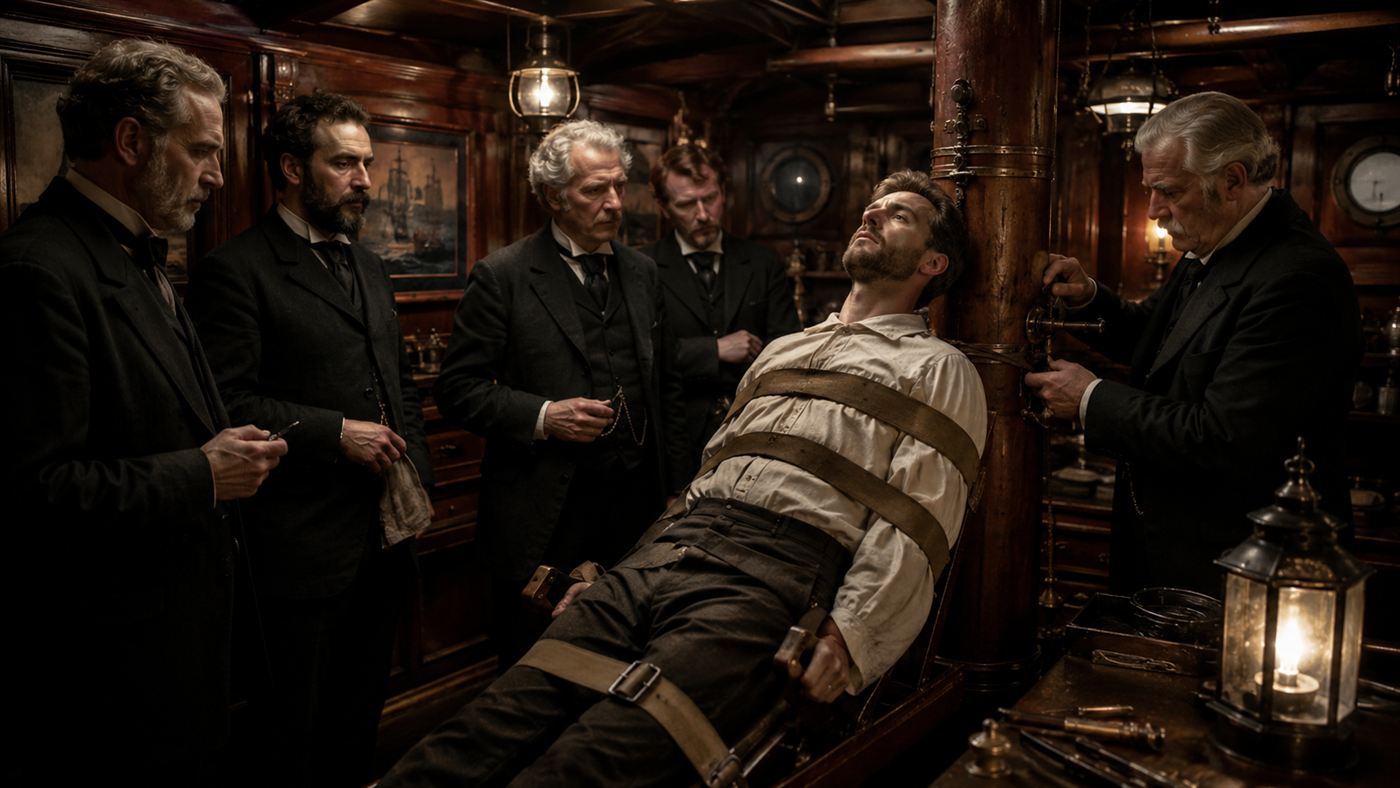
The operating table was a chair lashed to the mast of a pleasure yacht. Illustration: Watts & Wild.
On July 1, 1893, a small group of men boarded a private steam yacht at a pier in New York and cast off up the East River. To anyone watching, it looked like a wealthy friend taking the president out for a few days of rest. In reality, six surgeons were about to perform major cancer surgery on the leader of the United States while the boat rocked gently on the tide.
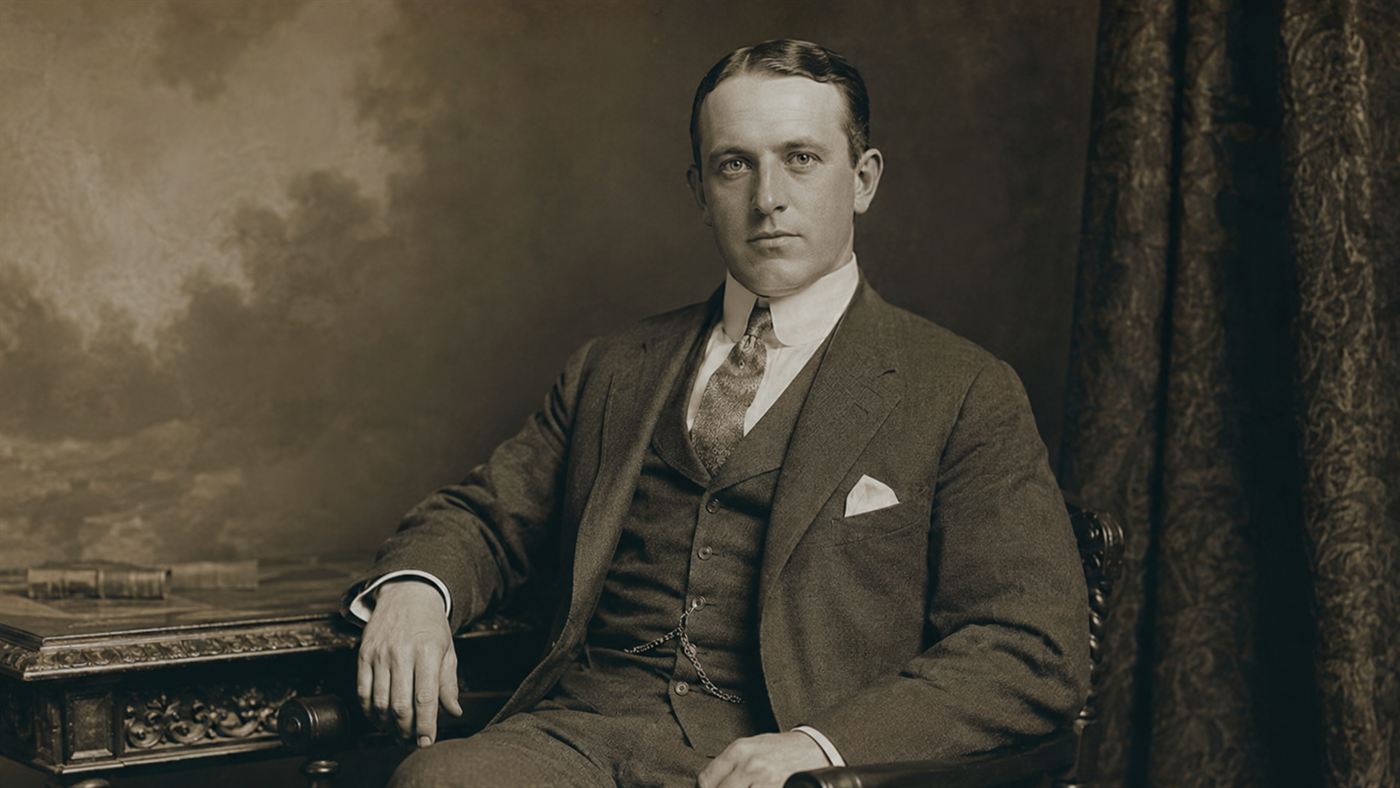
The patient was Grover Cleveland, halfway into his second term, and he had a problem growing on the roof of his mouth. Grover Cleveland's secret surgery would remove a chunk of his upper jaw, reshape his face, and be denied to the press for decades. It is still one of the boldest cover-ups a sitting president ever pulled off.
The short version: a doctor found a cancerous mouth tumor in the president's palate, the country was already in a financial meltdown, and Cleveland decided the nation could not handle the news. So the operation happened at sea, in secret, and the man who broke the story to the public was called a liar for the rest of his career. That is the tale of Grover Cleveland's secret surgery, and it is barely believable.
What was growing in the president's mouth
Early in 1893 Cleveland noticed a rough patch on the left side of the roof of his mouth. By June it had grown to the size of a quarter, and his personal doctor took one look and called in a specialist. The diagnosis was blunt: a malignant mouth tumor eating into the bone of the hard palate, and it had to come out fast.
The timing could not have been worse. The Panic of 1893 had detonated that spring, banks were failing, railroads were collapsing, and unemployment was climbing toward double digits. Cleveland was in the middle of a brutal fight to repeal the Sherman Silver Purchase Act and defend the gold standard, and his vice president was on the opposite side of that argument.
Why Grover Cleveland's secret surgery had to happen at sea
Cleveland did the political math and it terrified him. If word got out that the president had cancer, he believed, the last shred of confidence would drain from the markets and the Panic of 1893 would become a full catastrophe. Worse, if he died or was incapacitated on the table, power would pass to a vice president who wanted the opposite economic policy.
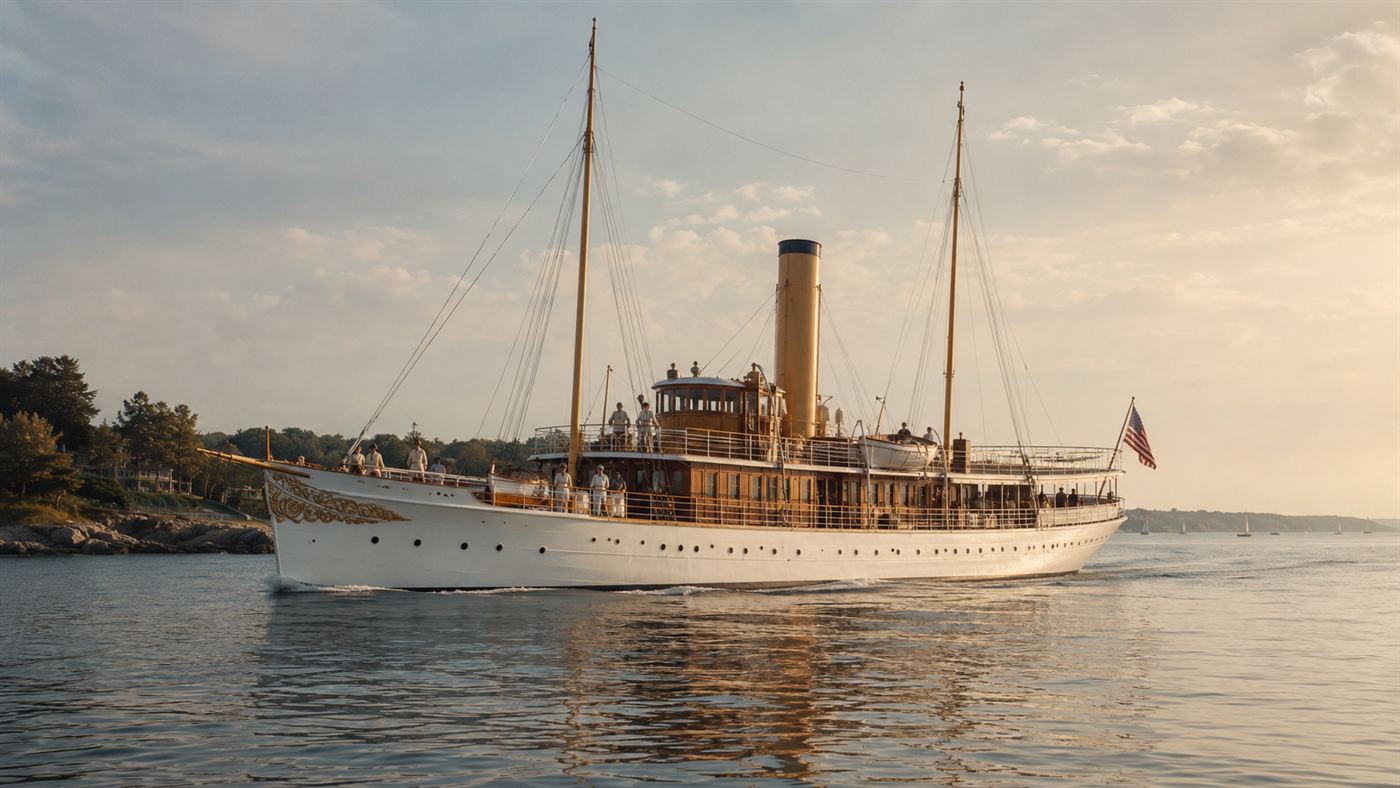
So the decision was made to hide everything. Grover Cleveland's secret surgery would take place not in a hospital, where reporters swarmed, but on the open water, out of sight of everyone. His friend Elias Benedict owned a comfortable steam vessel called the Oneida, and that Oneida yacht became the strangest operating theatre in American history.
How do you remove a jaw on a moving boat?
Very carefully, it turns out. The logistics of Grover Cleveland's secret surgery were genuinely dangerous. The surgical team, led by Dr. Joseph Bryant and including the well-known surgeon William Keen, strapped Cleveland into a chair propped against the mast as the Oneida yacht steamed slowly north. They gave him nitrous oxide and then ether, and worked entirely through his open mouth so that no incision would ever show on his face.
In about 90 minutes they removed most of the president's upper left jaw, five teeth, and a large piece of the palate. As Smithsonian Magazine has recounted, the men worked at speed on a rocking deck with the ever-present fear that a slip could kill the president. There was almost no bleeding they could not control, and the boat never stopped moving. A second, shorter operation followed a couple of weeks later to clean up the cavity.
The rubber jaw that hid the scar
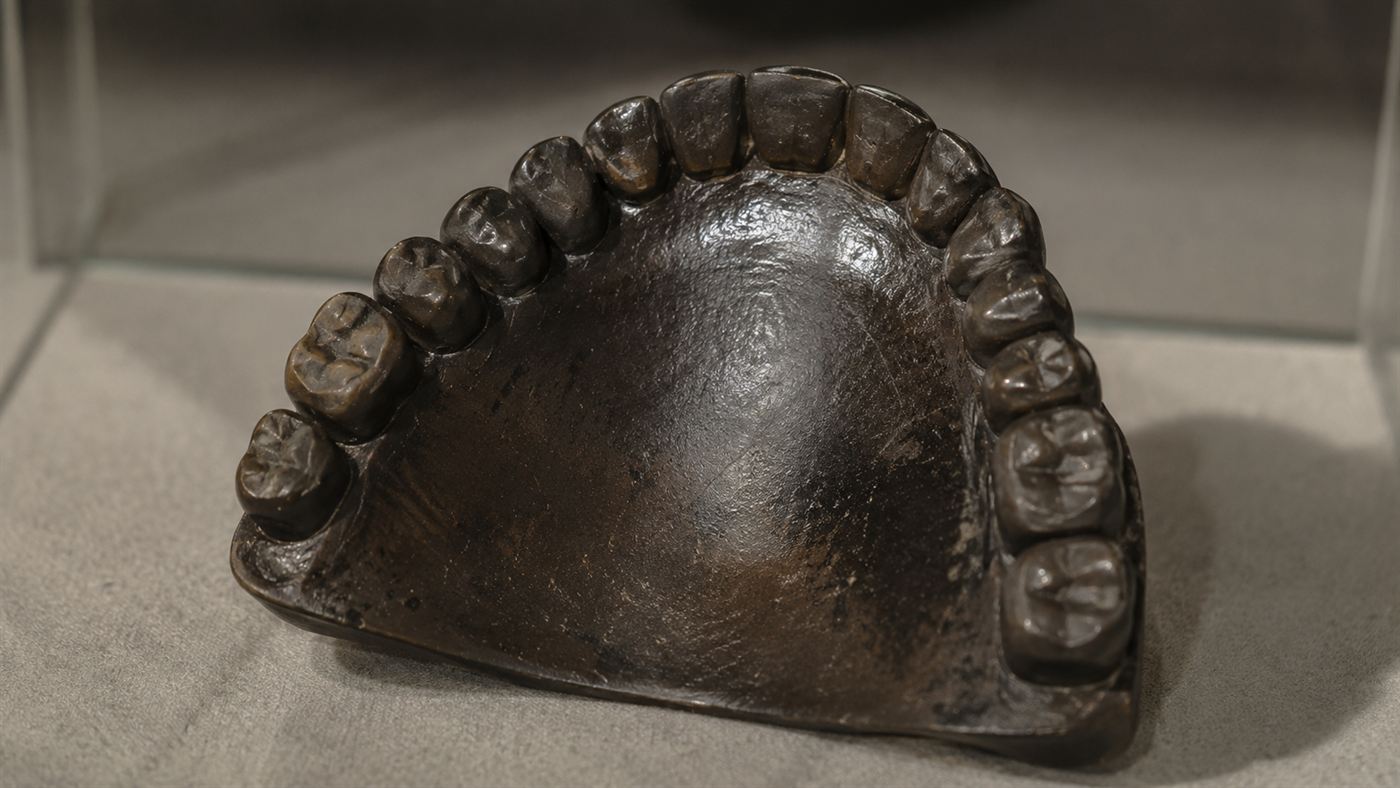
Cutting out the mouth tumor left a hole in the roof of Cleveland's mouth big enough to collapse his cheek and wreck his speech. The last stage of Grover Cleveland's secret surgery was a piece of nineteenth-century dental engineering: a vulcanized rubber jaw, a molded prosthesis that plugged the cavity and rebuilt the shape of his palate from the inside.
The device worked astonishingly well. With the vulcanized rubber jaw seated in place, Cleveland's face filled back out, his moustache hid what little there was to see, and his voice returned to normal within weeks. When he reappeared in public, he looked like a man who had taken a relaxing holiday, which was exactly the point.
The reporter who was called a liar
The cover story was that the president had two bad teeth pulled and was resting for a touch of rheumatism. It held for weeks, until a sharp reporter named E.J. Edwards published a detailed account of what had really happened on the boat. He had the story almost exactly right.
The administration crushed him. Cleveland's people flatly denied it, doctors involved dismissed it, and Edwards was publicly branded a fraud who had invented the whole thing. The denials were so effective that the reporter's reputation never fully recovered in his lifetime, even though every word he wrote was true.
The honest catch
Here is the part that complicates the tidy tale of a brave president outrunning death. Decades later, pathologists examined the preserved specimen, which survives to this day at the Mutter Museum in Philadelphia. As the Mutter Museum has documented in its collection of the removed tissue, modern analysis suggests the growth may have been a slow, low-grade verrucous carcinoma rather than the fast killer his doctors feared.
In other words, the terror that drove the whole secret operation may have been out of proportion to the actual danger. Cleveland lived another 15 years and died in 1908 of a heart attack, not cancer. The drama was real, the fear was real, but the tumor that started it all might not have been the death sentence everyone on that yacht believed it to be.
Grover Cleveland's secret surgery held for a full generation. A president let a reporter's career burn rather than admit he had been operated on, and the full truth only surfaced when a surgeon finally spoke up in 1917, nine years after Cleveland was in his grave. Would a leader get away with vanishing for a secret operation in the age of camera phones and live news? Tell us what you think in the comments.
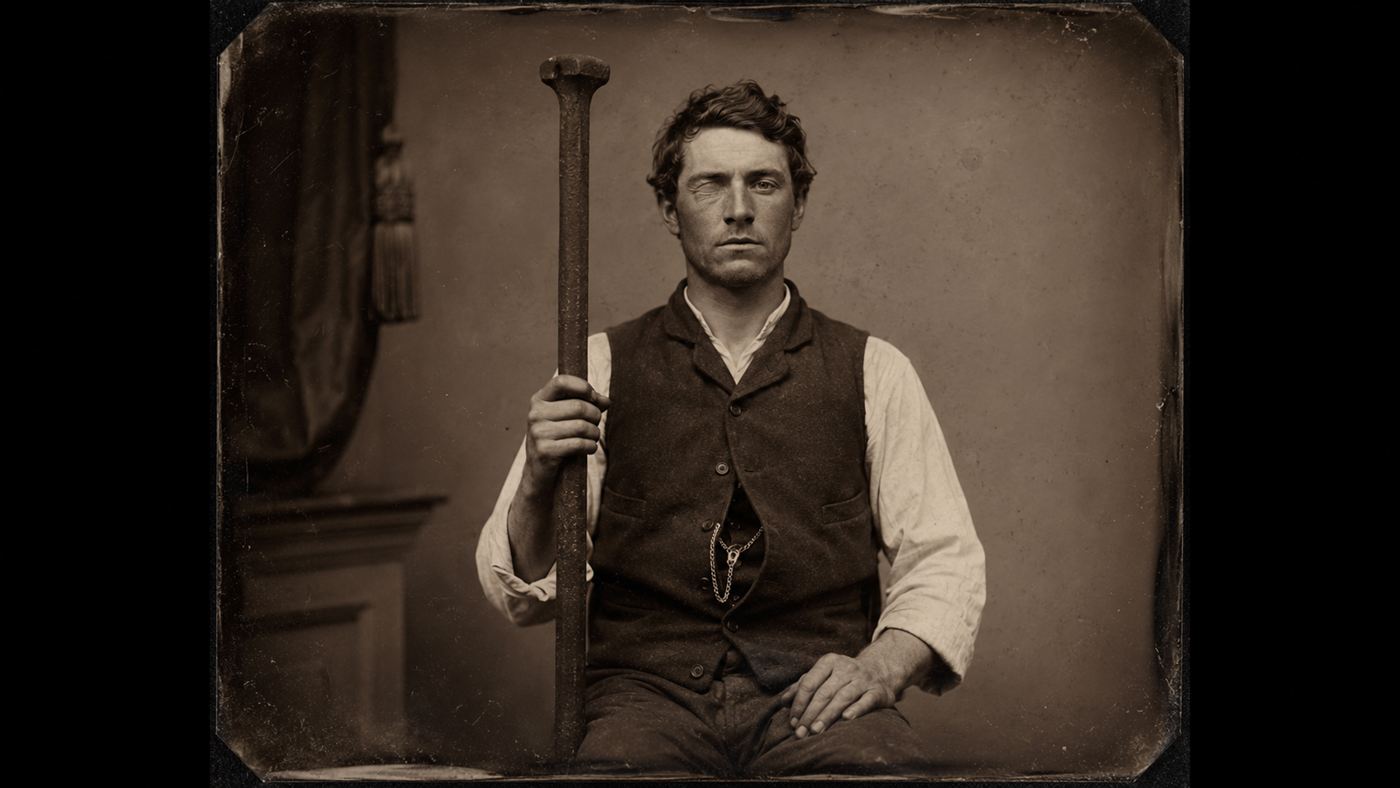
Related reading: the railroad worker who survived an iron bar blasted clean through his skull and lived to tell it. See also the socialite whose jaw was destroyed by drinking radioactive tonic, and the factory women poisoned by the glowing paint on their brushes.