A blast 1,000 times Hiroshima flattened 80 million trees in Siberia in 1908, left no crater, and waited 19 years for anyone to come looking
One summer morning in 1908 the sky over central Siberia tore open. Something exploded in the air with the force of a large hydrogen bomb, knocking flat a forest the size of a city and rattling windows hundreds of miles away. The Tunguska event was the biggest cosmic impact in recorded history, and almost nobody went to see it for nearly two decades.
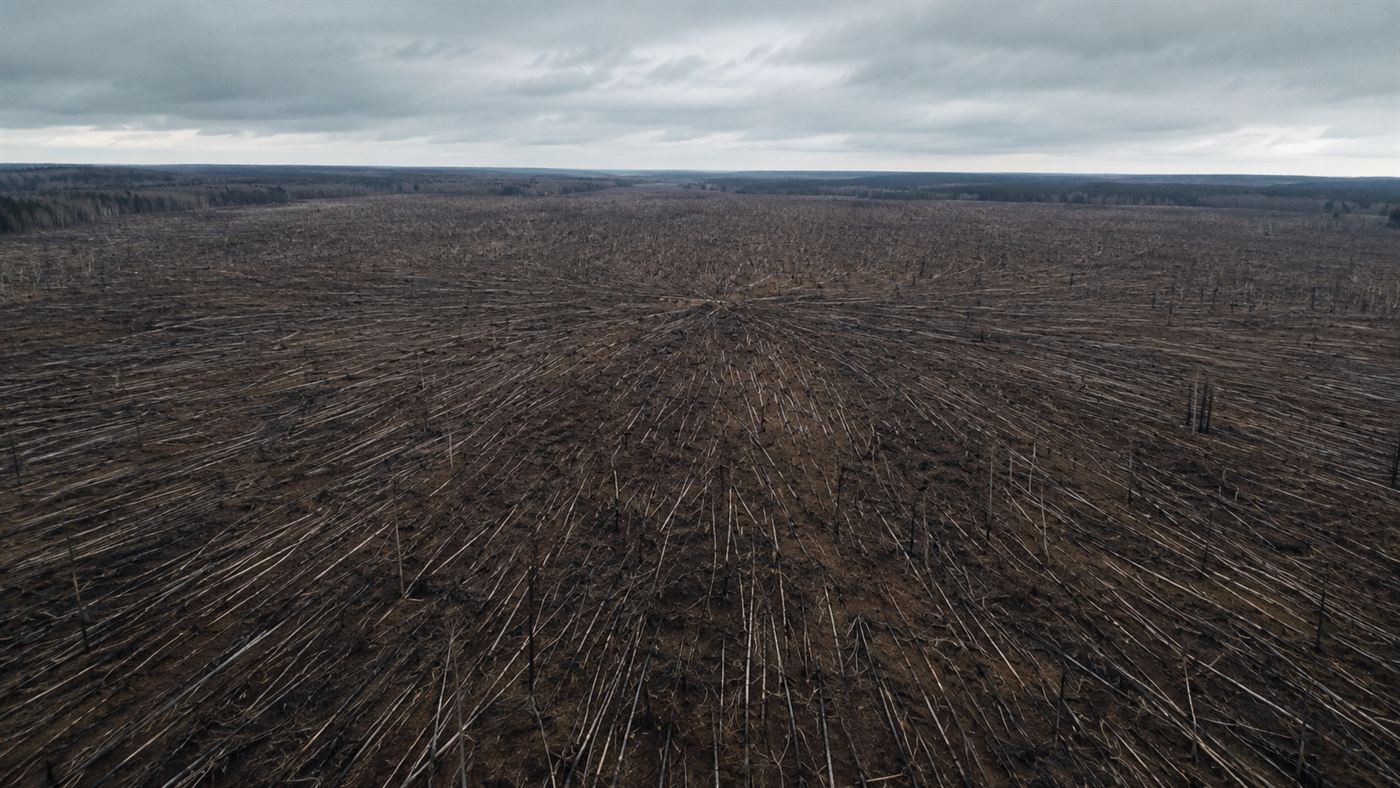
Millions of trees flattened in a radial pattern, all pointing away from the blast. Illustration: Watts & Wild.
It happened on the morning of 30 June 1908, near the Podkamennaya Tunguska River in a corner of Siberia so remote that very few people lived there to witness it. The handful who did, mostly Evenki herders and settlers at a trading post called Vanavara about sixty-five kilometres away, described a column of blue-white light brighter than the sun, a series of deafening bangs, and a wave of heat and wind that threw them off their feet and shattered windows.
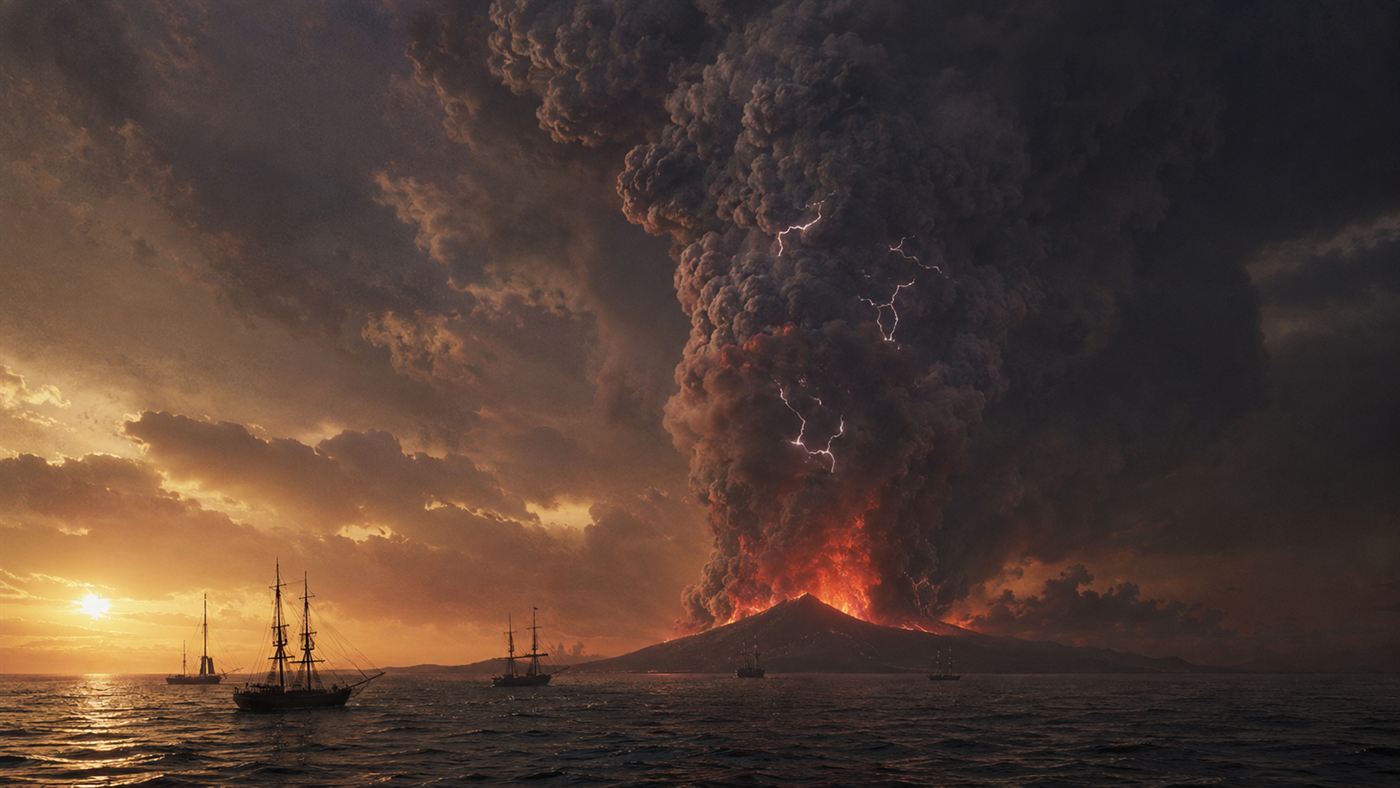
What they had seen was an asteroid or comet fragment, perhaps fifty or sixty metres across, slamming into the atmosphere and exploding several kilometres up. The energy released was somewhere around ten to fifteen megatons, roughly a thousand times the bomb dropped on Hiroshima, all of it unleashed in the open air over the taiga.
Why the Tunguska event left no crater
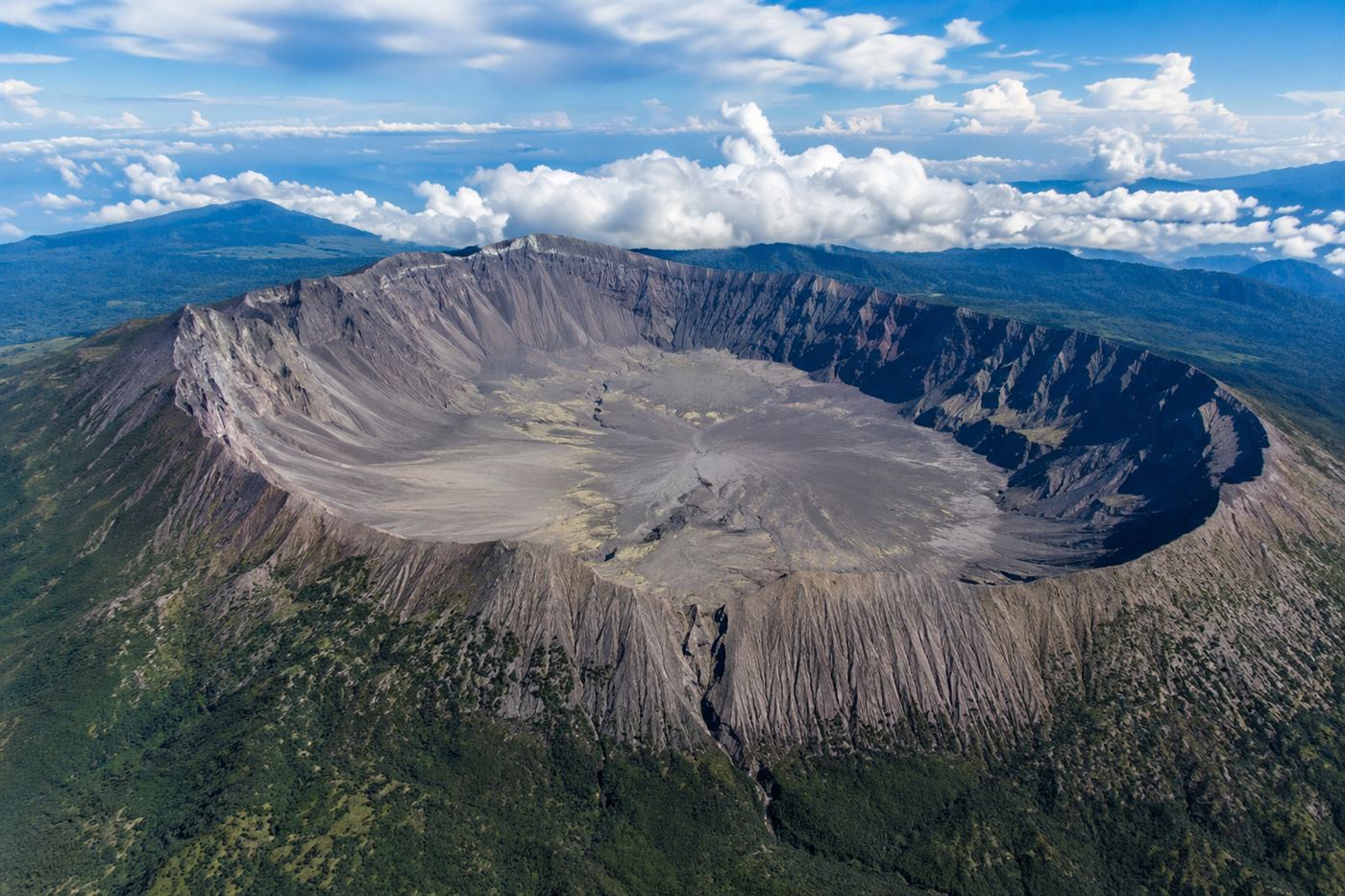
This is the detail that makes the story so strange. An object that size hitting the ground would have punched out an enormous crater. The Tunguska object never got there. It detonated in mid-air as what scientists call an air burst, so instead of a hole in the ground it left a vast circle of destruction radiating outward from a point in the sky.
As NASA describes the event, the blast wave flattened an estimated eighty million trees across more than two thousand square kilometres, laying them down in a giant radial fan that all pointed away from the centre. Strangest of all, directly beneath the explosion the trees were left standing upright, stripped bare of their branches like a forest of telegraph poles, because there the shockwave came straight down rather than sideways.
The skies that glowed at midnight
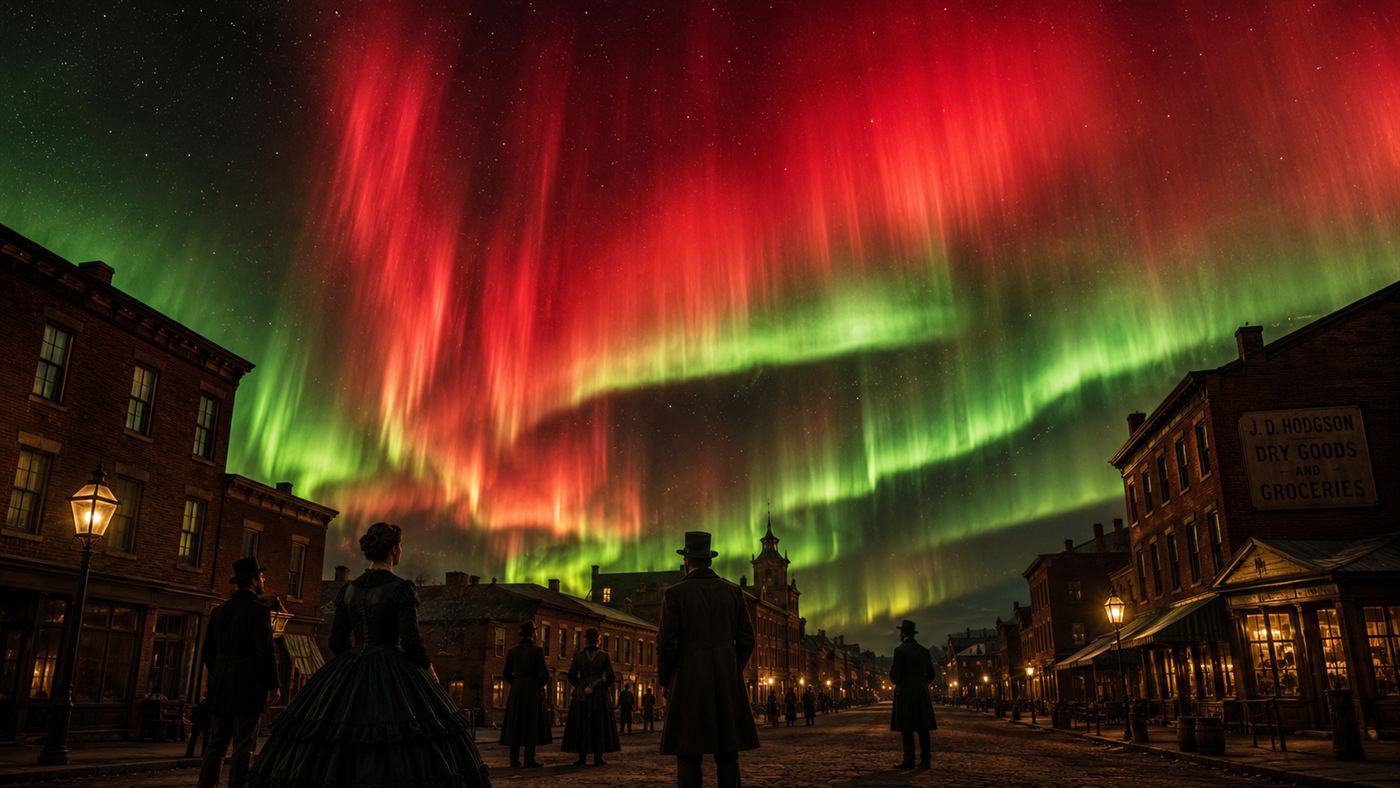
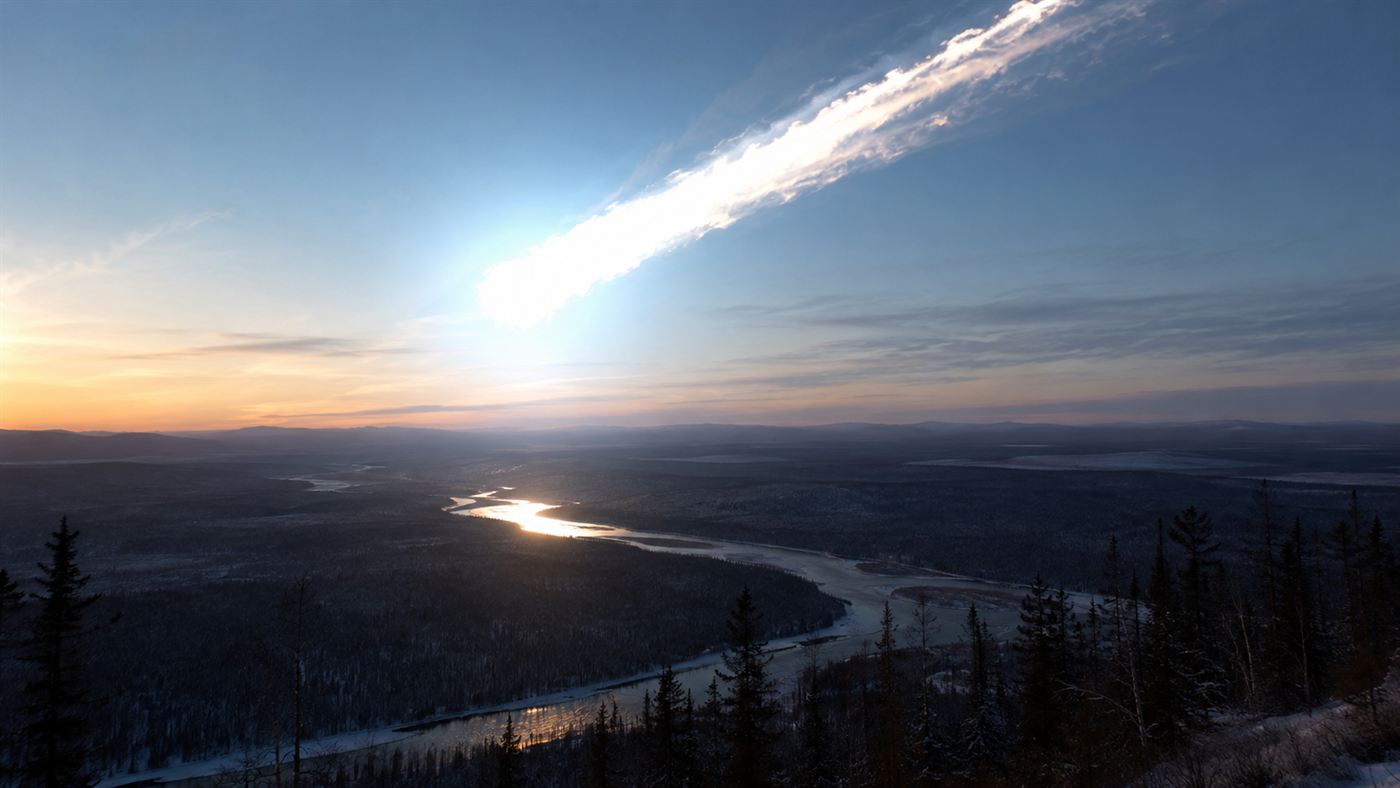
The explosion threw so much dust and ice high into the atmosphere that the effect was seen across the world. For several nights afterward the skies over Europe and Asia glowed an eerie silver, bright enough that people in London could reportedly read a newspaper outdoors at midnight without a lamp. Nobody at the time connected those strange luminous nights with a forest no one had yet visited in the Siberian wilderness.
And visit it they did not, for a very long time. Russia in 1908 was a vast, creaking empire about to fall into world war and revolution, and a flattened forest in the middle of nowhere was nobody's priority. The largest impact event in recorded history simply sat there, unstudied, for nineteen years.
The man who finally went to the Tunguska event
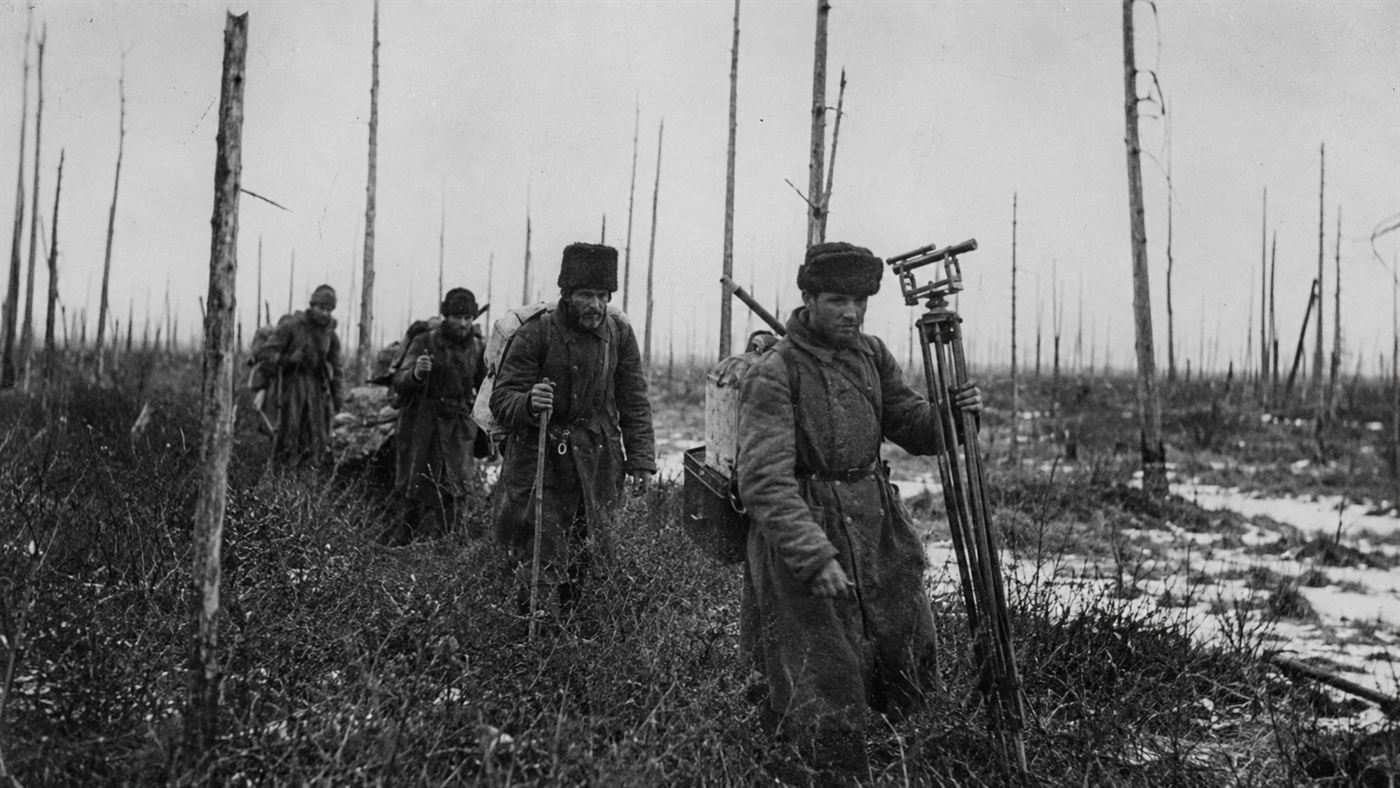
The person who broke that silence was a mineralogist named Leonid Kulik. He became convinced a giant meteorite lay buried out there, full of iron worth mining, and he pushed expedition after expedition into some of the harshest terrain on the planet. In 1927, guided by local Evenki, he finally struggled through the swamp and taiga to the epicentre.
What he found baffled him. As Britannica recounts, Kulik discovered the flattened forest and the standing stripped trees but no crater and no great lump of meteorite to justify the journey. He went back again and again over the years, even flying aerial surveys, and never found the treasure he was sure was waiting. He died during the Second World War, captured after volunteering to fight, his Tunguska mystery still unsolved.
What caused the Tunguska event?
The best-supported answer is a space rock, most likely a stony asteroid, that exploded in the air rather than striking the ground. Its size and exact nature, asteroid or piece of a comet, are still argued over, partly because the air burst left so little physical evidence behind. What is not in doubt is the scale: a single object turned a patch of Siberia into a scene that looked, decades before nuclear weapons, exactly like ground zero.
The honest catch
A mystery this big with so few hard fragments has always attracted nonsense, and it is worth saying plainly that the wilder claims, an antimatter blast, a tiny black hole, a crashed alien craft, have no evidence behind them and are not taken seriously by scientists. Even the respectable numbers come with wide error bars: estimates of the energy run anywhere from a few megatons to thirty, and experts still debate whether the object was an asteroid or a comet. The deeper point is not in doubt and is sobering enough on its own. A rock too small to track exploded over an empty forest in 1908, and had it arrived a few hours later, with the Earth turned a little further, the same blast could have erased a city.
A blast big enough to flatten a city went off over an empty forest in 1908 and waited nineteen years for a visitor. Does the Tunguska event make you feel lucky about where it landed, or nervous about the next one? Tell us what you think in the comments.
Related reading: Another cosmic near-miss, the 1859 solar storm that set telegraph offices on fire and could cripple the modern grid.