For twenty years the Soviet Union drilled the deepest hole ever made, and the Kola Superdeep Borehole hit water, ancient microfossils and rock so hot the drilling simply stopped
On a bleak stretch of Arctic Russia sits a rusted metal cap most people would walk straight past. Beneath it is the Kola Superdeep Borehole, the deepest hole humans have ever drilled, and the source of one of the strangest legends of the Cold War.
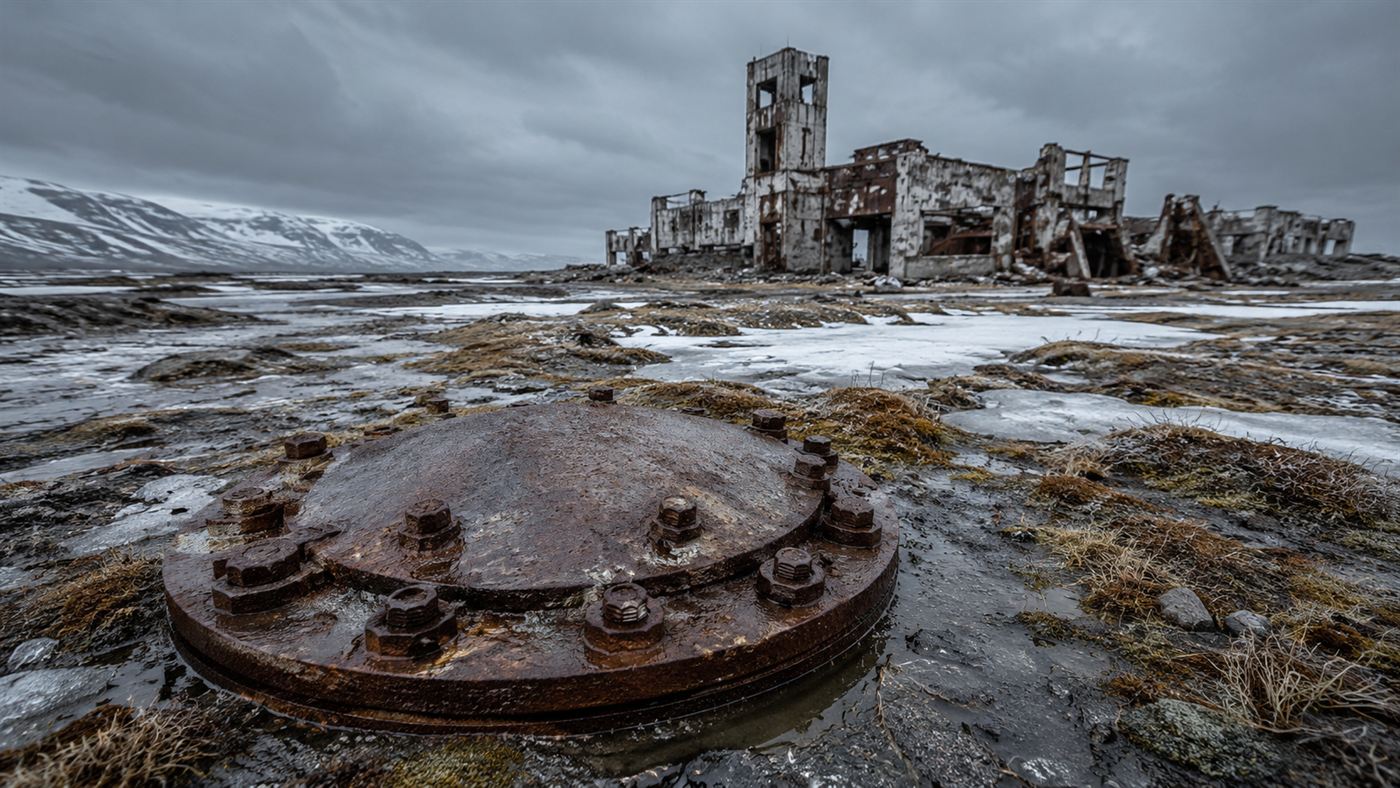
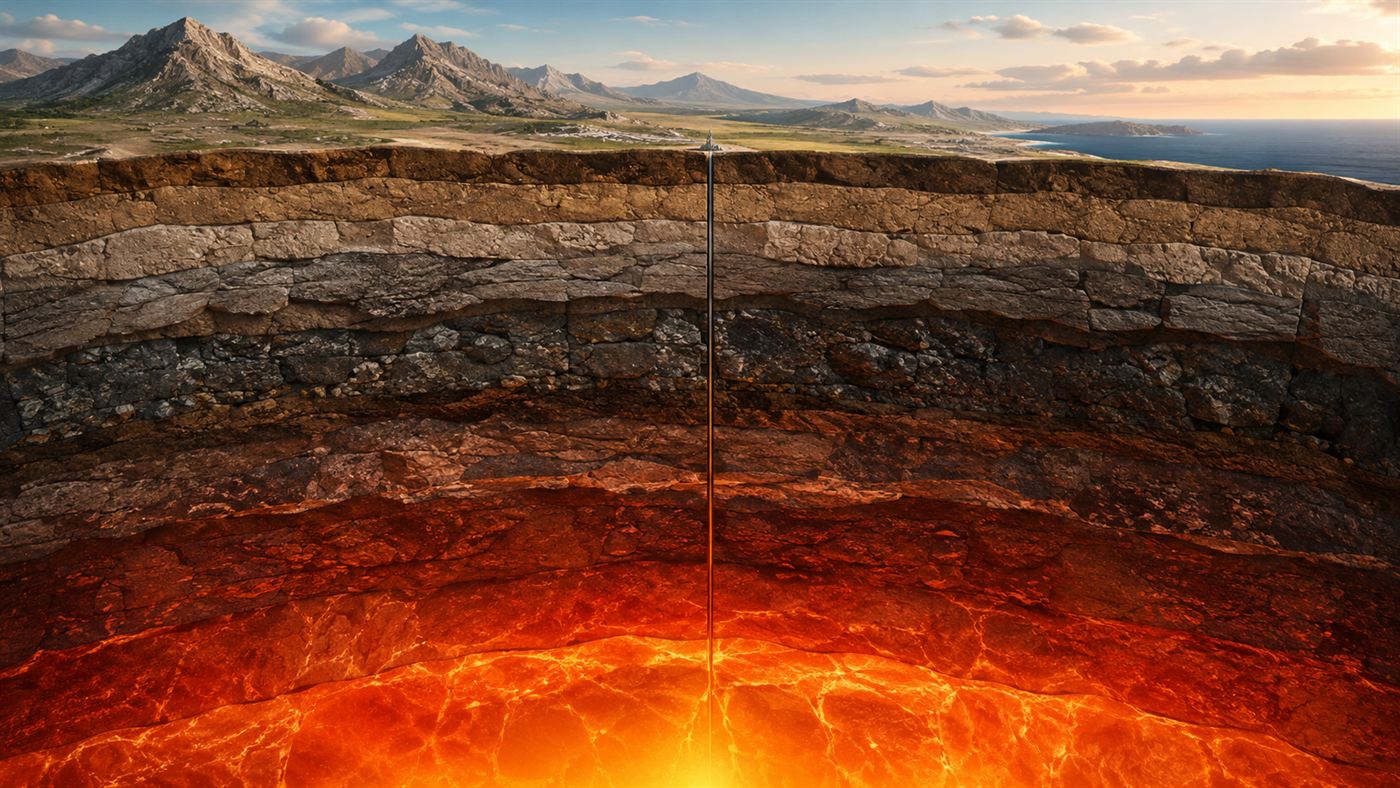
A rusted, bolted cap is all that marks the top of the Kola Superdeep Borehole today. Illustration: Watts & Wild.
On the Kola Peninsula in the Russian Arctic, near the border with Norway, there is a heavy iron lid bolted to a slab of concrete in the tundra.
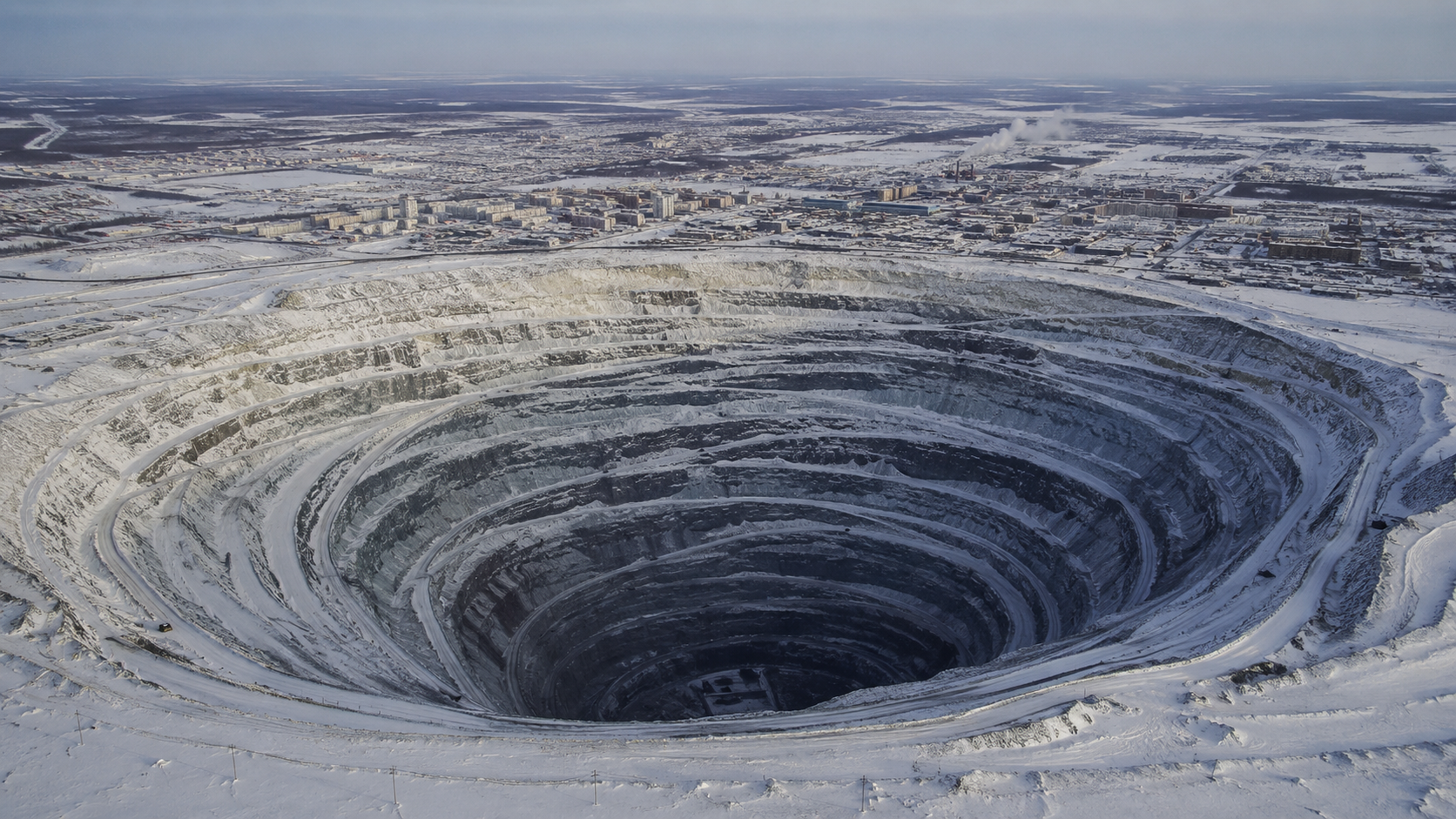
It looks like nothing. It is the top of the deepest hole human beings have ever drilled into our own planet. The deepest hole is barely wider than a dinner plate; the widest is Bingham Canyon, the vast open-pit mine you can see from space.
What is the Kola Superdeep Borehole? It is the deepest hole ever drilled into the Earth, a Soviet science project on the Kola Peninsula that reached 12,262 metres, about 12.3 kilometres, by 1989. It was abandoned in the 1990s when the rock at the bottom grew too hot to drill.
A Cold War race into the ground
The Kola Superdeep Borehole was born from a very Cold War kind of competition.
In the 1960s the United States had tried to drill through the ocean floor toward the Earth's mantle, a plan called Project Mohole that ran out of money.
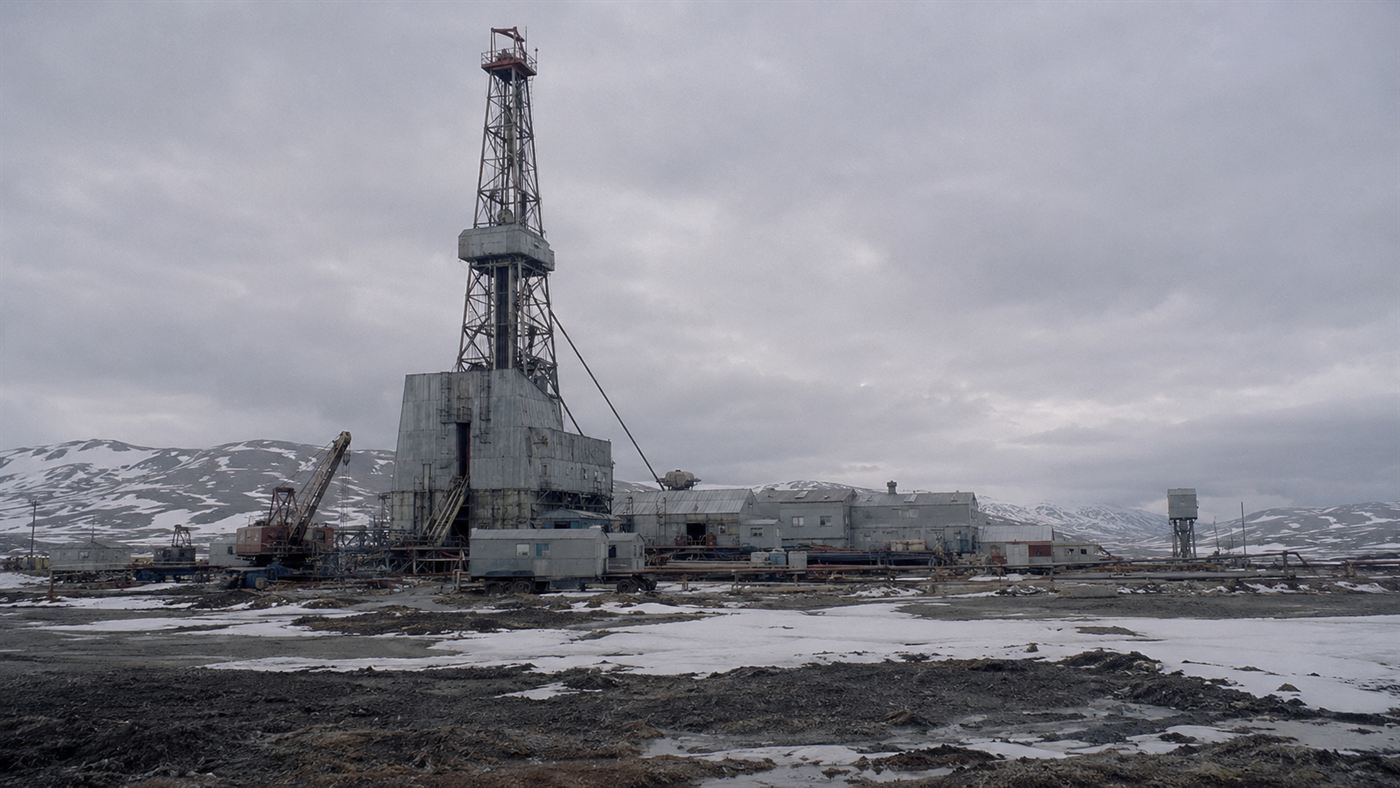
The Soviet Union wanted to win the race downward, and in 1970 its scientists began drilling on the remote Kola Peninsula.
Their goal was not oil but pure science: to see how deep people could go and what the Earth's crust was really made of.
Over the next two decades, the deepest hole on the planet crept slowly downward, one branch of the drill at a time.
How deep is the deepest hole?
By 1989 the main branch of the Kola Superdeep Borehole had reached 12,262 metres, about 7.6 miles straight down.
That is still the deepest hole ever drilled, and the deepest artificial point on Earth.
And yet it is almost nothing, because the hole reaches only around 0.2 percent of the way to the planet's centre, a pinprick in the Earth's crust.
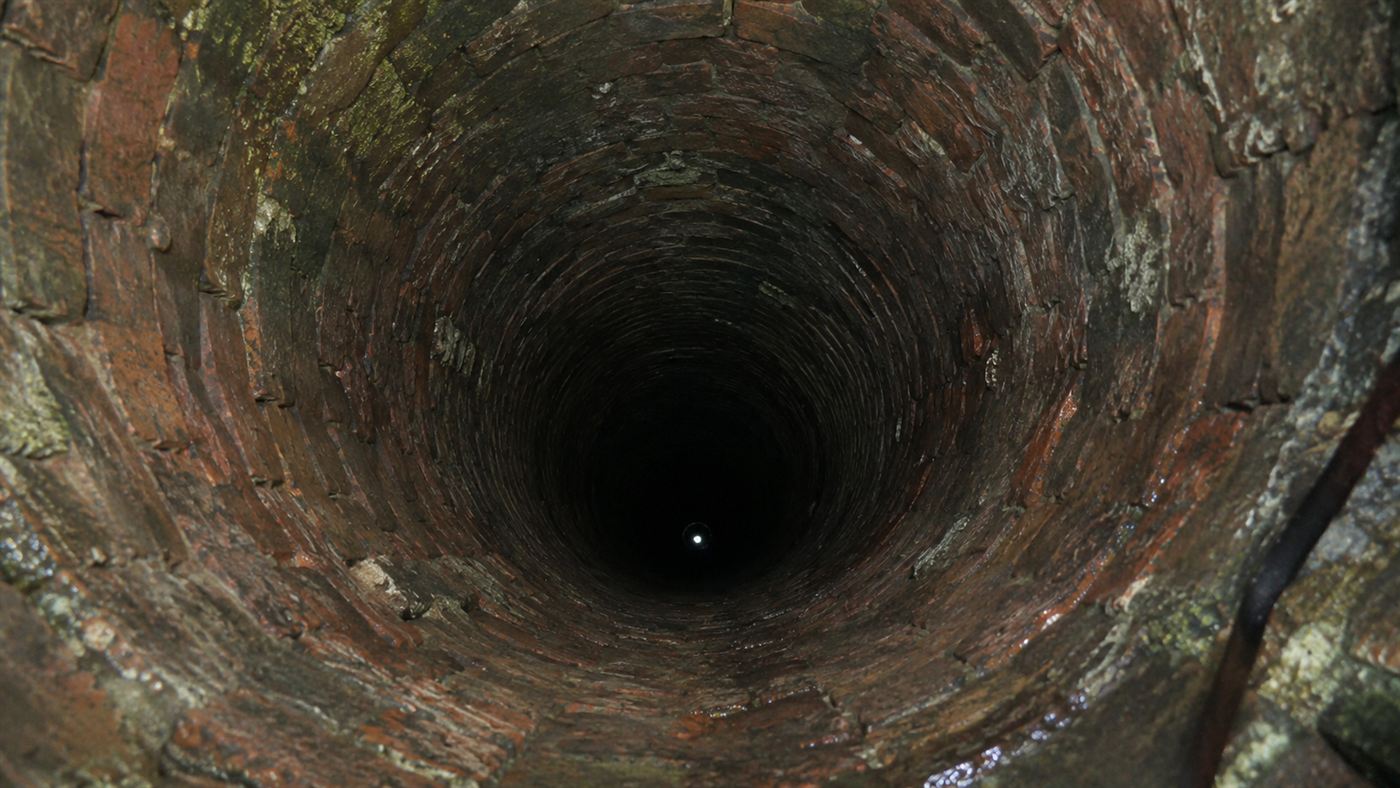
The borehole itself was astonishingly narrow, only about 23 centimetres across, a thread stitched kilometres down into the rock.
What they found down there
The point of the deepest hole was to bring back surprises, and it did.
Geologists had expected the granite to give way to a layer of basalt a few kilometres down, but the basalt was never there, and instead the granite kept going, fractured and soaked with water.
That water was a shock, free water circulating through rock so deep in the Earth's crust that it should have been squeezed bone dry.
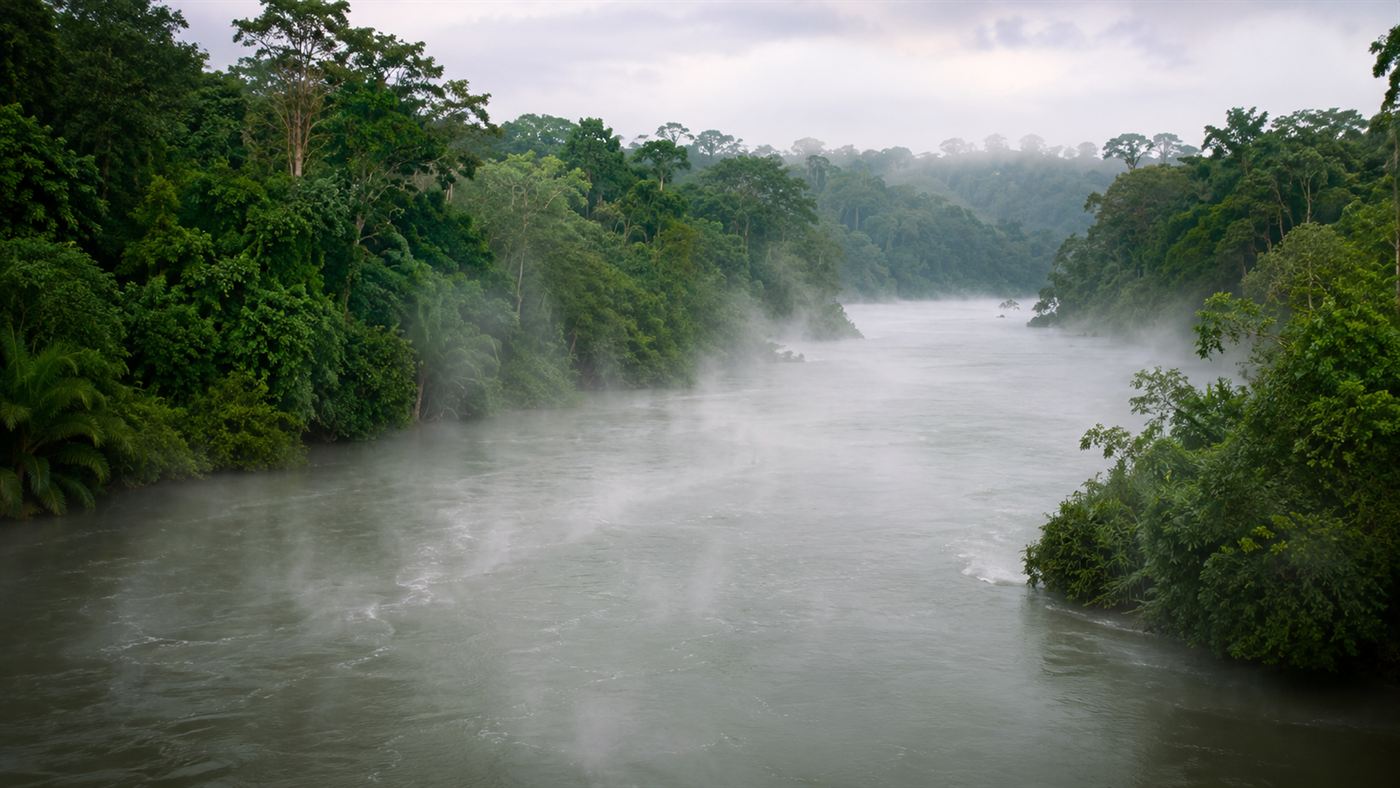
Stranger still, the cores pulled up microscopic fossils of plankton around two billion years old, preserved kilometres beneath the surface, a buried world a little like the hidden one along the boiling river of the Amazon.
And it was hot, with the rock at the bottom reaching about 180 degrees Celsius, far above the roughly 100 degrees the scientists had predicted.
The well to hell
The Kola Superdeep Borehole also gave the world one of its most enduring urban legends.
In the 1990s a story spread that Soviet scientists had lowered a microphone into the deepest hole and recorded the screams of the damned, the so-called well to hell.
Religious radio stations and chain letters carried the tale of a borehole that had drilled straight into the underworld.
It was a complete hoax, with the recording later traced to a re-edited film soundtrack, but the well to hell story stuck to Kola for good.
Why the Kola Superdeep Borehole stopped
The reason the deepest hole stopped going deeper was not the well to hell, but plain heat.
At 180 degrees the rock behaved less like solid stone and more like soft plastic, closing around the drill and making further progress almost impossible, and records of the project note drilling effectively ended in 1992.
Then the Soviet Union itself collapsed, taking the project's funding down with it.
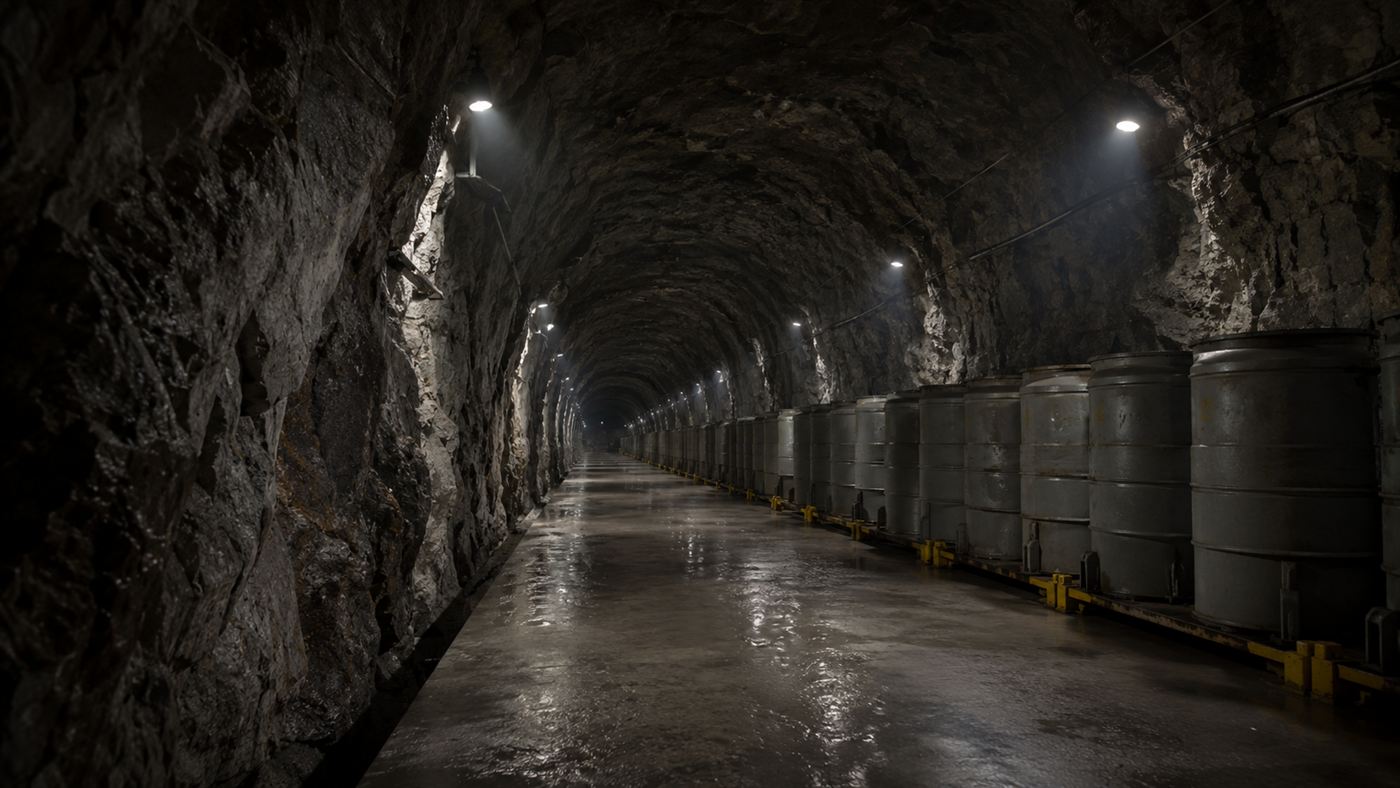
The Kola Superdeep Borehole site was finally abandoned and, in 2008, sealed shut, its famous opening now just a rusted cap welded to the tundra, as quietly entombed as the deep vaults built for Finland's nuclear waste.
The honest catch
Calling Kola a failure misses the point entirely.
The borehole rewrote textbooks about the Earth's crust, from the missing basalt to the deep water and the ancient life, and Atlas Obscura still lists the abandoned site as a landmark of that science.
It is also worth being precise, because Kola is the deepest hole by vertical depth, while a few later wells reached farther along slanted paths, so the record has a little fine print.
And the well to hell screams, of course, were never real.
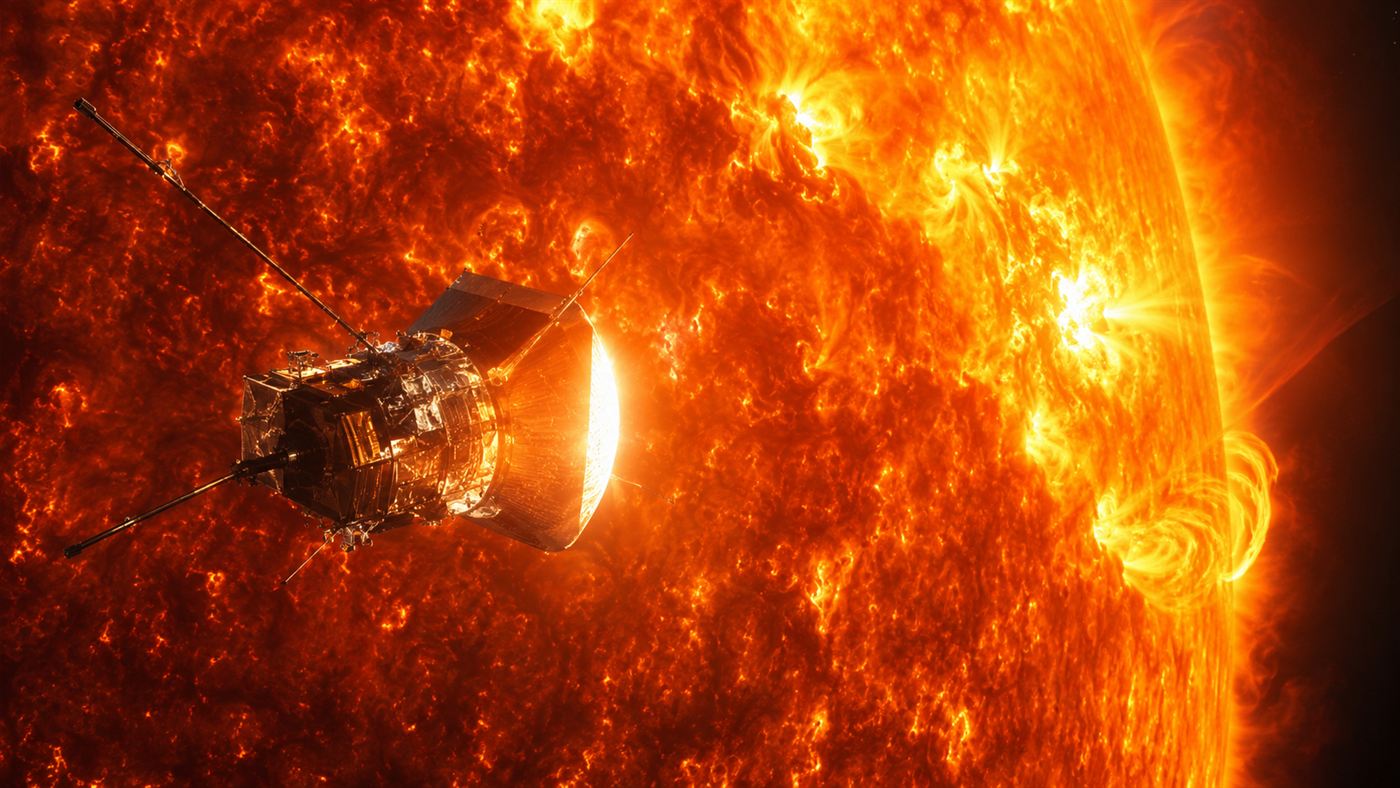
The biggest lesson is a humbling one: after drilling for twenty years we reached barely 0.2 percent of the way down, even as other machines flew out to touch the Sun.
The rusted cap on the Kola Peninsula sits over the deepest hole we have ever managed, and over the strange, hot, watery world we found waiting inside the Earth's crust.
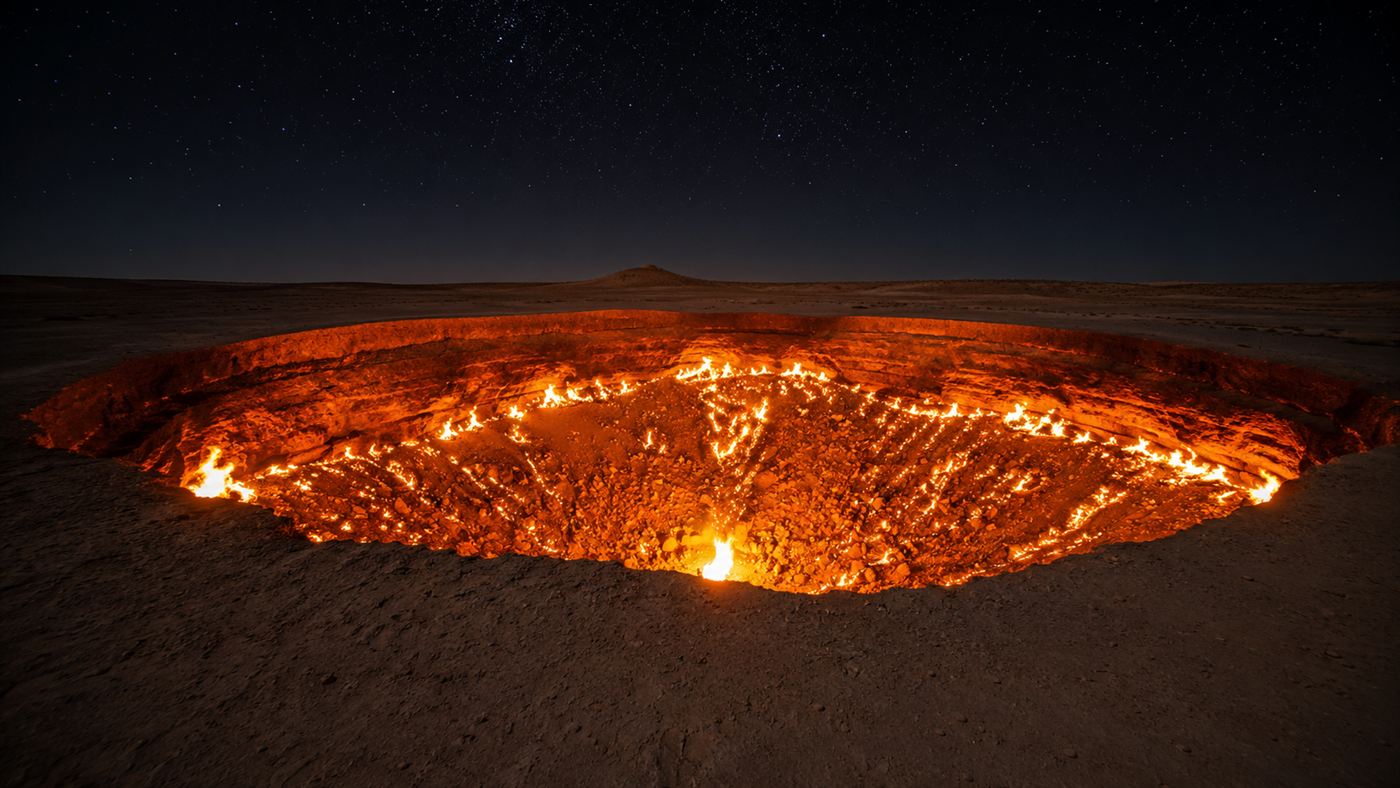
It is a close cousin of the other places where the planet seems to crack open a door downward, like the burning Darvaza crater that locals call the door to hell.
If the deepest hole we have ever drilled is barely a scratch on the Earth's crust, how much of what lies beneath our feet do you think we will ever really know? Tell us in the comments.
Related reading: the 33 Chilean miners who survived 69 days trapped 700 metres underground before an extraordinary rescue.