Bingham Canyon is the largest hole humans have ever dug, a mine a kilometre deep and visible from space, into which the biggest landslide in mining history once fell
Bingham Canyon, a copper mine in Utah, is the largest hole human beings have ever dug, a spiral pit a kilometre deep that you can see from space. In 2013 the biggest landslide in mining history poured into it, and thanks to the engineers watching the walls, not a single person was hurt.
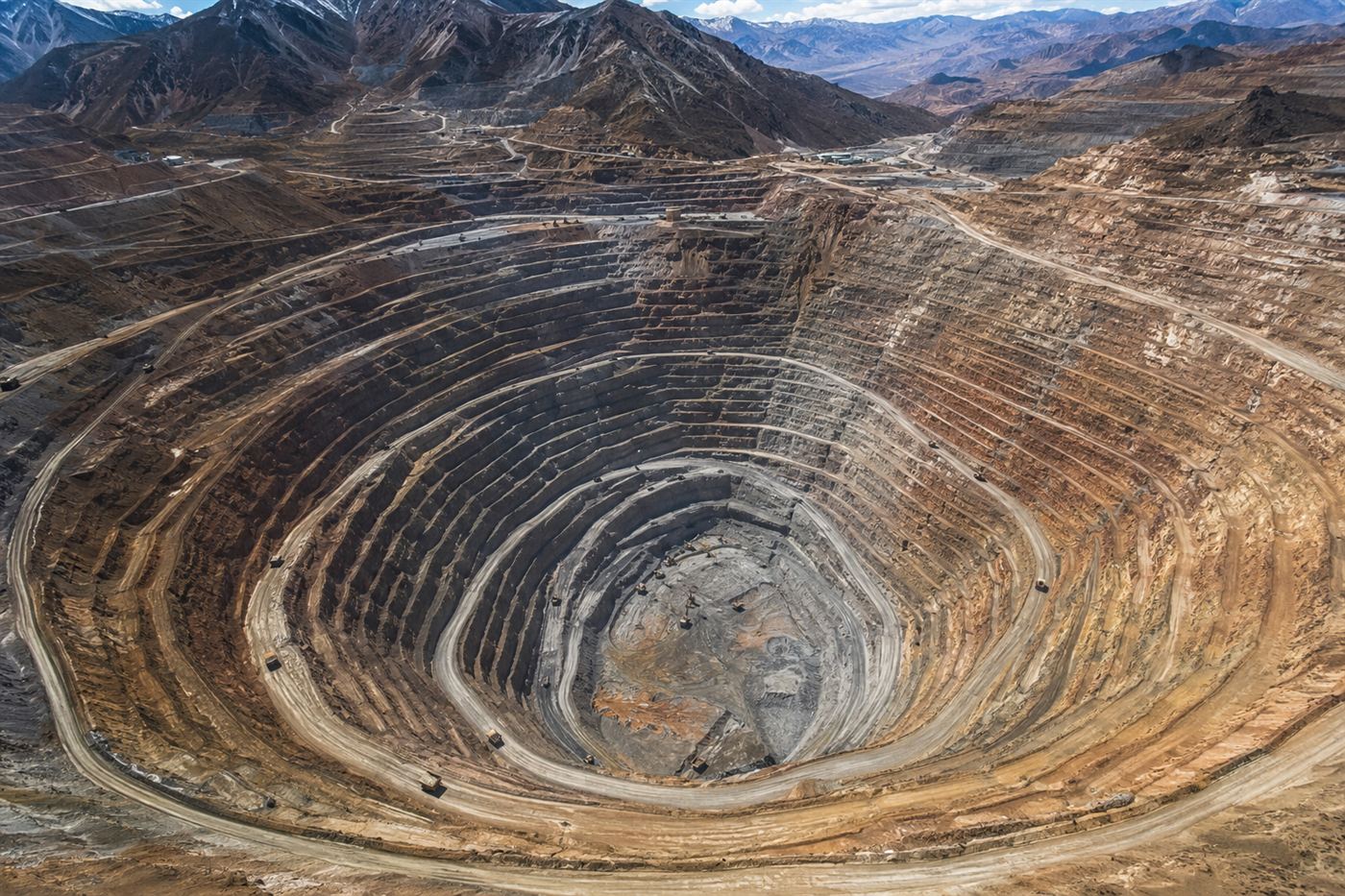
Bingham Canyon, the largest man-made excavation on Earth, near Salt Lake City. Illustration: Watts & Wild.
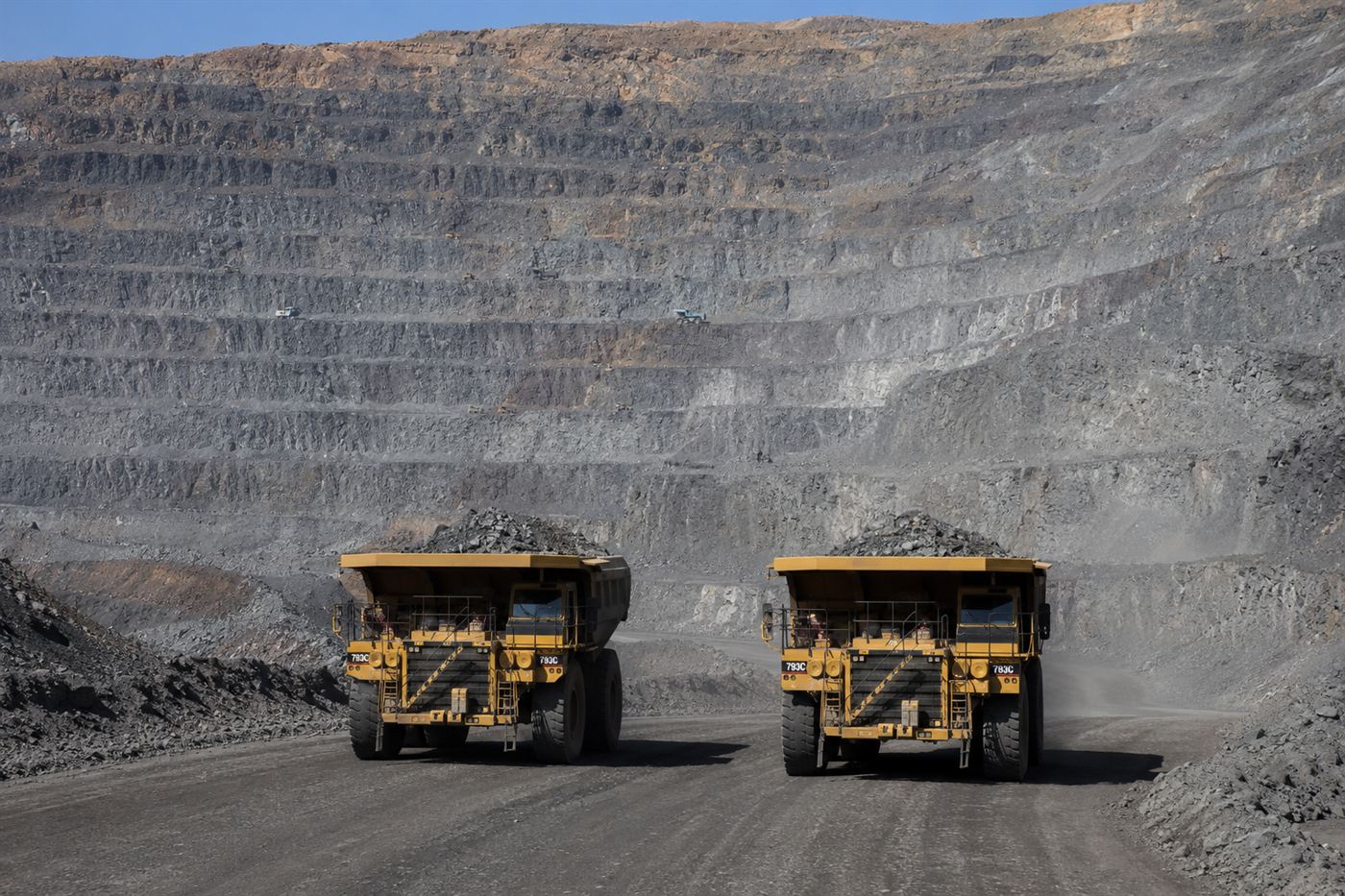
Bingham Canyon is a hole so big it defeats your sense of scale. Standing on the rim, looking down into the terraced spiral of the pit, you see what appear to be tiny toy trucks crawling along the ledges far below; in fact each one is a haul truck as big as a house, and the distance from the rim to the bottom is most of a vertical kilometre. It is a copper mine in the mountains southwest of Salt Lake City, in the American state of Utah, and it is, by a clear margin, the largest excavation human beings have ever made in the surface of the Earth.
The numbers are the kind that stop meaning anything. As the mine is documented, the pit is over 1.2 kilometres deep and around 4 kilometres wide, large enough to be seen with the naked eye from low orbit, and it has been dug, load by load, since 1906. In well over a century it has produced more copper than any other mine in history.
What is Bingham Canyon? Bingham Canyon is an open-pit copper mine near Salt Lake City, Utah, and the largest man-made excavation on Earth. Worked since 1906, the pit is about 1.2 kilometres deep and 4 kilometres wide, big enough to be seen from orbit, and has produced more copper than any mine in history.
Bingham Canyon, a hole you can see from space
What makes Bingham Canyon so staggering is not just its depth but the sheer volume of rock that has been removed to make it. The pit is an inverted cone of terraces, each ledge a road wide enough for the giant trucks, spiralling down and down for over a kilometre. Cover almost two thousand acres of mountain, dig a kilometre into it, and you have moved an amount of rock that is genuinely hard to picture, far more than was excavated to build any canal or dam.
And it is still an open wound in the landscape, not a relic. The mine has its own visitor overlook precisely because the scale is so difficult to believe until you stand on the edge and watch house-sized machines reduced to specks by the distance.
Carved out one truckload at a time
Beneath Bingham Canyon lies a particular kind of copper deposit, a porphyry, where the metal is spread thinly through enormous volumes of rock. There is no rich vein to follow; instead you have to dig up and process a mountain to extract the copper scattered through it. That is why the mine is a pit rather than a tunnel, and why it has had to grow so vast. For more than a hundred years, giant electric shovels have torn at the rock and fleets of haul trucks, each carrying hundreds of tonnes, have ground their way up out of the pit, around the clock.
The result is more than nineteen million tons of copper drawn from a single hole in the ground, the metal that became wiring, pipes, coins and machines across the world. Bingham Canyon is, in a sense, where a great deal of the modern electrical world quietly came from.
The mountain that came down
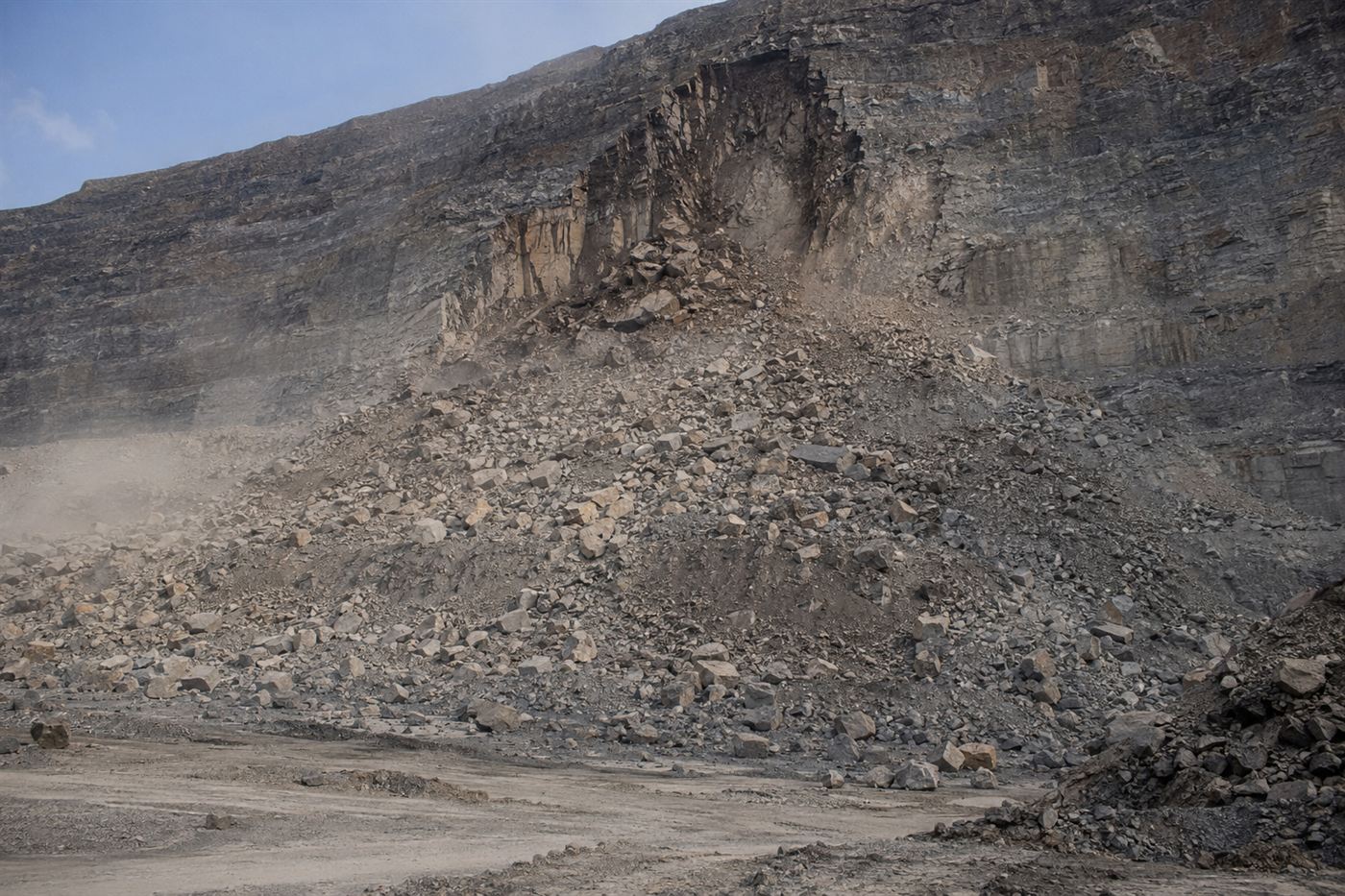
On the night of 10 April 2013, a large part of one wall of Bingham Canyon let go. In two enormous pulses, around 145 million tons of rock slid down into the bottom of the pit, in what is reckoned to be the largest mining-induced landslide in recorded history. It buried haul trucks and shovels, wrecked roads and infrastructure, and did hundreds of millions of dollars of damage in a matter of seconds. A whole section of mountain simply collapsed into the hole.
By any measure it was a disaster for the mine. And yet the most remarkable thing about it is the part that did not happen.
The slide they saw coming
Nobody was hurt. Not one person was injured, and no one died, in the largest mining landslide ever recorded, and that was no accident of luck. The geotechnical team at Bingham Canyon had been watching that wall closely, using radar and survey instruments to measure the rock creeping by tiny amounts, and they could see it accelerating. Weeks in advance, they concluded the slope was going to fail, and the mine acted on the warning: it pulled people back, rerouted operations and moved equipment, even relocating the visitor centre's buildings, out of the path of a slide that had not yet happened.
When the wall finally came down, the danger zone was empty. It is one of the great quiet triumphs of engineering, the opposite of the disasters that usually make the news: a catastrophe that was predicted accurately enough that everyone simply walked away, and the only things lost were machines and money.
The honest catch
A hole this size has a darker side that the engineering marvel should not hide. Bingham Canyon has reshaped its corner of Utah for over a century, swallowing the canyon and the towns that once stood in it, and leaving behind the vast tailings and the pollution legacy that large-scale mining always does. The copper that built the modern world came at a real environmental and human cost, and that is part of the story too.
A couple of the popular boasts also need trimming. The pit is visible from low orbit, but the old line about seeing it "from the Moon" is a myth that applies to almost nothing human-made. And the 2013 slide, for all that it killed no one, was still a serious blow that cost a fortune and years of recovery. But the headline truth survives all of it. Bingham Canyon is the biggest hole people have ever dug, and when the largest landslide in mining history fell into it, the people who read the mountain correctly made sure that nobody was standing there when it did.
The largest hole ever dug, that swallowed the biggest landslide in mining history without taking a single life. Does Bingham Canyon impress you more as a feat of digging or as a feat of foresight? Tell us in the comments.
Related reading: The Kola Superdeep Borehole, the deepest hole humans have ever drilled. See also how the richest copper mine in history became an Alaskan ghost town.