To save money on the water bill, Victorian paupers spent four years hand-digging a well deeper than the Empire State Building is tall, the deepest ever dug by hand
It began as a penny-pinching shortcut: rather than pay the local water company, a Victorian workhouse decided to dig its own well, perhaps 400 feet deep. Four years later, the men were still digging, by hand, by candlelight, more than a thousand feet down in the dark, in what became the deepest hand-dug well on Earth, and very nearly their grave.
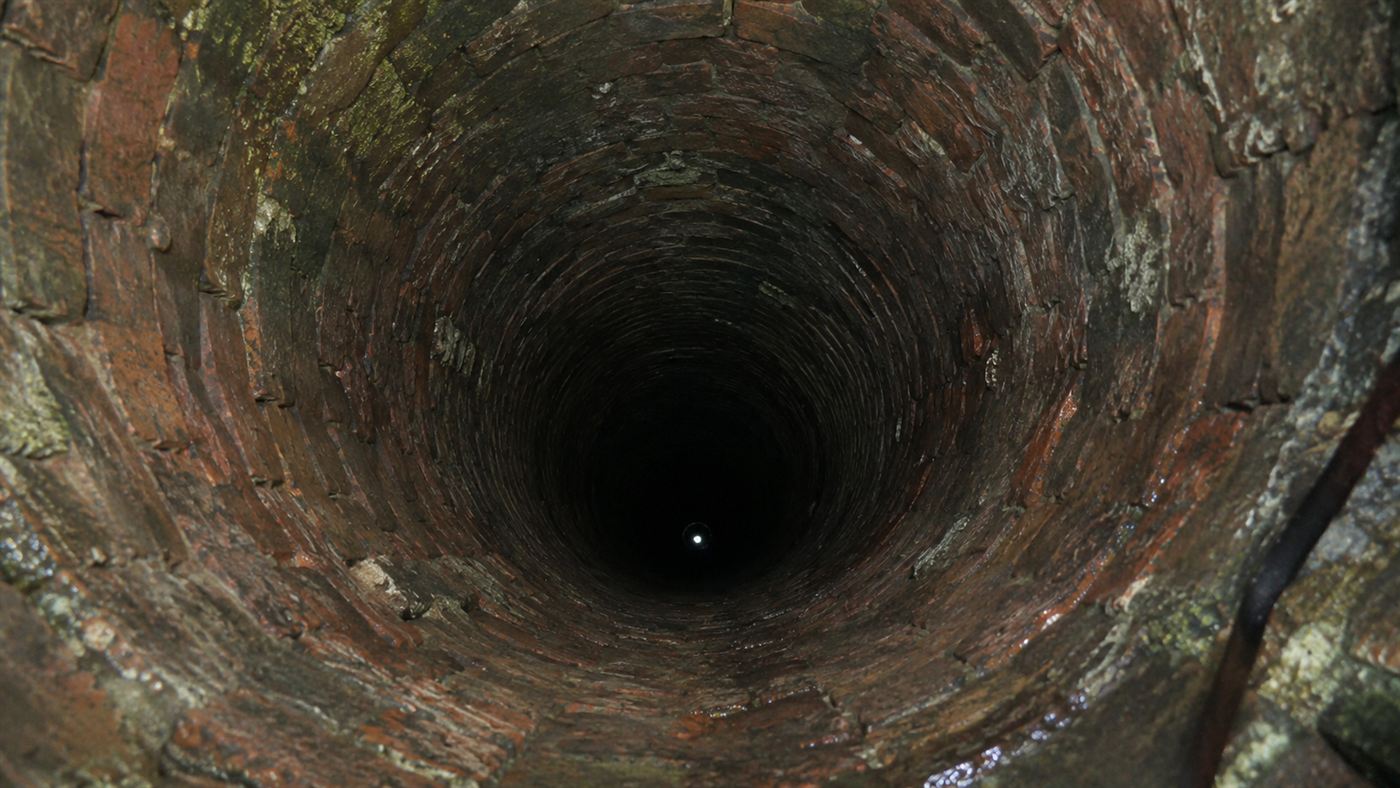
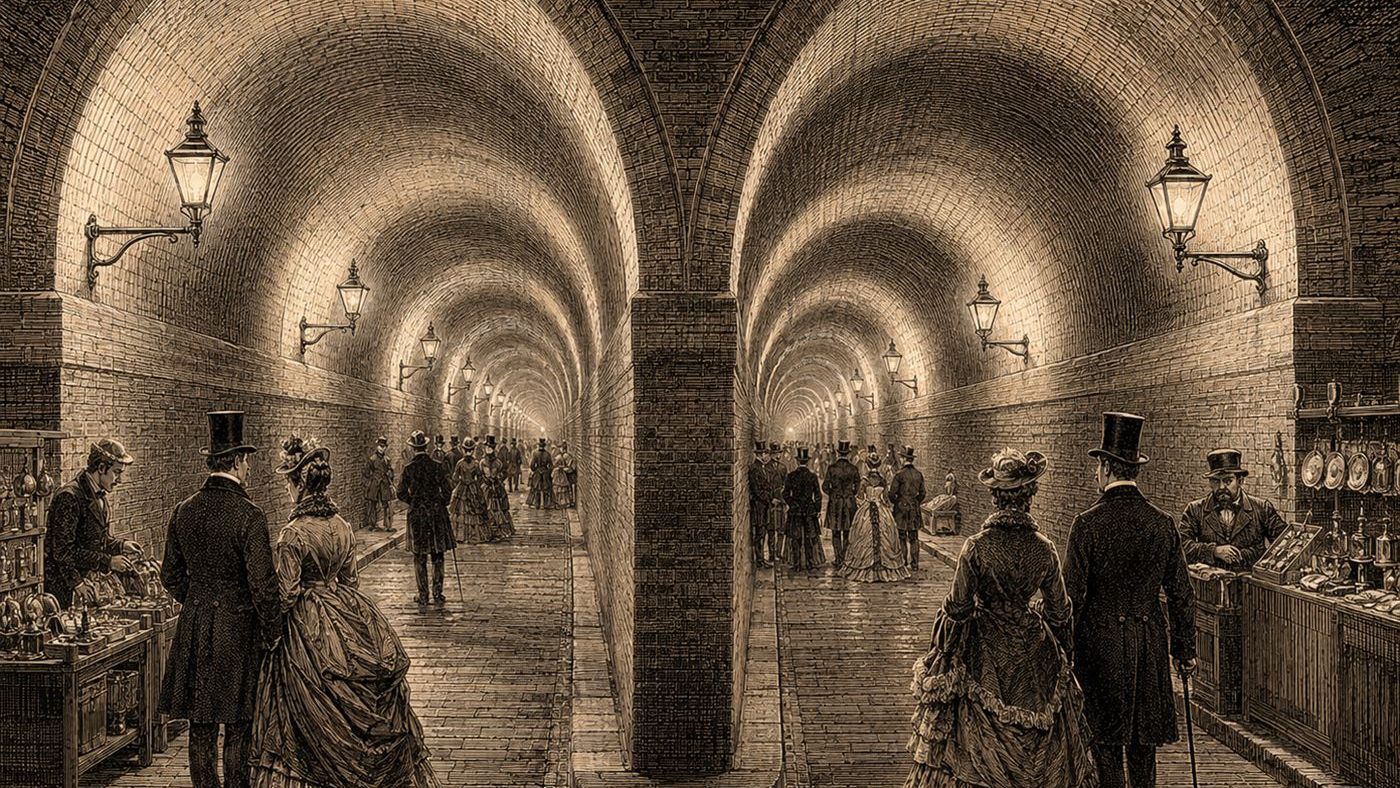
The Woodingdean Well drops more than 390 metres straight down, all of it dug by hand. Illustration: Watts & Wild.
The Woodingdean Well, on the chalk downs above Brighton in the south of England, is one of those quietly staggering achievements that almost nobody has heard of. There is nothing to see today but a modest marker, because the whole thing is a hole in the ground. But that hole holds a world record, and a genuinely harrowing human story, that puts a lot of more famous mega-projects to shame.
And like so many epics, it started with someone trying to be cheap.
What is the Woodingdean Well?
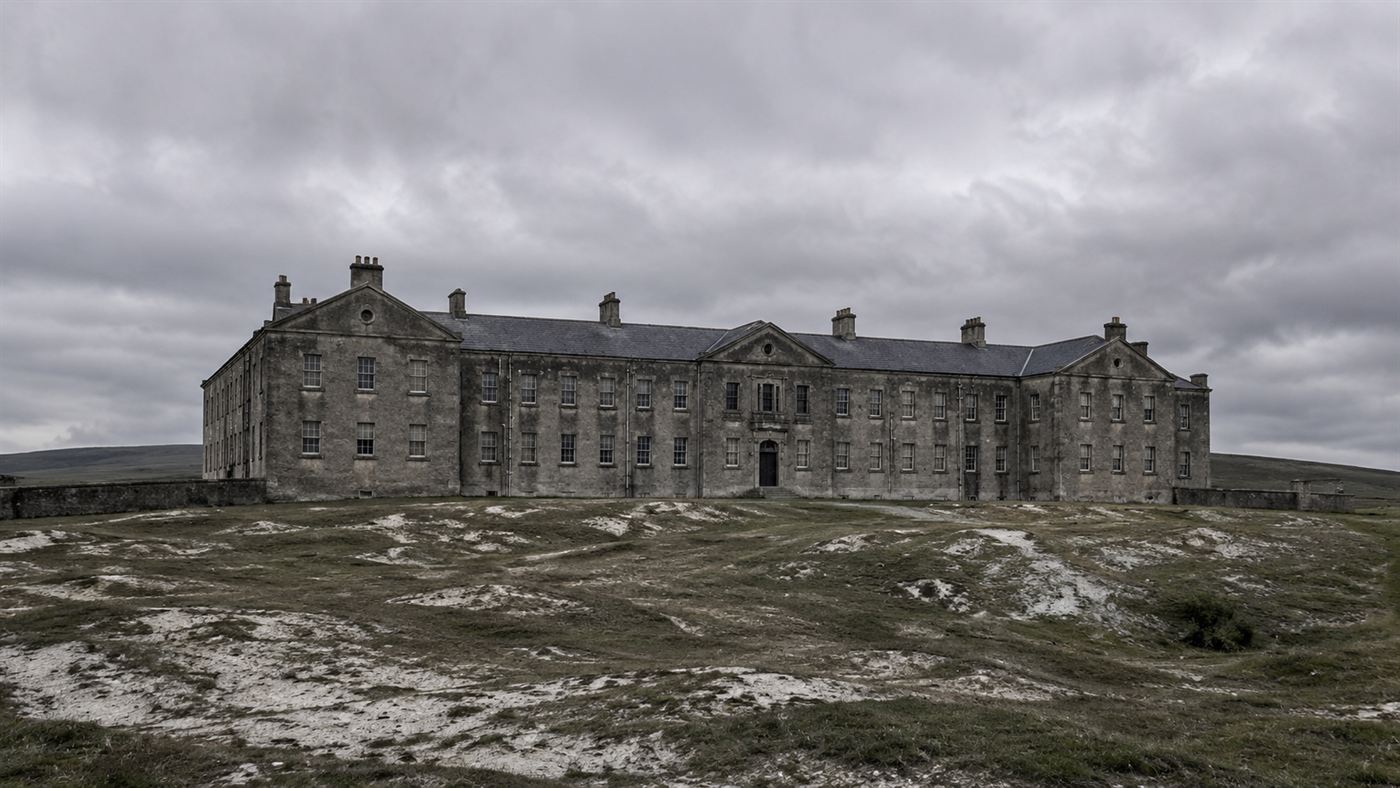
In 1858, the Brighton authorities were building a new workhouse and industrial school out on the downs, and they needed a water supply for it. The obvious option was to buy water from the local water company, but that would cost money year after year. So the guardians decided to sink their own well instead, a one-off expense that would save them paying the bill forever. It seemed like sound economy.
They had one crucial assumption: that they would strike water at a reasonable depth, perhaps around 400 feet. What they actually got was a shaft that plunged to 391.6 metres, about 1,285 feet, the deepest hand-dug well anywhere in the world, with more than 800 feet of it below sea level. To put that in perspective, the well is deeper than the Empire State Building is tall. And every single foot of it was excavated by human muscle.
A cost-cutting measure that went very wrong
The labour came from the cheapest source the Victorians could find: the workhouse itself. The digging was done largely by paupers and inmates, the poor and the desperate who had ended up in the care of the parish, working for little more than their keep. It was, even by the standards of the day, brutal work.
The economics curdled almost immediately. The diggers passed 400 feet and found no water. So they kept going. They passed 600 feet, then 800, then 1,000, the supposed money-saving well swallowing time and labour while the bottom stayed stubbornly dry. What had been planned as a quick, cheap job became a four-year ordeal, a hole that seemed to have no end, sustained only by the grim logic that having dug so far, they could hardly stop now.
Four years of digging in the dark
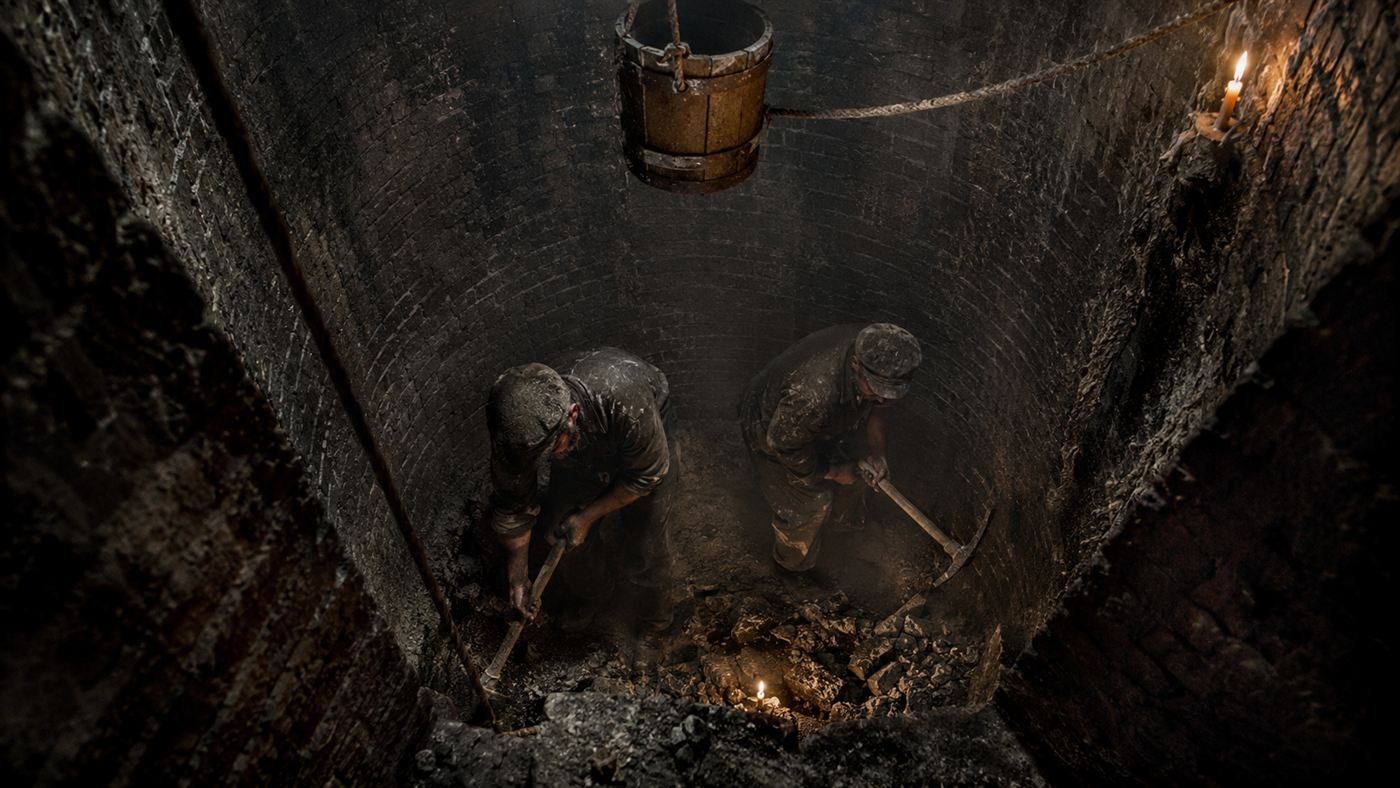
Imagine the conditions. The men worked at the bottom of an ever-deepening shaft, lit only by candles, in air that grew worse the deeper they went. Spoil was hauled up bucket by bucket on ropes, and the workers themselves were lowered and raised the same way, dangling over a drop that eventually exceeded a thousand feet. A single mistake, a snapped rope or a fall, would have been instantly fatal.
Day after day, for four years, this went on, the shaft creeping downward at a painfully slow pace through the chalk. It is a feat of sheer human endurance that ranks alongside any tunnel or skyscraper, and yet it was performed not by celebrated engineers but by the anonymous poor of Brighton, whose names are largely lost. The well is, in a real sense, a monument to them.
The night the water finally came
The end, when it came, was nearly a disaster. On 16 March 1862, the men working at the very bottom noticed something terrifying: the thin floor of rock beneath their feet was being pushed upward, bulging, as the immense pressure of water trapped below finally found its way toward the shaft.
They scrambled for the ropes and were hauled up the enormous shaft as fast as the men above could pull, with the water surging up behind them. They made it out alive, and the well, after four years of dry despair, at last filled with water. That water would go on to supply the workhouse and the growing community for the best part of a century, a strange and hard-won reward for one of the most extreme digging jobs ever attempted.
The honest catch
A note of caution on the superlatives. The Woodingdean Well is recognised as the deepest hand-dug well in the world, which is a wonderfully specific record; there are of course far deeper holes drilled by machines, like the Kola Superdeep Borehole, but those are a completely different kind of feat. The point of Woodingdean is precisely that it was done with hands, ropes, buckets and candles, with no powered machinery at all.
It is also, viewed coldly, a monument to a false economy and to the casual exploitation of the poor. The whole epic existed only because it was cheaper to risk the lives of paupers in a bottomless shaft than to pay a water company, and that uncomfortable fact sits at the bottom of the well alongside everything else. The achievement is astonishing; the reason for it is not something to celebrate.
Why the Woodingdean Well still matters
The well is a perfect, miniature lesson in how grand engineering really happens. We tend to remember the great Victorian works as triumphs of brilliant engineers, but most of them, like this one, were actually built by the muscle and suffering of nameless labourers, and many began as someone's attempt to save a bit of money.
That is why a humble hole in the Sussex chalk deserves to stand alongside the cathedrals and railways. It is proof that some of the most extreme things human beings have ever done were achieved not with machines or genius but with desperation, a rope and a candle, by people history forgot to name. The deepest hand-dug well on Earth is, in the end, a memorial to them.
To dodge a water bill, the poor of Brighton hand-dug a hole deeper than a skyscraper and nearly drowned for it. How many of history's "marvels" were really just desperate people doing the impossible because someone wanted to save money? Tell us what you think in the comments.
Related reading: If Woodingdean is the deepest hole dug by hand, the Kola Superdeep Borehole is the deepest ever drilled, until the rock itself grew too hot to continue.