Given up for dead, then a note came up from half a mile down
When the mountain collapsed above them, 33 men were sealed inside a copper mine in the Chilean desert, 700 metres below the surface. For 17 days the drills found nothing but rock, and the world quietly began to grieve. Then a probe came back up with a scrap of paper taped to it, scrawled in pencil: we are well, all 33 of us. The Chilean miners were alive.
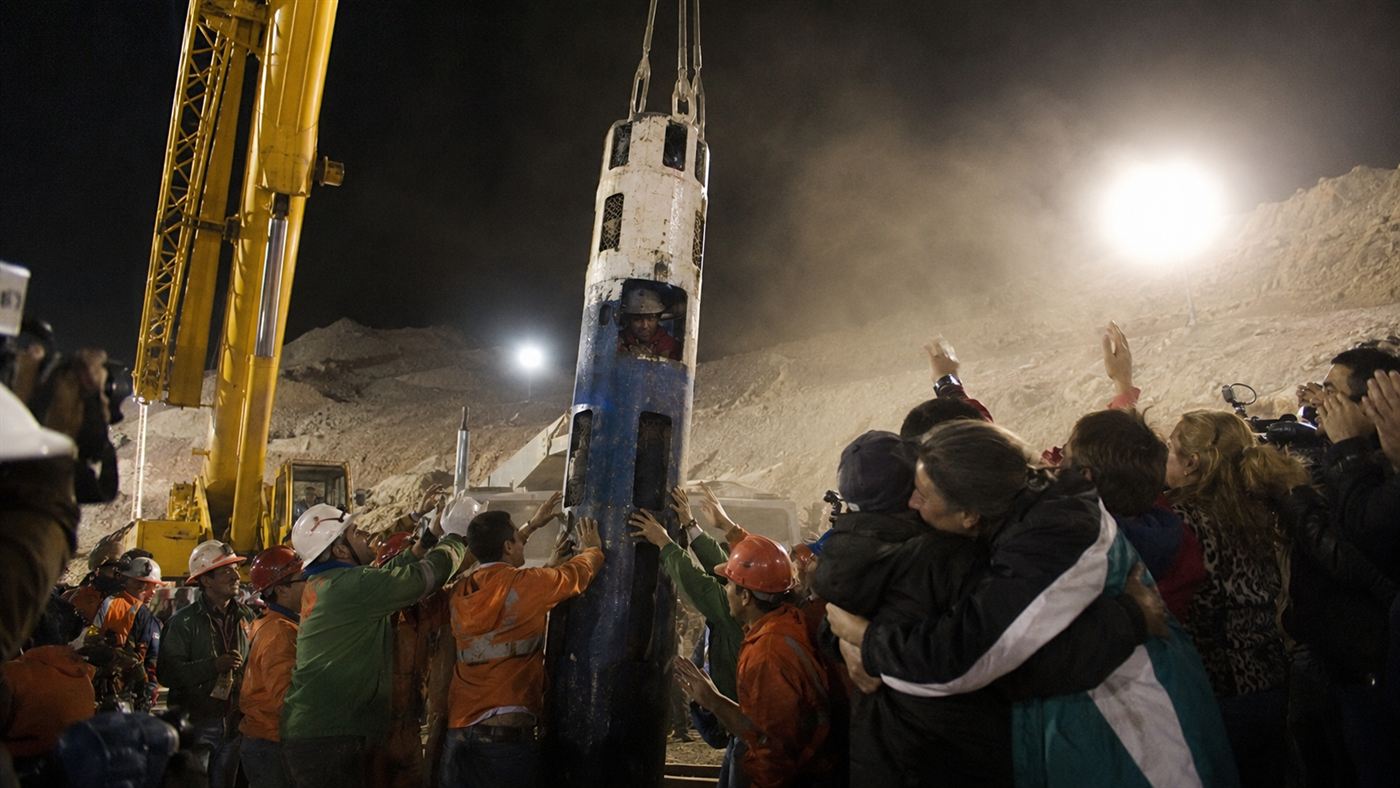
The capsule that carried the men up one by one, watched by a billion people. Illustration: Watts & Wild.
It became one of the most-watched live events in history, but the rescue at the end was only half the story. The deeper miracle of the Chilean miners is what they did to stay alive, and sane, in the dark for more than two months while the surface fought to reach them.
It is a story about engineering against impossible odds, and about the discipline of 33 ordinary men who refused to fall apart.
The day the mine fell in
On 5 August 2010, the San Jose copper and gold mine near Copiapo, in Chile's Atacama Desert, suffered a catastrophic collapse. A massive slab of rock sealed the tunnel, leaving 33 men trapped about 700 metres underground and some five kilometres from the entrance, with no clear way out.
They gathered in an emergency refuge, a small chamber meant to shelter workers in a crisis, and took stock. There was almost no food, just a couple of days' worth of emergency rations for a handful of men, now shared among 33. There was water, dirty but drinkable, pooled in the tunnels. And there was the heat, the dark, and the crushing uncertainty of whether anyone above even knew they had survived.
Seventeen days in the dark
On the surface, the rescue was nearly blind. Drills punched down toward where the men were thought to be, but the maps were poor and the rock kept deflecting the bits. For seventeen days there was no contact at all, and with each failed bore the chances that anyone was still alive seemed to shrink toward zero.
Below, the miners rationed their scraps with extraordinary discipline, a spoonful of tuna and a sip of milk every other day, stretching two days of food across two weeks. Their shift leader organised the group, assigning roles and keeping order, while others kept spirits up however they could. They were slowly starving in the heat, listening to the distant grind of drills that kept missing them, holding on for a rescue that might never come.
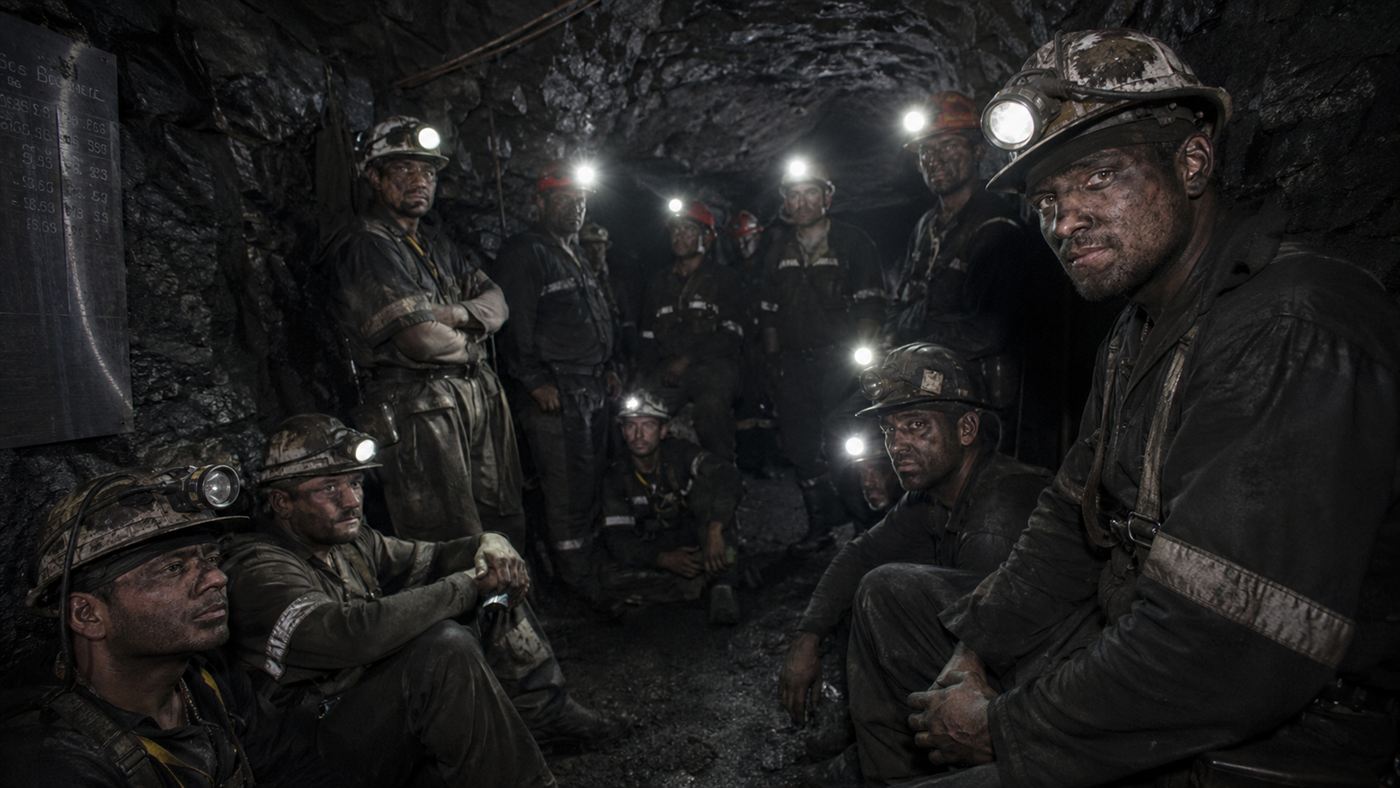
"We are well, all 33"
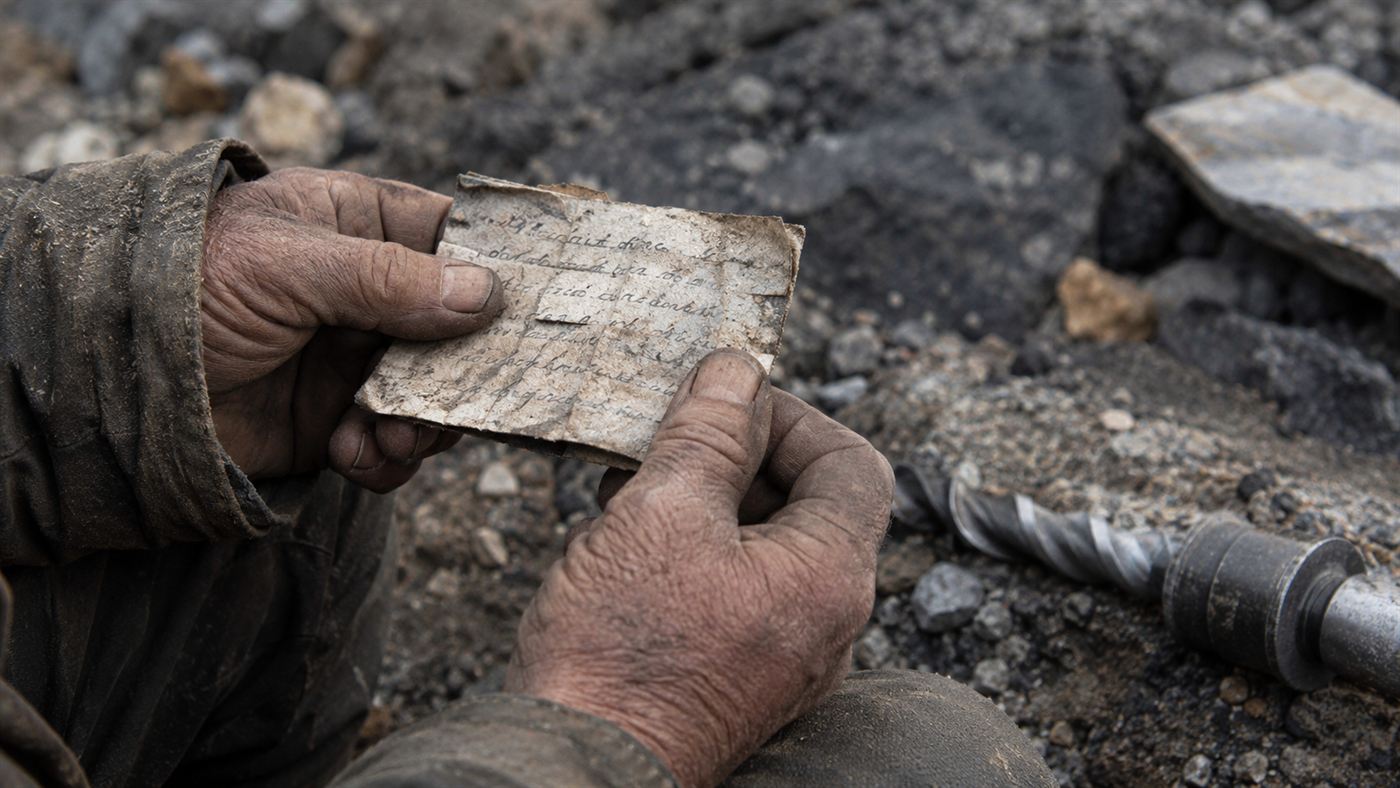
Then, on the seventeenth day, a probe finally broke through into a tunnel near the refuge. When the crew above pulled the drill back up, something was attached to the end of it. Taped to the bit was a note, written in red pencil: "Estamos bien en el refugio, los 33", meaning "We are well in the refuge, the 33".
The effect was electric. A disaster that had seemed certain to end in 33 funerals was suddenly a rescue mission with living men at the bottom of it. Through that narrow borehole and others like it, the surface began sending down food, water, letters and medicine in slim tubes the miners nicknamed doves. The men were alive, they were in contact, and now the only question was how on earth to get them out from under half a kilometre of solid rock.
The capsule called Phoenix
Getting them out meant drilling a shaft wide enough for a human body straight down to the trapped men, a slow and uncertain task with several rigs racing in parallel. Meanwhile the Chilean Navy, with design input from NASA, built a steel rescue capsule named Fenix, barely wider than a man's shoulders, to winch the miners up one at a time.
After 69 days underground, the rescue finally came. Just after midnight on 13 October 2010, the first man rose out of the ground in the capsule to an explosion of relief, and over the following day, one by one, all 33 were lifted to the surface, the shift leader insisting on being the last to leave. An estimated billion people watched it happen live. It is worth being honest that the story did not simply end happily; many of the men carried lasting trauma, and some struggled for years with the strain and the sudden fame. But every single one of the 33 came home alive, which is its own kind of impossible.
How long were the Chilean miners trapped?
Sixty-nine days in total. The Chilean miners were trapped from the collapse on 5 August 2010 until the last man was lifted out on 13 October, and for the first seventeen of those days nobody above ground knew if they were still alive.
That timeline is what makes the survival so staggering. It is not only that they endured more than two months underground, but that they did it after starting with almost nothing, holding themselves together through the worst stretch, the early days of starvation and silence, before the world even knew to fight for them.
How were the Chilean miners rescued?
Through a shaft barely wider than their shoulders. Once contact was made, rescuers drilled an escape hole down to the refuge and used the purpose-built Fenix capsule to winch the miners up through the rock one at a time.
The rescue was a remarkable mix of international expertise, advanced drilling, and a good deal of luck, all aimed at a target the size of a room, hundreds of metres straight down. But none of the engineering would have mattered without the men at the bottom keeping each other alive long enough to be reached. The machines got them out. Their own discipline is what kept them there to be rescued at all.
Thirty-three men were written off as lost, and every one of them walked back into the light. What is it about a few people refusing to give up that can hold the whole world's attention at once? Tell us what you think in the comments.
Related reading: the Kola Superdeep Borehole, humanity's deepest hole, and what the drillers found on the way down, and the Cuyahoga River fire, the burning river that helped clean up a nation's water.