A $10 billion telescope had to unfold itself like origami a million miles from Earth, with 344 ways to fail and no one able to fix it
The James Webb Space Telescope was too big to fly. To fit inside its rocket, the most expensive science instrument ever built had to be folded up like origami, then taught to unfold itself in deep space, alone, with no astronaut anywhere near enough to save it if a single step went wrong.
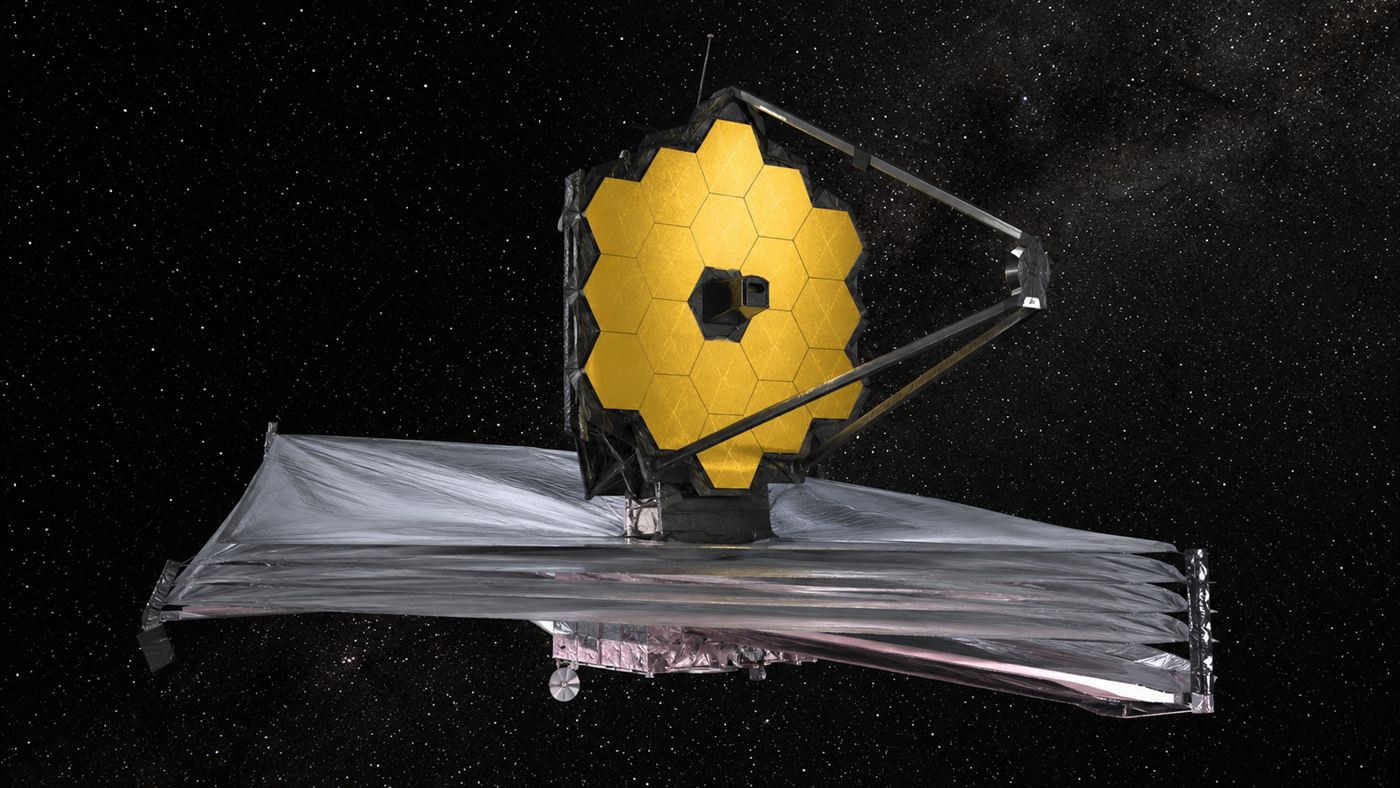
Webb's 6.5-metre golden mirror sits above a sunshield the size of a tennis court. Illustration: Watts & Wild.
On 25 December 2021, after more than two decades of work and roughly $10 billion, the James Webb Space Telescope finally launched from French Guiana. It is the successor to Hubble, built to see further back in time than any instrument before it, with a gold-coated mirror 6.5 metres across made of 18 hexagonal segments. The problem was that a mirror that size, plus a sunshield as big as a tennis court, could not possibly fit inside a rocket as-is.
So the engineers did something audacious. They designed the whole observatory to fold down small enough to launch, and then to reassemble itself in flight, automatically, on the long coast out to its parking spot. Every hinge, motor and latch in that sequence had to work the first time.
Why the James Webb Space Telescope could never be fixed
That is the detail that makes the story terrifying rather than routine. Hubble orbits close to Earth, which is why astronauts could fly up and repair it when its vision came out blurry. Webb does not orbit Earth at all. It sits at a point called L2, around 1.5 million kilometres away, roughly four times farther than the Moon, where it can stay cold and stare into deep space without Earth and Sun in the way.
Nothing crewed can reach L2. As NASA describes the mission, Webb travelled about a million miles to that distant orbit, which is wonderful for astronomy and merciless for engineering. There would be no repair flight, no second attempt, no screwdriver in the dark. Whatever happened on the way out was final.
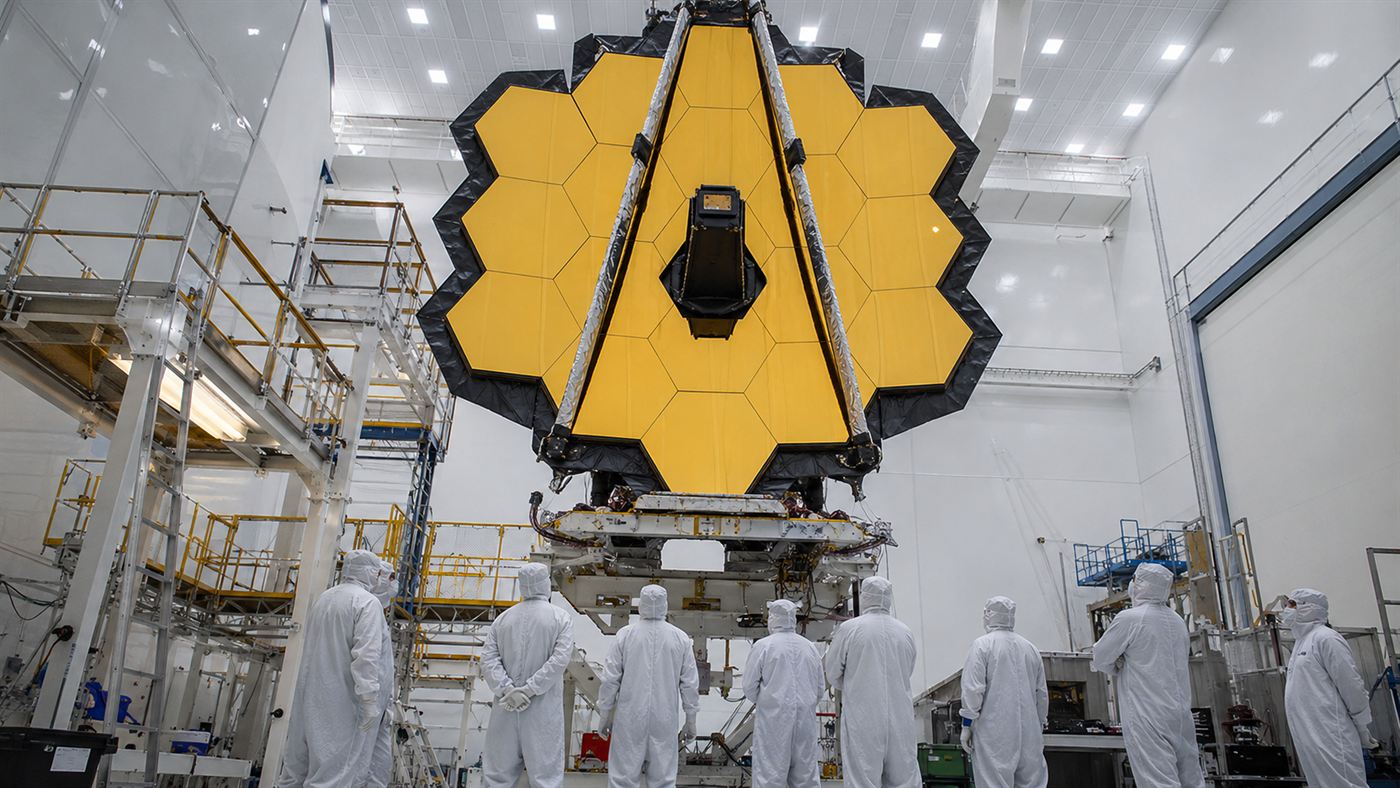
344 ways for it all to end
Engineers counted the dangers exactly, and the number became infamous. As reported widely after launch, Webb had 344 "single points of failure", steps with no backup and no way to recover, each of which simply had to succeed or the entire $10 billion mission was lost. About 80% of those 344 risks were tied to the unfolding alone.
The team called the deployment period the "30 days of terror." Day after day, controllers sent commands and waited, helpless, as the telescope released its mirror wings, unspooled and stretched its five tissue-thin sunshield layers, and locked itself into shape, all of it a million miles away and utterly beyond rescue. Any one of those 344 steps could have turned the most ambitious telescope in history into the most expensive piece of space junk ever made. None of them did.
What it bought us
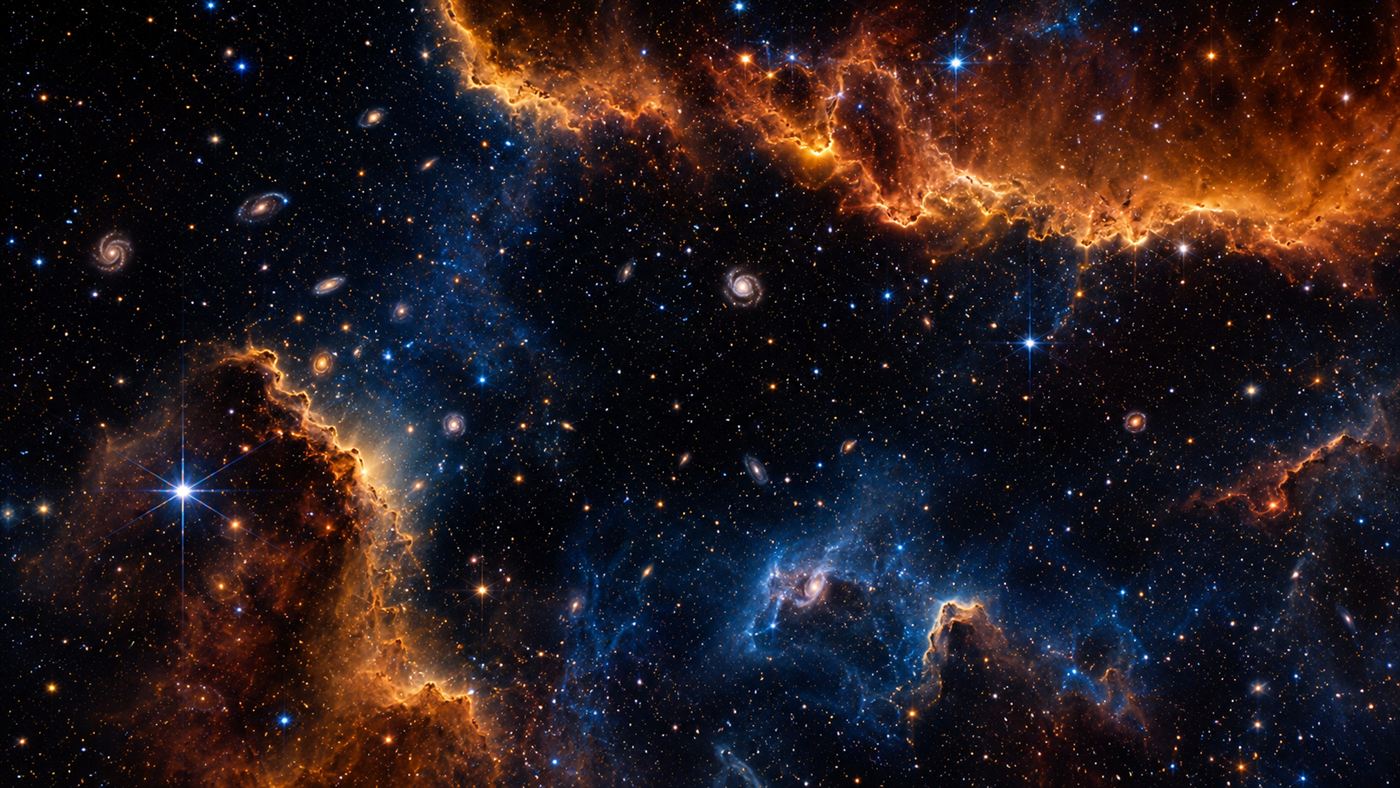
Once it unfolded and cooled, Webb began doing the thing it was built for, looking backwards in time. Because light takes so long to cross the universe, a telescope this powerful sees ancient light, and Webb can pick up the faint infrared glow of galaxies as they were more than 13 billion years ago, close to the dawn of the cosmos. Within weeks of its first images it was already forcing astronomers to rethink how the earliest galaxies formed.
The honest catch
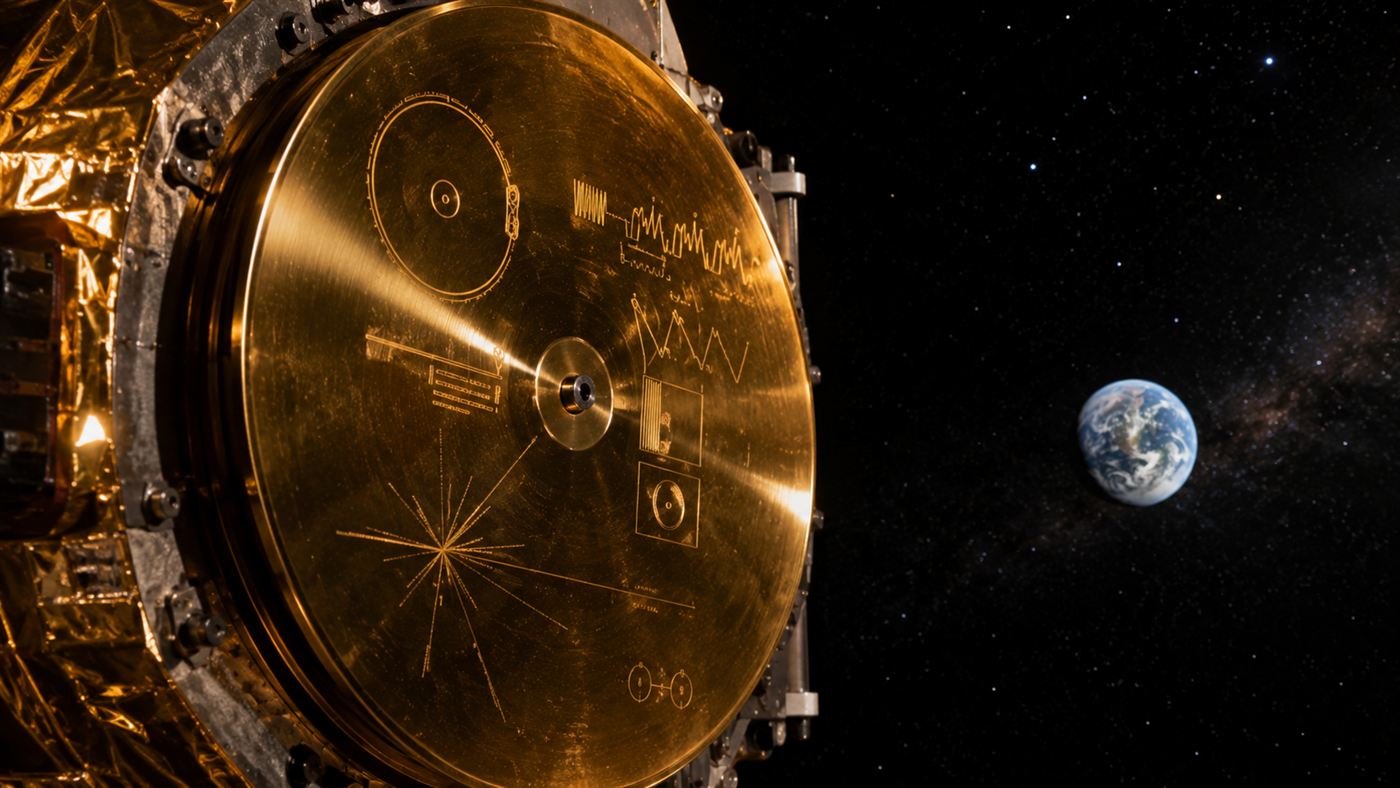
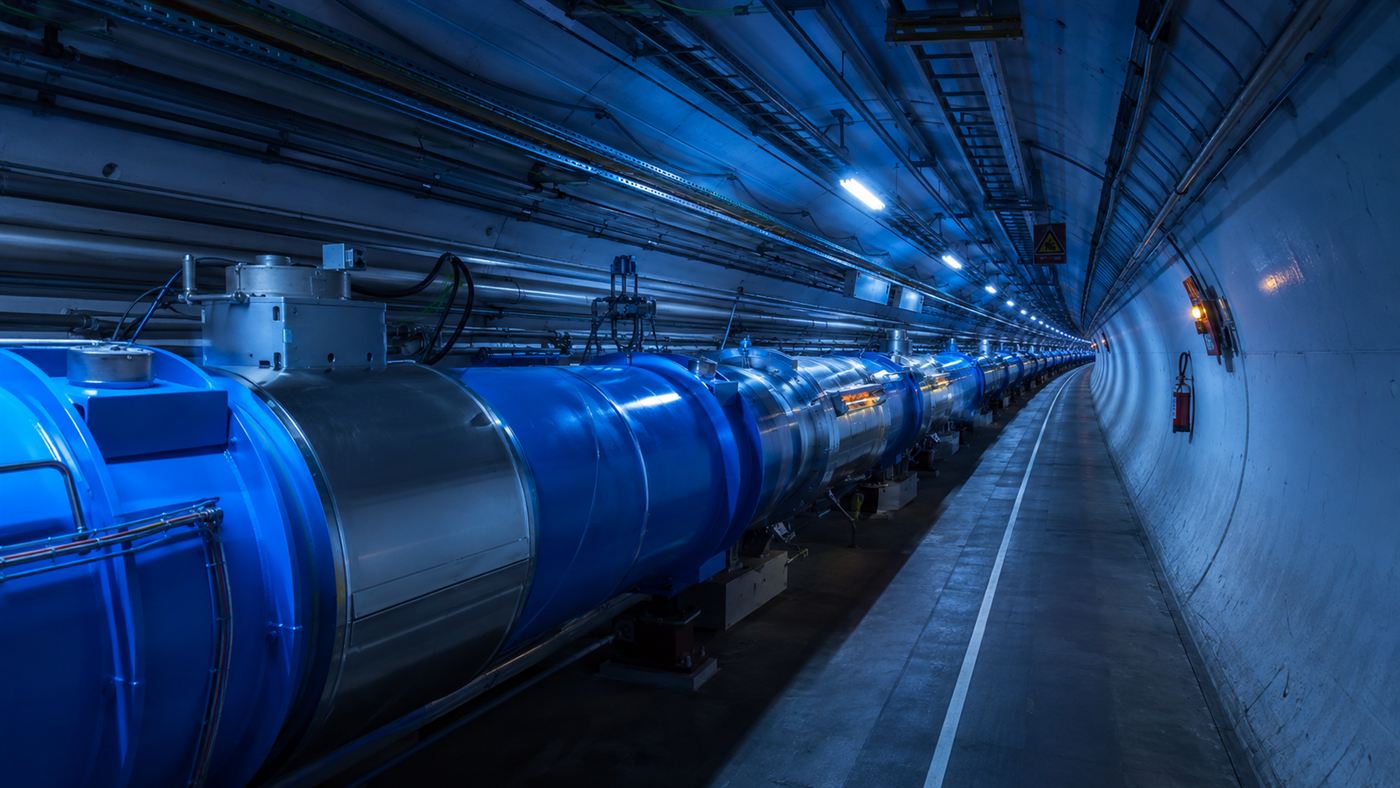
The triumph is real, but it was nearly a scandal. Webb arrived years late and billions over its original budget, and at more than one point its spiralling cost almost got the whole project cancelled by frustrated lawmakers. The gamble of building something that could only succeed all at once was, for a long time, exactly the argument against it. There is also luck folded into the achievement; brilliant engineering lowered the odds of disaster but could never erase them, and a stray bit of debris or one stuck latch could still have ended it. None of that cheapens what happened. Humanity folded a telescope into a rocket, flung it a million miles away, and trusted it to rebuild itself perfectly in the dark, and it did. It sits with the boldest machines we have ever made, from the Large Hadron Collider to the Voyager probes still whispering back from interstellar space.
We built a telescope that could only ever work if 344 things went right in a row, a million miles from any help, and then we let it go. Was that reckless overreach or exactly the kind of bet science should be making? Tell us what you think in the comments.
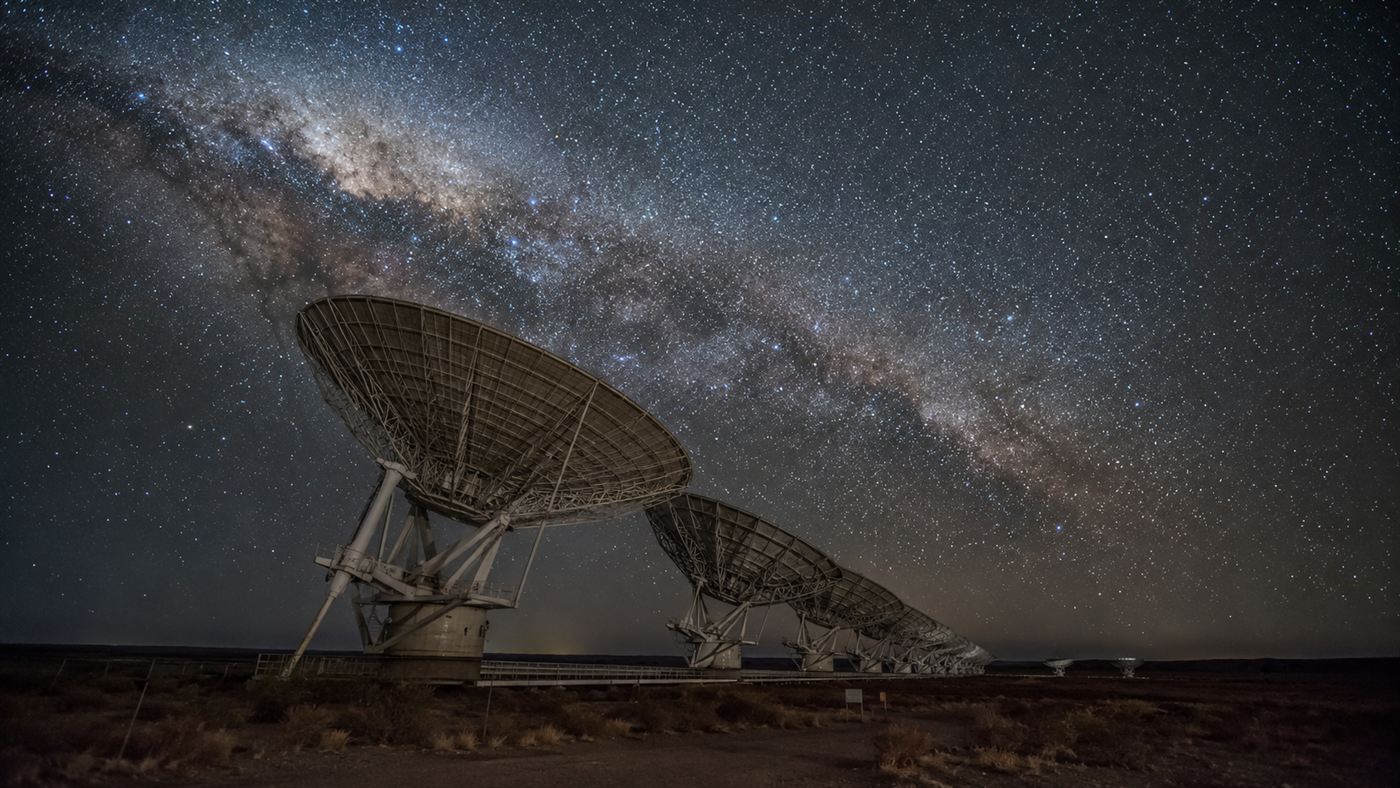
Related reading: the Voyager Golden Record, humanity's message in a bottle flung into interstellar space. On the ground, a whole region of West Virginia goes silent so a radio dish can listen, inside the National Radio Quiet Zone where WiFi and cell phones are banned. And out among the stars, astronomers just found two planets lighter than cotton candy, and watched a giant galaxy and a supermassive black hole being born together.