James Webb caught a giant galaxy and a supermassive black hole being born together in the young universe
In June 2026, astronomers using the James Webb Space Telescope revealed a scene from the deep past that is hard to fathom: half a dozen galaxies crashing together around a growing supermassive black hole, more than 12 billion light-years away. It is a giant caught in the act of being born, in light that set out twelve billion years ago.
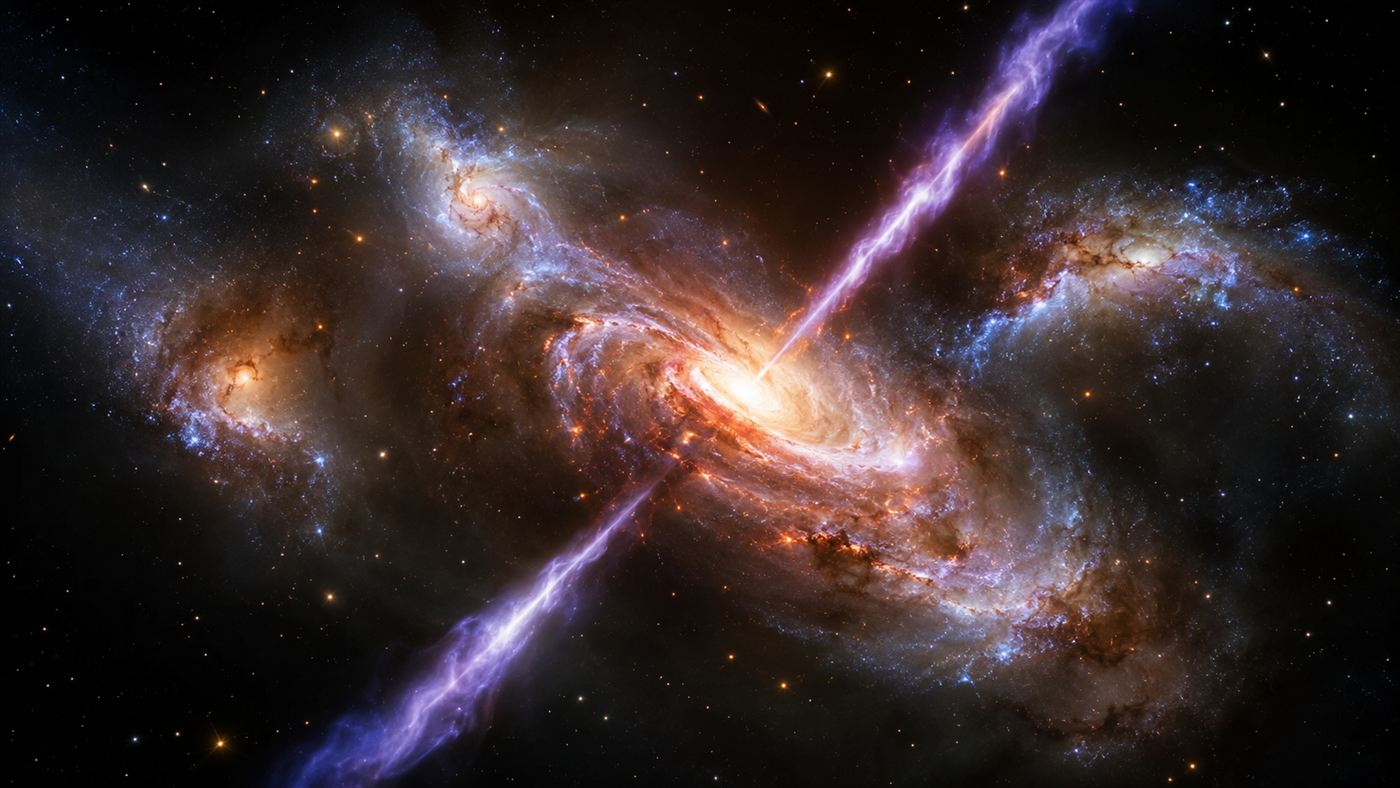
A cluster of young galaxies gathering around a growing black hole in the early universe. Illustration: Watts & Wild.
The system carries the unlovely name TGSSJ1530+1049, and what makes it extraordinary is how crowded it is. The team, led by astronomers at Leiden University and the University of Oxford, expected to find a single bright galaxy. Instead, as one of them, Aayush Saxena, put it, they found not one galaxy but an entire complex of at least six, packed into a tiny patch of the young cosmos.
Four of those galaxies are already startlingly massive, together holding hundreds of billions of stars' worth of material, all squeezed into a region only a few tens of thousands of light-years across. That makes it the densest crowd of star-cities we have ever seen so early in the history of everything, and at its heart sits the growing black hole, blazing with radio waves as it feeds.
The short version is that Webb has caught one of the universe's future giants in its infancy, a whole cluster of galaxies and their central monster assembling together, and the light showing us this left before our own planet existed.
What a growing supermassive black hole tells us
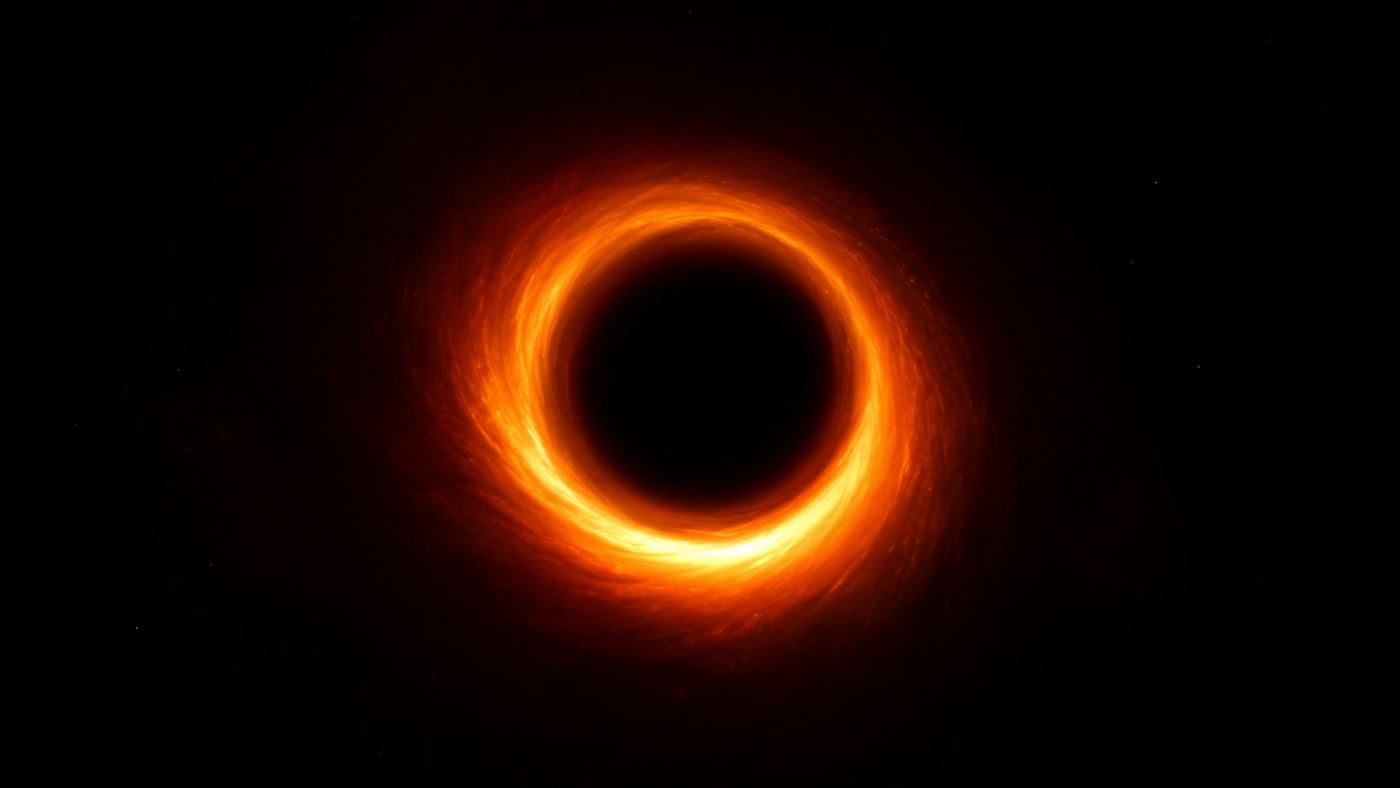
At the centre of almost every big galaxy, including our own, lurks a supermassive black hole, millions or billions of times the mass of the Sun. How these giants grew so large so early has been one of the great puzzles in astronomy, because there seems barely enough time since the Big Bang for them to pack on so much mass so soon.
This one is still young and hungry, actively swallowing matter and firing out powerful radio emission as it does. Catching it in the middle of a pile-up of merging galaxies is a clue to the answer: a monster growing at the centre of it all, fed by the same cosmic collision that is building the galaxies around it. Feasting and building, it seems, go together.
The seed of a colossal galaxy cluster
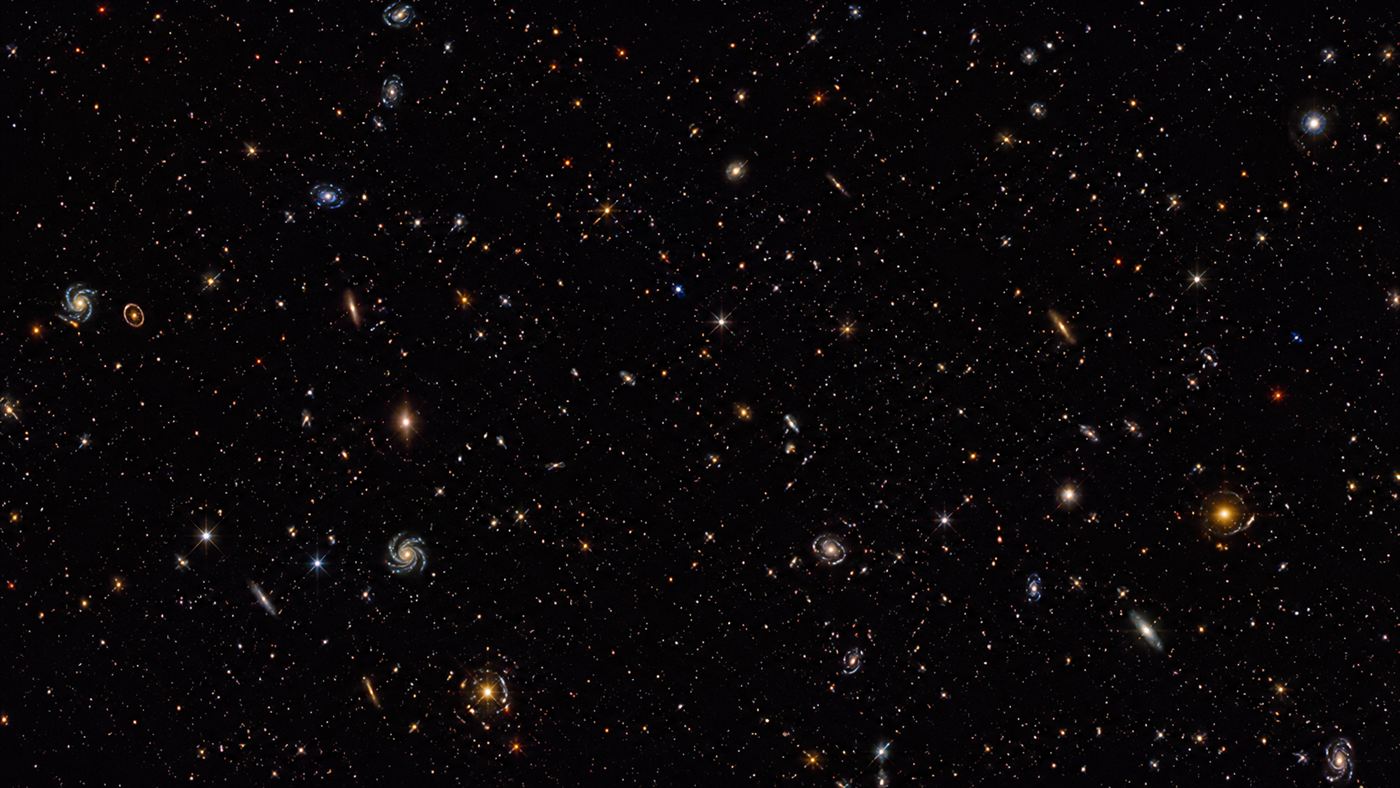
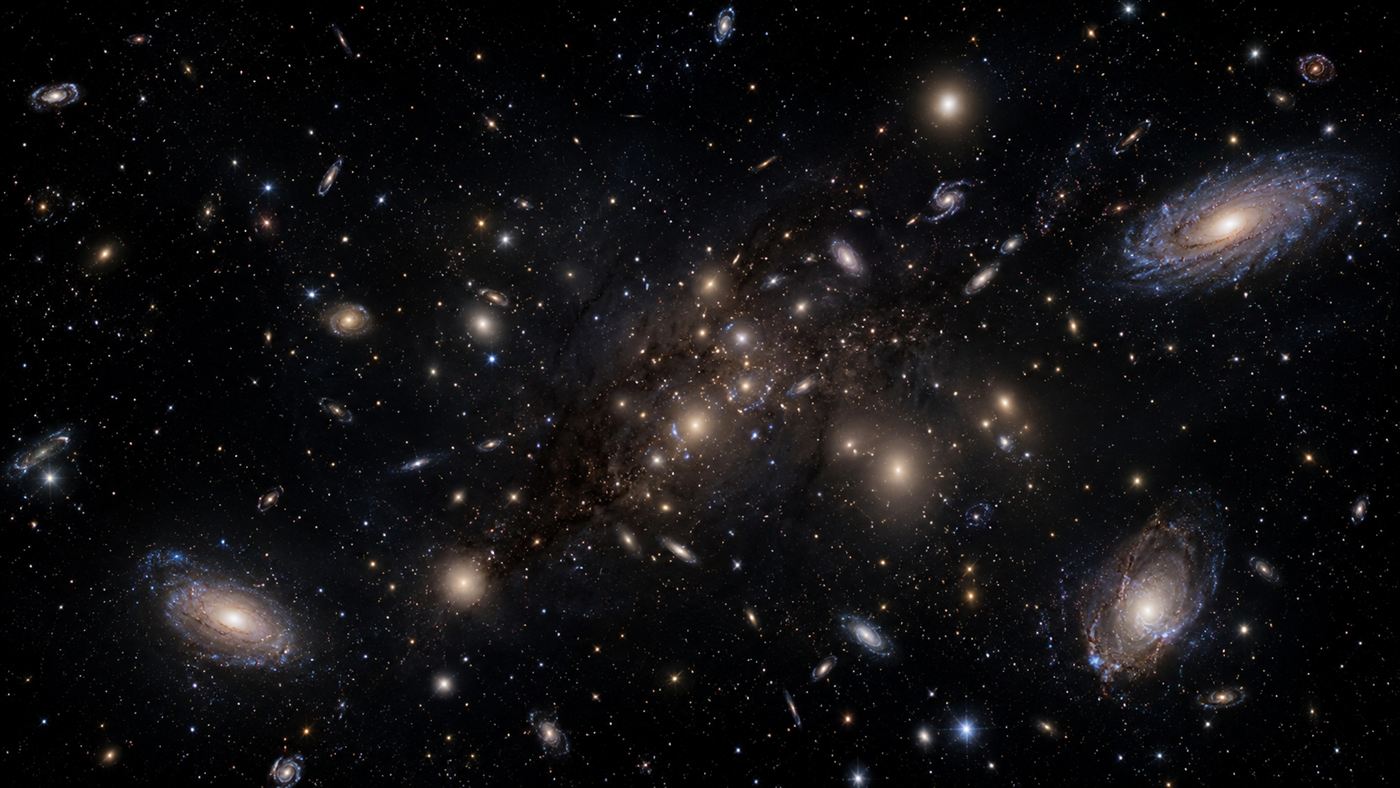
Astronomers call a young, gathering group like this a protocluster, the seed of the enormous galaxy clusters that dot the modern universe, home to hundreds or thousands of galaxies bound together by gravity. Finding one this early, and this dense, is rare and precious, because it shows the very first stages of how the biggest structures in existence come together.
Given billions of years, these six galaxies and their neighbours will likely merge and grow into a single vast city of stars, with the black hole swelling at its core. We are, in effect, looking at a baby photo of a cosmic metropolis, taken so long ago that the metropolis itself has surely long since finished growing up somewhere out in the dark.
How can we see something so far away?
The trick is that looking far into space is looking far back in time. Light travels fast but not instantly, so light from something 12 billion light-years away has spent 12 billion years crossing the void to reach us. We are not seeing this cluster as it is now, but as it was only about 1.5 billion years after the Big Bang, a mere youth compared with the universe's present age.
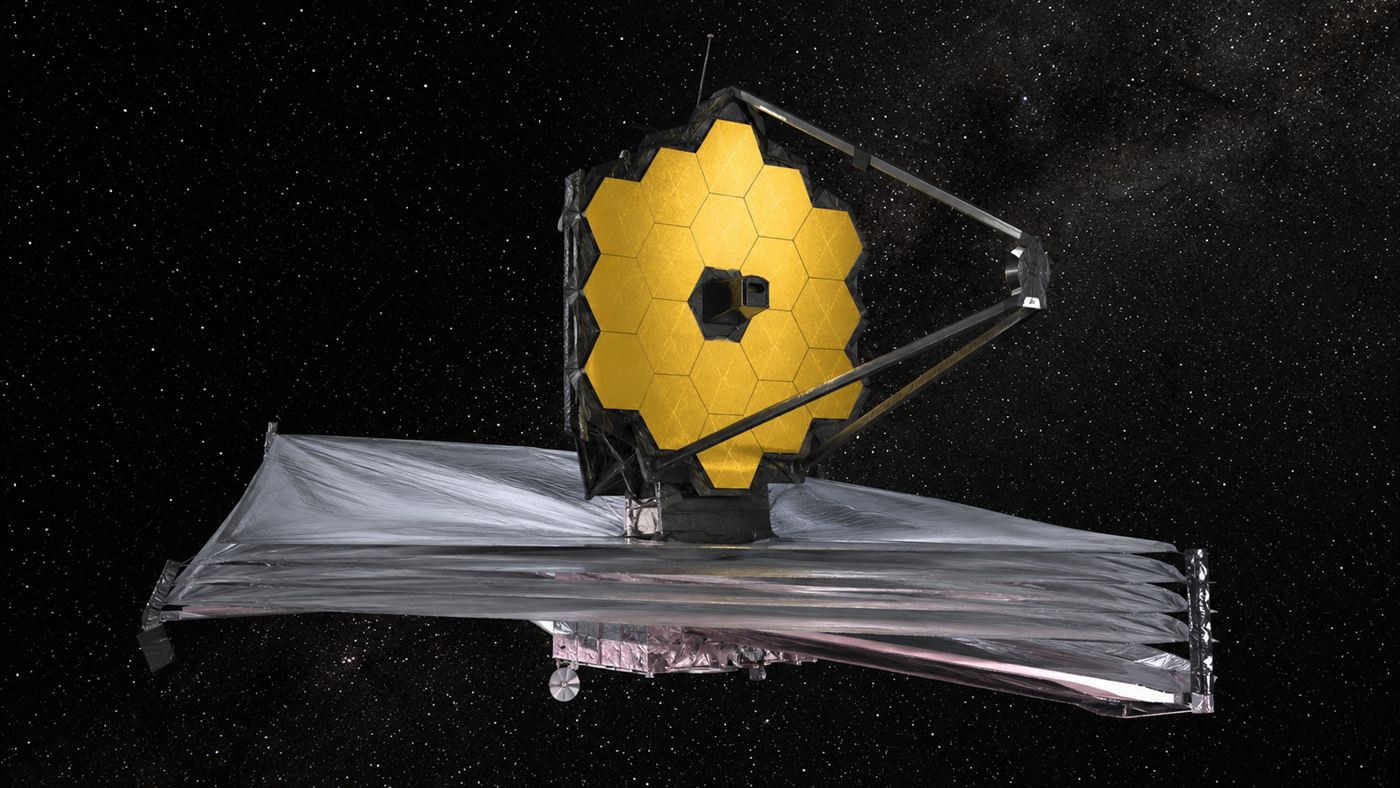
Webb is built precisely for this. Its huge gold mirror and infrared eyes gather the faint, stretched-out light of the earliest cosmos, light too dim and too reddened for earlier telescopes to catch. That power is why, again and again, it keeps surprising astronomers with how grown-up the young universe already looks, the cosmos assembling its giants far faster than expected.
The honest catch
It is tempting to say we watched a galaxy and a black hole being born, and in a poetic sense we did. But honesty asks for some care. We are not watching a live event; we are looking at a single photograph, not a film, a frozen instant from 12 billion years ago, and the real system has spent all that time evolving into something we will never see. What Webb captured is a snapshot, and the story around it is reconstruction.
There is a deeper caution too. Reading the infant universe from a handful of distant smudges is genuinely hard, and Webb has repeatedly forced astronomers to rewrite what they thought they knew, which means todays confident interpretation may be revised tomorrow. That is not a flaw but the engine of science. This crowded, blazing seed of a cluster is a stunning find, and also a reminder that our picture of how the universe grew up is still, wonderfully, being drawn.
Sources: Phys.org on the Webb protocluster discovery, NASA Webb, and ESA/Webb.
Twelve billion years ago, in a corner of the young universe, giants were gathering, and only now has their light reached a telescope built to see it. Does it comfort you or unsettle you that the light you see from the stars is a message from the deep past? Tell us what you think in the comments.
Related reading: the James Webb telescope itself, the giant gold eye reading the dawn of the cosmos. See also the first ever photograph of a black hole, and the strange super-puff planets lighter than cotton candy.