Indian vultures were everywhere until a cheap cattle painkiller wiped out almost all 50 million of them, and losing the silent clean-up crew was tied to half a million human deaths
Indian vultures were once the great unpaid sanitation service of the subcontinent, stripping carcasses clean before disease could spread. In barely a decade a cheap veterinary drug, diclofenac, poisoned almost all of them, and a landmark study has tied the Indian vulture decline to roughly 500,000 human deaths.
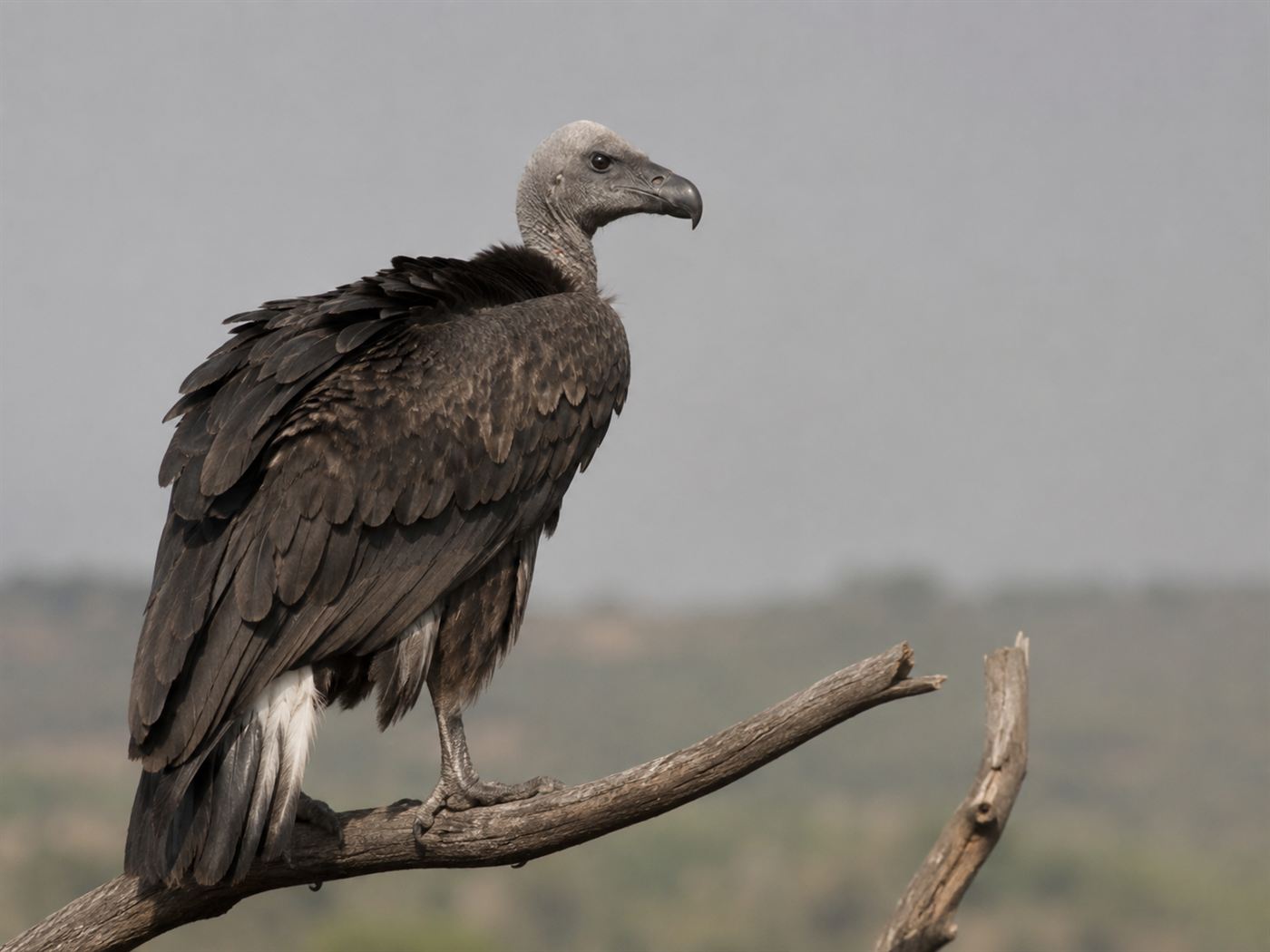
India's vultures were ignored for generations, until they were almost gone. Illustration: Watts & Wild.
Indian vultures were never loved. They were the ugly, hunched birds that squabbled over dead cattle by the roadside, and almost nobody gave them a second thought. That turned out to be a catastrophic mistake, because those birds were quietly holding back disease across an entire subcontinent.
Starting in the mid-1990s, their numbers fell off a cliff. A painkiller called diclofenac, given to sick and working cattle, proved lethal to any vulture that fed on a treated carcass, and the population crashed from tens of millions to almost nothing in about a decade. A 2024 study then put a staggering human price on that loss: around half a million extra deaths.
Indian vultures collapsed in the 1990s and 2000s after cattle were treated with diclofenac, an anti-inflammatory drug that causes fatal kidney failure in the birds. Their numbers fell from roughly 50 million to a few thousand. Without the scavengers to strip carcasses, rotting meat, contaminated water and feral dogs spread, and a 2024 study linked the loss to about 500,000 human deaths.
Why did Indian vultures matter so much?
A vulture is a disposal system with wings.
A flock could reduce a dead cow to bones in well under an hour, and their stomach acid is so corrosive it destroys anthrax, rabies and cholera rather than spreading them.
For centuries that service kept the carcasses of India's enormous livestock herd from piling up and rotting near villages, wells and rivers.
It was free, instant and completely taken for granted, the same kind of quiet ecological work done by the sea otters that guard entire kelp forests.
The birds were even woven into human ritual, with the Parsi community of Mumbai relying on vultures to consume their dead on the Towers of Silence.
When the vultures vanished, that ancient practice quietly broke down too.
How a cattle painkiller drove the Indian vulture decline
The villain in this story is a single cheap molecule.
In the early 1990s, Indian farmers began dosing cattle with diclofenac, a common anti-inflammatory that eased pain in sick and working animals.
As Wikipedia documents, any vulture that fed on a carcass from a recently treated animal suffered fatal kidney failure within days, and three Gyps species crashed by well over 97 percent.
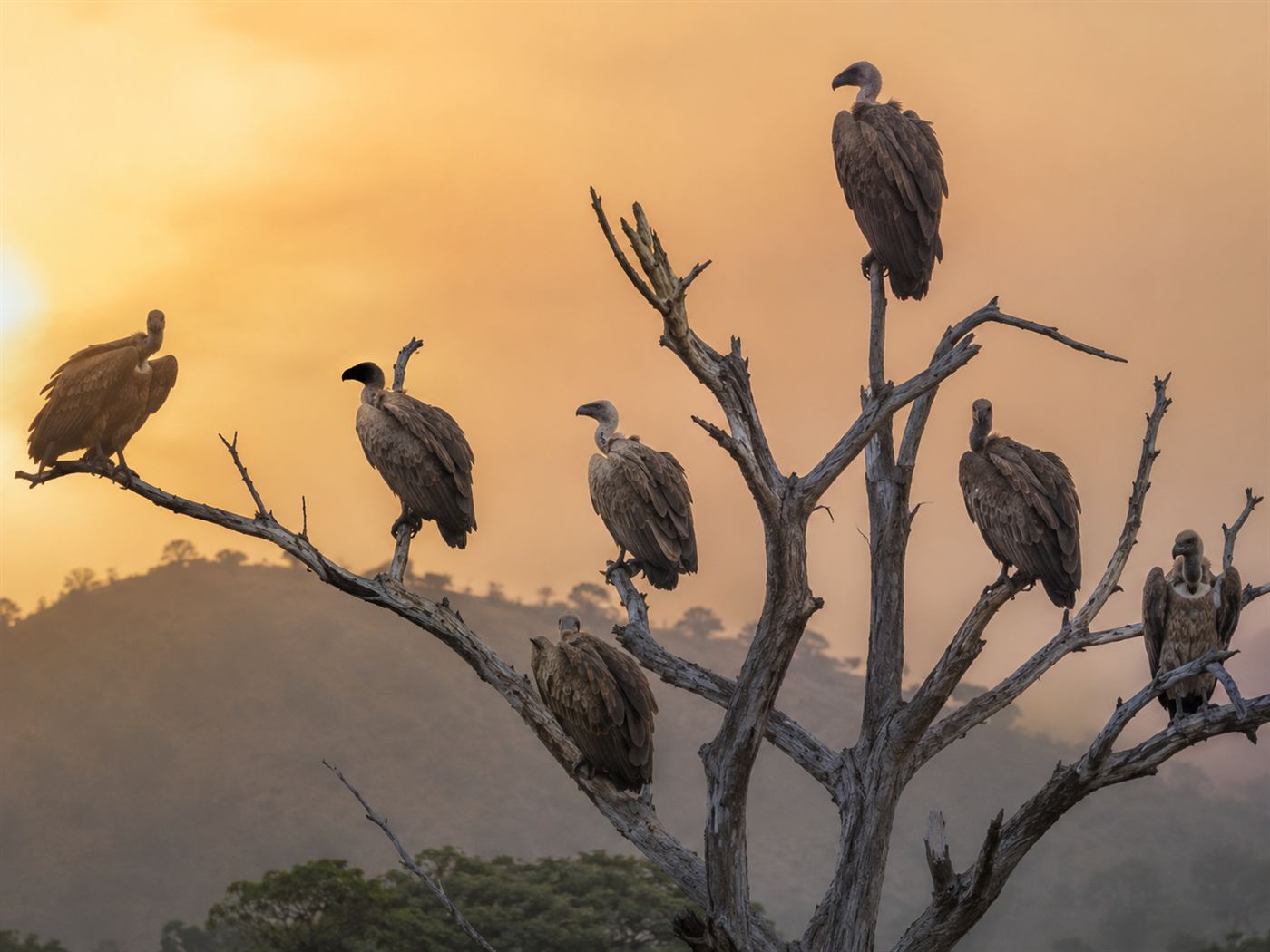
The white-rumped vulture, once perhaps the most abundant large bird of prey on Earth, lost more than 99.9 percent of its population.
For years no one knew why the birds were dying, until researchers at the Bombay Natural History Society and partners traced it to the drug in the early 2000s.
By then the vulture decline had emptied the skies over much of India.
The half-million deaths nobody connected
For a long time the vulture decline looked like a purely ecological tragedy, sad but contained.
A 2024 study by economists Eyal Frank and Anant Sudarshan changed that, by measuring what happened to people in the districts where vultures disappeared fastest.
They also put the figure at more than 69 billion dollars a year in mortality costs.
The mechanism was grimly simple, because without vultures the carcasses rotted in the open, fouling water supplies and feeding an explosion of disease-carrying scavengers.
A bird almost everyone found repulsive turned out to be one of the most valuable public-health workers in the country.
Why did the feral dogs make it worse?
Nature does not leave a free meal uneaten, so something moved in to take the vultures' place.
That something was feral dogs, whose numbers surged as carcasses went uncleared.
Dogs are far messier eaters than vultures, leaving rotting remains behind, and crucially their guts spread pathogens instead of destroying them.
More stray dogs meant far more bites, and India became the world's largest hotspot for rabies, which kills tens of thousands of people a year.
A drug meant to comfort cattle had, through a chain almost nobody saw coming, helped fuel a rabies crisis among the worst in the world.
Bringing the vultures back
The turning point came in 2006, when India banned diclofenac for veterinary use.
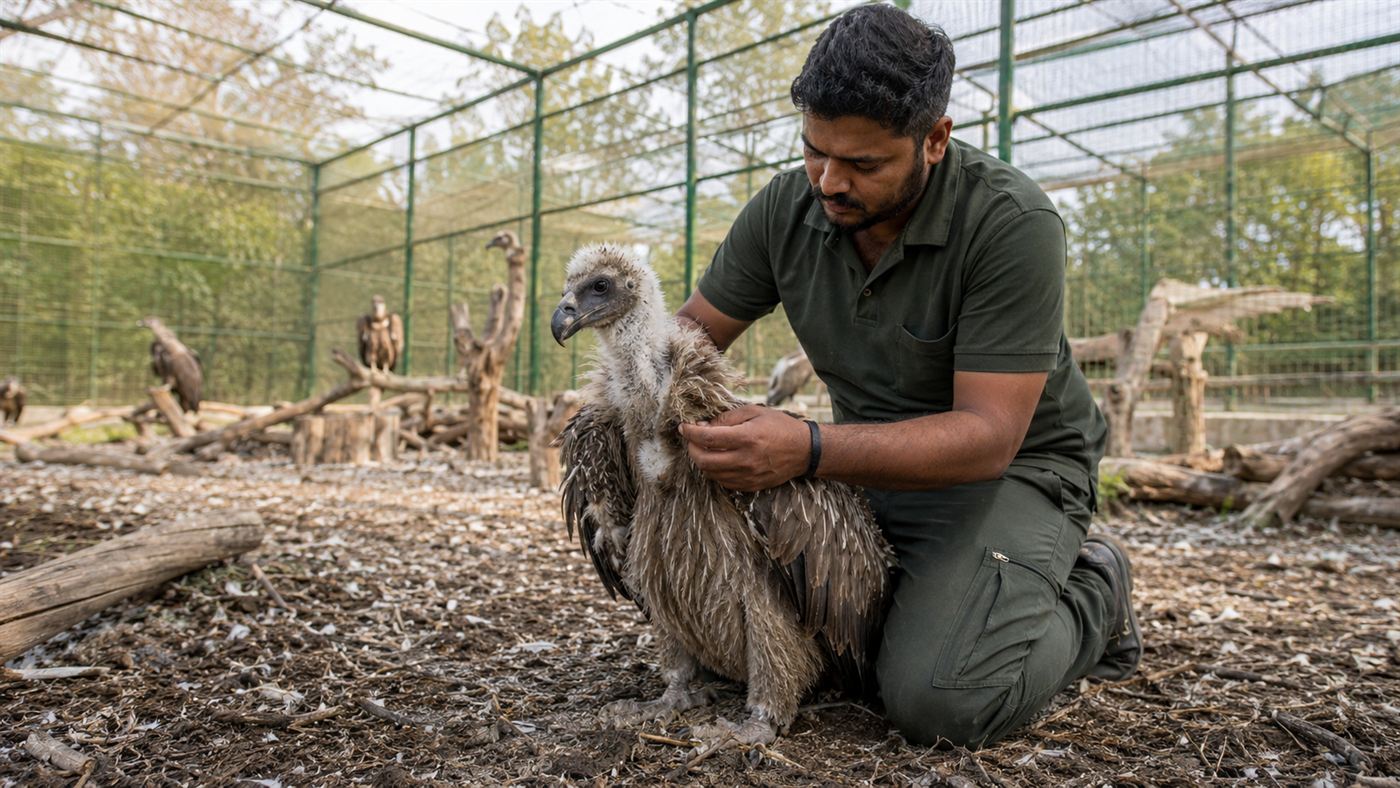
At the same time conservationists began catching the last healthy birds for a captive breeding program, the same desperate insurance policy that saved the California condor.
As the conservation alliance SAVE describes, the captive breeding program now holds more than 800 vultures across centers in Haryana, West Bengal, Madhya Pradesh and Assam, with dozens released back to the wild.
Safe feeding sites stocked with untainted meat, nicknamed vulture restaurants, give the wild survivors poison-free carcasses to eat.
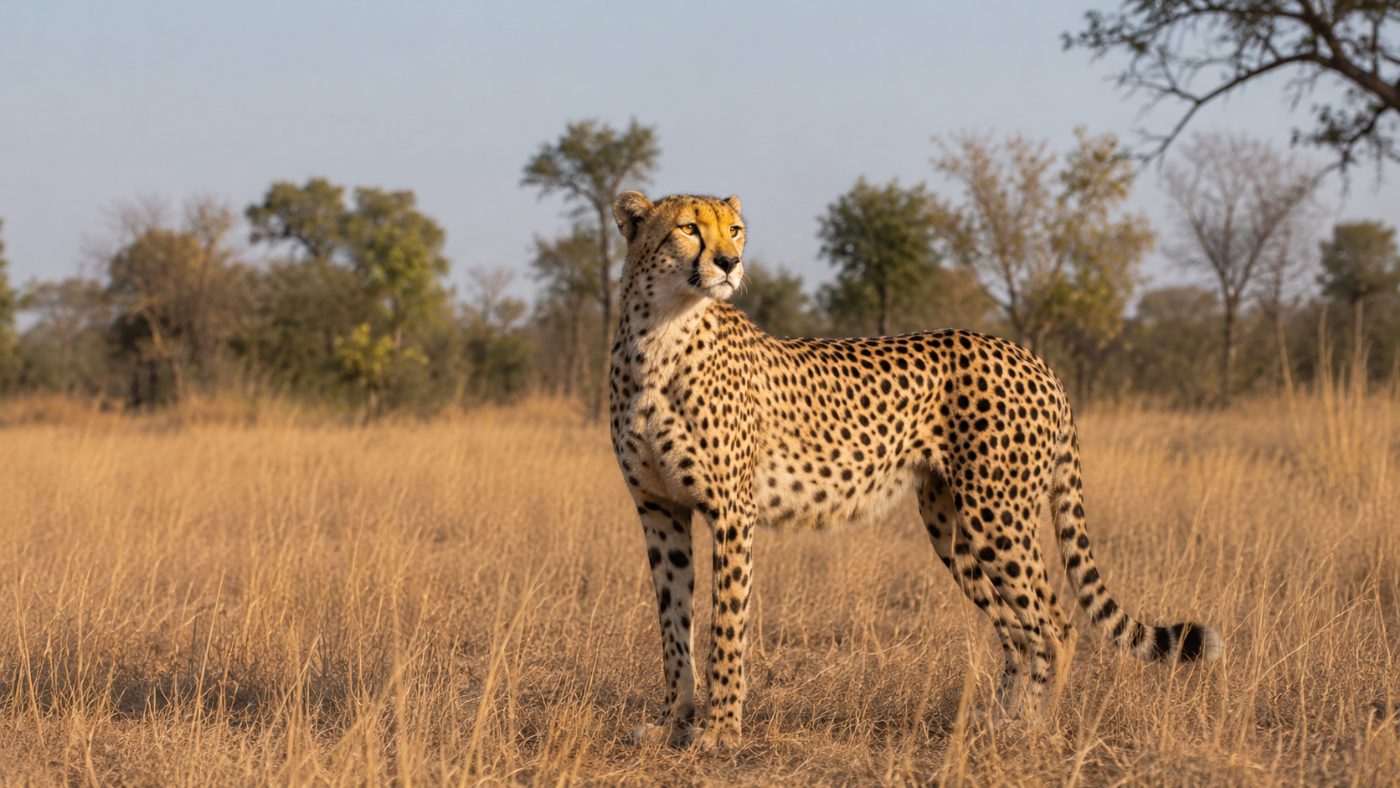
In 2024 and 2025 the effort accelerated, with birds moved to Maharashtra for release and Assam carrying out its first soft release of slender-billed vultures in the Kaziranga landscape, an Indian recovery push in the same spirit as the return of the cheetah.
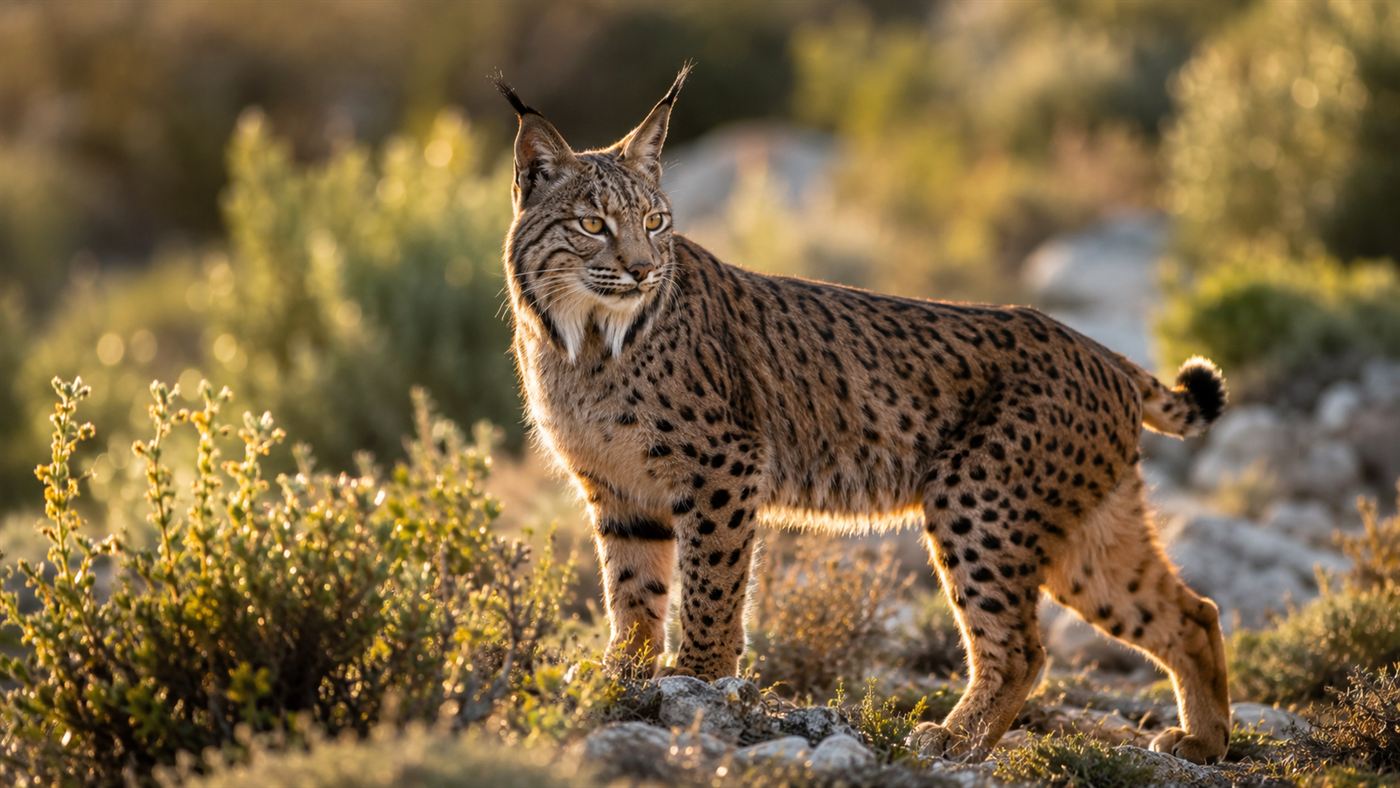
Citizen-science counts in several tiger reserves are now picking up slowly rising numbers, the first real sign the long slide may be turning, much like the rescue that pulled the Iberian lynx off the danger list.
The honest catch
None of this means the vultures are saved.
They breed painfully slowly, usually raising a single chick a year and not maturing until they are about five, so rebuilding tens of millions of birds is the work of generations.
Diclofenac also still leaks into the food chain, because the human version of the drug is cheap and gets diverted to livestock, and other toxic painkillers like aceclofenac and nimesulide remain in use.
The feral dog populations that filled the gap are now entrenched and will not simply retreat.
And the half-million people the study counted are not a risk to be managed but a loss that already happened.
The vulture's story is the clearest warning we have that the ugliest, most overlooked parts of nature can be the ones holding everything else up.
India spent a fortune in lives learning that a vulture is not a nuisance but a piece of infrastructure, as essential as a sewer or a clinic.
Bringing the birds back is slow, unglamorous work, but every released vulture is a small repair to a safety net the country never knew it had.
Which other unloved, overlooked animals might be quietly keeping us safe in ways we will only notice once they are gone? Tell us in the comments.
Related reading: how scientists wiped the invasive murder hornet out of the US before it could reach the honey bees.
More from Watts & Wild
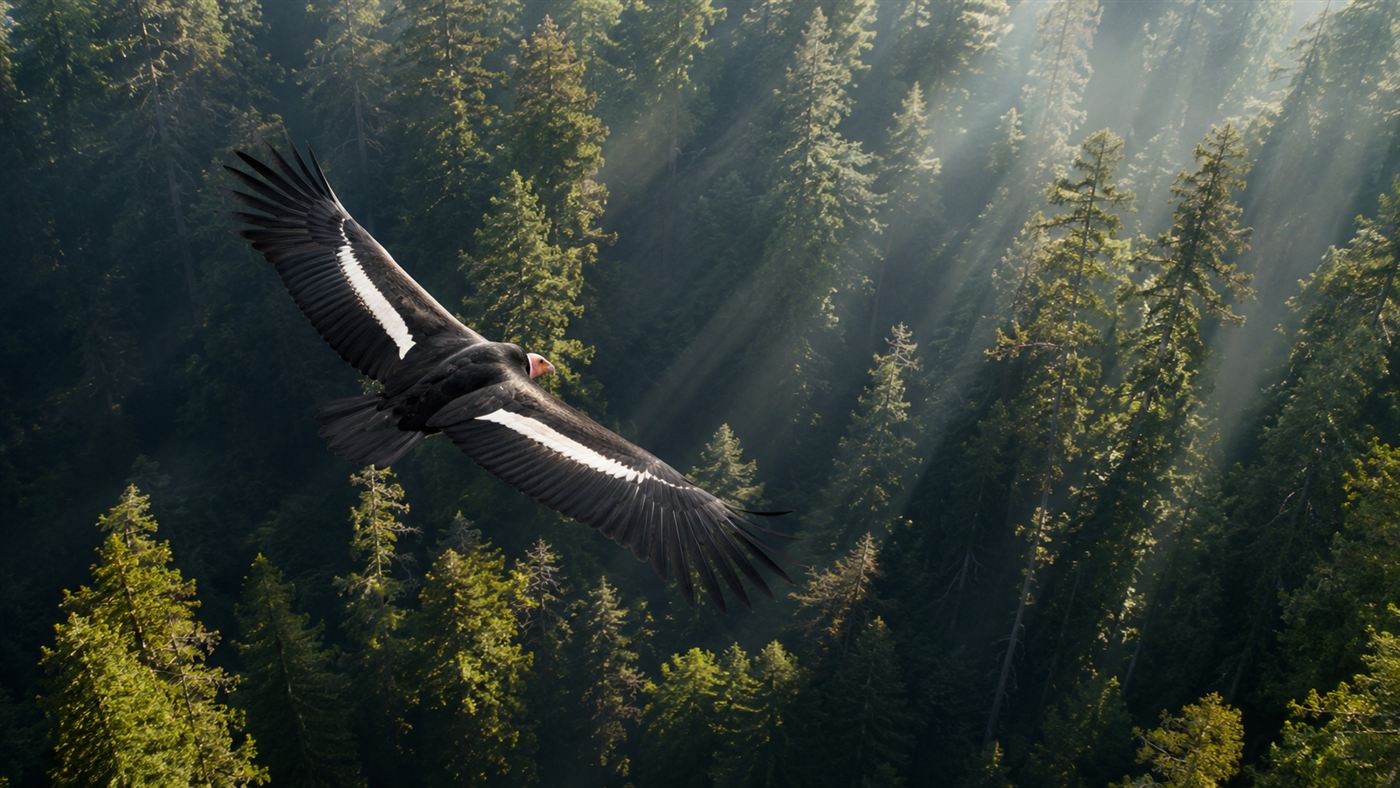 The California condor, back from 22 birds
 How the Iberian lynx beat extinction
 The saiga antelope's astonishing comeback
 India brings back the cheetah
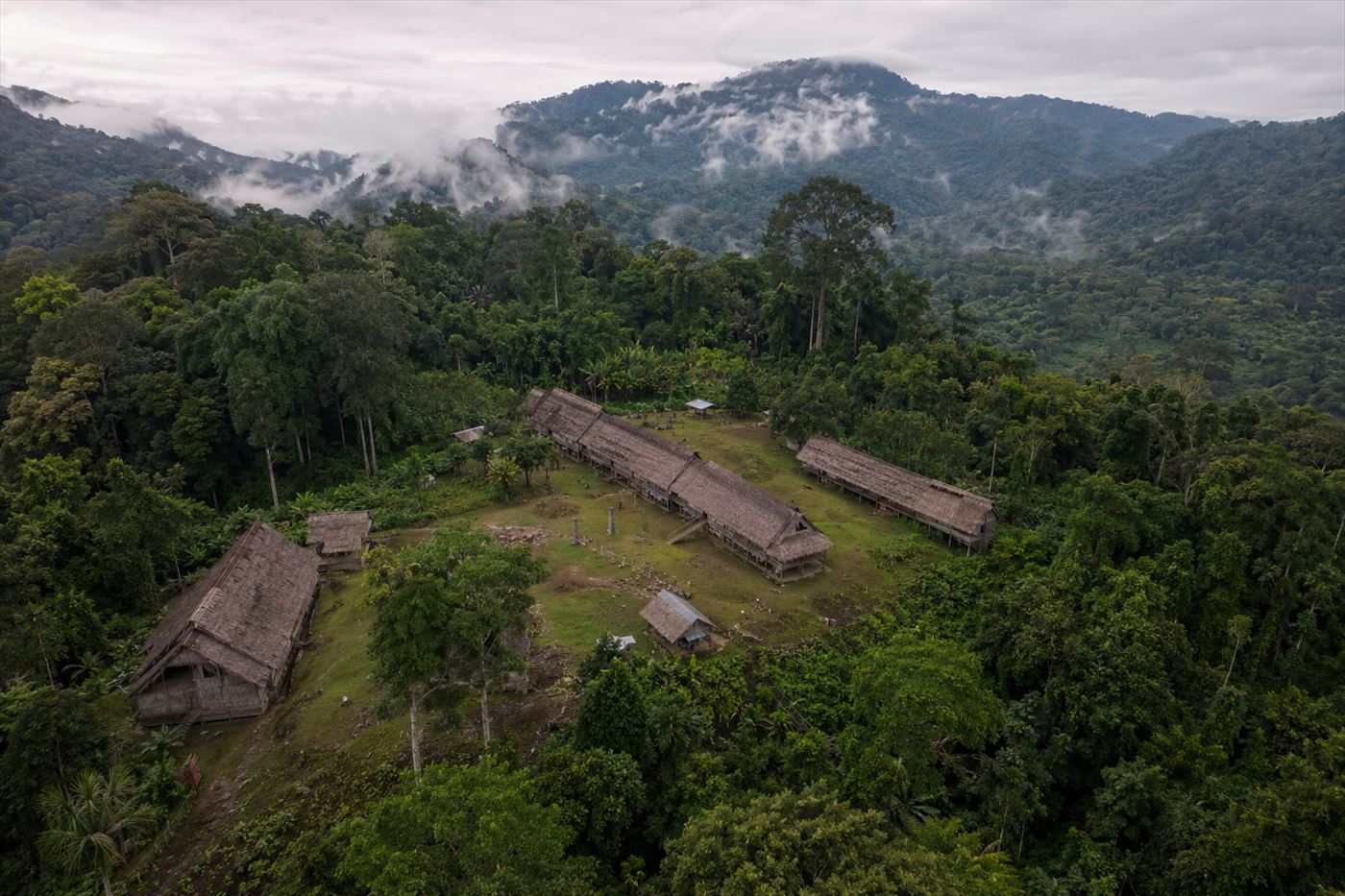 In the 1950s WHO sprayed DDT across Borneo to kill malaria mosquitoes, accidentally poisoned the cats through the same bioaccumulation mechanism, and ended up parachuting thousands of replacement cats into the jungle
 The pangolin, the world's most trafficked mammal